


There are times when music rewrites culture. Across decades and genres, songs and concerts have sparked hearings, influenced legislation, and forced governments to respond. Here are five times music helped change a law or public policy, with lasting impact.
“Strange Fruit” And The Push For Anti Lynching Legislation
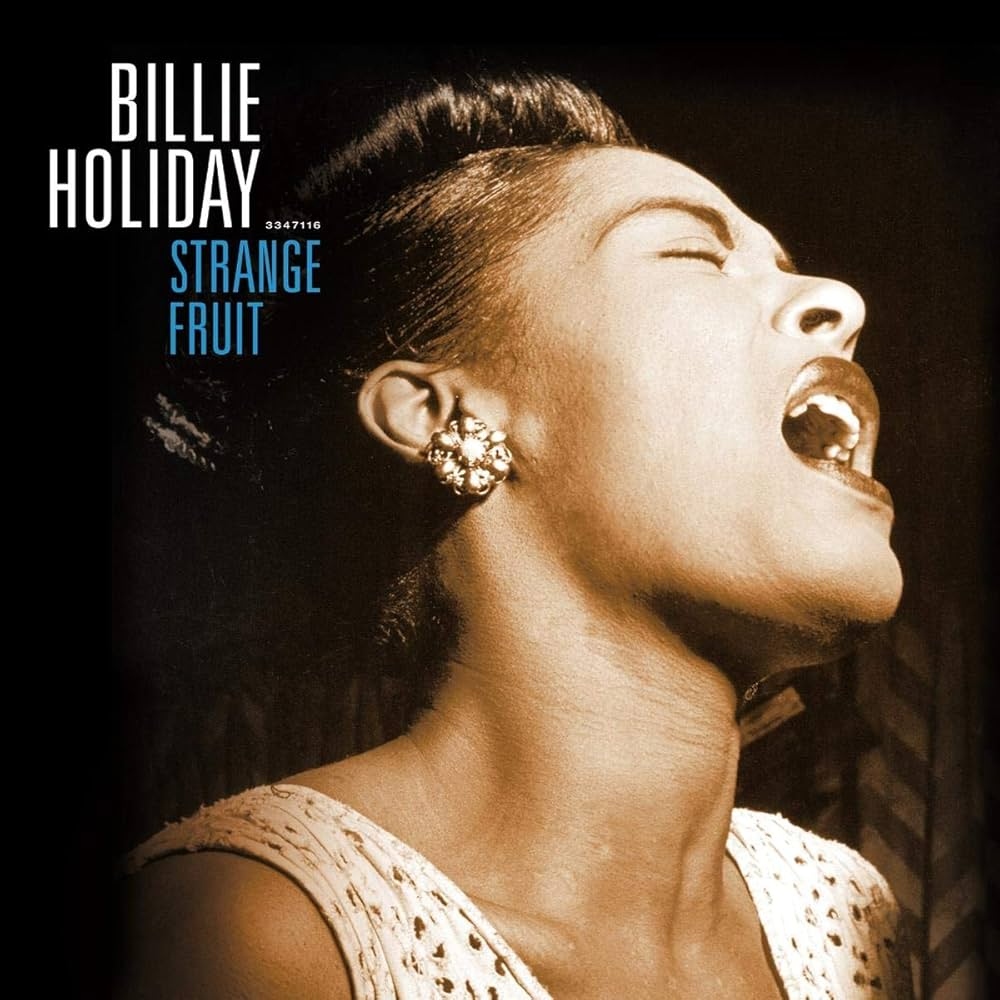
When Billie Holiday began performing “Strange Fruit” in 1939 at Café Society in New York, the song stunned audiences into silence. Its stark lyrics about lynching in the American South forced a brutal reality into mainstream spaces that had long avoided it.
While federal anti lynching legislation would not pass until 2022, the song became a cultural rallying point for decades of activism. It helped galvanize public support and kept the issue alive in national conversation, contributing to the momentum that finally led to the Emmett Till Antilynching Act being signed into law.
Live Aid And Global Debt Relief Conversations
In 1985, Bob Geldof organized Live Aid, a massive transatlantic concert held in London and Philadelphia to raise funds for Ethiopian famine relief. It drew an estimated global TV audience of nearly two billion.
Beyond the immediate fundraising, Live Aid pushed Western governments to confront African debt and food policy in new ways. The visibility and public pressure influenced aid packages, debt restructuring discussions, and set the stage for later initiatives such as expanded debt relief programs in the 1990s and 2000s.
“Rock The Vote” And Youth Voter Registration Reform
Launched in 1990 amid controversy over warning labels and censorship debates, Rock the Vote used musicians and pop culture icons to mobilize young voters. The campaign partnered with MTV and major artists to make civic engagement feel immediate and urgent.
Rock the Vote’s advocacy helped defend the National Voter Registration Act of 1993, also known as the “Motor Voter” law, which made it easier for Americans to register when applying for driver’s licenses. Music driven activism played a measurable role in increasing youth voter participation and protecting access to the ballot.
N.W.A., “F*** Tha Police,” And Free Speech Battles
When N.W.A released “F*** Tha Police” on Straight Outta Compton in 1988, the backlash was immediate. The FBI sent a warning letter to the group’s label, and law enforcement groups attempted to block performances.
The controversy ignited national debate around artistic freedom and police accountability. Courts consistently upheld First Amendment protections for musicians, reinforcing legal precedents around free expression. The case became a defining moment in the relationship between hip hop, protest music, and constitutional rights.
“Sun City” And Cultural Sanctions Against Apartheid
In 1985, Steven Van Zandt organized Artists United Against Apartheid and released the protest song “Sun City,” protesting performers who played the South African resort during apartheid. The project brought together dozens of major artists in a unified cultural boycott.
The song strengthened global cultural sanctions and amplified pressure on governments to adopt stricter economic and diplomatic measures against South Africa. Music became part of a broader international campaign that contributed to policy shifts and, ultimately, the dismantling of apartheid in the early 1990s.
Music alone rarely passes a bill. But it can change the climate around it. From anti lynching advocacy to voter access and global sanctions, these moments show how a song can move people first and policy second.