


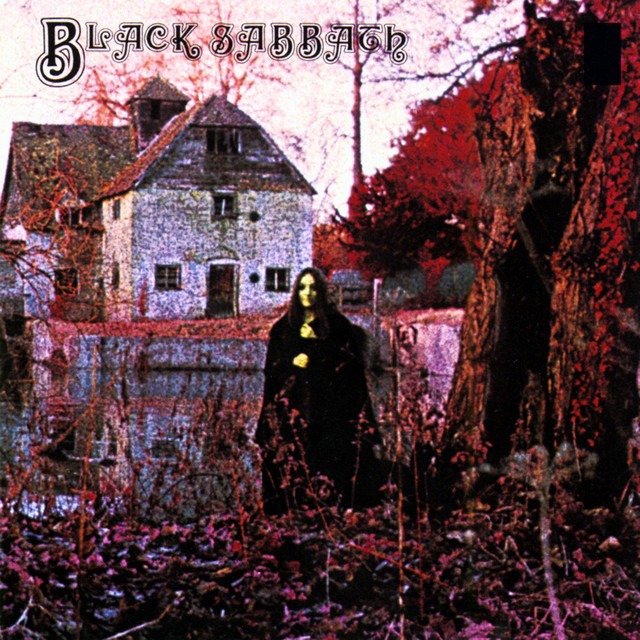
When Black Sabbath stepped into Regent Sounds Studios in 1969, they weren’t just recording a debut; they were terraforming the musical landscape into something darker, heavier, and far more sinister. Released on Friday the 13th in February 1970, ‘Black Sabbath’ is widely hailed as the first true heavy metal album, a record that transformed the bleak industrial nightmare of Birmingham into a thunderous sonic reality. Despite the initial cold shoulder from critics, the album’s massive commercial success and enduring “cult” influence proved that the world was ready for a sound that found gravity in mournful singing and a sinister rhythmic pulse.
The 12-Hour Masterpiece
Believe it or not, the foundational document of heavy metal was recorded in a single 12-hour session on October 16, 1969. The band essentially played their live set straight through with virtually no overdubs, and Ozzy was tucked away in a separate vocal booth so they could capture everything at once. Tony Iommi recalled that the band actually thought a whole day was a long time to spend in the studio before heading off to a £20 gig in Switzerland the next morning.
The Secret Behind the “N.I.B.” Title
For decades, fans have debated whether the song title “N.I.B.” was a cryptic abbreviation for “Nativity in Black,” but the truth is much more lighthearted. According to Ozzy Osbourne, the title was actually a reference to drummer Bill Ward’s pointed goatee at the time. The band thought his facial hair looked exactly like a fountain pen-nib, and the nickname simply stuck to the track.
A Literal Sheet Metal Sound
Tony Iommi’s legendary heavy tone was born from a tragic accident at a sheet metal factory that severed the tips of two of his fingers. To keep playing, he crafted false fingertips out of a dish detergent bottle and used lighter banjo strings to make bending easier. This forced him to rely on heavy fifth chords and a wilder, looser style that inadvertently created the blueprint for the metal riff.
The Mystery Woman of Mapledurham
The eerie, foreboding figure on the album’s cover was a model named Louisa Livingstone, shot at the Mapledurham Watermill in the freezing cold at 4:00 AM. The photographer used a smoke machine and dry ice to capture the “horrible presence” the band wanted, but her identity remained a mystery to the public for 50 years until 2020. Interestingly, Livingstone eventually moved away from the occult vibes of the cover and released her own electronic music.
The Accidental Inverted Cross
Inside the original gatefold sleeve, fans were greeted by a large inverted cross containing a poem—a design choice the band didn’t even know was happening. This inclusion, added by the design team without the group’s input, fueled decades of rumors that the band were genuine Satanists or occultists. While the band was reportedly upset by the unwanted imagery, it certainly helped cement their “dangerous” reputation in the eyes of the public.