


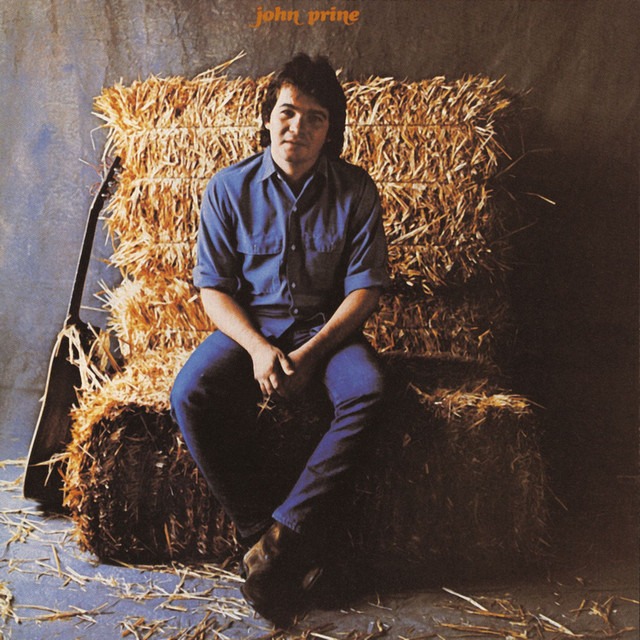
John Prine’s 1971 debut album arrived as a stunning collection of vignettes that redefined the landscape of American songwriting. Ranking at number 149 on Rolling Stone’s 500 Greatest Albums of All Time as of 2020, this record introduced a voice that combined profound empathy with a sharp, observant wit. While critics and fellow musicians like Kris Kristofferson immediately recognized his genius, Prine himself was a young mail carrier from Illinois who suddenly found himself recording with legendary session players in Memphis. The result is a timeless document of the human condition, capturing everything from the quiet isolation of aging to the heavy toll of conflict.
Terrified in the Studio
Recording his debut was an intimidating leap for Prine, who went from playing solo sets to performing with Elvis Presley’s rhythm section. He admitted to being “terrified” during the sessions at American Sound Studios in Memphis while he was still learning how to sing. The seasoned session musicians were initially thrown by his nasally delivery and folk-poet style, with one percussionist comparing the difficult session work to “milking a dag-blasted dog”.
The Real Story Behind “Illegal Smile”
Despite becoming a massive anthem for the counterculture, Prine clarified that “Illegal Smile” is not actually about smoking dope. He composed the song to describe his unique view of the world, where he found himself smiling at things that others might miss. He eventually stopped offering disclaimers during live shows because the song had become such a beloved staple for his fans.
A Meaningful Title Change for “Sam Stone”
One of the most devastating tracks on the album, “Sam Stone,” originally carried the title “Great Society Conflict Veteran’s Blues”. The song provides a vivid look at a veteran’s struggle with addiction, using the line “he popped his last balloon” as a direct reference to how street heroin was packaged at the time. Prine’s lyrics offered a powerful narrative on the “Soldiers Disease” that affected many returning from overseas.
From Newspaper Routes to “Hello In There”
Prine wrote the poignant “Hello In There” at just 22 years old, drawing inspiration from his days as a paperboy. He delivered newspapers to a Baptist old people’s home where residents would often pretend he was a visiting relative. This experience stayed with him, leading him to write the song as a tribute to senior citizens and a reminder to offer a simple “hello” to those experiencing isolation.
The Reluctant “Hick” on the Cover
The iconic album cover features Prine sitting on a bale of straw, but the singer later joked that he had never actually sat on one in his entire life. He initially suggested being photographed on a bus, but the photographer chose the rural setting instead. Prine quipped that the photographer must have seen a “hick” in him that was trying to get out.