


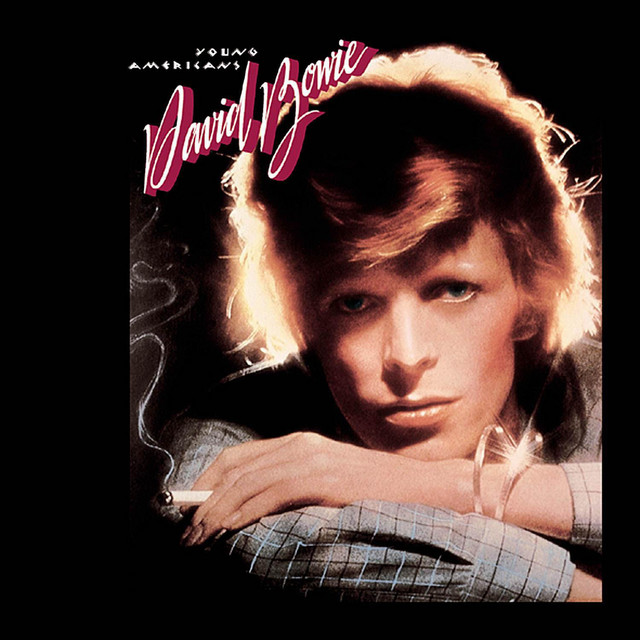
In the summer of 1974, David Bowie did the unthinkable: he killed off the diamond-studded theatricality of glam rock to become a “Gouster.” Exhausted by the massive sets of the ‘Diamond Dogs’ tour, Bowie rolled into Philadelphia’s Sigma Sound Studios—the holy ground of Philly Soul—to reinvent himself as an R&B crooner. He called the result “plastic soul,” a self-deprecating nod to a white Englishman’s take on black American musical tradition, but the world saw it as a masterful pivot.
‘Young Americans’ wasn’t just a change in wardrobe; it was a total sonic overhaul. Bowie ditched his usual British recording tricks for a live studio feel, surrounding himself with a powerhouse band that included a then-unknown Luther Vandross and guitarist Carlos Alomar. The album became his massive US breakthrough, fueled by milk, peppers, and a dangerous amount of cocaine, resulting in a record that was slick, soulful, and deeply paranoid all at once.
1. The “Sigma Kids” Lock-In
During the recording in Philadelphia, a dedicated group of fans known as the “Sigma Kids” camped outside the studio every single day. On the very last night of tracking, Bowie rewarded their loyalty by inviting them all into the studio. He fed them pizza and played them the raw, unmixed tracks of the album—an unheard-of gesture of fan intimacy at the time.
2. Luther Vandross: The Secret Weapon
Before he was a solo superstar, Luther Vandross was just a backing singer brought in by Carlos Alomar. Bowie was so impressed by Vandross’s vocal ideas that he had him arrange the complex gospel-style harmonies for the entire album. The track “Fascination” actually evolved out of a song Vandross had written himself called “Funky Music (Is a Part of Me).”
3. The Beatle and the “Fame” Riff
“Fame” was a last-minute addition born from a jam session with John Lennon at Electric Lady Studios. The iconic, funky guitar riff was originally Carlos Alomar’s attempt to play a cover of “Footstompin’” by the Flares. Lennon began singing the word “aim” over the riff, which Bowie quickly flipped to “Fame,” writing the lyrics as a stinging rebuke to his former management.
4. The “Plastic Soul” Vocal Struggle
Bowie’s heavy drug use during the sessions significantly altered his physical voice. He developed a raspy quality that made it impossible for him to hit his usual high notes comfortably. Paradoxically, he believed ‘Young Americans’ contained some of the highest notes he ever attempted on record, pushed out through sheer willpower and studio adrenaline.
5. The Lost ‘Gouster’ Acetate
The album was originally titled ‘The Gouster’ and had a much more traditional soul vibe. It featured tracks like “Who Can I Be Now?” and “It’s Gonna Be Me”—deeply personal songs that were eventually cut to make room for the John Lennon collaborations. Producer Tony Visconti was reportedly heartbroken when Bowie decided to drop those soulful gems in favor of the more commercial “Fame.”