


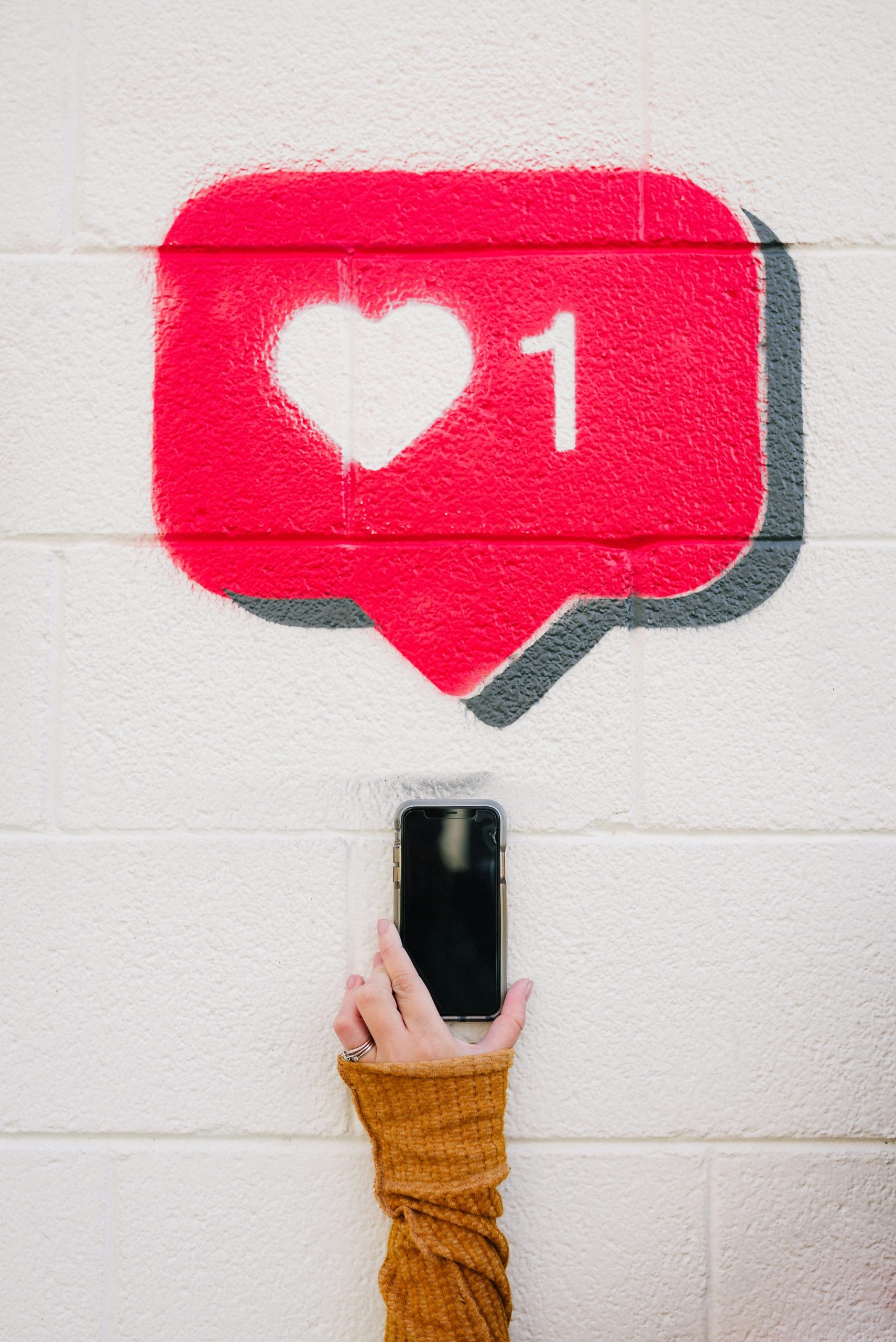
Let me say something that might sound like heresy in 2026: you don’t need to go viral.
I know, I know. Every week there’s another story about some bedroom producer in Saskatoon or a teenager in Tulsa who posted a thirty-second clip on TikTok and woke up the next morning with four million streams and a manager calling. The music industry loves these stories. They’re clean, they’re cinematic, and they’re almost entirely useless as a roadmap for building a real career.
Here’s what nobody tells you: most artists who go viral don’t survive it. The attention arrives like a flood, washes over everything, and recedes just as fast. There’s a familiar arc to viral moments. A fan-driven spark leads to a song catching fire. Dances, memes, and remixes add fuel. And then, inevitably, the hype slows. If you haven’t built anything underneath that spike, you’re left with a great story and a declining Spotify curve.
So what does building a real fanbase actually look like in 2026? Let’s talk about it.
With over 100,000 new songs released daily, competing against the entire history of recorded music, emerging artists face an unprecedented challenge in building the early fanbase every successful career needs. Spotify alone paid out more than eleven billion dollars to the music industry in 2025, the largest annual payment from any music retailer in history. That sounds great until you realize how many artists are splitting that pie.
The platform itself has acknowledged the problem. As AI makes all kinds of content more abundant, human connection has become more valuable, not less. Helping fans better understand who artists are and what inspires them establishes real connections that turn casual listeners into long-term fans.
Read that again. The biggest streaming platform on earth is telling artists that human connection is the answer. Not algorithms. Not trend-chasing. Connection.
The smartest thing an emerging artist can do right now is stop thinking about global and start thinking about devoted. Industry insiders have described artists like Carly Rae Jepsen and pre-Brat Charli XCX as examples of artists who weren’t ascending to the top of the culture, but were becoming “the queen of your own underground.” From there, you can build and cultivate a solid fanbase that makes you feel like you’re topping the charts, without having to deal with the pressure of becoming the next Taylor Swift or Beyoncé.
That is not a consolation prize. That is a strategy.
Instead of trying to go viral globally, the smarter play is to go deep locally or within niche online communities. Join Discord servers, Reddit threads, or Facebook groups related to your genre. Connect with curators and influencers in your niche. Collaborate with other small artists to cross-pollinate fanbases. Show up at open mics, local festivals, or virtual showcases. Word of mouth still works. It always has. It just moves through different channels now.
Here is a truth that the music industry finds deeply inconvenient: showing up regularly matters more than showing up spectacularly. Many successful indie artists now follow a “single a month” strategy, which continuously re-engages past listeners and attracts new ones without long gaps. Consistency keeps both fans and algorithms interested. Each release is another chance to hook new listeners and remind your followers you’re still creating.
The most successful domestic acts are those nurtured over time: artists with a clear creative identity and a strong sense of purpose. The industry is rediscovering the value of patience and conviction, backing artists beyond the initial viral moment and focusing on sustainable careers built on authenticity, world-class music, and consistent execution.
Brick by brick. That’s the phrase I keep hearing from people who actually know how this works.
In a world where streaming pays artists fractions of a penny per play, more and more musicians are finding that 100 true fans on Patreon can outweigh 10,000 casual streamers in terms of both income and support.
The “1,000 True Fans” theory, first articulated by Kevin Kelly back in 2008, has aged remarkably well. The idea is simple: if you can find 1,000 people who love what you do enough to spend $100 a year on it, that’s a $100,000 income. In 2026, with direct-to-fan tools like Patreon, Bandcamp, and private community platforms, that math is more achievable than it has ever been. Community spaces and first-party data are where artists are building their real incremental following, showing what their real footprint will be, rather than chasing social media vanity metrics.
This one never goes away, and it never will. TV Girl’s songs blew up on TikTok organically, without the band actively pushing the trend or engaging heavily on social media. Instead of chasing the moment online, they focused on real-life opportunities: touring, playing shows, and making sure new listeners had a full catalog to explore. They were ready when the moment came, and that helped turn casual listeners into real fans.
That is the model. Build the live show. Build the catalog. Be ready. The thing you have control over is how good of a performer you are, and how much craft you put into being amazing live. A Tiny Desk performance might go absolutely everywhere because it can be clipped up and spread, and that comes back to being an extraordinary live performer.
Look, I get it. The temptation to chase the viral moment is real and completely understandable. When you can watch someone go from zero to a sold-out tour in eight months because of a single TikTok clip, the slow road feels almost insulting. But for every one of those stories, there are ten thousand artists who chased the same lightning bolt and got nothing.
Virality isn’t the goal anymore. The artists who win aren’t chasing trends; they’re building consistent connection. That comes from repeatable stories, behind-the-music vulnerability, song snippets, community engagement, and emotionally resonant content that makes people feel something.
The music industry in 2026 is noisier and more crowded than it has ever been. But it is also more direct. The tools to build a genuine relationship with a genuine audience have never been more accessible or more powerful. You don’t need a label. You don’t need a publicist on day one. You don’t need a viral moment.
You need good music, a clear identity, relentless consistency, and the patience to play a long game in an industry that keeps trying to sell you a shortcut.
There are no shortcuts. There never were.