


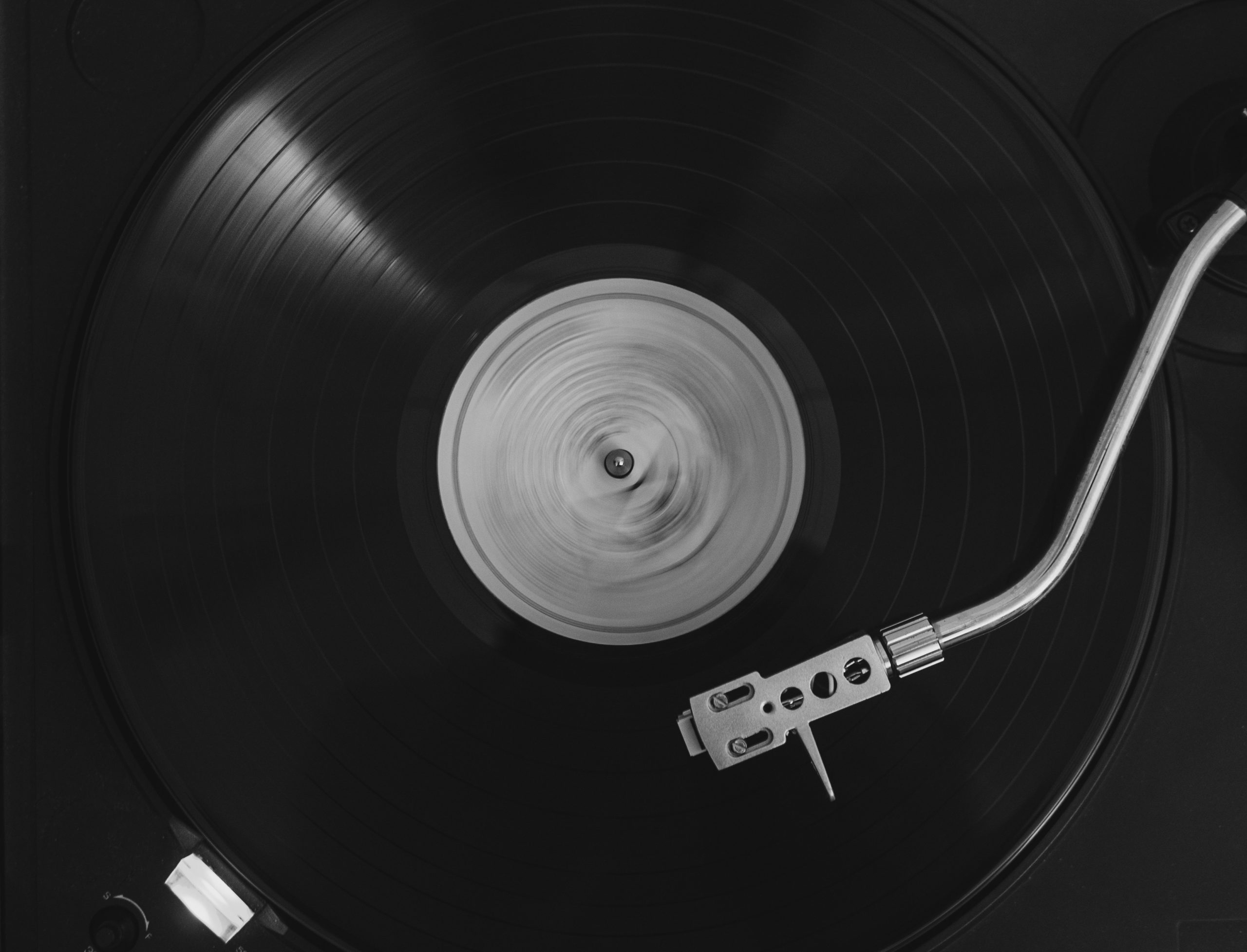
Here’s a number that might just change how you think about your next release. In 2024, vinyl sales in the United States reached $1.4 billion, the highest level since 1984, with 44 million records sold, outselling CDs for the third year running. And this wasn’t a fluke or a one-year spike. It marked vinyl’s 18th consecutive year of growth. Eighteen straight years. That points to something deeper than a nostalgia wave. It’s a real, lasting shift in how people want to experience the music they love.
And here’s the heartening part for you as an artist. Your fans don’t only want access to your music, streaming already gives them that. Many of them want to own it too, to hold it, to slide it onto a shelf and drop the needle on a Sunday afternoon. That desire is a genuine opportunity, and it’s one that’s wide open to independent artists right now.
The beauty of vinyl is that it’s a completely different experience than a stream, and fans treasure it for exactly that reason. Streaming costs the listener nothing per song, while a buyer paying $30 for an LP is purchasing the physical object, the artwork, and the gatefold experience. These two formats aren’t really competing. They’re different things that serve different moments, and your most devoted listeners happily want both.
That devotion is what’s driving this whole resurgence, and it shows no sign of slowing. US vinyl sales grew for a 19th consecutive year in 2025, surpassing $1 billion in US sales and representing nearly half of the format’s entire global value. The appetite is real, it’s durable, and there’s plenty of room in it for artists at every level.
For a long time, vinyl felt out of reach for smaller artists, and for an understandable reason. Traditional vinyl pressing required minimum orders of 500 to 1,000 units, which priced out smaller artists or demanded large upfront investments. Gambling thousands of dollars on a thousand records was simply too much for most people to take on.
The wonderful news is that this has changed. Independent artists can now press as few as 100 to 300 records, turning vinyl into a powerful marketing and fan-engagement tool rather than just a distribution format. The supply backlog that slowed everyone down a few years ago has eased up too. Pressing lead times, which stretched to around 18 months at the peak of the bottleneck in 2021 and 2022, have come back down to roughly 6 to 9 months, and short-run plants are often quicker still. Which leads nicely to the question everyone asks.
Let’s walk through some real numbers so you can plan with confidence. At the manufacturing level, the per-unit cost is quite reasonable. A vinyl record costs roughly $5 to $9 to manufacture per unit before any margin to the label, distributor, store, or artist. For a finished short run with full packaging, here’s a helpful benchmark. Disc Makers charges approximately $1,299 for 100 standard black 12-inch records with full-color jackets.
Now picture the math. If you press 100 records for around $1,300 all-in and sell them at $30 each at shows and through your own store, that’s roughly $3,000 in revenue on your investment, with the difference going straight to you. Color variants, splatter effects, and gatefolds can mean even more to collectors. It’s one of the rare moves where the numbers genuinely work in an independent artist’s favor, and you get to keep what you earn.
This is the best news of all. You don’t need a label, a distributor, or an inside connection to do this. A whole community of pressing plants is ready to work directly with independent artists at friendly minimums. Here are some worth getting to know.
Disc Makers (USA)
Veteran full-service option, cuts lacquers and prints jackets in-house, friendly pricing on runs of 100 to 200.
Memphis Record Pressing (USA)
Short-run program built for indies, orders of 100, 200, and 300 units ready in about 4 to 6 weeks.
Mobineko (USA, UK, Taiwan)
Pioneered ultra short runs, presses from as few as 25 pieces with a live order-tracking portal and worldwide shipping.
Mastertrack (USA)
Short runs from 100 units with loads of color and splatter options, budget Gig packages shipping in 4 to 6 weeks.
Hellbender Vinyl (USA)
Pittsburgh plant known for personal service, made-in-USA 7-, 10-, and 12-inch records with transparent pricing.
Gotta Groove Records (USA)
Cleveland-based, well loved by indie labels for quality and hands-on support.
Pirates Press (USA)
San Francisco company with a strong reputation, especially for creative formats and packaging.
Citizen Vinyl (USA)
Asheville, NC plant and café that acquired Donaldson Record Pressing, indie-friendly and community-minded.
Kindercore Vinyl (USA)
Athens, Georgia plant focused on supporting independent and emerging artists.
Record Technology Inc. (RTI) (USA)
Camarillo, California, respected for audiophile-grade pressing quality.
Smashed Plastic (USA)
Chicago’s artist-focused plant, geared toward independent runs.
Brooklyn Phono (USA)
Long-running independent plant in New York handling smaller orders.
Canada Boy Vinyl (Canada)
Western Canada’s full-service plant, handy for Canadian artists avoiding cross-border shipping.
Microforum (Canada)
Toronto-based, presses vinyl alongside other media for indie clients.
The Vinyl Factory (UK)
Storied West London plant for higher-end and collectible pressings.
One Cut Vinyl (UK)
Specializes in short runs and one-off custom records, ideal for very small quantities.
Vinyl de Paris (France)
Established Paris plant offering quality short and standard runs.
Mad Vinyl Music (Spain)
Madrid plant with decades of experience, back pressing locally after years away.
Deepgrooves (Netherlands)
Dutch plant known for sustainability and indie-friendly service.
Starlight Vinyl (China)
Low minimums from 50 records with quick 3 to 4 week lead times for budget-conscious runs.
A friendly tip as you choose: the two things to weigh first are minimum order quantity (can you realistically sell 250, or is 100 safer?) and turnaround time, since many plants run 3 to 6 months unless you pay for a rush. Starting small is a perfectly lovely way to test the waters.
Pressing your first record is a milestone, and it’s one that more independent artists can reach now than ever before. Whether you want a boutique collector’s item for your superfans or a full run to sell on tour, there’s a company out there that fits your needs, budget, and vision.
So if you’ve been wondering whether vinyl is worth it, let this be a gentle nudge. Your fans are already telling you they want something they can hold onto. Giving them that isn’t just good business, it’s a beautiful way to deepen the bond between your music and the people who love it most. Start small, press a hundred, and see how it feels to hand someone a record with your name on it. Chances are, you’ll both treasure it.