

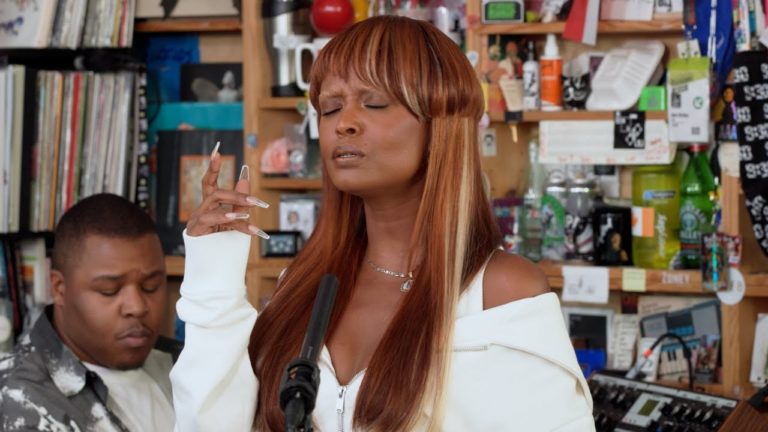
Kelela’s Tiny Desk performance was a stunning reimagination of her work, swapping her signature hard drums and effects for harp and piano. Accompanied by a talented ensemble, including Briley Harris on keys and Ahya Simone on harp, she reworked tracks like “Take Me Apart” and “Enough,” giving them a fresh, ethereal twist. Kelela’s creative exploration, including experimenting with a thunder tube, added a unique layer to this intimate set. A beautiful homecoming to Washington, D.C., this performance revealed her ever-evolving sound.
My Next Read: “Soundtrack of Silence: Love, Loss, and a Playlist for Life” By Matt Hay
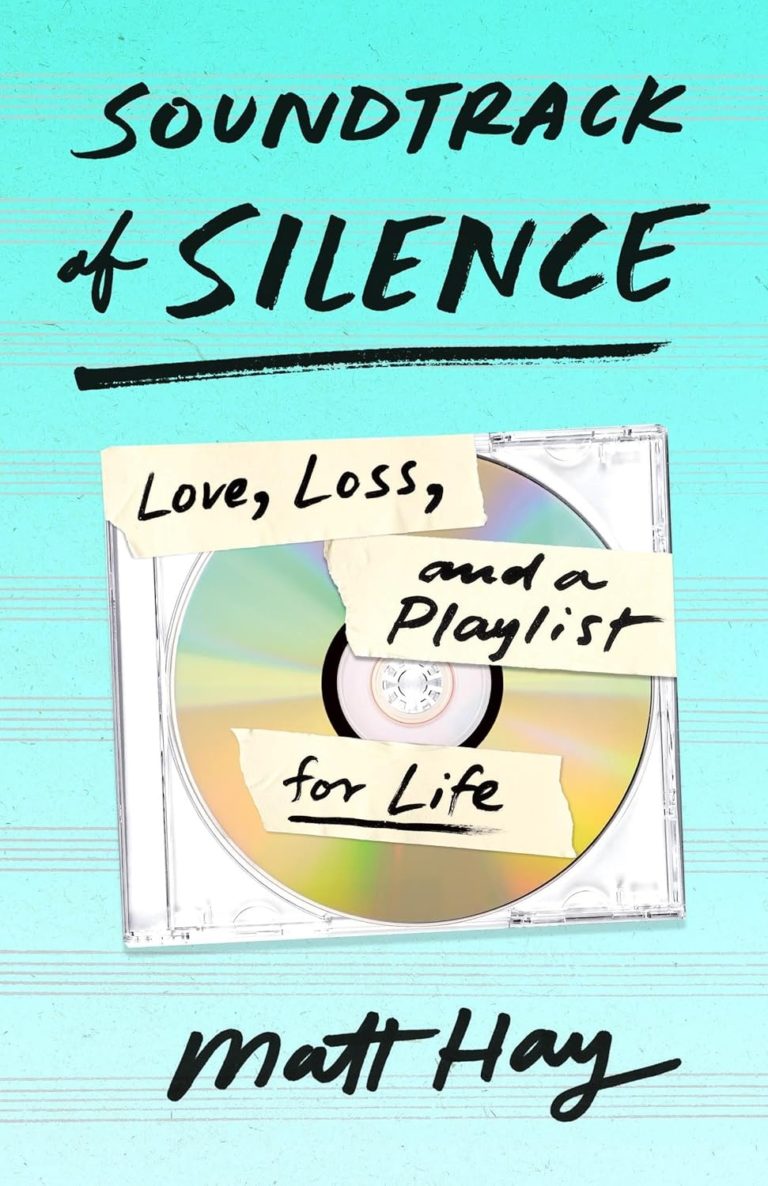
An inspiring memoir of a young man who discovered he was going completely deaf just at the moment he’d fallen in love for the first time.
As a child, Matt Hay didn’t know his hearing wasn’t the way everyone else processed sound―because of the workarounds he did to fit in, even the school nurse didn’t catch his condition at the annual hearing and vision checks. But by the time he was a prospective college student and couldn’t pass the entrance requirements for West Point, Hay’s condition, generated by a tumor, was unavoidable: his hearing was going, and fast.
A personal soundtrack was Hay’s determined compensation for his condition. As a typical Midwestern kid growing up in the 1980s whose life events were pegged to pop music, Hay planned to commit his favorite songs to memory. He prepared a mental playlist of the bands he loved and created a way to tap into his most resonant memories. And the track he needed to cement most clearly? The one he and his new girlfriend, Nora―the love of his life―listened to in the car on their first date.
Made vivid with references to instantly recognizable songs―from the Eagles to Elton John, Bob Marley to Bing Crosby, U2 to Peter Frampton―Soundtrack of Silence asks readers to run the soundtrack of their own lives through their minds. It’s an involving memoir of loss and disability, and, ultimately, a both unique and universal love story.
John Williams Shares How He Persuaded Steven Spielberg to Rethink the Iconic ‘Jaws’ Score
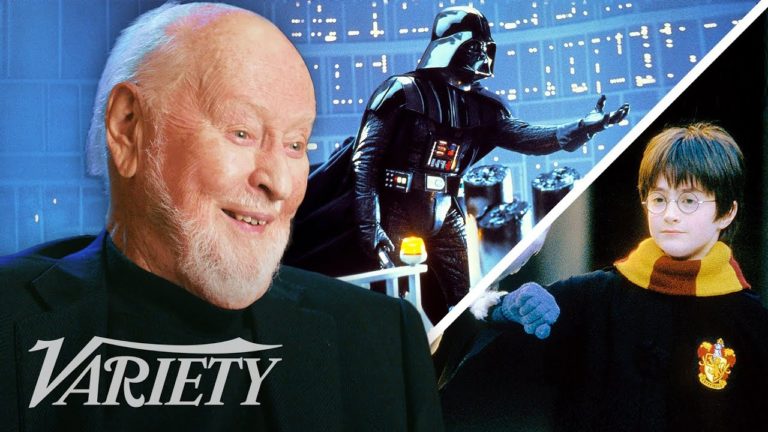
In a new interview, legendary composer John Williams opens up about the creative push behind the unforgettable “Jaws” score. Williams revealed that he had to convince director Steven Spielberg to move away from the typical “scary” music, instead suggesting a thrilling, adventure-driven approach that ultimately became one of the most iconic film scores of all time.
5 Surprising Facts About Alanis Morissette’s ‘Jagged Little Pill’
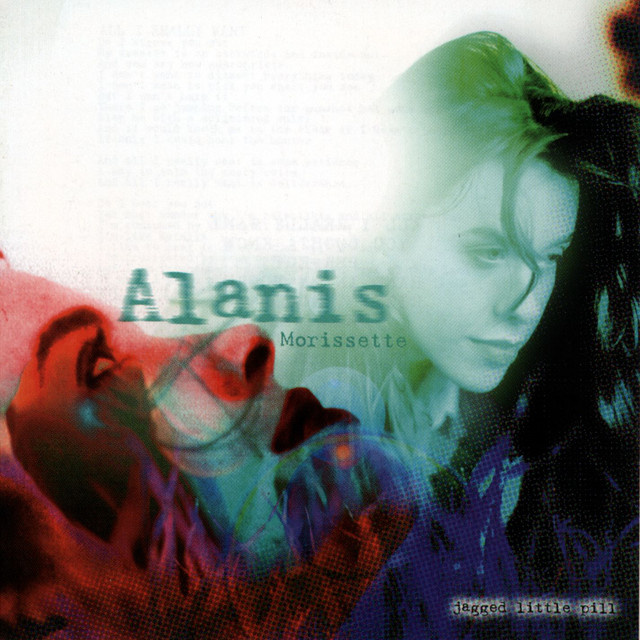
In 1995, the world was introduced to Jagged Little Pill, Alanis Morissette’s groundbreaking album that fused angst, authenticity, and alternative rock in a way that changed music forever. With tracks like “You Oughta Know” and “Ironic,” it hit deeply, earning critical acclaim and breaking sales records with of over 33 million copies worldwide, making it one of the best-selling albums of all time. While its legendary status is well-documented, there are still some lesser-known details about the album and its creation.
1. “Hand in My Pocket” Was Written in Just 30 Minutes
When Alanis Morissette met producer Glen Ballard, their creative chemistry was instant. “Hand in My Pocket,” one of the album’s signature tracks, came together in a single 30-minute session. Its relatable lyrics about life’s contradictions and simple-yet-powerful melody epitomize the raw, unfiltered process that defined the album’s recording.
2. “Ironic” Almost Didn’t Make the Album
Despite its massive success, “Ironic” was a last-minute addition to the record. Written on a whim during an experimental session, the song’s quirky lyrics and catchy chorus cemented its place as one of Morissette’s most iconic tracks. Interestingly, the debates over the proper use of irony in the song’s lyrics only added to its cultural impact.
3. “You Oughta Know” Featured Rock Royalty
Did you know that Flea and Dave Navarro of the Red Hot Chili Peppers played bass and guitar on “You Oughta Know”? Their collaboration added a gritty, aggressive edge to the song, helping it stand out as a fierce breakup anthem. Their involvement was spontaneous, but it perfectly complemented Alanis’s emotionally raw vocals.
4. The Title Jagged Little Pill Has a Personal Backstory
The album’s title comes from a lyric in “You Learn,” where Alanis advises listeners to embrace life’s tough lessons: “Swallow it down, it feels so good swimming in your stomach.” For Morissette, the title symbolized the bittersweet nature of personal growth—a recurring theme throughout the album.
5. Alanis Recorded Vocals in Just One Take
Morissette’s raw emotional delivery on Jagged Little Pill was no accident. To preserve authenticity, she insisted on recording her vocals in just one or two takes. This method captured her unfiltered emotions and contributed to the album’s unique intensity and vulnerability.
Nearly three decades after its release, Jagged Little Pill continues to become a life-long favourite with new generations of listeners. Its blend of introspection, raw emotion, and bold experimentation set a benchmark for authenticity in music and also on Broadway, when it became a Tony Award-winning stage show. Whether you’re rediscovering the album or hearing it for the first time, you oughta know it’s still a classic.
Watch A One-Hour Interview With Kris Kristofferson From 1984
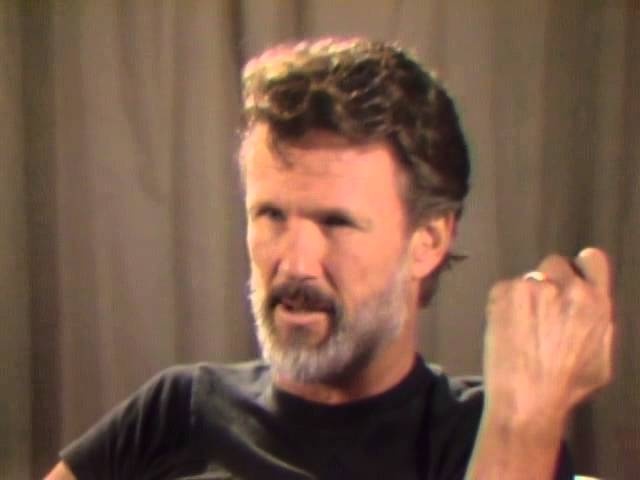
Step back in time with a captivating 1984 interview featuring Kris Kristofferson! In this one-hour, three-part series with Rock Influence, the legendary songwriter reflects on his music, career, and influence.
Rock And Read: “Now You’re One of Us: The Incredible Story of Redd Kross” By Jeffrey and Steven McDonald And Dan Epstein
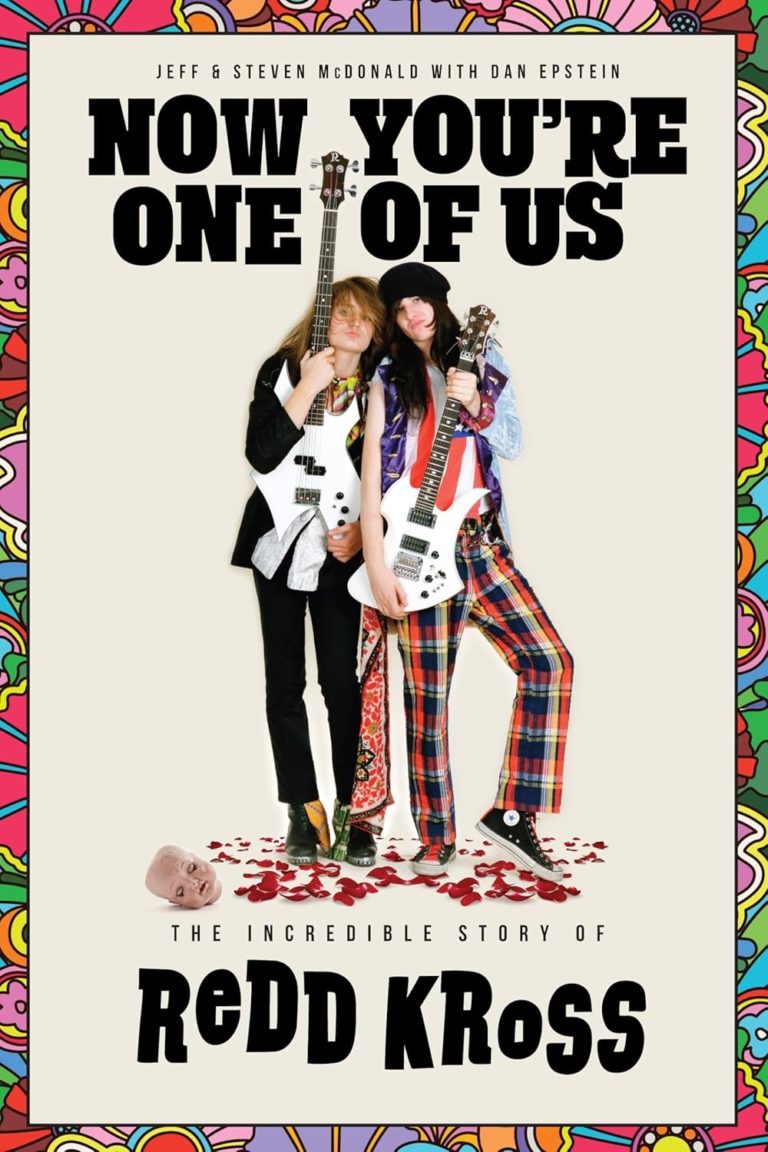
Now You’re One of Us is the definitive statement about Redd Kross, an in-depth and riveting tale told in the voices of the talented and tempestuous brothers at the core of this iconic outfit.
Emerging from humble beginnings in suburban Los Angeles, the McDonalds took their rock ‘n’ roll fantasy and ran with it — and wound up becoming one of the most influential American bands of their time. The band’s flamboyant, genre-defying, joyously tuneful blend of musical, sartorial and pop cultural elements profoundly influenced the punk rock, glam metal and grunge movements and won them a worldwide cult of fervent admirers that includes bands like Pearl Jam, Foo Fighters, Sonic Youth, L7 and The Bangles.
Redd Kross continue rocking to this day, much to the intense delight of fans old and new. And now the McDonalds team up with award-winning music journalist Dan Epstein to tell their wild, hilarious and gloriously star-spangled tale.
Kick Out The Jams With “MC5: An Oral Biography of Rock’s Most Revolutionary Band” By Brad Tolinski, Jaan Uhelszki & Ben Edmonds
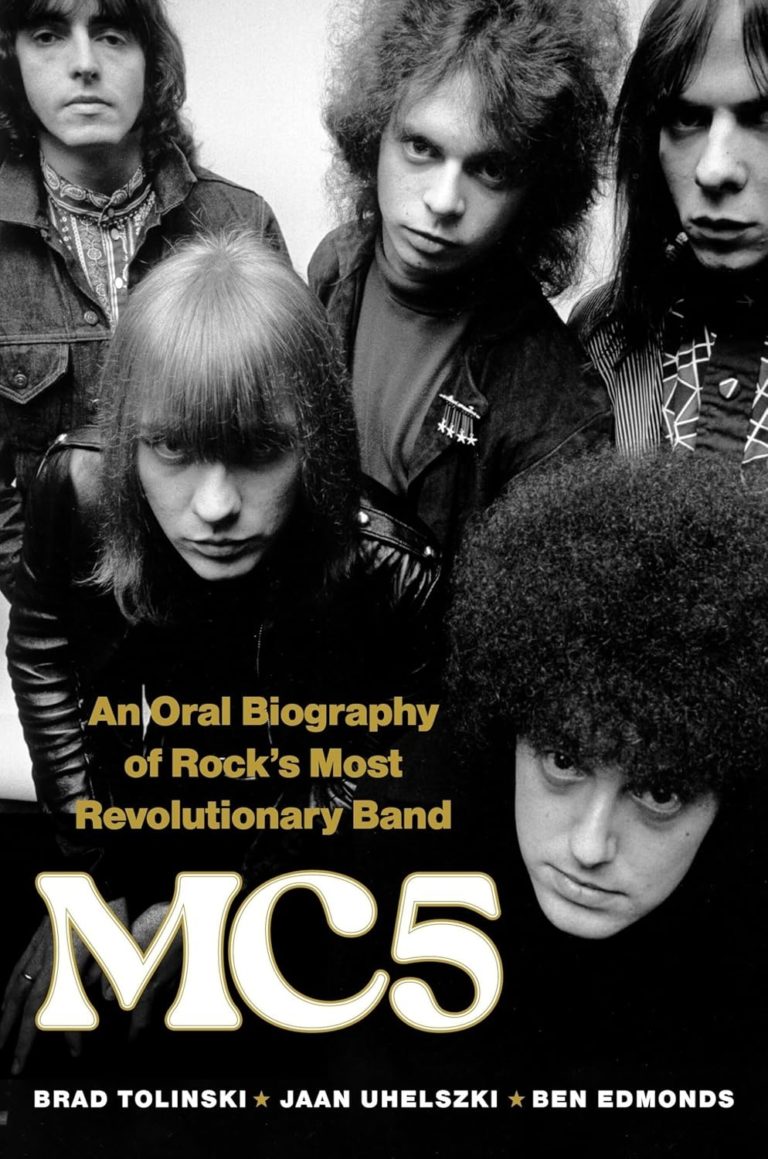
Few bands have dared to ignite a revolution through their fusion of activism and art like MC5. Managed by the charismatic radical and hippie spokesman, John Sinclair, MC5 wasn’t just a band; they were a thunderous proclamation of dissent, amplifying the voices of the marginalized long before it was fashionable. From championing racial equality to rallying for cannabis legalization, they fearlessly thrust their beliefs onto the world stage. For their efforts, the rabble-rousing musical arm of the White Panther Party, the scourge of J. Edgar Hoover’s FBI and other defenders of public decency, were often beaten with clubs, threatened at gunpoint, tossed into jail, and even unceremoniously dumped by their record company, right as their album was storming up the charts—and all while the Sex Pistols were still on training wheels.
What has been lost amidst this notoriety is MC5 itself, a band worth remembering not because they were bad boys, but because they were so damn good. In MC5: An Oral Biography of Rock’s Most Revolutionary Band, music journalists Brad Tolinski and Jaan Uhelszki invite readers to reconsider this legendary group. Centered around a series of interviews with MC5, their manager, and their inner circle—many of whom are no longer with us—that Tolinski and Uhelszki inherited from CREEM Magazine founding staffer and Mojo‘s US editor Ben Edmonds prior to his death, this book presents a genuinely candid, funny, and moving portrait of rock’s most uncompromising and articulate band. MC5 also features a virtual “who’s who” of 1960s rockers, including Iggy and the Stooges, Janis Joplin, Jimi Hendrix, promoter Bill Graham, John Lennon, the Jefferson Airplane, and political firebrands like Abbie Hoffman, Jerry Rubin, Tom Hayden, and Black Panther Eldridge Cleaver.
As innovative, insightful, and inspiring as the band itself, MC5 is a fitting testament to the legacy of these iconic rock pioneers—told in their very own words.
Now Back In Print: “This Ain’t No Disco: The Story of CBGB” By Roman Kozak
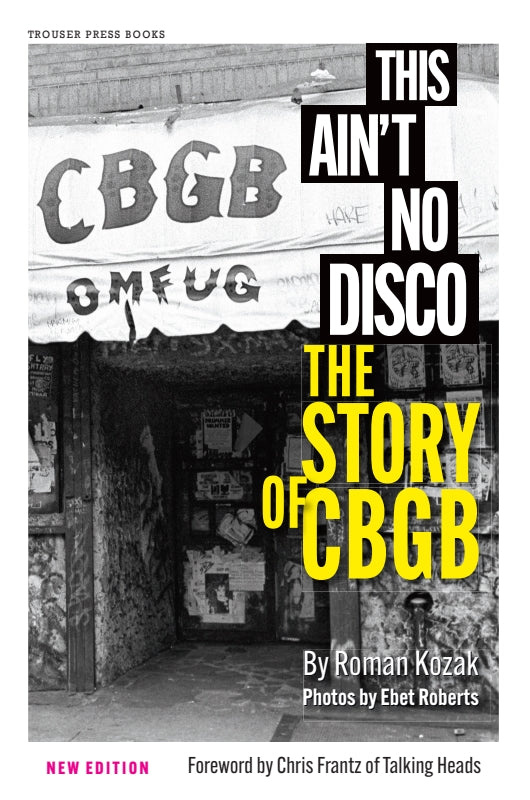
Originally published in 1988 and out of print for decades, This Ain’t No Disco tells the real story of CBGB, the birthplace and incubator of American punk and new wave music. The Ramones, Blondie, Television, Talking Heads and many other rock greats all got their starts there.
Written by a club regular well before the legend overtook the reality (while CBGB was still open and most of its principals alive), this is an honest, opinionated, outrageous, hilarious document of 15 years of late, loud nights at CBGB, with memories, stories and gossip from dozens of people who played, worked or just hung out in the long, dark club on the Bowery in New York City.
This new edition adds a new foreword by Chris Frantz of Talking Heads, a new selection of photographs by the acclaimed Ebet Roberts and archival reporting by Ira Robbins about the club’s closing in 2006.
Roman Kozak (1948-1988) was born in a camp for displaced persons in Germany. He served as night news editor for The Daily American newspaper in Rome and then moved to New York, where he became an editor at Billboard magazine (1973-1983). He later wrote for The Music Paper and was an associate editor of Old Manhattan News and publisher of Rock Photo magazine. In 1987, he co-wrote a screenplay entitled The Bomb. This is his only book.
Ebet Roberts moved from her native Memphis to New York City to paint but switched to photography in 1977 when she began began documenting the evolving CBGB scene. Since then, she has consistently documented musicians, capturing the essence of the artists she photographs while accumulating a vast archive and respect from her peers.
Her photographs are reproduced in innumerable publications including Rolling Stone, MOJO, Spin, GQ, Playboy, The New York Times, Newsweek, Time, People, USA Today and the Village Voice. They are also featured prominently in Blank Generation Revisited, This Ain’t No Disco: The Story of CBGB, Frozen Fire: The Story of the Cars, CBGB’S: 30 Years of Photographs and The Rolling Stone Book of Women in Rock.
Her photographs have been widely exhibited and are in the permanent collection of the Rock And Roll Hall of Fame, Seattle’s Experience Music Project, the Grammy Museum and the Hard Rock Cafe.
Chris Frantz is a drummer, composer, record producer, author and broadcaster. As a founding member of Talking Heads and Tom Tom Club, he performed many times at CBGB. He is in the Rock and Roll Hall of Fame. His memoir, Remain in Love: Talking Heads, Tom Tom Club, Tina, was published in 2020.
You Oughta Read “We Oughta Know: How Céline, Shania, Alanis, and Sarah Ruled the ’90s and Changed Music” By Andrea Warner
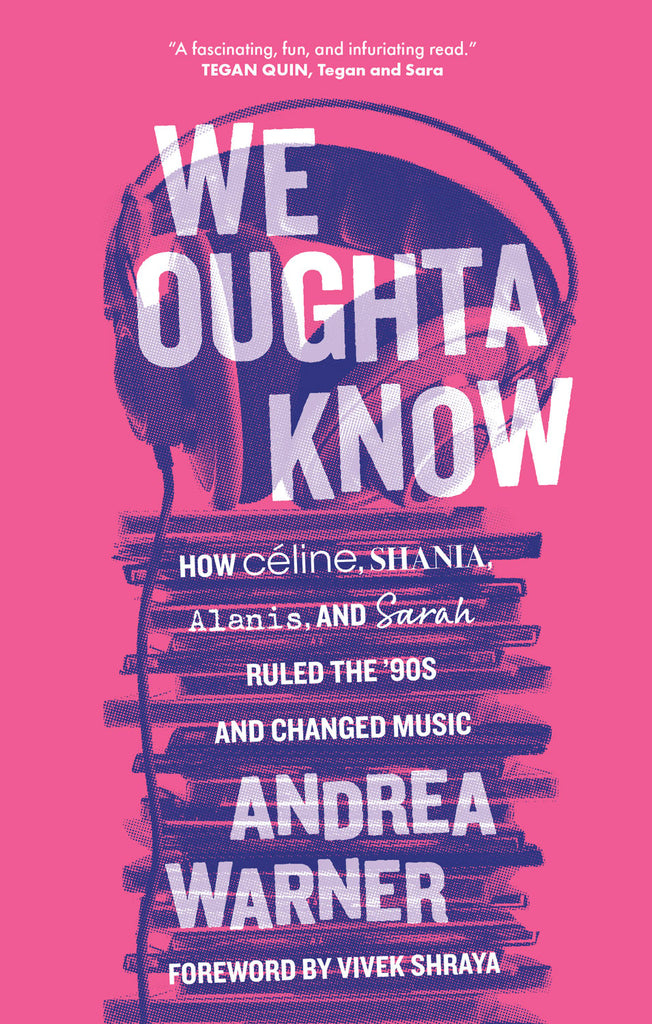
In this of-the-moment essay collection, We Oughta Know: How Céline, Shania, Alanis, and Sarah Ruled the ’90s and Changed Music, celebrated music journalist Andrea Warner explores the ways in which Céline Dion, Shania Twain, Alanis Morissette, and Sarah McLachlan became bonafide global superstars while revolutionizing ’90s music. In an era when male-fronted musical acts dominated radio and were given serious critical consideration, these four women were reduced, mocked, and disparaged by the media and became pop culture jokes, even as their albums were topping the charts and demolishing sales records.
With empathy, humor, and reflections on her own teenaged perceptions of Céline, Shania, Alanis, and Sarah, Andrea offers us a revised and expanded edition of her 2015 book, providing a new perspective on the legacies of the four Canadian women who dominated the ’90s airwaves and influenced an entire generation of current day popstars with their voices, fashion, and advocacy. As the world is now reconsidering the treatment and reputations of key women in ’90s entertainment, We Oughta Know is definitively entering the chat.
10 Albums That Were Banned by Record Stores
Music doesn’t just move us—it rattles us from time to time. Over the decades, some albums have sparked such controversy that record stores outright banned them. Whether it was due to provocative lyrics, bold imagery, or pushing societal boundaries, these records refused to conform, solidifying their place in history. Here are 10 legendary albums that faced bans—and still managed to leave an imprint.
- The Rolling Stones – Sticky Fingers
Released in 1971, this iconic album came under fire for its provocative cover, designed by Andy Warhol, featuring a working zipper. Some stores deemed it too risqué, refusing to stock it. Despite the backlash, songs like “Brown Sugar” and “Wild Horses” cemented its classic status. - The Beatles – Yesterday and Today
Infamously known for its “butcher cover,” which depicted the Fab Four dressed as butchers surrounded by doll parts and raw meat, this 1966 album caused outrage. Record stores pulled it from shelves, and Capitol Records replaced the cover. The original is now a coveted collector’s item. - N.W.A – Straight Outta Compton
This 1988 rap masterpiece was banned by numerous stores for its explicit content and anti-police themes. Despite—or because of—the controversy, it became a cultural phenomenon, amplifying voices from marginalized communities and sparking debates about freedom of expression. - Prince – 1999
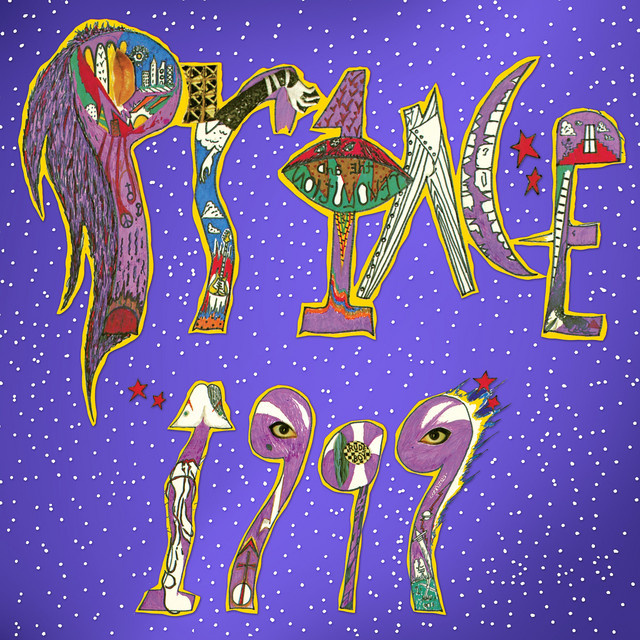
Prince’s groundbreaking 1982 album faced bans for its suggestive themes and explicit lyrics. Tracks like “Little Red Corvette” pushed the boundaries of what mainstream music could discuss, making Prince both a trailblazer and a target of censorship. - The Sex Pistols – Never Mind the Bollocks, Here’s the Sex Pistols
This punk rock milestone from 1977 was banned for its title and provocative lyrics. The album’s rebellious energy and unapologetic attitude defined the punk movement, and its banning only added to its notoriety. - Ice-T – Body Count
The 1992 album by Ice-T’s heavy metal band sparked controversy with the song “Cop Killer.” Many stores refused to carry it, and the uproar led to the track’s removal. The album, however, remains a powerful commentary on systemic issues. - Madonna – Erotica
Madonna’s 1992 album was banned in conservative regions due to its overtly sexual themes and the accompanying Sex book. Songs like “Deeper and Deeper” and “Erotica” celebrated liberation but faced backlash from moral watchdogs. - Black Sabbath – Black Sabbath
This 1970 debut album by the godfathers of metal was banned in some stores for its occult themes and eerie atmosphere. Tracks like “N.I.B.” and “The Wizard” helped create the template for heavy metal, scaring—and thrilling—listeners worldwide. - Frank Zappa – We’re Only in It for the Money
Zappa’s 1968 satire of the music industry and societal norms didn’t sit well with everyone. Its cover, parodying Sgt. Pepper’s Lonely Hearts Club Band, was altered by record companies, and stores hesitated to stock it. - 2 Live Crew – As Nasty As They Wanna Be
This 1989 album was so explicit that it was deemed legally obscene in some parts of the U.S. and banned outright. The ensuing legal battles highlighted the tension between artistic freedom and public decency.
These albums remind us that music is meant to challenge, provoke, and inspire. The bans only amplified their impact, proving that art thrives under pressure. Whether you’ve hummed their melodies or debated their content, these records are testaments to the power of music to disrupt and redefine, even if you couldn’t find them at the local record store.