Home Blog Page 1016

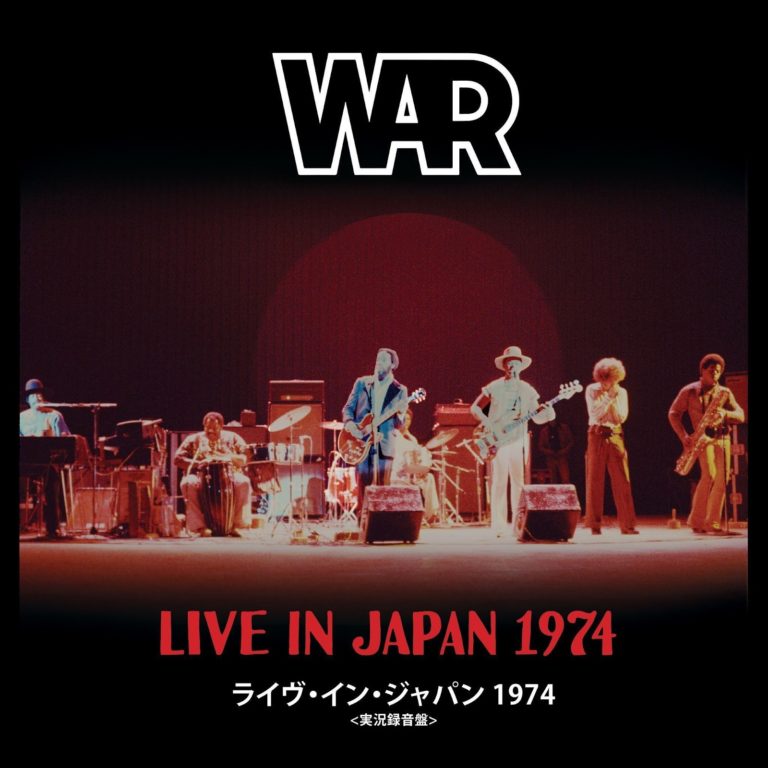
WAR Announces ‘Live In Japan 1974’, First Live Album In 50 Years To Feature All 7 Original Band Members

0

In the winter of 1974, WAR was already a half-decade into their career and fresh off the success of the #1 Billboard best-selling album of 1973, The World Is a Ghetto. Following months of touring throughout the US, and then nearly thirty shows across Europe, WAR arrived in Japan for the first time ever, to perform a series of live shows in Shizuoka, Tokyo, Osaka, and Kobe. Now, recordings from these performances have been rediscovered and meticulously restored for Live In Japan 1974, the first live album to feature all seven original members in 50 years.

With the release of a Japan-exclusive CD set for January 29, 2025—featuring a custom obi sleeve and liner notes by local music journalists—Live In Japan 1974 will get a global release on February 7, 2025. The collection will be available in 2LP and 2CD sets worldwide, as well as digitally, and includes a variety of live recordings of classic WAR tracks like “The Cisco Kid,” “The World Is a Ghetto,” and “All Day Music.” The liner notes, written and edited by Cory Frye, feature an in-depth interview with founding band member Lonnie Jordan and WAR’s longtime producer Jerry Goldstein, wherein Lonnie shares “It was a fun, exciting experience because we’d never gotten that amount of people loving what we did, especially during that time.” Jerry adds, “They knew all the songs. It was pretty exciting, getting the vibe that everyone knew and loved what we were doing. They gave us a lot of standing ovations, and we did lots of encores.” The liner notes also reveal the story behind the creation of yet another iconic WAR song, “Why Can’t We Be Friends?,” inspired by the band’s interactions with locals during their debut tour of Japan.

Pre-Order Live In Japan 1974, and listen to the newly-released

“The Cisco Kid” (Live): HERE

Packed with never-before-heard performances and insights into a pivotal moment in the band’s history and evolution, Live in Japan 1974 offers fans a deeper understanding of WAR’s global impact, and serves as a perfect sonic touchstone to further celebrate the band’s 55th Anniversary. Additionally, WAR will mark the 50th Anniversary of Why Can’t We Be Friends throughout 2025, on the heels of performing the titular hit song live on last week’s Macy’s Thanksgiving Day Parade.

Furthermore, the release of Live In Japan 1974 will also see two nights of two-set shows at Japan’s Blue Note Tokyo on February 7- 8, 2025. Coinciding with the international street date, these performances will double as a celebration of the record’s release, with more details to come. Tickets are available here.

Live In Japan 1974 Tracklist
CD
Disc 1
1. THE WORLD IS A GHETTO
2. SOUTHERN PART OF TEXAS
3. THE CISCO KID
4. SO
5. ALL DAY MUSIC
6. DON’T LET NO ONE GET YOU DOWN
Disc 2
1. LOTUS BLOSSOM
2. GYPSY MAN
3. BAND INTRO
4. INTRO TO SLIPPIN’ INTO DARKNESS: LEE OSKAR
5. SLIPPIN’ INTO DARKNESS
6. ME AND BABY BROTHER
7. SHIZUOKA CHANT
8. WHERE WAS YOU AT
LP
Side 1
1. THE WORLD IS A GHETTO
2. SOUTHERN PART OF TEXAS
Side 2
1. THE CISCO KID
2. SO
3. ALL DAY MUSIC
Side 3
1. DON’T LET NO ONE GET YOU DOWN
2. GYPSY MAN
Side 4
1. BAND INTRO
2. INTRO TO SLIPPIN’ INTO DARKNESS: LEE OSKAR
3. SLIPPIN’ INTO DARKNESS
4. ME AND BABY BROTHER
5. SHIZUOKA CHANT

Meet Kevin Parker’s New Instrument, The Orchid, The Synth That Turns a Single Chord Into an Infinite Symphony

0

Kevin Parker of Tame Impala’s Orchid is not just a synthesizer—it’s a game-changer for songwriters and producers. With a single-octave keyboard, innovative chord voicing, and modes like Strum and Arpeggiator, it transforms basic chords into limitless musical possibilities. Launching 12.18.24 for $518, this portable powerhouse also features a bass synth engine, lush effects, and USB-C connectivity to bring your creations to life anywhere.

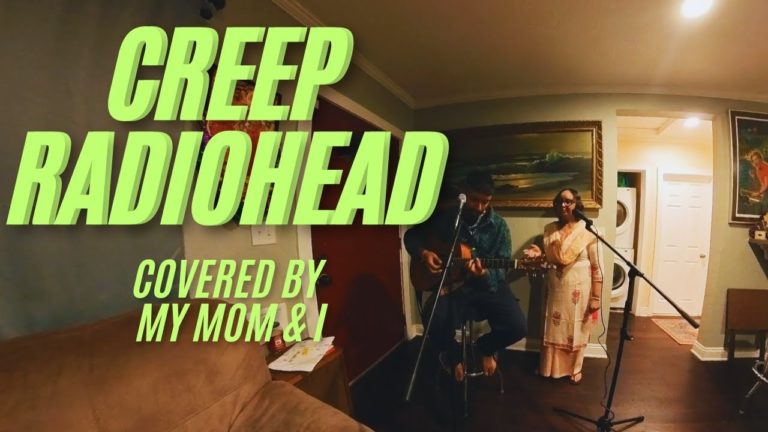
21 Reasons Why You NEED To Watch Avie Sheck And His MOM’s Cover Of Radiohead’s “Creep”

0
  1. Music is about pushing boundaries.
  2. Avie Sheck just redefined what fusion music can be.
  3. He took Radiohead’s iconic “Creep” and made it his own.
  4. But wait, there’s more.
  5. He brought in his mom.
  6. Yes, his mom!
  7. She’s not just any mom—she’s an incredible Hindustani vocalist.
  8. Together, they blended rock with Raag Bilawal.
  9. If you don’t know what Raag Bilawal is, buckle up.
  10. It’s a classical Hindustani music style.
  11. And it’s stunning.
  12. Imagine Thom Yorke’s haunting lyrics.
  13. Now, imagine them reimagined in Raag Bilawal.
  14. The result? Absolutely mesmerizing.
  15. Avie’s mom’s vocals soar.
  16. They breathe new life into a familiar anthem.
  17. Radiohead purists—don’t worry.
  18. This version keeps the soul of the original.
  19. But it adds something brand-new.
  20. It’s not just a cover.
  21. It’s an experience.

10 Tips for Musicians on Developing Your Media List

Your music deserves to be heard, but without the right media list, your song might not reach the ears it was meant for. Building a strong media list is a game-changer for every musician. Here are 10 tips to help you connect with the right people who can amplify your sound to the world.

1. Identify Relevant Media Outlets

Find the media outlets that truly get your vibe. Whether it’s blogs, podcasts, magazines, or radio stations, focus on platforms that champion artists in your genre. Mix niche and mainstream outlets for a balanced reach.

2. Find the Right Contacts

A media outlet is only as good as the contact you pitch. Seek out journalists, editors, or podcast hosts who regularly feature music like yours. Dig through bylines, staff directories, or social media to pinpoint the ideal person.

3. Categorize Your List

Keep your media contacts organized. Group them into categories like local, national, genre-specific, or general music press. A well-structured list ensures your outreach aligns with your goals.

4. Utilize Tools and Platforms

Media directories like Cision and Muck Rack are goldmines for contacts, but don’t overlook free tools like Google or LinkedIn. Social media platforms also double as a direct line to journalists who cover your music scene.

5. Leverage Your Network

Tap into your industry connections. Fellow musicians, publicists, and collaborators can recommend media contacts or even introduce you directly. A warm introduction can make all the difference.

6. Follow Journalists on Social Media

Social media isn’t just for sharing music; it’s for relationship building. Follow journalists, engage with their posts, and share their articles. Building rapport makes your eventual pitch more authentic.

7. Update Regularly

An outdated media list is like playing a broken guitar—it doesn’t work. Journalists move around often, so review and refresh your list regularly to ensure your outreach stays effective.

8. Include Non-Traditional Media

Think beyond traditional media outlets. Influencers, TikTok creators, and playlist curators can introduce your music to new audiences. These unconventional channels are just as powerful as any magazine feature.

9. Customize Your Pitches

A generic pitch won’t cut it. Reference a journalist’s past work and explain why your music fits their audience. Personalized outreach shows you’ve done your homework—and it works.

10. Keep Track of Interactions

Your media list is only useful if you track your outreach. Use a spreadsheet or CRM tool to log responses, interest, and follow-ups. This ensures you stay on top of every opportunity.

Your music is a story waiting to be told, and with a strong media list, you can make sure it reaches the storytellers who matter. Follow these tips, and watch as your sound finds its way to audiences who’ll love it just as much as you do. Keep pushing, keep creating, and keep connecting! For all your publicity needs, feel free to email Eric@ThatEricAlper.com or call me at 647-971-3742. With 25+ years of experience and a deep passion for connecting artists to audiences, I’m here to help you make an impact.

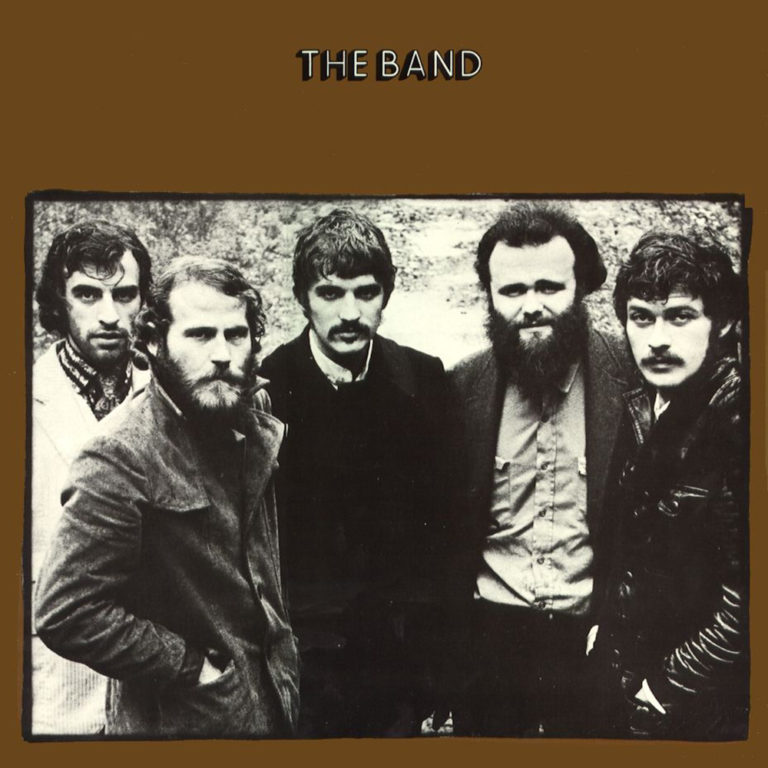
5 Surprising Facts About The Band’s Self-Titled Album

The Band’s self-titled second album, often referred to as The Brown Album, is a masterclass in storytelling, musicianship, and American folklore. Released in 1969, this iconic work draws listeners into a rich tapestry of characters, places, and emotions that define an older Americana. Let’s dive into five fascinating facts you probably didn’t know about this classic album, including some insights into its most beloved tracks.

1. A Pool House with Star-Studded History

The Band recorded much of the album in a Hollywood Hills pool house once owned by Sammy Davis Jr. This home, which also had ties to Judy Garland, provided the ideal “clubhouse” vibe Robbie Robertson sought for a Basement Tapes-like atmosphere. The unique acoustics and informal setting contributed to the raw, authentic feel of tracks like “King Harvest (Has Surely Come).”

2. “The Night They Drove Old Dixie Down”: A History Lesson in Song

One of The Band’s most celebrated tracks, “The Night They Drove Old Dixie Down,” is a poignant narrative of the American Civil War. Robbie Robertson delved into historical research with drummer Levon Helm to craft the song, even visiting libraries to ensure accuracy. Levon’s Arkansas roots added a personal touch to this heart-wrenching tale of Southern hardship.

3. A Revolutionary Instrumental Technique

“Up on Cripple Creek” showcased one of the earliest uses of a clavinet paired with a wah-wah pedal, creating the funky riff that punctuates the song. This groundbreaking sound, played by Garth Hudson, predated its popularization in 1970s funk, proving The Band’s innovative streak extended far beyond their lyrical storytelling.

4. “Whispering Pines”: A Ballad Born of Imperfection

The hauntingly beautiful “Whispering Pines” owes part of its charm to a quirky piano with a single out-of-tune key that Richard Manuel used to compose the melody. Rather than retune it, the band replicated the same effect in the recording session, giving the song its ethereal, otherworldly character.

5. The Collaborative Spirit of The Band

One of the most heartwarming aspects of The Band’s music is the deep collaboration among its members. Songs like “The Night They Drove Old Dixie Down” were born from a synergy of talent, with Robbie Robertson’s research and storytelling complemented by Levon Helm’s Southern roots and heartfelt vocals. This spirit of unity and shared creativity is what made their music timeless and beloved across generations

The Band is a time capsule, a cultural bridge, and a celebration of storytelling at its finest. Whether it’s the soulful melancholy of “Whispering Pines” or the inventive funk of “Up on Cripple Creek,” every track is a masterpiece of emotion and craftsmanship.


When James Brown Invited Eddie Murphy Onstage—The Legendary Impersonation Moment

0

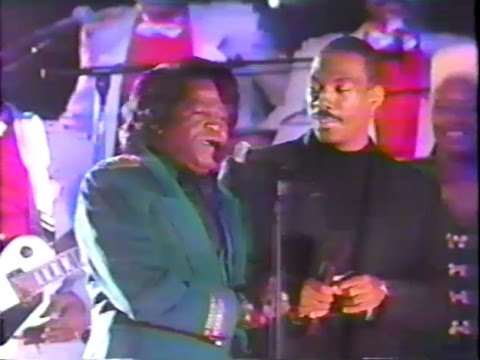
In a 1991 Richard Pryor tribute, James Brown welcomed Eddie Murphy to the stage for a hilarious rendition of “(So Tired Of Standing Still We Got To) Move On.” The unforgettable moment, captured on VHS, lives on as a unique blend of comedy and soul.

Stevie Ray Vaughan’s ‘Voodoo Child’ Cover Showcases His Guitar Genius

0

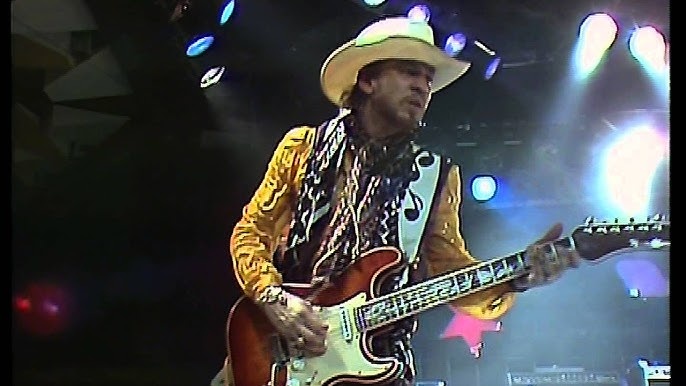
Jimi Hendrix set the gold standard, but Stevie Ray Vaughan’s cover of “Voodoo Child” is a jaw-dropping tribute that highlights his own extraordinary talent. Watching Vaughan channel Hendrix’s spirit reminds us why they’re both guitar legends.

Fredrik Backman Lights Up Simon & Schuster’s Centennial with Humor and Wit

0

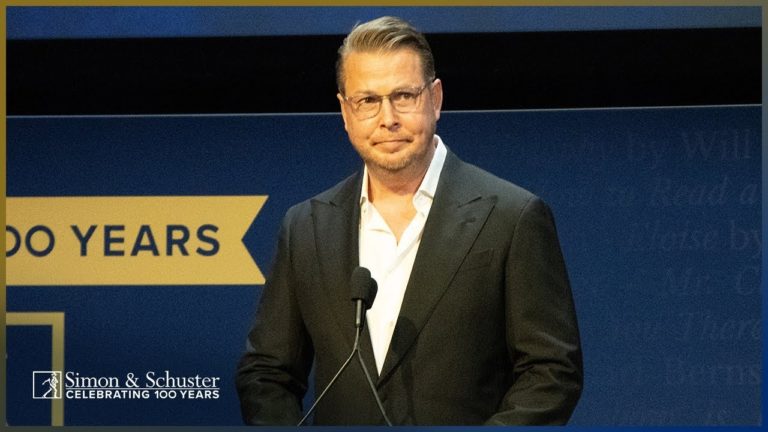
At the Simon & Schuster centennial, author Fredrik Backman discusses the highs and lows of being an author, from attempting to get along with the voices in your brain, to the hidden joys of jet lag.

David Letterman’s Iconic Response to Stephen Colbert’s Question Proves Why He’s the King of Comedy

0

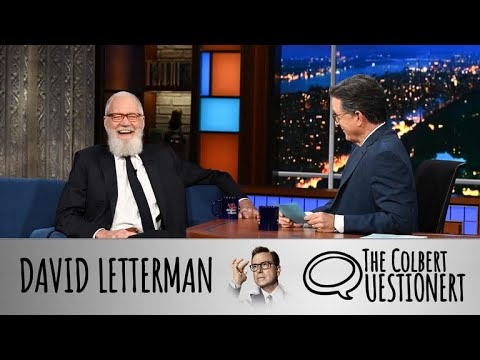
If you don’t know whether he prefers dogs or cats, or which action movie is his favorite, do you really know comedy legend David Letterman?

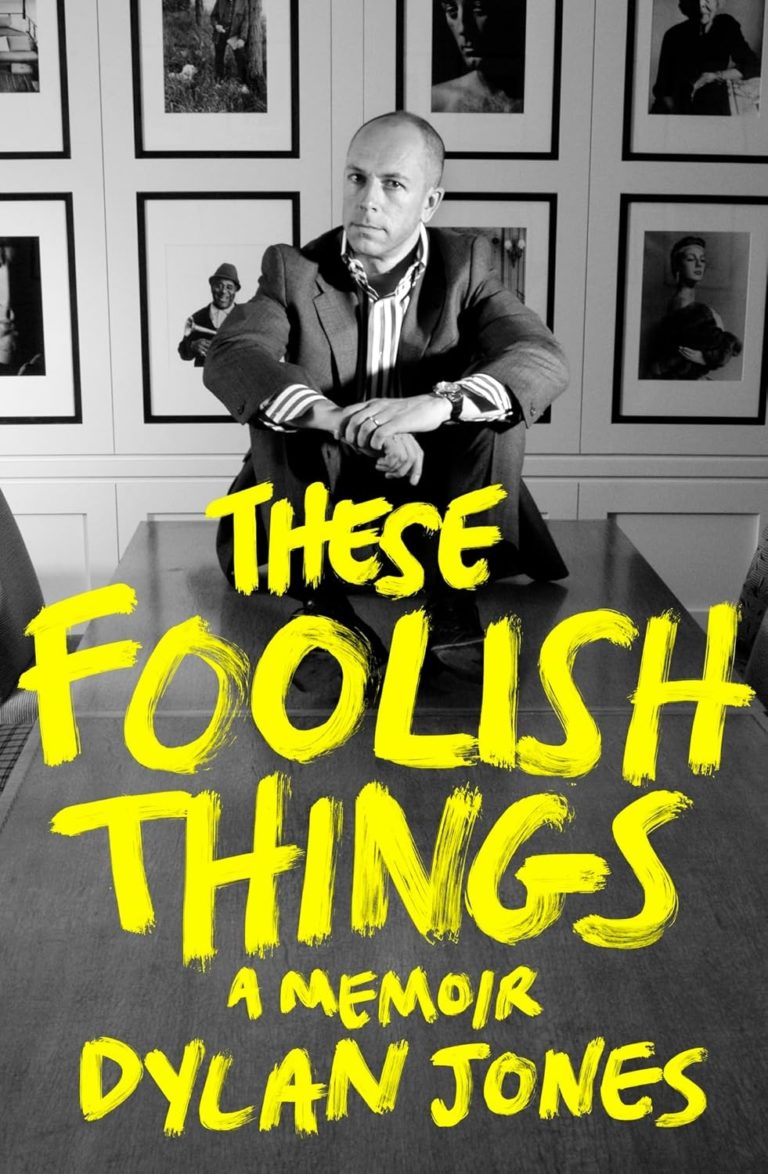
My Next Read: “These Foolish Things: A Memoir” by Dylan Jones

0

Few people can say they have shaped the cultural landscape of the last four decades while crossing paths with some of the most extraordinary personalities on the planet. But then, of course, Dylan Jones isn’t just anyone.

These Foolish Things captivatingly charts Dylan’s life: from his peripatetic childhood and late adolescence in 1970s London – a city then alive with possibility – to his award-winning tenure at what would become one of the most dynamic magazines of its era, GQ. It details how he came to be in that hot seat: a journey through the Swinging London slipstreams of punk and new romanticism, and through i-D, The Face and Arena, which created the platform on which GQ was based, with Dylan as a common denominator.

Littered with a gold-star cast of characters – including a who’s who of celebrity from David Bowie and Bryan Ferry to Alastair Campbell and Prince Charles, via Samuel L. Jackson, Piers Morgan and Rihanna – this memoir reflects on how GQ became an established style and how Dylan sought to stir up music, politics and fashion.

Witty, perceptive and deliciously entertaining, but by turns bravely vulnerable, These Foolish Things is a memoir like no other: a dazzling retelling of the start of the twenty-first century from one of the world’s most fascinating media giants.

Dylan Jones studied at Chelsea School Of Art and then St. Martin’s School of Art. He is the award-winning editor of GQ magazine, a position he has held since 1999, and has won the British Society of Magazine Editors “Editor of the Year” award a record ten times. In 2013 he was also the recipient of the prestigious Mark Boxer Award.

Under his editorship the magazine has won over 50 awards.

A former editor at i-D, The Face, Arena, the Observer and the Sunday Times, he is the author of the New York Times best seller Jim Morrison: Dark Star, the much-translated iPod, Therefore I Am and Mr. Jones’ Rules, as well as the editor of the classic collection of music writing, Meaty Beaty Big & Bouncy. He edited a collection of journalism from Arena – Sex, Power & Travel – and collaborated with David Cameron on Cameron on Cameron: Conversations with Dylan Jones (shortlisted for the Channel 4 Political Book of the Year).

He was the Chairman of the Prince’s Trust’s Fashion Rocks Monaco, is a board member of the Norman Mailer Writers Colony and a Trustee of the Hay Festival. He is also the chairman of London Fashion Week: Men’s, London’s first men’s fashion week, launched in 2012 at the behest of the British Fashion Council.

In 2010 he spent a week in Afghanistan with the Armed Forces, collaborating on a book with the photographer David Bailey: British Heroes in Afghanistan.

In 2012 he had three books published: The Biographical Dictionary of Music; When Ziggy Played Guitar: David Bowie and Four Minutes that Shook the World, and the official book of U2’s 360 Tour, published in October. Since then he has published

The Eighties: One Day One Decade, a book about the 1980s told through the prism of Live Aid, Elvis Has Left The Building: The Day The King Died, Mr. Mojo, London Rules, a polemic about the greatest city in the world, Manxiety and London Sartorial.

In June 2013 he was awarded an OBE for services to publishing and the fashion industry. In 2014 he was made an Honorary Professor of Glasgow Caledonian University.