Home Blog Page 1019

10 Unbelievable Times Opening Acts and Headliners Shocked Us All

0

Isn’t it incredible when you show up early to a concert, and the opening act completely blows your mind—or leaves you scratching your head? Sometimes, the pairing of an opener and a headliner is as unexpected as a cat walking onstage during a symphony. Over the years, music history has gifted us with some truly astonishing combinations that left audiences buzzing long after the final encore.

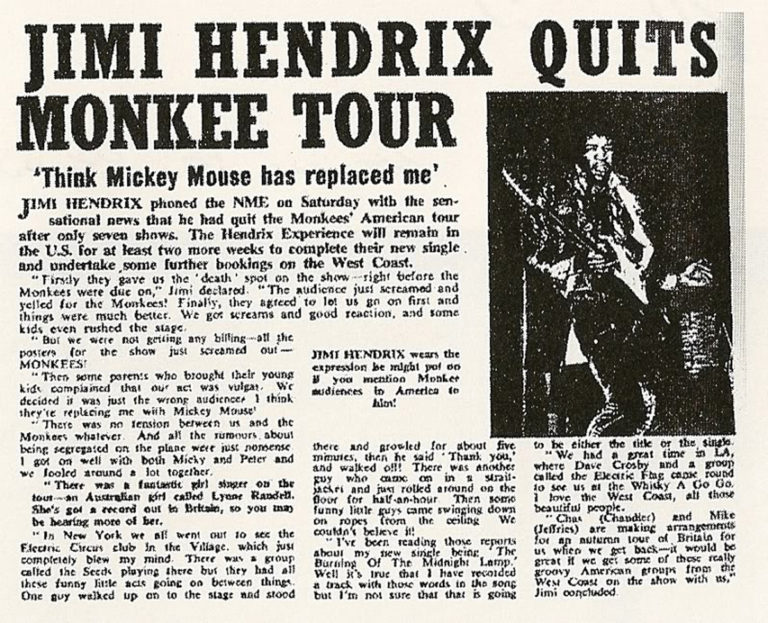
1. Jimi Hendrix opening for The Monkees (1967)
Yes, you read that right. The psychedelic rock maestro Jimi Hendrix once opened for the pop-rock sensations The Monkees. During their 1967 tour, fans expecting “Daydream Believer” were greeted with Hendrix’s electrifying guitar solos and raw energy. The contrast was so stark that Hendrix left the tour after a few shows, but the unlikely pairing remains legendary.

2. Prince opening for The Rolling Stones (1981)
Before he was royalty, Prince took the stage ahead of The Rolling Stones in Los Angeles. Decked out in a trench coat and bikini briefs, his funk-infused performance shocked an audience eager for classic rock. Despite being booed offstage, Prince’s daring showmanship hinted at the superstar he was destined to become.

3. Metallica opening for Ozzy Osbourne (1986)
In the mid-’80s, Metallica was making waves in the metal scene but hadn’t yet become household names. Opening for the Prince of Darkness himself, Ozzy Osbourne, they introduced thrash metal to wider audiences. Fans came for Ozzy but left with a newfound appreciation for Metallica’s raw power.

4. Lady Gaga opening for New Kids on the Block (2008)
Before “Just Dance” topped the charts, Lady Gaga was an avant-garde performer opening for the reunited boy band New Kids on the Block. Her eccentric outfits and synth-pop anthems were a stark contrast to the nostalgic hits of the headliners, leaving the audience both intrigued and bewildered.

5. Nirvana opening for Red Hot Chili Peppers (1991)
Just months before grunge would explode globally, Nirvana opened for the Red Hot Chili Peppers. Fans expecting funk-rock jams were instead captivated by Kurt Cobain’s gritty vocals and the band’s raw sound. It was a pivotal moment that signaled a seismic shift in the music landscape.

6. Kanye West opening for U2 (2005)
On U2’s Vertigo Tour, the pairing of a rising hip-hop artist with rock legends seemed unusual. Kanye West, armed with hits like “Jesus Walks,” brought a different energy to the stage. The fusion of genres showcased the evolving landscape of mainstream music.

7. Bob Marley opening for Sly and the Family Stone (1973)
Bob Marley and The Wailers joined Sly and the Family Stone’s tour, bringing reggae rhythms to funk audiences. However, after being too well-received—some say overshadowing the headliner—they were dropped from the lineup. It was an early sign of Marley’s universal appeal.

8. The Police opening for The Grateful Dead (1978)
Imagine the punk-infused new wave of The Police warming up the crowd for the jam-band vibes of The Grateful Dead. It happened at the Winterland Ballroom, offering fans a night where punk met psychedelia in an unforgettable musical blend.

9. Tegan and Sara opening for Neil Young (2003)
Canadian indie-pop duo Tegan and Sara opened for the legendary Neil Young. The twins’ heartfelt melodies and modern sound provided a fresh counterpoint to Young’s classic rock, bridging generations and showcasing the diversity of Canadian music talent.

10. The Ramones opening for Toto (1979)
Punk pioneers The Ramones sharing a stage with the polished rock of Toto? It happened. Audiences experienced the high-octane, three-chord blitz of The Ramones before settling into Toto’s complex arrangements. The night proved that opposites not only attract but can also entertain.

These surprising opening act and headliner combinations remind us that music is an ever-evolving tapestry of sounds and styles. They highlight the magic that happens when artists step out of their comfort zones and audiences open their minds to something new. So, next time you’re at a show, make sure to catch the opening act—you might just witness the next big thing or experience a musical mash-up you’ll talk about for years.
The 10 Greatest Concept Albums That Changed Music History

0

Concept albums have always been a powerful medium for artists to tell cohesive, immersive stories. They allow musicians to craft entire worlds, tackle complex themes, and explore their creativity beyond the constraints of singles. From rock operas to intricate narratives, concept albums challenge us to listen to music in a way that’s both engaging and thought-provoking. Here are ten of the greatest concept albums that prove music can be an unforgettable journey.

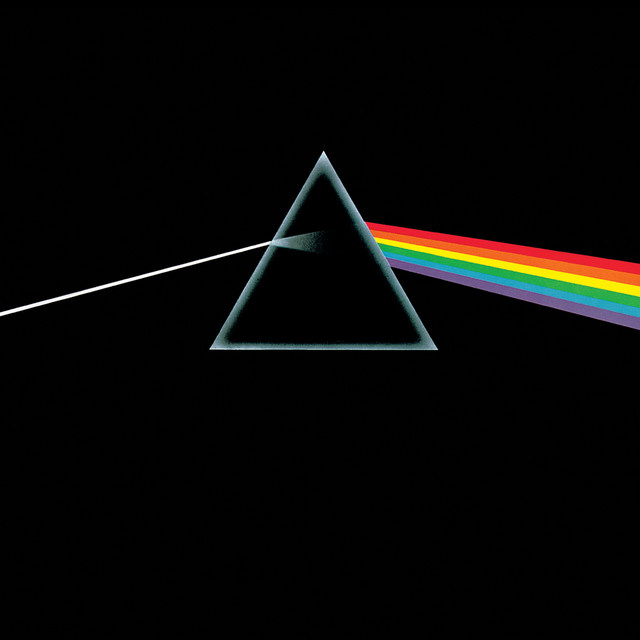
1. The Dark Side of the Moon by Pink Floyd (1973)
A timeless classic, this album explores themes of life, death, time, and mental illness. With iconic tracks like “Time” and “Money,” Pink Floyd didn’t just create an album; they built an experience that transcends music.

2. Sgt. Pepper’s Lonely Hearts Club Band by The Beatles (1967)
The Beatles took on alter egos and redefined the album format with this psychedelic masterpiece. It’s a vibrant celebration of imagination, from the whimsical “Lucy in the Sky with Diamonds” to the epic “A Day in the Life.”

3. The Wall by Pink Floyd (1979)
Roger Waters’ deeply personal tale of isolation and loss became one of the most iconic rock operas of all time. The Wall is as theatrical as it is emotionally raw, with unforgettable songs like “Comfortably Numb.”

4. American Idiot by Green Day (2004)
A punk rock opera for the 21st century, American Idiot is both a scathing critique of American society and a deeply personal story of disillusionment, told through anthems like “Boulevard of Broken Dreams.”

5. Pet Sounds by The Beach Boys (1966)
Brian Wilson poured his heart and soul into this lush, introspective masterpiece. With harmonies that feel like they’re from another dimension, Pet Sounds inspired countless artists, including The Beatles.

6. Ziggy Stardust and the Spiders from Mars by David Bowie (1972)
David Bowie transformed into Ziggy Stardust, an androgynous alien rock star, and gave us a concept album that is both glam rock at its peak and a commentary on fame and self-destruction.

7. The Lamb Lies Down on Broadway by Genesis (1974)
This double album follows the surreal journey of Rael, a Puerto Rican youth navigating a bizarre and symbolic underworld. It’s progressive rock storytelling at its finest.

8. Good Kid, M.A.A.D City by Kendrick Lamar (2012)
Kendrick Lamar redefined modern hip-hop with this cinematic exploration of his upbringing in Compton. It’s a raw and reflective look at the struggles of youth, family, and survival.

9. OK Computer by Radiohead (1997)
While not a traditional concept album, OK Computer’s themes of technological alienation and societal disconnection resonate deeply. Every song feels like a piece of a haunting dystopian puzzle.

10. Tommy by The Who (1969)
The Who pioneered the rock opera with Tommy, the story of a “deaf, dumb, and blind” boy who becomes a pinball wizard and a messianic figure. It’s ambitious, theatrical, and quintessentially The Who.

These albums remind us that music can be an immersive experience that moves, inspires, and challenges us. Concept albums invite us to step into the artist’s world, feel their emotions, and see their visions come to life.

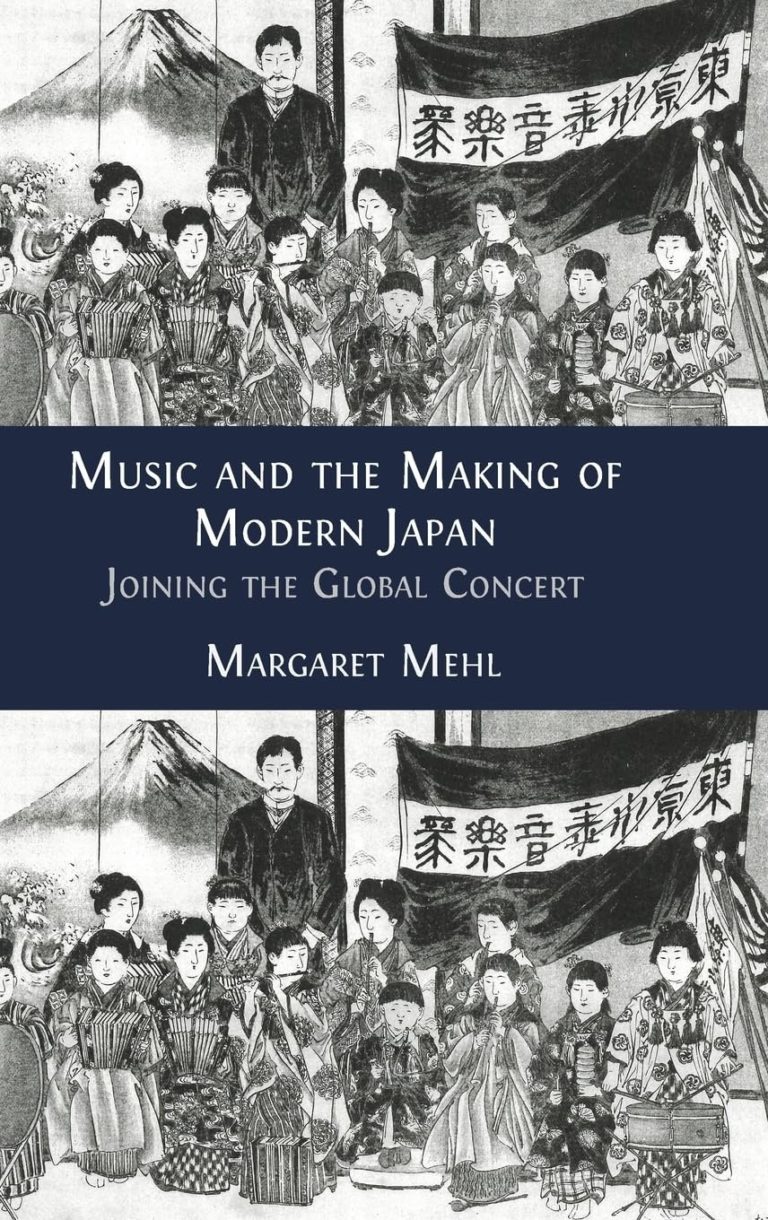
My Next Read: “Music and the Making of Modern Japan” by Margaret Mehl

0

Japan was the first non-Western nation to compete with the Western powers at their own game. The country’s rise to a major player on the stage of Western music has been equally spectacular. The connection between these two developments, however, has never been explored.

How did making music make Japan modern? How did Japan make music that originated in Europe its own? And what happened to Japan’s traditional music in the process? Music and the Making of Modern Japan by Margaret Mehl answers these questions. Discussing musical modernization in the context of globalization and nation-building, Margaret Mehl argues that, far from being a side-show, music was part of the action on centre stage. Making music became an important vehicle for empowering the people of Japan to join in the shaping of the modern world.

In only fifty years, from the 1870s to the early 1920s, Japanese people laid the foundations for the country’s post-war rise as a musical as well as an economic power. Meanwhile, new types of popular song, fuelled by the growing global record industry, successfully blended inspiration from the West with musical characteristics perceived as Japanese.

Music and the Making of Modern Japan represents a fresh contribution to historical research on making music as a major cultural, social, and political force.

High-Quality Cannabis Seeds for Indoor and Outdoor Growing

0

By Mitch Rice

When it comes to growing cannabis, the quality of the seeds you choose can make all the difference. High-quality cannabis seeds are essential for both indoor and outdoor cultivation, influencing the yield, potency, and overall health of the plant.

A prominent player in this field is Blimburn Seeds, a renowned seed bank with over 20 years of experience. Their personalized service and germination guarantee highlight the importance of selecting a reliable source for your cannabis seeds.

Benefits of High-Quality Seeds

High-quality cannabis seeds offer a range of advantages for both novice and experienced growers. Firstly, these seeds provide the foundation for healthy plants with desirable characteristics.

For instance, high-quality seeds are more likely to produce plants with high levels of THC or CBD, depending on the strain. This is particularly appealing for those looking to grow cannabis for medicinal or recreational use.

Additionally, high-quality cannabis seeds from reputable sources often come with detailed information about the strains and cultivation guides. This support can be invaluable, especially for those new to growing.

It’s worth noting that Blimburn Seeds not only provides premium seeds but also offers resources to help growers maximize their success. This educational aspect empowers growers to make informed decisions throughout the cultivation process.

Choosing Cannabis Seeds

When selecting cannabis seeds, several factors should be considered. Firstly, evaluate the type of cultivation you plan to undertake, whether indoor or outdoor, as this can influence your seed choice. Indoor growing typically allows for greater control over environmental factors, while outdoor cultivation often involves dealing with variable weather conditions. As a result, certain strains may be better suited to one method over the other.

Additionally, it’s essential to consider the strains themselves. Cannabis comes in various strains, each with its unique characteristics and effects. Indica strains are known for their relaxing properties, while sativa strains are often linked to stimulating and energizing effects.

Hybrid strains combine elements of both, catering to diverse preferences. By understanding the differences, you can select seeds that align with your cultivation goals. In this context, Blimburn Seeds offers a wide range of strains, ensuring growers can find something that fits their needs. Their industry expertise means they can provide expert advice on which strains are best suited to specific environments or desired effects.

Germination: A Critical Step

One of the most critical steps in the cultivation process is germination. Quality seeds are more likely to germinate successfully, leading to healthy seedlings. In contrast, low-quality seeds can result in poor germination rates and weak plants. This reality underscores the importance of purchasing seeds from reputable sources like Blimburn Seeds, which guarantees germination for their products.

Moreover, the germination process itself can vary depending on the type of seed. For instance, some seeds may require specific conditions such as humidity levels, temperature, and darkness. Understanding these requirements can help ensure successful germination. Fortunately, well-established seed banks often provide detailed instructions to guide growers through the process.

Data and information are provided for informational purposes only, and are not intended for investment or other purposes.

10 Tips for Musicians on When to Hire a Publicist

As a musician, knowing when to bring in professional help can be the key to reaching new heights in your career. Publicists are the behind-the-scenes powerhouses who can turn your hard work into headlines, your music into must-hears, and your milestones into moments. But when is the right time to make that call? If you’re thinking about any or all of these 10 tips, you’ll be ready.

1. You Have a Specific Project to Promote

Got a new single, album, or music video ready to drop? Maybe a tour is just around the corner? That’s the golden moment to hire a publicist. They’re experts at crafting a narrative and creating a buzz that keeps your project top-of-mind and top-of-playlists. Timing is everything, and a publicist ensures you hit the mark.

2. You’ve Established Your Brand and Sound

Your sound is unmistakable, your visuals are cohesive, and your brand screams you. Now it’s time for a publicist to amplify that identity and introduce it to the media on a silver platter. Think of them as the bridge between your artistry and the wider world of listeners who need to know you.

3. You Need Help Navigating Media

Media relations can feel like a maze. Who do you contact? What do you say? A publicist knows how to craft compelling pitches, approach the right journalists, and secure coverage that puts your music in the spotlight. They’re not just navigating the map; they’re drawing it.

4. You’re Struggling to Reach Beyond Your Network

You’ve tapped out your immediate circle, and the growth has stalled. A publicist has the connections and strategies to push your music into new territories, new markets, and onto bigger stages. They’ll get your sound where it needs to be—beyond your comfort zone.

5. You’re Ready to Invest in Your Career

Hiring a publicist isn’t an expense—it’s an investment in your future. If you’ve got a budget and are ready to put your money where your music is, a publicist will give you the professional edge to make waves. It’s about seeing your career as a long game and setting yourself up for success.

6. You Have a Defined Goal

What’s the dream? More media coverage? A viral playlist hit? A feature in your favorite magazine? A publicist thrives on clear, measurable objectives. Tell them what you want, and they’ll turn those goals into actionable plans and tangible results.

7. You Need a Fresh Perspective

Feeling stuck or uninspired about your image or approach? A publicist brings a fresh set of eyes, new ideas, and innovative strategies to take your career to the next level. Whether it’s rebranding or reimagining, they’ll help you see your potential in ways you never expected.

8. You’re Too Busy to Handle PR Yourself

Between gigs, recording sessions, and social media, you’re wearing a thousand hats—and PR feels like one too many. A publicist takes the weight off your shoulders, managing press inquiries, media outreach, and interviews so you can focus on what matters most: the music.

9. You Want Access to Larger Opportunities

Ever wonder how artists get that coveted feature in a major publication or land a slot at a top festival? It’s not just luck—it’s connections. Publicists have the relationships and industry clout to get you in front of the right people and open doors you didn’t know existed.

10. You’re Launching a Major Milestone

Big moments deserve big attention. Whether it’s your debut album, a groundbreaking collaboration, or an award nomination, a publicist knows how to capitalize on your milestones. They’ll make sure these career-defining moments don’t just pass—they shine.

Every artist has a story worth telling, and the right publicist knows how to tell it. Whether you’re just starting out or hitting your stride, hiring a publicist at the right time can transform your music career. Ready to take the leap? For all your publicity needs, feel free to email Eric@ThatEricAlper.com or call me at 647-971-3742. With 25+ years of experience and a deep passion for connecting artists to audiences, I’m here to help you make an impact.

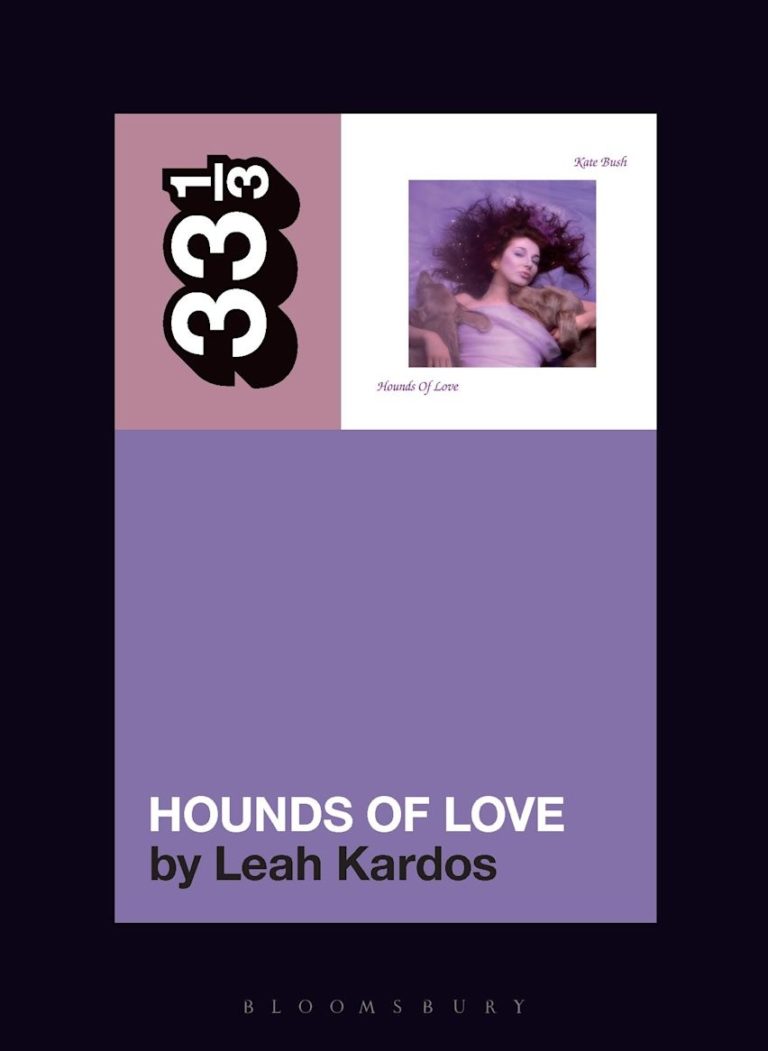
My Next Read: Kate Bush’s Hounds of Love by Leah Kardos (33 1/3 Series)

0

Leah Kardos’ book charts the emergence of Kate Bush in the early-to-mid-1980s as a courageous experimentalist, a singularly expressive recording artist and a visionary music producer.

Track-by-track commentaries focus on the experience of the album from the listener’s point of view, drawing attention to the art and craft of Bush’s songwriting, production and sound design. It considers the vast impact and influence that Hounds Of Love has had on music cultures and creative practices through the years, underlining the artist’s importance as a barrier-smashing, template-defying, business-smart, record-breaking, never-compromising role model for artists everywhere.

Hounds Of Love invites you to not only listen, but to cross the boundaries of sensory experience into realms of imagination and possibility. Poised and accessible, yet still experimental and complex, with Hounds Of Love Bush mastered the art of her studio-based songcraft, finally achieving full control of her creative process.

My Next Read: “Streaming Music, Streaming Capital” By Eric Drott

0

In Streaming Music, Streaming Capital, Eric Drott analyzes the political economy of online music streaming platforms. Attentive to the way streaming has reordered the production, circulation, and consumption of music, Drott examines key features of this new musical economy, including the roles played by data collection, playlisting, new methods of copyright enforcement, and the calculation of listening metrics. Yet because streaming underscores how uneasily music sits within existing regimes of private property, its rise calls for a broader reconsideration of music’s complex and contradictory relation to capitalism.

Drott’s analysis is not simply a matter of how music is formatted in line with dominant measures of economic value; equally important is how music eludes such measures, a situation that threatens to reduce music to a cheap, abundant resource. By interrogating the tensions between streaming’s benefits and pitfalls, Drott sheds light on music’s situation within digital capitalism, from growing concentrations of monopoly power and music’s use in corporate surveillance to issues of musical value, labor, and artist pay.

Eric Drott is Associate Professor of Music Theory at the University of Texas at Austin and author of Music and the Elusive Revolution: Cultural Politics and Political Culture in France, 1968–1981.

My Next Read: “Corporate Life in the Digital Music Industry: Remaking the Major Record Label from the Inside Out” by Toby Bennett

0

Drawing on a deep and long-term first-hand engagement with major labels in the early years of the 21st century, Corporate Life in the Digital Music Industry: Remaking the Major Record Label from the Inside Out by Toby Bennett sheds new light ‘behind the scenes’, at a time of drastic and far-reaching transformation. Refreshingly, it centers not on artists and the most powerful decision-makers but on everyday experiences of work and back-office corporate employees.

Doing so reveals the internal activities and conflicts that, while hidden from public view, enable processes of change: from paperwork, data systems, managerial pressures and redundancies to graduate training schemes, departmental politics and shared playlists, providing a new route into understanding the broader cultures and infrastructures of the global recording industry. This oft-forgotten office work tells a different story of contemporary digital music, one more sensitive to the complex intersections that texture the conduct of work and organizational life.

Why Metadata Matters in Music

In the digital age of music, metadata has become the unsung hero of the industry. Simply put, metadata refers to the information that accompanies a music file, such as the song title, artist name, album name, release year, genre, and more. While it may seem like a minor detail, metadata plays a pivotal role in ensuring your music is discoverable, credited, and monetized. Without accurate metadata, even the most brilliant tracks can get lost in the vast digital ether, leaving artists without the recognition or royalties they deserve.

Metadata is essential for music discovery. Streaming platforms like Spotify, Apple Music, and YouTube rely heavily on metadata to recommend tracks to listeners. When a fan searches for a genre, mood, or even a specific lyric, the platform uses metadata to provide relevant results. Well-tagged songs have a higher chance of appearing in curated playlists or algorithm-based recommendations, which are key drivers of exposure in today’s music economy. For independent artists, nailing metadata is like setting a digital roadmap that leads listeners directly to their work.

But metadata isn’t just about discovery; it’s also the backbone of proper credit and royalty payments. Each time a song is streamed, downloaded, or played on the radio, metadata ensures that the right people—composers, lyricists, performers, and producers—get their share of the earnings. Missing or incorrect metadata can lead to delayed payments or even lost income, as it becomes difficult to trace ownership. This is especially critical in an era where collaboration across borders is common, and tracking contributions accurately can make or break an artist’s livelihood. So watch and make sure what the artist name is correct – and all the same – right across the board on social media and DSPs.

Finally, metadata is a tool for preserving your legacy. As music catalogs grow and songs age, accurate metadata ensures that your work remains organized and identifiable. From licensing opportunities in film and television to ensuring future generations can find and appreciate your music, metadata is a safeguard against your art being forgotten. In a world where a single misstep can mean invisibility, understanding and optimizing your music’s metadata isn’t just important—it’s essential.

In short, metadata is the key to being found, credited, paid, and remembered. For artists, managers, and producers, it’s worth taking the time to get it right. For all your publicity needs, feel free to email Eric@ThatEricAlper.com or call me at 647-971-3742. With 25+ years of experience and a deep passion for connecting artists to audiences, I’m here to help you make an impact.

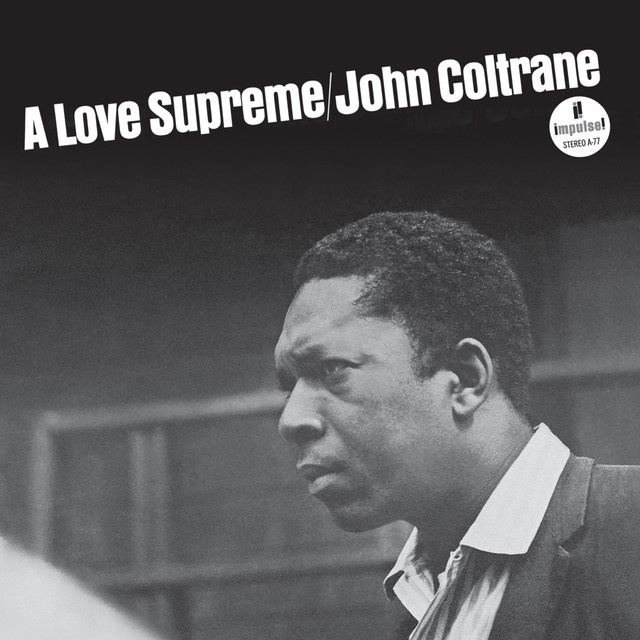
5 Surprising Facts About ‘A Love Supreme’ by John Coltrane

Some albums change the way we hear music; A Love Supreme by John Coltrane changes the way we feel it. Released in 1965, this masterpiece isn’t just about saxophone solos or complex jazz—it’s about spirituality, gratitude, and transformation. From its iconic chant to its soaring improvisations, it’s an album that speaks to the soul as much as the ears. This is more than music—it’s a statement, a journey, and a revelation. Let’s dive into the brilliance of A Love Supreme.

1. Recorded in a Single Session

The sheer brilliance of A Love Supreme came together in just one recording session on December 9, 1964, at Van Gelder Studio in New Jersey. This highlights not only the extraordinary talent of John Coltrane but also the seamless chemistry of his quartet, featuring McCoy Tyner, Jimmy Garrison, and Elvin Jones.

2. The Influence of Spirituality
Coltrane saw A Love Supreme as a spiritual declaration, expressing gratitude and acknowledging his musical gift as coming from a higher power. The album’s devotional nature has even inspired the creation of the Saint John Coltrane African Orthodox Church in San Francisco, where this record is considered sacred.

3. The Chant Was a Last-Minute Addition
The iconic chant of “a love supreme” on the first track, “Acknowledgement,” wasn’t planned. Coltrane overdubbed his voice nineteen times to create this chant, turning a simple four-note motif into one of the album’s most memorable and unifying features.

4. A Rare Live Performance
For decades, the only known live performance of A Love Supreme was from the Festival Mondial du Jazz Antibes in France in July 1965. However, a second live recording was discovered, captured at The Penthouse in Seattle on October 2, 1965. This rare set was released in 2021, providing an even deeper insight into the masterpiece.

5. A Hidden Homage to African-American Preachers
The fourth movement, “Psalm,” is a musical interpretation of a devotional poem included in the liner notes. Coltrane “plays” the words on his saxophone, and scholars believe this was a nod to the sermon style of African-American preachers, blending music with spoken word in a deeply spiritual way.

A Love Supreme is a spiritual journey, a masterclass in improvisation, and a bold declaration of gratitude. John Coltrane poured his heart, soul, and genius into every note, creating a work that continues to resonate with listeners and musicians decades later. It’s more than music; it’s a moment in time that changed everything.