

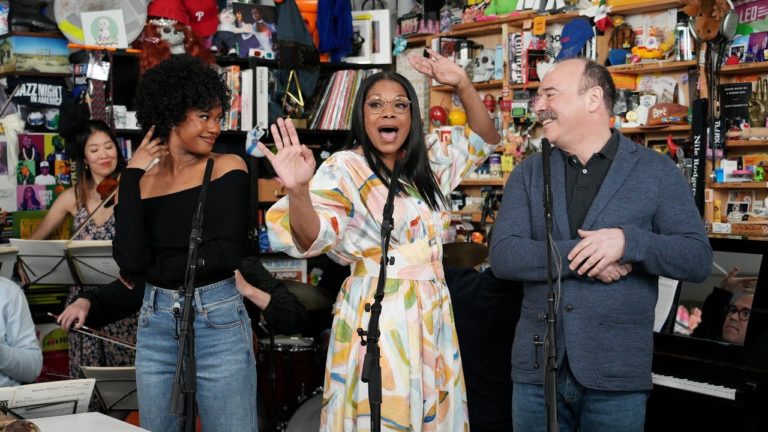
Some musicals are so iconic, they don’t need a stage—just 11 instruments, a desk, and voices that raise the roof. Gypsy hit Tiny Desk with Audra McDonald, Joy Woods, Jordan Tyson, Danny Burstein, Lesli Margherita, Lili Thomas, and Mylinda Hull turning the office into a showbiz battleground. Jule Styne, Stephen Sondheim, and Arthur Laurents wrote the songs. Audra and company made them roar.
Dylan Douglas Returns To SiriusXM Progress With Weekly Gen Z-Focused Show ‘Young American’
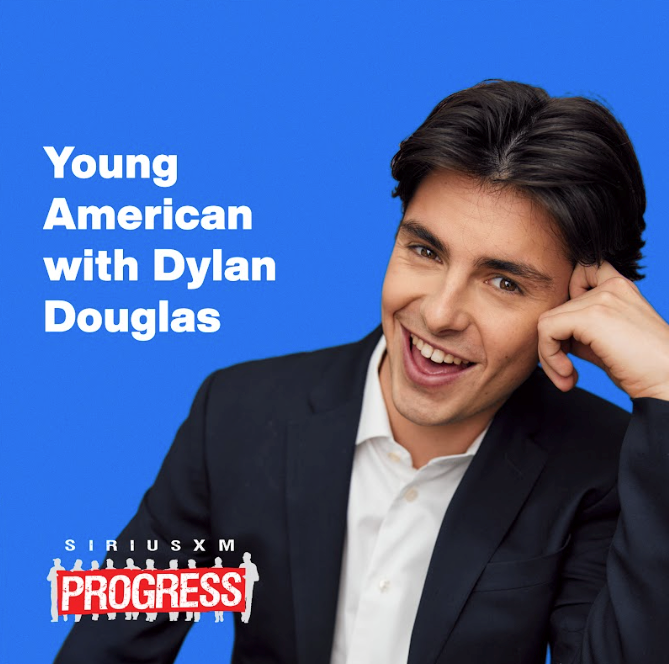
SiriusXM announced the return of Dylan Douglas to the Progress channel (channel 127) with the relaunch of his Gen Z political program, “Young American with Dylan Douglas.”
Following a successful limited run of “Young American” in the weeks leading up to the 2024 Presidential Election, the show will now return on a full-time basis, airing every Saturday morning on SiriusXM Progress. The one-hour weekly program will continue to dive deep into the defining issues of Gen Z and feature candid discussions with politicians, activists, and thought leaders on a range of topics including reproductive rights, climate change, gun control, and other social and political matters.
Dylan will once again bring his fearless, fresh perspective to the table, engaging in thoughtful conversations that address the challenges facing today’s youth while exploring practical solutions and paths toward progress. Whether unpacking policy, societal shifts, or cultural debates, the program will be the go-to space for young Americans, as well as people across age groups, to connect with the issues that truly matter to them – and to shape the future together. Listeners can expect Dylan’s signature mix of bold commentary, humor, and a deep commitment to civic engagement, all delivered with the energy and urgency of a generation demanding change.
“I’m thrilled to be back on SiriusXM Progress. There’s no shortage of urgent, important conversations to be had – and there couldn’t be a better time to return to this platform,” said Douglas. “‘Young American’ isn’t just about politics; it’s about the people who are shaping the future of our generation. With the election behind us, I’m looking forward to diving in and talking to the changemakers driving real progress.”
“Young American with Dylan Douglas” will air weekly on Saturdays at 10 – 11 am ET on SiriusXM Progress (ch. 127) and will be available on-demand on the SiriusXM app.
5 Surprising Facts About The Cure’s ‘Songs of a Lost World’
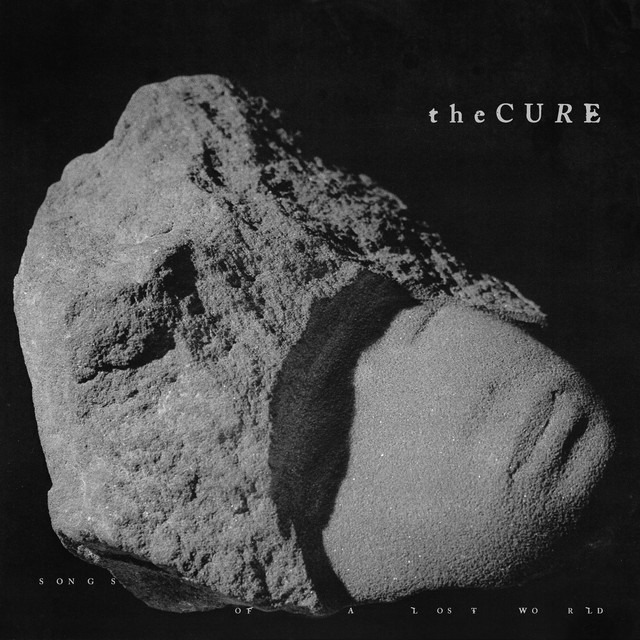
After 16 years, The Cure returned with an album that was worth every second of the wait. Songs of a Lost World, released on November 1, 2024, brought Robert Smith’s introspection, moonlit melancholy, and synth-drenched drama back to the top of the charts — and the hearts of fans across the world. Here are five beautiful facts about an album that proves the world’s still listening when The Cure sings.
Robert Smith Wrote Everything — Just Like 1985
For the first time since The Head on the Door, every lyric, melody, and arrangement on Songs of a Lost World came from Robert Smith alone. The result is a deeply personal and cohesive listen, full of poetic weight and sonic depth. It’s not just The Cure’s album — it’s his world, and we’re just lucky to hear it.
The Album’s Emotional Core Came From Grief
“I Can Never Say Goodbye” was written after Smith lost his brother. Rather than dominate the track with heavy lyrics, he let the music carry the grief — creating one of the most emotionally powerful songs in the Cure catalog. He called it cathartic. Listeners called it unforgettable.
It Was Almost Too Dark to Release
The original version of the album was so bleak that Smith’s wife Mary reportedly told him, “people won’t listen to this.” So, tracks like “Warsong” and “Drone:Nodrone” were added to balance things out. Even Bodiam Sky, a gorgeous lost finale, was cut but left like a ghost in the liner notes.
It Was a Global Smash — And a Halloween Wish
Smith personally requested the album drop after Halloween. At midnight on November 1, 2024, it arrived — and immediately went to #1 in the UK, France, Germany, and beyond. It even outsold the entire UK Top 10 combined in its first week.
The Companion Albums Keep Coming
The Cure celebrated the release with a live album (Songs of a Live World) and a massive remix collection (Mixes of a Lost World) featuring Four Tet, Orbital, and more. Every version — from cassette to glow-in-the-dark vinyl — reminds us The Cure still cares deeply about how music feels in your hands.
With Songs of a Lost World, Robert Smith remembered, reflected, and rewrote what a Cure album could be. New textures. Old ghosts. Huge choruses. And one more reminder that beauty often begins in darkness.
5 Surprising Facts About Van Halen’s ‘OU812’
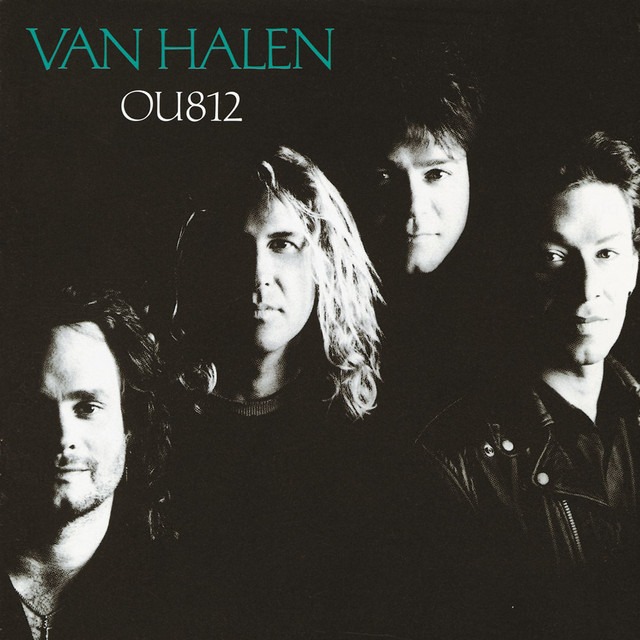
Van Halen’s OU812 was built on it with big riffs, deeper lyrics, midnight jam sessions, and a dash of Cabo sunshine. With Sammy Hagar at the mic for round two, the band blended slick musicianship with stadium-sized hooks, delivering four Top 40 hits and a legacy that still sounds loud and clear. Here are 5 wild and wonderful facts about this 1988 rock staple.
It Was Self-Produced—and It Shows
After their 5150 tour, the band skipped hiring a producer and instead crafted OU812 on their own. Without someone calling the shots, they followed their instincts, giving us a mix of serious songwriting and playful experimentation. The result? A sound that’s polished but still purely Van Halen.
“When It’s Love” Was Born From a Piano Demo
Eddie showed Sammy Hagar a piano-and-drum demo he’d cooked up with Alex Van Halen—and it became “When It’s Love,” one of their biggest power ballads. The song soared to #5 on the Billboard Hot 100 and featured a guitar solo Eddie called a nod to Eric Clapton. Proof that a little keyboard magic and a lot of heart can still light up a stadium.
The Late-Night Balcony Jam That Became a Hit
“Finish What Ya Started” almost didn’t make the album—until Eddie knocked on Hagar’s door at 2 a.m. with a new riff. They jammed on his balcony with unplugged guitars until the song was done. Sammy stayed up to write the lyrics, which he later described with a wink as being about “blue balls.”
Cabo, Montrose, and a Song Called “Cabo Wabo”
While writing lyrics in his house in Cabo San Lucas, Hagar channeled the relaxed beach vibe into “Cabo Wabo.” The song borrowed melody lines from a Montrose track he wrote years earlier, and it ended up inspiring the name of Hagar’s legendary nightclub and tequila brand. Not just a song — a lifestyle.
The Album Name Came From a Truck on the Freeway
The title OU812 (read aloud: “Oh, you ate one too”) wasn’t a coded jab or grand statement—it was something Sammy saw on the side of a delivery truck and found funny. The band even considered naming the album Bone first, but Alex Van Halen wasn’t having it. We all owe that delivery truck a thank-you.
OU812 was dedicated to Eddie and Alex’s father, Jan, whose clarinet had appeared on Diver Down. With stadium rock power and beachside creativity, the album blended heart and humor, riffs and reflection. It was Van Halen doing what they did best—loud, loose, and totally themselves.
5 Surprising Facts About Van Halen’s ‘1984’
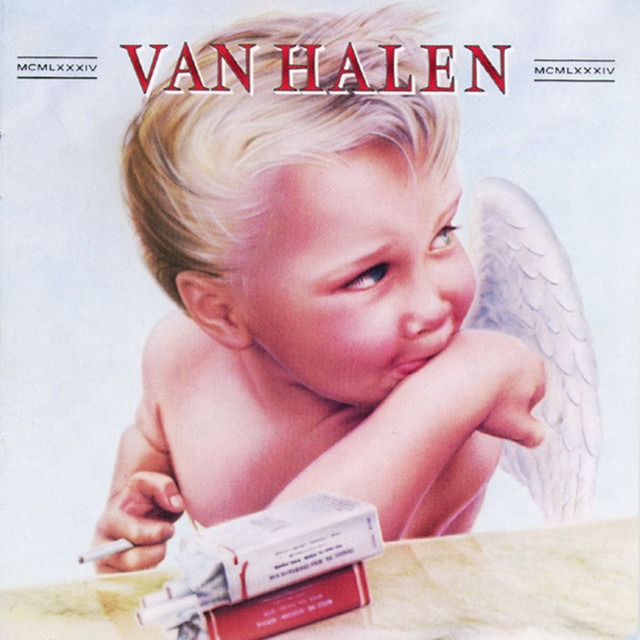
Van Halen’s 1984 was a neon-lit, synth-drenched, high-octane leap into the future of rock. Released at the start of the year it’s named after, this record captured a band at the peak of its powers and rewrote what a rock album could sound like. From synths to school buses, here are 5 wild facts about one of the most iconic albums of the ‘80s.
Eddie Built a Studio, Then a Whole New Sound
Eddie Van Halen wanted more control — so he built his own home studio, 5150, named after the California code for a psychiatric hold. There, with engineer Donn Landee, he explored synths and sounds without pushback. That’s where “Jump” was born, reshaping Van Halen’s identity from riff kings to synth rock pioneers.
“Jump” Almost Didn’t Happen
Eddie had the iconic synth riff for “Jump” in his back pocket for years — but David Lee Roth wasn’t convinced. After years of resistance, Roth finally gave it a shot, writing lyrics in the backseat of his Mercury convertible. A TV story about a potential jumper inspired the title, but the message became one of joy and seizing the moment.
That’s Eddie’s Actual Lamborghini in “Panama”
During the breakdown of “Panama,” that revving engine isn’t from a sound bank — it’s Eddie’s real 1972 Lamborghini Miura S. He backed it up to the studio, mic’d the tailpipes, and floored it. Rock history, meet car culture. It’s the most musical burnout ever caught on tape.
“Hot for Teacher” Was as Wild Onscreen as On Record
The music video for “Hot for Teacher” took glam metal, childhood chaos, and red suits under a disco ball and blended them into a pure MTV fever dream. Complete with kid versions of the band, stripping teachers, and a urination gag that flew under the radar, it’s still one of the most unforgettable — and unhinged — rock videos of all time.
They Gave Away a “Lost Weekend” with the Band
To promote the album, Van Halen and MTV launched a “Lost Weekend” contest. Over a million fans sent in postcards. Winner Kurt Jeffries flew to Detroit, got caked and showered in champagne onstage, and probably still doesn’t remember half of it. As Roth promised: “You won’t know where you are, and when you come back, you won’t remember it.” Rock ‘n’ roll at its most chaotic and generous.
1984 sold 10 million records and it changed the trajectory of Van Halen forever. Synths met shredding, and rock met radio in a whole new way. Whether it’s the swagger of “Panama,” the precision of “Jump,” or the schoolyard chaos of “Hot for Teacher,” this album lives on as a monument to when Van Halen truly ruled the airwaves, the charts, and MTV.
5 Surprising Facts About John Lennon and Yoko Ono’s ‘Double Fantasy’
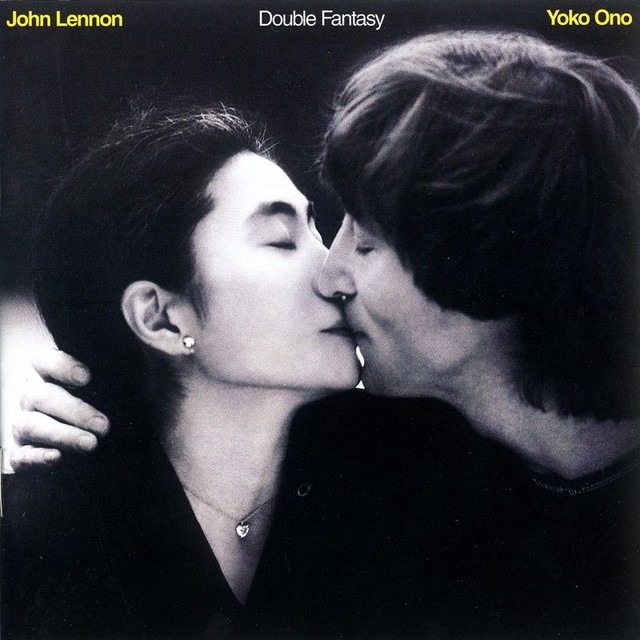
Some albums are recorded. Others are lived. Double Fantasy, the final studio album from John Lennon and Yoko Ono released just weeks before Lennon’s tragic death in 1980, falls firmly into the latter category. Born from sailing adventures, seasickness, dad life, and love letters set to music, this album is full of incredible moments that go way beyond the music. Here are five wild and true facts that make Double Fantasy as unforgettable as the couple who made it.
John Lennon’s Sea Storm Epiphany
In June 1980, Lennon sailed from Rhode Island to Bermuda—and when a nasty storm hit, he was the last man standing. The rest of the crew were knocked out with seasickness, leaving Lennon to steer a 43-foot schooner alone for six hours. Afterward, he said it centered him, tuned him into the cosmos, and inspired a flood of new songs. Forget a studio—this album started on the open sea.
The Album Was Named After a Flower
No metaphor here—Double Fantasy is literally the name of a flower Lennon saw in the Bermuda Botanical Gardens. He thought it perfectly described his relationship with Yoko. It’s not often a rock record and a freesia share a name, but for John and Yoko, love bloomed everywhere.
A Secret Session with Cheap Trick
Producer Jack Douglas invited Rick Nielsen and Bun E. Carlos of Cheap Trick to secretly play on two tracks: “I’m Losing You” and “I’m Moving On.” Lennon loved the energy, but those versions were ultimately re-recorded with the regular session band. Still, the Cheap Trick version made its way to the John Lennon Anthology years later. That’s a rock ‘n’ roll what-if for the ages.
“Starting Over” Was Lennon’s Elvis Orbison Moment
When recording the first single, Lennon jokingly called it his “Elvis Orbison” track, as he playfully mimicked the vocal styles of both legends. He even opened the stripped-down remix with a dedication: “This one’s for Gene, and Eddie, and Elvis… and Buddy.” A comeback single inspired by the greats, from a great returning to form.
A Hammered Dulcimer Saved the Day
“Watching the Wheels” features a hammered dulcimer—but not by design. Producer Jack Douglas wanted a “circular” sound and found a street performer in New York, Matthew Cunningham, to play it. He wasn’t in the Musicians’ Union, but his dulcimer brought exactly the vibe the song needed. From the sidewalk to the studio—now that’s serendipity.
Double Fantasy was more than a comeback; it was a celebration of life, love, fatherhood, partnership, and artistry. Its story is full of storms and stillness, risk and reward, loss and legacy. Lennon and Ono called it A Heart Play—and forty-plus years later, we’re still listening with ours.
20 Albums That Defined the ‘90s
The ‘90s were a sonic playground where grunge exploded, indie bloomed, hip hop stormed the charts and alt-rock went global. It was a decade where vulnerability met volume, where genre lines blurred, and where artists dared to be sprawling, strange, and sincere. These 20 albums defined culture, soundtracked change, and carved out new lanes in music history.
Achtung Baby – U2
U2 stepped out of their comfort zone and into a kaleidoscope of distortion, dance beats, and spiritual searching — and in the process, completely reinvented their sound.
Aquemini – OutKast
OutKast brought the soul and philosophy of rock to hip-hop with this Southern masterpiece, layered with live instrumentation and space-age ideas.
Automatic for the People – R.E.M.
Gentle, introspective, and achingly beautiful, this album proved that emotional depth could move just as many people as distortion ever could.
Blood Sugar Sex Magik – Red Hot Chili Peppers
Equal parts funk, rock, and raw feeling, this record turned the Chili Peppers into icons and gave us some of the decade’s most electric grooves.
Car Wheels on a Gravel Road – Lucinda Williams
This alt-country gem delivered storytelling with grit and grace — blending folk, blues, and rock into one of the ’90s’ most emotionally rich records.
Crooked Rain, Crooked Rain – Pavement
Witty, loose, and endlessly quotable, this indie rock touchstone helped define slacker cool and gave us hooks disguised as shrugs.
Dirt – Alice in Chains
Dark and hypnotic, Dirt channeled inner turmoil into a grunge-metal masterpiece that’s as heavy emotionally as it is sonically.
Exile in Guyville – Liz Phair
Bold, biting, and fiercely personal, Liz Phair’s debut redefined indie rock and flipped the male-dominated alt world on its head.
Grace – Jeff Buckley
With an otherworldly voice and poetic touch, Buckley delivered a transcendent debut that still resonates like a quiet thunderstorm.
In the Aeroplane Over the Sea – Neutral Milk Hotel
Surreal, lo-fi, and full of aching beauty, this cult classic stitched together folk, fuzz, and feeling in a way no one else dared to try.
In Utero – Nirvana
A jagged, unapologetic response to fame, In Utero peeled back the polish and let the raw wounds show — Nirvana at their most honest.
Loveless – My Bloody Valentine
An ocean of reverb and blissed-out noise, Loveless captured dreamlike distortion and redefined what guitar music could feel like.
Mellon Collie and the Infinite Sadness – The Smashing Pumpkins
Ambitious and orchestral, loud and tender, this sprawling double album felt like the band’s entire soul pressed onto wax.
Nevermind – Nirvana
The album that cracked the mainstream wide open. Nevermind wasn’t just grunge — it was a revolution wrapped in flannel and feedback.
OK Computer – Radiohead
Apocalyptic, intricate, and endlessly influential, OK Computer felt like the sound of the future — one that still hasn’t arrived.
Slanted and Enchanted – Pavement
The lo-fi masterpiece that made indie feel infinite. Jangly, weird, and unexpectedly deep, it became the blueprint for a generation of underground rock.
Superunknown – Soundgarden
Chris Cornell’s voice meets thunderous riffs in this genre-defining grunge record — heavy, haunting, and somehow ethereal.
Ten – Pearl Jam
Passionate, spiritual, and filled with riffs that still shake arenas, Ten made Pearl Jam torchbearers of a generation seeking meaning.
The Bends – Radiohead
Where Radiohead evolved from grunge also-rans to something more expansive — and delivered soaring anthems with introspective guts.
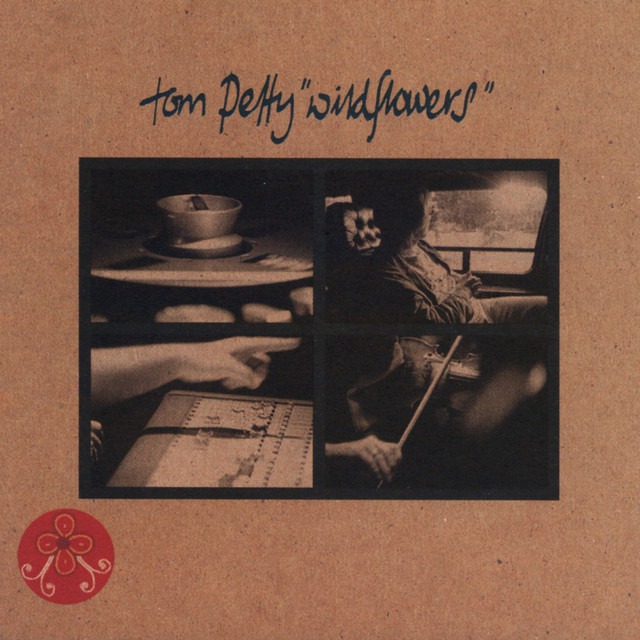
Wildflowers – Tom Petty
Petty at his most vulnerable and timeless, Wildflowers is a quiet triumph of songwriting, simplicity, and soul-searching.
From basement shows to arena tours, bedroom headphones to record store walls, these records are woven into the cultural fabric of the ‘90s. Whether you lived it loud back then or are discovering it now, their echoes still ring true.
10 Tips for Reading Contracts Before You Sign Anything

We’ve all been there — someone slides a contract across the table (or screen), and you’re tempted to just skim and sign. But whether it’s for work, a rental, or a streaming deal you’re not totally sure about, reading the fine print matters. Here are 10 simple, smart tips for reading contracts before putting pen to paper — because signing something you don’t understand isn’t confidence, it’s chaos in waiting.
1. Slow Down and Take Your Time
Contracts aren’t a race. Take a breath and read it thoroughly — even if someone’s pressuring you to sign quickly. If something feels rushed, it probably deserves more time.
2. Look for Key Terms First
Scan for the basics: payment terms, deadlines, cancellation clauses, RECOUPMENT and what each party is responsible for. These often set the tone for everything else in the agreement.
3. Don’t Assume Standard Means Safe
Just because it’s a “standard contract” doesn’t mean it’s fair or right for your situation. Templates get reused — but your needs are specific. Trust your instincts.
4. Highlight and Annotate as You Go
Use a highlighter, sticky notes, or comments to flag anything that stands out, confuses you, or needs clarification. Contracts are easier to review when you’ve already mapped the important bits.
5. Check the Cancellation or Termination Clauses
Can you get out if needed? Will it cost you? Understanding how to exit the contract is just as important as knowing what you’re agreeing to.
6. Ask Questions — It’s Your Right
If something’s unclear, ask. If the answer feels vague, ask again. Any professional worth working with will respect you for wanting clarity.
7. Be Wary of “Forever” Language
Watch out for automatic renewals, indefinite commitments, or sneaky clauses that tie you up longer than expected. Flexibility matters.
8. Know What’s Missing
Sometimes it’s not what’s in the contract — it’s what isn’t. Make sure any verbal promises or expectations are written in. If it’s not on the page, it doesn’t exist legally.
9. Get a Second Set of Eyes
Ask a friend, mentor, or (ideally) a lawyer to take a quick look. A fresh perspective can catch red flags you might miss the first time.
10. Trust Yourself Before You Sign
If something doesn’t feel right, don’t sign — at least not yet. A contract should feel like a clear agreement, not a gamble.
Reading a contract isn’t about suspicion — it’s about self-respect. You don’t need a law degree to understand the basics, just a little time, attention, and confidence. Because the best kind of signature? The kind you don’t regret later.
10 Songs That Celebrate Living Well, Simply and Joyfully – Just in Time for Simplicity Day
Today, we celebrate Simplicity Day, inspired by Henry David Thoreau — a man who knew the power of living deliberately, thoughtfully, and with joy. In honor of a day that reminds us to slow down, breathe deep, and embrace what matters, here are 10 songs that offer timeless reminders to live well, live simply, and live true.
Whether you’re sipping something cold on a porch swing or watching clouds drift by, these songs are the soundtrack to a life that feels good — and knows it.
1. “Lovely Day” – Bill Withers
Withers doesn’t just sing a song, he hands you a mood. That opening line, “When I wake up in the morning…” sets the tone for a day that’s already won.
2. “Good Life” – OneRepublic
A globe-trotting anthem that never forgets gratitude. The chorus alone feels like a sunbeam through the window.
3. “Three Little Birds” – Bob Marley & The Wailers
Marley offers more than advice — it’s a mantra. “Don’t worry ‘bout a thing” has never felt more freeing.
4. “Feeling Good” – Nina Simone
Everything about this track soars — from the strings to the vocals to the message: life’s here, now, and it’s beautiful.
5. “Happy” – Pharrell Williams
You can’t listen without moving. You just can’t. Pure joy, bottled in under four minutes.
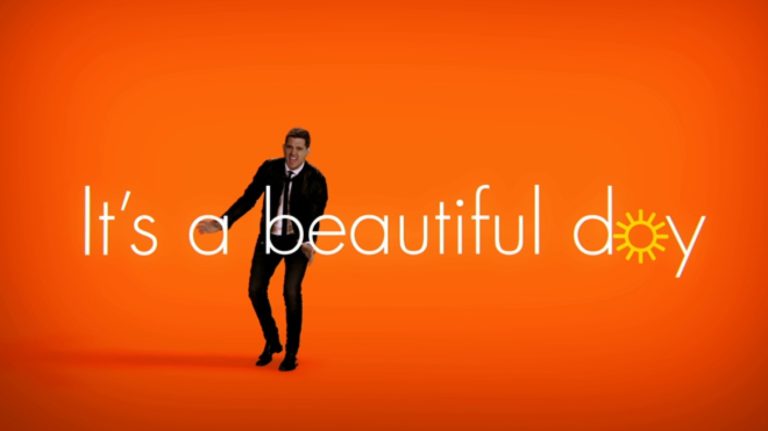
6. “It’s a Beautiful Day” – Michael Bublé
This one’s got swing, spark, and a touch of sass. Sometimes life’s best moments are the ones you didn’t plan.
7. “Good to Be Alive (Hallelujah)” – Andy Grammer
Every line feels like a celebration. “I think I finally found my hallelujah” — yes, and thank you.
8. “Simple Things” – Miguel
A love song to less. “I just want the simple things” is a powerful reminder in a world that often wants more.
9. “Pocketful of Sunshine” – Natasha Bedingfield
Some songs feel like a vacation — this is one of them. A bright, breezy reminder that joy can be carried anywhere.
10. “Live Your Life” – T.I. feat. Rihanna
With Rihanna on the hook and a beat that lifts the soul, this track is a mission statement: live it loud, live it proud.
Whether you’re unplugging, decluttering, or just smiling at the sky, remember: the good life isn’t about having more — it’s about feeling more. So turn up the music, breathe deep, and go be part of the sunshine.
Liam Gallagher’s Isolated Vocals For Oasis’ “Wonderwall”
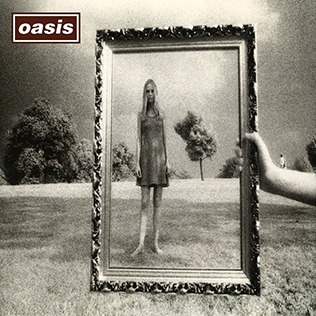
“Wonderwall” by Oasis, released in 1995, became the defining anthem of ‘90s Britpop and the unofficial soundtrack to dorm room guitar jams everywhere. Written by Noel Gallagher and described as a song about “an imaginary friend who’s gonna come and save you from yourself,” it captured a generation’s yearning in under four chords. Topping charts in Australia and New Zealand and going octuple platinum in the UK, it remains Oasis’ most iconic track — and probably the most requested song at open mic nights ever since.