


Dave Grohl revealed the first four records he and Kurt Cobain owned after moving in together during a chat with Conan O’Brien, alongside Krist Novoselic and Steve Albini, reflecting on their In Utero era and Albini’s unique condition for working with Nirvana.
Wilson Pickett and The Bee Gees Burn The House Down Performing “Hey Jude” on The Midnight Special in 1973
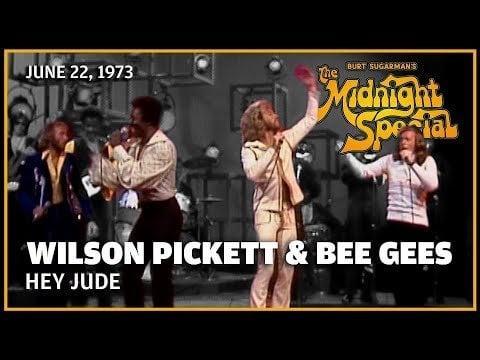
On June 22, 1973, The Bee Gees and soul legend Wilson Pickett delivered unforgettable performances on The Midnight Special, performing a wild version of The Beatles’ Hey Jude.
Nathan Fielder, Benny Safdie, and Emma Stone Hilariously Break the Fourth Wall at “The Curse” Panel

During a November 16 panel at the WGA Theater in Los Angeles, the trio behind The Curse turned their attention to an audience member filming the event, effortlessly riffing and creating an unforgettable moment.
Video: A Conversation Between Matt Berninger and David Letterman
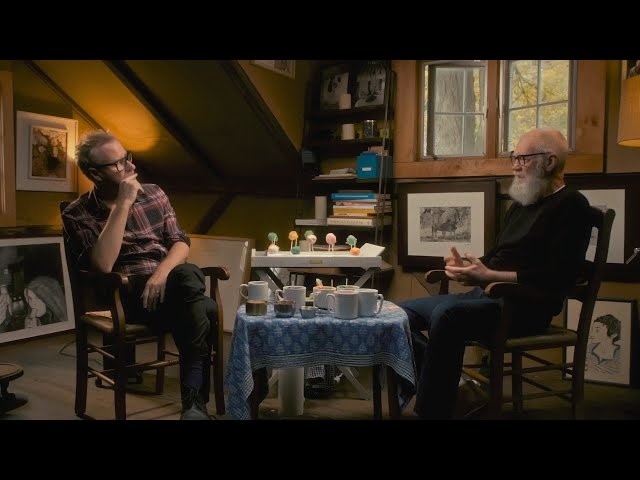
David Letterman and Matt Berninger talk about The National’s songs & lyrics, live performances, their shared experiences of depression, and more.
My Next Read: “Dance Music Spaces: Clubs, Clubbers, and DJs Navigating Authenticity, Branding, and Commercialism” by Danielle Antoinette Hidalgo
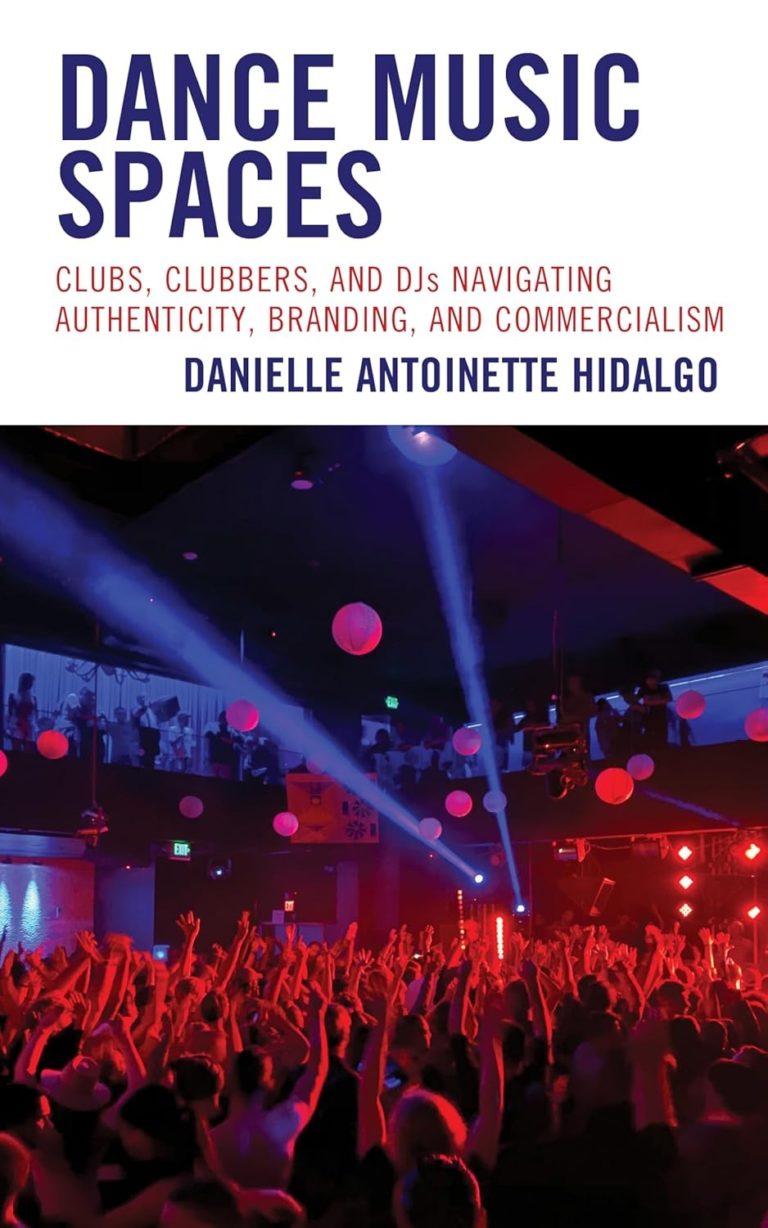
Dance Music Spaces examines the production of physical and digital spaces in dance music, and how the players—clubs, clubbers, and DJs—use authenticity, branding, and commercialism to navigate them. An in-depth study into three women DJs—The Blessed Madonna, Honey Dijon, and Peggy Gou—reveals a new concept, “authenticity maneuvering.” In it Danielle Hidalgo, associate professor of sociology at California State University in Chico, exposes how the strategic use of a rave ethos both bolsters acceptance in dance music spaces and hides often problematic commercial practices. This timely, thoughtful, and deeply personal book presents a compelling analysis of the complicated interplay between dancing bodies, digital practices, and spatial offerings in contemporary dance music.
My Next Read: “Take This Hammer Work, Song, Crisis” By Paul Rekret

The emergence of the popular music industry in the early twentieth century not only drove a wedge between music production and consumption, it also underscored a wider separation of labor from leisure and of the workplace from the domestic sphere. These were changes characteristic of an industrial society where pleasure was to be sought outside of work, but these categories have grown increasingly porous today. As the working day extends into the home or becomes indistinguishable from leisure time, so the role and meaning of music in everyday life changes too. In arguing that the experience of popular music is partly conditioned by its segregation from work and its restriction to the time and space of leisure — the evening, the weekend, the dancehall — Take This Hammer Work, Song, Crisis by Paul Rekret shows how changes to work as it grows increasingly precarious, part-time, and temporary in recent decades, are related to transformations in popular music.
Connecting contemporary changes in work and the economy to tendencies in popular music, Take This Hammer shows how song-form has both reflected developments in contemporary capitalism while also intimating a horizon beyond it. From online streaming and the extension of the working day to gentrification, unemployment and the emergence of trap rap, from ecological crisis and field recording to automation and trends in dance music, by exploring the intersections of work and song in the current era, not only do we gain a new understanding of contemporary musical culture, we also see how music might gesture towards a horizon beyond the alienating experience of work in capitalism itself.
My Next Read: “For Women and Girls Only Reshaping Jewish Orthodoxy Through the Arts in the Digital Age” By Jessica Roda
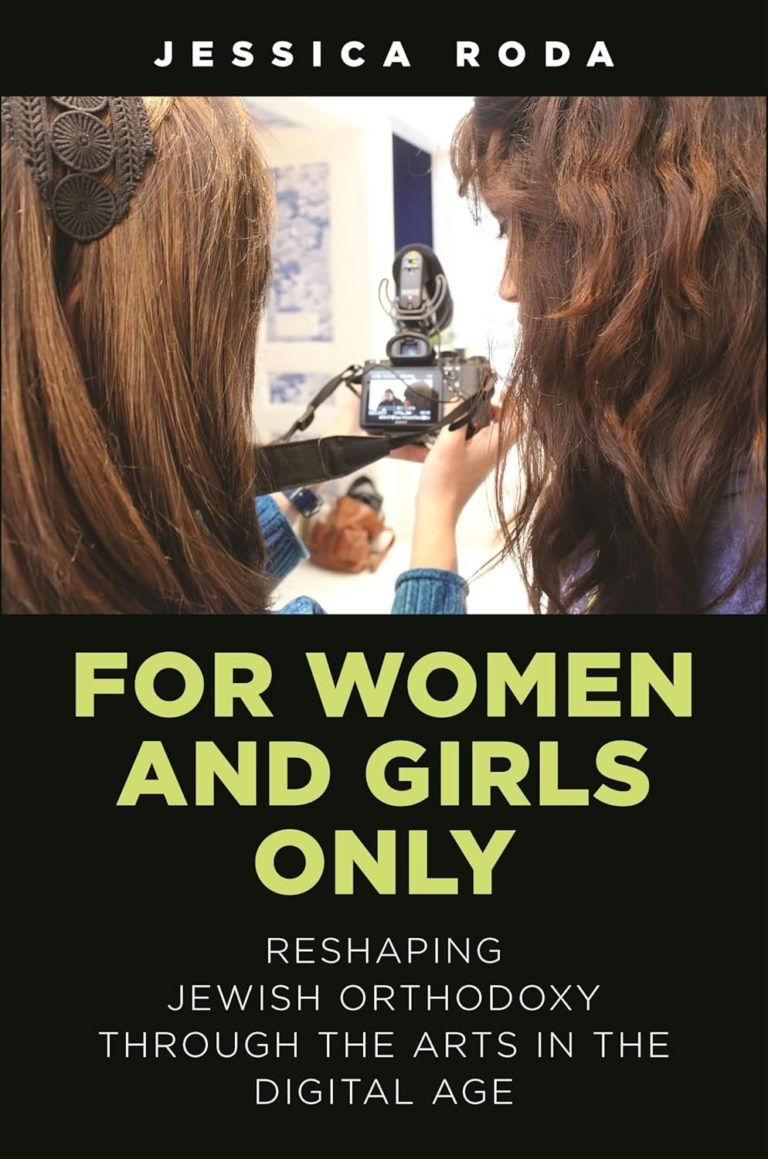
Mainstream portrayals of ultra-Orthodox religious women often frame their faith as oppressive: they are empowered only when they leave their community. This book flips this notion on its head. Drawing on six years of fieldwork between New York and Montreal, Jessica Roda examines modern performances on the stage and screen directed by and for ultra-Orthodox women. Their incredibly vibrant Jewish artistic scenes defy stereotypes that paint these women as repressed, reclusive to their shtetl (village), and devoid of creativity and agency.
For Women and Girls Only argues that access to technology has completely transformed how ultra-Orthodox women express their way of being religious and that the digital era has enabled them to create an alternative entertainment market outside of the public, male-dominated one. Because expectations surrounding modesty, ultra-Orthodox women do not sing, dance, or act in front of men and the public. Yet, in a revolutionary move, they are creating ?women and girls only? spaces onsite and online, putting the onus on men to shield themselves from the content. They develop modest public spaces on the Internet, about which male religious leaders are often unaware. The book also explores the entanglement between these observant female artists and those who left religion and became public performers. The author shows that the arts expressed by all these women offer a means of not only social but also economic empowerment in their respective worlds.
For Women and Girls Only is a groundbreaking reversal of mainstream portrayals of ultra-Orthodox religious women, and of those who have left the community yet maintain ties to it. It is the first work to focus on the ultra-Orthodox female art scene in music, film, and dance across North America and on social media.
The Righteous Brothers’ Isolated Vocals For “You’ve Lost That Lovin’ Feelin'”
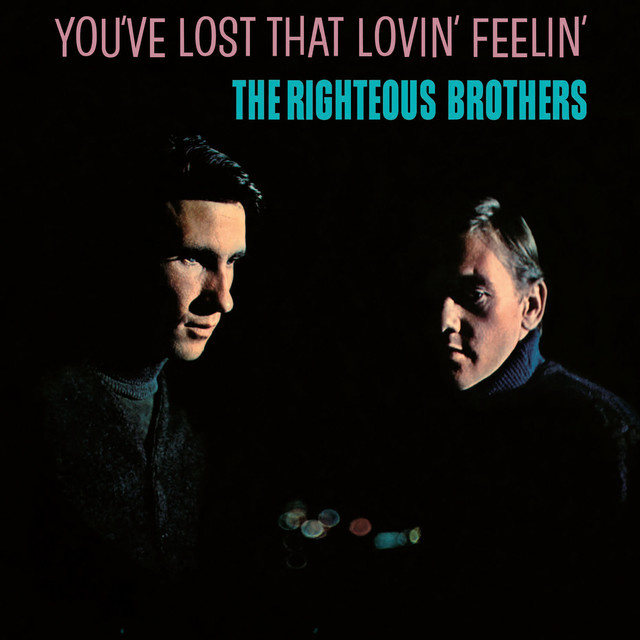
Phil Spector’s Wall of Sound masterpiece, “You’ve Lost That Lovin’ Feelin’,” took over 39 takes and $35,000 to create, featuring The Righteous Brothers, Cher, and The Wrecking Crew. The result? A four-minute epic that rewrote the rules of pop music and left even its creators doubting it would be a hit—until it became the most played song on U.S. radio in the 20th century.
Judy Garland’s Isolated Vocals For “Somewhere Over The Rainbow”
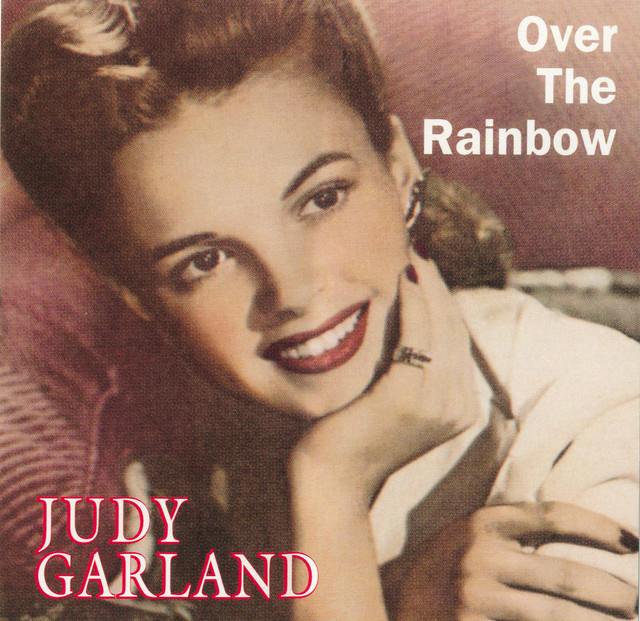
Judy Garland’s isolated vocals for “Somewhere Over the Rainbow” from The Wizard Of Oz are pure magic, revealing every ounce of longing and hope in Dorothy’s iconic ballad. It’s no wonder this timeless song won an Academy Award and became Garland’s signature—it’s a masterpiece that still sends shivers down your spine!
My Next Read: “Saturday Night, Sunday Morning: Staying True to Myself from the Pews to the Stage” By PJ Morton
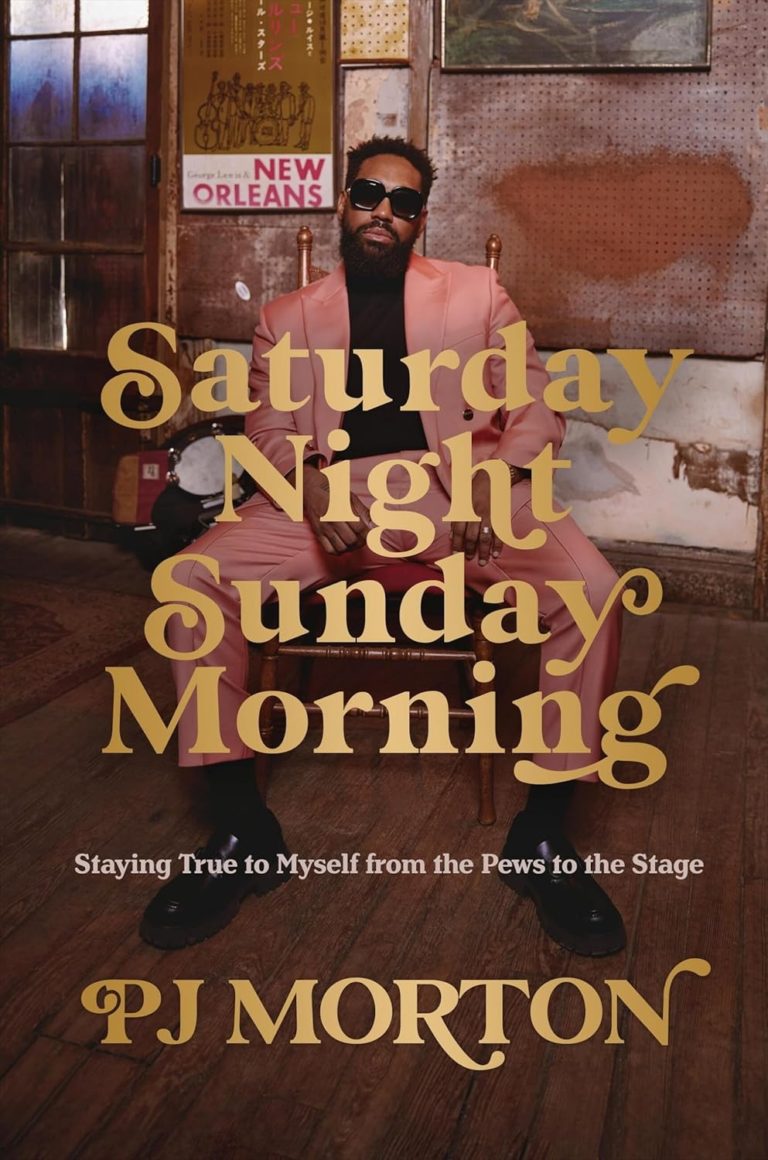
Grammy-winning singer-songwriter, keyboardist for the mega pop band Maroon 5, and founder of Morton Records, PJ Morton details the inspiring journey that led to his unique sound and urges readers to follow their own dreams.
The son of pastors and gospel artists, PJ Morton grew up singing gospel music in church. As he was drawn to R&B and pop, PJ experimented in combining genres to create his own sound that record labels struggled to categorize. Despite the pressure to conform, he defied expectations and risked launching his own label, Morton Records, leading to twenty Grammy nominations and awards.
PJ Morton is the rare artist who has straddled the tensions of life, whether in music or faith expressions, or in racial and cultural identities, while staying true to his New Orleans and Christian roots. Saturday Night, Sunday Morning captures his powerful journey of combining his two worlds, showing readers how to overcome obstacles as they seek their own dreams.