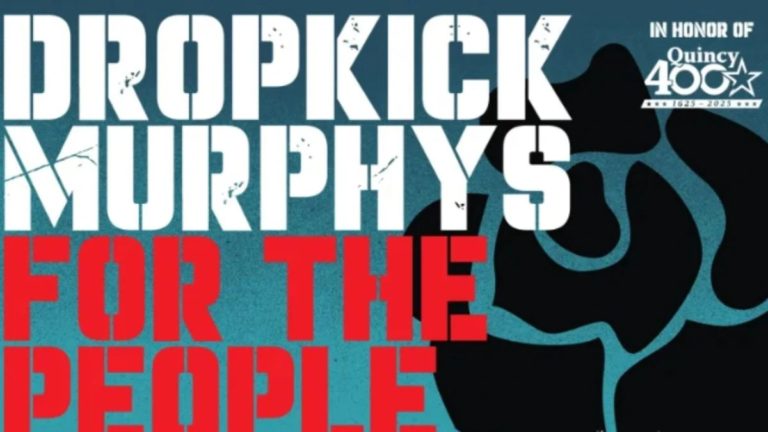
Punk Rockers Dropkick Murphys Return With Politically Charged Album For the People Out Now Digitally Dropkick Murphys have just released the digital edition of their timely and passionate new album For The People via the band’s Dummy Luck Music / Play It Again Sam label. The vinyl and CD release will follow October 10 and will include 5 bonus tracks.
As the band’s 13th studio album, For The People shows courage and confidence, speaking up against the injustices happening in the United States, and doing so with the strength and power that harkens back to Dropkick Murphys’ earliest punk rock roots.
For The People is more than a title. It’s a heartfelt stance, a declaration of who this band is – and who they’ve always been. Whether writing about politics, family, friends or simply “life” on For The People, the stories run deep, the memories push hard, and the joy remains infectious.
To drive the message home further, For The People is accompanied by an album cover created by renowned social/political artist Shepard Fairey’s design firm Studio Number One and depicts a black rose, symbolizing change, renewal, new beginnings, courage, confidence, strength and power.
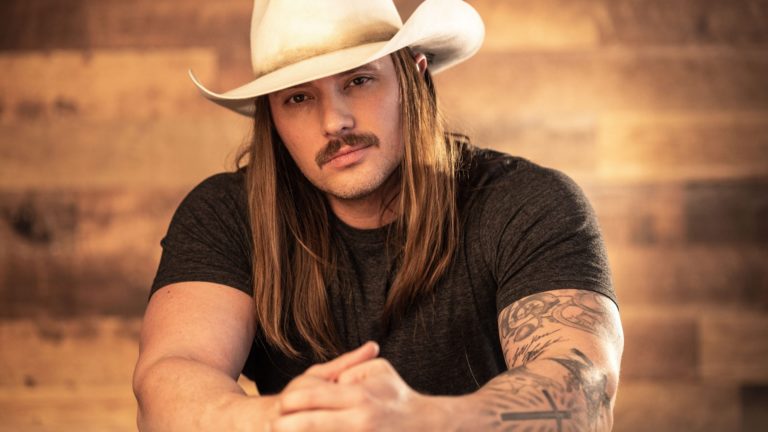
Nashville-based independent artist Adam Warner brings a big sound to the country scene straight from his small-town roots. With his timeless drawl and laid-back charm, Warner has perfected the art of a good time. A proud U.S. Marine Corps veteran, he returned to Nashville to chase a lifelong dream – and after years of paying his dues and developing his show, is starting to make waves with loyal followers, whom he is most grateful for. From sharing the stage with country legends like Lee Brice, Jamey Johnson, Jerrod Niemann, American Young, Midland, Trace Adkins, Neal McCoy, Rhonda Vincent, and Darrell Singletary, to performing at the iconic Grand Ole Opry House, Warner has earned his place in the heart of the country music community. Now, four albums and one EP later, the humble singer-songwriter shows no signs of slowing down, returning with his highly anticipated new single, “Came Back Country,” out August 1st.
Co-written by Warner alongside Jeb Gibson and Daniel Dennis – who also produced the track with Warner (making his official debut as co-producer) – the song is a lively ode to the ladies who come from all over, from California and beyond, to experience the magic of Nashville. As the Louis Vuittons come off and the denim jeans, Daisy Dukes, cowboy hats, and boots slip on, it’s all about embracing the spirit of the city, especially for those unforgettable bachelorette parties where everyone just wants to be part of the party.
Warner shares, “Jeb Gibson, Daniel Dennis and I were in the studio working on another project and got to talking about the bachelorette parties that come to Nashville every week day in and day out and Jeb said he had a song idea about how girls ‘Came Back Country’ upon visiting Nashville but wasn’t quite sure where to go with the song…It seems that people come to Nashville and just let their hair down and leave their problems at home or at the airport! Nashville has become the ‘it’ city to come and let loose and live life, and have a great time for the weekend or the week! It’s a place where if even for a weekend, you can be your best ‘country girl’ with your friends by your side! Once Jeb said the title, the three of us just knocked this song right out based on what we have witnessed with the growth and change of Nashville!”
Country’s breakout artist has learned not to take himself too seriously, and his music gives his audience permission to do the same. With standout releases like “4 Square Miles,” which reached #1 on The Country Network’s Video Countdown, and “Semper Fi” featuring Trace Adkins, a tribute to active and former military that was named Independent Country Music Song of the Year, Warner has carved out a place of honor in the genre. His high-energy anthem “Welcome to the South” even became a game-day staple at Tennessee Titans home games in Nissan Stadium.
In 2022, Warner released the acclaimed album What We’re Known For, earning rave reviews from the industry. The 12-track project featured fan favorites such as “Catchin’ Hell,” “Reason to Redneck,” “One Drunk,” “Split A Beer,” “Lost In A Country Song,” a powerful remake of the classic “Long Haired Country Boy,” and the title track “What We’re Known For.”
2023 brought even more momentum, highlighted by the heartfelt re-release of “First Face”, a tribute to Warner’s wife, Megan, and their first child, Rivers Paige. In 2024, Warner continued to deliver hits with a steady stream of new singles and milestone performances, including his debut appearances at both CMA Fest and the iconic Country Thunder festival in Twin Lakes, Wisconsin.
2025 is already shaping up to be a milestone year for the Nashville authentic country music sensation, marked by the release of his most dynamic project yet. His 12-song album Where I’m Coming From, released in May, features streaming favorites like “The People”, a patriotic salute to everyday Americans, along with “The Farmer,” “Back When,” “Outlaws Baby,” and “Do Country” featuring Nate Kenyon. The project also highlights “Most of This Town” and three distinct versions of “Bridge I’d Love To Burn” – including the original, a club mix, and a mandolin mix featuring rising bluegrass phenom Wyatt Ellis.
Having just lit up the stage at Summerfest, up next, fans can expect to see the Marine-turned-country sensation’s music philosophy brought to life at The Hoofbeat Festival, the legendary Eddie’s Attic in Decatur, GA and at various clubs, venues and festivals throughout the United States.
“Do what you love and love what you do,” Warner asserts, “there’s no restart button. One of the greatest things about music is that it lives forever, my songs will be around long after I’m gone. But while I’m here, I want to help people live in the moment. At the end of the day, if I can play a part in one person’s good day, if I can make people feel something, I know I’ve done my job as an artist and entertainer!”
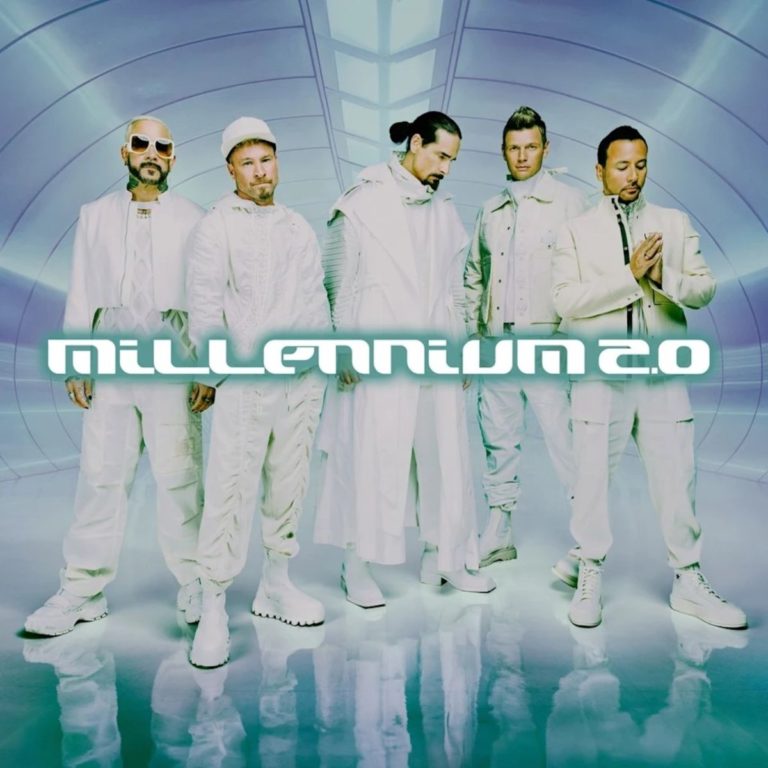
To celebrate the Backstreet Boys’ highly anticipated Sphere residency and the launch of their new album Millennium 2.0 out on Friday (July 11), the group has partnered with Vibee to curate the “Backstreet Boys Terminal” – an immersive fan experience at The Venetian Resort Las Vegas, the only hotel connected to Sphere.
Open to the public, with special perks for Vibee VIP pass holders, the airport theme pays tribute to the band’s iconic Millennium album and their worldwide success, reflecting the global journey they took on the route to become one of the biggest pop acts of all time.
From the moment fans step inside, they’ll journey through the past, present, and future of the Backstreet Boys’ incredible music career. A standout feature is a full replica of the MTV Total Request Live (TRL) studio, the wildly popular video countdown and live request show where the band made countless appearances, including their 1999 takeover of Times Square that drew thousands of fans. As guests continue to explore the space they will find a variety of interactive, photo-worthy moments including a private-jet inspired photo booth, Millennium tour stop map, and lounges styled to resemble exclusive airport lounges. The Backstreet Boys Terminal is also packed with rare memorabilia, offering a special experience for anyone who’s ever been part of the Backstreet phenomenon. The merch shop will feature exclusive limited-edition items from Madeworn, Anti Social Social Club, and more which can’t be found anywhere else. Fans can even step inside personalized dressing rooms each inspired by a member of the band.
Backstreet Boys will release Millennium 2.0 via Sony Legacy this Friday, to celebrate the 25th anniversary of their chart-topping, 5-time GRAMMY- nominated album, Millennium and will be available for purchase at the Backstreet Boys Terminal. This deluxe re-issue will feature 25 tracks, including all 12 remastered originals, live recordings, demos, and B-sides, including the alternate version of “I Want It That Way.”
Backstreet Boys Terminal will celebrate the group’s highly anticipated Sphere residency, which also kicks off this Friday, July 11. Produced by Live Nation, the Backstreet Boys are the first pop act to perform at Sphere and will bring their legendary Millennium album to life, alongside a selection of their greatest hits, for incredible performances July 11, 12, 13, 18, 19, 20, 25, 26 and 27, and August 1, 2, 3, 8, 9, 10, 15, 16, 17, 22, 23, and 24, 2025.
Vibee, the music-led destination experience company, is the official Concert & VIP Hotel Experience Package partner for Backstreet Boys at Sphere. Vibee VIP guests will enjoy access to a private lounge, early entry hours, and dedicated shopping lanes for a more personalized visit.
Beginning Thursday, July 10, the space will be open to the public Thursdays to Sundays from 11:00am – 7:00pm on show weeks only. Backstreet Boys Terminal will be located on the second floor of the Waterfall Atrium at The Venetian Resort Las Vegas, adjacent to the entrance of the Grand Canal Shoppes.
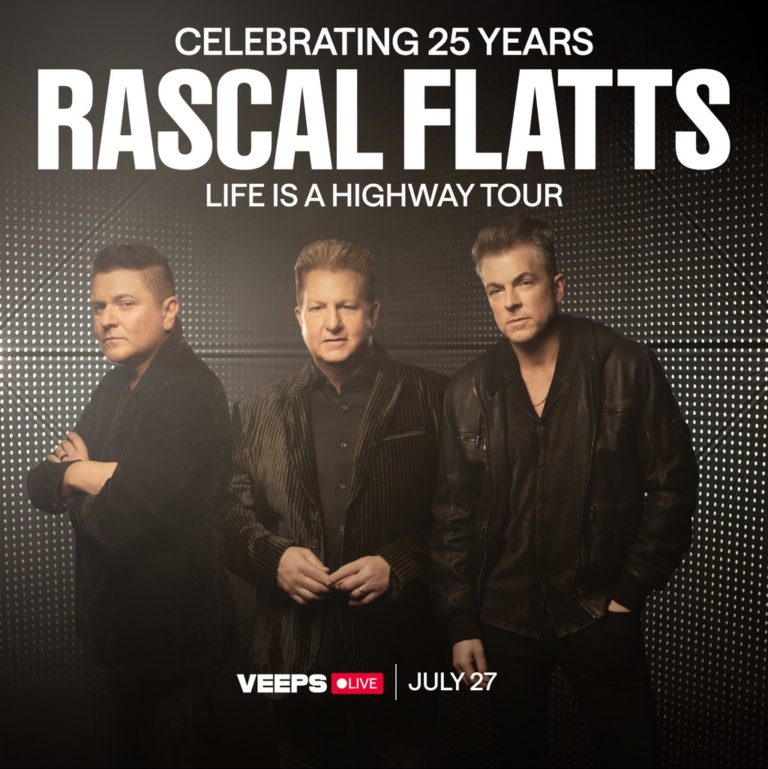
Fans across the world can relive Rascal Flatts’ unforgettable hometown show in Columbus, Ohio during a special global streaming event Sunday, July 27th at 7pm CT / 8pm ET. “Rascal Flatts is back and better than ever,” (Us Weekly) with the performance marking the superstar trio’s return to the road for the first time since 2019, and “a testament to their musical legacy, deep connection with fans, and the undeniable magic they create together on stage,” (Country Now). Now, fans will be able to enjoy this unforgettable evening, with tickets available for purchase today HERE. As part of their subscription, Veeps All Access members will be able to watch the show for free. All streaming tickets will include a three-day rewatch window and are available via Veeps.com and through the Veeps app on Roku, Apple TV, iOS, and Android.
The band celebrated their return to the Buckeye State with a surprise appearance by Carly Pearce to perform a soaring “My Wish” with the trio. Also joined by Lauren Alaina and Chris Lane across the 21-stop tour, the Country music mainstays wrapped their sold-out LIFE IS A HIGHWAY TOUR last month, “the musicianship throughout was superb” with capacity crowds singing along to their iconic two decades-spanning catalog of hits, “Rascal fans who wanted to party were no doubt satisfied,” (Arkansas Times). The country stars’ “nostalgic” setlist – including fan favorites “Me and My Gang,” “Fast Cars And Freedom,” “Life Is A Highway” and more – had every arena singing along night after night, with every song “reminding the crowd of the years they’ve spent singing along to the anthemic tunes that were the soundtrack to many of the concertgoer’s childhoods and lives,” (Music Mayhem).
“Celebrating their 25th anniversary as if no time had passed at all,” (Billboard), Rascal Flatts made their historic return to CMA Music Fest last month, as the guys “put Nissan Stadium into a state of energetic euphoria” with their headlining set receiving “the most robust sing-along yet of CMA Fest’s Nissan Stadium shows,” (The Tennessean). The superstar group also released their much-anticipated LIFE IS A HIGHWAY: REFUELED DUETS collaboration album this summer, praised as “a bold, celebratory reimagining of the band’s storied back catalogue” (Entertainment Focus). The project features nine reimagined, beloved Rascal Flatts hits – including the “immediate bestseller” (Forbes) reimagination of “What Hurts The Most” with Backstreet Boys – as well as their record-breaking new track, “I Dare You” with Jonas Brothers. The trio “sensibly allow a string of pop, rock and country vocalists to change the oil, whilst they rest easy on a backseat built on their trusted formula of honeyed vocals and major key chirpiness,” (Holler) creating all-new arrangements of timeless hits from their acclaimed catalogue.
Hailed as one of the most influential groups in modern country history, Rascal Flatts are a chart-topping trio created by vocalist Gary LeVox, multi-instrumentalist Jay DeMarcus and guitarist Joe Don Rooney. Since their founding in 2000, they’ve cemented their place in music history with genre-crossing hits like breakout hit, “Prayin’ for Daylight,” “Bless The Broken Road,” “What Hurts the Most,” and “Life Is a Highway.” Together the Grand Ole Opry members have racked up 17 No. One hits, over 23.4 million albums sold, 35 million digital downloads, and over 12 billion total lifetime streams, with 4.6 billion streams on Spotify alone, while also selling over 11 million concert tickets and earning more than 40 trophies from the ACA, ACM, AMA, CMA, People’s Choice and more, making them one of the most awarded country groups of the past two decades. Now emerging from hiatus with renewed passion, the trio has reunited to take care of unfinished business with their collaboration album LIFE IS A HIGHWAY: REFUELED DUETS, celebrating 25 years of hits and the impact of one of the most influential groups in country music.
SiriusXM will offer listeners nationwide coverage of the events of Major League Baseball’s 2025 All-Star Week, with live broadcasts of the 95th All-Star Game Presented by Mastercard, the T-Mobile Home Run Derby, the MLB Draft Presented by Nike, and more special programming from Atlanta, GA.
On Sunday, July 13, starting at 5pm ET, SiriusXM’s MLB Network Radio channel will offer live coverage of the first round of the MLB Draft Presented by Nike, from the Coca-Cola Roxy in The Battery Atlanta. SiriusXM listeners will hear the live selections of every team in the first round. SiriusXM’s Dani Wexelman and Grant Paulsen will host alongside former MLB general managers Jim Bowden and Jim Duquette, two longtime pro personnel experts who will react to picks and share their analysis.
For Monday’s T-Mobile Home Run Derby, SiriusXM’s on-site programming from Truist Park will begin at 2 pm ET with a Media Day show hosted by Dani Wexelman, Jim Duquette and Grant Paulsen. At 5 pm ET Mike Ferrin, Jim Bowden and former big leaguer Cole Tucker will be on the field to host SiriusXM’s pre-game programming and interview many of the All-Stars in attendance. The MLB Network Radio channel will air ESPN Radio’s broadcast of the Home Run Derby starting at 8 pm ET.
On Tuesday, July 15, MLB Network Radio’s coverage of the MLB All-Star Game Presented by Mastercard begins at 5 pm ET with an MLB All-Star Pregame Show hosted by Mike Ferrin, Cole Tucker and Jim Duquette. Listeners will hear interviews with many of the coaches and players on the field at Truist Park The pre-game show will lead into ESPN Radio’s play-by-play broadcast of the All-Star Game starting at 8 pm ET.
Beyond the special coverage of these All-Star Weekend events, MLB Network Radio offers baseball fans a daily lineup of MLB talk 365 days a year, featuring shows hosted by former players, managers, front office executives and other baseball insiders. The exclusive 24/7 channel is available to listeners nationwide in their cars on channel 89 and on the SiriusXM app: https://sxm.app.link/MLBonSXM.
In honor of the Midsummer Classic being played in Atlanta, MLB Network Radio will also be re-airing three Atlanta Braves-themed episodes of “The Road to Cooperstown” podcast, which is a collaboration between SiriusXM and the National Baseball Hall of Fame and Museum. Listeners will hear in-depth conversations between SiriusXM host Jon Morosi and legendary Braves John Smoltz, Chipper Jones and Tom Glavine as they share memories from their extraordinary lives and careers on their journey to the Hall of Fame.
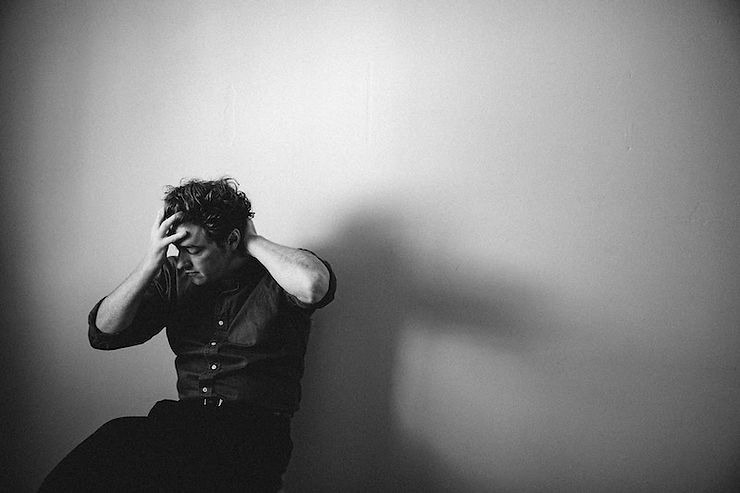
Following the release of the debut self-titled album, which came recently on The Leaf Label, The Sick Man of Europe shares new video for album standout track “Sanguine”. The Sick Man of Europe is also set to play a headline London show at The George Tavern on July 8th with other dates to follow later this year.
On the track, The Sick Man of Europe said “‘Sanguine’ touches on the idea of ‘self-realisation’. It occupies those moments where the fever dream shatters and every possible action seems wrong. Wracked with doubt – can the body shift towards an alternative?”
Emerging from London’s underground music scene, The Sick Man Of Europe is distinctly monochrome in its outlook. Each note counts in this climate, economical but played with absolute precision and conviction. Propelled forward by machines and seeking solace in repetition. The same fears. Looking for answers or something to believe in, but finding more questions in an age of absolute
The Sick Man Of Europe demo tape arrived in a brown manila envelope accompanied by a short typewritten letter. Information was limited but what was clear, from the name, the imagery and typography, right through to the music – the project arrived almost fully formed. Minimal, but with a strong eye for the right detail.
On the eponymous debut album, that eye is focussed firmly on the battle between the internal and the external; the tensions between human identity, technological advancement and the pursuit of meaning in the modern world. “Where does the machine end and humanity begin?” TSMOE asks. “Can we transform ourselves in an increasingly impersonal world? Every day we feel the pressure to adapt and fit in, but that’s often at odds with our need for solitude and self-reflection. That’s where this record comes from.”
The Sick Man Of Europe name connects the current post-Brexit landscape to the austerity of Thatcherite Britain and the social conditions that shaped the likes of Bauhaus and Joy Division. These are touchstones for TSMOE, but the influence and discipline of Neu!, Suicide and Swans are just as intrinsic to the sound.
Produced as a reaction to previous musical projects, TSMOE was looking for clarity and complete control in its creative endeavours. It’s consciously anti-rock in its recorded approach – no low-end bass guitar, minimal effects and no live drums. Dedication to the craft of focussed song writing rather than attempting to follow current production trends.
Lead single “Obsolete” was the first track produced under these self-imposed restrictions.
“There’s nothing more human than the fear of the inevitable and we’re reminded of it everywhere we look,” TSMOE explains.
“As the relentless pace of progress takes over, everything we’ve ever made is retired so quickly in the name of endless growth. At what point do we become obsolete?”
The term ‘the sick man Of Europe’ has been associated with many nations over the years, having first been coined by Tsar Nicholas I to describe the Ottoman Empire in 1833, and has been used more recently as a label for the UK, Greece and Germany. It means something different depending on when and where you grew up, and the music of TSMOE holds that same ambiguous power. The debut album is a timely release as cold war maps are re-drawn and geopolitical tensions ramp up. TSMOE is a global citizen of an increasingly fractured world.
The Sick Man Of Europe will be released on black vinyl and as a limited edition of 300 on ‘Sanguine Red’ vinyl for sale through indie shops and on Bandcamp. The album follows the release of the Moderate Air Quality EP on cassette in February, and the EP tracks are included on the CD version of the album.
The Sick Man Of Europe accompanied Snapped Ankles on their recent UK tour, and will be performing widely over the course of this year with more dates to be announced soon.
Tour dates
Tue 8 Jul – The George Tavern, London, UK
Fri 25 Jul – Deer Shed Festival, North Yorkshire, UK
Sat 2 Aug – Multitude Festival, Milton Keynes, UK
Sat 30 Aug – Manchester Psych Fest, Manchester, UK
Wed 1 Oct – The Attic, Leeds, UK
Thu 2 Oct – The Golden Lion, Todmorden, UK
Fri 3 Oct – The Flying Duck, Glasgow, UK
Sat 4 Oct – Zerox, Newcastle Upon Tyne, UK
Sat 18 Oct – Sŵn Festival, Cardiff, UK
Thu 23 Oct – Left Of The Dial Festival, Rotterdam, NETHERLANDS
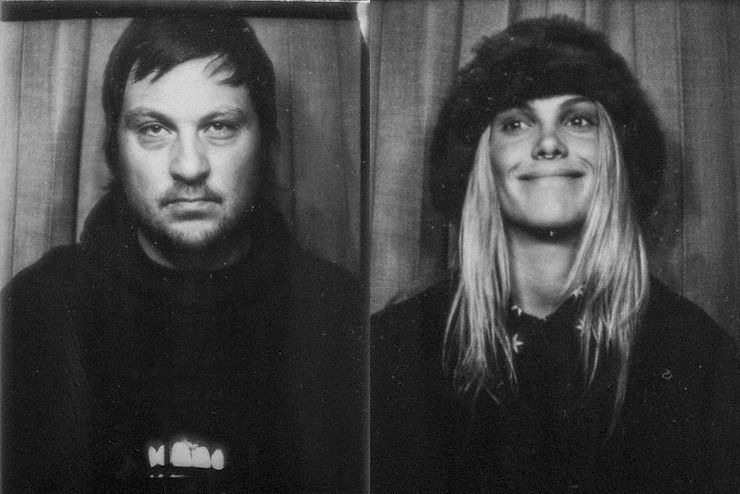
fter recently announcing their new album ‘Welcome to the Civilized World’ is out Sept 5th via Full Time Hobby, Ghostwoman, made up of Belgium/Canada-based duo Evan Uschenko and Ille van Dessel, are sharing their new single/video “Levon”. The band are also set to tour across Europe later this year.
Ghostwoman Announce New Album ‘Welcome to the Civilized World’ and Share New Single “Levon”
On the track, Ille of Ghostwoman said, “The first version of ‘Levon’ was fabricated a long time ago but we basically threw it away, or kind of left it aside. Eventually, Evan wanted to do something with the demo again, so we rearranged the song, adding lyrics and the new guitar and solo. It was written in Canada and is named after Evan’s dog Levon (who gets his name from The Band’s Levon Helm). We finalised it in Belgium, and that was that”.
Video director Ryan Faist said the following on the visuals, ““Levon’ has the perfect bpm and rhythm to it for some sort of driving force. I kept thinking of someone just pounding on something, non-stop. I remember playing knife game as a kid and was always terrified of it. I started playing with a pencil on my desk and realized it’s the perfect song for it. My friend went to a winery in the middle of nowhere in the winter and saw this beautiful trailer home behind it and sent me a photo. I met Will and Simon at a coffee shop and thought they were brothers. I loved their ease and energy so it felt more like we were just making a short documentary than a music video. The trailer had been vacant for a long time. There were 1000’s of flies and dead insects all over the place. We kinda just hung out on this plot of land and watched them be bored for a day. It kinda reminds me of summers as a teen.
There is no reason for Ghostwoman’s fourth album to exist. Welcome to the Civilized World is born to a broken world; a corrupt inheritance – Evan Uschenko and Ille van Dessel are under no illusions about its futility – and yet, this thing is alive. It’s an allergic reaction to the times we are living in: a welt that screams to be itched, the purging of a modern sickness they could no longer stomach.
Beyond rationality, this record came from a place of gut feeling and a lack of any other option. Hell may have cracked wide open – but Ghostwoman will not go quietly.
Ghostwoman itself only exists because Uschenko and van Dessel were the ones “stupid enough to commit to it”. Conceived by Uschenko after cutting his teeth as a touring multi-instrumentalist, the project was brought to life in an abandoned farmhouse in Diamond City, Alberta. There, for two months, he would make the self-released, self-titled debut album which was produced and dubbed directly to custom-made cassette tapes. The music has always been beautifully inhospitable, earned only by those curious enough to seek it out.
Expanded by friends on the Edmonton circuit, Uschenko took the project over the pond where he would meet drummer Ille van Dessel. Drawn to her talent and sheer excitement to make music which had been untouched by ego or cynicism, the two became inseparable. A new life had begun.
And then there were two. Ghostwoman became a head-on collision between the switchblade rust of his guitars and her caustic drum beats which march them on toward a shared oblivion. Welcome to the Civilized World is an album to be a pure distillation of their shared vision. From its earliest sketch to its final form, the only people to touch it were Ghostwoman themselves.
The meaning of the album is inseparable from its meaninglessness. As Uschenko puts it: “The album is inspired by the absurdity of human behaviour and the circus that is life: sometimes feels like being in a room with no floor – that’s where a lot of these songs come from.”
After losing friends to suicide over the past year, the suspension of disbelief required to wade through the everyday had dissipated. If there is any meaning at all to Welcome to the Civilized World, it is simply to keep going: there is no other choice.
Musically, Ghostwoman are a sharper beast than ever: hypnotic spells of psych-grunge, decaying Americana and instrumental locked-horns. Uschenko, who presides over the vocals, insists they are not important. Much of the lyrics are nonsense, not written as much as abstractly sketched to feel out the shape of the music itself – but even in Uschenko’s dream grammar, the force and feeling are no less potent.
The band’s process is intuitive rather than calculated; sounds are made in a chain reaction to one another. “5 Gold Pieces”, with its filthy guitars and snarling, livewire vocals was recorded as a test after they bought a tape machine. The first shot is often the best, and that test is what you hear today. Everything they used to record is gone.
“We buy old equipment or instruments which have a bunch of life and soul in it until we’ve used it all up, and then sell it again so we can buy something else,” explains Van Dessel.
True to the band’s origins, Welcome to the Civilized World is the story of Canada and Belgium across the span of two years. The tape machine seemed to pick up different shades wherever they recorded, whether that was in the home of a close friend of Uschenko’s, for example, surrounded by creature comforts including the dog he loves, [Levon, named after the late great Levon Helm] after whom the album track was christened. Or in a cottage in Ardennes, Belgium during an interminable winter surrounded by blankets of snow; an hour’s walk away from anything civilized.
“Alive”, the record’s lead single, was written on a particularly perfect day in rural Belgium. In an earlier iteration, the track was called “Pondi”, named after a hedgehog they had discovered at the pond in the garden, which they felt to be a good omen. The writing of it was frictionless and instinctive; another “line-check-turned-complete-song”. In van Dessel’s mind, “Alive” is like a moment captured as a photograph – something ephemeral that existed once, and will never be replicated again. And that, in its essence, is a Ghostwoman record.
Welcome to the Civilized World is not concerned with making music for an audience, not for the music industry and not for any particular point other than the thrill of it. Nothing matters, we are all doomed, the sun will swallow the earth and our efforts turn to dust anyway. The band will continue to play as the ship goes down.
Live Dates
27/06/2025 – FR – This Is Not A Love Song Paloma – Nîmes
28/06/2025 – FR – This Is Not A Love Song Paloma – Nîmes
10/08/2025 – CH – PALP Festival Rocklette – Bagnes
TOPS share new single “Falling On My Sword” from their forthcoming new album, Bury the Key, due for release on August 22nd via Ghostly International.
Today, TOPS share a third look at their forthcoming new album, Bury the Key, due for release on August 22nd via Ghostly International.
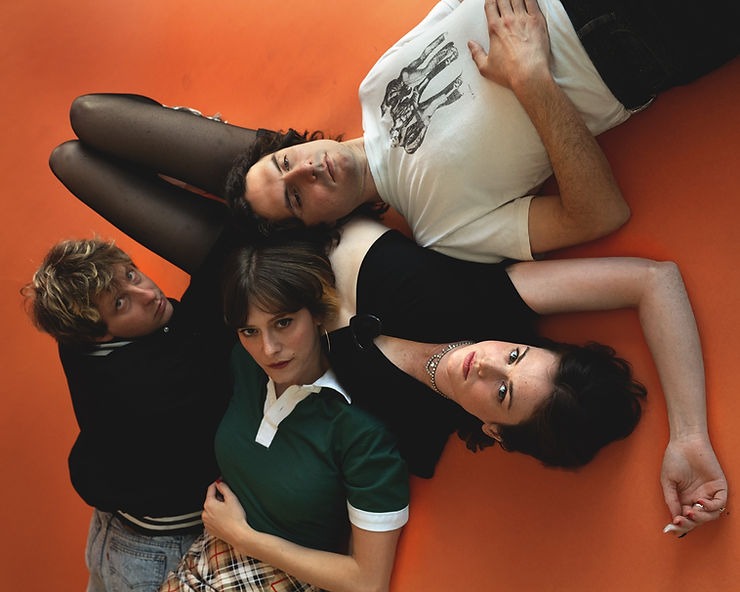
TOPS, musicians Jane Penny, David Carriere, Marta Cikojevic and Riley Fleck, write timeless music that reliably threads immediacy and depth. Bury the Key, their first full-length since 2020 and with new label home Ghostly International, is a captivating reintroduction for the Montréal band: ever refined, undoubtedly masters of their melodic craft yet unafraid of evolving and testing themselves against different, at times darker tones.
Showing another facet of their darker side, today they share new single “Falling On My Sword” which channels Carriere’s love of hardcore punk from an arrangement perspective,
“but played in our style” he says. “We were joking around quite a bit when we started writing this song, Jane was playing bass which is very out of the norm for us.
It’s written from the perspective of a teen girl who thinks that everyone sucks and the societal norm of monogamous commitment is pathetic. I guess it could be from the perspective of an adult as well.
We tried to lay the song out in the form of a hardcore punk/beatdown tune, with tritone power chords and a breakdown (for moshing). In the end it sounds more like a TOPS song than anything else but it was a fun diversion that led us to a cool new place.”
Bury The Key faces feelings once locked away, engaging the give-and-take between happiness, hedonism, and self-destruction. While often inhabited by fictional figures, their glowing, grooving, self-produced songs draw from personal observations: intimacy (both inside and outside the band), toxic behavior, drug use, and apocalyptic dread.
When recording started, they noticed a shift and leaned in, jokingly dubbed “evil TOPS, We’re always kind of seen as a soft band or like naive or friendly in a Canadian way, but we made it a challenge to really channel the world around us,” says Penny.
Through the lens of a looming epoch and the clarity that comes with age, TOPS dip into a more sinister disco realm with Bury the Key, giving their soft-focus sophisti-pop a sharpened edge.
Emerging from Montréal’s DIY scene in the early 2010s as progenitors of an indie pop sound still radiating its influence across the contemporary landscape, TOPS’ secret to longevity is simple: keep the songwriting honest and open-hearted and the recording unforced yet pristine, allowing for a band dynamic deeply attuned at every level. Their songs outline the silhouettes of life, and as time goes on — now five LPs, countless tours, and various side projects in — TOPS have only gotten better at what they do.
The voice of TOPS is Jane Penny, a songwriter, producer, flutist, and singer whose hushed delivery hosts a deceivingly vast range of expression and has surely informed a wave of today’s greats from Men I Trust to Clairo. Her lyrical subjects never go out of style: dynamics of power, desire, struggles to be seen, having love requited or otherwise.
Following her move back to Montréal and first solo release in 2024, Penny returns to the neighbourhoods of her former self a step wiser; the sleek cars and forever highways of her songs, penned with her rhythmic counterpart David Carriere, find assured depth in Bury the Key. Carriere, a songwriter, producer, and guitarist with a flair for high-sheen hooks and the relentless drive to match (other projects include DVC Refreshments and Born At Midnite), adds to his bag of tonal and textural tricks. Drummer Riley Fleck, the band’s heartbeat since day one and occasional gun for others (Jessica Pratt’s live band as of late), broadens his utility, venturing into higher and harder tempos. Keyboardist Marta Cikojevic, who joined TOPS in 2017 just before the landmark I Feel Alive and in 2022 released her breakout debut as Marci (produced by Carriere), expands her role here as well, joining the writing process and backing Penny for some of the record’s fullest, most satisfying vocal lines.
It is rare to see a band so aligned and complete, self-sufficient, specialised but agile and ambitious, reaching an elite level of pop precision as their legacy remains largely unwritten. They’ve toured the world over, from major festivals to the dingiest of dives, sleeping on floors and tour-managing themselves for years, manifesting their success the hard way.
Beyond work ethic, it also comes down to chemistry and taste; when pressed for which artists get airplay in their van, some expected names appear, Fleetwood Mac and Steely Dan, but dig deeper and the veneer of artists like China Crisis, Prefab Sprout, and Francois Hardy, Missing Persons, and Everything But the Girl start to fill out the playlist. An instinct for luster and thrills, songs both sweet and bleak, brings the band to Bury the Key, a prismatic album polished out of the rough. Grounded by pain and pleasure, the complicated joys of being alive, of being a band from one of our era’s finest.
TOPS tour dates
Sep 4 – Vancouver, BC @ Vogue Theatre
Sep 5 – Portland, OR @ Wonder Ballroom
Sep 6 – Seattle, WA @ The Crocodile (EARLY SHOW)
Sep 8 – Salt Lake City, UT @ Urban Lounge
Sep 9 – Denver, CO @ Bluebird Theater
Sep 11 – Dallas, TX @ Club Dada – Outdoor Stage
Sep 12 – Houston, TX @ Heights Theater
Sep 14 – El Paso, TX @ Lowbrow Palace
Sep 15 – Tucson, AZ @ Club Congress
Sep 17 – Phoenix, AZ @ The Crescent Ballroom
Sep 18 – San Diego, CA @ Belly Up
Sep 19 – San Francisco, CA @ The Fillmore
Sep 20 – Los Angeles, CA @ The Bellwether
Oct 1 – New York, NY @ Webster Hall
Oct 2 – Boston, MA @ The Sinclair
Oct 3 – Philadelphia, PA @ Underground Arts
Oct 4 – Washington, DC @ Union Stage
Oct 6 – Durham, NC @ Motorco Music Hall
Oct 7 – Asheville, NC @ The Grey Eagle Tavern & Music Hall
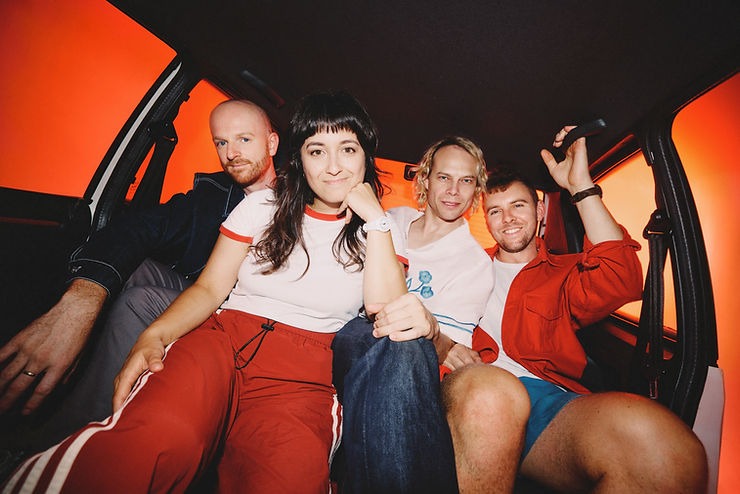
The Beths, the New Zealand-based quartet of vocalist Elizabeth Stokes, guitarist Jonathan Pearce, bassist Benjamin Sinclair, and drummer Tristan Deck, announce their new album, Straight Line Was A Lie, their first for their new label ANTI- out 29th August, and share the new single/video, “No Joy”.
The Beths know the futility of straight lines. Existential vertigo serves as the primary theme on the indie heroes’ fourth album. The Beths posit that the only way round is through; that even after going through difficult, transformative experiences, you can still feel as though you’ve ended up in the same place. It’s a bewildering thing, realising that life and personal growth are cyclical and continual. That a chapter doesn’t always end with peace and acceptance. That the approach is simply continuing to try, to show up.
“Linear progression is an illusion, What life really is is maintenance. But you can find meaning in the maintenance.” Stokes explains.
The path from The Beths’ critically celebrated and year-end-list-topping 2022 album Expert In A Dying Field to Straight Line Was A Lie was anything but straightforward. For the first time, Stokes was struggling to write new songs beyond fragments she’d recorded on her phone. She’d recently started taking an SSRI, which on one hand made her feel like she could “fix” everything broken in her life, from her mental and physical health to fraught family dynamics.
At the same time, writing wasn’t coming as easily as it had before.
“I was kind of dealing with a new brain, and I feel like I write very instinctually,” she says. “It was kind of like my instincts were just a little different, they weren’t as panicky.”
While Stokes felt a huge relief from taking an SSRI, she articulates the emotional trade-offs on today’s single, “No Joy”, which thunders in with Deck’s vigorous percussion and drops another classic Beths soundbite: “This year’s gonna kill me / Gonna kill me.” Ironically, though, the stress Stokes sings about can’t touch her, thanks to her pharmaceutical regimen. She wants the feeling back.
“It’s about anhedonia, which, paradoxically, was there both in the worst parts of depression, and then also when I was feeling pretty numb on my SSRI,” Stokes says.
“It wasn’t that I was sad, I was feeling pretty good. It was just that I didn’t like the things that I liked. I wasn’t getting joy from them. It’s very literal.”
In writing Straight Line Was A Lie, Stokes and Pearce broke down the typical Beths writing process. For inspiration, they read Stephen King’s On Writing, How Big Things Get Done by Bent Flyvbjerg and Dan Gardner, and Working by Robert A. Caro. Liz broke out a Remington typewriter (a birthday gift from Beths bassist Benjamin Sinclair) every morning for a month, writing 10 pages’ worth of material – mostly streams of consciousness.
The resulting stack of paper was the primary fodder for an extended writing retreat to Los Angeles between tours, where Stokes and Pearce also leaned heavily into LA’s singular creative atmosphere, went to shows, watched Criterion classics from Kurosawa, and listened to Drive-By Truckers, The Go-Go’s, and Olivia Rodrigo. Opening themselves up to a wave of creative input, plus Stokes’ free-flowing writing routine, proved therapeutic.
“Writing so much down forced me to look at stuff that I didn’t want to look at, In the past, in my memories. Things I normally don’t like to think about or I’m scared to revisit, I’m putting them down on paper and thinking about them, addressing them.” Stokes says.
Already a celebrated lyricist, Stokes has long impressed fans and critics with wryly knowing song titles like “Future Me Hates Me” and “Expert In A Dying Field” – catchy, instant-classic turns of phrase that capture the personal and ladder up to the universal. But Stokes’ intentional deconstruction and rebuilding of her relationship to writing, however, has resulted in a complete renewal. Her songwriting has achieved startling new depths of insight and vulnerability, making Straight Line Was A Lie the most sharply observant, truthful, and poetic Beths project to date.
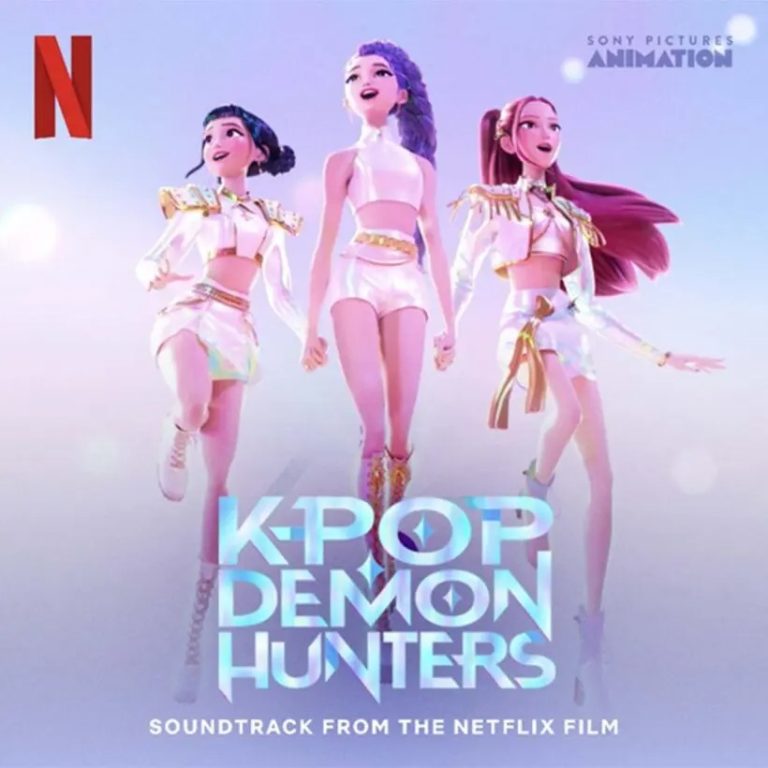
KPop Demon Hunters (Soundtrack from the Netflix Film) soars into the Top 3 on the Billboard 200, marking the highest charting soundtrack of the year. The soundtrack also gathers the largest streaming week for a soundtrack in nearly two years. The soundtrack now claims the #1 Soundtrack Debut of 2025, #1 Billboard Soundtracks chart, #1 Spotify Weekly Global Albums chart, and continues to hold strong at #1 on the iTunes Album Chart. Last week, the soundtrack debuted on the Billboard 200 in the Top 10, marking the highest-debuting soundtrack of the year.
“Your Idol” captures #1 on U.S. Spotify chart marking the first #1 by a male K-Pop group in history, while “Golden” now claims the highest charting song by a K-Pop girl group in U.S. Spotify history. In its second week of release, Netflix’s critically acclaimed animated film, KPop Demon Hunters, claimed the #1 spot on the English Film list. The superstar K-pop groups HUNTR/X and the Saja Boys quickly became a global hit, as the film reached the Top 10 in all countries with an additional 24.2 million views in its second week.
The film and the soundtrack came out “Singing, Slinging and Slashing” making it a New York Times certified Critic’s Pick embracing what Collider calls “the magical power of music” in “animated harmony” with Variety praising the original songs that make the film “sing” including the chart climbing song “Golden.” Mashable proclaims “the soundtrack absolutely slaps,” while HITS Magazine echoes calling the release “a bona fide hit.”
The soundtrack features original songs written by, Danny Chung, IDO, Vince, KUSH, EJAE, Jenna Andrews, Stephen Kirk, Lindgren, Mark Sonnenblick, Daniel Rojas, and produced by Teddy Park, 24, IDO, DOMINSUK, Jenna Andrews, Stephen Kirk, Lindgren, Ian Eisendrath. Original songs are performed by EJAE, Audrey Nuna, REI AMI, Andrew Choi, Danny Chung, Kevin Woo, samUIL Lee, Neckwav, and Lea Salonga. The soundtrack also includes the original song “Takedown” featuring Jeongyeon, Jihyo, and Chaeyoung from K-pop powerhouse girl group, TWICE.
KPop Demon Hunters, a Netflix film from Sony Pictures Animation, follows Kpop superstars Rumi, Mira and Zoey – when they aren’t selling out stadiums, they use their secret identities as badass demon hunters to protect their fans from an ever-present supernatural threat. Together, they must face their biggest enemy yet – an irresistible rival boy band of demons in disguise. KPop Demon Hunters stars Arden Cho, Ahn Hyo-seop, May Hong and Ji-young Yoo, and is available now on Netflix. Stream the album here