Home Blog Page 1045

Billy Corgan and Bill Burr Could Be Half-Brothers…Wait…What?

0

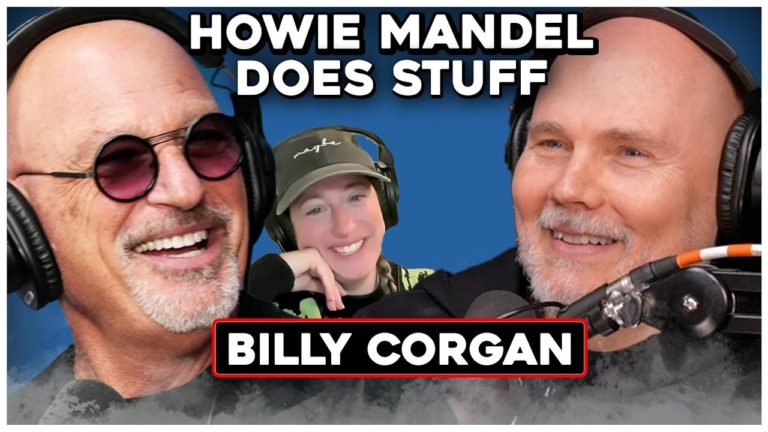
Billy Corgan has always been known for his deep, introspective lyrics and ability to weave compelling narratives. But recently, the Smashing Pumpkins frontman shared a real-life story that could rival any of his most intriguing songs. During an appearance on Howie Mandel Does Stuff, Corgan dropped a jaw-dropping possibility: he and comedian Bill Burr might actually be half-brothers.

Yes, you read that right.

“Most of my friends don’t even know this story,. About 10 years ago, one of my brothers was having a birthday party, and my stepmother was there, who was obviously married to my father. And my stepmother said to me, ‘Do you know who Bill Burr is?’ At that point, I had never heard of Bill Burr; I didn’t know who he was. He could have been the guy down the street.

“She said, ‘Well, he’s this comedian.’ I think I even somehow called up a picture on the phone, and I kind of noticed right away, ‘Gee, he kind of looks like my father.’ Bill Burr looks more like my father than Bill Burr looks like me or I look like Bill Burr. So I said to my mother, ‘Why are you asking me this?’

“She goes, ‘I think it might be one of your father’s illegitimate children. Bill Burr might be one of the children that your father sired in his days being a traveling musician.’ This is a true story. I’m not making this up; there is no joke in this.”

And if that wasn’t enough to leave jaws on the floor, Corgan revealed his father had once hinted at the same possibility. “He did once tell me that I had a half-brother named Bill who was basically born around the same time as me,” Corgan recalled.

While we may never get a definitive answer, one thing’s for sure: this story is as wild and unexpected as a Smashing Pumpkins guitar riff.
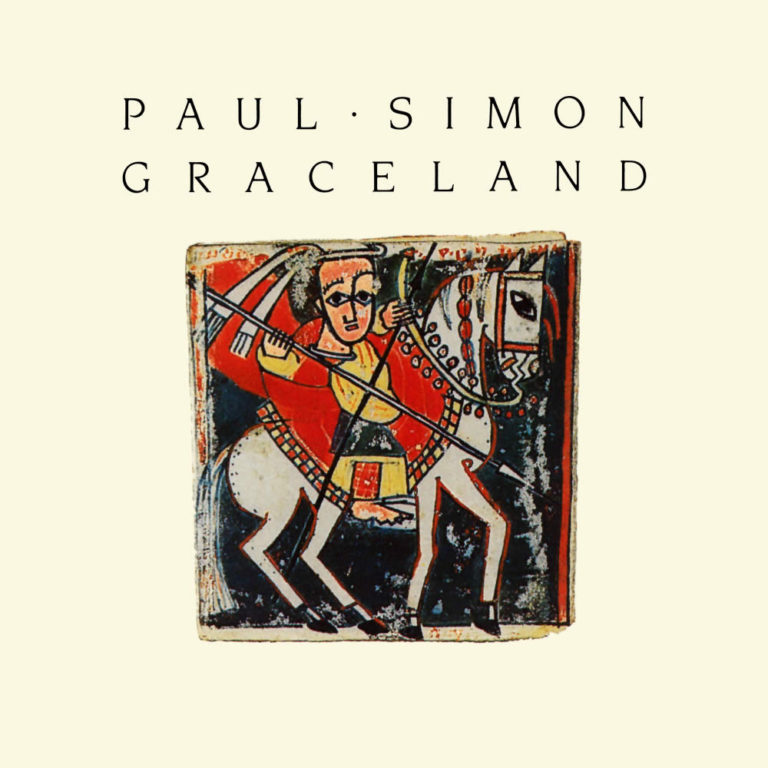
5 Surprising Facts About Paul Simon’s ‘Graceland’

You’ve probably heard “You Can Call Me Al” and “The Boy in the Bubble” from Paul Simon’s  Graceland, but the album goes deeper than you think. Here are five fascinating facts about this groundbreaking record:

  1. “You Can Call Me Al” Was Born from a Party Mishap
    Ever wondered about the quirky title? At a party, French composer Pierre Boulez mistakenly called Paul Simon “Al” and his then-wife “Betty.” Simon turned the mix-up into a metaphor for a man questioning his identity—midlife crisis vibes, anyone?
  2. The Bass Solo That Plays Backwards
    Bakithi Kumalo’s iconic bass solo on “You Can Call Me Al” isn’t just a jaw-dropper—it’s a palindrome. The second half of the solo is the first half played backward, thanks to a little studio wizardry from Simon’s engineer, Roy Halee.
  3. “The Boy in the Bubble” Is Hope Wrapped in Dread
    Co-written with accordionist Forere Motloheloa, this track juxtaposes dark topics like terrorism and famine with uplifting wit and optimism. Its haunting lyric, “The way the camera follows us in slo-mo,” was inspired by footage of the JFK assassination and Reagan’s attempted assassination.
  4. Paul Simon Paid South African Musicians Triple the U.S. Rate
    When Simon recorded with South African artists in Johannesburg, he went above and beyond to ensure fair compensation, paying $200 an hour—three times what top-tier New York session players made.
  5. The Penny Whistle Solo That Stole the Show
    The joyful penny whistle solo on “You Can Call Me Al” was performed by Morris Goldberg, a South African jazz musician living in New York. It became one of the album’s most memorable moments, blending African melodies with Western pop.

Graceland broke musical and cultural barriers, earning Simon a Grammy and selling over 16 million copies. It’s still one of the best examples on how music can unite and transcend.

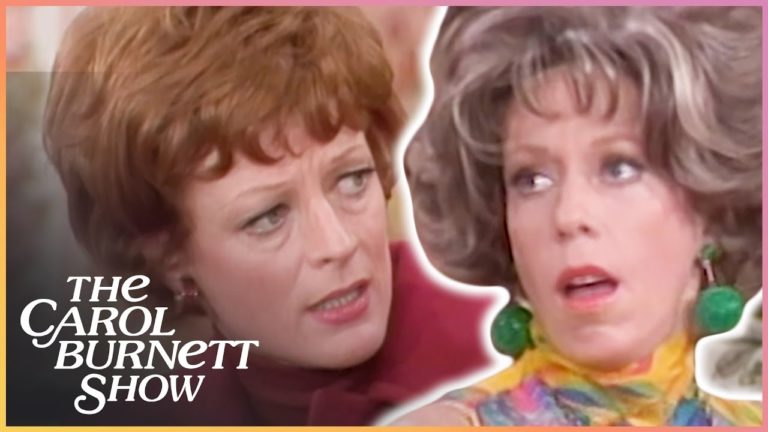
When Maggie Smith Brought Drama, Comedy, and Glamour to The Carol Burnett Show

0

In a sketch from Season 8 of The Carol Burnett Show, Maggie Smith hilariously played Karen, a newly famous actress visiting her fawning college friends, Carol and Harvey Korman. Their over-the-top admiration—fame, lifestyle, and even “habits”—led to a dramatic exit for the ages. Proof that Maggie’s comedic chops shine as brightly as her dramatic ones.

Dutch Marching Band Nails Metallica’s ‘Master of Puppets’ in Epic Street Parade

0

Trumpet player Max Karreman shared mind-blowing footage of his marching band K&G Leiden playing Metallica’s Master of Puppets—on a brick road, no less—during Streetparade Vlaardingen 2024. Brass, drums, and a heavy metal classic combined to bring the house (or street) down. Metalheads, meet your new heroes.

And Here’s Gen Z Trying to Pronounce 1980s Band Names

0

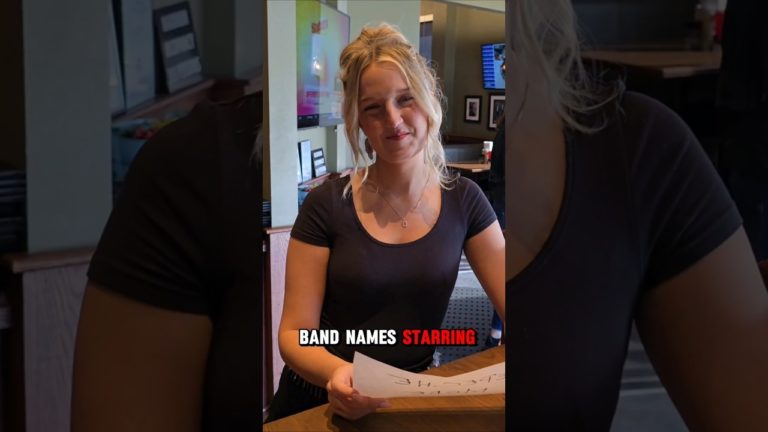
John Kotrides, a proud Gen Xer, asked Gen Z to pronounce ’80s artist names like Depeche Mode, Sade, and INXS. Spoiler: it was a beautiful disaster.

“The Medium Is the Message” (1967): Marshall McLuhan’s Avant-Garde Audio Experiment

0

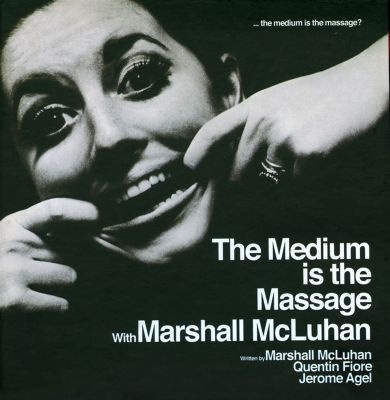
This 42-minute sound collage transforms Marshall McLuhan’s media theories into an engaging, boundary-pushing auditory experience. Narrated by McLuhan himself, it combines lectures with experimental audio techniques, creating a unique format for his revolutionary ideas. Despite its brilliance, it remains a hidden gem.

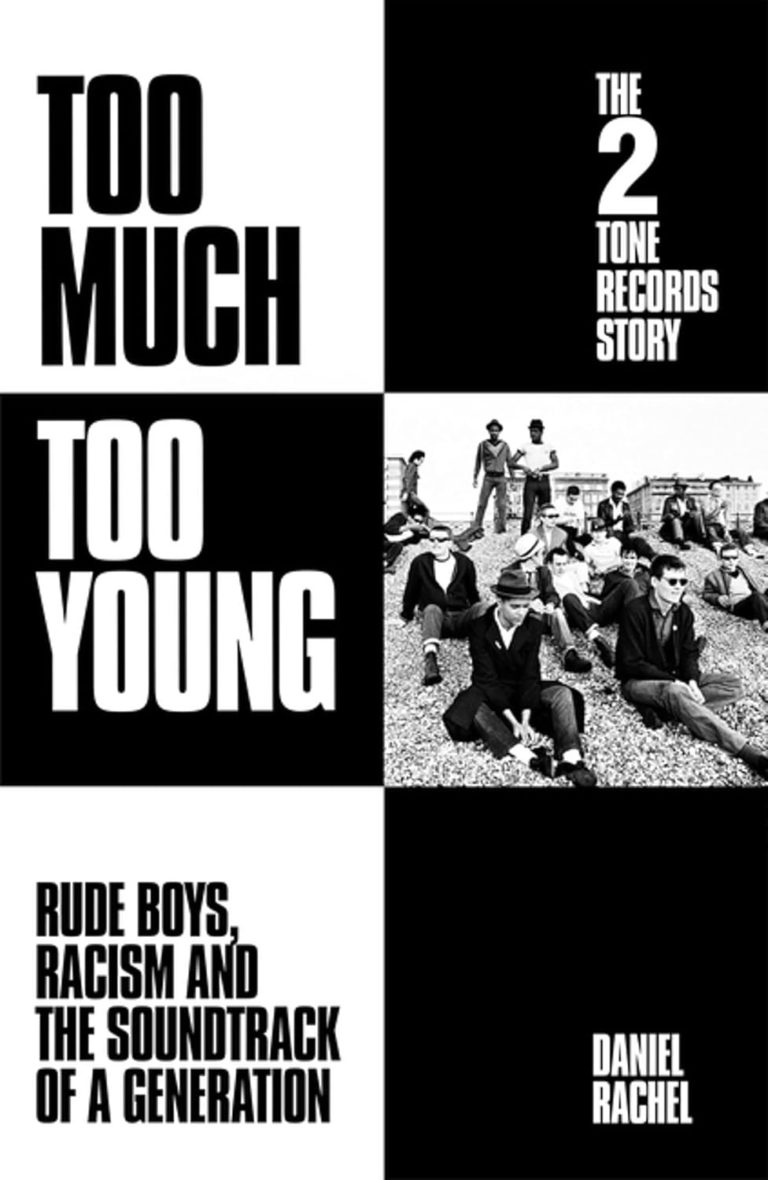
My Next Read: “Too Much Too Young: The 2 Tone Records Story: Rude Boys, Racism and the Soundtrack of a Generation” by Daniel Rachel

0

n 1979, 2 Tone exploded into the national consciousness as records by The Specials, The Selecter, Madness, The Beat, and The Bodysnatchers burst onto the charts and a youth movement was born. 2 Tone was black and white: a multi-racial force of British and Caribbean island musicians singing about social issues, racism, class and gender struggles. It spoke of injustices in society and took fight against right wing extremism.

The music of 2 Tone was exuberant: white youth learning to dance to the infectious rhythm of ska and reggae; and crossed with a punk attitude to create an original hybrid. The idea of 2 Tone was born in Coventry, masterminded by a middle-class art student raised in the church. Jerry Dammers had a vision of an English Motown. Borrowing £700, the label’s first record featured ‘Gangsters’ by The Specials’ backed by an instrumental track by the, as yet, unformed, Selecter. Within two months the single was at number six in the national charts. Dammers signed Madness, The Beat and The Bodysnatchers as a glut of successive hits propelled 2 Tone onto Top of the Pops and into the hearts and minds of a generation. However, soon infighting amongst the bands and the pressures of running a label caused 2 Tone to bow to an inevitable weight of expectation and recrimination.

Still under the auspices of Jerry Dammers, 2 Tone entered in a new phase. Perhaps not as commercially successful as its 1979-1981 incarnation the label nevertheless continued to thrive for a further four years releasing a string of fresh signings and a stunning end-piece finale in ‘(Free) Nelson Mandela’.

Told in three parts, Too Much Too Young is the definitive story of a label that for a brief, bright burning moment, shaped British culture.

Solihull-born Daniel Rachel is a regular contributor on BBC Radio 5 Live and lives in north London with his partner and three children. He is the author of Isle of Noises (a Guardian and NME Book of the Year), Walls Come Tumbling Down (winner of the Penderyn Music Book prize), When Ziggy Played the Marquee by Terry O’Neill (editor), Don’t Look Back in Anger and co-writer of Ranking Roger’s autobiography I Just Can’t Stop It: My Life in The Beat.

The Long-Standing Enigma Of “The Most Mysterious Song On The Internet” Has Been Solved

0

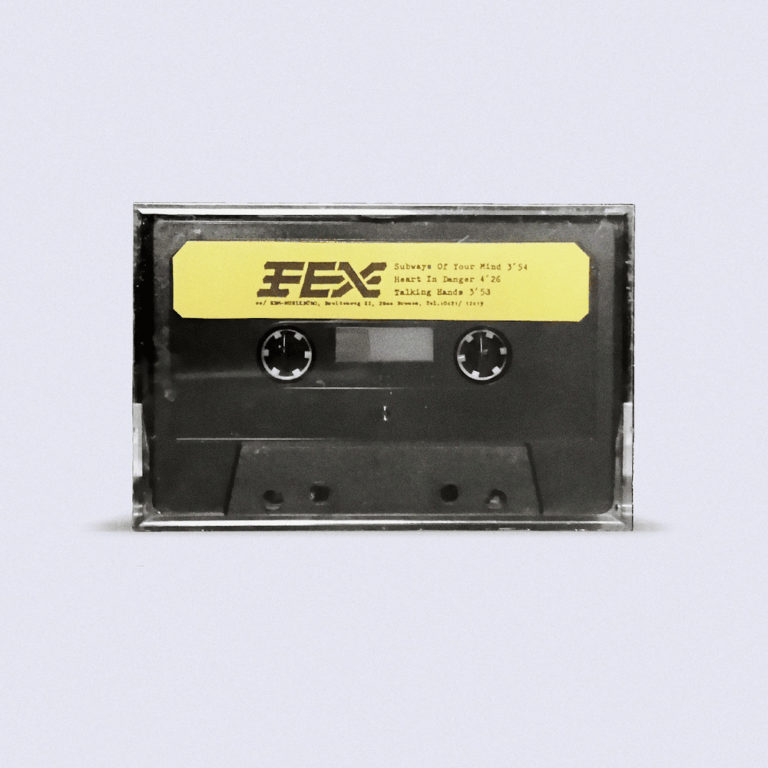
“Subways of Your Mind” by FEX, released in 1984, is a German New Wave single that gained viral fame as “The Most Mysterious Song on the Internet.” For decades, its origins remained unknown, captivating online sleuths who analyzed its haunting melody and enigmatic lyrics. Identified in 2023 as a track by the band, its rediscovery brought closure to a long-standing internet mystery.

Watch Nine Inch Nails Before And After Their Very First Lollapalooza Festival In 1991

0

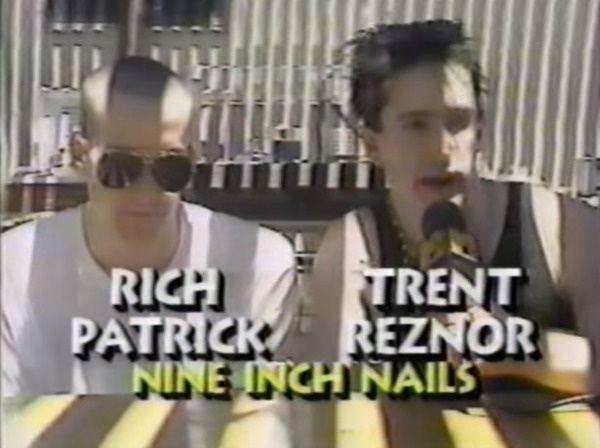
Nine Inch Nails delivered a groundbreaking performance at the inaugural Lollapalooza on July 18, 1991, in Phoenix, Arizona. Showcasing their industrial sound and raw intensity, their set became a defining moment for both the band and the festival, as it didn’t go well as they hoped.

Marvin Gaye’s Isolated Vocals For “What’s Goin On”

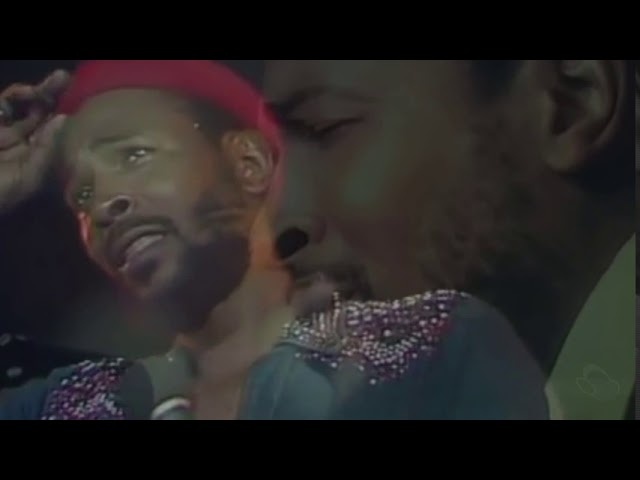
Marvin Gaye’s “What’s Going On,” released in 1971, marked a turning point in his career, addressing police brutality, social unrest, and love for humanity. Initially rejected by Motown’s Berry Gordy, the song became a massive success, reaching number two on the Billboard Hot 100 and topping the R&B charts for five weeks. Inspired by events like the Watts Riots and conversations with his Vietnam veteran brother, Gaye produced the track himself, blending lush orchestration with raw emotion.