


Dive behind the scenes of Pink Floyd’s Live at Pompeii with rarely seen backstage footage, intimate interviews, and Adrian Maben’s elusive Director’s Cut. This glimpse into the making of the 1972 concert film reveals the band’s meticulous artistry as they transformed the ancient amphitheater into a timeless sonic masterpiece.
Lenny Kravitz’s Rare Vocals on Madonna’s “Justify My Love” Highlight a Pop Masterpiece

Released in 1990 as the lead single for The Immaculate Collection, Madonna’s provocative “Justify My Love” broke musical and cultural boundaries. While the song famously features Madonna’s sultry spoken word, rare vocals by Lenny Kravitz add an intriguing layer to the track’s hypnotic, experimental sound. Co-written by Kravitz and Ingrid Chavez, this iconic collaboration remains a bold statement on empowerment and sexual freedom.
Watch Pink Floyd Perform A Saucerful of Secrets Live in 1972

In 1972, Pink Floyd delivered an otherworldly performance of A Saucerful of Secrets that showcased their mastery of live experimentation. This iconic live rendition remains a defining moment in the band’s evolution and a testament to their avant-garde brilliance.
Jamiroquai and Sony Minidisc Spark a Tech and Music Revolution in 1996

In 1996, Jamiroquai became the face of Sony’s Japanese Minidisc campaign, blending cutting-edge music with groundbreaking audio technology. The partnership highlighted the Minidisc’s sleek design and futuristic appeal, perfectly complementing the band’s innovative style. This collaboration cemented Minidisc’s place as a cultural icon of the ’90s, capturing the spirit of a tech-savvy generation.



















Cypress Hill Brings Nostalgia, Advocacy, and Iconic Hits to Tiny Desk

Cypress Hill brought nostalgia and legendary vibes to their Tiny Desk performance, with Sen Dog cradling his iconic ’90s bucket hat and B Real jokingly asking if the greenroom was truly “green.” The first Latino hip-hop group to achieve platinum status, Cypress Hill crafted a groundbreaking sound—dark, psychedelic, and ahead of its time in addressing mental health and advocating for weed legalization. Joining the core duo were DJ Muggs, Eric Bobo, DJ Lord, and Beastie Boys’ Money Mark, along with a horn section for a stripped-down yet funky set. B Real shared stories of their three-decade journey, paired with classics like “Insane in the Brain” and “How I Could Just Kill a Man.”
Alex Lifeson Talks Rush’s “Limelight”and Teaches Its Haunting, Legendary Solo

In the debut episode of Shred With Shifty, Foo Fighters guitarist Chris Shiflett gets a masterclass on Rush’s “Limelight” solo from its creator, Alex Lifeson. Shiflett praises the solo as the perfect scene change—emotional, building, and shredding in all the right ways. Lifeson shares stories of early influences like Allan Holdsworth and Jeff Beck, and candidly admits to lifelong insecurities about his playing despite Rush’s dazzling technicality. He recalls using a modded Stratocaster to capture the solo’s sense of isolation and fragility in just a few takes, reflecting the theme of “living in the limelight.”
Hunter S. Thompson’s Fiery Complaint Resurfaces as Brian Cox Reads It at Royal Albert Hall
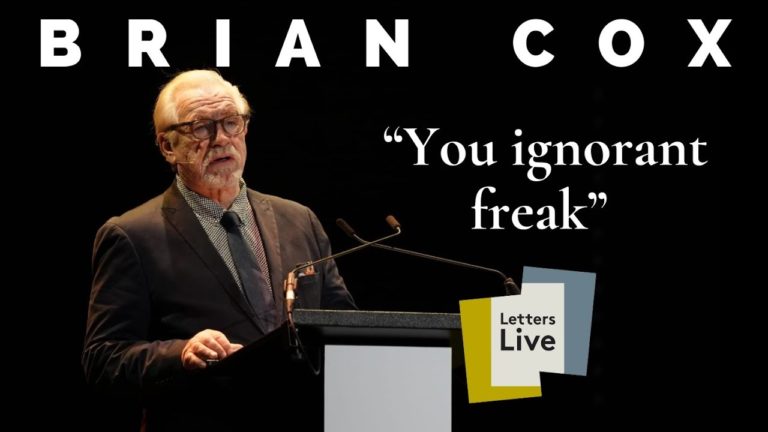
In 1969, displeased to see a trusted news programme removed from his local station, American journalist Hunter S. Thompson wrote a complaint to its manager, Dave Allen, who replied with a complaint of his own about the coarse language in Hunter’s complaint.
So Hunter wrote again, and none other than Brian Cox (a.k.a. Succession’s Logan Roy) read the letter at Letters Live’s Royal Albert Hall show in October 2020.
Ticket Market to Grow by USD 228.52 Billion (2024–2028), Driven by Animated Movies’ Success
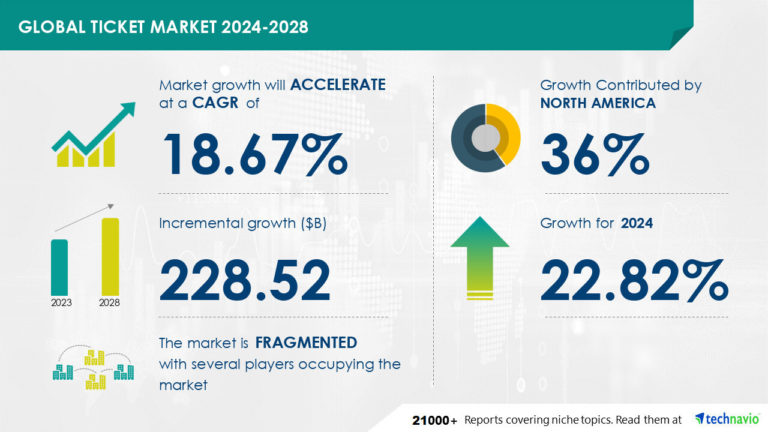
The global ticket market size is estimated to grow by USD 228.52 billion from 2024-2028, according to Technavio. The market is estimated to grow at a CAGR of 18.67% during the forecast period. Success of movies due to increasing use of animation is driving market growth, with a trend towards high utilization of social media in selling tickets. However, growing threat of terrorism and occurrence of war between nations poses a challenge. Key market players include AMC Entertainment Holdings Inc., Big Tree Entertainment Pvt. Ltd., Cinemark Holdings Inc., Citizen Ticket Ltd., Coast To Coast Tickets LLC, Comcast Corp., CTS Eventim AG and Co. KGaA, Cvent Holding Corp., eBay Inc., Eventbee Inc., Eventbrite Inc., Ideabud LLC, ITKTS Interactive Technologies Pvt. Ltd., Live Nation Entertainment Inc., Lyte Inc., One97 Communications Ltd., Softjourn Corp., TickPick LLC, Viagogo Entertainment Inc., and Anschutz Entertainment Group Inc.
Ticket Market: Trends Shaping the Future of Convenient Ticketing Artificial intelligence is revolutionizing the ticketing industry, making ticket purchase more efficient and convenient. Credit amounts can now be stored on wearables like smartwatches and NFC cards for contactless electronic ticket purchases. Operational efficiencies are increased with hardware like tap-off readers and RFID tags. Virtual reality maps and satellite delivery offer premium experiences for sports, entertainment, and parking. Buses, trains, and transportation networks are embracing digital transformation through smart cards and smart ticketing. Component manufacturers are producing ticket validators, Wi-Fi modules, and GPS for enhanced user experience. Event ticketing software provides deals, discounts, and marketing tools for event organizers, reaching internet users through online ticket purchase platforms. Digital wallets and mobile payment platforms ensure cashless transactions, increasing customer satisfaction and patronage. The public sector benefits from digital ticketing, reducing marketing costs and offering ticketless entry through wristbands. Movies, music concerts, and special presentations can be accessed with mobile tickets, enhancing the customer experience. Safety and accessibility are prioritized through contactless transactions and hygiene measures. Fintech companies like Mastercard are partnering with service providers to offer secure digital ticket purchases and mobile payment services. The entertainment industry continues to evolve with digital projection, 3-d content, and alternative entertainment offerings. Stay tuned for more trends shaping the future of ticketing!
Social media plays a significant role in providing real-time feedback for businesses, particularly in the event and movie industries. Organizations use social computing tools for branding, marketing, and knowledge management initiatives. By registering on social media platforms like Twitter and Facebook, vendors can reach new audiences and gather public opinions. Sentiment analysis and behavioral analytics are increasingly important, driving cost-effective collaborations with the audience. Social media integration in business processes enhances market reach and engagement.
In the world of Ticket Market, artificial intelligence is a significant challenge as it requires advanced programming and algorithms for event ticketing, sports, parking, and transportation. Credit amount management is crucial for cashless transactions and customer satisfaction. Wearables and NFC cards offer convenient ticketing, while operational efficiencies can be gained through hardware like tap-off readers and ticket validators. Virtual reality maps and GPS enhance the customer experience. Component manufacturers must keep up with the latest technology like RFID tags and Wi-Fi modules. Public sector projects demand smart cards and smart ticketing for transportation networks. Event organizers seek digital transformation through contactless electronic tickets, mobile ticketing, and online ticket purchase platforms. Safety and hygiene are paramount, with secure digital ticket purchases and fintech companies like Mastercard leading the way. The entertainment industry continues to evolve with digital projection, 3-d content, and premium experiences. Pre-sales, barcode scanning, and discounts are essential for attracting and retaining a customer base. Marketing costs remain a challenge, but event discovery platforms and deals offer opportunities for growth. Ultimately, the goal is to provide a seamless user experience, from ticket purchase to entry, using digital devices and mobile payment platforms.
The global rise in terrorist activities poses significant challenges for event organizers, particularly those hosting large gatherings in special venues or crowded places. This trend has led to increased security concerns among attendees, resulting in a decline in participation. The heightened threat level has resulted in stricter border clearance procedures, causing delays and more thorough inspections. Countries such as the United States, the United Kingdom, France, and Germany have been particularly affected, with many potential attendees choosing to avoid events out of fear. Organizers are investing in advanced technologies to enhance security, but the fear of potential terrorist attacks remains a major obstacle.
The primary segment of the global ticket market is the largest and most dynamic, driven by the increasing number of movies and events. Primary tickets can be sold through both online and offline platforms. Movies, with their increasing production and special effects, are a significant contributor to this segment’s growth. The end-users have diverse expectations, leading to intense competition among vendors. The growing popularity of sports events, such as the Indian Premier League, and the increasing use of mobile devices and the internet are also fueling this segment’s growth. Additionally, the corporate segment, including private organizations, businesses, and educational institutions, is expected to shift towards digital content services, creating a potential opportunity for online ticket sales during the forecast period. The digitization of event processes, customer-centric approaches, and the rise in the number of conferences and seminars are further growth drivers for this market.
Ticket Market is a dynamic and innovative platform revolutionizing the way we purchase and manage tickets for various modes of transportation and entertainment events. Our focus is on delivering a seamless journey management experience, optimizing passenger experience through contactless and NFC ticketing, RFID technology, and real-time transit information. We strive for operational efficiency with integrated ticketing systems, ticket transfer, and ticket recovery. Our commitment to public transport innovation includes transit automation, user-friendly ticketing, multimodal transportation, and smart city initiatives. We cater to sports ticketing, parking ticketing, and event ticketing solutions, providing secure and durable ticketing options. Our advanced fare collection systems and smart mobility solutions enable sustainable transportation and transit data analytics. Join US in exploring the future of transportation and event management.
Artificial intelligence is revolutionizing the ticketing industry, offering convenient and contactless ticketing solutions through electronic means. Wearables, such as smartwatches and NFC cards, are increasingly popular for tap-on and tap-off transactions at bus stops and parking lots. Operational efficiencies are enhanced through the use of RFID tags, IR sensors, and Wi-Fi modules in hardware like ticket validators and card readers. Virtual reality maps and 3-D content provide event experiences, while mobile ticketing and digital wallets offer cashless transactions and customer satisfaction. Event ticketing software enables pre-sales, discounts, and deals for internet users, attracting a larger customer base. The entertainment industry benefits from digital transformation, with premium experiences and alternative entertainment options available through mobile ticketing platforms. Safety and accessibility are ensured through secure digital transactions and contactless ticketing experiences. The public sector and transportation networks are embracing smart ticketing, with smart cards and Smar transport systems streamlining transportation and reducing marketing costs. The future of ticketing is digital, with fintech companies like Mastercard leading the way in digital payment services and contactless transactions.
Events Industry Market to Grow by USD 722.67 Billion (2024-2028), Driven by Increased Corporate Events,
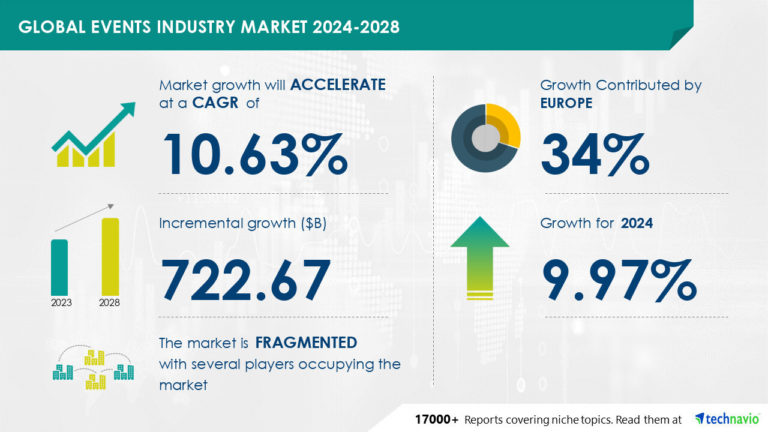
The global events industry market size is estimated to grow by USD 722.67 billion from 2024-2028, according to Technavio. The market is estimated to grow at a CAGR of 10.63% during the forecast period. Rise in number of corporate events is driving market growth, with a trend towards growing popularity of events in education. However, emerging threat from open-source virtual events solutions poses a challenge. Key market players include Access Destination Services, Anschutz Entertainment Group Inc., ATPI Ltd., BCD Travel Services BV, CL EVENTS AND WEDDINGS, Clarion Events Ltd., CS Ellis, Cvent Holding Corp., DRP Holdings Ltd., Entertaining Asia Ltd., Event Rhythm, Freeman, Liberty Media Corp., Questex Media Group LLC, Regpack Inc., RELX Plc, Riviera Events, Theism Events, and Group Seven Events Ltd..
The global events industry market is experiencing significant growth due to the adoption of virtual classrooms for education. These classrooms offer flexible learning opportunities, enabling students to access educational content anytime and anywhere. Virtual events provide access to qualified instructors, transcending geographical boundaries. Interactive features like game dynamics and social media integration enhance student engagement and improve attention span. The Cisco WebEx Training Center is an example of a platform that addresses online instructional challenges, offering features such as audio, video, data sharing, and breakout sessions for collaborative learning experiences. These advancements are driving the expansion of the events industry market.
The events industry market is experiencing significant growth, with numerous organizations and businesses focusing on creating unique and memorable experiences for their clients. The use of technology, such as virtual and augmented reality, is becoming increasingly popular in the industry. Conferences and seminars are being held online, allowing for greater accessibility and convenience. Additionally, the trend towards sustainable events is gaining momentum, with many organizations prioritizing eco-friendly practices. The market for event management software and tools is also expanding, making it easier for businesses to plan and execute events efficiently. Overall, the events industry is adapting to the changing landscape and embracing new trends to meet the evolving needs of their clients.
Open-source virtual events pose a significant challenge to the global events industry market due to their cost-effectiveness and widespread availability. While they offer similar basic features as proprietary virtual events, the potential for data security and privacy breaches is a major concern. This threat may deter event organizers and attendees, hindering market growth during the forecast period. Open-source solutions, such as OpenSim, VirtualBox, and Xen Project, are freely available and accessible to a wide range of users, increasing the risk of vulnerabilities being exploited. This concern may undermine stakeholder trust and confidence in open-source virtual events.
In the Events Industry, several challenges exist that impact the success of conferences, seminars, and other gatherings. One major challenge is the increasing competition, as more organizations seek to host events to engage with their audiences. Another challenge is the need to provide unique and innovative experiences to attendees, as expectations continue to rise. Additionally, the use of technology in events is becoming essential, with the need to offer seamless registration, virtual events, and contactless check-ins. Cost management is also a significant challenge, as organizations strive to keep expenses low while delivering high-quality events. Lastly, the impact of global events, such as pandemics, can disrupt the industry, requiring quick adaptations and creative solutions.
The corporate events and seminars segment is experiencing growth due to digitization, customer focus, and an increase in events like product launches and conferences. This market caters to private organizations, corporations, trading associations, educational institutions, and political parties. Services provided include research, venue selection, transportation, and food arrangements. Despite growth, the market share is decreasing due to expansion in other industries like corporations, music, and concerts. Transactions from professional development conferences, strategic meetings, and shareholder meetings are driving the industry’s overall growth.
The Events Industry Market encompasses a diverse range of activities, including public gatherings, business objectives, celebrations of achievements, and entertainment. These events cater to various community causes, conferences, exhibitions, corporate events, seminars, promotions, fundraising initiatives, sports events, festivals, trade shows, and conventions. The industry provides a hands-on learning environment for participants, fostering discussions, interactions, and knowledge exchange. Entertainment industry events, such as music concerts and club festivals, add to the industry’s appeal. Corporate organizations, public entities, and non-governmental organizations (NGOs) host these events to meet societal needs and marketing objectives. Incentive group events and marketing events are popular for special celebrations, while courses and training programs offer networking opportunities. Ticket sales are a significant revenue source for the industry.
The Events Industry Market encompasses various sectors, including conferences, exhibitions, festivals, and cultural events. This market is characterized by its ability to bring people together, foster innovation, and create memorable experiences. The use of technology, such as virtual and augmented reality, is increasingly popular in the events industry, enhancing attendee engagement and interaction. Sponsorships and partnerships play a significant role in event funding and marketing. The events industry is also subject to various challenges, such as logistical complexities, security concerns, and unforeseen circumstances. Despite these challenges, the market continues to grow, driven by the demand for unique and immersive experiences. The events industry is a dynamic and evolving sector that requires creativity, adaptability, and effective planning to deliver successful events.