Live Nation announced today that it is exploring plans for a new music venue in the heart of downtown Bentonville. In collaboration with the Momentary, the Bentonville Ballroom would be located adjacent to the beloved arts institution and would attract national touring acts, community events, and local performances. With a capacity of 2,500, it would add a much-needed midsize performance space to the city and complement the venue landscape in Northwest Arkansas. It would open in 2028.
Bentonville Ballroom would represent a meaningful investment in the local community and the city’s long-term future. It would provide a significant boost to nearby small and local businesses, particularly restaurants and hotels, by driving increased tourist and economic activity. It is estimated to generate $46.3 million in economic impact every year. The venue would support approximately 280 jobs, including venue employees earning starting wages of $20 per hour. In addition, the project is expected to generate approximately $4.9 million annually in state and local tax revenue.
The proposed concept by Blueprint Studio, Live Nation’s in-house design and development group, and BIG-Bjarke Ingels Group and Polk Stanley Wilcox, reflects Bentonville’s deep connection to nature. Early concepts feature natural materials, warm wood tones, and a layout that brings the Ozarks’ textures and light into the performance space. The vision is a venue that feels both modern and rooted, where art, architecture, and landscape work together to create an unforgettable setting for live music.
“Bentonville is a destination for arts and culture, and food, and the Momentary ignited the city’s music scene,” said Tom Walton, chair of the Momentary Council. “The Bentonville Ballroom will be a beautiful new cultural landmark. We’re happy to invite Live Nation to our campus. Their experience connecting artists and fans will accelerate our city’s momentum with year-round, quality music experiences for residents and visitors.”
“We’re honored to work with the Momentary to bring more music to Northwest Arkansas,” said Anthony Nicolaidis, Live Nation’s Arkansas Market President. “This is going to be a special room that brings major artists to Bentonville, and creates a permanent cultural asset for the city – a place where local fans can see their favorite acts without having to travel.”
Every detail will be crafted with both artists and fans in mind, from state-of-the-art acoustics and clear sightlines to comfortable gathering spaces and thoughtful amenities and premium hospitality. Premium options will be available for those seeking an elevated experience. The space will also be available for private and corporate events. The venue, including ticketing and programming, will be operated by Live Nation.
Live Nation will work with neighbors and city officials to review the proposal and share input. Priorities include a parking plan that utilizes the Momentary’s garage spaces and connects the venue to Bentonville’s strong cycling infrastructure.
“We’re excited to see this investment in Bentonville’s live music infrastructure and enthusiastically support the Bentonville Ballroom project,” said Kalene Griffith, president and CEO of Visit Bentonville. “Live music delivers real economic value for Bentonville and attracts audiences from our community, the region, and beyond. In addition to music, the Bentonville Ballroom will also strengthen our unconventional convention offerings and expand our capacity to host high-impact cultural and business events.”
The earliest stage of a creative project is often the most fragile. A campaign may already have its visual language, a short film may already have its pacing, and a personal project may already have its emotional center, yet the sound still feels undefined. That missing layer creates a strange kind of delay. People can describe what they want, but they cannot hear it yet. That is exactly why an AI Music Generator matters in practice. Its value is not only that it can produce music quickly. Its deeper value is that it gives shape to musical intent before a team has fully committed to a costly or time-consuming production path.
What interested me about ToMusic is that it does not present music generation as a one-click gimmick. The platform is organized more like a workspace for turning prompts or user-written lyrics into complete songs, then storing those outputs in a library with metadata for later retrieval. It also presents multiple model versions rather than asking users to trust one single engine for every job. In my reading of the product, that combination changes the role of AI music. It becomes less about replacing a final studio process and more about accelerating the phase where teams need to test direction, compare emotional options, and decide what a project should sound like before moving further.
Why Sound Direction Often Slows Down Creative Work
Many teams know when something visual is almost right. Fewer teams can say the same thing about sound early in the process. Music decisions are often postponed because they feel expensive, subjective, or technically intimidating. Yet delaying those choices can create problems elsewhere. An edit may feel too slow because the soundtrack is wrong. A product trailer may feel less persuasive because the emotional energy never lands. A personal video may look polished but still feel unfinished because the audio does not support the story.
What makes this issue difficult is that music is not just decorative. It affects timing, perception, and meaning. The same footage can feel reflective, urgent, intimate, or triumphant depending on the soundtrack beneath it. That means sound choices are rarely minor. They shape how the rest of the project is understood.
Why Teams Need Faster Emotional Prototypes
In my experience, creative teams often do not need a final song first. They need a fast emotional prototype. They need to hear whether the project wants warmth, tension, softness, momentum, or contrast. Once they can hear one possible direction, they become much better at making decisions around it.
That is where ToMusic seems useful. Instead of treating music as the last expensive layer added near the end, it allows teams to generate a version early enough to influence the rest of the process. A rough but directionally accurate song can tell an editor whether the pacing works. It can tell a founder whether a launch video feels too serious. It can tell a small brand whether its tone sounds generic or distinct.
Why Delay Often Comes From Translation Problems
A lot of creative delay is really a translation issue. Non-musicians are often able to describe what they want in plain language, but not in production language. They might say a track should feel spacious, nocturnal, restrained, hopeful, or cinematic without knowing which chord choices, instrumentation, or arrangement techniques would achieve that result.
Traditional music workflows are not always built for those users. They assume someone in the room can translate emotional language into technical instructions. ToMusic appears designed around a different assumption: that natural language itself can be the starting point. That is a subtle but important shift because it makes the first step much more accessible to people who think in story, mood, and timing rather than software or theory.
How ToMusic Turns Briefs Into Usable Drafts
The core logic of the platform is surprisingly clear. A user enters either descriptive text or lyrics, chooses from available generation options and models, and then receives a full musical output that can be saved, reviewed, and exported. That sounds simple, but the practical consequences are larger than they first appear.
How Prompt Input Works Like A Creative Brief
When a user types a prompt, they are effectively creating a miniature creative brief. They can signal genre, emotional tone, tempo preferences, arrangement density, and vocal style through natural language and visible tags. The generator page shows fields such as title, styles, genre, moods, voices, tempos, and lyrics, which suggests the system is built to interpret descriptive direction rather than just one vague sentence.
That structure matters because it helps users think more clearly about what they want. A prompt is not only a command. It is a way of organizing intent. A creator who writes “warm indie pop with female vocals and gentle momentum for a travel montage” is already clarifying the job the music needs to do.
Why Multiple Models Change The Workflow
Another meaningful detail is that ToMusic does not rely on one single model. The official pages describe V1 through V4, with different positioning across the range. V1 is presented as more balanced and lightweight, while V3 emphasizes richer harmonies and rhythmic sophistication, and V4 is framed as the flagship option with the strongest vocal expression.
For me, this suggests the platform is trying to match different use cases rather than flatten them into one generic generation path. That matters because no creative project asks for exactly the same thing. A quick social clip and a more emotional lyric-driven song are not the same task. By offering multiple model options, ToMusic allows the user to think more strategically about which kind of output they need.
How Full Songs Change Decision Quality
The platform’s emphasis on complete songs rather than just small snippets is also important. A full output gives the user more than a surface impression. It reveals pacing, development, energy changes, and how the emotional idea evolves over time. In practical terms, that makes the result more useful for actual decision-making.
A team can ask better questions once the whole form exists. Does the chorus arrive too late for the video edit. Does the vocal delivery feel too polished for a raw personal piece. Does the arrangement leave enough room for narration. These are not questions a short fragment answers very well. A complete song gives much stronger feedback.
Why Music Libraries Matter More Than People Expect
People often focus on generation itself because it feels like the headline feature. But repeated creative work depends just as much on retrieval and organization. If every output disappears into a cluttered history, the workflow becomes less valuable over time.
Why Stored Metadata Supports Real Iteration
ToMusic’s Music Library is described as a personal hub that automatically stores generated tracks along with titles, tags, descriptions, lyrics, and generation parameters. I think that is more important than it first sounds. When a project involves multiple attempts, knowing what was generated and why becomes part of the creative process.
A creator may remember that one version felt closer, but not remember which model, lyric structure, or style combination produced it. Metadata solves that problem. It turns experimentation into a learnable process rather than a series of disconnected lucky guesses.
How Libraries Turn Drafts Into Assets
There is another layer to this. A generated song that does not fit one project might fit another one later. If outputs are saved in an organized way, they stop being disposable. They become assets. A team can revisit past drafts when a new project needs something similar in tone or pacing.
That shifts the platform from a novelty generator to a reusable creative archive. For people working on multiple campaigns, videos, or experiments each month, that kind of continuity matters.
How Lyrics To Music AI Changes Team Communication
One of the more interesting parts of ToMusic is its lyric-based workflow. Many creative projects begin not with melody but with words. That could be a chorus, a jingle line, a hook for a campaign, or a more personal lyric written before any musical structure exists. This is where Lyrics to Music AI becomes more than a convenience feature. It functions as a communication bridge between verbal intention and audible form.
A lyric on the page contains emotional information, but it does not yet tell the whole story. The same line can sound confessional, theatrical, understated, dreamy, or emphatic depending on how it is sung and arranged. In that sense, lyric-to-song generation is not just completion. It is interpretation. It asks the system to infer how words should live inside music.
Why Lyrics Help Teams Align Faster
For teams, this is useful because words are often easier to discuss than musical detail. A founder may know the message a launch song should carry. A writer may already have lines that match a video’s theme. A marketer may want to test whether a phrase works better as spoken copy or as a musical hook.
Once those words can be heard in song form, the conversation becomes much more concrete. People are no longer debating abstractions. They are reacting to timing, delivery, atmosphere, and fit.
Why Interpretation Matters More Than Automation
The strongest lyric-based systems are not only the ones that produce clean audio. They are the ones that make the words feel musically placed. In my view, that interpretive quality is the real challenge. A weak result sounds like text attached to a backing track. A stronger result sounds like the musical form understands where emphasis belongs.
ToMusic positions its upper models around stronger vocal quality and more advanced musical expression, which makes sense in this context. Better lyrical interpretation is exactly where a lot of practical value shows up for users who begin from text rather than instrumental composition.
What The Official Workflow Looks Like In Practice
One reason tools like this are easier to adopt is that the visible workflow remains short. The complexity sits behind the scenes, while the user path stays manageable.
Step One Begins With Prompt Or Lyrics
The user starts by entering a descriptive prompt or custom lyrics into the generator. This establishes the song’s intended direction, from mood and style to lyrical content and vocal character.
Step Two Selects The Model And Settings
The next stage is choosing the generation setup visible on the page, including the model and available controls such as style-related tags and other prompt-shaping inputs. This is where the user decides how much direction to give the system.
Step Three Generates The Complete Song
After that, the platform produces the full musical result. At this point the user can listen not just for sound quality, but for fit. Does the song match the project’s timing, tone, and purpose.
Step Four Saves Or Exports The Result
The final step is keeping the result inside the Music Library or exporting it through supported download options. The official pages also mention WAV and MP3 downloads, along with more advanced options such as stem extraction and vocal removal on supported plans.
How ToMusic Differs From Simpler Music Tools
A lot of AI music products sound similar when described in broad terms. Nearly all of them promise speed, originality, and ease. The more useful comparison is not whether they generate music, but whether they support repeated, structured use.
Category
Basic Generator
ToMusic Workflow
Starting input
Usually one short prompt
Prompt plus custom lyrics
Model structure
Single default engine
Four models with different strengths
Song scope
Often quick fragments
Full-song oriented generation
Draft storage
Minimal history
Organized library with metadata
Export options
Limited handling
WAV, MP3, stems, vocal tools
Team usefulness
Casual testing
Ongoing iteration and reuse
That difference matters because creative teams rarely need a one-time novelty. They need a process they can return to. They need to compare drafts, revisit near-misses, and build continuity from project to project.
Where This Platform Fits Best
The product becomes easier to understand when mapped to real use cases rather than abstract claims.
For Content Teams Building Repeated Formats
Teams that publish regularly need more than good music once. They need repeatable musical direction. An AI-based system helps them test multiple approaches without restarting the entire music conversation every time.
For Founders Testing Brand Tone Early
A startup or indie product often has visuals and copy before it has a sound identity. Generated music drafts can help define what the brand should feel like emotionally before larger production choices are locked in.
For Editors Matching Audio To Pace
Editors often discover that the “problem” in a scene is not visual but rhythmic. A different soundtrack can solve pacing issues much earlier than expected. Having a fast way to test full songs can therefore improve editing decisions directly.
For Writers Who Need To Hear Their Ideas
A lyric, slogan, or campaign phrase often changes character once it becomes audible. Generation helps teams judge whether language works better as text alone or as musical material.
Why Early Sound Decisions Create Better Later Work
The earlier a team can hear the emotional direction of a project, the better its later decisions tend to become. Visual edits, script timing, and tone all benefit from not having to wait until the very end for music to arrive.
What The Limits Still Are
A grounded view makes the tool more believable, not less.
Prompt Clarity Still Affects Results
A vague request tends to create a vague outcome. Users still need to describe what they want with reasonable specificity if they expect a strong match.
Iteration Remains Part Of The Workflow
In my observation, one generation is rarely the final answer. Better results often come from refining the brief, switching models, or slightly rethinking the role the song is supposed to play.
Taste Still Matters More Than Speed
The platform can reduce friction, but it cannot choose what feels honest, memorable, or emotionally right for the project. Human judgment remains the final filter.
Why The Shift Still Feels Meaningful
Even with those limits, ToMusic points to an important change in creative work. It turns music generation into a language-led testing process that can happen early, quickly, and repeatedly. For teams that need to hear direction before they can fully commit, that is not a minor convenience. It is a structural advantage. It means more ideas become audible soon enough to influence the work while it is still flexible, and that is often where better creative decisions begin.
Data and information are provided for informational purposes only, and are not intended for investment or other purposes.
Spotify Canada has named Cat Clyde and MICO as the latest ambassadors for its EQUAL and RADAR programs, a timely spotlight on two of the country’s most compelling independent voices ahead of the JUNO Awards. Both artists will be featured on Toronto’s iconic Sankofa Square billboard and each curates a playlist celebrating the genre-blending artists driving the Canadian sound forward right now.
Cat Clyde takes the EQUAL Canada ambassador role. The rural Ontario singer-songwriter has built a devoted following through soulful folk, blues, and vintage country rooted in evocative storytelling and rich, warm soundscapes. Her EQUAL playlist spotlights trailblazing women artists shaping the future of Canadian music, landing at the intersection of International Women’s Day and JUNO season.
MICO holds the RADAR Canada spot. The Toronto-born artist (Miguel Velso) makes emotionally charged alternative pop that pulls from pop-punk energy, nostalgic influences, and internet-era storytelling. His songs are deeply personal and built to resonate, earning him a devoted fanbase known as the Amicos. He represents exactly the kind of global-minded Canadian artist the RADAR program was designed to amplify.
Together, the two ambassadors reflect the range and depth of what Canadian music looks like in 2026. Folk and alternative pop, vintage roots and contemporary edge, both rooted in authentic songwriting and both connecting with audiences well beyond Canadian borders.
Let’s turn back the clock 20 years: The music landscape was a world away from the one we know today. Piracy was rampant, revenue was shrinking, and, for most artists, the path to a global career was incredibly narrow. The question on everyone’s mind wasn’t about growth, but whether the industry could survive. It was at that moment that Spotify was founded, to help rebuild a broken system.
Today, the latest edition of Loud & Clear reveals a thriving industry. Their annual report on the economics of music streaming shows the significant growth and structural shifts that have reshaped the business, particularly over the last decade. So what does this new landscape actually look like? The data paints a clear picture of a wider path for artists everywhere to build a sustainable career.
You can explore the full Loud & Clear report on their site, but here are the 10 key takeaways from the data:
1. The $11 billion+ growth engine
For another year, Spotify was the highest-paying retailer globally, paying the music industry more than $11 billion in 2025 and bringing their all-time total to nearly $70 billion. Spotify payouts grew more than 10% year-over-year—more than double the rate of other industry income sources. And once again, roughly half of those royalties were generated by independent artists and labels.
2. The new global class of $100,000 artists
In 2025, more than 13,800 artists generated at least $100,000 from Spotify alone (nearly 1,400 more than the prior year). That’s more artists than were earning half that amount just five years ago.
3. Million-dollar careers
A decade ago, the very top artist on Spotify reached $10 million in annual royalties for the first time. Today, the 80 top artists each generate more than $10 million annually from Spotify alone.
At the same time, a new class of career artists has emerged, with more than 1,500 artists generating over $1 million in royalties from Spotify last year. In fact, capturing just 1% of streams from 1% of listeners is enough to earn $1 million in annual royalties from Spotify.
4. The rising 100,000th artist
In 2025, the 100,000th-highest-earning artist generated more than $7,300 in royalties from Spotify alone. In 2015, the artist in that same position generated about $350. That’s more than a twentyfold increase in just a decade. In other words, it’s not just the biggest artists making more. It’s massive earnings growth for artists at earlier stages of their careers, too.
5. From Fresh Finds to six figures
More than 1 in 10 artists generating over $100,000 annually on Spotify today were first playlisted within their Fresh Finds ecosystem, which spotlights emerging indie artists. That’s over 1,600 artists featured early by Spotify who have since gone on to build six-figure careers.
6. The DIY path to an enduring career
In 2025, more than a third of artists who generated $10,000 or more in royalties from Spotify were DIY (meaning they self-release their music through independent distributors) or began their careers that way. This path represents a sustained career, as more than 90% of DIY royalties in 2025 went to artists who have been releasing music for more than a year.
7. More than 50% of royalties come from abroad
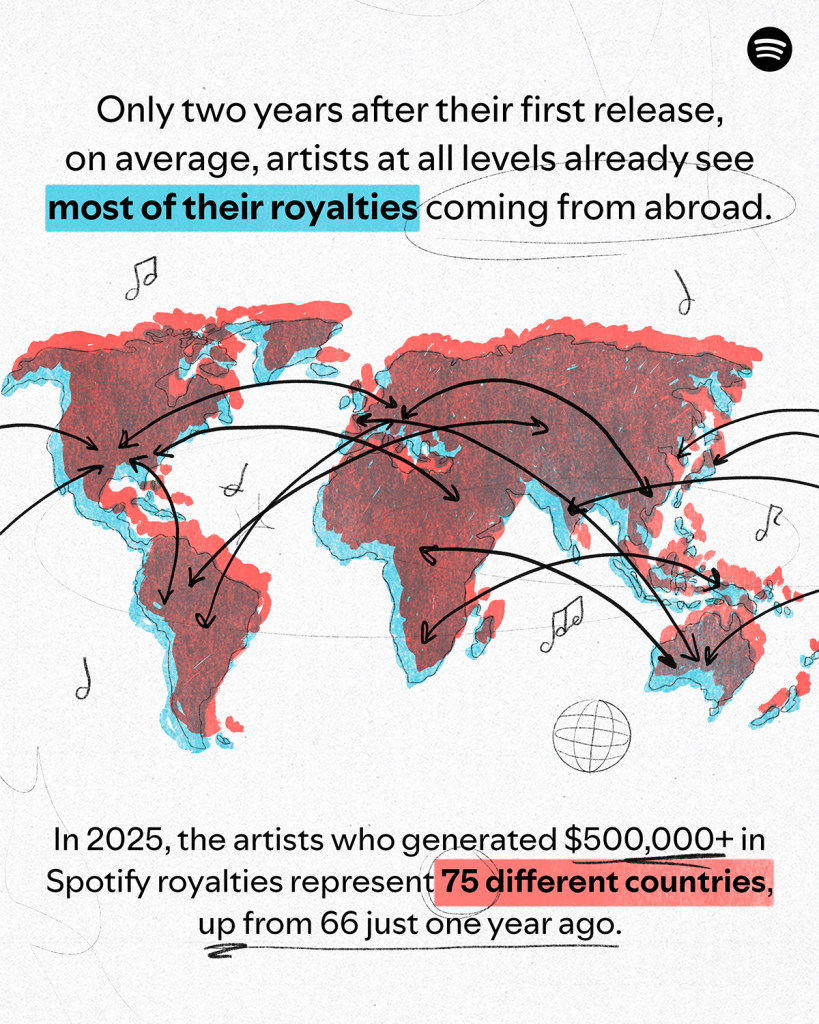
On average, artists see more than half of their royalties coming from outside their home country just two years after debuting. That global listening is lifting artists in more markets to high six-figure earnings levels. In 2025, artists who generated more than $500,000 in Spotify royalties represented 75 countries, up from 66 the year prior. At the $10,000 level, artists from more than 150 countries generated as much on Spotify.
8. Growth speaks many languages
Today’s biggest hits come in more languages than ever. In 2025, songs in 16 languages reached Spotify’s Global Top 50—more than double the number in 2020. Among genres generating over $100 million in Spotify royalties, the fastest-growing were Brazilian funk (+36%), K-Pop (+31%), Latin trap (+29%), Latin urban (+27%), and reggaeton (+24%).
9. Songwriters hit new heights
2025 marked the largest annual music publishing payout in Spotify’s history. Over the past two years alone, Spotify paid approximately $5 billion to the publishers and organizations representing songwriters.
10. More than $1.5 billion in ticket sales
The financial impact of streaming doesn’t stop with royalties, it also powers live music. By the first half of 2025, Spotify had driven $1 billion in gross concert ticket sales for artists. That total has now exceeded $1.5 billion. By connecting real fans with nearby shows, Spotify helps turn everyday listeners into ticket buyers.
A foundation for the future
The music industry is now more global, is more diverse, and supports more artists than at any point in history. The data in this report isn’t just a look back at a record-breaking year; it’s a look at the foundation for a more sustainable future for music. Their work continues, but the goal remains the same: to ensure the path for artists to reach fans and success is even wider tomorrow than it is today.
A fan-made video is making the rounds and it is exactly the kind of deep-cut Monkees content the internet was built for. Posted by YouTube creator Maz the clip compiles every moment Peter Tork can be caught on camera mouthing someone else’s lines, and Tork clearly knew every word of every script, and his face gave him away every single time.
Malaysia is making history at South by Southwest. On March 15, the Made in Malaysia stage at Las Perlas in Austin marks the first time a national Malaysian music showcase has ever been presented at the globally renowned festival. Curated and headlined by rapper, singer-songwriter, and producer Zamaera, the night brings five boundary-pushing Malaysian artists to one of the most influential cultural platforms on the planet.
The lineup spans the full range of what Malaysian independent music looks like right now. R&B vocalist Murty, indie singer-songwriter Zoe Tan, hyperpop and hip-hop provocateur Lil Asian Thiccie, and electronic producer I-SKY join Zamaera on the bill. Texas-based DJ VÖ.A_2000 opens the evening. The set times run from 7:45 PM through 12:45 AM, a full night of music built to make an impression.
Zamaera, who also founded Mean Malaya Entertainment, has been the driving force behind this moment. “Our music may sound global, but it’s unmistakably Malaysian,” she said. “Every track carries the mix of languages, influences, and stories that shape our culture. With the Made in Malaysia stage, we’re not just performing songs, we’re sharing our identity, our creativity, and our voice with the world.”
The showcase lands at exactly the right time. Malaysia’s independent music scene is producing artists who blend Malay, Chinese, Indian, and Indigenous cultural roots with hip-hop, R&B, electronic, and alternative sounds in ways that feel genuinely fresh. This is a scene that has largely operated below the global radar, and SXSW 2026 changes that.
Made in Malaysia is one of the few Southeast Asian showcases at this year’s festival. For anyone in Austin on March 15, Las Perlas is the room to be in.
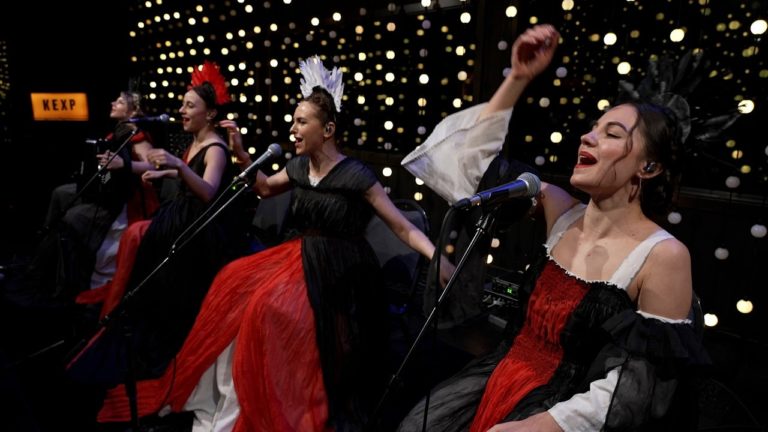
YAGODY have arrived on one of the most respected stages in independent radio. The Ukrainian folk collective, founded in Lviv in 2016 by Zoriana Dybovska alongside fellow theater students, recorded a full six-song live session at KEXP in Seattle.
This is not background music. YAGODY’s sound draws from deep regional Ukrainian folk traditions, gathered across the country through years of active field research. That source material, songs about love, life, and memory, gets filtered through a lineup of voices, accordion, drums, percussion, Tibetan bowl, and the drymba, a Hutsul mouth harp from the Carpathians. The result is something genuinely singular.
The KEXP session covers six tracks: “Skopaiu Ya Hryadochku,” “Divonko,” “Kalyna-Malyna,” “Tsunamia,” “BramaYA,” and “Chornomorets.” The performances crackle with ritual energy and choral depth, voices layered and alive in a way that demands your full attention.
Dybovska has said each moment in a person’s life has its own song. That philosophy is audible here. YAGODY treat a concert as a performance in one act, built on dramaturgical principles rooted in their theater backgrounds. The KEXP session captures that approach in full.
The group released their debut album in 2020 and have performed at notable events including the medieval festival “Tu Stan!” in Lviv and Lodžie Worldfest in Jičín, Czech Republic.
Before Conan O’Brien became a late-night institution, he sat down for one of the most gloriously strange interviews in television history. His appearance on Space Ghost Coast to Coast, filmed in 1995, features raw voice acting and an interview with the animated Space Ghost, who promptly abandons the conversation to chase an ant. It is exactly as chaotic and brilliant as it sounds.
Mornings are strange little crossroads. One minute you’re negotiating with the alarm clock like a hostage negotiator, the next you’re pouring coffee and deciding what kind of day this is going to be. That’s where music comes in. The right song can flip the switch from groggy to glorious faster than your second cup of caffeine.
Some mornings need a jolt of sunshine. Others want a groove to ease into the day. And occasionally, you just need something loud enough to remind your brain that yes, we are doing this thing called life again. So here are 14 songs to kickstart your morning, each one carrying a little spark of rhythm, optimism, or attitude to get the day rolling.
And because mornings demand order before caffeine fully kicks in, they’re listed alphabetically.
Vampire Weekend – “A-Punk” A two-minute burst of indie-rock caffeine. The guitars bounce, the rhythm gallops, and suddenly you’re tying your shoes faster than usual. If mornings had a soundtrack for rushing out the door with a grin, this would be it.
Coldplay – “Adventure of a Lifetime” This groove practically dances out of bed. Funky guitars and a buoyant beat make it impossible to stay sleepy. It’s the kind of song that makes your walk to the kitchen feel like the opening scene of a music video.
Dermot Kennedy – “Better Days” Not every morning starts with fireworks. Sometimes you need a steady voice reminding you that the road ahead is heading somewhere good. This song does exactly that.
Colbie Caillat – “Brighter Than the Sun” Warm acoustic pop that feels like actual sunlight pouring through the window. It’s cheerful without being sugary and gently nudges you toward optimism before the day really begins.
Florence + The Machine – “Dog Days Are Over” The slow build, the pounding drums, the explosion of joy. If your morning needs a full emotional reset, this one delivers.
Gorillaz – “Feel Good Inc.” That bassline alone deserves its own alarm clock setting. A little mysterious, a little funky, and just weird enough to wake your brain up properly.
Harry Styles – “Golden” Soft, breezy, and glowing like the first rays of daylight. If you’re looking for a song that feels like driving with the windows down on the way to work, this is it.
Lizzo – “Good as Hell” Some mornings demand confidence before you’ve even brushed your teeth. Lizzo supplies the soundtrack. Hair toss optional but strongly encouraged.
Nina Simone – “Here Comes the Sun” A soulful reinvention of a familiar classic. Simone’s voice adds warmth and gravity, turning a simple morning message into something timeless.
Edward Sharpe & The Magnetic Zeros – “Home” A communal singalong that feels like friends gathering around the kitchen table. Imperfect, joyful, and the musical equivalent of a deep breath.
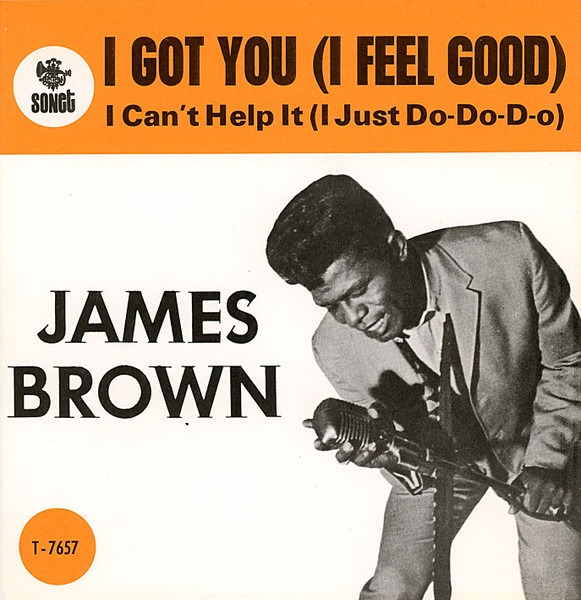
James Brown – “I Got You (I Feel Good)” No subtlety here. Just pure, unstoppable energy. Press play and suddenly the day feels like it’s already winning.
Phoenix – “Lisztomania” Bright synths, jangly guitars, and that endlessly uplifting chorus. It’s the indie-pop equivalent of throwing open the curtains and letting the day in.
Imagine Dragons – “On Top of the World” If your morning playlist needs a victory lap before the day even begins, this song delivers it with a stomping beat and stadium-sized optimism.
Empire of the Sun – “Walking on a Dream” Dreamy synths and floating melodies make this the perfect final track to ease you fully into motion. It feels like sunrise in song form.
The security threats from cybersecurity attacks continue to increase in both their size and their difficulty to handle. The protection of critical data and operational systems requires businesses to implement advanced security measures against ransomware attacks and data breaches and complex supply-chain assaults. Organizations that need enterprise-level security protection but want to avoid developing extensive internal security teams have turned to managed cybersecurity solutions as their primary security method.
Blueshift Cyber serves as one of the organizations which assists businesses in overcoming their challenges through its cybersecurity services which use artificial intelligence to provide protection against contemporary security threats. The company offers Managed Extended Detection and Response (XDR) services which operate through a 24/7 U.S.-based Security Operations Center (SOC) that allows for continuous monitoring and advanced threat detection and quick incident response. Blueshift Cyber provides cybersecurity protection to small and medium businesses and government entities and critical infrastructure facilities against developing cyber threats. The company offers advanced threat detection along with an application whitelisting tool that enables organizations to enforce security policies by permitting only authorized software to operate in their systems.
Understanding Managed Cybersecurity Solutions
Managed cybersecurity solutions refer to security services that an organization outsources to deliver threat monitoring and detection and response capabilities. Companies establish partnerships with security providers who deliver advanced technologies and dedicated analysts and 24/7 monitoring services instead of depending solely on their internal IT resources.
These services typically include:
Managed Detection and Response (MDR)
Managed Extended Detection and Response (MXDR)
Security Information and Event Management (SIEM)
Vulnerability management and threat intelligence
Incident response and digital forensics
Compliance monitoring and reporting
By adopting managed security services, organizations gain access to enterprise-level cybersecurity capabilities without the overhead of maintaining complex infrastructure or hiring large security teams.
The Importance of Managed XDR
Extended Detection and Response (XDR) represents a significant evolution in cybersecurity defense strategies. The lack of integrated security tools causes organizations to lose their ability to monitor system activities. XDR solves this issue by integrating telemetry from endpoints, networks, cloud platforms, and identity systems into a centralized detection and response framework. The managed XDR services improve this framework by integrating their advanced detection technologies together with human operational capabilities. Security analysts monitor alerts, correlate events across multiple data sources, and investigate suspicious behavior to identify potential attacks before they escalate.
This approach improves:
Threat visibility across the entire infrastructure
Detection accuracy through correlated security data
Response speed to minimize damage from cyber incidents
AI-Powered Security and 24/7 Monitoring
The current cybersecurity methods of today rely on artificial intelligence as their essential technology. AI security platforms operate by processing extensive data streams to detect suspicious behavior patterns which indicate potential security threats. The security operations center operates continuously throughout the day, which enhances the effectiveness of artificial intelligence systems. Security analysts work to review alerts while they perform active threat detection and manage emergency security response operations.
A fully operational SOC typically provides:
Real-time threat monitoring and alert management
Incident investigation and root-cause analysis
Automated and manual threat containment
Security event correlation across systems
Compliance reporting and risk assessment
Continuous monitoring ensures that cyber threats are addressed immediately, even outside normal business hours.
Benefits of Managed Cybersecurity Services
Organizations increasingly rely on managed cybersecurity solutions due to several strategic benefits.
1. Continuous Threat Detection
Managed services provide round-the-clock monitoring, ensuring that threats are identified and addressed as quickly as possible.
2. Access to Specialized Expertise
Cybersecurity professionals with advanced skills are difficult and expensive to hire. Managed security providers deliver access to experienced analysts and threat intelligence teams.
3. Faster Incident Response
With dedicated SOC teams and automated detection systems, security incidents can be investigated and mitigated much faster.
4. Improved Infrastructure Visibility
Integrated security platforms provide a unified view of networks, endpoints, and cloud environments, allowing organizations to identify vulnerabilities more effectively.
5. Cost Efficiency
Building an in-house security operations center can be extremely expensive. Managed cybersecurity services allow organizations to access advanced security capabilities at a predictable cost.
Why Managed Cybersecurity Matters for Modern Organizations
Cybercriminals have begun to focus their attacks on small-to-medium-sized businesses and government agencies and critical infrastructure operators. The organizations face increased attack risks because they do not have enough resources to maintain extensive internal security teams. The gap between security needs and existing capabilities can be addressed through managed cybersecurity services which provide enterprise-level protection that uses AI analytics to monitor systems and respond to security incidents rapidly. Organizations improve their ability to handle new cyber threats by working with security providers who have established expertise.
Conclusion
The increasing advanced nature of cyber threats requires organizations to implement active cybersecurity protection measures. Organizations need managed cybersecurity solutions which deliver them both necessary technology and expert knowledge and ongoing security monitoring capabilities to protect against current security dangers.
The use of advanced tools which include Managed XDR and AI-driven analytics and 24/7 SOC monitoring enables businesses to achieve better threat detection abilities and faster response times and enhanced security protection throughout their complete digital environment . The managed security services from Blueshift Cyber provide organizations with a solution that helps them build cybersecurity resilience while protecting essential systems in a highly complex security environment.
Data and information are provided for informational purposes only, and are not intended for investment or other purposes.