Home Blog Page 1074

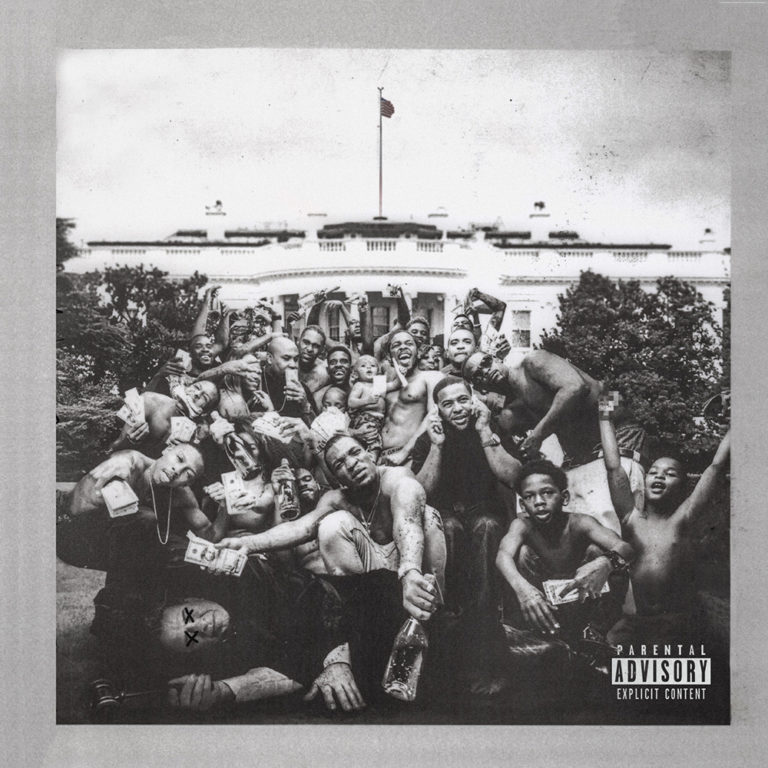
5 Surprising Facts About Kendrick Lamar’s ‘To Pimp a Butterfly’

Kendrick Lamar’s To Pimp a Butterfly is widely regarded as one of the most impactful albums of the 21st century, blending genres like hip-hop, jazz, and funk with profound social commentary. While its themes of racial identity, inequality, and personal reflection are well-known, there are lesser-known facts that shaped the creation and legacy of this groundbreaking record. Let’s dive into five fascinating, hidden aspects of To Pimp a Butterfly that you might not have heard before.

1. The South African Inspiration
Kendrick Lamar’s visit to South Africa had a profound impact on the creation of To Pimp a Butterfly. After visiting Nelson Mandela’s jail cell on Robben Island, Lamar scrapped “two or three albums worth of material” and reoriented the project. The experience fueled the album’s themes of racial inequality, personal introspection, and African-American cultural history, turning it into a deeply political and personal masterpiece.

2. Prince Almost Collaborated on the Album
During the recording of To Pimp a Butterfly, Kendrick Lamar nearly collaborated with the legendary Prince. Though they spent time in the studio together, the duo ran out of time and couldn’t complete any work for the album. However, Prince’s influence is still felt in the album’s eclectic blending of funk, jazz, and soul, making it an even more layered project.

3. David Bowie’s Blackstar Was Influenced by the Album
Lamar’s boundary-pushing artistry extended beyond the hip-hop world, influencing none other than David Bowie. While working on his 2016 album Blackstar, Bowie and his producer Tony Visconti were inspired by To Pimp a Butterfly. They admired how Lamar fused various genres, like jazz and funk, into a hip-hop record. Bowie sought to replicate that same open-mindedness and genre-blending approach on his final album.

4. The Concept Was Originally Linked to Tupac
The album’s title underwent a key change during its development. Originally, Lamar planned to call it Tu Pimp a Caterpillar as a nod to Tupac Shakur, with the initials spelling “T.U.P.A.C.” However, he later changed the title to To Pimp a Butterfly, symbolizing the beauty and struggle of transformation and growth, while retaining the powerful social messages.

5. The Unseen Contributions of Bilal
While Bilal is credited for his vocals on tracks like “These Walls” and “Institutionalized,” his influence runs even deeper. He provided uncredited backing vocals on several tracks, including “U,” “Momma,” and “For Sale? (Interlude).” Much of his input was improvised in the studio, adding layers of richness and texture to the album’s already complex sonic landscape.

To Pimp a Butterfly stands as a cultural and musical milestone, but it’s the hidden layers and behind-the-scenes details that make it even more compelling. From South African inspiration to nearly lost collaborations, Kendrick Lamar’s masterwork is a reminder that some of the most powerful art comes from unexpected places. As we continue to unpack its influence, one thing is clear—To Pimp a Butterfly will be played for generations to come.

5 Surprising Facts About Bob Dylan’s ‘Highway 61 Revisited’

Bob Dylan’s Highway 61 Revisited is widely regarded as one of the greatest albums of all time, but there are plenty of lesser-known details about its creation and legacy. Here are five surprising facts about the album:

1. The Album Title Faced Resistance
Dylan had to push back against Columbia Records to name the album Highway 61 Revisited. Executives didn’t initially grasp the significance of the highway, a route deeply rooted in blues history, stretching from Dylan’s birthplace in Duluth to the Mississippi Delta. After climbing the chain of command, Dylan eventually got his wish, solidifying the album’s connection to the musical and cultural heritage of America.

2. Al Kooper’s Organ on “Like a Rolling Stone” Was Improvised
Al Kooper, primarily a guitarist, was invited to the recording session as a spectator. Despite having little experience on the organ, he jumped in and played an improvised riff during “Like a Rolling Stone.” Dylan loved Kooper’s unexpected contribution, which became a defining feature of the song’s sound. The spontaneous organ part is now regarded as one of the most iconic moments in rock history.

3. “Desolation Row” Was Almost Recorded Electrically
Dylan initially recorded “Desolation Row” as an electric song, with Al Kooper on guitar and Harvey Brooks on bass. However, the electric version didn’t capture the atmosphere Dylan was aiming for, and he ultimately decided to record it acoustically. The final version, with its sparse instrumentation, became a poetic, haunting 11-minute epic that closed the album with a powerful sense of isolation.

4. A Siren Whistle Played a Key Role on the Title Track
In the title track “Highway 61 Revisited,” Dylan used a police siren whistle to punctuate the lyrics, giving the song an erratic and playful energy. This unconventional addition complemented the surreal storytelling, where biblical figures and modern characters intersect along the famous highway. The whistle became a quirky, unforgettable detail that helped capture the chaotic spirit of the album.

5. The Album Cover Was Shot at Albert Grossman’s Apartment
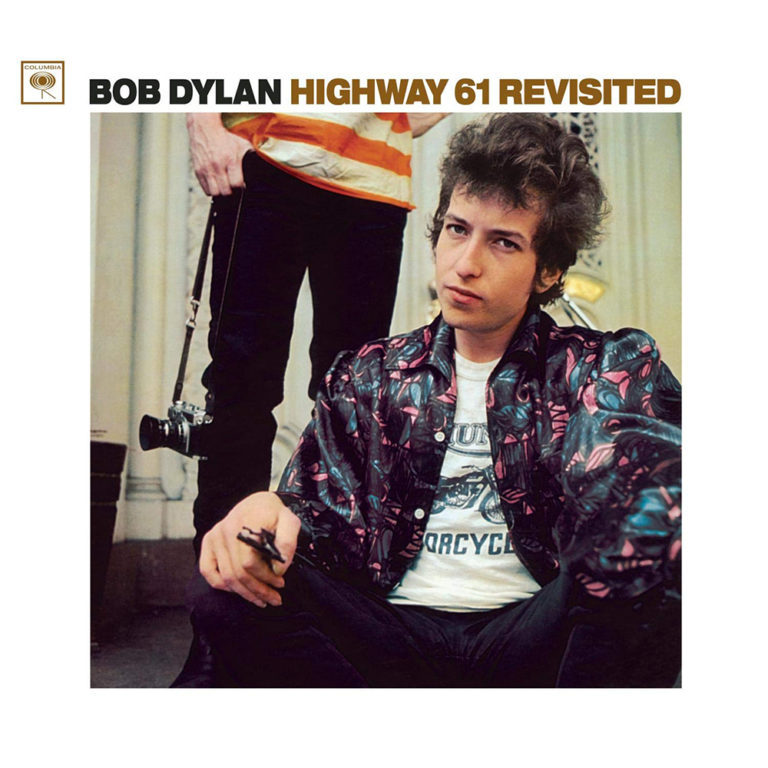
The cover of Highway 61 Revisited was shot by photographer Daniel Kramer outside the New York City apartment of Dylan’s manager, Albert Grossman. Dylan’s casual pose, wearing a Triumph motorcycle T-shirt and Ray-Ban sunglasses, exudes cool detachment. The image, which includes a partial view of Dylan’s friend Bob Neuwirth, perfectly matched the rebellious and mysterious aura that defined the album.

These facts provide just a glimpse into the creative process behind Highway 61 Revisited, a record that continues to influence generations of musicians and fans alike.

Country Music Hall of Fame and Museum to Open New Exhibition, Rosanne Cash: Time Is a Mirror

0

The Country Music Hall of Fame and Museum will examine the groundbreaking, influential career of Rosanne Cash in its newest exhibition. Rosanne Cash: Time Is a Mirror will explore Cash’s more than 40-year journey as an artist, songwriter and storyteller, and how she has embodied both tradition and innovation across her musical career. The exhibit, which opens Thursday, Dec. 5, and runs through March 2026, is included with museum admission.

Beginning in the 1970s and continuing to the present day, Cash has staked out a distinctive place in American music. Her songs have drawn on rockabilly rhythms, the truth-telling of folk-rock songwriters, West Coast country-rock energy, new wave flash and deeply rooted country music. A four-time Grammy winner, her hits include “Seven Year Ache,” “Blue Moon with Heartache,” “I Don’t Know Why You Don’t Want Me,” “I Don’t Want to Spoil the Party,” “It Hasn’t Happened Yet,” “Tennessee Flat Top Box, “No Memories Hangin’ Round” and “Never Be You,” among others. Throughout her career, she has maintained an unwavering artistic spirit and vision. In 2021, Cash became the first female composer to receive the MacDowell Medal, awarded since 1960 to an artist who has made an outstanding contribution to American culture.

Rosanne Cash has been called ‘a musical mystic’ and a ‘songwriting time traveler,'” said Kyle Young, chief executive officer for the Country Music Hall of Fame and Museum. “Her music moves across genres and legacies, looking backward and forward in time. While she works within musical traditions that shaped her, the way she has turned those traditions in fresh and unexpected directions has defined her.”

“I never expected to be embraced and honored by the Country Music Hall of Fame and Museum in this way,” said Cash. “I’m sincerely humbled, as I have so much respect for the mission of the museum and the dedicated team who are so superb in preservation and education. It’s been a thrill to sort through the artifacts of my life and career with the curators and find that these things are valued beyond just my own memories. I have thought about my children a lot while sorting items, listening to songs, and discussing the exhibit, and one of the best things about this honor is anticipating sharing the experience with them. I’m extraordinarily grateful to be given this tribute, and the opportunity to deepen my relationship with the Country Music Hall of Fame and Museum.”

The exhibit will include stage wear, song manuscripts, instruments, photographs, videos and more. Some artifacts on display will include:

  • The handwritten lyrics by Cash for her song “The Real Me,” from her 1987 album, King’s Record Shop.

  • Cash’s red velvet shawl worn in the 1988 music video for “It’s a Such a Small World,” written by Rodney Crowell. A #1 country hit, her duet with Crowell was included on his 1988 album, Diamonds & Dust.

  • A modest desk used by Johnny Cash when writing at his small, private office at home. Rosanne, who inherited the desk after her father’s death, thinks of it as a prism where the past and the future, legacy and rebellion, come together.

  • The 1964 Gibson Dove guitar acquired by Cash’s husband John Leventhal in the 1990s. It became her primary performance guitar for many years. Leventhal also played the instrument extensively on Cash’s 2003 album, Rules of Travel, and presented it to Rosanne’s daughter Carrie Crowell and her husband, musician and producer Dan Knobler, as a wedding gift in 2014.

  • Cash’s Martin OM-28M Rosanne Cash Signature Edition model guitar, which she used extensively. The instrument is the first of 48 of her signature guitars built, with a rose inlay on the headstock and “CASH” inlaid in mother-of-pearl at the final fret on the fingerboard
    .
  • Cash’s handwritten lyrics for her song “Closer Than I Appear,” from her 2003 album, Rules of Travel.

  • Carmen Marc Valvo–designed laser-cut leather duster worn by Cash at appearances in 2006, including Austin’s South by Southwest (SXSW) conference, her concert at Carnegie Hall and the “Ellen DeGeneres Show.”

  • Cash’s Libertine plaid jacket worn on the cover of her 2009 album, The List.

  • Cash’s Alabama Chanin suede jacket, embellished with gold beads, worn when she was inducted into the Austin City Limits Hall of Fame in 2017. During the ceremony at Austin’s ACL Live at the Moody Theatre, Cash and John Leventhal were joined by Ry Cooder, Neko Case, and Elvis Costello for a performance of Cash’s 1981 breakthrough hit, “Seven Year Ache.”

  • Stella McCartney–designed jacket, embellished with rhinestones and embroidered birds, worn by Cash at the Americana Honors & Awards ceremony at Nashville’s Ryman Auditorium in 2018.

Opening weekend program
In support of the exhibit’s opening, Cash will participate in a conversation and performance in the museum’s CMA Theater on Sunday, Dec. 8, at 2:30 p.m. The interview will be illustrated with archival photos, audio recordings and video clips. Cash will also perform during the program. Tickets will be available here on Friday, Oct. 18, beginning at noon Central.

About Rosanne Cash
Rosanne Cash was born in Memphis, Tennessee, in 1955. Three years later, she and her parents moved to Southern CaliforniaVivian Liberto, Cash’s mother, was a stay-at-home mother to Rosanne and her three sisters, and her father, Johnny Cash, was a rising country star with charisma and a string of hits.

Cash loved to read and was primarily drawn to the sounds of rock and folk music growing up. Her U.S. album debut, Right or Wrong, was recorded for Columbia Records in Los Angeles in 1979. The album, which featured Rodney CrowellVince Gill and other groundbreaking players, helped launch a new era of country music, featuring a roster of musicians who were redefining country for a new audience. She and Crowell also married in 1979.

Then the 1980 album Seven Year Ache was a breakthrough, the title song a pop crossover, her first country #1, and one of the album’s three hit singles. Something larger was coalescing, a sound and a cadre of musicians coming out of this scene led to ideas and sounds that would influence country music throughout the 1980s.

She received her first Grammy award in 1985 for “I Don’t Know Why You Don’t Want Me.” She created strong records that bridged country music and contemporary rock sounds — all made while also raising four daughters with Crowell. Demands and expectations grew in the wake of King’s Record Shop, with four #1 singles that made her Billboard’s top singles artist of the year.

The 1990 album Interiors was her first self-produced record, and it signaled the moment when Cash said she found herself as a songwriter. It was a new beginning. This exhumation of a relationship’s final stages came with more new beginnings: in 1991, Cash moved to New York City and entered a new musical collaboration and relationship with producer John Leventhal, whom she married in 1995. Cash’s The Wheel (1993), an album about fresh starts, marked another turning point in her career. She and Leventhal also welcomed a son in 1999.

A health crisis triggered by polyps on her vocal cords left Cash unable to sing for years. 2003’s Rules of Travel, her first full-on album in ten years, included “September When It Comes,” a duet with her father, who was unwell at the time it was recorded. Her 2006 album Black Cadillac featured songs in a mood of grief following the deaths of her mother, her father and stepmother June Carter Cash. What emerged was a coming to terms with country music and family legacies, including her album The List (2009), which featured songs from a list her father made for her years ago of essential, mostly country songs he wanted her to know. The album was nominated for a Grammy and won the Americana Music Honors & Awards’ Album of the Year in 2010.

The nascent genre of Americana rightfully claimed her as a founding mother, while Cash has continued to push musical boundaries and employ her writer’s voice — authoring books, essays and articles. Her 2010 memoir “Composed landed on the New York Times’ bestseller list, with the Chicago Tribune calling it “one of the best accounts of an American life you’ll likely ever read.” Her next album, The River & the Thread (2014), earned her three Grammys for its blending of impassioned blues, gospel and country music.

Cash has collaborated with a wide assortment of musicians — Bruce SpringsteenElvis CostelloJeff TweedyKris Kristofferson, T Bone Burnett and the National, among others. In addition to regular touring, she has partnered in programming collaborations with Carnegie Hall, Lincoln Center, SFJAZZ, the Minnesota Orchestra and the Library of Congress.

Cash’s recent years have also been marked by a wave of activism, ranging from testifying before Congress on raising musicians’ royalty rates to joining the Daughters of the American Revolution (Knickerbocker Chapter) to collaborating with her husband Leventhal on a score for a theatrical version of “Norma Rae,” a 1979 film about a textile union organizer. She has also been a longtime activist for gun control, as well as deeply involved in the restoration of her father’s spartan childhood home in Dyess ColonyArkansas.

Cash has been inducted into the Nashville Songwriters Hall of Fame and the Austin City Limits Hall of Fame. She also served as the Country Music Hall of Fame and Museum’s Artist-in-Residence in 2015. Other honors include a Smithsonian Ingenuity Award, Americana: Free Speech Award and election as an honorary member of the American Academy of Arts and Letters.


Sennheiser Unveils Spectera: The World’s First Bidirectional Wideband Digital Wireless Ecosystem at IBC 2024 in Amsterdam

0

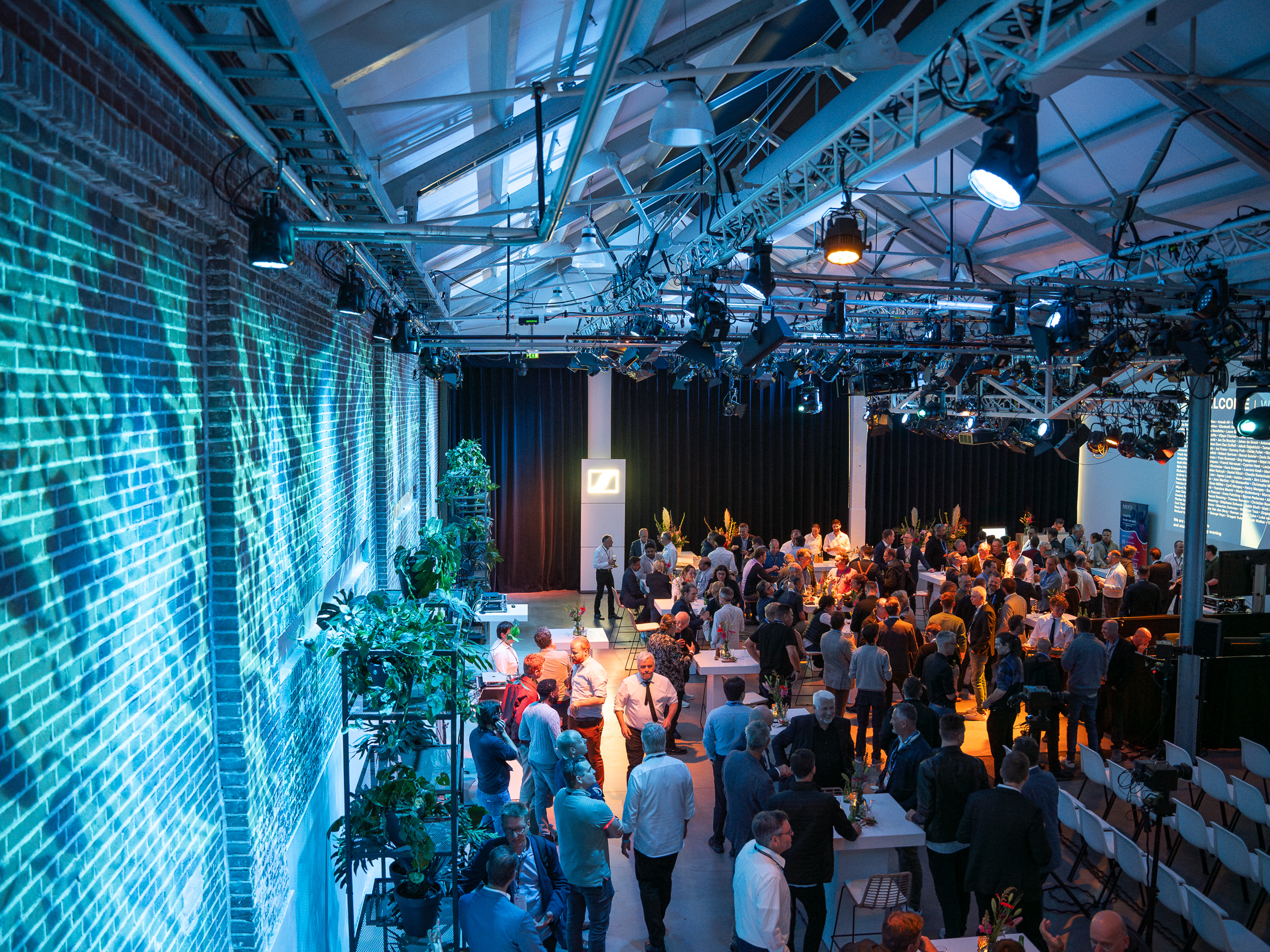
On the first IBC show day, 13 September, Sennheiser unveiled Spectera, the world’s first bidirectional wideband digital wireless ecosystem. The day was marked by events in the cities of Nashville, Hong Kong and Amsterdam, with the latter hosting the main event, which attracted 252 participants from a total of 30 nations.

Amsterdam’s De Hallen Studios, located in a former tram depot, provided a beautiful setting for the Spectera event during IBC

The speakers at the event in Amsterdam’s De Hallen Studios took guests on an exciting journey from Sennheiser’s beginnings in wireless microphone technology in 1957 to today’s game-changing wideband approach. “It’s worth remembering that since 1957, all wireless microphone – and later also IEM – transmissions were narrowband, so Spectera really is a technology shift, for which the frequency regulations of every country needed or still need to be changed,” says co-CEO Dr Andreas Sennheiser.

Speakers Christophe Van den Berghe (Vice President of Sales EMEA), Theresa Vondran (Category Market Manager, Pro) and co-CEO Dr Andreas Sennheiser summarised the many benefits of the Spectera bidirectional wideband ecosystem

After the impactful presentation, which was delivered over Spectera, guests could take a closer look at the ecosystem: Sennheiser’s engineering team manned several trial stations, where they provided deep dives into the new WMAS technology and answered any questions that participants had. Spectera SEK bidirectional bodypacks were at hand to demo the system’s impeccable digital IEM audio quality.

Several demo stations invited guests to learn more about Spectera

“The unveiling of Spectera was a milestone,” says Andreas Sennheiser. “Now is the time to grow the ecosystem together with our customers, and to continue speaking with many more regulatory authorities across the globe. What did our spectrum policy team say recently? ‘We have agreement for WMAS in over 60 countries – still more than 120 to go!’”

Midge Ure To Release Live Album November 8 And Announces Cruel World Performance

0

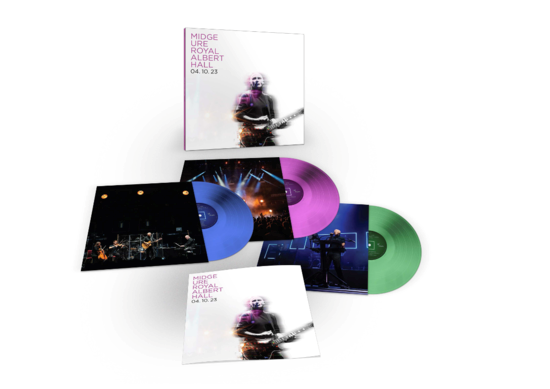
Midge Ure will release a live album ‘Midge Ure Royal Albert Hall 04.10.23’ on November 8 available for pre-sale here. Ure celebrated his seventieth birthday in October of last year with a one-night only concert at the iconic venue celebrating his entire catalogue including playing Ultravox’s Vienna album in full. Joined by his long-time Band Electronica and special guests, cellist Caroline Dale (London Metropolitan Orchestra, Peter Gabriel, David Gilmour, Sinéad O’Connor), and composer Ty Unwin who worked with Midge on his 2017 Orchestrated album.

Midge talks about the recording: “This album was never meant to happen. The restrictions involved when playing a prestigious venue like the Royal Albert Hall were so great that recording audio or video was out of the question, or so I thought. Modern mixing desks have the capability to multitrack record these days so we tend to record most shows, so finding out we had a recording of that magical evening was a relief. A deal was struck with the venue and this is the result. A little moment captured forever.”

Listen to ‘Fade To Grey’ below:

Midge Ure has also been added to the 2025 Cruel Fest Line-Up, taking place in Pasadena, California May 17. “Having seen most of my musician friends play Cruel World I was feeling a little ‘left out’ but with the success of my ‘Band in a Box Tour’ of North America this year I felt this was the right performance format and the perfect time to step up and play some of those Ultravox, Visage and solo tunes.” He adds “‘Band in a box’ is me and long time keyboard sidekick Charlie Round Turner jumping between guitars and synths, loops and samples to bring the audience the sound and feel those classic tunes deserve.”

Midge Ure is also still hosting his Backstage Lockdown Club giving fans exclusive access to a series of intimate, musical events on a monthly subscription basis.

Midge Ure has an impressive catalogue fronting the groundbreaking electrorock band Ultravox as well as being a member of such notable bands as Visage and Thin Lizzy. He helped form Band Aid where he produced and co-wrote the smash charity single ‘Do They Know It’s Christmas,’ still one of the biggest singles in UK music history. He was also one of the principle creators of Live Aid and Live 8 along with Bob Geldof. Ure has spent most of his career touring the globe playing solo and with Ultravox who reformed in 2009. He served the notable role of MD for the Princes Trust at the Royal Albert Hall with a cast of the usual suspects including Queen, Eric Clapton, Phil Collins and Mark King. Ure is now working on three albums including a follow-up to Fragile, an Orchestrated Pt. 2 in addition to a totally instrumental album.

Midge Ure Royal Albert Hall 04.10.23 Tracklist:
CD1/LP 1:
Dear God
Lament
Breathe
The Maker
Guns And Arrows
Yellow Pearl
If I Was
Glorious
Reap The Wild Wind
The Thin Wall
No Regrets
Rage In Eden

CD2/LP2: (Vienna album in full)
Astradyne
New Europeans
Private Lives
Passing Strangers
Sleepwalk
Mr. X
Western Promise
Vienna
All Stood Still

CD3/LP3:
I Remember (Death In The Afternoon)
Fade to Grey
Dancing With Tears In My Eyes
Serenade
The Voice
Hymn

What Art Does: Brian Eno and Bette A. Explore the Power of Art in Their New Limited Edition Book

0

Music and art visionary Brian Eno, alongside Amsterdam-born artist and writer Bette A., are set to release a groundbreaking new book titled WHAT ART DOES. This thought-provoking work delves into the function of fictional worlds—from pop songs to detective novels—and offers a fresh perspective on the role art plays in shaping our lives, holding communities together, and fostering creative connections.

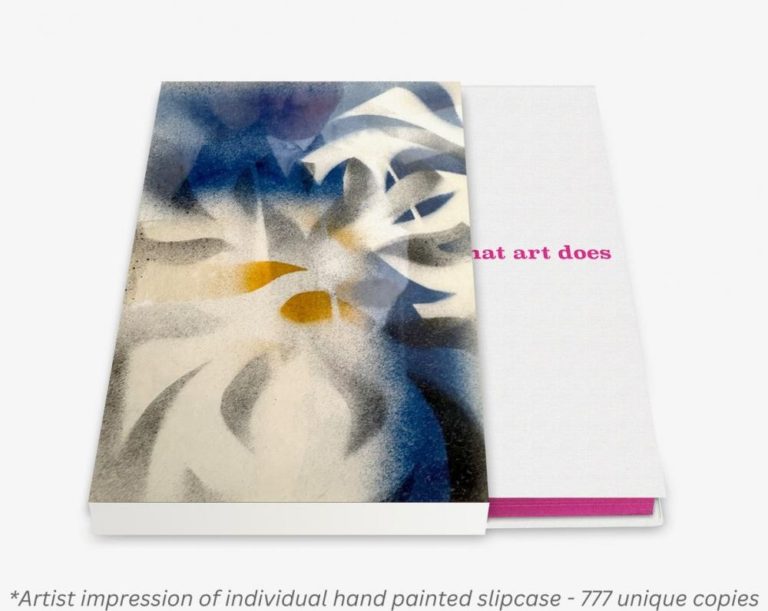
Available in a highly anticipated limited edition of 777 signed copies, each book comes with a unique slipcase hand-painted by Eno and Bette A., ensuring that no two are alike. The book will be available exclusively from Metalabel for North American collectors and Enoshop for collectors across Europe and beyond, with shipping beginning on December 3, 2024. For those eager to explore the book’s themes on a budget, a black-and-white PDF will also be available for just £1 during the first seven days after release.

In WHAT ART DOES, Eno and Bette A. examine the seemingly mundane objects and experiences around us—soap operas, shoe tassels, and even haircuts—through the lens of artistic expression. The book proposes new ways of thinking about art, asking essential questions like: Why do we create art? How does it shape our personal and collective experiences? And, most importantly, how does art connect us in ways that transcend everyday life?

The book will be widely available in hardback and ebook formats starting January 16, 2025, through Faber, but the limited edition is likely to become a collector’s item for art and music fans alike. Even more meaningful, all profits from the limited edition and PDF sales will go to charitable causes, supporting Earth Percent, a climate-focused organization co-founded by Brian Eno, and The Heroines! Movement, co-founded by Bette A., which empowers children through storytelling and local women role models.

Both Eno and Bette A. bring a wealth of experience to this collaboration. Brian Eno, renowned for his musical contributions with Roxy Music, Talking Heads, U2, and David Bowie, has also had a prolific career as a visual artist, exhibiting in over 200 international venues. Bette A., with her background in creative writing and social activism, has published novels and continues to contribute to social projects across the globe.

This collaboration offers a rare opportunity to engage with the minds of two influential artists who have spent decades exploring the intersection of creativity, culture, and social change. With WHAT ART DOES, Eno and Bette A. invite readers to reflect on the enduring power of art and its role in shaping the world around us.

You can order it here.

Andrew Garfield Shares With Sesame Street’s Elmo His Heartfelt Tribute to His Late Mother

0

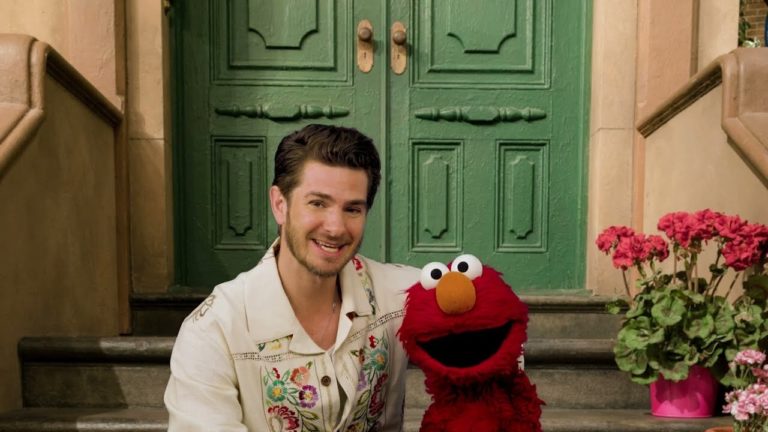
Grieving may never completely end, but working through difficult feelings can get easier with time. Let Andrew Garfield and Elmo show you how.

Jimmy Page’s Iconic Gibson SJ-200 Returns: A Limited Edition Must-Have for Collectors and Rock Fans

0

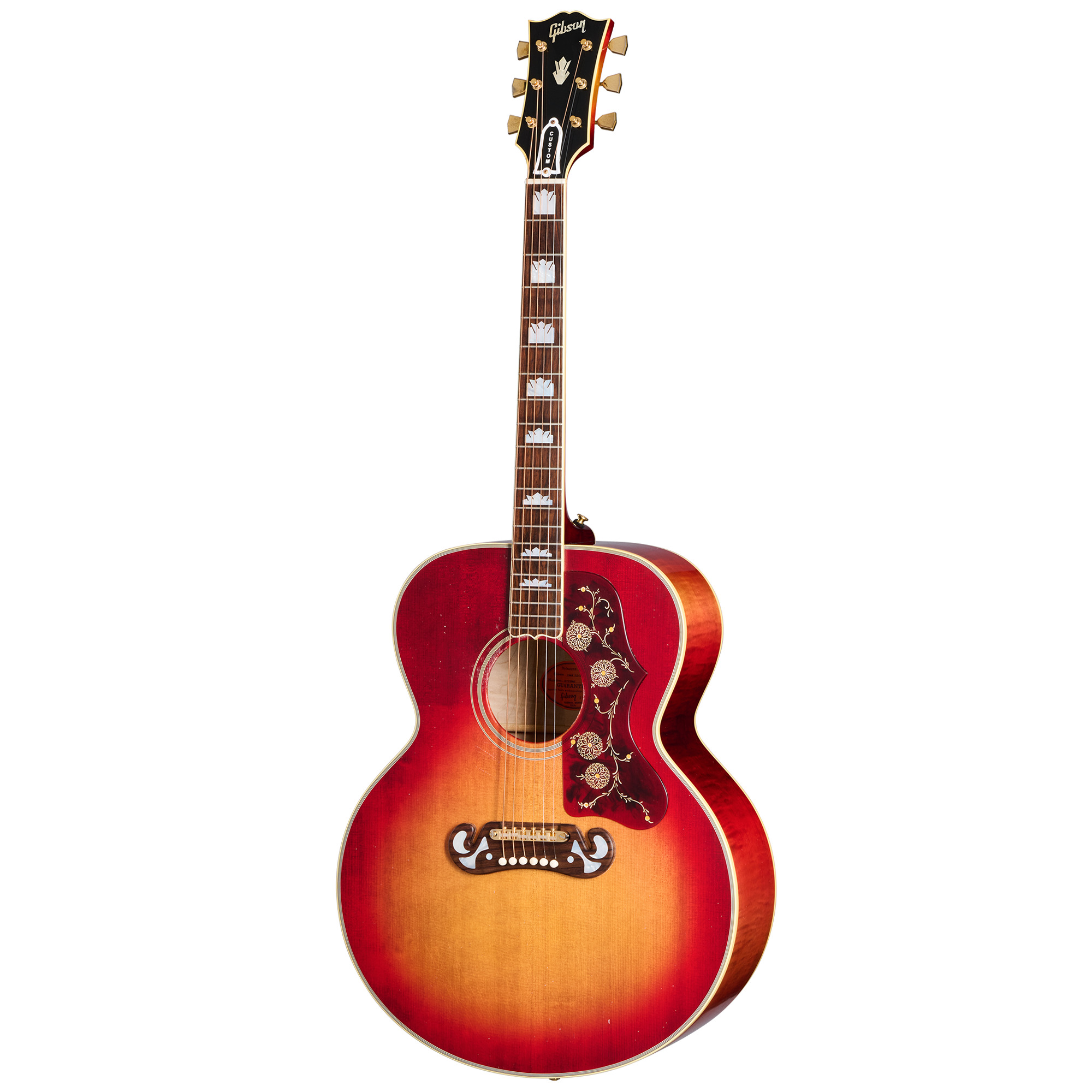
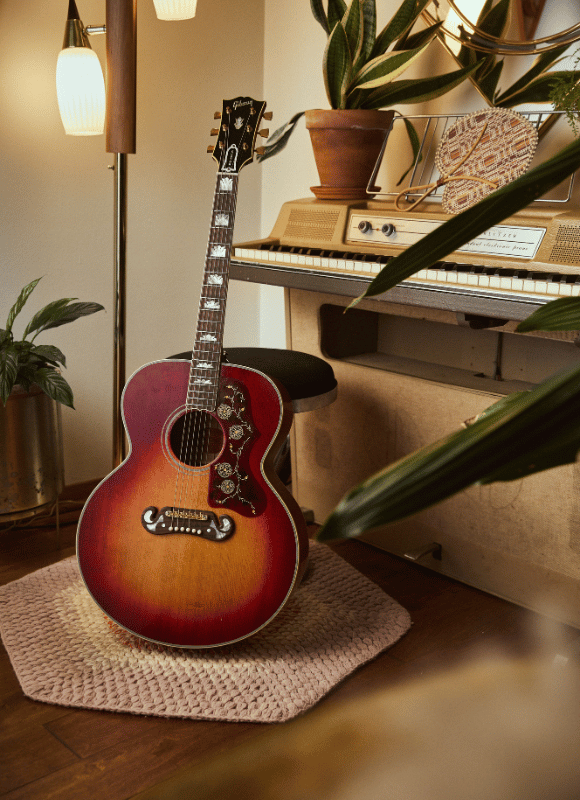
One of the most iconic guitarists in history is Jimmy Page, and his acoustic guitar of choice when recording Led Zeppelin’s debut album was a mid-60s Gibson SJ-200 that he played on multiple songs on that legendary record. Jimmy also used this guitar in his brilliant solo appearance on the Julie Felix Show on April 26, 1970, where he performed “White Summer/Black Mountain Side.” Made in close collaboration and with significant input from Jimmy Page on everything from the sonic character and wear to the playability and even the vivid Cherry Tea sunburst finish, this very special recreation features highly flamed AAA maple for the back and sides, along with AAA Sitka spruce for the top. The Super Jumbo body has multi-ply binding on the top and back, and is slightly deeper than a standard SJ-200 at the neck joint, contributing to its unique sound that’s not quite like any other SJ-200.

Jimmy Page 1964 SJ-200 Cherry Tea

AAA flamed maple back and sides, AAA Sitka spruce top, 3-piece flamed maple neck with Round profile, rosewood fretboard with mother of pearl Graduated Crown inlays, custom Murphy Lab Light Aged, case candy collection, hardshell case with Zoso logo, Jimmy Page-signed soundhole label.

The stunning, highly-figured maple motif continues with the 3-piece highly flamed maple neck, which features a comfortable Round profile, a bound rosewood fretboard with 20 standard frets, and mother-of-pearl Graduated Crown inlays. The 60s-style, solid rosewood Moustachebridge plate is also adorned with 60s-style mother-of-pearl hourglass and teardrop inlays and is equipped with a gold Tune-O-Maticbridge with nylon saddles, which also contributes to the unique sound of this beautiful Artist model. The bound headstock has gold Kluson Waffleback tuners with Keystone buttons that add to the guitar’s vintage appeal, and Jimmy Page has personally hand-signed the soundhole label of each Jimmy Page 1964 SJ-200 guitar.

Gibson Custom’s famed Murphy Lab light aging techniques were customized for this specific model to aid in recreating the original guitar. Every detail has been thoughtfully rendered to Jimmy Page’s exacting standards and recollection. The included Gibson Custom hardshell case features Jimmy’s famous Zoso logo and an extra Tune-O-Matic bridge with gold-plated brass saddles is also included inside the case, along with a Zoso Certificate of Authenticity booklet and a Gibson “The Garden” vintage-style strap. Only 100 of these guitars have been crafted by the expert luthiers of the Gibson Custom Shop in Bozeman, Montana, and artfully aged by the Murphy Lab as part of this extraordinary limited run honoring both the guitar and the legendary guitarist who made it famous, Jimmy Page.


Key Features:

  • Highly Flamed AAA Maple Back and Sides and AAA Sitka Spruce Top
  • Highly Flamed Maple 3-piece Neck With a Round Profile and Rosewood Fretboard
  • Mother of Pearl Graduated Crown Fretboard Inlays
  • Multi-ply Top and Back Binding, Single Ply Fretboard and Headstock Binding
  • Solid Rosewood Moustache Bridge Plate With Mother of Pearl Inlays
  • Tune-O-Matic Bridge With Nylon Saddles; An Extra Tune-O-Matic With Gold-plated Brass Saddles is Also Included
  • Kluson Waffleback With Keystone Button Tuners
  • Murphy Lab Custom Light Aged
  • Each Guitar’s Soundhole Label was Hand-signed by Jimmy Page
  • Gibson Custom Hardshell Case With Zoso Logo
  • Case Candy Collection Included: Gibson “The Garden” Vintage-style Strap, Zoso Certificate of Authenticity Booklet, and Additional Tune-O-Matic Bridge with Gold Saddles (Tune-O-Matic with Nylon Saddles Installed From the Factory, as Per Original 1964 Specifications)

MMY PAGE 1964 SJ-200 COLLECTOR’S EDITION

Limited edition of 50 guitars with customized Murphy Lab light aging, each one personally played and hand-signed on the rear of the headstock by Jimmy Page.

image JIMMY PAGE 1964 SJ-200
GIBSON CUSTOM

JIMMY PAGE 1964 SJ-200

Limited edition of 100 guitars with customized Murphy Lab light aging, each with a sound hole label personally hand-signed by Jimmy Page.

Few guitarists have shaped the course of rock history like the legendary Jimmy Page. When recording Led Zeppelin’s iconic debut album, Jimmy’s acoustic guitar of choice was a mid-60s Gibson SJ-200, a defining instrument heard across several tracks on that monumental record.

He later used this same guitar for his brilliant solo performance on the Julie Felix Show in 1970, delivering a masterclass with “White Summer/Black Mountain Side.” These moments remain etched in rock history. Now Gibson Custom, in close collaboration with Jimmy Page, is proud to introduce recreations of the acoustic guitar behind these legendary performances and recordings, the Jimmy Page 1964 SJ-200 and Jimmy Page 1964 SJ-200 Collector’s Edition.

LIMITED EDITION OF 50 GUITARS, EACH PLAYED AND HAND-SIGNED BY JIMMY PAGE

JIMMY PAGE 1964 SJ-200
COLLECTOR’S EDITION

Made in close collaboration and with significant input from Jimmy Page on everything from the sonic character and wear to the playability and even the vivid Cherry Tea sunburst finish, the Jimmy Page 1964 SJ-200 Collector’s Edition celebrates one of the most iconic guitarists in history and the acoustic guitar he used for some of his most legendary recordings and performances.

PLAYED & SIGNED BY JIMMY PAGE

Each one of the 50 Collector’s Edition models has been personally played by Jimmy Page using various tunings and playing hit songs from his legendary catalog of recordings. Jimmy also personally hand-signed the rear of the headstock of each Jimmy Page 1964 SJ-200 Collector’s Edition guitar.

A VERY SPECIAL RECREATION

Gibson Custom’s famed Murphy Lab light aging techniques were customized for this specific model to aid in recreating the original guitar. Every detail has been thoughtfully rendered to Jimmy Page’s exacting standards and recollection.

UNIQUE SONIC CHARACTER

The Super Jumbo body of the Jimmy Page 1964 SJ-200 Collector’s Edition is slightly deeper than a standard SJ-200 at the neck joint, contributing to its unique sound that’s not quite like any other SJ-200. It is also equipped with a gold Tune-O-Matic bridge with nylon saddles, which also contributes to the unique sound of this beautiful Artist model.

JIMMY PAGE 1964 SJ-200 COLLECTOR’S EDITION

  • Each Guitar Was Personally Played by, and the Headstock Rear Hand-signed by Jimmy Page
  • Highly Flamed AAA Maple Back and Sides and AAA Sitka Spruce Top
  • Highly Flamed Maple 3-piece Neck With a Round Profile and Rosewood Fretboard
  • Mother of Pearl Graduated Crown Fretboard Inlays
  • Multi-ply Top and Back Binding, Single Ply Fretboard and Headstock Binding
  • Solid Rosewood Moustache Bridge Plate With Mother of Pearl Inlays
  • Tune-O-Matic Bridge With Nylon Saddles; An Extra Tune-O-Matic With Gold-plated Brass Saddles is Also Included
  • Kluson Waffleback With Keystone Button Tuners
  • Murphy Lab Custom Light Aged
  • Gibson Custom Hardshell Case With Zoso Logo
  • Case Candy Collection Included: Custom Pickholder With Pick Used by Jimmy Page, Gibson “The Garden” Vintage-style Strap, Gibson Handcrafted Wooden Guitar Stand, Zoso Certificate of Authenticity Booklet, and Additional Tune-O-Matic Bridge with Gold Saddles

$ 19,999

LIMITED EDITION OF 100 GUITARS WITH HAND-SIGNED SOUND HOLE LABELS

JIMMY PAGE 1964 SJ-200

Made in close collaboration and with significant input from Jimmy Page on everything from the sonic character and wear to the playability and even the vivid Cherry Tea sunburst finish, the Jimmy Page 1964 SJ-200 celebrates one of the most iconic guitarists in history and the acoustic guitar he used for some of his most legendary recordings and performances.

LIMITED EDITION

Only 100 of these guitars have been crafted by the expert luthiers of the Gibson Custom Shop in Bozeman, Montana, and artfully aged by the Murphy Lab as part of this extraordinary limited run honoring both the guitar and the legendary guitarist who made it famous, Jimmy Page.

INCLUDES INTERCHANGEABLE
TUNE-O-MATIC BRIDGES

The Jimmy Page 1964 SJ-200 ships with a gold Tune-O-Matic bridge with nylon saddles installed, which, along with an SJ-200 body that is slightly deeper than a standard SJ-200 at the neck joint, contributes to the unique sound of this beautiful Artist model. A second Tune-O-Matic bridge equipped with gold-plated brass saddles is also provided in the included hardshell case.

AAA MAPLE BACK AND SIDES

Made from premium materials, the Jimmy Page 1964 SJ-200 features highly flamed AAA maple for the back and sides and AAA Sitka spruce for the top. The stunning, highly figured maple motif continues with the 3-piece flamed maple neck, which is capped with an Indian rosewood fretboard.

JIMMY PAGE 1964 SJ-200

  • Each Guitar’s Soundhole Label was Hand-signed by Jimmy Page
  • Highly Flamed AAA Maple Back and Sides and AAA Sitka Spruce Top
  • Highly Flamed Maple 3-piece Neck With a Round Profile and Rosewood Fretboard
  • Mother of Pearl Graduated Crown Fretboard Inlays
  • Multi-ply Top and Back Binding, Single Ply Fretboard and Headstock Binding
  • Solid Rosewood Moustache Bridge Plate With Mother of Pearl Inlays
  • Tune-O-Matic Bridge With Nylon Saddles; An Extra Tune-O-Matic With Gold-plated Brass Saddles is Also Included
  • Kluson Waffleback With Keystone Button Tuners
  • Murphy Lab Custom Light Aged
  • Gibson Custom Hardshell Case With Zoso Logo
  • Case Candy Collection Included: Gibson “The Garden” Vintage-style Strap, Zoso Certificate of Authenticity Booklet, and Additional Tune-O-Matic Bridge with Gold Saddles

$ 12,999

SiriusXM Announces Coverage for 2024-25 NBA Season

0

The 2024-25 NBA season tips off tonight, October 22, and SiriusXM will again provide NBA fans with the most comprehensive audio coverage available. SiriusXM listeners will get access to live broadcasts of every NBA game from Opening Night through the NBA postseason and The Finals, as well as daily in-depth NBA focused programming every day of the year on the exclusive SiriusXM NBA Radio channel.

The NBA season begins with an exciting doubleheader tonight featuring the reigning NBA Champion Boston Celtics hosting the New York Knicks at the TD Garden at 7:30 pm ET, followed by the Minnesota Timberwolves facing off against the Los Angeles Lakers at Crypto.com Arena in Los Angeles at 10:00 pm ET. Both Opening Night games will air on the SiriusXM NBA Radio channel, which is available to listeners nationwide in their cars (channel 86) and on the SiriusXM app.

All NBA games are available to subscribers in their cars and on the SiriusXM app. Subscribers listening via the app get access to 30 dedicated NBA team channels that carry the official radio broadcasts of every team, ensuring that fans can hear their favorite team’s announcers for every game. Schedules can be found here: SiriusXM.com/NBAschedules

Throughout the year, fans can follow all the latest NBA news on the exclusive SiriusXM NBA Radio channel. The channel’s daily lineup features talk shows hosted by former players, coaches, executives and other league experts, and fans can call in to be a part of the conversation each day.

Rob “@WorldWideWob” Perez, who joined the SiriusXM NBA Radio roster last postseason, is expanding his role with the channel and will host “Give and Go” alongside Antonio Daniels every weekday. SiriusXM NBA Radio’s daily weekday schedule also features “The Starting Lineup,” hosted by Frank Isola and Brian Scalabrine, “NBA Today” with Justin Termine and Eddie Johnson, and “The Rotowire NBA Show” hosted by Nick Whalen and Alex Barutha.

Listeners also hear analysis from former players, coaches and front office executives including Greg Anthony, Amin Elhassan, Rosalyn Gold-Onwude, Sarah Kustok, Tim Legler, Rick Mahorn, Sam Mitchell, Will Perdue and Reggie Theus.

SiriusXM NBA Radio voices also include a number of league insiders and radio veterans including Gerald Brown, Brian Geltzeiler, Vince Goodwill, Michael Grady, Zach Harper, Jason Jackson, Mitch Lawrence and Joel Meyers.

Fans can also access in-depth season preview shows on all 30 NBA teams on the SiriusXM app. The shows feature interviews with coaches, general managers and players and can be heard anytime on demand here: sxm.app.link/NBAPreviews2024

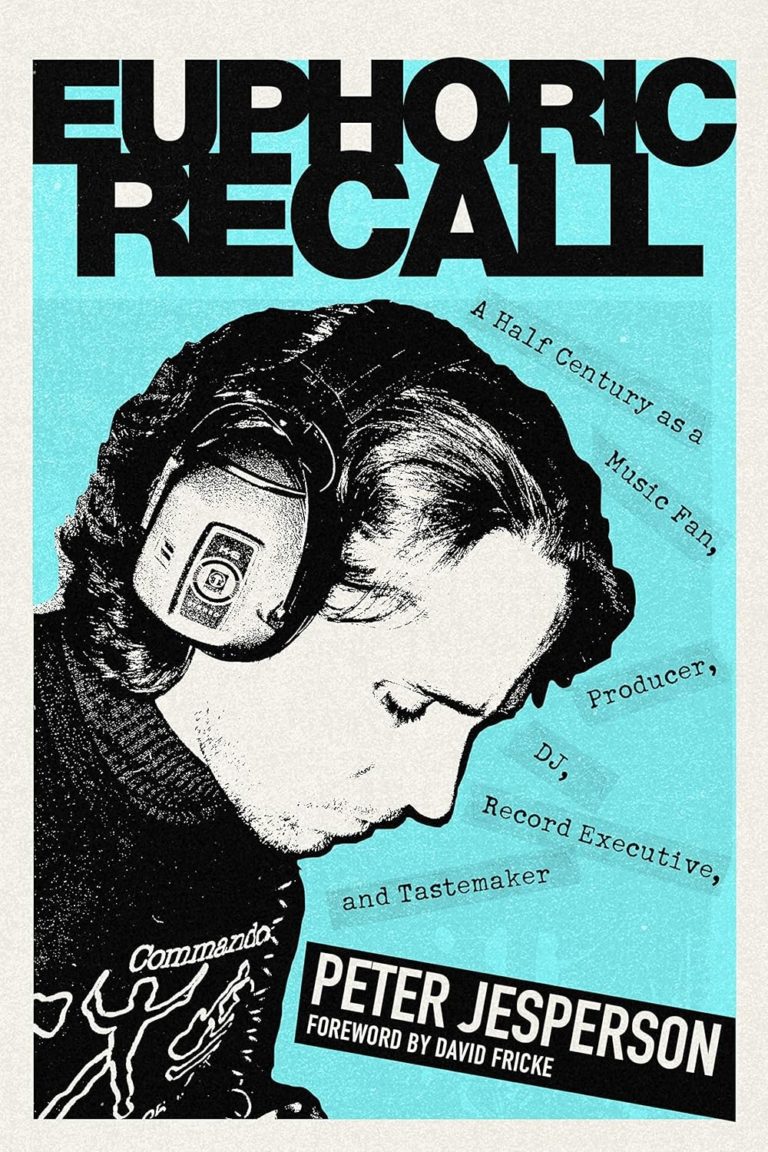
My Next Read: “Euphoric Recall: A Half Century as a Music Fan, Producer, DJ, Record Executive, and Tastemaker” by Peter Jesperson

0

Record executive, producer, band manager, club DJ, booking advisor, record store manager—few people had as deep an impact on the Twin Cities alternative and indie rock scene as Peter Jesperson.

A passionate music fan since his early childhood, Jesperson found his way into Minneapolis’s burgeoning music world of the 1970s and followed a path that put him at the center of the scene as it grew and blossomed. Beginning with his time working at the legendary Oar Folkjokeopus record store, Jesperson helped shape the tastes of local music fans and foster the Twin Cities as a destination for touring acts from around the globe. His tastemaker role continued while he worked as a DJ and booking assistant at Jay’s Longhorn bar, the landmark venue that elevated the Twin Cities’ reputation as a mecca for left-of-center artists. In 1977, Jesperson, along with two partners, founded Twin/Tone Records, which over the next 20 years released more than 300 records, including by such groundbreaking artists as the Replacements, the Suburbs, Soul Asylum, Babes in Toyland, the Jayhawks, and many more. With Twin/Tone, Jesperson further solidified Minnesota’s place on the map as a hotbed of musical creativity and a leader in the indie music world. Just three years after starting Twin/Tone, Jesperson made the discovery that changed his life, and the Minneapolis music world, forever: the Replacements. As A&R man and then full manager, he guided the development of this talented and out-of-control foursome, while taking a break to road-manage an upcoming sensation out of Athens, Georgia: R.E.M. But as his career was on the rise in the wild ’80s, Jesperson began his own descent into substance abuse, until he overcame his demons and launched a second act in the industry.

In Euphoric Recall, Jesperson speaks frankly about his struggle with drugs and alcohol, and how it nearly derailed his career and his life. Motivated by his love of music, Jesperson rallied to pick up where he left off with Twin/Tone and the Replacements before heading west to begin the next phase of his career in Los Angeles. While working alongside such noteworthy artists as Dwight Yoakam, Kris Kristofferson, Vic Chesnutt, and Steve Earle, Jesperson experienced firsthand the dramatic changes in the music industry of the 1990s. Through it all, he has retained his passion for the industry and the art, and now, after a half-century in the music business, Jesperson shares his insights, anecdotes, and lessons from his unique vantage point.