Home Blog Page 1079

Totally Tubular Festival Returns for Summer 2025 with Right Said Fred, Men Without Hats, and More

0

Following last year’s successful run, the 80’s New Wave tour TOTALLY TUBULAR FESTIVAL announces its return this summer and features artists that exploded in the pop culture zeitgeist in the 1980’s thanks mainly to the high rotation of their music videos on MTV. These artists have enjoyed a steady rise in popularity in recent years, with their music having a lasting impact. Tour creator and JPA agency founder Jon Pleeter calls the TOTALLY TUBULAR FESTIVAL “the best ‘80s party on the planet. The audiences last year fully embraced the spirit of the tour and were wildly enthusiastic. The party continues this summer.”

The 2025 tour launches June 27 in San Jose, CA and runs through July 24 in Indianapolis, IN. The lineup is RIGHT SAID FRED, MEN WITHOUT HATS, HAIRCUT100, THE TUBES (7/10 – 7/24), THE MOTELS, ANIMOTION (6/25 – 7/5, 7/10 – 7/24), THE ESCAPE CLUB (6/25 – 7/5, 7/10 – 7/24), and MUSICAL YOUTH (who don’t appear on the 7/6, 7/13, and 7/18 stops). Men Without Hats and The Tubes return to the tour this year while some artists, such as show closer Right Said Fred, have not toured the U.S. since the early 90’s.

TOTALLY TUBULAR FESTIVAL will expand into new cities such as Anaheim, CA, Virginia Beach, VA, Bethlehem, PA, Huber Heights, OH, and Indianapolis, IN. and will keep its popular compact set times highlighting each artist’s major hits. The tour will also offer an expanded merchandise line at shows and online, including limited edition/collector’s items. Tickets go on sale this Friday, January 31 at 10am local time. Head here for more information on tickets.

A portion of proceeds from ticket sales will go towards food banks locally in each market.

The TOTALLY TUBULAR FESTIVAL 2025 tour dates are:
6/27 – San Jose, CA – San Jose Civic
6/28 – Anaheim, CA – House of Blues
6/29 – Phoenix, AZ – Arizona Financial Theatre
6/30 – Los Angeles, CA – YouTube Theatre
7/3 – Denver, CO – Paramount Theatre
7/5 – Dallas, TX – Pavilion @ Toyota Music Factory
#7/6 – Houston, TX – House of Blues
^7/10 – Virginia Beach, VA – The Dome
^7/11 – Raleigh, NC – Red Hat Amphitheatre
^7/12 – New York, NY – Hammerstein Ballroom
&^7/13 – Atlantic City, NJ – Hard Rock Live at Etess Arena
^7/16 – Boston, MA – MGM Music Hall
^7/17 – Bethlehem, PA – Wind Creek Events Center
&^7/18 – Rama, ONT – Casino Rama
^7/19 – Cincinnati, OH – Riverbend Music Center
^7/20 – Detroit, MI – Meadow Brook Amphitheatre
^7/22 – Huber Heights, OH – Rose Music Center @ The Heights
^7/24 – Indianapolis, IN – Everwise Amphitheatre
# Houston lineup is: Right Said Fred, Men Without Hats, Haircut 100, and The Motels
^ Includes: The Tubes
& Musical Youth does not appear

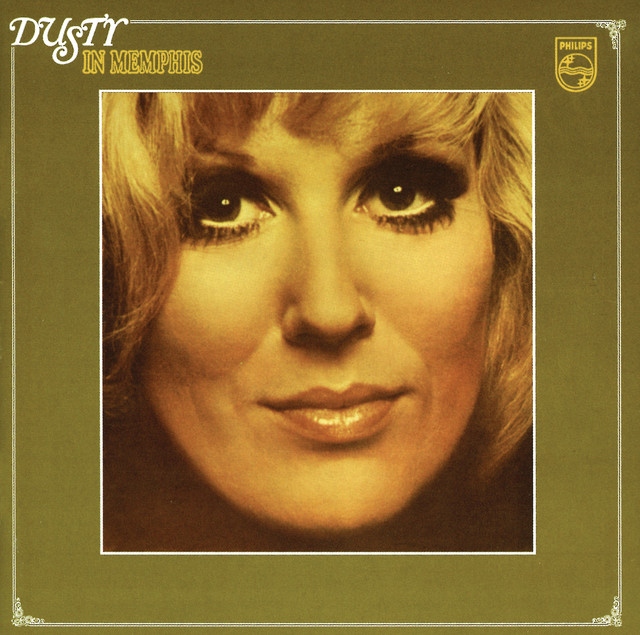
5 Surprising Facts About Dusty Springfield’s “Dusty In Memphis”

A landmark moment in music history, Dusty Springfield’s Dusty in Memphis was released in 1969, blending Southern soul with sophisticated pop, featuring Springfield’s velvet vocals backed by some of the era’s most renowned musicians. Although it wasn’t an instant commercial success, its influence and acclaim have only grown over time, earning its place among the greatest albums ever recorded. Here are five fascinating facts about a must-have place in your record collection.

1. The Album Almost Didn’t Happen Due to Song Selections

Dusty Springfield was notoriously meticulous when it came to choosing songs for Dusty in Memphis. Out of the dozens of demos submitted by Atlantic Records, she initially rejected nearly all of them, leaving producer Jerry Wexler frustrated. Springfield later clarified that she only approved “Son of a Preacher Man” and “Just a Little Lovin’” from the original batch. Her high standards, though challenging for Wexler, resulted in a carefully curated tracklist that perfectly balanced pop sophistication with soulful grit.

2. “Son of a Preacher Man” Was Meant for Aretha Franklin

The album’s standout track, “Son of a Preacher Man,” wasn’t originally intended for Dusty Springfield. Written for Aretha Franklin, the song was passed to Springfield when Franklin turned it down. After Springfield’s version became a hit, Aretha recorded her own rendition in 1969, but it’s Dusty’s sultry interpretation that remains the definitive version, earning her a top-10 UK hit and one of her most iconic performances.

3. Led Zeppelin Owes Its Atlantic Records Deal to Dusty

During the Dusty in Memphis sessions, Springfield suggested to Atlantic Records executives that they sign a then-unknown band called Led Zeppelin. She had worked with bassist John Paul Jones in the past and trusted his talent. Acting largely on her recommendation, Atlantic offered the group a $143,000 advance—a significant sum at the time.

4. Dusty’s Vocals Were Recorded Far From Memphis

Although the album’s title emphasizes Memphis, Springfield recorded most of her final vocals in New York City. Initially uneasy about recording in the legendary American Sound Studio, where soul greats like Wilson Pickett and Aretha Franklin had worked, Dusty opted to complete her parts later in a more familiar environment. This separation of rhythm tracks and vocals is a testament to her perfectionism and her drive to ensure every detail was just right.

5. It Took Decades for the Album to Get Its Due Recognition

Despite the brilliance of Dusty in Memphis, it was a commercial disappointment upon its release. However, time has proven its greatness. The album has since been inducted into the Grammy Hall of Fame and preserved by the Library of Congress for its cultural and historical significance. Rolling Stone ranked it among the greatest albums of all time, and it’s now celebrated as Dusty Springfield’s magnum opus.

Dusty in Memphis remains a blueprint for future artists looking to blend pop and soul, and an enduring work of art that captures the magic of Dusty Springfield’s voice and vision. Whether it’s the iconic “Son of a Preacher Man” or the lush orchestration woven throughout, every track is a masterclass in emotional storytelling. As its legacy grows, so does our appreciation for Springfield’s fearless artistry and the team of legends who helped bring this masterpiece to life.

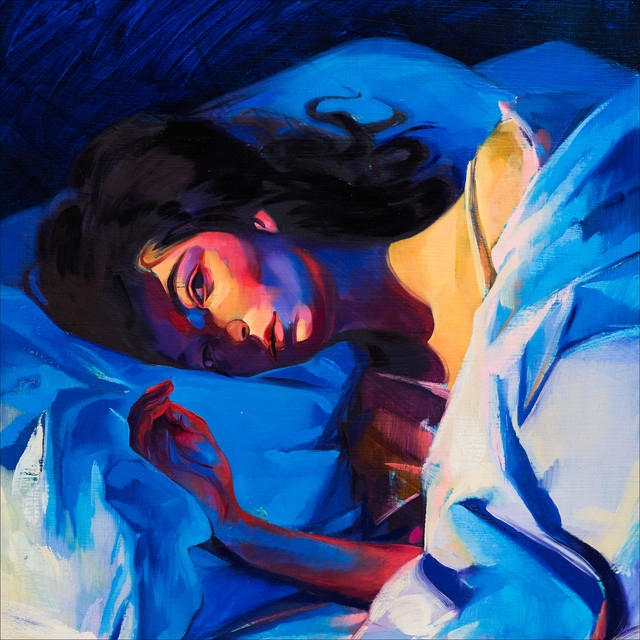
5 Surprising Facts About Lorde’s “Melodrama”

Lorde’s Melodrama was an emotional whirlwind of heartbreak, solitude, and self-discovery. Released in 2017, it marked a bold evolution in her artistry, diving into lush, maximalist soundscapes with Jack Antonoff by her side. While it’s celebrated for its universal acclaim and chart-topping success, there are fascinating details behind its creation that remain under the radar. Here are five lesser-known facts about this electrifying masterpiece.

1. The Album’s Title Was Inspired by Greek Tragedies

Lorde has a knack for weaving literary and cultural references into her work, and Melodrama is no exception. The album title reflects her love of theater and Greek tragedies, capturing the emotional extremes of youth—intensity, heartbreak, and euphoria. She imagined the album as a grand performance, with each song representing a scene in a larger narrative. This theatrical flair underscores the “all or nothing” emotional stakes she faced as a 20-year-old, making the title both personal and universal.

2. Her Synesthesia Shaped the Album’s Sound and Colors

Lorde’s synesthesia, a condition where she perceives sound as color, played a pivotal role in Melodrama’s creation. Each song on the album was meticulously color-coded on a wall in her New Zealand home, where she arranged tracks by their emotional and thematic hues. For instance, “Green Light” was vibrant and electric, while “Liability” carried softer, melancholic shades. This visual approach helped her craft a cohesive narrative, making the album a multi-sensory experience for listeners.

3. The Cover Art Was Painted by a Rising Star in Fine Art

The striking cover of Melodrama was painted by American artist Sam McKinniss, who Lorde specifically sought out after seeing his portraits of Prince and Lil’ Kim. The painting, which captures a restless, dreamy energy, was based on a photo session in a high-rise New York City studio. McKinniss created two versions of the artwork, but Lorde chose the one with a warm flush on her cheek, feeling it perfectly encapsulated the vibrant yet intimate mood of the album.

4. Paul Simon and MDMA Were Major Influences

While heartbreak and isolation defined Melodrama’s lyrical themes, its sonic palette was shaped by some unexpected sources. Lorde often listened to Paul Simon’s Graceland for inspiration during long taxi rides, drawn to its sense of enlightenment after loss. Additionally, in a 2021 interview, she revealed that experimenting with MDMA influenced the album’s emotional catharsis and euphoric highs. The result is a record that oscillates between vulnerability and exhilaration, mirroring her personal journey.

5. “Green Light” Almost Didn’t Make It to the Album

Despite being the album’s lead single and a fan favorite, “Green Light” faced an uphill battle during its creation. The track took 18 months to complete, as Lorde and Jack Antonoff struggled to refine its unique structure and “strange” melodic shifts. Even Swedish hitmaker Max Martin questioned its potential as a pop song. However, Lorde stuck to her instincts, embracing its unpredictability as a reflection of her post-breakup emotions. Today, it stands as one of her most iconic tracks.

Charting the highs and lows of growing up and breaking free, Melodrama only deepens Lorde’s artistry and vision. It would 4 years before her next release, Solar Power capturing the ability to escape, and shunning celebrity culture entirely.

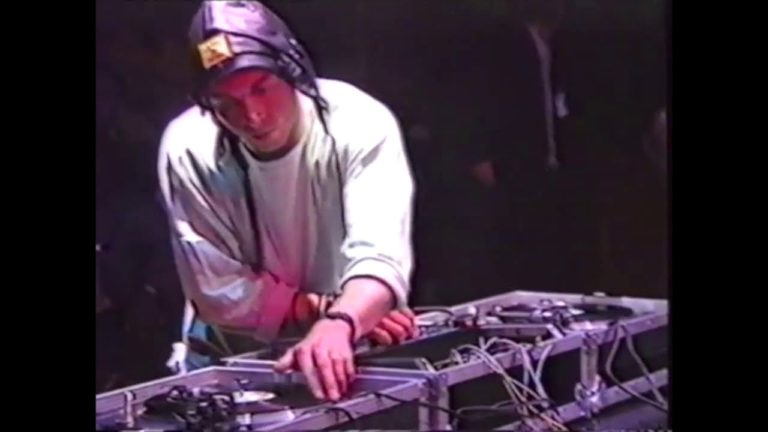
Watch Chad Jackson Takes the Crown At The 1987 DMC World DJ Championships

0

The DMC World DJ Championships, launched in 1985, quickly became the gold standard for competitive DJing. In 1987, DJs from around the world gathered at London’s iconic Royal Albert Hall for six minutes of turntable mastery. Sponsored by Technics, the night belonged to Chad Jackson, who took home the title and cemented his place in DJ history.

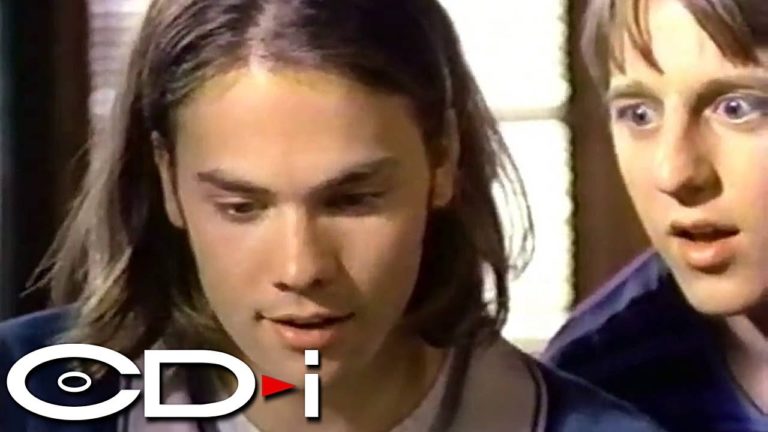
The 1995 Infomercial That Tried to Sell Us the Future: The Phillips CD-i Entertainment System

0

In 1995, the Phillips CD-i entertainment system aimed to revolutionize home entertainment, and what better way to showcase its potential than with an infomercial? Packed with bold claims about interactive gaming, movies, and educational software, this forgotten gem of ’90s marketing dared to ask: “Why settle for less when you can have it all?”

Cass Elliot’s Don’t Call Me Mama Anymore Is The TV Special That Redefined a Legend

0

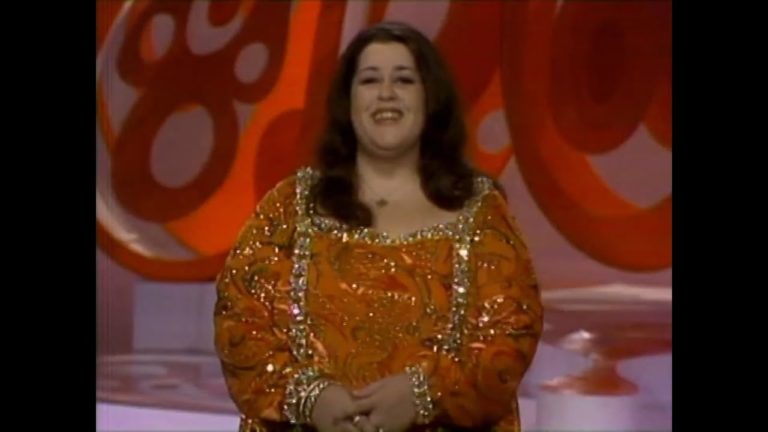
In September 1973, Cass Elliot shed the “Mama Cass” image forever with Don’t Call Me Mama Anymore, a groundbreaking television special tied to her live album of the same name. Packed with old standards, fresh songs, and vibrant performances, the special showcased Elliot’s move into the cabaret circuit, proving she was more than a pop icon—she was an unstoppable force of reinvention.

MTV’s 2nd Annual New Year’s Eve Bash With Duran Duran, A Flock Of Seagulls, Debbie Harry And More

0

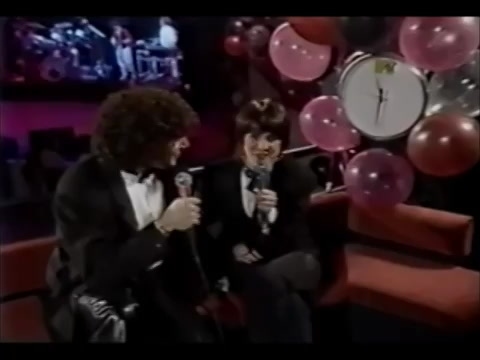
MTV’s 2nd Annual New Year’s Eve Bash on December 31, 1982, was a who’s-who of ‘80s icons and unforgettable performances. From Duran Duran to Debbie Harry, Ronnie Wood to A Flock of Seagulls, it was the ultimate celebration of music, glam, and rock ‘n’ roll as MTV rang in the new year in epic style.

New Year’s Rockin’ Eve 1979: A Star-Studded Celebration With Chuck Mangione, Village People, Tanya Tucker, Rick James, Barry Manilow

0

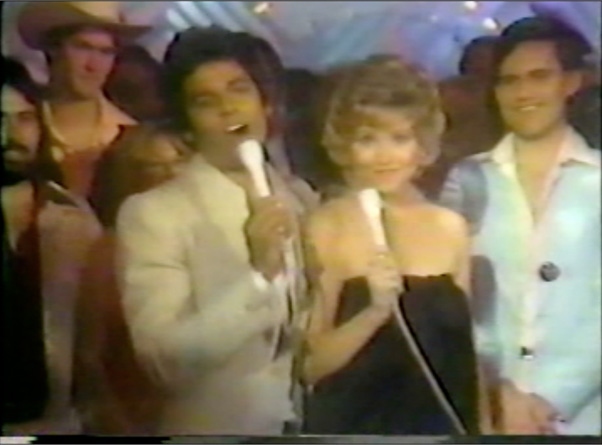
New Year’s Eve, 1979. The world danced its way into a new decade with Dick Clark’s New Year’s Rockin’ Eve, showcasing Chuck Mangione, Village People, Tanya Tucker, Rick James, Barry Manilow, and Erik Estrada. The music, the vibes, the energy—it was the perfect way to say goodbye to the ’70s in style!

Chicago, The Beach Boys, and More: The Star-Studded Lineup That Rocked New Year’s Eve 1974

0

On December 31, 1974, Dick Clark’s New Year’s Rockin’ Eve brought the ultimate lineup to ABC’s late-night block: Chicago, The Beach Boys, The Doobie Brothers, Herbie Hancock, and Olivia Newton-John. Chicago’s “Wishing You Were Here” was still climbing the charts, and the Beach Boys joined them for an unforgettable live moment. The night also gave us The Beach Boys’ iconic “Good Vibrations” and “Darlin'”—with Chicago’s horn section adding even more magic. What a way to ring in the new year!

How to Get the Best Hits From Your Weed Vape

0

By Mitch Rice

Vaporizing cannabis offers a smoother and more efficient way to consume THC and CBD compared to traditional smoking methods. However, achieving the best hits from a weed vape requires an understanding of vaporizer mechanics, optimal temperature settings, inhalation techniques, and proper maintenance.

For those who prefer a disposable vaping option with convenience, Best 1500 Puff Disposable Vape provides a great alternative. While dry herb vaporizers offer enhanced control over temperature and vapor quality, disposable vapes are hassle-free and ideal for on-the-go use.

This guide provides an in-depth approach to maximizing vapor production, flavor, and potency while ensuring a premium vaping experience.

Understanding How a Weed Vape Works

A weed vape heats cannabis to a specific temperature, turning cannabinoids and terpenes into inhalable vapor without combustion. Unlike smoking, which burns plant material at high temperatures, vaporization preserves the chemical integrity of cannabis compounds, resulting in a cleaner and more controlled experience.

Types of Weed Vaporizers

  • Conduction Vaporizers: Heat the material through direct contact with a heated surface. These devices offer fast heating but require precise packing and stirring to prevent uneven vaporization.
  • Convection Vaporizers: Use hot air to evenly heat cannabis, providing smoother and more flavorful vapor. These devices tend to be more efficient but require longer heat-up times.
  • Hybrid Vaporizers: Combine both conduction and convection heating methods to balance efficiency, vapor quality, and ease of use.

Choosing the right type of vaporizer impacts the strength, density, and consistency of vapor production.

Selecting the Best Cannabis for Vaporization

The quality and composition of cannabis play a significant role in determining vapor potency. Certain strains, moisture levels, and grind consistencies enhance the overall experience.

Key Factors for Optimal Vapor Production

  • Cannabis Strain: High-THC strains, such as Gorilla Glue or Girl Scout Cookies, produce stronger psychoactive effects, while CBD-rich strains offer therapeutic benefits.
  • Moisture Content: Cannabis that is too dry burns quickly and produces harsh vapor, while overly moist material may not vaporize efficiently. Ideal moisture levels range between 8-12%.
  • Grinding Consistency: A medium to fine grind increases the surface area, ensuring even vaporization. Overly fine grinding can restrict airflow, leading to poor vapor production.

Optimizing Temperature Settings for Maximum Hits

Temperature settings significantly affect the extraction of cannabinoids and terpenes, impacting both potency and flavor.

Ideal Temperature Ranges for Vaporization

  • Low Temperature (320–350°F / 160–177°C): Preserves terpenes, providing enhanced flavor and a mild psychoactive effect.
  • Medium Temperature (350–390°F / 177–199°C): Balances flavor and potency, producing dense clouds and strong effects.
  • High Temperature (390–430°F / 199–221°C): Maximizes THC extraction, generating intense hits with fewer terpene flavors.

Adjusting the temperature according to preference enhances the vaping experience by balancing vapor smoothness and cannabinoid effectiveness.

Properly Packing and Loading the Vape Chamber

How cannabis is packed into the vaporizer chamber influences airflow, heat distribution, and vapor density.

Best Practices for Packing a Vape

  • Loosely Packed Material: Ensures proper airflow and even heat exposure, preventing excessive draw resistance.
  • Moderate Packing Density: Creates a balance between airflow and heat retention, allowing for optimal vapor production.
  • Avoid Overpacking: Compressing the material too tightly restricts airflow, reducing vapor output and causing uneven heating.

Some vaporizers, especially convection models, benefit from occasional stirring to maintain consistent heating throughout the session.

Inhalation Techniques for Stronger Vapor Production

Proper inhalation techniques optimize the amount of vapor produced and enhance cannabinoid absorption.

Effective Draw Methods

  • Slow, Steady Draws: Gradually pulling vapor allows more cannabinoids to be absorbed into the lungs, producing smoother and more potent hits.
  • Direct-Lung Hits: Inhaling deeply and directly into the lungs maximizes vapor intake, resulting in stronger effects.
  • Mouth-to-Lung Technique: Holding vapor in the mouth before inhaling enhances flavor but may produce lighter hits.

Experimenting with inhalation methods helps refine personal vaping preferences for an optimal experience.

Maintaining a Vaporizer for Consistent Hits

Regular maintenance prevents residue buildup, which can restrict airflow, alter flavor, and reduce vapor quality.

Cleaning and Maintenance Tips

  • Chamber Cleaning: Remove residue after each session using a brush or cotton swab with isopropyl alcohol.
  • Mouthpiece Cleaning: Prevent airflow obstructions by soaking removable parts in warm water or alcohol solution.
  • Filter and Screen Replacement: Ensure smooth airflow by replacing clogged or worn-out filters.

Neglecting maintenance can cause a decline in vapor quality, making frequent cleaning essential for sustained performance.

Troubleshooting Weak Vapor Production

Several factors can affect the strength and density of vapor. Identifying and resolving these issues enhances the vaping experience.

Common Causes and Solutions

  • Low Battery Power: Ensure the vaporizer is fully charged or replace depleted batteries.
  • Improper Packing: Adjust the grind consistency and chamber loading to optimize airflow.
  • Clogged Airflow Path: Clean the mouthpiece, screens, and vapor path regularly.
  • Temperature Misconfiguration: Experiment with different temperature settings to find the optimal range for vapor production.

Understanding these troubleshooting methods ensures a consistently powerful vaping session.

Advanced Techniques to Enhance Vapor Hits

For users seeking to maximize vapor intensity and potency, advanced methods can further enhance performance.

One popular approach among vape enthusiasts is using high-capacity devices that offer extended sessions. For instance, if you enjoy long-lasting vaping experiences, the Hayati Shisha Vape 15000 is an ideal option. It provides a smooth and flavorful experience, similar to high-quality dry herb vaporizers but with added convenience.

Conclusion

Optimizing a weed vape requires selecting high-quality cannabis, adjusting temperature settings, employing proper inhalation techniques, and maintaining the device for consistent performance. By understanding the intricacies of vaporization, users can achieve more potent and flavorful hits, ensuring a superior vaping experience.

Data and information are provided for informational purposes only, and are not intended for investment or other purposes.