Home Blog Page 11

Hardcore Legends Converge Unleash Second 2026 Album ‘Hum of Hurt’ on Deathwish / Epitaph

0

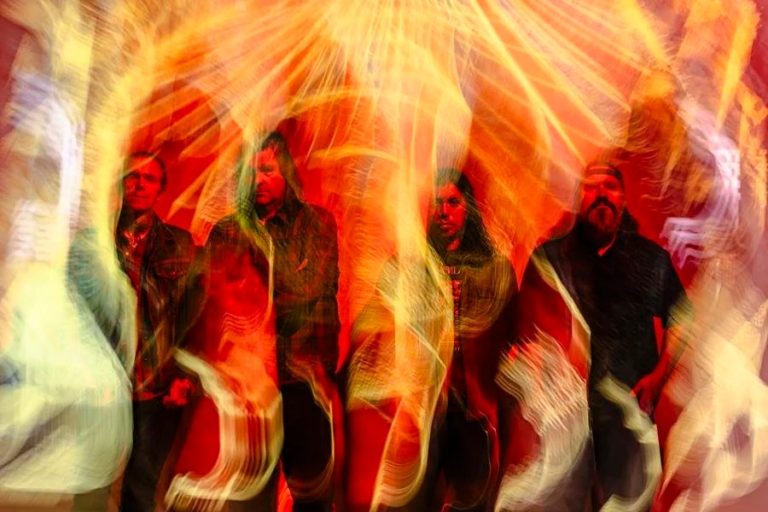
Converge are not in the habit of slowing down. The hardcore icons have released ‘Hum of Hurt’ via Deathwish / Epitaph, their second full-length of 2026 and a companion to this year’s earlier ‘Love Is Not Enough.’ Both records grew from the same burst of creativity, and both deliver a bleak yet empathetic look at the human condition and its slow unraveling.

The two albums came from one prolific writing stretch. “When we came together to write, we ended up with a wealth of material,” frontman Jacob Bannon says. “As work progressed we realized we had created two separate albums, and treated them as such.”

Bannon is clear that this is no follow-up record. “It’s not a sequel,” he explains. “The unifying musical idea early on was, ‘Let’s make a noise rock album.’ But we never really did. The first one wasn’t. This one touches on that spirit, but it’s much more dynamic than that descriptor. To me, it leans more into being an emotional hardcore album, while ‘Love Is Not Enough’ feels more metal leaning. In the end, we simply gave creative birth to another Converge record with its own unique identity and character.”

The album wastes no time. Opener “Slip the Noose” erupts with a furious cannonade from drummer Ben Koller before tearing into a short, grinding frenzy that would feel right at home on ‘Jane Doe.’ It’s a visceral reminder of why this band remains untouchable in their lane.

From there, “Doom in Bloom” pits Kurt Ballou’s spiky riffs against Nate Newton’s bass and Koller’s drums while Bannon screams himself raw. “Dream Debris” takes the opposite route, a doomy epic born from a single bass note that swells into a booming crescendo. “It has a lot of twists and turns, yet starts off incredibly simple,” Bannon says of the track. “It was just so heavy, encapsulating everything we wanted in the song.”

The lyrics turn the lens inward throughout. On the menacing “Detonator,” Bannon delivers a line built to linger, “There’s nothing to win if there’s no one to lose.” The title track stands as one of the most propulsive and emotional songs of the band’s career, with Bannon weighing the cost of a life given to art. “I’ve given 35 years of my life to creating art and music,” he reflects. “These lyrics are me looking in a mirror, recognizing that I am not the man I want to be. I need change, and still have work to do.”

The record also includes a fresh rendition of “I Won’t Let You Go,” originally cut for the 2020 video game Cyberpunk 2077. Bannon felt the first attempt left something on the table, and this version finally gets it right. Critics have already lined up behind the album, with Kerrang! calling it a remarkable equal to its predecessor and Metal Hammer noting that Converge never miss.

The band heads to Europe this summer for a run of festival dates and headline shows.

Hum of Hurt Track List:

Slip The Noose

Doom In Bloom

It Only Gets Worse

Detonator

I Won’t Let You Go

It’s Not Up To Us

Dream Debris

It Used To Matter

Hum Of Hurt

Nothing Is Over

2026 Tour Dates:

Jun 25 — Ysselsteyn, NL — Jera on Air

Jun 26 — Rennes, FR — Superbowl of Hardcore

Jun 27 — Manchester, UK — Outbreak Festival

Jun 28 — Antwerp, BE — Kavka Zappa ^

Jun 29 — Cologne, DE — Essigfabrik ^

Jul 01 — Trutnov, CZ — Obscene Extreme Festival

Jul 02 — Vienna, AT — Arena ^

Jul 03 — Milan, IT — Circolo Magnolia ^

Jul 04 — Viveiro, ES — Resurrection Fest

^ with Heriot, Boneflower, Crouch
Afro-Fusion Star Ayra Starr Trades Glamour for Raw Vocals at NPR’s Tiny Desk

0

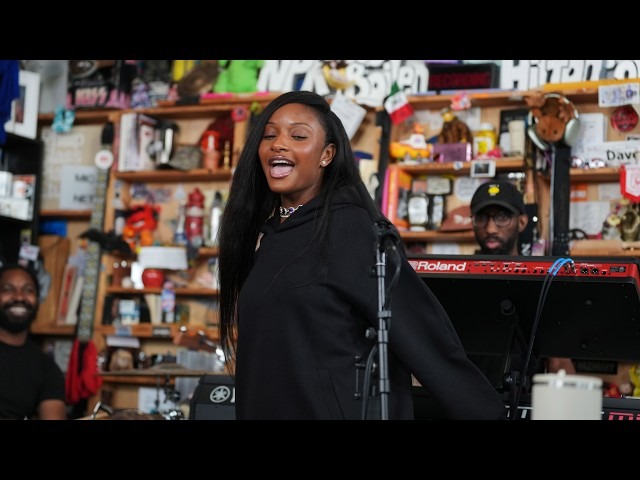
Ayra Starr has dreamed of playing the Tiny Desk since she was 14, and when the day finally came, she stripped everything back to let her voice do the talking. The Nigerian Afro-fusion star swapped her signature “Fashion Killer” glamour for a simple black sweatsuit, arriving with a tight band and a setlist balanced almost to perfection, a discipline she credits to her Nigerian roots. The performance moved through dreamy soundscapes and high-energy grooves, with a sultry run of “Gimme Dat,” “Who’s Dat Girl” and the then-unreleased “Tornado” from her upcoming album ‘Starrgirl,’ showing off the versatility that’s made her one of global pop’s most exciting young voices. By the close she pulled back the popstar persona entirely, offering the faith-infused “Amin” and “Orun” as a glimpse of the gratitude and perseverance that carried her this far.


Metal Innovator Ola Englund Unleashes Riff-Heavy New Single “The Ember Saga”

0

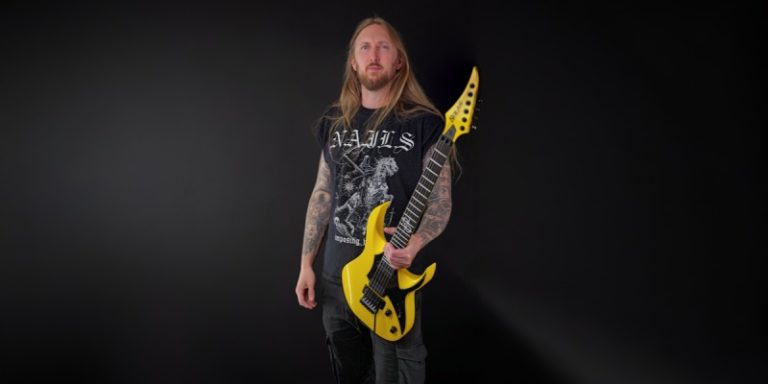
Ola Englund is thinking big. The Swedish guitarist, producer and metal innovator has released “The Ember Saga,” the first single and video from his forthcoming solo album ‘The Neverending Story,’ due October 15, 2026. The track wastes no time announcing its ambitions, drawing on classic fantasy adventures, retro gaming, cinematic soundtracks and heavy riff-driven metal.

The response from metal media has been immediate. Outlets including BraveWords, Burn, Lambgoat, Metal Anarchy, Metal War, Eternal Terror, The Metal Mag and The Metallist have all picked up the song, helping carry it to fans worldwide. The Metal Mag went furthest, calling the upcoming album a masterpiece that will leave a trace in music history while singling out its powerful riffs, melodic depth and world-class musicianship.

“Inspired by classic fantasy adventures, retro gaming, cinematic soundtracks and heavy riff-driven metal, ‘The Ember Saga’ sets the tone for what is by far my biggest and most ambitious solo album to date,” Englund says.

The guest list reflects that ambition. ‘The Neverending Story’ features a guest solo from legendary guitarist Jeff Loomis on “World Rift,” alongside Johan Niemann on bass and Jon Skäre of Delta Empire on drums. Jocke Skog handled mixing and mastering, with artwork by Sylvain Lucchina. The melodic firepower on display here makes a strong case that this is Englund’s most exciting solo statement yet.

Englund’s footprint on modern metal reaches well beyond his own records. He founded Solar Guitars and has played with influential acts like The Haunted, Six Feet Under and his own project Feared. His standing in the community has put him among elite company, earning a Grammy nomination and a spot on the shortlist as a potential guitarist for the Pantera reunion.

He’s also one of the most-watched guitar personalities online, with a YouTube channel of gear demos, reviews and trademark humor that has pulled in hundreds of millions of views. That digital reach fed directly into the Escape The Internet project, a collaboration with Bernth, Mike Dawes and Charles Berthoud, and he’s toured with the likes of Accept along the way.

Looking ahead, the Escape The Internet Part 2 Tour returns in 2027, again pairing Englund with Bernth, Mike Dawes and Charles Berthoud for a run across Europe built around live performance, jaw-dropping musicianship and interactive fan experiences. VIP packages will include meet and greets, exclusive merch, early venue access and artist hangout experiences.

The Neverending Story Tracklist:

The Ember Saga

Game Over

The Astral Gate

Dogma Progma

The Guillotine

Means to an End

World Rift

The First of its Kind

Artax Reborn

Sun & The Moon Part 2

Emo Revivalists LOVELOST Bare Their Anxieties on New EP ‘Picking Petals By Your Graveside’

0

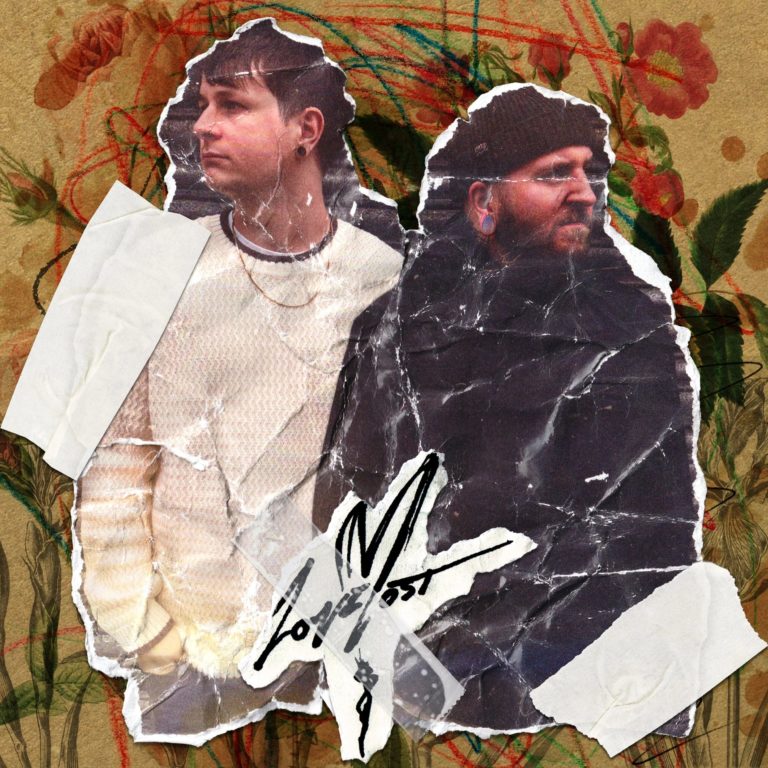
LOVELOST waste no time getting under your skin. The South West UK alternative rock outfit have put out their second EP, ‘Picking Petals By Your Graveside,’ via Year of the Rat Records, a follow-up to their 2024 debut ‘COLLAPSE.’

The band blend the nostalgic ache of old-school emo with a modern edge, landing on a sound that feels fresh and deeply emotive at once. That balance has earned them serious momentum in a short span, with support from BBC Radio 1, Kerrang!, Amazing Radio, RTÉ 2XM, Primordial Radio, Distorted Sound Magazine and plenty more, plus official playlist placement across Spotify, Apple Music, Deezer, Pandora and TIDAL. They’re also proud artist ambassadors for Fender, Zildjian and Shure.

The EP’s lead video, “Sitting On The Sidelines,” shows off a band willing to wrap heavy feelings in something that moves. Frontman Tobias Faulkner describes the track as the diary entry of an anxious pessimist who only wants to be something more.

“Hoping for the best, but only seeing the worst,” Faulkner explains. “A depiction of wishing your own naivety could create an ignorance that helps you get through the day, but with the reality being you can’t just ignore the thoughts in your head. Feeling like the world is against you, that the universe is doing all it can to get in the way of your happiness, or frankly, couldn’t care less about you. All of this, dressed up in an upbeat and fast paced oxymoron that is the instrumental behind, with a whole new twist on the sound LOVELOST has provided before.”

The contrast does the heavy lifting here, racing instrumentals carrying lyrics soaked in dread, and it gives the song a restless energy that pulls you right back in. It’s a confident step forward for a young band already turning heads.

Lady A Bring Back “This Winter’s Night Tour” With Ryman Double Header

0

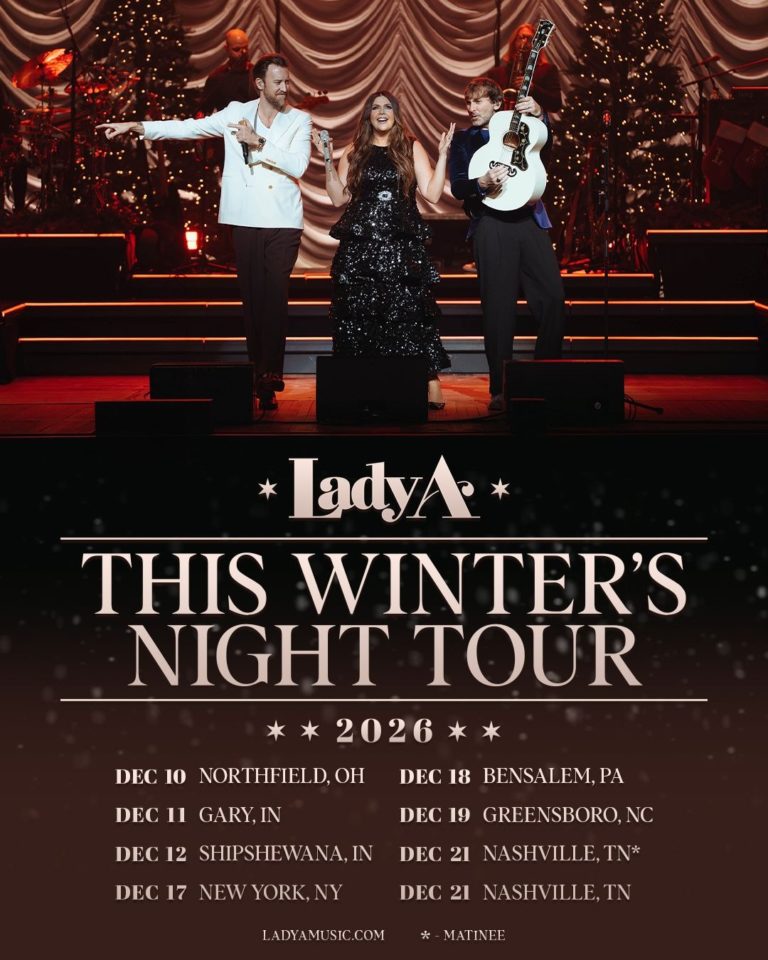
The holidays are coming early for Lady A fans. The multi-platinum, GRAMMY-winning trio has announced their This Winter’s Night Tour 2026, a December run that wraps with a double header at Nashville’s historic Ryman Auditorium. Tickets go on sale this Friday at LadyAMusic.com, with a Fan Club presale starting Wednesday.

The limited trek kicks off December 10 at Northfield Park Racino in Northfield, Ohio, and rolls through major cities including New York and Greensboro before the two Nashville shows on December 21. It marks the second year for the festive outing, after last year’s inaugural run that USA Today described as full of big, joyful moments paired with intimate sing-alongs and storytelling.

“Last year’s Christmas shows truly filled our hearts with the magic of the season,” shares Lady A’s Dave Haywood. “We had so much fun that we couldn’t imagine not doing it again. We can’t wait for everyone to come on out with their loved ones and let’s spread some holiday cheer together.”

The setlist leans on fan favorites from the group’s festive albums ‘On This Winter’s Night’ and the extended ‘Volume 2.’ Charles Kelley, Hillary Scott and Dave Haywood have built these shows around Christmas classics and holiday originals, and the warmth of those harmonies makes them perfect for the season.

The December dates cap a busy 2026. Lady A is headlining select shows through the summer and joining Tim McGraw’s Pawn Shop Guitar Tour 2026, where they’ll play iconic ballparks like Boston’s Fenway Park on July 30 and Minneapolis’ Target Field on August 23.

Built around rich vocal harmony, vivid emotional writing, and a smooth fusion of country, rock, and pop, Lady A has spent years as one of the 21st century’s premier vocal groups. As a country radio staple, the trio has racked up 11 number one hits and more than 9 billion global streams. Their 12X platinum smash “Need You Now” stands as the highest certified song by a country group, and they’ve earned ACM and CMA Vocal Group of the Year honors three years running, alongside seven GRAMMY Awards and a long list of other accolades.

This Winter’s Night Tour 2026 Dates:

12/10 – Northfield Park Racino – Northfield, OH

12/11 – Hard Rock Casino Northern Indiana – Gary, IN

12/12 – Blue Gate Performing Arts Center – Shipshewana, IN

12/17 – Beacon Theatre – New York, NY

12/18 – Parx Casino – Bensalem, PA

12/19 – Steven Tanger Center for the Performing Arts – Greensboro, NC

12/21 – Ryman Auditorium – Nashville, TN *Matinee

12/21 – Ryman Auditorium – Nashville, TN

Mike D 5D Drops Solo Debut ‘Thank You’ With “True Colors” Visualizer

0

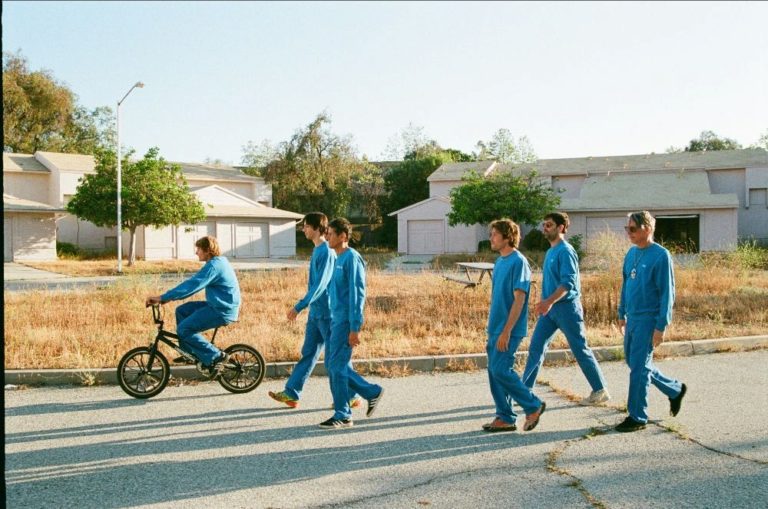
14 years after the last new music from a Beastie Boys alum, Mike D is stepping out on his own. The hip-hop icon will release Thank You, his debut album under the Mike D 5D banner, on August 28 via Capitol Records, marking the first full-length from a Beastie Boys member since 2011’s ‘Hot Sauce Committee Part 2.’ Pre-order here.

The announcement arrives alongside a visualizer for the darkly melodic “True Colors,” which you can watch now. It follows two earlier tastes of the record, the beat-driven collage of “Switch Up” and the bombastic, high-energy “What We Got.”

Thank You collects a dozen tracks of sonically inventive post-electronic grooves and hypnotic hooks, with Mike’s unmistakable voice guiding listeners through an aural playground that refuses to sit still in any one genre. The whole thing crackles with the kind of playful, exploratory spirit that made his original band such a force.

The album traces back to a run of zero-pressure experimental sessions at Mike’s home studio. Things started with his sons Skyler and Davis, the first of a growing cast that came to include Carter Lang, Jared Solomon, Ging, Jason Lader, Eddie Ruscha, Tyran Donaldson and more, recording across a variety of locations. That fluid, intuitive approach carries through to the eclectic artwork by visual collaborators Can Can Press, Thad Higa and Charles Deroyan.

“It’s been so much fun making this music with people I love and I have grown to really appreciate in our collaboration,” Mike D said. “And I just hope it’s fun for others and not overly serious, because let’s be real, I’m releasing this music into a very strange and dark and power-fixated world that really devalues art and feelings and compassion and empathy and equality.”

The album was mixed by Derek “MixedByAli” Ali and mastered by Nicolas de Porcel. Rolling Stone has praised the project for the punk energy that fueled his band’s early breakthrough, and Grimy Goods called the live experience a wild good time.

That live show has become its own phenomenon. The Mike D 5D band, featuring Mike, Skyler and Davis alongside Eddie Ruscha, Will Graefe and Milo Ruscha, has been selling out a string of intimate, non-traditional rooms, from a Malibu surf shop and a South Pasadena auditorium to a Brooklyn roller rink. The group is currently making its way through the UK and Europe, with a stop at Portola Music Festival in San Francisco still to come.

Thank You is available to pre-order now.

Track Listing:

Switch Up

What We Got

True Colors

That’s Right

Secrets Pt. I

Secrets Pt. II

I Don’t Care

Make It Stop

Crypto

Here We Are

Back To Start

It’s Time

Thank You

2026 Tour Dates:

June 10 — Saalchen — Berlin, Germany (SOLD OUT)

June 13 — Primavera Sound Festival — Porto, Portugal

June 14 — Beyond The Pale Festival — Wicklow, Ireland

June 16 — La 2 de Apolo Nitsa — Barcelona, Spain

June 18 — Blender at Bolwerk — Kortrijk, Belgium (SOLD OUT)

June 19 — De Casino — Sint-Niklaas, Belgium (SOLD OUT)

June 20 — Beyond The Streets — Paris, France

September 26 — Portola Music Festival 2026 — San Francisco, USA

Larry Delaney, the Voice of Canadian Country Music, Dies at 83

0

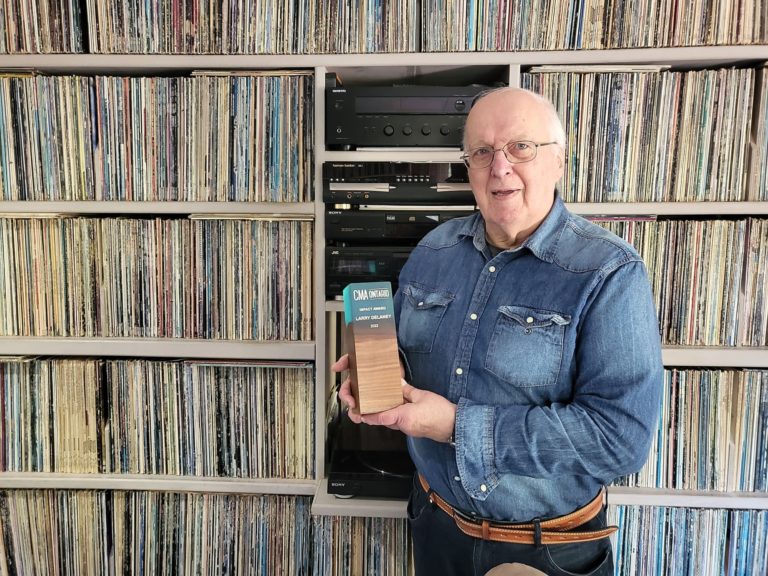
For more than three decades, anyone who wanted to know what was happening in Canadian country music turned to one man and one publication. Larry Delaney, the Ottawa journalist who founded, edited and published Country Music News, passed away peacefully on June 4, 2026, at the age of 83.

Born in Ottawa on August 30, 1942, Delaney spent his life in the city, eventually settling into the New Edinburgh home he shared with his wife Joanne, whom he married in 1964. He worked 26 years in the City of Ottawa’s finance department before turning his real passion into a vocation. In 1980, alongside local musician Neville Wells, he launched a modest publication called Capital Country News on a shoestring budget. Two years later it became Country Music News, and a Canadian institution was born.

The paper filled a gap nobody else would. Delaney built a network of reporters across the country, each filing monthly dispatches on the country happenings in their region. He added a Nashville report, in-depth CD reviews, feature articles, songwriter profiles, and his beloved “Top 100 Cancountry Hit Chart.” He even coined the word “Cancountry” itself. For Canadian artists who couldn’t get a column inch in their local papers, Country Music News was the one place that took them seriously, with a readership that stretched far beyond Canada’s borders.

His influence on careers was direct and lasting. He ran the first-ever cover story on Brett Kissel when the singer was just 14, walking into the office with his father. He hosted a young Johnny Reid, who sat down with a guitar and played him songs before the business had any idea who he was, and Delaney put him on a cover that helped open doors. Those stories multiplied across the years, because championing newcomers was the whole point.

The industry returned the affection many times over. Delaney was an eleven-time recipient of the CCMA’s Country Music Person of the Year award, a feat unlikely to be matched. His contributions were officially recognized in 1989 when he was inducted into the Canadian Country Music Hall of Fame. He and Joanne, who was beside him for every issue of Country Music News, were inducted into the Ottawa Valley Country Music Hall of Fame together in 1993. In 1996 he became the first recipient of the CCMA’s Stan Klees Hall of Honour Builder Award, an honour reserved for those held in the deepest respect across the industry.

Through all of it, Delaney’s greatest pride was his family. Friends remember his sharp wit, his encyclopedic musical knowledge, and a generosity that ran through everything he did. He was a devoted husband, father and grandfather who filled his home with warmth and humour.

He once explained the work simply, saying he never got into it to win awards, and that it was a case of loving what he did and never losing that love. That love is all over his legacy. Larry Delaney didn’t just cover the Canadian country music industry. He helped build it, one issue, one cover story, one believed-in newcomer at a time.

Larry is survived by his loving wife Joanne, his daughter Kenni-Jo (KJ), his son Kirk and daughter-in-law Kimberly, and his cherished grandchildren Kailee, Ashlee and Logan. The Canadian country community he spent his life documenting will carry his work forward.

Experimental Composer Jelle Dittmar Turns a Drain Pipe Into the Internet’s Most Unexpected Instrument

0

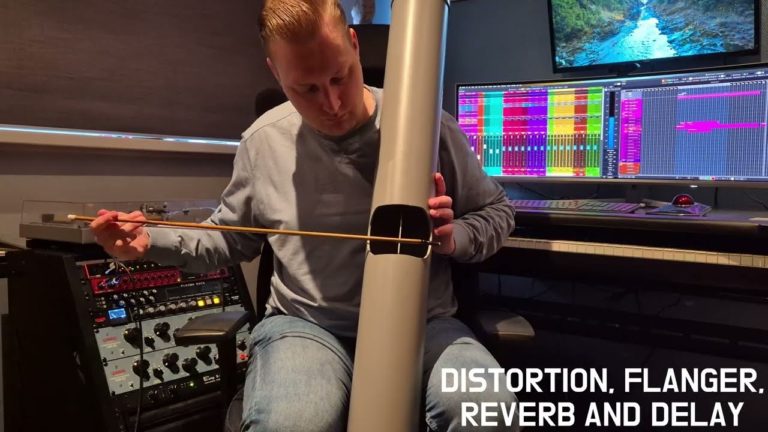
Sometimes the most fascinating musical instruments aren’t found in a music store. Dutch composer Jelle Dittmar has captured the imagination of hundreds of thousands of viewers with a custom-built instrument made from a double bass string stretched through a drainage pipe. In a short but unforgettable video, Dittmar demonstrates the eerie, cinematic sounds the creation can produce, first in its raw form and then layered with effects including reverb, delay, distortion, and flanger. The result is a deep, haunting drone that prompted viewers to compare it to the soundtracks of ‘Dune’, science fiction blockbusters, Viking epics, and dark fantasy films. Whether heard dry or fully processed in a mix, Dittmar’s unconventional creation is a reminder that musical inspiration can come from just about anywhere – even the plumbing aisle.

How Luke Combs Reframed Modern Country

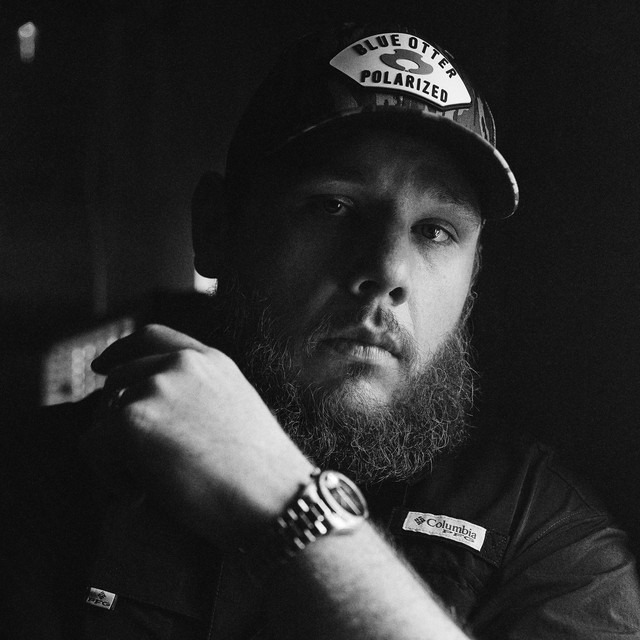
Picture the country charts back in 2016. Glossy pop crossovers were everywhere, tailgate anthems ruled the radio, and the sound coming out of Nashville was leaning further from the twang every season. Into that walked a bearded guy in a ballcap from North Carolina, singing in a thick baritone about heartbreak and beer and small towns, and somehow he became the biggest star the genre has produced in a generation. The way he did it tells you a lot about where country had wandered and what a huge chunk of its audience had been quietly hoping for.

Luke Combs grew up around Asheville, North Carolina, and started shaping his musical ambitions while he was at Appalachian State University, playing local bars with a sound soaked in traditional country. You can hear his record collection in everything he does. He came up on 90s country radio, and legends like Brooks & Dunn and Garth Brooks loom large over his whole approach. On an episode of the trivia show “Track Star” he rattled off artists across genres and lit up the second he heard Tim McGraw, an artist he called a staple of his childhood. That depth of knowledge isn’t a party trick. It’s the foundation everything else sits on.

What he built from those roots is what set him apart. His music fuses a love of classic country and Southern-fried soul, a blend inspired in part by modern mavericks like Eric Church and Chris Stapleton, with a hint of modern R&B layered underneath. That combination flourished on his ballads and made Combs stand apart from the slick country-pop crooners and the bro-country crowd, a distinction that helped him become a hit right out of the gate. Add in touches of Southern rock and a little bluegrass and you get a signature sound that felt like fresh air precisely because it sounded familiar.

The most important thing about Combs might be what he refused to do. He’s championed authentic storytelling and a more traditional country sound, often resisting the pop crossover trends that so many of his peers chased. In a Nashville built more and more around radio-friendly pop machinery, that was a genuine gamble. His success answered the question for good. His massive commercial run proved there’s a real appetite for that genuine approach, and it’s inspired a new generation of artists by showing that relatability and heartfelt lyrics can carry an artist all the way to global superstardom.

The hits make the case better than any think piece could. “Hurricane” arrived in 2016 and went straight to the top of the country charts. “Beautiful Crazy” turned a wedding-dance staple into a phenomenon. “Beer Never Broke My Heart” became a stadium singalong. Then his cover of Tracy Chapman’s “Fast Car” introduced a 1988 classic to a whole new audience and put Chapman back in the spotlight in a way nobody saw coming. Stack up the number one albums and the record-breaking radio runs, and you’re looking at one of the defining careers of the era.

Here’s the part that’s easy to miss. Combs reframed what a country superstar could be by leaning all the way into being ordinary, in the best sense of the word. His songwriting comes straight from his own life and the things he notices day to day, and he writes in plain, direct language instead of reaching for clever metaphor. The themes are the ones we all know, love and heartbreak and the slow ache of a small town you can’t quite leave behind. The ballcap and the beard and the boots became part of the appeal rather than a marketing costume. He’s been credited with helping bring a traditional country sound back to mainstream radio while still embracing modern production, and with his sold-out stadium tours and crossover reach, he represents the next wave of country icons.

What he leaves behind is bigger than a pile of platinum plaques. Younger artists cite him as an influence not just for the music but for how he built the whole thing, proving you don’t need to chase trends to win, you need to connect with people. In a genre that gets accused of following whatever’s hot, Combs offered a completely different blueprint, and it worked at the highest level imaginable.

He didn’t reinvent country music. He reminded it what it already was, then proved there was an enormous crowd waiting for someone to do it sincerely. That’s the quiet kind of reframing, the sort that doesn’t show up with a new subgenre or a flashy gimmick. It just moves the center of gravity. If you want a sense of where mainstream country is heading next, put on the artists following the Combs playbook and listen for the twang coming back.

Stacey King, Three-Time NBA Champion and Beloved Bulls Broadcaster, Dies at 59

0

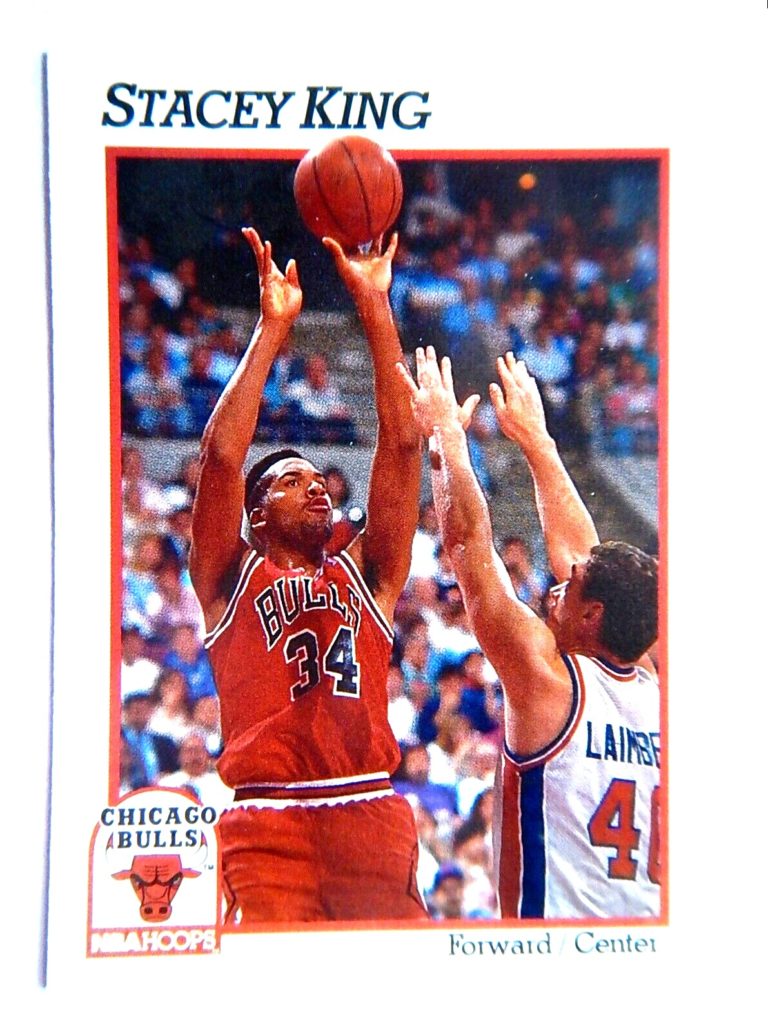
Stacey King spent his playing career standing next to greatness, and then he spent the rest of his life describing it to the rest of us. The three-time NBA champion and longtime Chicago Bulls broadcaster was found dead at his home in River Forest, Illinois on June 7, 2026, at the age of 59. Reports indicate he had fallen at home, with an autopsy still pending. For a generation of Bulls fans, his voice was the sound of basketball nights in Chicago.

An Oklahoma legend before the pros

Ronald Stacey King was born on January 29, 1967, in Lawton, Oklahoma, and came up through Lawton High School before heading to the University of Oklahoma, where he played from 1985 to 1989 under the head coach Billy Tubbs. His college career built to a remarkable crescendo. As a junior he led the Sooners to the 1988 national championship game, their first appearance in 41 years, and was named the tournament’s Most Valuable Player even in a loss to Kansas.

His senior year was the stuff of school history. King averaged 26.0 points, 10.1 rebounds and 2.3 blocks while shooting better than 52 percent, leading the Big Eight in scoring and blocks. He swept up the Big Eight Player of the Year award, consensus first-team All-American honors and The Sporting News Player of the Year. He still ranks among the top scorers and rebounders in Oklahoma history, and the program later honored his number 33.

A role player in the middle of a dynasty

The Chicago Bulls selected King with the sixth overall pick in the 1989 draft, and he played all 82 games as a rookie, earning a spot on the NBA All-Rookie Second Team. What followed was a lesson in the difference between college stardom and professional fit. The NBA writer Sam Smith viewed King as miscast on a Bulls roster already stocked with forwards Horace Grant and Scottie Pippen, and King himself recalled being unhappy at first with life as a role player before accepting the part for the sake of winning.

And win he did. King was a rotational piece during the Michael Jordan-led dynasty, collecting championships in 1991, 1992 and 1993, with a notable contribution to Chicago’s fourth-quarter comeback in Game 6 of the 1992 Finals. After Jordan’s first retirement, the Bulls traded King to the Minnesota Timberwolves in February 1994 for Luc Longley and a draft pick. His travels afterward took him through Miami, the CBA, a stint with the Dallas Mavericks and Boston Celtics, and overseas stops in Turkey and Argentina before his playing days wound down in 1999.

The second act that made him famous

For many fans, King’s biggest impact came after he stopped playing. He moved into coaching in the CBA, leading the Rockford Lightning to a finals appearance, then stepped away to spend more time with his children. He found his true calling in the broadcast booth, joining Comcast SportsNet as a studio analyst in 2004 and becoming the Bulls’ regular game broadcaster for the 2006–07 season.

By 2008 he was the lead color commentator, a role he held alongside Neil Funk and later Adam Amin, carrying it from Comcast SportsNet through to the Chicago Sports Network right up until his death. His popularity rested on an infectious enthusiasm, a gift for nicknames, and catchphrases that became part of the city’s basketball vocabulary. “Gimme the Hot Sauce” was the most famous of them. He christened Derrick Rose “the Windy City Assassin,” Kevin Huerter “Red Velvet” and Matas Buzelis “Lil Buzi Vert.” His calls of Rose’s highlight plays, in particular, became cherished pieces of Chicago sports memory.

A voice that became a fixture

There’s a particular kind of athlete who matters more for who they were around than for their own box scores, and King wore that role with humor and grace. He was never the full-time star the pros once projected, but he understood the game well enough to win three rings inside one of basketball’s great dynasties, and he loved it well enough to spend two decades helping a city fall in love with it all over again.

Stacey King is survived by the countless fans who grew up with his voice in their living rooms. If you’ve got a favorite Bulls memory from the last two decades, chances are good his call is part of how you remember it. Turn one on tonight and listen for the hot sauce.