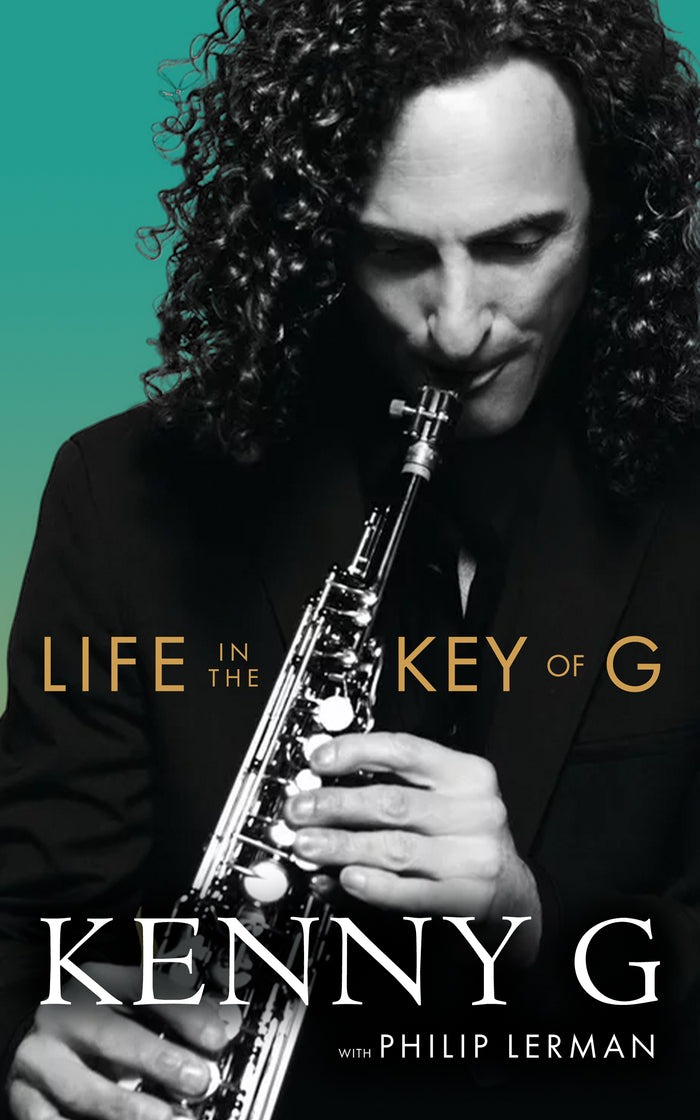
Kenny G—the incomparable musician with the straight sax, the flowing hair, and some of the most memorable melodies in history—reveals the man behind the music in this indelible, fascinating, and funny memoir.
He’s world renowned as the best-selling instrumentalist of all time, but there’s a lot about Kenny G that even his legions of devoted fans have never known—until now.
In honest and heartfelt prose, Kenny G shares how skinny Kenneth Gorelick, the kid who got hassled for his lunch money in a Seattle high school, became one of the most celebrated and revered virtuosos in the music industry. He uncovers how he’s managed to rise above the fray, tune out the critics, and live a life filled with happiness and humor.
Few people know of Kenny G’s musical roots as the sole white guy in one of the coolest funk bands of the seventies, or as the teenage backup musician for everyone from Barry White to Liberace. As an artist he’s dedicated to turning the next generation on to jazz heroes like Grover Washington, John Coltrane, and Stan Getz. A man who takes his music seriously but himself not so seriously, Kenny G lets readers behind the scenes to see how he creates his unique sound and unforgettable songs. Along the way, he offers life lessons in discipline, determination, and dedication.
Life in the Key of G leads readers on a tour of one of the great musical careers of the twentieth century, from the time he pulled a fast one on Johnny Carson’s Tonight Show—a bold gamble that launched his stardom—to famed duets with legends like Whitney Houston, Frank Sinatra, and more.
As Kenny G likes to say, “Try it. You’ll have the best sax you ever had.”
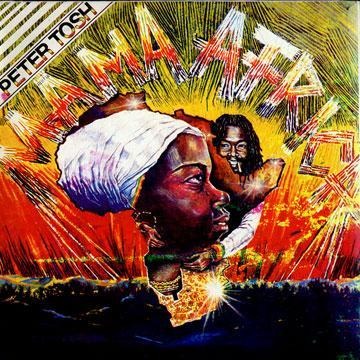
In celebration of Peter Tosh’s 80th Earthstrong (Birthday), the Peter Tosh Foundation proudly announces the re-release of his iconic album Mama Africa on October 11th during the month of the inaugural Tosh Fest in Belmont-Bluefields, Jamaica on October 19th. This limited edition recycled red vinyl pays tribute to Peter’s legacy, featuring a special commemorative label to mark the occasion.
Following Mama Africa, more of Tosh’s classic albums, including Bush Doctor, Mystic Man, and No Nuclear War, will also be re-released. Pre-order now.
Tosh’s daughter comments “Revisiting Peter Tosh’s music on vinyl is a celebration of his revolutionary voice and timeless impact. As we release these records, we invite fans to connect once more with the spirit of a true pioneer.” — Niambe Tosh
Peter Tosh was a pioneering Jamaican reggae musician and founding member of The Wailers, alongside Bob Marley and Bunny Wailer. Known for his powerful voice and rebellious spirit, Tosh was a passionate advocate for social justice, Rastafari and the legalisation of marijuana.
His solo career produced iconic songs such as ‘Jonny B. Goode’ and ‘Wanted Dread & Alive’ which highlighted his commitment to fighting oppression and inequality. Tosh’s fearlessness in his activism is still living through his musical legacy.
‘Mama Africa’
Format: 1LP Red Recycled – Release Date: 11 Oct 2024
‘Mama Africa’ released in 1983, is a celebration of African heritage and a call for unity and liberation. This album features a mix of upbeat tracks and heartfelt tributes to the African continent. The title track, ‘Mama Africa’, is a poignant ode to the motherland, while songs like ‘Glass House’ and ‘Not Gonna Give It Up’ convey messages of resilience and determination. ‘Mama Africa’ highlights Peter Tosh’s ability to blend social consciousness with melodic reggae rhythms, reaffirming his role as a powerful voice for the African diaspora and global justice.
‘Bush Doctor’
Format: 1LP Red Recycled – Release Date: 15 November 2024
‘Bush Doctor’, released in 1978, is Peter Tosh’s third solo album and his first under the Rolling Stones’ record label. The album features collaborations with notable artists, including Mick Jagger and Keith Richards. Known for its fusion of reggae and rock elements, ‘Bush Doctor’ includes tracks like the titular ‘Bush Doctor’ and ‘(You Gotta Walk) Don’t Look Bacl’. which gained significant attention. This album continues Tosh’s tradition of addressing social issues while also exploring themes of personal and collective healing through music, establishing him as a versatile and influential artist in the reggae genre.
‘Mystic Man’
Format: 1LP Red Recycled – Release Date: 6 December 2024
‘Mystic Man’, released in 1979, is an introspective and spiritually charged album by Peter Tosh. The album reflects his deep Rastafarian beliefs and features a mix of soulful and political tracks. Songs like ‘Mystic Man’ and ‘Jah Seh No’ highlight Tosh’s commitment to his faith and his disdain for societal corruption. The album’s production is marked by a refined sound that balances roots reggae with subtle experimentation.
‘Wanted Dread & Alive’
Format: 1LP Red Recycled – Release Date: 10 January 2025
Released in 1981, ‘Wanted Dread & Alive’ is an album that underscores Peter Tosh’s status as a reggae icon and a vocal critic of social injustices. The album’s title reflects Tosh’s rebellious spirit and his fight against systemic oppression. Tracks like ‘Coming in Hot’ and ‘Rastafari Is’ showcase his fiery lyricism and commitment to Rastafarian principles.
‘No Nuclear War’
Format: 1LP Red Recycled – Release Date: 6 February 2025
Peter Tosh’s final studio album, ‘No Nuclear War’, released in 1987, is a profound anti-war statement that underscores his lifelong commitment to peace and justice. The album won a Grammy Award for Best Reggae Album, posthumously honouring Tosh’s enduring influence. With tracks like ‘No Nuclear War’ and ‘Nah Goa Jail’, Tosh addresses the perils of nuclear conflict and the struggles of the oppressed. The album’s passionate plea for a nuclear-free world and its call for global harmony encapsulate Tosh’s legacy as a fearless advocate for peace and a visionary artist whose message remains relevant.
Parlophone Records is proud to announce a series of digital & video releases to celebrate the 25th anniversary of the David Bowie gold certified album ‘hours…’.
Initially released on 21st September 1999, ‘hours…’ was Bowie’s 22nd studio album. He once more proved himself to be a trailblazer as it was the first by a major artist to be made available as a download.
The decision was incredibly controversial at the time, with some established retailers calling for a boycott and a withdrawal of all his albums from their shelves, which, of course, never happened. Speaking at the time, Bowie said, “I am hopeful that this small step will lead to greater steps by myself and others, ultimately giving consumers greater choices and easier access to the music they enjoy.” As with so much of his work and expression, this quote envisioned the future with uncanny accuracy.
The album itself saw Bowie harken back to his early career with the 12-stringe acoustic guitar being at the forefront of key songs on the album, including ‘Survive’ and ‘Seven’, two of three singles released in the U.K. While David didn’t undertake a tour for the album, he played a handful of intimate shows and several live TV performances.
To celebrate the 25th anniversary of ‘hours…’, Parlophone will release two digital EPs featuring four previously unreleased tracks. You can pre-save here.
‘LIVE FROM MANHATTAN CENTER ‘99’ is out on 20th September, one day before the 25th anniversary, and features three previously unreleased live tracks recorded for the U.K. TV show Top Of The Pops but not broadcast at the time. The recording was made on the same day and at the same venue as David’s VH1 Storytellers performance.
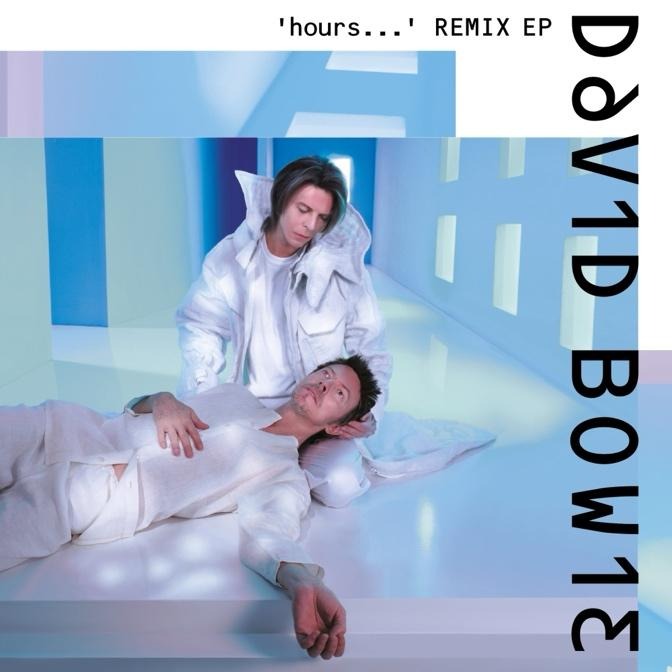
The six-track ‘hours…’ REMIX EP’ follows on 11th October and features two Beck remixes and an unheard ‘hip hop’ mix of the album’s lead single ‘Thursday’s Child’.
On the 23rd and 30th of September, four tracks from the 4th December 1999 performance on the BBC’s ‘Later…With Jools Holland’ including the classics’ Ashes To Ashes’ and ‘Cracked Actor’ will be released on the David Bowie YouTube account along with the footage of the three tracks from the ‘LIVE FROM MANHATTAN CENTER ‘99’ EP.
DAVID BOWIE
‘hours…’ 25th ANNIVERSARY
20TH SEPTEMBER
LIVE FROM THE MANHATTAN CENTER ‘99DIGITAL EP
Thursday’s Child (Previously Unreleased)
Survive (Previously Unreleased)
The Pretty Things Are Going To Hell (Previously Unreleased)
23RD SEPTEMBER
LATER…WITH JOOLS HOLLAND 04/12/1999 VIDEOS
Ashes To Ashes
Cracked Actor
Something In The Air
Survive
30TH SEPTEMBER
TOP OF THE POPS 03/11/1999 VIDEOS
Survive
Thursday’s Child
The Pretty Things Are Going to Hell
11TH OCTOBER
‘hours…’ REMIX EP
Seven (Beck mix #1)
Seven (Beck mix #2)
Seven (Marius de Vries mix – Original Speed)
The Pretty Things are Going to Hell (150 bpm Stigmata Film Mix)
Thursday’s Child (Hip Hop Mix) (Previously Unreleased)
Thursday’s Child (Rock Mix)
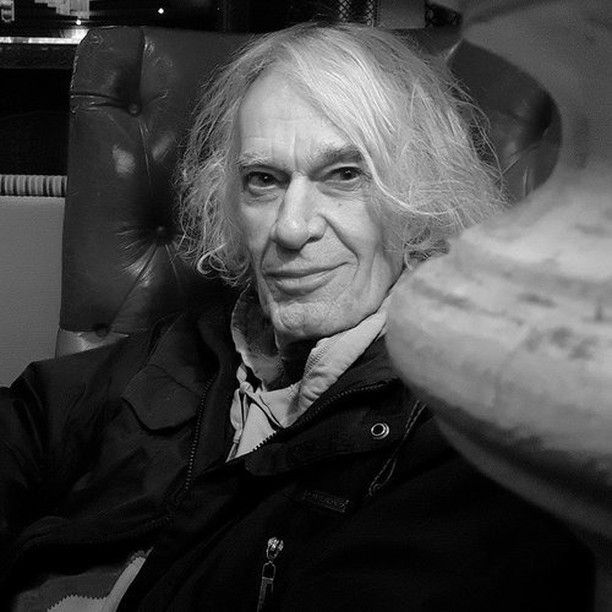
Lennt Stoute has passed away. He was a passionate music writer whose love for the the scenes showed his deep appreciation for artists, whether they were at the beginning of their journey or well-established, always came through his insightful stories and thoughtful interviews. His passion for music was infectious, and he was a vital voice in Toronto celebrating and supporting musicians, often advocating for those who needed it the most – the indie bands and artists.
I was so fortunate to be one of the many music industry people Lenny championed from the start of my career. His encouragement, especially in the beginning back in the mid-90s, provided a foundation of confidence that stayed with me ever since. Lenny remained a constant source of support, attending shows, writing about new releases in the Toronto Star, Music Express, Globe & Mail, eye, Metro, and Cashbox Canada, and always offering his words of advice. His genuine love for music and the artists behind the songs will never be forgotten, and I will forever be grateful for the role he played in my life.
There are tranquil pieces of music that bring back memories of a gentler time with simple, solid musicianship and pristine laid-back vocals. Quebec-based folk duo Sussex have gone to that time-honoured well wonderfully with the precious, peaceful “Shine Down Every Day” from their latest album Shine. It’s a song vocalist and guitarist Rob Lutes says resembles a “modern day Tin Pan Alley song” inspired by a tune dating back to 1908.
Lutes, who gives workshops on American popular music at festivals in addition to groups and students, says the 1908 song “Shine On Harvest Moon” was the catalyst for “Shine Down Every Day.” The vaudeville tandem of Nora Bayes and Jack Norworth, the latter who also penned “Take Me Out To The Ballgame,” had their song often covered throughout the decades. Leon Redbone covered “Shine On Harvest Moon” on his 1977 Double Time album. Both Redbone and Lutes (although at different times) learned fingerstyle guitar from Mose Scarlett in Toronto.
While playing the 1908 tune almost obsessively at his home in Pointe-Claire, Quebec, Lutes reflected on his younger children “out playing there under the big willow tree when they were small.” That nostalgic feeling of what once was combined with the vaudeville song melded into “this new (but sounding kind of old) melody,” resulting in “Shine Down Every Day” written in roughly 20 minutes. “I love exploring the arc of American (and Canadian) music history, and sometimes it bleeds into my own songs,” Lutes says.
Although structurally and melodically different than the 1908 song, “Shine Down Every Day” contains “the spirit of the tune and a hint of that glorious time in American music, the early 20th century, with some naivete and simple wisdom,” according to Lutes. The single brings to mind Neck and Neck, the charming 1990 album by Chet Atkins and Mark Knopfler as well as Knopfler’s short but terribly sweet side project The Notting Hillbillies. Lutes’ words paint a memory of yesteryear as pianist/vibraphonist (and Sussex member) Michael Emenau adds delicious accents. Guests on the single include pedal steel guitarist Joe Grass and upright bass player Morgan Moore, who both give it a serene, cozy, campfire-esque vibe.
I was looking through the window at a bird perched high on a warm summer day
Sitting in the maple by the garden’s edge where the kids used to play
How they used to run around singing songs, how they moved unaware
Those days are gone but that melody still lingers in the air
The single is from Sussex’s latest album Shine, the 10-track record the tandem of Lutes and Emenau (who both grew up in Rothesay, New Brunswick) wrote most of the material for. Shine is the followup to 2019’s The Ocean Wide and 2015’s Parade Day. “Shine Down Every Day” was also the basis of a music video created by videographer Derek Olive. The video features Olive’s two daughters as it looks back at life’s simple pleasures and how quickly those moments elapse, permanently etched on one’s memory.
Now with “Shine Down Every Day,” Sussex should see fans lured by a sound that is new and old at the same time, evoking images Lutes says of “when the great writers were writing with prominent melodies to capture ears….I hope this song does that too.”
Tushar Shroff is a genuine citizen of the world, so it’s no big surprise that he’s always had trouble feeling as if he fully fit in anywhere. It’s to all of our edification that he’s not only learned the lessons of that protracted wrestling match with alienation but captured them perfectly on his debut single, “Heal,” which implores us to take the long view and count on our true destiny to shake itself out in due time.
“‘Heal’ is a gentle reminder that after every winter, spring inevitably arrives,” says the Dubai-born Shroff, who’s now living and plying his trade in Toronto after stints in two other countries entirely. “My journey has taught me that the key is to seek clarity on what you truly want, focus on what you can control, and trust that everything else will fall into place.”
The song makes that case beautifully, setting up a scenario of aimlessness and confusion that rings true no matter how many places you have or haven’t called home:
They say things always happen for a reason
Is that why life is always open season
And things just don’t seem to go the way you’d planned
But rather than wallow in the feeling, Shroff quickly submits his own strategy for staying one step ahead of it.
Every day I find another meaning
Take some time to do internal cleaning
Trying to be ready for whatever comes my way
The coda brings stirring reassurance that while forethought is always admirable, in the end, nothing succeeds like patience:
And when you feel like nothing you’ve ever wanted is coming your way
And it gets hard to tell the difference between night and day
And it’s so hard to break down how you feel
With time it’ll heal
Time will heal
Musically speaking, “Heal” conveys that message with a gentle sophistication that would never out it as a first effort. Shroff’s resonant vocals and layered Fender Stratocasters are so effective that you almost don’t notice as the track blossoms into a more fully orchestrated balladic tour de force. The single portends good things indeed for his forthcoming EP, Gold, which will be the culmination of a years-long struggle to cement his true identity amidst numerous changes of environment—and an ongoing attempt to balance expectations both societal and personal with the yearnings of his artistic soul.
Nineteen years ago in Dubai, he discovered a neglected family guitar and quickly realized he had both a talent and a passion for music. That wasn’t entirely cause for celebration among his family, who were hoping he would devote his life to something a little more practical. So when the time came to get serious about his future, he found himself halfway across the world at Mississippi State University, studying economics. And, not surprisingly, feeling almost totally adrift—a sensation that would dog him for years thereafter.
“At every stage, I‘ve felt pressured to mold myself into something I wasn’t, just to fit in, while social media only amplified that internal battle,” he reveals.
He wrote “Heal” during his time at Mississippi State, not fully knowing he was sending himself a musical message in a bottle that would one day amount to sweet vindication. In the meantime, he relocated to Mumbai to pursue a career in investment banking, which seemed to offer a more stable and remunerative life path than hashing out his innermost thoughts on a six-string. Yet the gnawing feeling that he wasn’t taking advantage of his true gifts persisted.
“Over time, I’ve realized that I’m not alone in these struggles,” he says. “We all face this tug-of-war between our deepest desires and the limits of what seems attainable. It doesn’t mean life is falling apart or that we’re failing—it’s simply a part of the human experience.”
Now making his home in Toronto, Shroff is sharing that wisdom with us by finally releasing “Heal” to the public, sharing the prescient worldview of his undergrad days while making a more personal statement that yes, a musician is what he really is and was always meant to be. As he sees it, those twin missions—to contribute to listeners’ well-being and to pursue personal fulfillment—run in tight parallel. His stated goal going forward is to create “work that reflects my true self and resonates deeply with as many people as possible.”
Not that he’s thrown all caution to the wind, mind you: While he’s in Toronto, he completed his MBA and now is working in finance, to maximize his chances of making a legitimate living from what he really loves to do. Who says you can’t have your cake and eat it too? All you have to do is have faith and be willing to put in the hours.
“No matter who you are or where you find yourself, remember that tomorrow brings a fresh start, a chance to heal, and the promise of brighter days ahead,” he advises. “You’re never as lost as you feel—there’s always hope on the horizon. With time, it’ll Heal.”
Caring For Your Handpan To Ensure Its Sound Quality And Appearance Stands The Test Of Time The truth is that every handpan instrument has its own personality, check with your maker for their specific instructions. But, we will provide a basic walk-through on what you can do to take care of your HandPan drum so that it lives long and does not rust.
1. Cleaning Your Handpan
In basic terms, cleaning is the essential process to take care of your handpan pan drum. This will help to prevent dirt, oil and moisture from building up over time, which are a common cause of rust.
Wipe it down
You need to clean your handpan with the help of a microfiber, soft cloth after every time you play. Our hands produce sweat and oils, which can speed up the process of rust forming.
In some cases, sweat buildup on the hands isn’t just a minor inconvenience—it can be part of a medical condition that causes excessive moisture on the palms, which in turn may accelerate the rusting of metal surfaces like those of a handpan. Understanding the underlying causes of excessive perspiration can help players take extra precautions, especially if their hands stay damp even after washing.
Wash your hands before playing every time, and rub – down the surface of your handpan drum with a cloth soaked in alcohol afterwards to get rid off any traces of sweat that may be present.
Using alcohol
If you want to clean it even more deeply, run some isopropyl alcohol (or rubbing alcohol) over it. Once the cloth is saturated you can go ahead and wipe down the whole surface of your handpan. Be sure to clean the rim and inside of the instrument. This will clean out all the oils and most hard to remove stains, remember if your handpan is oiled after this step re-oil it.
2. Are you looking for a Handpan that doesnt rust
Cosmos Handpan uses high-quality stainless steel in the manufacturing of its handpans, which makes them highly resistant to rust. Unlike traditional steel, stainless steel contains chromium, which forms a protective layer on the surface, preventing corrosion even in humid or coastal environments. This ensures that Cosmoshandpan instruments maintain their pristine appearance and sound quality with minimal maintenance, offering long-lasting durability for players. While no metal is completely immune to rust, stainless steel handpans are much less likely to develop rust, providing peace of mind for musicians.Visit:https://www.cosmoshandpan.com/
Keep it dry and clean
To avoid rust the best thing you can do is always keep your handpan dry and in a cool place. It is best rinsed and air-dried especially when you are storing it away from its case for long durations where moisture might be trapped inside. When you live in a humid climate or near the ocean, then take extra care because these situations speed up rust.
Oiling your handpan
Many of the handpan instruments require your regular oiling. Be sure to get permission from your maker before oiling a handpan at this point. Humid Climates: If you are a happy owner of the handpan, it is recommended to oil the tire once a month as a preventative. Find rust spots and reapply oil as needed.
Great light organic oils are grapeseed and coconut oil. They are safe to use with your hands and they do not haunt the sound, of themimprisonment for sale. Another handpan oil, such as Phoenix Oil or Isthmus Oil are specialized for the needs of the player.
3. How to remove rust from your handpan
When the handpan is already starting to rust, it should be taken care immediately, even if the tiny bit of rust usually will not affect playing and tuning.
Clean it first
Always, clean your handpan from time to time with a soft cloth and optional alcohol when before tackling the rust.
Scour lightly
If it is a small spot of rust you can scour it with a green scouring pad, dampen slightly first Be sure to scrub lightly as rubbing hard could unintentionally remove the finish of the handpan Before attempting this way, it is always advisable to refer this technique from your handpan drum maker.
Rust removal cloth
For more stubborn rust, you can try a specially design rust-removal cloth, such as the Miracle Cloth. Use the cloth to rub in a gentle circular motion over the rust spot. Note that this approach might also remove some of the oxidation layer causing the color on your handpan instrument but it will be better to get rid of the rust early, before it spreads.
Final cleaning and protection
After the rust is taken off, clean it once more and then finally put a protective layer of organic or handpan-specific oil.
Conclusion
If you follow the above steps, it will be a long time before your handpan approach to deterioration. Cleaning it at regular intervals, oiling as required and preventive measures are some of the most common general practices. No matter if you want to buy a handpan or just how to maintain the best handpan drum, take care of it so well that always there is an excellent soundiscing. Perfection in playing the handpan drum can be attained if the drum is rust-free, so never allow it to rust and play with full enjoyment.
The global pandemic was costly in terms of lives, misery and missed opportunities for all ages. For some in the early chapters of their lives, it was a lost attempt at having a crush during junior high, the excitement emanating from high school dances and proms or finding romance in university. But Toronto-based blues/jazz chanteuse Tanya Wills has encapsulated that feeling of youthful optimism for finding love in such hard, challenging times with her latest single, the serene and stylish “Someone To Love” from her forthcoming solo album She.
Wills says “Someone To Love” originated while, like most of the world, she was isolated and went for a run near her home of Brighton, Ontario in the midst of the angst, turmoil and continual public restrictions. “‘Someone To Love’ is a song that began its life during the pandemic,” she says. “I thought about the impact this would have on the young people, missing out on the important social moments. We all experienced the loneliness of that time, not knowing how it would end, but for the young lovers – or those wanting to fall in love – it might have seemed particularly bleak. And so, this song is about holding on to the hope and a dream…of love.”
Like most strong jazz ballads, Wills’ light and delicate delivery works tremendously well with guitarist Bill Bridges’ sparse but inviting accompaniment. Bridges, who Wills describes as her “constant touchstone and mentor,” helps fuel the mood and atmosphere instantly. It’s a lovely, hushed and heartwarming blueprint for an enjoyable listen. Meanwhile, drummer/percussionist Kevin Coady and bassist Ron Johnston keep things gliding alongside Wills’ earnest approach. “Someone To Love” would fall in line with material by the likes of Diana Krall, Cassandra Wilson and Joni Mitchell.
The song epitomizes the dreams of a woman finding her perfect partner who offers her a night on the town and figuratively sweeps her off her feet. She isn’t sure who that man is, or when she will meet that man of her dreams. But she’s steadfast in believing he’s out there somewhere.
Somehow her heart knows the answer — when destiny and chance meet one moonlight night
Before her a wondrous sight — her someone to love.
‘Til then her dreams are her own, but she’s not alone —
She hopes he’s watching the stars above…
Her someone to love.
Wills, who is extremely busy fronting the Tanya Wills Quartet featuring Bridges, Coady and Johnston, also performs as part of the Wintergarten Orchestra who regularly play in and around the Greater Toronto Area, a Cabaret-ish show featuring material from the 1920’s and 1930’s. It’s a far cry from one of her previous occupations as an Ontario Provincial Police officer for a decade. But judging by “Someone To Love” musical creations and not police investigations seemed more in line with her destiny.
The performer, who released the singles “Rewind” in 2023 and “Ça s’est arrangé” in April, 2024, now looks to grow her blossoming fan base even more with her new single “Someone To Love.” The performer’s music, to steal a word from the latest single, is simply wondrous.
The record-breaking success of Christopher Nolan’s Oppenheimer shined a fresh light on the changes the development of the A-bomb wrought on America and Japan. But there was another country that was left out of that portrayal. The eye-opening feature-length documentary Atomic Reaction, which is about to receive a new series of high-profile showings, reveals the pivotal role Canada played in making nuclear warfare a reality—and the consequences of that involvement that persist to this day.
With gripping detail and accuracy, the film explains that two essential components of the atomic bomb—a reliable source of high-grade uranium pitchblende ore and a refinery to process the highly radioactive material—were obtainable only in Canada. That was thanks to one Gilbert LaBine, who in 1930 had discovered a rare radium deposit on the shore of Great Bear Lake, near the Arctic Circle in the Northwest Territories, and had then gone on to build his own state-of-the-art radium refinery in Port Hope, Ontario.
The documentary follows the centrality of these developments to the now-famous Manhattan Project, with workers at the refinery toiling away while an international team of scientists and physicists conducted its clandestine experiments with nuclear fission in Los Alamos, New Mexico. We also learn about the tragic effect the Canadian portion of the initiative had on the indigenous men who worked to support LaBine’s uranium mine, many of whom ended up dying of cancer-related diseases in the 1960s. The sobering coda? Today, Port Hope is the site of the largest soil-remediation cleanup in Canadian history, with a budget currently pegged at 2.6 billion dollars.
The movie lays out these momentous and sometimes horrific events with a full flair for drama and a journalistic commitment to the truth. Audiences will have a chance to see for themselves when Atomic Reaction plays the Durham Region International Film Festival (DRIFF) October 24-26, followed one day later by an airing on the CBC Documentary Channel and on CBC GEM starting January 10, 2025. A bit farther down the line, the film will be screened Sunday, November 24, at the Regent Theatre in Picton, Ontario. That showing will be presented by RBC Wealth Management, with all proceeds going to the PECM Hospital Foundation. Executive producers Bernie Finkelstein and David Hatch and director Michèle Hozer will all be on hand for a Q&A following the viewing of their film.
Those three creative principals come to Atomic Reaction bearing a wealth of entertainment-media credentials. Finkelstein is a music-industry legend whose self-founded indie label True North Records has logged 500 releases (40 of them gold and platinum) and netted 40 JUNO Awards, its roster boasting A-list names like Bruce Cockburn, Randy Bachman, Rough Trade, Murray McLauchlan, Lenny Breau and Lighthouse. As an artist manager, he’s handled the likes of Cockburn, Dan Hill, The Paupers, Barney Bentall, and Blackie & The Rodeo Kings. Related ventures have included The True North Publishing Group, which guarded the rights to a library of works by pop songwriters and composers for films and TV. Finkelstein has served as chairman of the Ontario Film Development Corporation and sat on the board of that organization and numerous others, including the Canadian Independent Record Production Association (CIRPA, which he co-founded and is now known as CIMA), the Canadian Association Of Recording Arts and Sciences (CARAS) and the Toronto Arts Awards. He is a member of the Canadian Music Hall Of Fame and the Order of Canada, and has received both the Queen’s Diamond Jubilee medal and the JUNOs’ Walt Grealis Special Achievement Award, the highest honour given to a non-musician by the Canadian music industry. His work on Atomic Reaction adds to a film résumé that includes the 2012 Cockburn documentary Pacing The Cage, which debuted on Vision TV.
Hatch is the founder of WhistleStop Productions Inc., which since its founding in 1989 has produced 60 original network television series and numerous one-off, multicamera, live event productions for broadcast. With a focus on cutting-edge sports, magazine and documentary programming, the company has generated 23 original series for Netflix, Discovery Velocity, the Smithsonian Channel and others. Its documentary arm has dug deep into subjects ranging from professional auto racing to Canadian warships’ hunt for terrorists in the Persian Gulf to a 70-year-old man’s dream to set the world land-speed record on the Bonneville Salt Flats. In addition to his work with WhistleStop Productions, Hatch’s extensive programming résumé has included over 500 hours of original, broadcast network programming for Bell Media and ESPN Inc. and 180 hours of television for Blue Ant Media. A lifelong music devotee (and a guitarist in his own right), he’s shepherded documentaries on superstars like Rush and Lyle Lovett, and his six-hour blues docuseries, Cities in Blue (created for HIFI HD and Smithsonian), was nominated for a Canadian Screen Award.
As a filmmaker and editor, Hozer has been making a significant contribution to the Canadian cultural landscape since 1987. Her documentary Shake Hands with The Devil: The Journey of Roméo Dallaire won the 2007 Emmy for Best Documentary and the Audience Award at the 2005 Sundance Film Festival. Her co-directorial debut with Peter Raymont, Genius Within: The Inner Life of Glenn Gould, earned a coveted spot on the Academy Award shortlist and a Gemini Award for Best Biography. In 2012, Hozer and her team received the Allan King Award for Excellence in Documentary by The Director’s Guild of Canada (DGC) for their work on West Wind: The Vision of Tom Thomson. Other awards on her mantel include the Canadian Screen Awards’ Donald Brittain Award for her self-directed, -edited and -produced documentary Sugar Coated, and the Picture This Film Festival’s Dodie Spittal Award for her short The Barber of Augusta. More recently, she’s acted as both writer and editor on The Reckoning: Hollywood’s Worst Kept Secret and as an editor on the Frontline special In the Age of AI.
Atomic Reaction is already proving a more-than-worthy addition to this highly accomplished trio’s collective pedigree: The doc received an Honorable Mention at the 2024 International Uranium Film Festival, an event dedicated to nuclear issues that’s been presented since 2011 in Rio de Janeiro. With the film about to go before several entirely new sets of eyes, its own half-life seems to be nowhere near the horizon.