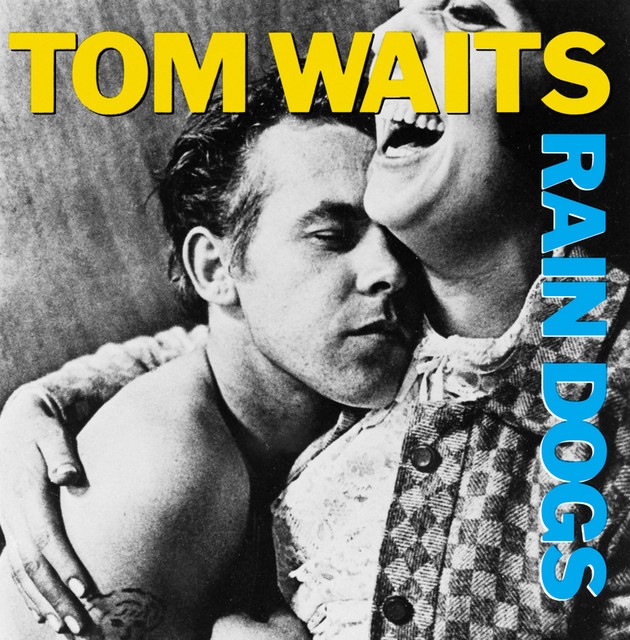
There’s something unreal about Rain Dogs opening your ears for the first time. The clatter, the clang, the carnival in the alley—it doesn’t ask you to like it, it dares you to live in it. Released in September 1985, Tom Waits’ ninth studio album takes you through New York’s underbelly, where songs echo off wet pavement and dreams sleep in stairwells. It’s theatrical, messy, and brave—just like the city it was born from. Let’s dive into five lesser-known facts about this landmark record, the middle chapter in Waits’ wildly brilliant trilogy.
1. Waits Wrote the Album in a Basement That Sounded Like a Vault
Tom Waits wrote most of Rain Dogs in a tiny basement room at the corner of Washington and Horatio in Lower Manhattan, just a block from the river. The room was cold and quiet, except for the pipes that hissed and groaned like they had stories to tell. Waits said it was the perfect place to work. No distractions, no sunshine, just that creaking underground lullaby. The whole place had the kind of stillness that soaks into your songs. That basement shaped the album’s tone as much as any lyric ever could.
2. Keith Richards Played by Instinct, Not Instruction
When Waits invited Keith Richards to play on tracks like “Big Black Mariah” and “Blind Love,” he knew what kind of energy he wanted. He started trying to describe the rhythm, but something was missing. So Waits started moving—physically showing the pulse with his body. That’s when Richards lit up. He understood it through motion, through vibe. No need for technical talk when you’ve got groove in your bones. He locked in immediately. That instinct helped give the songs their swagger and streetlight soul.
3. The Album Cover Captures Two Real People Named Rose and Lilly
The striking photo on the cover of Rain Dogs wasn’t posed or staged. It came from a series of snapshots taken in the late 1960s by Swedish photographer Anders Petersen at Café Lehmitz in Hamburg. The man and woman in the photo are named Rose and Lilly. They were regular people in a bar, caught in a moment of quiet connection. The image holds that mix of tenderness and grit that matches the music inside. It’s not glossy or cleaned up—it’s raw, human, and unforgettable.
4. The Percussion Came From Furniture, Not Plugins
To build the wild sound of Rain Dogs, Waits searched for textures that felt physical. If a snare drum didn’t give the right punch, his team brought a chest of drawers into a bathroom and struck it with a two-by-four. He believed in chasing sound through real effort. He liked the idea of making something new with what was already lying around. The result? Beats that feel like footsteps in alleyways, like furniture crashing in dreams, like a rhythm section built from second-hand soul.
5. Marc Ribot Was Told to Play Like a Midget’s Bar Mitzvah
Guitarist Marc Ribot joined the sessions without knowing what to expect. Waits gave him direction with phrases instead of charts. One of them was, “Play it like a midget’s bar mitzvah.” Ribot listened to Waits play on an old hollow-body guitar, then just followed where the mood took him. There were no rehearsals, no rigid structures. He had freedom to explore and improvise. Many of the parts you hear happened on the first or second take. That looseness added a spark that still crackles after all these years.
Rain Dogs feels like something found in a dusty suitcase, forgotten in a subway locker, still humming with stories. It moves like a drunk parade, filled with crooked horns, tired feet, and beautiful noise. Tom Waits created a world that mirrors the city—chaotic, alive, and impossible to forget. If you ever find yourself alone on a rainy night with nowhere to go, this album knows exactly how you feel.