Sometimes lightning strikes once. Sometimes, if you’re lucky, twice. But every now and then, an artist hits an unstoppable groove and delivers three legendary albums in a row—each one building on the last, changing the game, and defining a generation. These 16 epic three-album runs prove that greatness comes in trilogies.
The Beatles – ‘Rubber Soul’ (1965), ‘Revolver’ (1966), ‘Sgt. Pepper’s Lonely Hearts Club Band’ (1967)
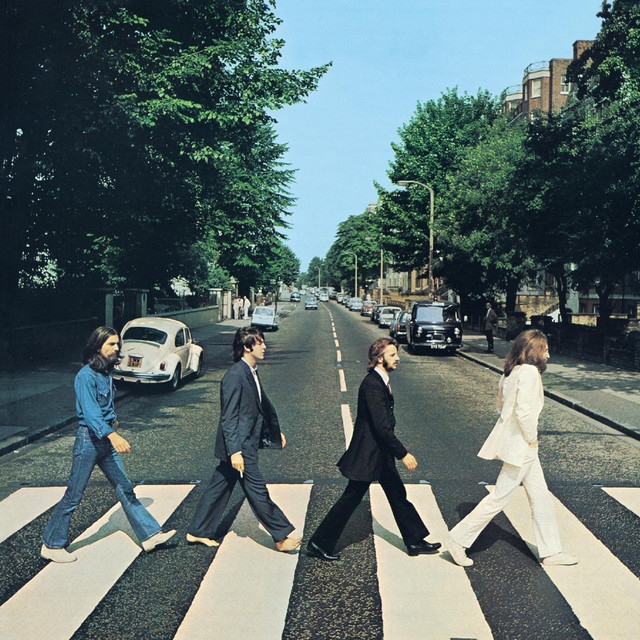
The Beatles stepped into new sonic territory with each release. They moved from clever pop to rich, experimental arrangements and deeper lyrics. This trio of albums reshaped popular music. Innovations in songwriting, production, and studio technique came together across all three records. Psychedelia, orchestration, and storytelling expanded the band’s identity.
Stevie Wonder – ‘Talking Book’ (1972), ‘Innervisions’ (1973), ‘Fulfillingness’ First Finale’ (1974)
Stevie Wonder fully embraced artistic freedom in the 1970s. These albums showcase rich arrangements, socially conscious lyrics, and groundbreaking synth work. His voice, both lyrically and vocally, became more personal and powerful. Tracks like “Superstition” and “Living for the City” connected deeply with listeners. The albums earned critical praise and Grammy wins.
Radiohead – ‘The Bends’ (1995), ‘OK Computer’ (1997), ‘Kid A’ (2000)
Radiohead explored guitar-driven alt-rock and evolved into sonic adventurers. ‘The Bends’ brought emotional intensity and melodic power. ‘OK Computer’ introduced atmospheric soundscapes and digital anxiety. ‘Kid A’ used abstraction and electronics to explore isolation and modern life. Each album marked a bold step forward in vision and execution.
Prince – ‘1999’ (1982), ‘Purple Rain’ (1984), ‘Around the World in a Day’ (1985)
Prince delivered funk, pop, and rock with unmatched charisma. ‘1999’ introduced his signature synth-heavy sound. ‘Purple Rain’ blended styles and brought him global fame. ‘Around the World in a Day’ added psychedelic textures and creative freedom. This stretch showed his versatility and star power.
Fleetwood Mac – ‘Fleetwood Mac’ (1975), ‘Rumours’ (1977), ‘Tusk’ (1979)
Fleetwood Mac balanced harmony and conflict across this creative period. The 1975 self-titled album introduced the Buckingham-Nicks lineup. ‘Rumours’ became a cultural phenomenon and one of the best-selling albums ever. ‘Tusk’ offered experimental ideas and a wide emotional range. Each record built on the band’s complex chemistry.
David Bowie – ‘Low’ (1977), ‘“Heroes”’ (1977), ‘Lodger’ (1979)
This Berlin-era trilogy captures Bowie’s fascination with art rock, minimalism, and European textures. ‘Low’ featured instrumental tracks and fragmented lyrics. ‘“Heroes”’ gave us one of his most iconic anthems. ‘Lodger’ explored travel, identity, and dislocation. Brian Eno’s involvement brought atmospheric layers and sonic exploration.
Joni Mitchell – ‘Court and Spark’ (1974), ‘The Hissing of Summer Lawns’ (1975), ‘Hejira’ (1976)
Joni Mitchell blended jazz, poetry, and personal reflection across these records. ‘Court and Spark’ brought her closest to pop accessibility. ‘The Hissing of Summer Lawns’ explored suburban life and societal roles. ‘Hejira’ featured open tunings and road-trip meditations. These albums deepened her reputation as a fearless songwriter.
Nirvana – ‘Bleach’ (1989), ‘Nevermind’ (1991), ‘In Utero’ (1993)
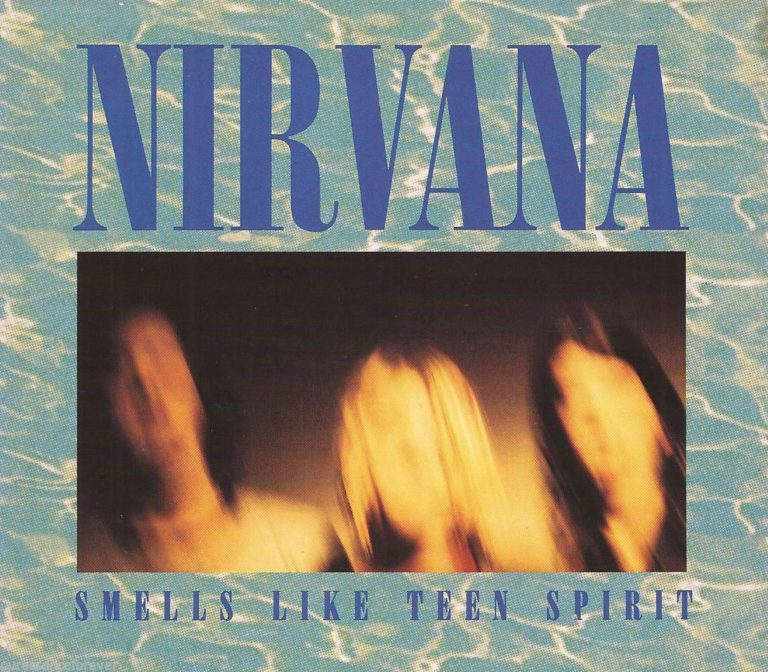
Nirvana captured the sound of discontent and transformation. ‘Bleach’ introduced their raw edge. ‘Nevermind’ brought grunge into the mainstream and reshaped rock radio. ‘In Utero’ pushed back with abrasive textures and unfiltered emotion. The band’s growth over these albums marked a turning point in alternative music.
Led Zeppelin – ‘Led Zeppelin II’ (1969), ‘Led Zeppelin III’ (1970), ‘Led Zeppelin IV’ (1971)
These albums display a group in full command of its identity. Blues-rock riffs, acoustic interludes, and hard-hitting rhythms define this era. ‘Led Zeppelin II’ is filled with swagger and weight. ‘III’ highlights their folk influences. ‘IV’ includes “Stairway to Heaven” and solidified their legend.
Bruce Springsteen – ‘Born to Run’ (1975), ‘Darkness on the Edge of Town’ (1978), ‘The River’ (1980)
Springsteen painted vivid portraits of working-class life and restless youth. ‘Born to Run’ introduced cinematic ambition. ‘Darkness’ reflected frustration and grit. ‘The River’ doubled the storytelling across a sprawling two-disc set. His songwriting during this time built a lasting emotional connection with fans.
Kate Bush – ‘The Kick Inside’ (1978), ‘Lionheart’ (1978), ‘Never for Ever’ (1980)
Kate Bush began her career with fearless imagination. ‘The Kick Inside’ introduced her unique voice and storytelling. ‘Lionheart’ followed with theatrical flair. ‘Never for Ever’ added deeper production and mood. Her ability to bring fantasy, emotion, and music together shines in this sequence.
Talking Heads – ‘Fear of Music’ (1979), ‘Remain in Light’ (1980), ‘Speaking in Tongues’ (1983)
Talking Heads embraced rhythm, art, and global influences. ‘Fear of Music’ bridged post-punk and paranoia. ‘Remain in Light’ used African polyrhythms and studio layering. ‘Speaking in Tongues’ brought danceable grooves and colorful visuals. This period highlights their creative curiosity and collaborative spirit.
R.E.M. – ‘Document’ (1987), ‘Green’ (1988), ‘Out of Time’ (1991)
R.E.M. went from college rock heroes to chart-topping songwriters. ‘Document’ sharpened their political edge. ‘Green’ mixed environmental themes with pop sensibilities. ‘Out of Time’ delivered radio hits like “Losing My Religion” while staying true to their identity. Their growth was both musical and cultural.
PJ Harvey – ‘To Bring You My Love’ (1995), ‘Is This Desire?’ (1998), ‘Stories from the City, Stories from the Sea’ (2000)
PJ Harvey pushed emotional intensity and sonic boundaries across these three albums. ‘To Bring You My Love’ brought bluesy drama and stark production. ‘Is This Desire?’ went inward with hushed textures. ‘Stories’ returned to clarity and earned the Mercury Prize. Her storytelling and presence grew more commanding.
Billie Eilish – ‘Don’t Smile at Me’ (2017), ‘When We All Fall Asleep, Where Do We Go?’ (2019), ‘Happier Than Ever’ (2021)
Billie Eilish entered with a whisper and redefined pop’s volume. The debut EP ‘Don’t Smile at Me’ introduced her eerie lullabies and electronic minimalism. ‘When We All Fall Asleep…’ brought chart-topping success with surreal beats and biting lyrics. ‘Happier Than Ever’ expanded her emotional and sonic range, capturing both melancholy and fury with precision. Billie’s early trilogy shaped the sound of a new generation.
Taylor Swift – ‘Folklore’ (2020), ‘Evermore’ (2020), ‘Midnights’ (2022)
Taylor Swift leaned into introspection and storytelling across this sequence. ‘Folklore’ brought soft piano, poetic lyrics, and quiet reinvention. ‘Evermore’ followed as its companion—an album of emotional clarity and subtle textures. ‘Midnights’ added synth-pop shimmer while keeping her lyrical focus sharp. Across these three albums, she explored character, memory, and the many versions of herself with grace and imagination.