


Bill McClintock’s latest mashup plays like a haunted jukebox tribute to Ozzy Osbourne’s sprawling legacy. Splicing Black Sabbath’s doom-laden crunch with solo-era melodies and the searing fretwork of Rhoads, Lee, and Wylde, the mix sidesteps nostalgia and lands somewhere far more alive. It’s less a greatest-hits reel and more a genre-hopping séance—one where metal riffs meet unexpected rhythms in perfect dissonant harmony.
From Generator to Genius: Peter Hammill’s Early Solo Years Get the Deluxe Treatment in 20-Disc Box Set
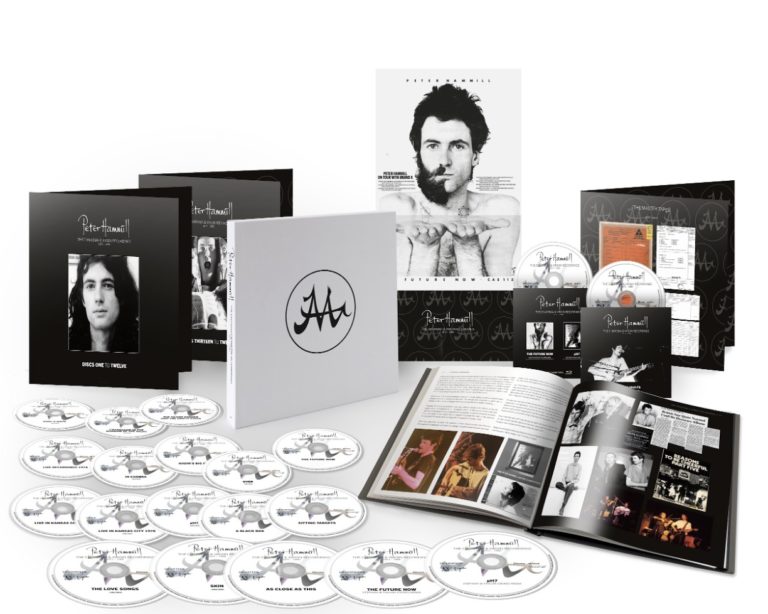
Peter Hammill first came to prominence as a founder member and voice of the legendary progressive rock group Van der Graaf Generator. Alongside his work with the band Peter Hammill enjoyed a long career as an innovative and ground-breaking solo artist. Beginning with his first solo album “Fool’s Mate” in 1971, Peter recorded a series of acclaimed albums for both Charisma Records and Virgin Records covering a wide range of moods, but all undeniably uniquely original.
‘The Charisma & Virgin Recordings 1971 – 1986’, released on 26 September, is the ultimate collection of his early solo work. This 18CD+2Blu-Ray set is a super deluxe box set which comprises all 13 albums released by Charisma and Virgin, all newly remastered from the original master tapes, along with new 5.1 and stereo mixes of ‘The Future Now’ and ‘pH7’ by Stephen W Tayler, rare BBC sessions and live recordings and a Blu-ray video disc of rare previously unreleased European television performances. Accompanying the music is a 76 page, 12 inch squared, hardbacked book featuring extensive commentary on each album by Peter alongside many rare images. A limited run featuring an exclusive postcard will also be available. Pre-order now.
Having founded Van der Graaf Generator in 1967, Peter Hammill remains to this day a formidable, unwavering and prolific artist. For much of his early musical life his work would weave between solo albums and that of the band, each with their own journeys, often his solo work having a more personal theme. After the band broke up in 1978, he continued to release solo albums at an incredibly prolific rate.
Through the period of this boxset (71-86) Peter (almost unintentionally) established himself as an artistic and song-writing inspiration for his peers and, indeed, for younger generations. Numerous artists of the punk era acknowledged his uncompromising approach as an influence and major chart bands of the eighties also namechecked him. It is widely reported by people working closely with him at the time that David Bowie took huge inspiration from Peter’s work in the mid-70’s.
His principles never deviated from his original artistic intentions, unaffected by whatever were the musical trends of any given era. His songwriting can swing from traditional hook-based tracks through to highly complex lengthy pieces passing by full-on ballads along the way. There are very few artists like Peter Hammill and ‘The Charisma & Virgin Recordings 1971 – 1986’ super deluxe set is testament to a unique talent.
This Autumn, Peter will be performing his first UK solo shows since 2018. Tickets are available now here.
Peter Hammill – Solo
Monday 29th September – Edinburgh Queens Hall
Wednesday 1st October – Manchester Royal Northern College of Music
Thursday 2nd October – London Royal Festival Hall
20 Times a Guitar Solo Made the Song Immortal
There’s something sacred about a guitar solo—the moment when melody breaks free and becomes pure emotion. Whether it cries, shreds, or soars, the solo can turn a great song into legend. These 20 solos didn’t just fill time between choruses—they made their songs unforgettable.
“All Along the Watchtower” – Jimi Hendrix
Jimi didn’t just cover this Bob Dylan classic—he transformed it. His solo is a whirlwind of wah, bends, and beautiful chaos that reshaped what a guitar could say.
“Back in Black” – AC/DC (Angus Young)
This solo is swagger in sonic form. Angus Young lets each note strut with purpose, showing you don’t need a million notes—just the right ones.
“Beat It” – Michael Jackson (Eddie Van Halen)
A perfect storm of pop and metal. Eddie Van Halen steps in for a solo so iconic it almost stole the whole song—and left every guitarist taking notes.
“Bohemian Rhapsody” – Queen (Brian May)
Brian May makes his guitar sing like a choir. The solo is melodic, majestic, and perfectly placed—carving its way through the operatic masterpiece.
“Comfortably Numb” – Pink Floyd (David Gilmour)
Two solos here, both legendary—but that final one? Pure emotion. Gilmour bends time and tone into something that feels like it’s coming from deep inside your chest.
“Crossroads” – Cream (Eric Clapton)
Live, loud, and laced with fire. Clapton’s solo is blues on rocket fuel, a furious flurry of notes that still feels spontaneous decades later.
“Eruption” – Van Halen (Eddie Van Halen)
This isn’t just a solo—it’s a statement. In just under two minutes, Eddie reinvented guitar heroics. Tapping, dive bombs, and raw speed—all in one breathless blast.
“Europa (Earth’s Cry Heaven’s Smile)” – Santana
Carlos Santana turns the guitar into a voice. Smooth, sensual, and soaring, this instrumental solo sings like a love letter to the cosmos.
“Free Bird” – Lynyrd Skynyrd (Allen Collins & Gary Rossington)
It starts sweet and ends in a frenzy. The final solo isn’t just long—it’s legendary, building and building until it feels like the song might lift off.
“Heartbreaker” – Led Zeppelin (Jimmy Page)
Raw, raunchy, and totally unaccompanied. Page’s solo arrives like a lightning bolt—sharp, swaggering, and untamed.
“Highway Star” – Deep Purple (Ritchie Blackmore)
Equal parts classical precision and rock fury. Blackmore’s solo flies across scales like a Ferrari on fire, setting a high bar for speed and style.
“Hotel California” – Eagles (Don Felder & Joe Walsh)
A duet of perfect tone and phrasing. Felder and Walsh trade lines like old friends finishing each other’s sentences, with a solo that defines an era.
“Johnny B. Goode” – Chuck Berry
The solo that launched a thousand guitar dreams. Chuck’s quickfire licks laid the foundation for rock guitar as we know it—joyful, bold, and timeless.
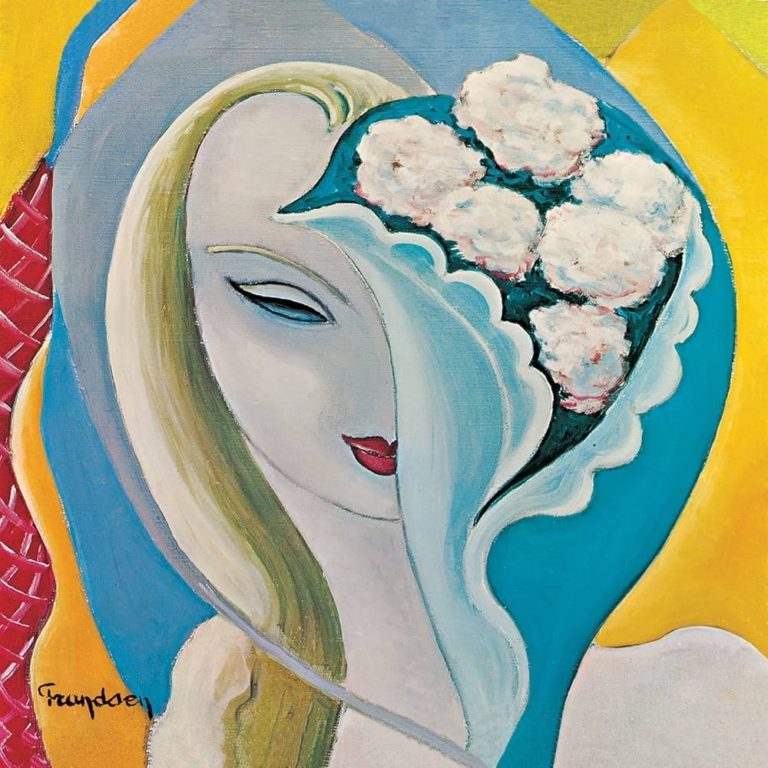
“Layla” – Derek and the Dominos (Eric Clapton & Duane Allman)
The slide work. The emotion. The tension. Clapton and Allman’s combined soloing on this track makes heartbreak sound beautiful.
“Little Wing” – Jimi Hendrix
A gentle, flowing masterpiece. Jimi paints a dreamscape with chord embellishments and lyrical lead lines. A solo that breathes.
“November Rain” – Guns N’ Roses (Slash)
Slash steps into the spotlight with solos that cry, burn, and soar. Each phrase is carved from pure feeling—and that final crescendo? Chills.
“One” – Metallica (Kirk Hammett)
A slow build that explodes into a storm of speed and precision. Hammett’s solo rips through the chaos with surgical accuracy and relentless energy.
“Reelin’ in the Years” – Steely Dan (Elliott Randall)
A studio take so perfect, Jimmy Page called it his favorite solo. Randall’s playing is crisp, clever, and catchy—a masterclass in tone and phrasing.
“Stairway to Heaven” – Led Zeppelin (Jimmy Page)
It climbs, it shimmers, and it leaves you breathless. Page’s solo is the emotional payoff to one of rock’s most mythical tracks.
“Sweet Child O’ Mine” – Guns N’ Roses (Slash)
Slash threads melody and muscle into a solo that elevates the whole song. It sings, it screams, and it still gives you goosebumps on the 100th listen.
These solos are more than just guitar parts—they’re time machines, soul punches, and pure musical poetry. And they prove one thing: sometimes, the solo is the song.
10 Tips for Connecting With Your Audience Between Releases
There’s a little magic in the space between singles. It’s not just about waiting—it’s about growing, sharing, and staying present in your fans’ lives. While the next track is getting ready to shine, here are 10 joyful ways to keep the lights on and the crowd cheering.
1. Behind-the-Scenes Gold
Share a glimpse of your creative world—whether it’s your studio, scribbled lyrics, or a melody in progress. Fans love seeing the story unfold in real time. The process is part of the performance.
2. Ask Questions, Start Conversations
People love to be included. A casual “What’s your favourite lyric?” or “What should I eat before rehearsal?” opens the door. Your audience is full of thoughts, and now they’re part of yours.
3. Go Live, Even for 10 Minutes
Pop on for a spontaneous livestream—sing a snippet, answer a few questions, or show your dog’s new trick. There’s no need for polish, just presence. A little real-time joy goes a long way.
4. Create a Mini-Series
Pick a day of the week and stick with it—Monday Melodies, Tour Tales Tuesday, whatever fits. It gives fans something to look forward to and builds a rhythm outside of release cycles.
5. Celebrate Their Wins
Repost fan art, duets, and comments that made you smile. It turns listeners into collaborators and creates a ripple effect of positivity. When you spotlight them, they shine with you.
6. Share the Soundtrack of Your Life
Post playlists of what you’re listening to right now. Whether it’s 2000s pop-punk, ambient jazz, or your friends’ new single, your vibe becomes their new discovery zone.
7. Drop Unreleased Gems (Just a Tease)
Play a demo. Hum a hook. Post a 10-second video with zero context. Mystery is magic, and a little teaser keeps the curiosity going strong.
8. Make the Ordinary Extraordinary
Turn your daily coffee run into a TikTok. Film a voice memo of your humming in the car. Let your life outside the studio be part of the art. Authenticity always lands.
9. Collab Without a Calendar
Hop into a duet, a comment thread, or a casual video with another artist you admire. When you cross paths, your fans come along for the ride—and maybe discover someone new.
10. Say Thank You, Often
A quick note of gratitude hits just as hard as a power chord. Whether it’s a handwritten post, a video shoutout, or a simple story slide, appreciation creates connection.
So while your next release is finding its final form, the bond with your audience can keep blooming. Every moment is a chance to sing without singing. Keep sharing. They’re still listening.
Adele’s Isolated Vocals For “Rolling In The Deep”
“Rolling in the Deep” launched Adele into global superstardom as the powerhouse lead single from 21. Blending blues, gospel, and pop, it topped charts in over a dozen countries and sold more than 20 million copies worldwide. The song won multiple Grammys, dominated the Billboard Hot 100 for seven weeks, and became the biggest crossover hit in the U.S. since 1985. Its emotional depth and raw vocal power cemented it as a defining track of the 2010s.
Smart Way to Find Gigs and Tours as a Freelance Musician
By Mitch Rice
Being a freelance musician isn’t easy. You don’t just play music — you also look for gigs, communicate with venues, work on promotion, and take care of travel and equipment. Gigs don’t appear on their own anymore. You have to go out and find them, build connections, and constantly maintain your reputation. Today, with so many artists on the market, it’s important to have a clear plan to find work consistently.
And let’s be honest — even the most passionate musicians sometimes need financial support. Touring costs money. Reaching your goal and staying there is expensive. That’s why loan options for US freelance musicians have become the norm. Today, it’s not about “not managing,” it’s about investing in growth. If you’re ready to take your career seriously and stop waiting for a chance to come along, this article will show you how to get gigs as a musician and not miss out on opportunities in the digital age.
What Makes Gigs and Tours Important for Freelance Musicians
Playing gigs is how most musicians make money, plain and simple. But there’s more to it than just cash. Every show is a chance to get better. The more you play in front of people, the more confident and relaxed you’ll feel on stage. You learn what songs connect with the crowd and how to fix things when something goes wrong—because it will, at some point. Plus, when you play shows, you meet people: venue owners, other musicians, fans, even the bartender who might give your number to someone looking for a band. Touring is a big step, but it’s the same idea—just in new places. That’s how you grow a real audience. If you want to make a living from music, you have to get out there and play.
Ask Local Venues and Bars Directly
This might sound old school, but it works. Put together a short introduction—just a few sentences about who you are and what music you play. Practice it so you don’t freeze up. Walk into local bars, coffee shops, or restaurants and ask if they book live music. Try to go when it’s not busy, so you’re not competing with a crowd. Be polite and don’t take it personally if they say no or don’t have time. If you can talk to the manager or owner, ask about playing a short set, maybe even for tips at first. Leave a business card, or write your number on a napkin if that’s all you have. And most importantly, contact them in a few days. That’s how you show you’re serious and not just another person passing through.
Use Social Media to Announce Availability
Social media might feel fake sometimes, but it’s a real way to find gigs. Start with the basics: promote your music on YouTube shorts, write a caption saying you’re looking for shows, and make sure people know how to reach you. Use hashtags with your city or style, like #NashvilleGigs or #JazzVocalist. If you see a venue you want to play, tag them or comment on their posts. If someone comments or sends you a message, https://playlistpush.com/blog/how-to-promote-music-on-youtube-shorts-artists-musicians/answer as soon as you can. The trick is to keep posting, even if you don’t get a lot of likes at first. The more you share, the more likely someone will notice and offer you a spot.
Join Musician Groups and Forums
How to book shows as an independent artist? It’s a question every freelance musician faces sooner or later, especially when traditional methods don’t seem to work. One of the most effective ways is also one of the simplest — being part of the community. Many musicians find gigs by word of mouth, not ads. There are Facebook groups and online forums where musicians post about shows, jam sessions, or even people needing a last-minute fill-in. Find groups for your city or your kind of music and introduce yourself. You don’t have to spam your music everywhere—just join the conversation, answer questions, and be friendly. People remember helpful musicians, not just those looking for work. Stick around long enough and you’ll start seeing posts about open gigs or even new bands forming.
Register on Gig and Booking Websites
There are websites created specifically for musicians and bands looking for work. They are like online boards that tell you how to find gigs for musicians. Set up a profile on sites like GigSalad. Add a few good photos, a couple of song clips or videos, and fill in your calendar so people know when you’re free. Be honest about what you can do—don’t say you can play weddings if you’ve never done one. Respond quickly to messages. Clients can leave reviews, which help a lot when someone’s deciding whether to book you. These sites are especially useful for private parties, weddings, and events you might not hear about otherwise.
Build a Simple Website or Online Portfolio
Having your website with a musician’s bio creates a serious image. It doesn’t have to be fancy. Just use your name or band name, share a short story about yourself, put up some music or video clips, and add a way for people to contact you. List your upcoming shows if you have any. If you’ve ever been in the local paper or have a nice review, add that too. Think of your website as your digital business card—anyone who Googles you should find it.
Keep a List of Promoters and Stay in Touch
Promoters are the people who put together shows and book bands. When you meet one, write down their name, email, and what show you played. Every couple of months, send a short note about what you’ve been up to and remind them you’re looking for gigs. Don’t send long messages or spam them; just a quick update. If you get booked, show up on time, play your set, and say thanks afterward. If you make things easy for them, they’ll remember you next time.
Reach Out to Event Planners and Wedding Coordinators
Private events can pay well, but planners need musicians who show up on time and act professionally. Find planners or coordinators in your city—many have public websites. Send a short email saying who you are, what you play, and include a link to a performance video. List any festivals and gigs you’ve played, even if they were small. If they reply, respond promptly and clearly about your rates, what equipment you bring, and how long you can play. After the event, say thank you and ask if they’ll keep you in mind for the future.
Make Use of Music Industry Contacts
Every contact matters. If you’ve met people through music lessons, band camps, recording studios, or even family friends who work in the arts, keep in touch. A quick email or text now and then goes a long way. You never know who might have a tip about a concert or recommend you for something cool. Always say thank you and offer to help if you can. Treating people well is the best long-term strategy.
Being a working musician means knowing how to get music gigs — and making sure you get paid for them. It’s not just about playing well; it’s about showing up, staying visible, and treating your music like a real job. Keep putting yourself out there, and the right gigs will follow.
Data and information are provided for informational purposes only, and are not intended for investment or other purposes.
5 Surprising Facts About Lady Gaga’s ‘Born This Way’
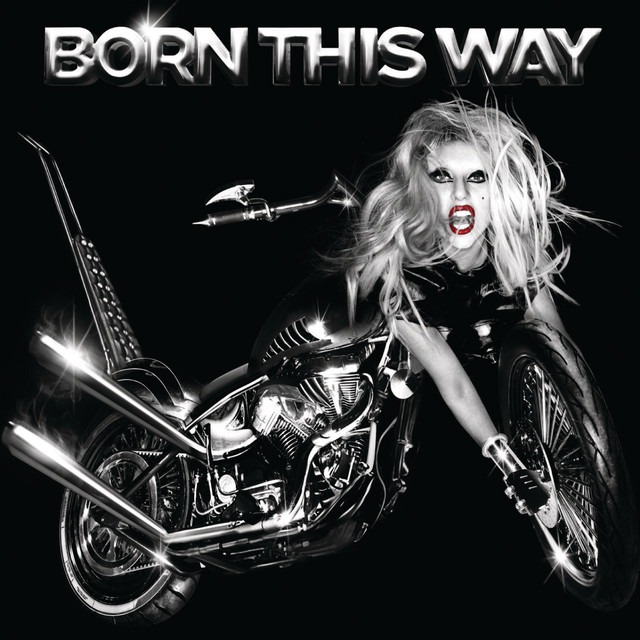
Released on May 23, 2011, Born This Way bursts from the speakers like a gospel sermon inside a neon cathedral. Co-produced and co-written by Gaga alongside RedOne, DJ White Shadow, and Fernando Garibay, it’s more than an album—it’s a manifesto. Packed with arena-sized beats, glam-metal glam, queer anthems, and religious iconography, Born This Way redefines pop music as a place where freak flags fly high and sax solos save souls. It hits #1 in more than 20 countries, sells over a million copies in its first U.S. week, and becomes Gaga’s most radical—and beloved—statement to date.
1. A Song Written in Ten Minutes, A Classic For Decades
Gaga writes “Born This Way” in Liverpool in ten minutes, calling it an immaculate conception of melody and message. She channels Whitney Houston’s voice in her head and Carl Bean’s legacy in her heart. The result: a global anthem that name-checks drag queens, celebrates every identity, and takes no lyrical detours. It’s a pop hymn with synths instead of pews.
2. Clarence Clemons Blows the Roof Off the Edge
When Gaga needs a sax solo for “The Edge of Glory,” she calls up E Street legend Clarence Clemons. He jumps on a plane and records his parts that same night, wrapping by 3 a.m. in true rock-and-roll fashion. His soaring lines bring Springsteen soul to Gaga’s synth cathedral. It’s disco, it’s drama—it’s divine.
3. “Judas” Rides the Line Between Gospel and Goth
Equal parts scripture and scream, “Judas” flips Bible stories into club thunder. Gaga sings of love, betrayal, and washing the feet of a bad decision with industrial beats and 1980s pop choruses. Critics hear echoes of “Bad Romance,” but this time the crucifix is sequined. She writes it, designs the cover in Microsoft Word, and walks into controversy like it’s the runway.
4. “Americano” Marches Through Mariachi and Protest
Fusing Spanish, techno, and vaudeville, “Americano” takes a stiletto-stomped stand against Arizona’s SB 1070 law. Inspired by Edith Piaf and Judy Garland, Gaga blends immigration politics with glittering synths and layered vocals. It’s not just a song—it’s a statement in fishnets and flamenco heels.
5. It’s the Freedom Album, in Any Language You Speak
From faux-German feminist techno on “Scheiße” to the Gregorian gloom of “Bloody Mary,” Born This Way refuses to stay in one genre or one tongue. Gaga sings in English, Spanish, French, and pure fire. With influences from Madonna to Iron Maiden, the album dances across borders, beliefs, and expectations.
Born This Way is more than a collection of songs—it’s a cultural landmark dressed in latex and eyeliner. With bold production, fearless lyrics, and a heart that beats for the marginalized, Gaga builds a pop world where everyone belongs. Over a decade later, it still plays like a battle cry for self-love and liberation. Not just born this way—forever staying that way.
5 Surprising Facts About The Kinks’ ‘Something Else by The Kinks’
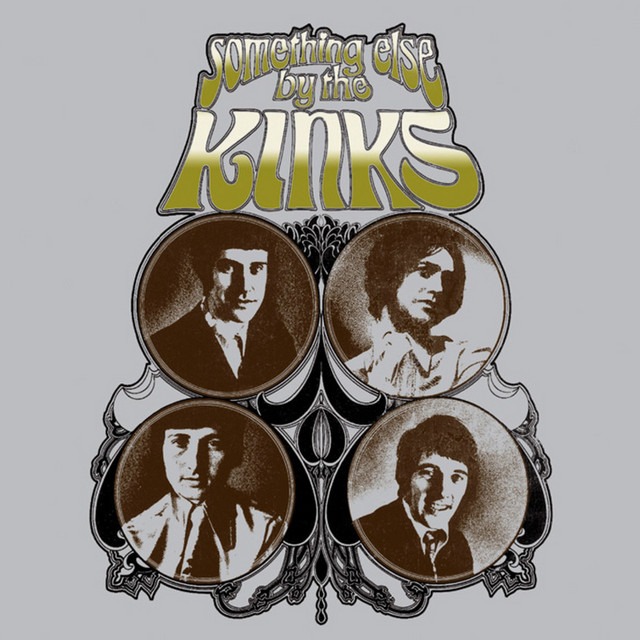
Released on September 15, 1967, Something Else by the Kinks twinkles like a late-summer twilight in a dusty English village. Their fifth studio album trades rock-star bravado for string flourishes, afternoon daydreams, and observational gems from Ray Davies’s ever-curious pen. Embracing baroque pop, music hall whimsy, and chamber balladry, it marks a turning point in the band’s sound—and the first full album produced by Ray himself. It’s not just another Kinks record. It’s a quiet revolution dressed in corduroy.
1. “Waterloo Sunset” Took a Decade to Happen in Ten Hours
Ray Davies carries the melody to “Waterloo Sunset” in his mind for years before letting it spill into tape. The final recording session stretches ten hours, with echo tricks and tape delay weaving magic into every guitar line. Ray imagines the scene from a hospital balcony, watching the Thames shimmer with memories. Terry and Julie never had it so cinematic.
2. “Death of a Clown” Was Born in a Daydream at Mum’s House
Dave Davies drifts off at a wild party and wakes up in a swirl of circus surrealism. Suddenly, he’s a clown—performing, spinning, fading. He rushes to his mum’s out-of-tune piano and taps out three notes that soon become “Death of a Clown.” Nicky Hopkins plays the intro by plucking piano strings like a harp. The result: a solo hit hiding in a full-band costume.
3. “David Watts” Is a Double-Layered Daydream in Blazer and Tie
“David Watts” skips to the rhythm of envy with a perfectly pressed schoolboy crush. Ray pens it after watching a concert promoter swoon over his brother Dave, adding a cheeky wink to the sharp uniform of pop. “He is so gay and fancy free,” Ray sings, balancing admiration, irony, and ambiguity like a pint on a pub piano.
4. Ray and Rasa Make Music Hall Magic
Rasa Davies, Ray’s wife at the time, lends her voice like a ghost in the machine—floating through choruses, swirling around harpsichords. Her harmonies light up “Two Sisters” and “Death of a Clown” like an unseen narrator. It’s not just a family affair—it’s chamber-pop alchemy in a velvet frame.
5. “No Return” Goes Bossa Nova Without a Passport
In the middle of English suburbia, Ray slips into a samba rhythm on “No Return.” It sways with soft bossa nova brushstrokes, like Astrud Gilberto on a foggy London morning. A nylon-stringed detour that feels like sipping espresso under a rainy awning, it’s a gentle reminder that even the Kinks can float down a Brazilian breeze.
Something Else shuffles, winks, and strums its way into rock history. Though it sold modestly in its day, the album grew into a beloved oddity, a cult cathedral for anyone seeking English wit with a side of sonic peculiarity. With Waterloo Sunset as its golden crown and Ray Davies behind the mixing desk, the album captures a band evolving from loud lads to literate legends—one village green at a time.
5 Surprising Facts About Sheryl Crow’s Self-Titled Album

Sheryl Crow’s self-titled second album lands on September 24, 1996, with a stomp, a shimmer, and a sharper edge. Trading the jam-session spirit of Tuesday Night Music Club for a self-produced, deeply personal statement, Crow writes with swagger and sings with the ease of someone who knows exactly where every chord should fall. Blending folk, rock, blues, and a little cosmic mischief, it becomes a defining record of the ’90s—and one of Crow’s boldest artistic declarations.
1. The UFO Gospel According to Sheryl
“Maybe Angels” opens the album like a flickering X-Files rerun on a Delta blues frequency. Sheryl spins lines about government secrets, heavenly choirs, and Kurt Cobain floating beside Lennon. It’s a conspiracy lullaby dressed in Wurlitzer and fuzz. Somewhere between Roswell and redemption, the groove soars.
2. Walmart vs. the Chorus
“Love Is a Good Thing” rolls in like a protest sign with a power chord. Sheryl calls out gun sales at discount stores with laser-precise lyrics—and Walmart hears it loud and clear. The retail giant pulls the album from shelves, which only makes it louder. Rock and roll, meet retail resistance.
3. Johnny Cash Finds “Redemption Day”
Buried deep in track ten is a folk-blues lament Crow wrote after visiting Bosnia on a USO trip. “Redemption Day” hums with moral gravity and gospel glow. Years later, Johnny Cash records it for his final album, turning it into a gravel-throated benediction. The song becomes a bridge across generations.
4. “A Change Would Do You Good,” Hat-Trick Edition
Sheryl, Jeff Trott, and Brian MacLeod write “A Change Would Do You Good” by literally pulling lyrics from a hat. Each verse becomes a coded message: one about a producer, one about Madonna, and one—finally—about Crow herself. Soul, sass, and Staple Singers energy keep it all spinning.
5. If It Makes You Fuzzy
“If It Makes You Happy” tries on a parade of sonic outfits—punk, country, funk—before landing on its now-iconic slow-burn rock strut. Crow lays down the vocals like a smoky truth bomb while guitars drip with just the right amount of chaos. It becomes an anthem for the cathartic and the chaotic alike.
With Sheryl Crow, the artist becomes the architect. The album swerves from swampy riffs to satellite beams, folk musings to full-throttle rebellion, and finds power in every pivot. Triple platinum sales, Grammy wins, and retrospective acclaim follow—but it all begins with one woman taking full control of her story. Twenty-nine years later, it still makes you happy, and it still makes you think.
5 Surprising Facts About Jefferson Airplane’s ‘Surrealistic Pillow’
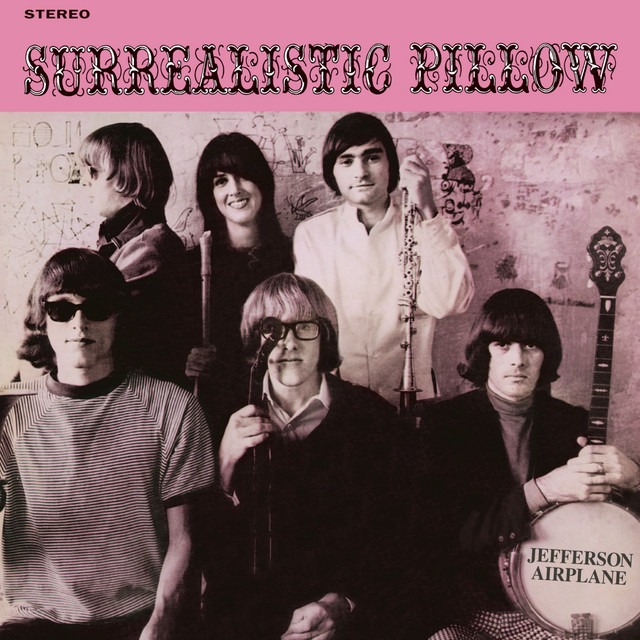
Released on February 1, 1967, Surrealistic Pillow lands like a velvet meteor in the middle of America’s consciousness. Jefferson Airplane’s second studio album—and the first with Grace Slick and Spencer Dryden—ushers in a technicolor sound that defines the San Francisco scene. With its dreamy harmonies, fuzz-drenched guitars, and cosmic curiosity, the record becomes a cornerstone of psychedelic rock and a flagship for 1960s counterculture. Here are 5 mind-blowing facts about the classic album.
1. The “Spiritual Advisor” with a Guitar
Jerry Garcia floats through Surrealistic Pillow like a ghost in paisley—credited as “spiritual advisor,” he also twirls in and out of songs with spectral guitar work. He fine-tunes “Somebody to Love,” fingerpicks the ether on “Today,” and casts spells on “Comin’ Back to Me.” Legend places him at the center of the studio’s astral map, arranging harmonies like tarot cards. Garcia doesn’t just drop in—he levitates through.
2. A Title Plucked From the Psychedelic Ether
While lounging amid incense trails and Technicolor soundscapes, Garcia muses the music feels “as surrealistic as a pillow.” The phrase lingers in Marty Balin’s mind like a bell in a canyon. Soon, it drapes across the album like velvet over a lava lamp. It suggests softness with strange edges—equal parts Salvador Dalí and dorm-room daydream.
3. “White Rabbit” Marches to a Boléro Beat
Grace Slick composes “White Rabbit” at a red piano with missing keys, conjuring Alice and psychedelics in the same breath. Its slow-build intensity mirrors Ravel’s Boléro, a hypnotic rise into euphoric disorientation. Add a hint of Miles Davis’s Sketches of Spain and you’ve got a march not just through Wonderland, but through the looking glass of San Francisco’s Summer of Love.
4. The Cover Photo Came With Hieroglyphic Walls
Photographer Herb Greene shoots the album cover in his own dining room, where the wallpaper pulses with primitive symbols and half-drawn mythologies. The band lounges like Greco-Roman muses transported to Haight-Ashbury. RCA tints it pink instead of blue, and Marty Balin loves the accidental brilliance. It becomes an icon—psychedelia framed in wallpaper and whimsy.
5. A Song Penned on a Very Enlightening Evening
“Comin’ Back to Me” drifts into existence after Marty Balin shares a joint with Paul Butterfield and picks up a guitar while the rest of the band vanishes into the night. Only Casady, Garcia, and Grace Slick remain, and they record the song in a single take. It glows like candlelight on the edge of a trip—gentle, ghostly, and entirely suspended in time.
More than five decades later, Surrealistic Pillow still hums with mystery and imagination. From dorm rooms to desert festivals, its echoes ripple through indie ballads, acid-folk experiments, and cinematic dreamscapes. Inducted into the National Recording Registry in 2024, the album remains a sacred artifact—forever chasing white rabbits through the fog of history.