Home Blog Page 124

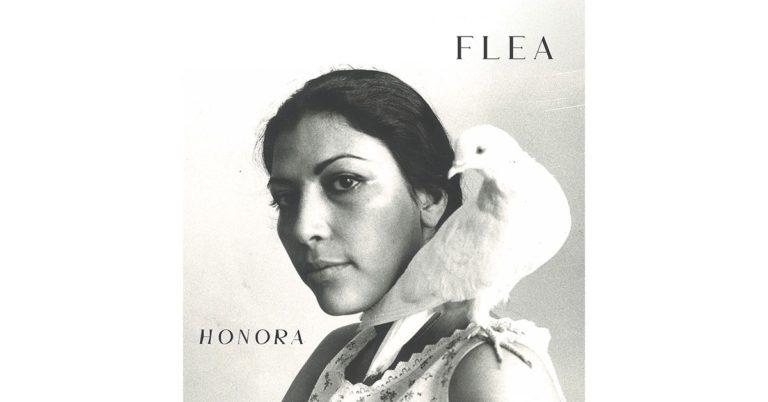
Red Hot Chili Peppers Bassist Flea Steps Out Solo With Jazz Debut ‘Honora’

0

Flea is releasing his debut solo album, ‘Honora,’ on March 27, 2026, via Nonesuch Records. Nearly five decades into a career that redefined what a rock bassist could be, he is returning to his first musical loves: jazz and the trumpet. The album is named for a beloved family member, and it carries that personal weight in every decision made around it.

The record features an extraordinary supporting cast. Producer and saxophonist Josh Johnson, guitarist Jeff Parker, bassist Anna Butterss, and drummer Deantoni Parks form the core band. Vocalists include Thom Yorke and Nick Cave. Mauro Refosco and Nate Walcott also appear. The album spans six originals alongside interpretations of tunes by George Clinton and Eddie Hazel, Jimmy Webb, Frank Ocean and Shea Taylor, and Ann Ronell. That is a serious range, and ‘Honora’ handles it.

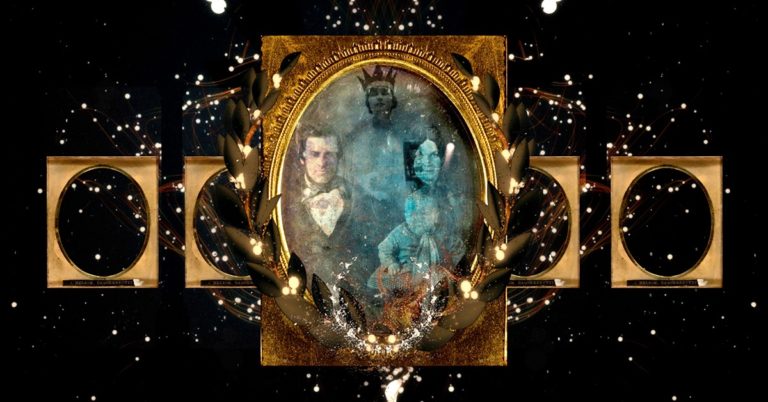
The lead track, “Traffic Lights,” is out now. Co-written with Thom Yorke and Josh Johnson, it features Yorke on vocals, piano, and synth. Flea describes sending Yorke an early version instinctively, knowing the rhythm and sensibility would connect. He was right. A visualizer, directed and animated by nespy5euro, is available now.

To make this record, Flea practiced trumpet every day for two years, through a stadium tour with Red Hot Chili Peppers, a new marriage, and a newborn at home. That commitment produced something genuinely moving: a jazz album that sounds like a musician finally doing what he always knew he was meant to do.

Flea and the Honora Band hit intimate venues across North America and Europe this May, with stops in Chicago, Toronto, Montreal, New York, Washington, Los Angeles, Berlin, Amsterdam, London, and Paris.

Flea and the Honora Band Tour Dates:

May 7 — Thalia Hall, Chicago, IL

May 9 — Opera House, Toronto, ON

May 10 — Théâtre Beanfield, Montreal, QC

May 12 — Webster Hall, New York, NY

May 13 — Black Cat, Washington, DC

May 16 — Fonda Theater, Los Angeles, CA

May 21 — Heimathafen, Berlin, Germany

May 22 — Paradiso, Amsterdam, Netherlands

May 26 — Koko, London, UK

May 28 — Alhambra, Paris, France
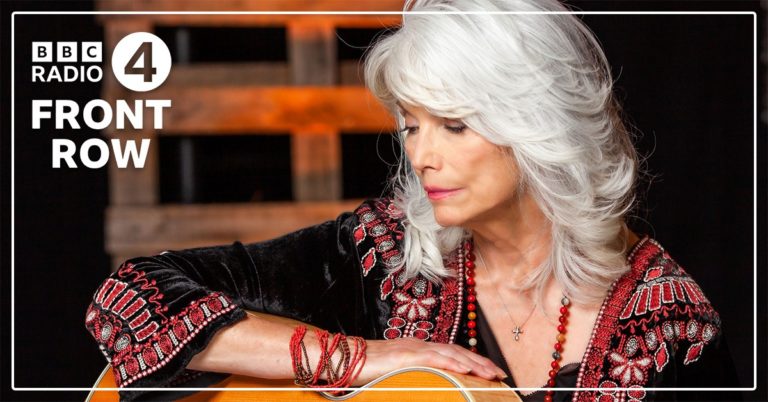
Emmylou Harris Opens Up About Her Career and European Farewell Tour

0

Emmylou Harris is making the rounds, and the conversation is worth paying attention to. The legendary singer sat down with BBC Radio 4’s Front Row, hosted by Kate Molleson, for a wide-ranging discussion about her life and career. Molleson introduced her as someone who “brought together the worlds of folk, rock and country music” and “took harmony singing to new heights.” That framing is accurate, and Harris delivered.

Harris also spoke with the Guardian’s Fiona Sturges, and the interview is a reminder of what makes her singular. On the subject of retirement, Harris is characteristically direct: “I don’t really know what winding down is. I think when you’re an artist, you don’t ever really retire.” That clarity of purpose, still intact after decades, says everything about where she stands.

The BBC Radio 4 Front Row episode is available now on Spotify and Apple Podcasts. It also features Sir Ian McKellen and Sir Wayne McGregor, who choreographed Thomas Adès’ Dante, making it a rich listen well beyond the Harris conversation alone.

Harris is currently on her European Farewell Tour, which opened at Celtic Connections in Glasgow and 3Arena in Dublin. For tickets to remaining dates, visit nonesuch.com/on-tour.

Sarah Kirkland Snider Delivers ‘Forward Into Light,’ Her Most Ambitious Orchestral Statement Yet

0

HEADLINE

Sarah Kirkland Snider Delivers ‘Forward Into Light,’ Her Most Ambitious Orchestral Statement Yet


BLOG POST

Sarah Kirkland Snider’s fifth full-length album, ‘Forward Into Light,’ is out now on New Amsterdam / Nonesuch Records. The all-orchestral record was produced by multi-GRAMMY-winning producer Silas Brown and recorded by the GRAMMY-nominated Metropolis Ensemble, led by conductor and artistic director Andrew Cyr. It is Snider’s most expansive release to date, and it lands with the full weight of that ambition intact.

The album collects four major orchestral works: the title track, inspired by the American women’s suffrage movement; “Eye of Mnemosyne,” a multimedia commission from the Rochester Philharmonic exploring memory and culture; the string orchestra and harp version of “Drink the Wild Ayre,” reimagined from the final commission of the Emerson String Quartet; and “Something for the Dark,” a meditation on resilience commissioned by the Detroit Symphony Orchestra. Harpist Noël Wan appears on the latter arrangement.

The music is immersive, intricate, and built for headphones as much as concert halls. Snider designed the listening experience intentionally, working with Metropolis Ensemble to maximize detail in individual lines without losing expressivity. The result is an orchestral record that rewards close attention at every level of its production.

Snider has described the four works as connected by themes of perseverance, alliance, and evolution. Andrew Cyr puts it plainly: “The studio is another stage, and recording is its own artistic medium.” That philosophy is audible throughout, in a mix engineered for Atmos and modern playback that gives Snider’s orchestration genuine depth and focus.

Snider’s upcoming concert season includes a new work for dance with the New World Symphony and Miami City Ballet, and the professional world premiere of her new orchestral work “Marmoris” with the Monterey Symphony. Her music will be performed this season in Paris, Toronto, Antwerp, Brooklyn, and beyond.

Upcoming Performances:

April 17-19, 2026 — New World Symphony / Miami City Ballet

May 16-17, 2026 — Monterey Symphony (World Premiere: “Marmoris”)

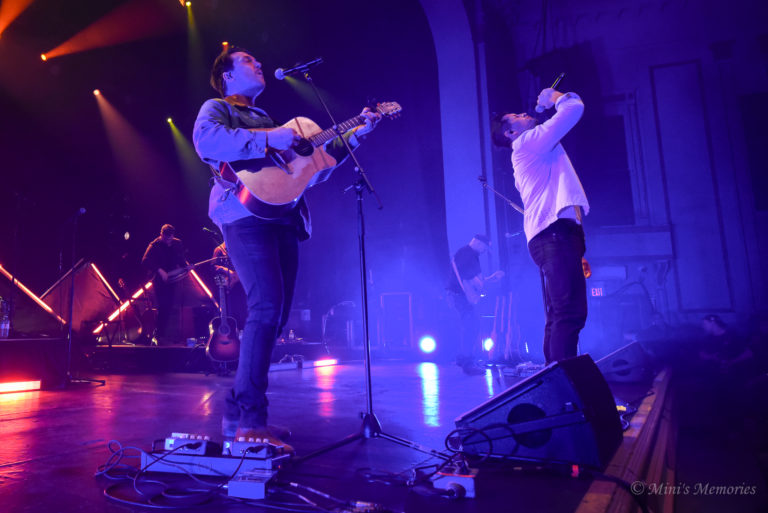
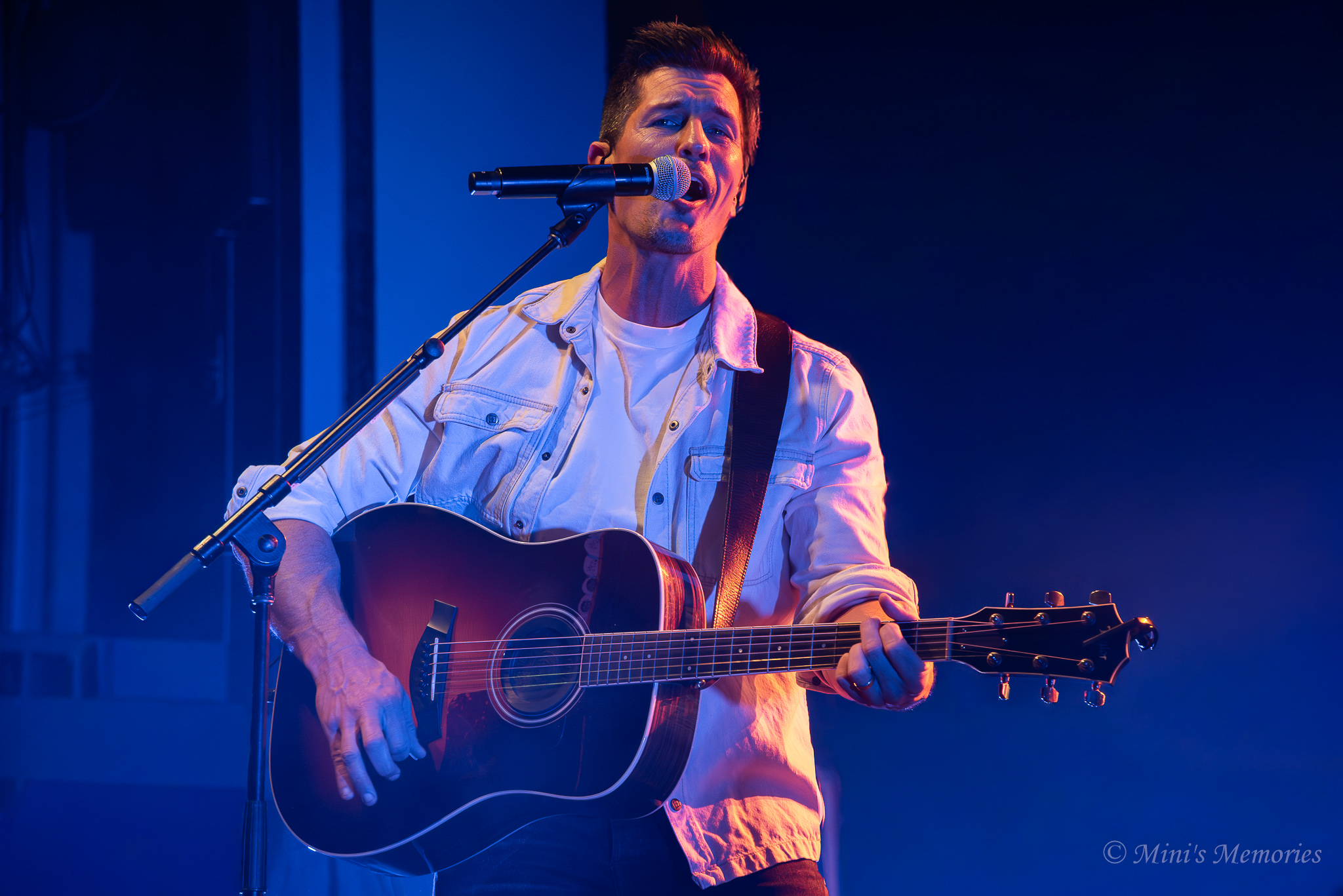
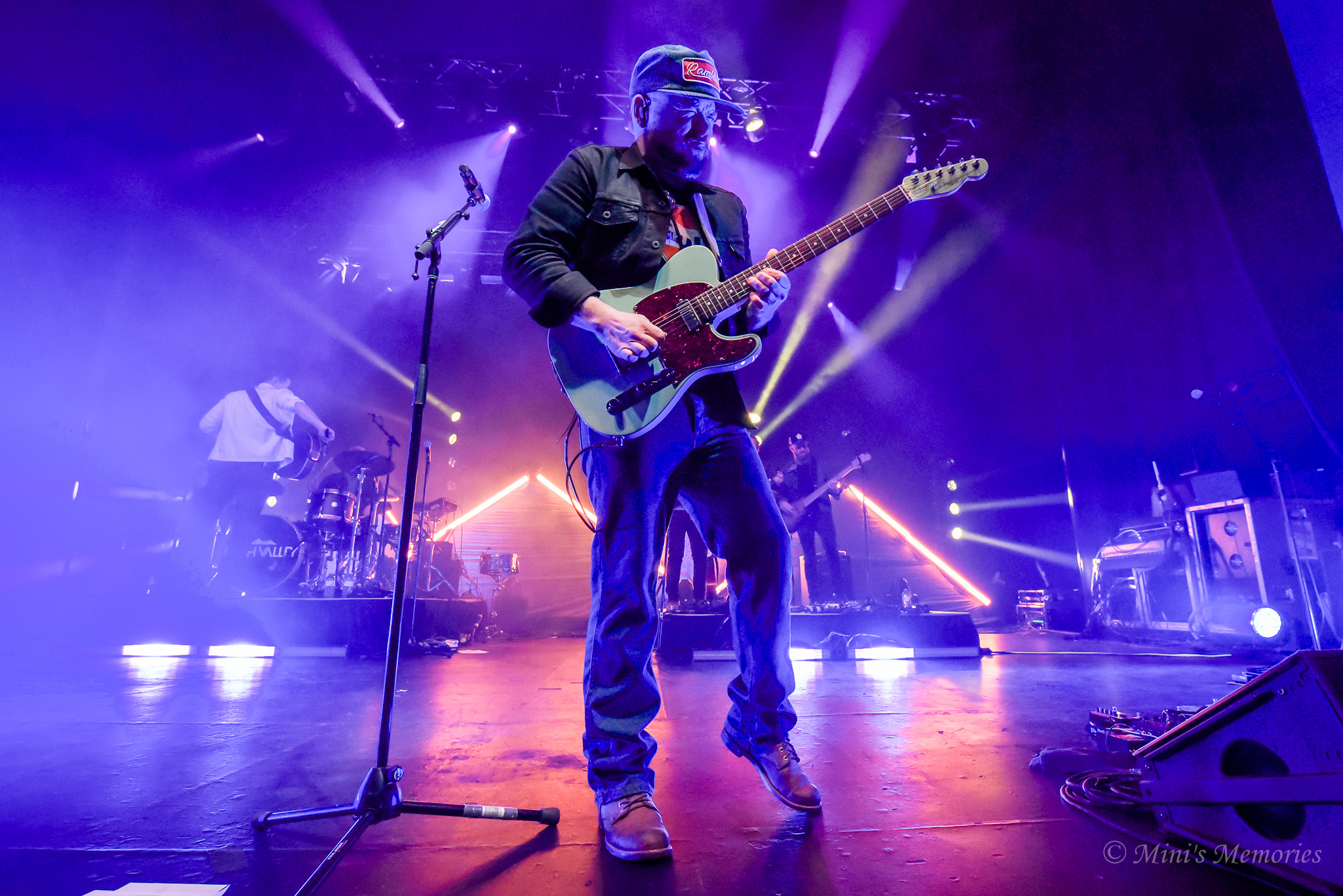
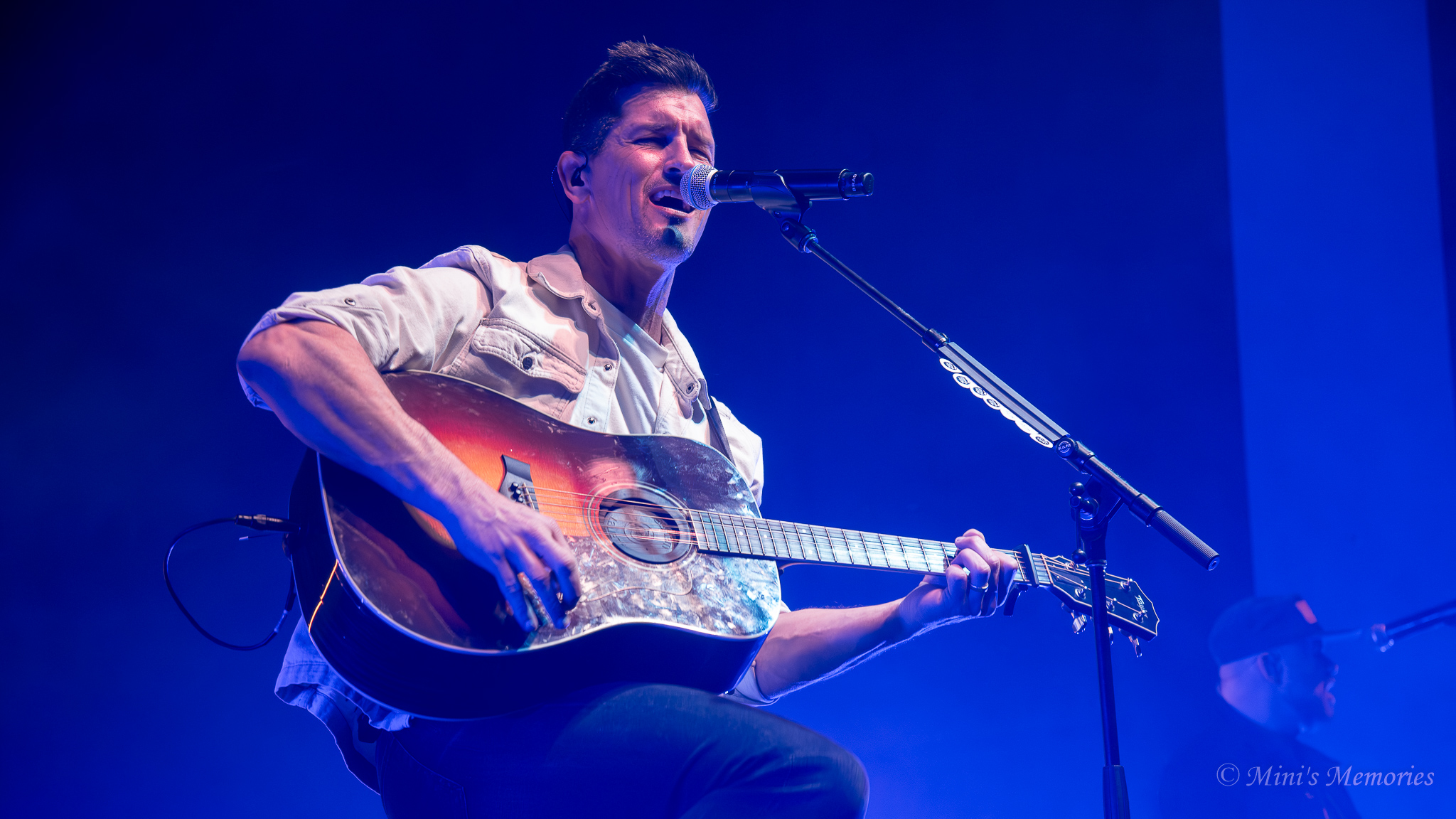
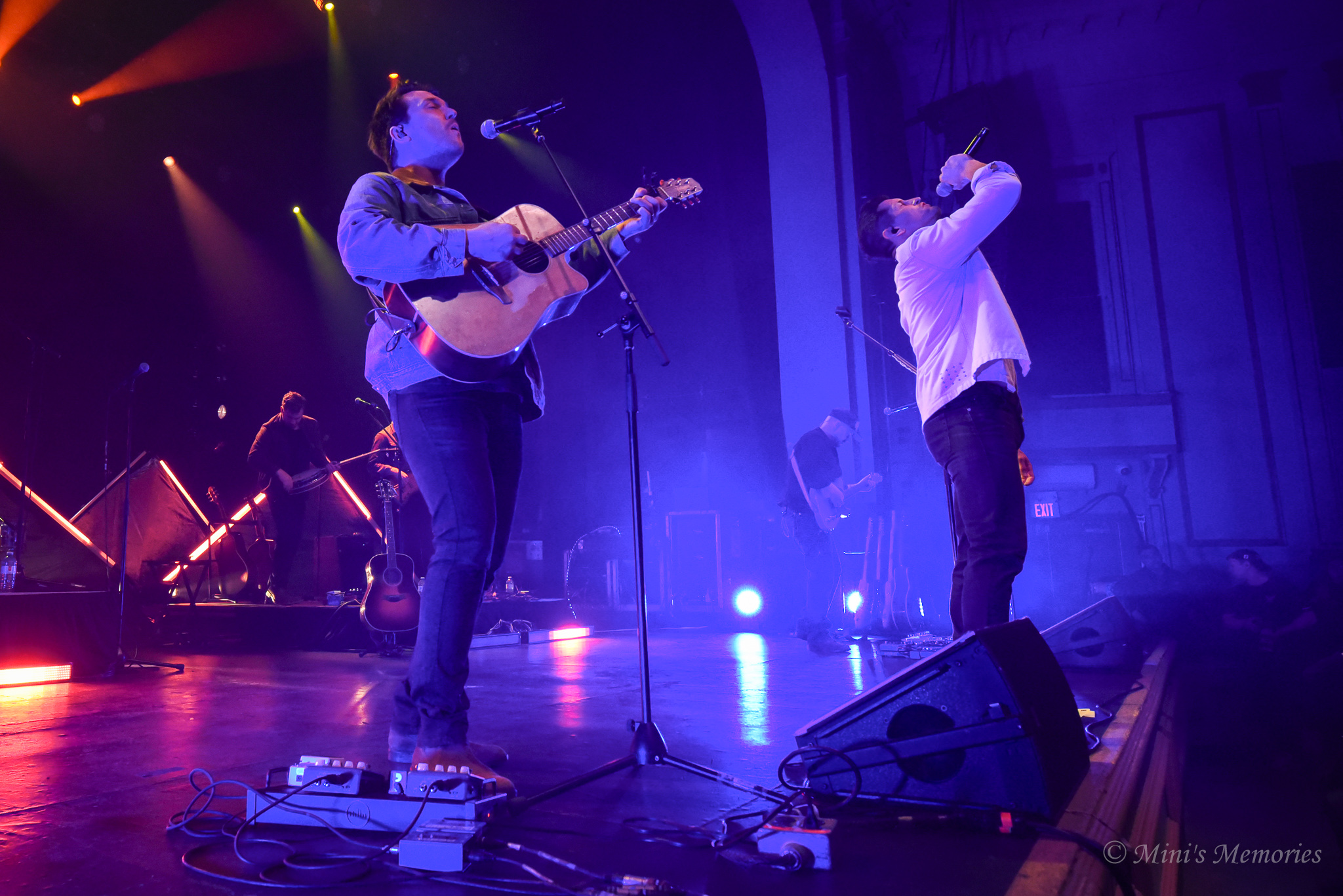
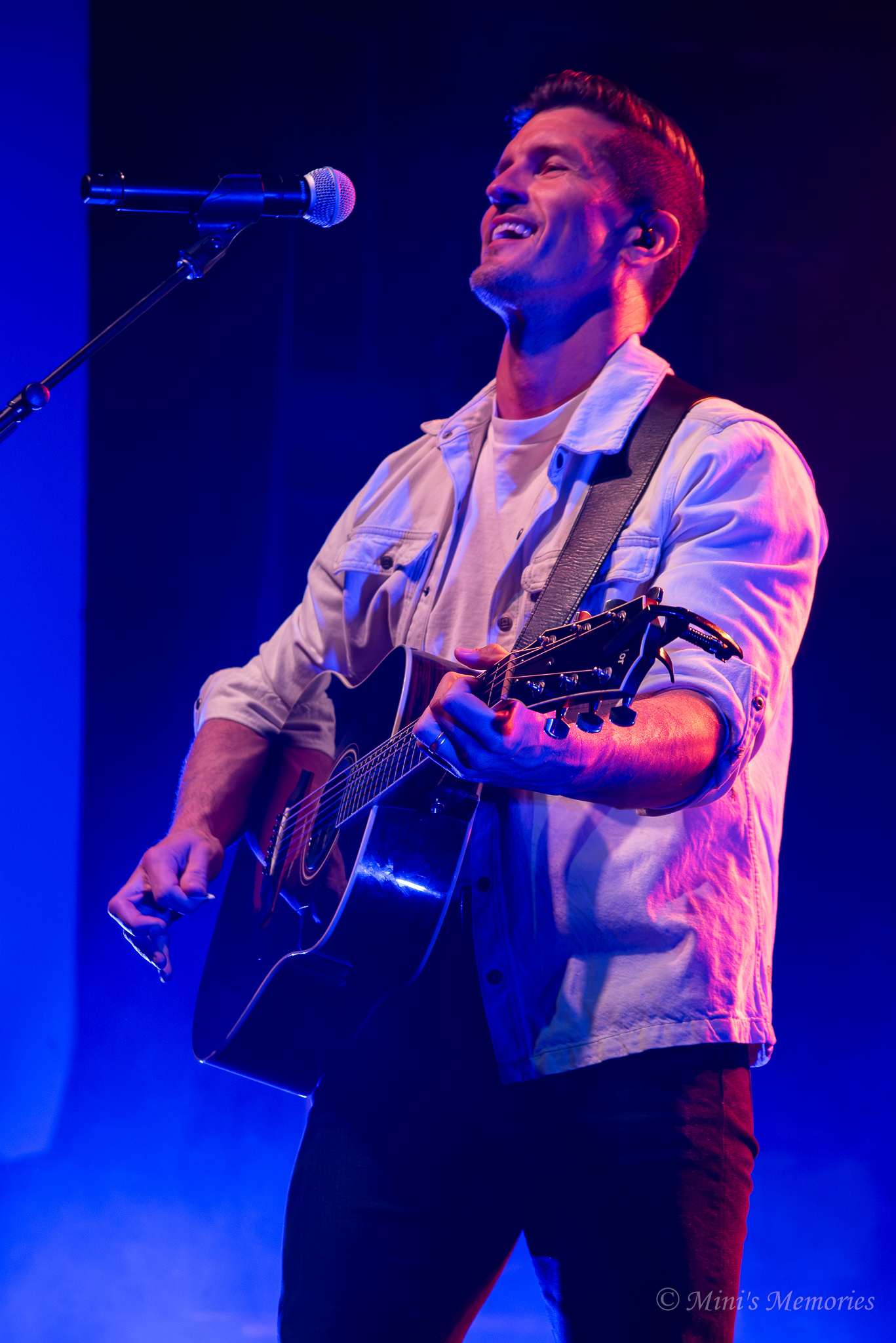
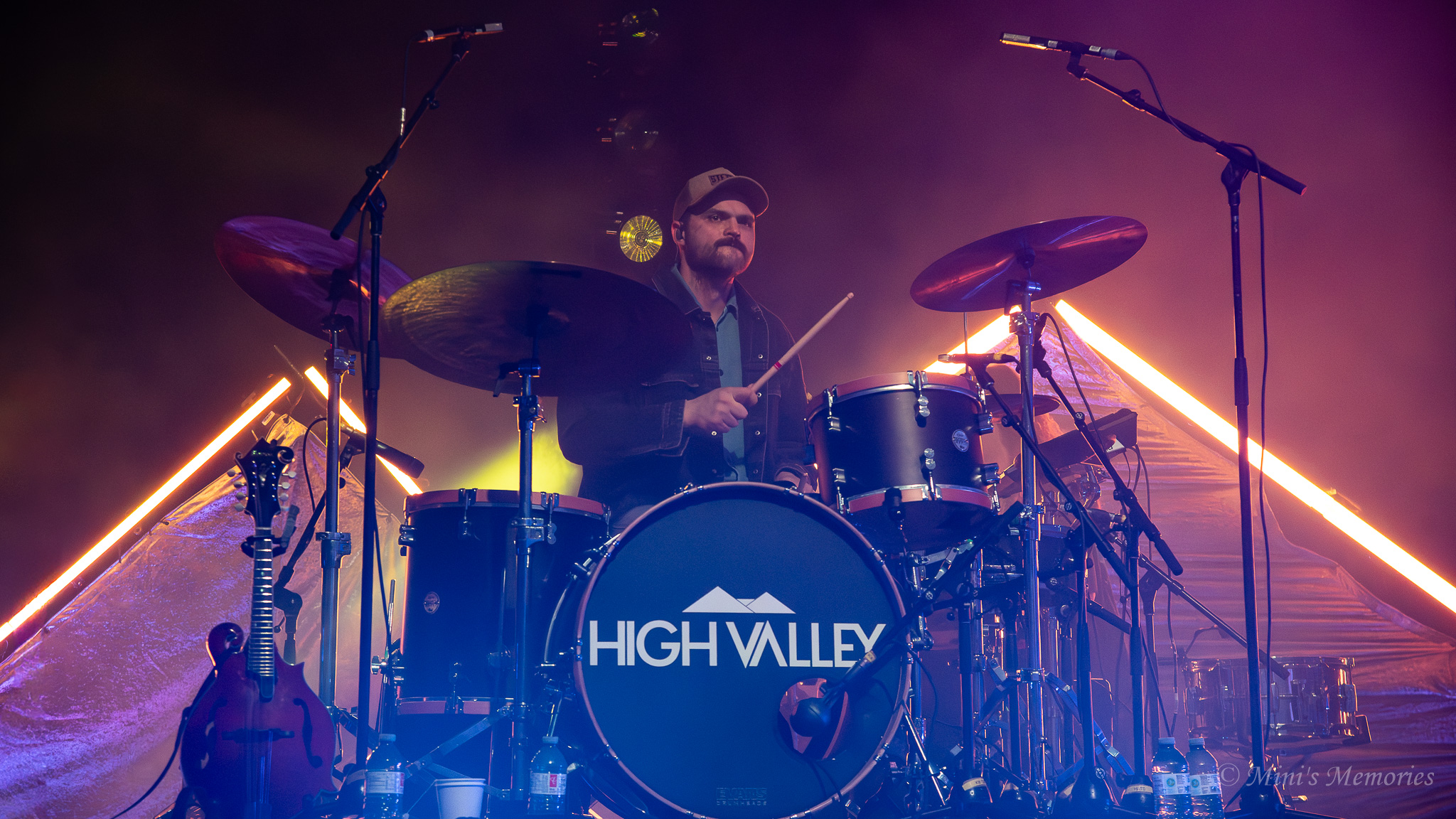
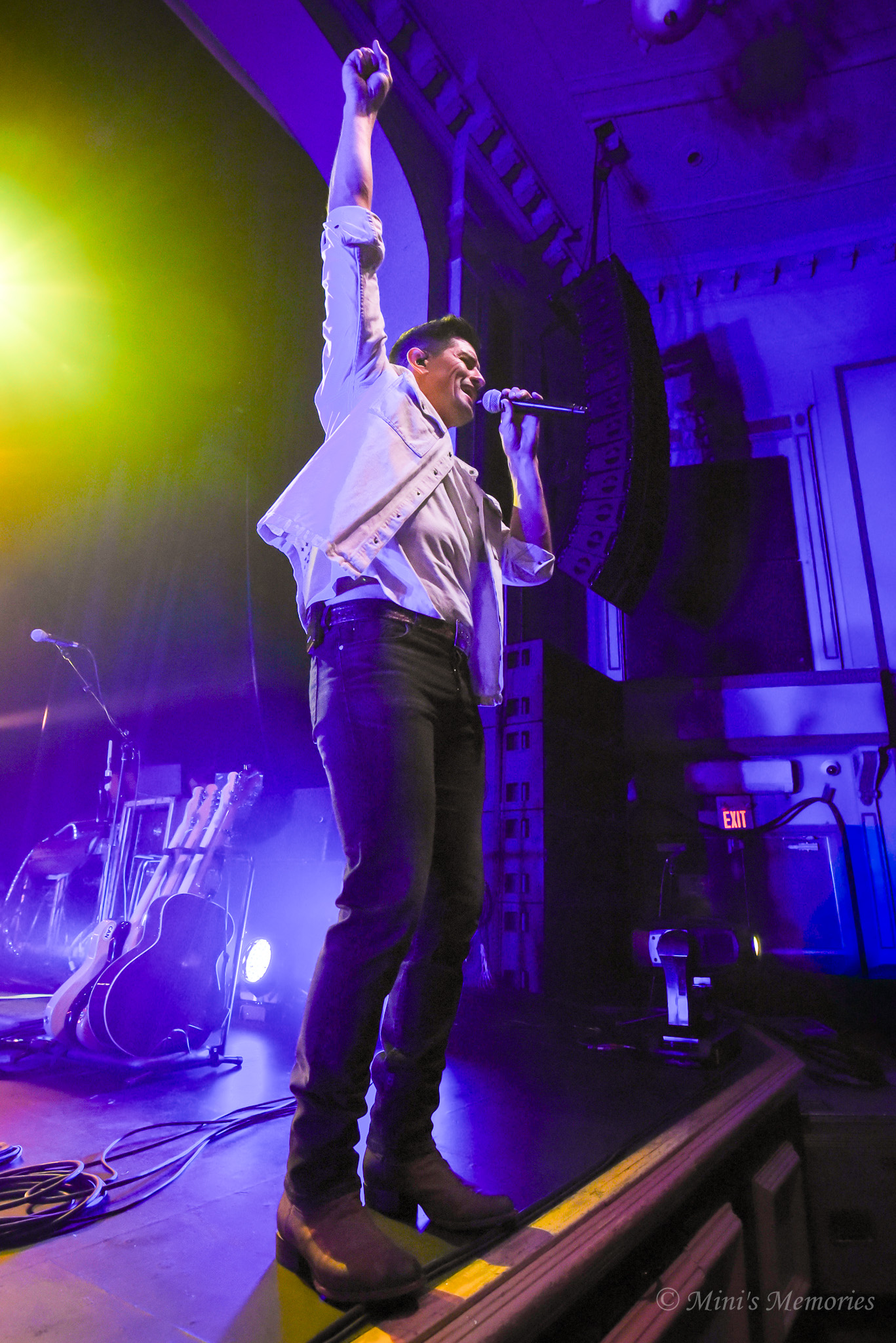
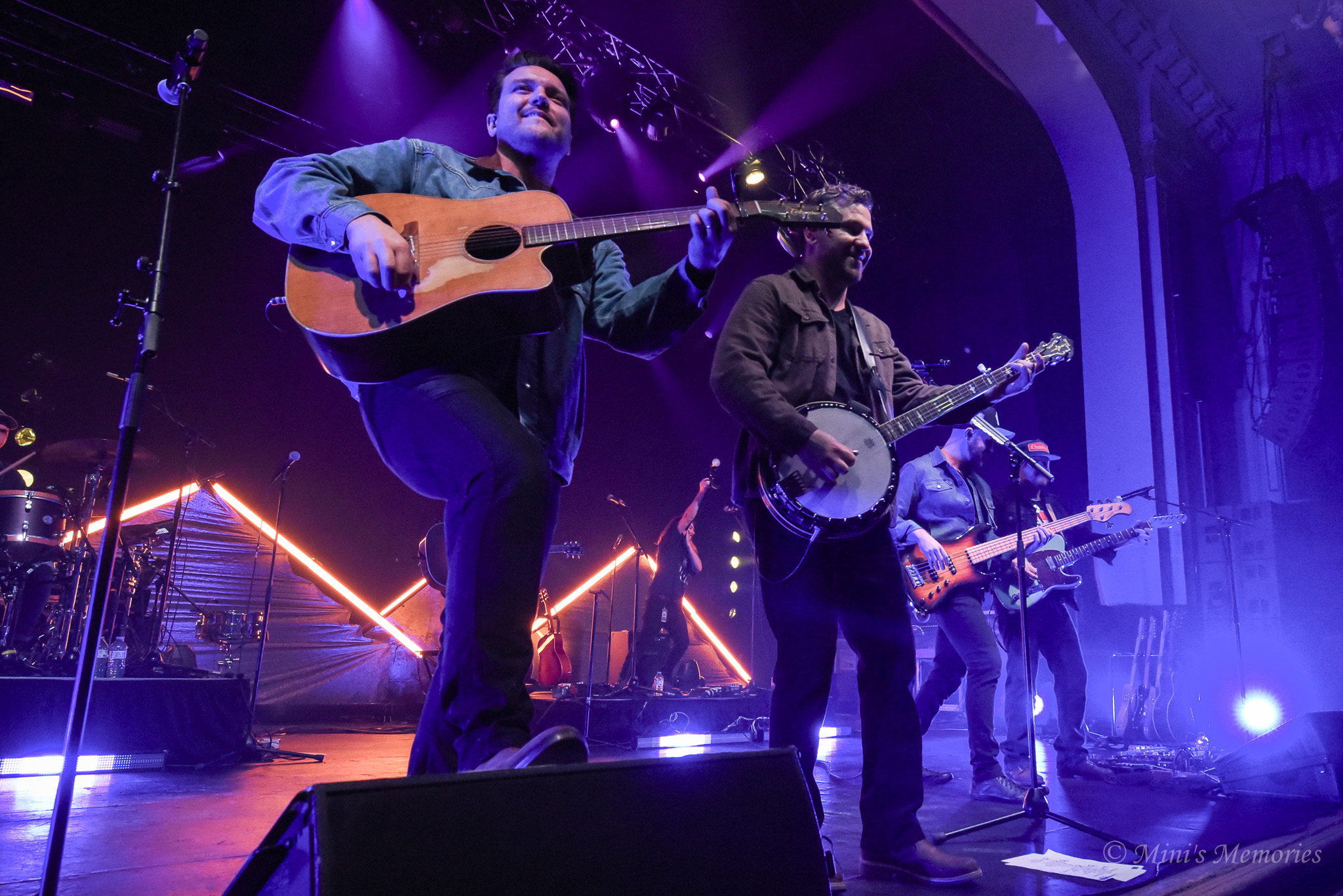
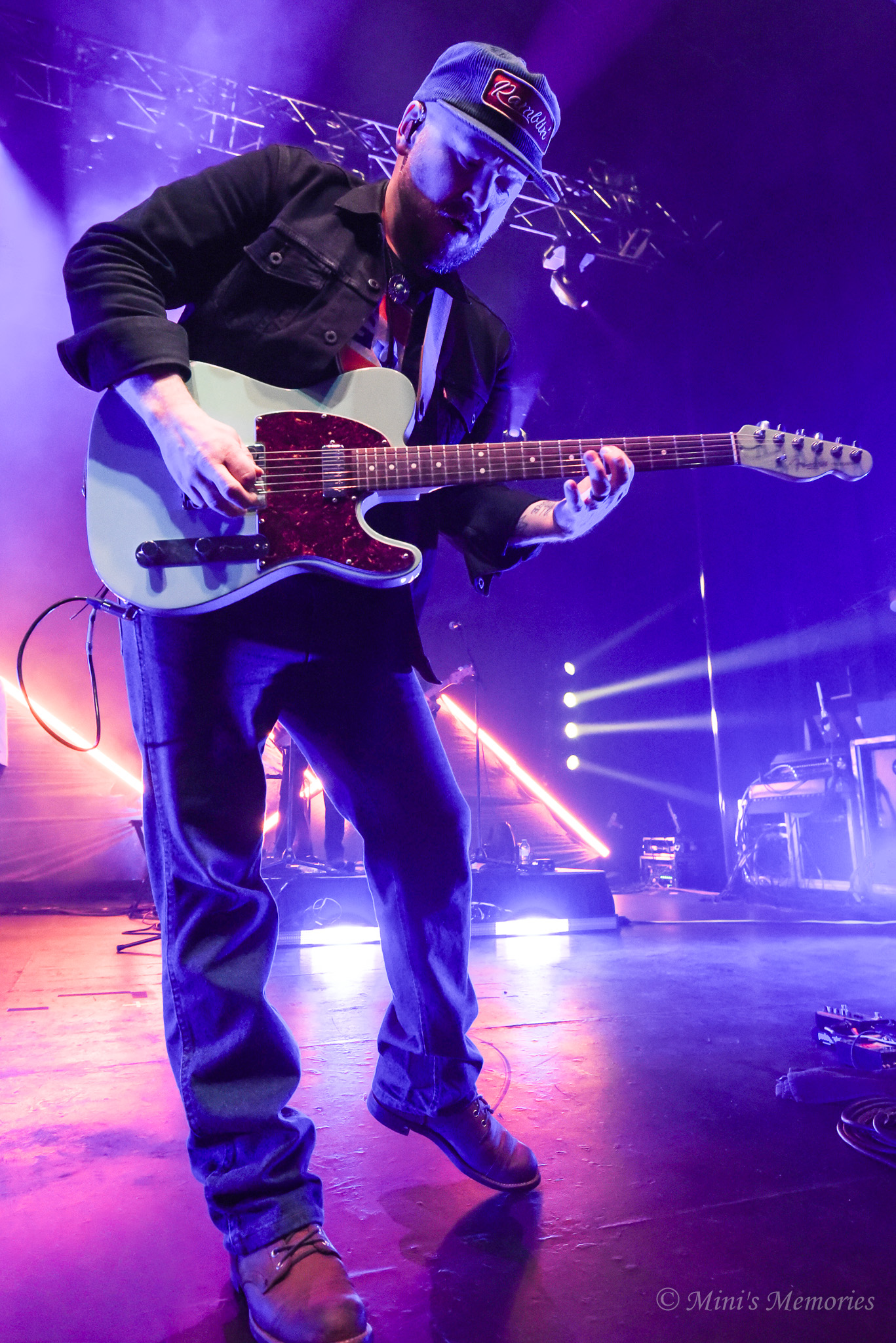
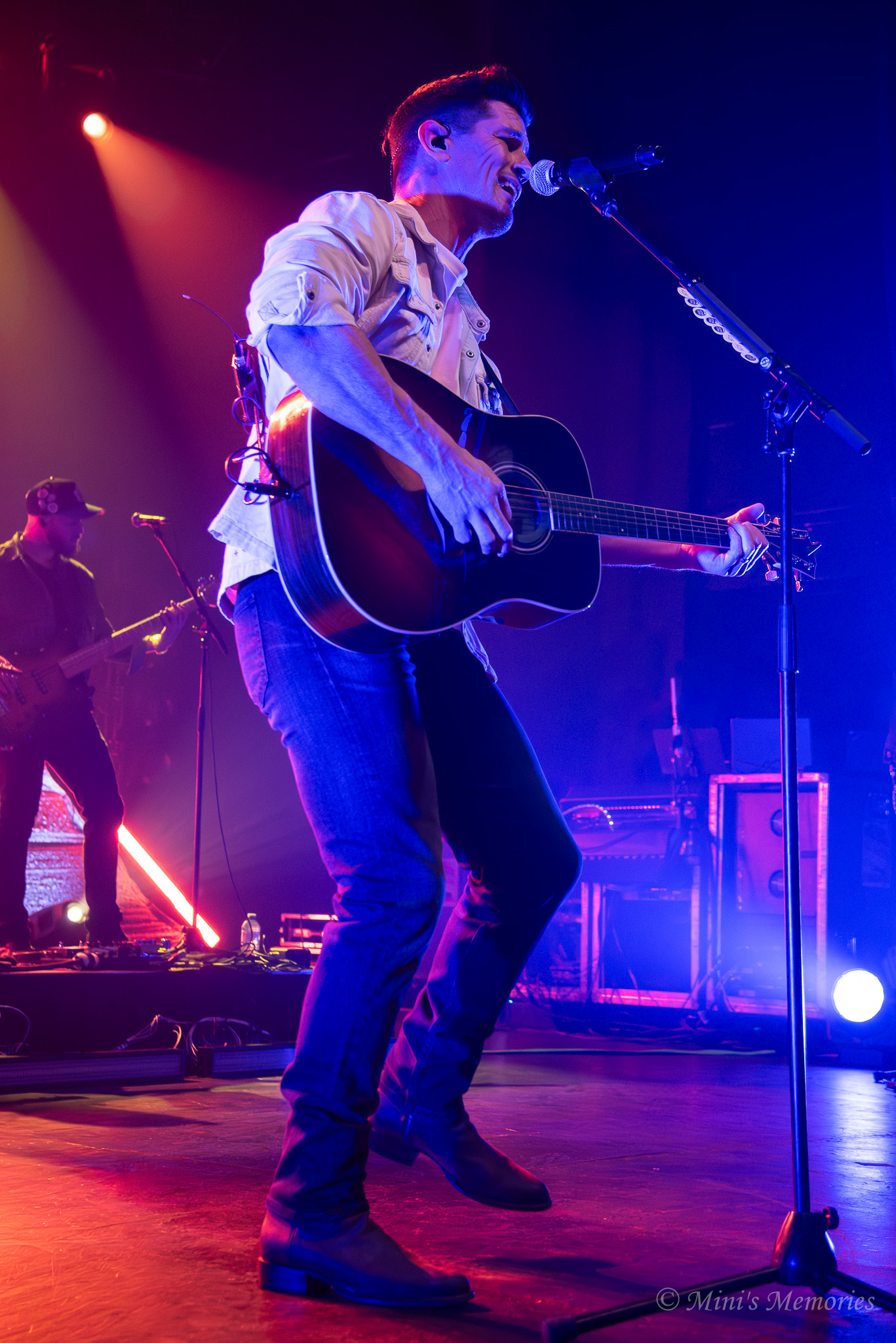
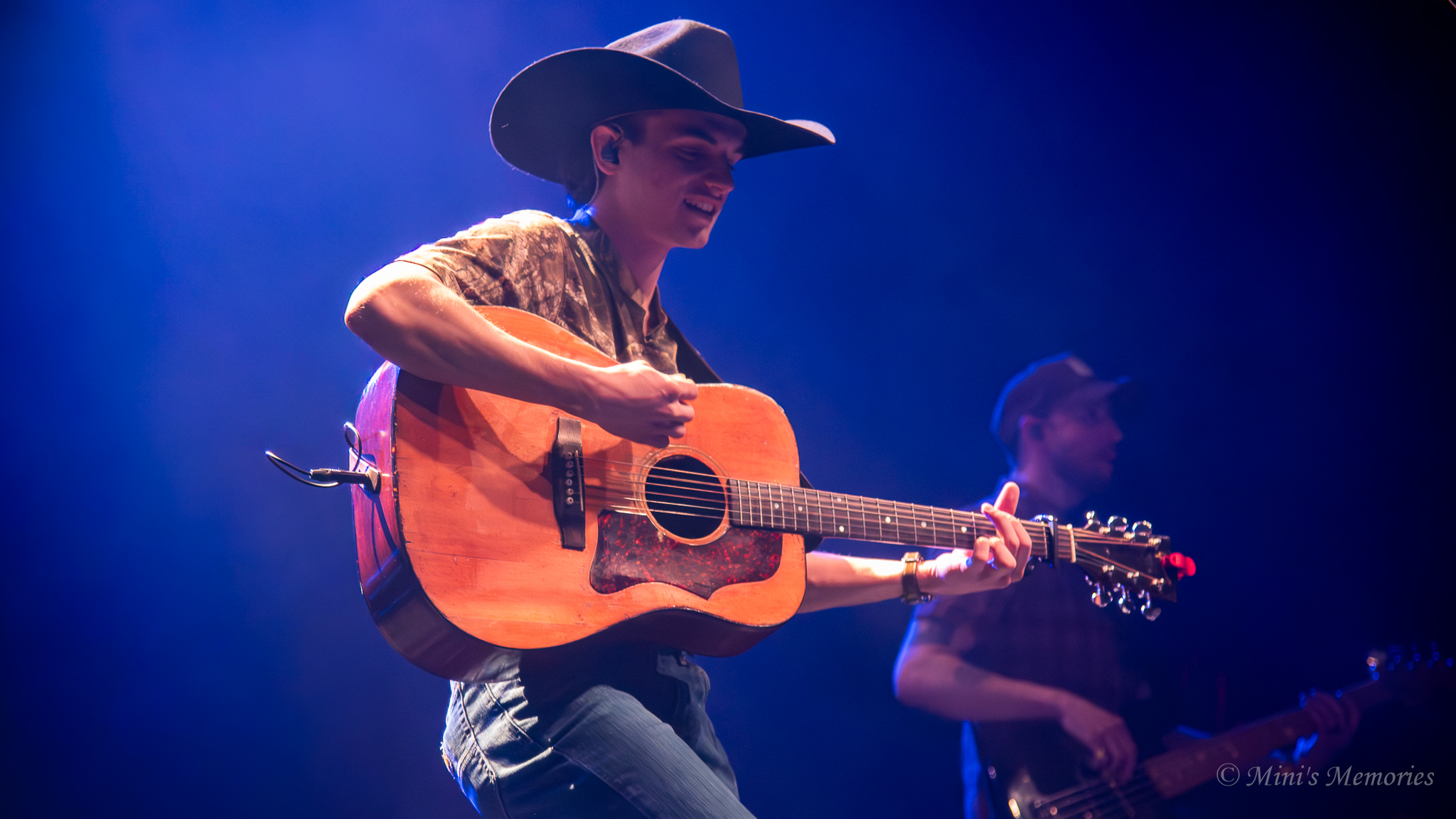
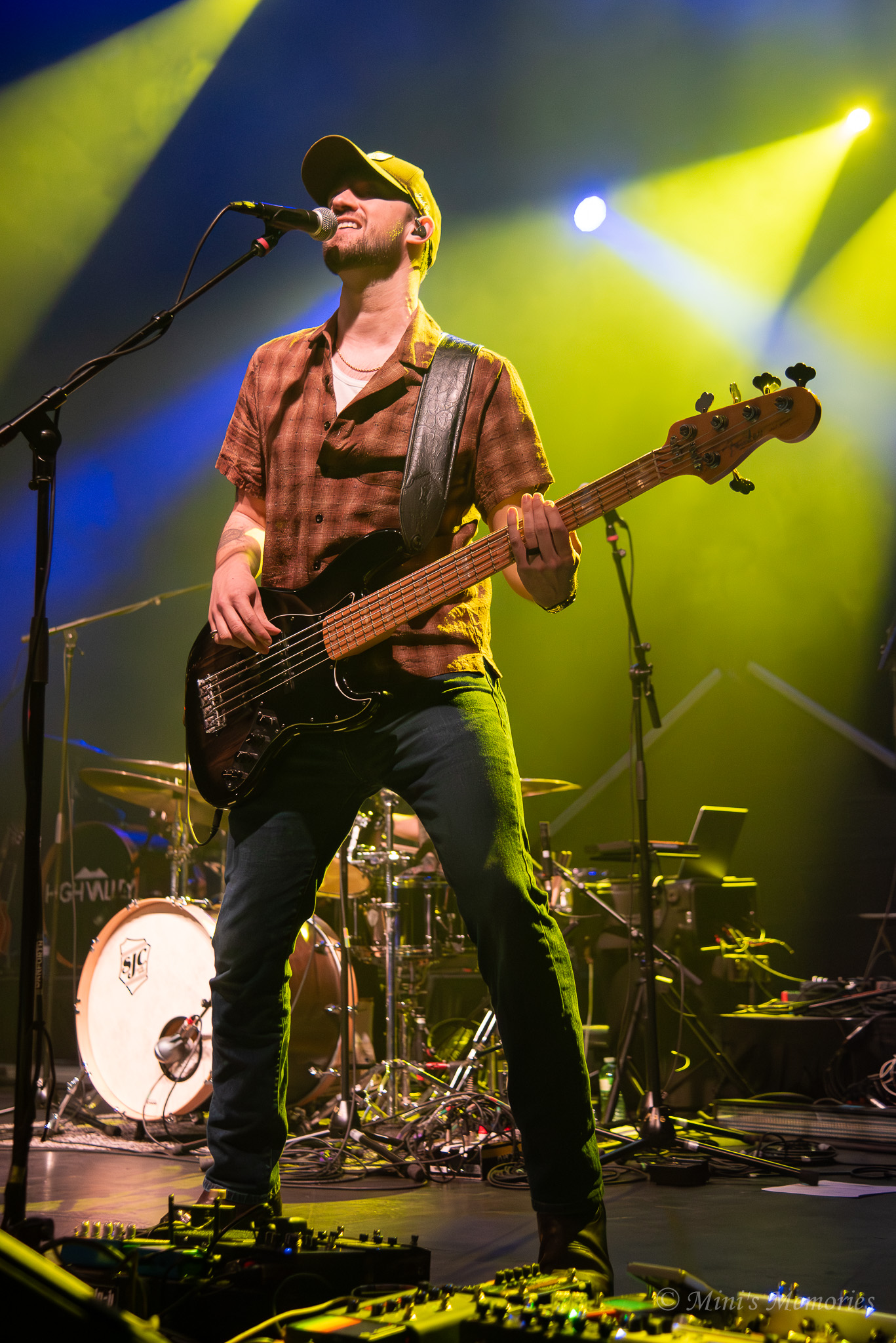
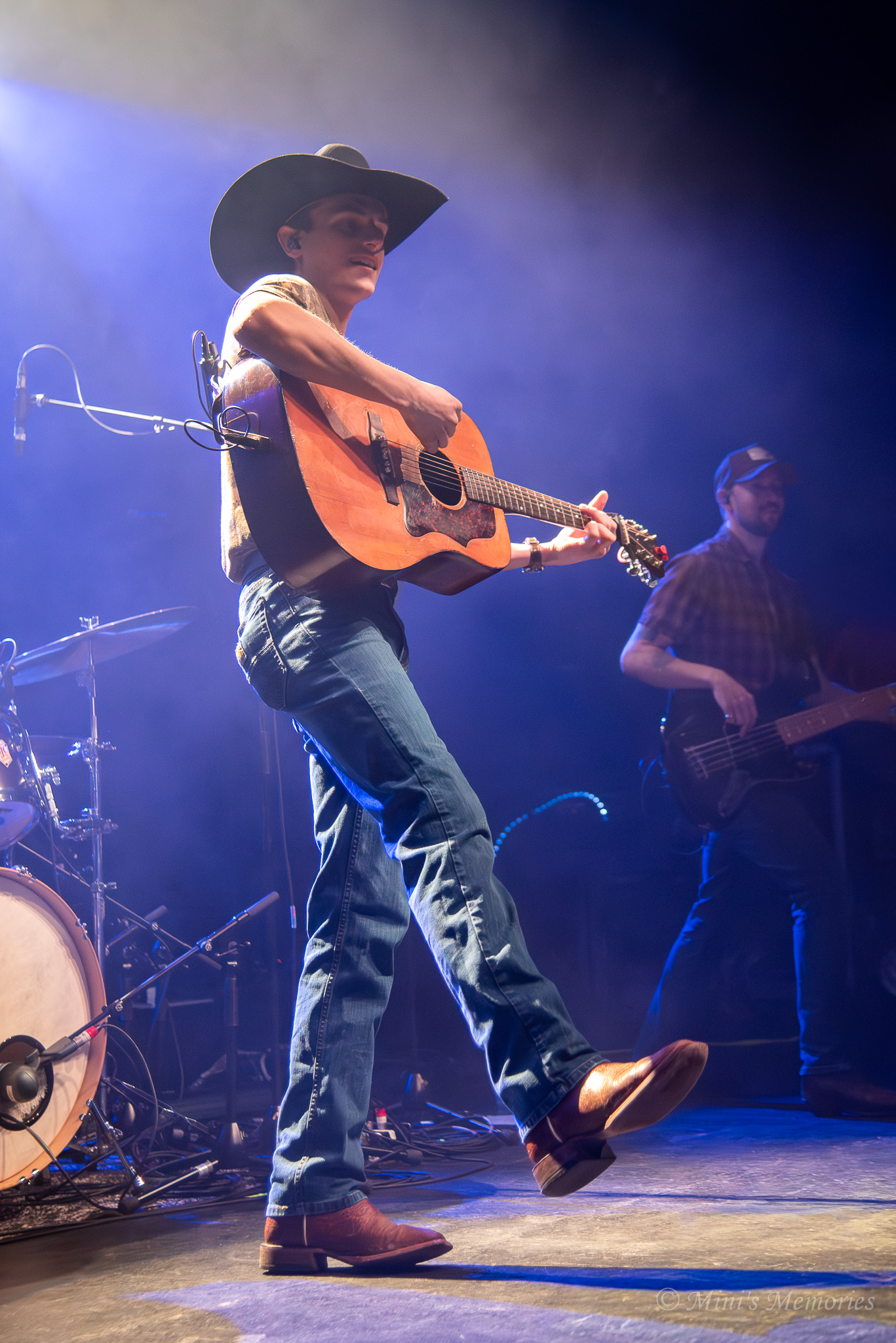
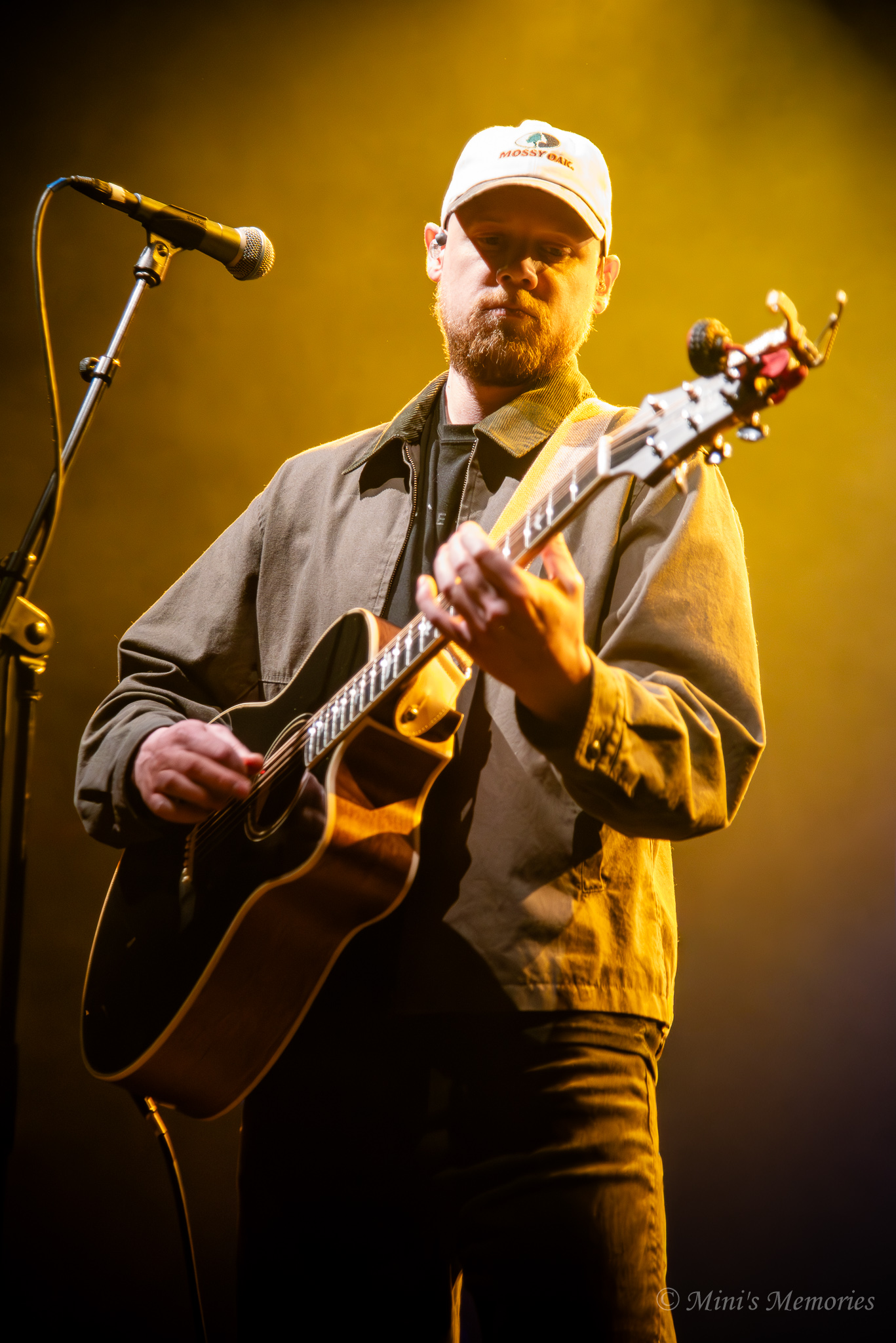
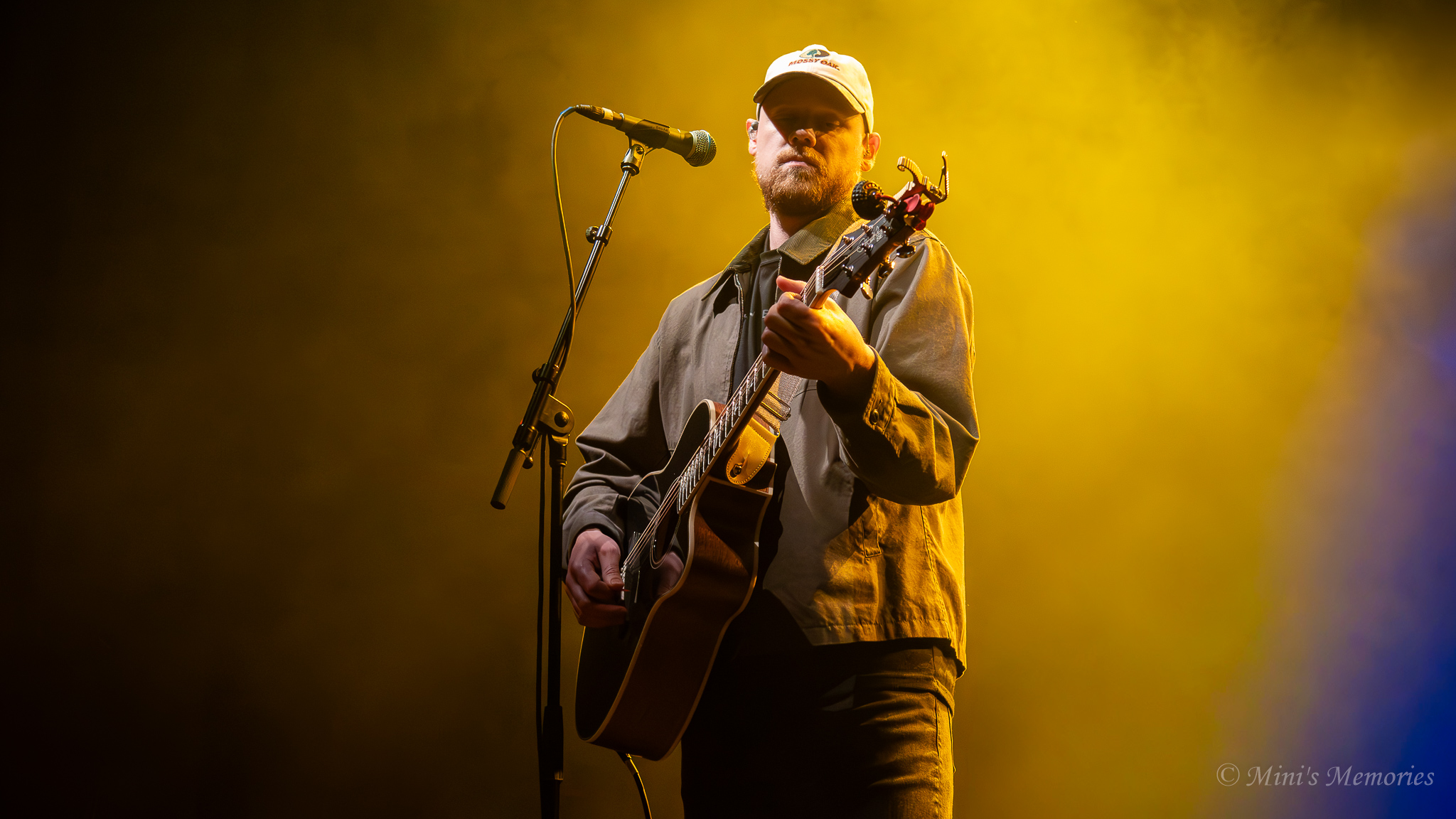
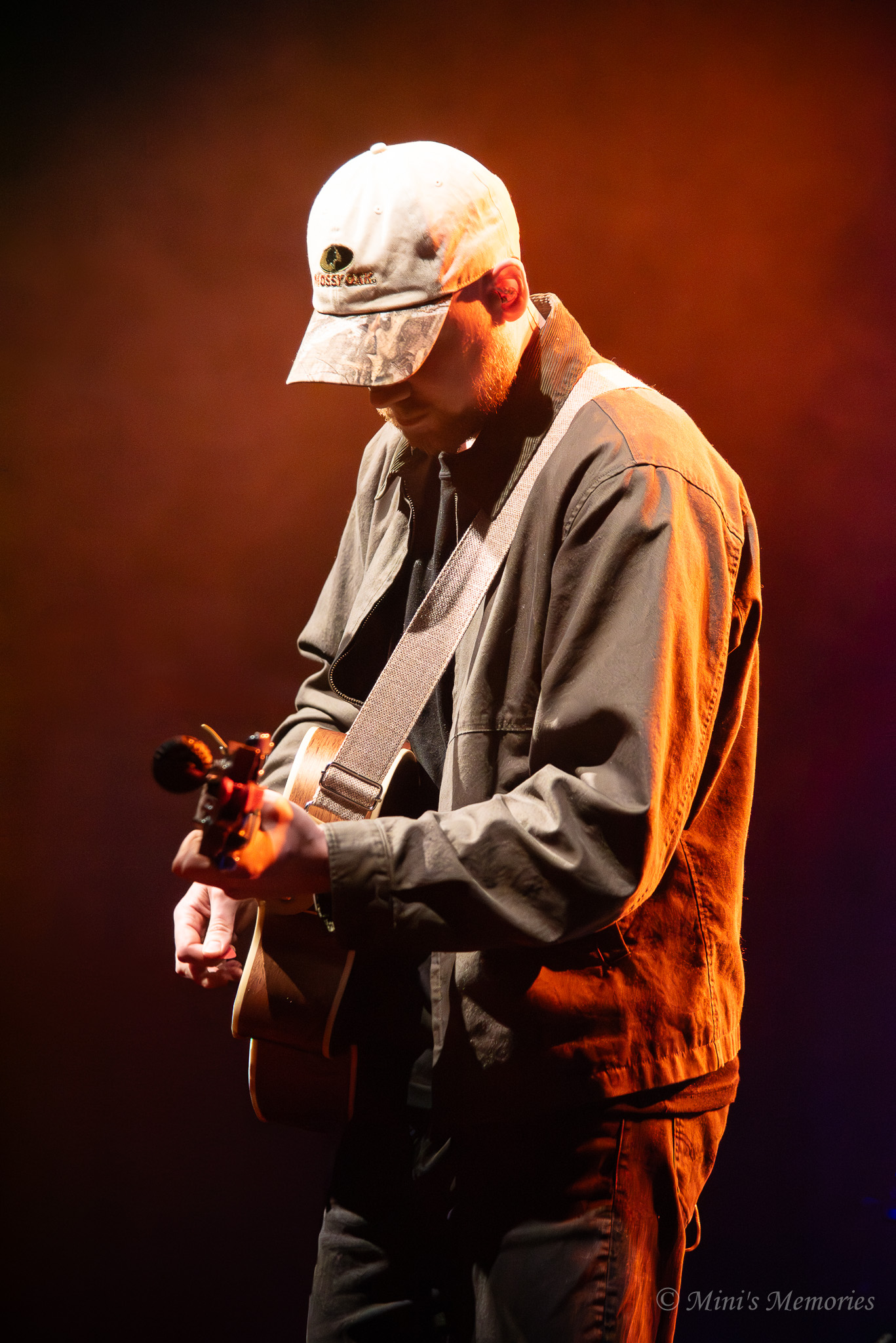
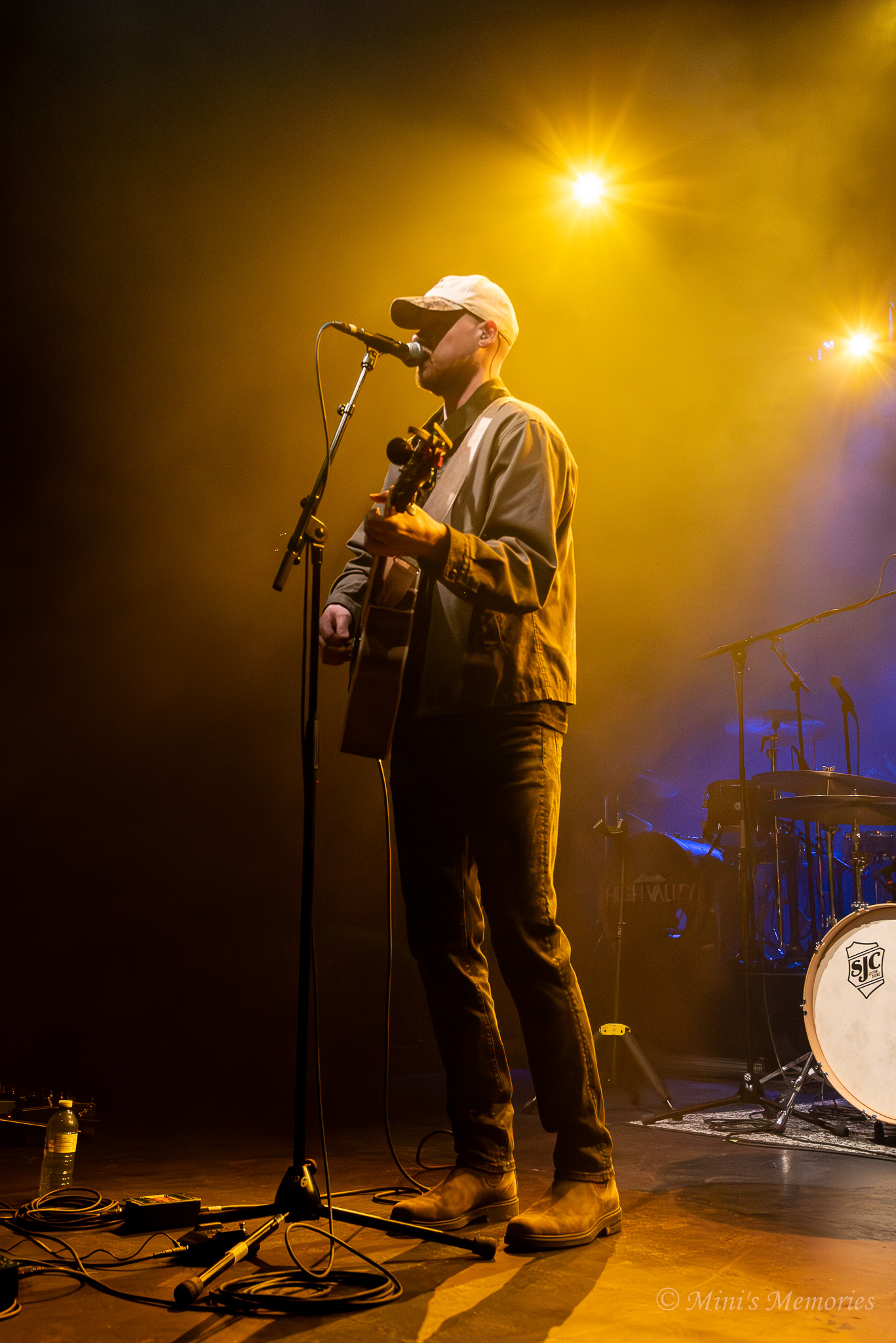
Photo Gallery: High Valley, Sully Burrows, and Zack McPhee at Toronto’s Danforth Music Hall on March 7, 2026

0

All photos by Mini’s Memories. You can contact her through Instagram or X.

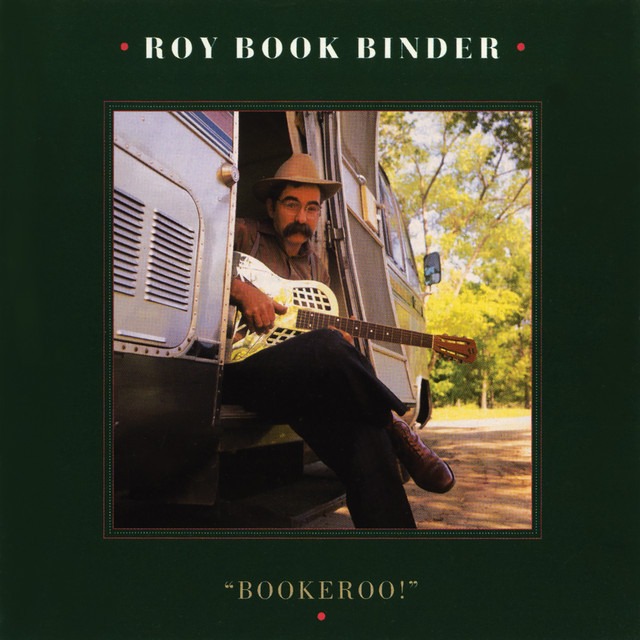
Fingerstyle Blues Storyteller Roy Book Binder, Keeper Of Acoustic Tradition, Dies At 82

0

Fingerstyle blues storyteller Roy Book Binder has died at 82, closing the final chapter on one of acoustic blues’ most colorful road warriors. Born Roy Alan Bookbinder in New York City, the guitarist, singer, and raconteur spent more than five decades carrying country blues and ragtime traditions onto festival stages, concert halls, and living rooms around the world.

Book Binder learned directly from Reverend Gary Davis, the legendary Piedmont blues master whose influence shaped generations of guitarists. As Davis’s student, chauffeur, and touring companion in the late 1960s, Book Binder absorbed the intricate fingerpicking style and storytelling approach that defined his own music for decades.
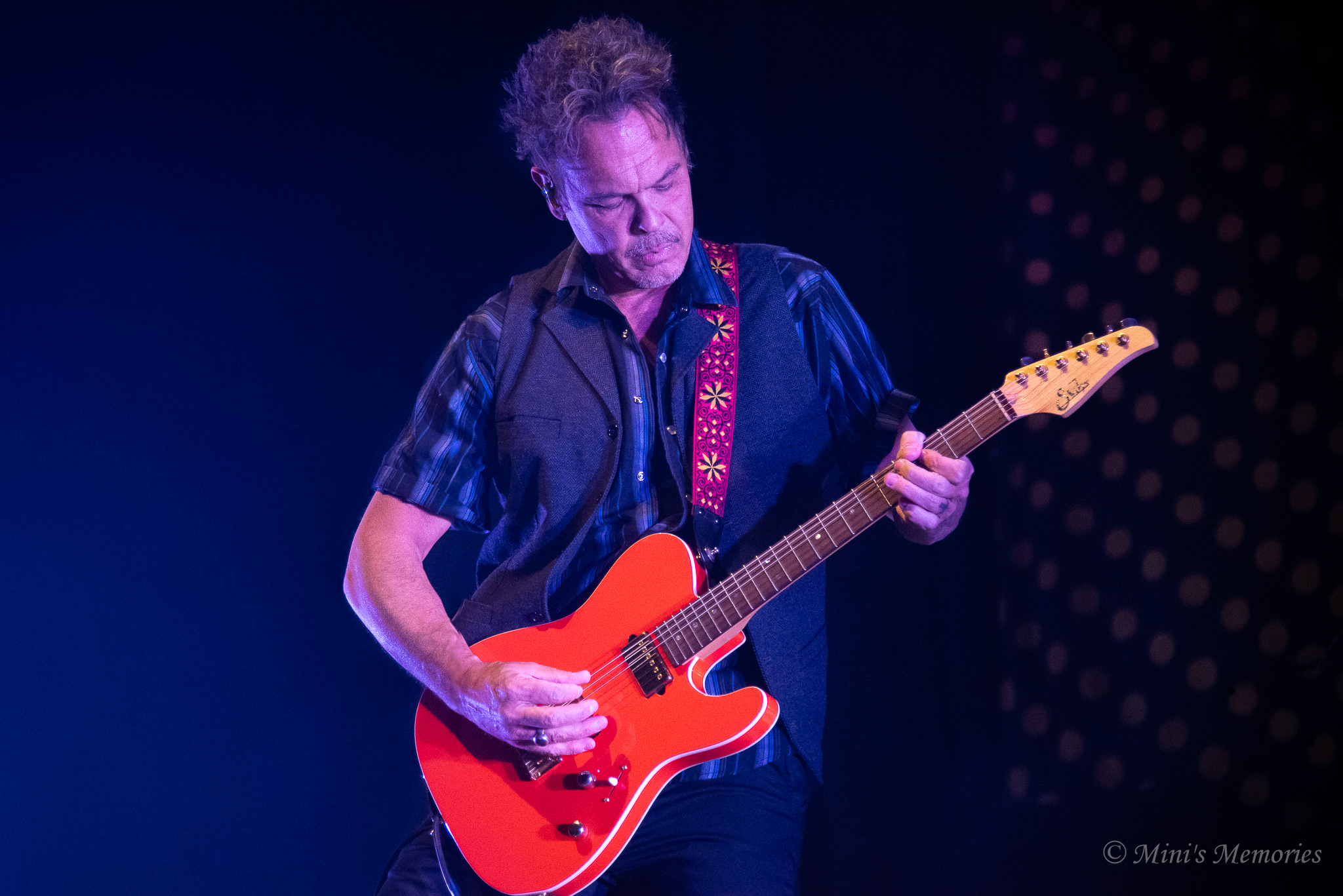
His first album, ‘Travelin’ Man’ (1971), launched a recording career that included more than a dozen releases, culminating with ‘In Concert Road Songs and Stories’ in 2017. Onstage, Book Binder blended vintage blues, ragtime guitar, and sharp humor into performances that felt like front porch storytelling with world-class musicianship.

Book Binder spent years touring the United States in a motorhome, bringing acoustic blues to clubs, festivals, and folk gatherings across North America and Europe. His playing carried the spirit of mentors like Gary Davis and Pink Anderson while adding his own sly wit and rhythmic touch. The music rang with warmth and authority, a living thread connecting modern audiences to the roots of American blues.

Roy Book Binder’s legacy lives in every fingerpicked run, every road story, and every musician inspired to keep acoustic blues alive.

Psychedelic Folk-Rock Icon Country Joe McDonald, Voice Behind “I-Feel-Like-I’m-Fixin’-to-Die Rag,” Dies At 84
0

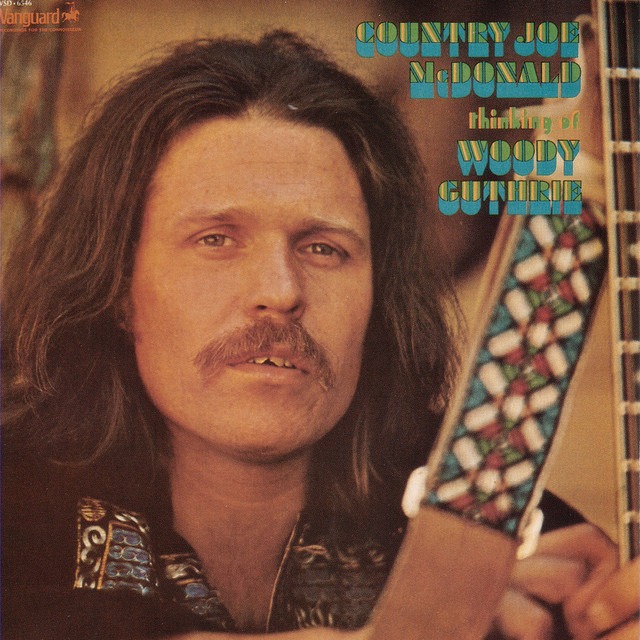
Country Joe McDonald, the fearless psychedelic folk-rock voice behind the protest classic “I-Feel-Like-I’m-Fixin’-to-Die Rag,” has died at 84. The singer, songwriter, and cultural lightning rod passed away March 7 in Berkeley, California following complications from Parkinson’s disease. Across six decades of music and activism, McDonald carved a permanent place in rock history as one of the defining voices of the 1960s counterculture.

As the frontman and co-founder of Country Joe and the Fish, McDonald helped shape the San Francisco psychedelic explosion. The group’s 1967 debut ‘Electric Music for the Mind and Body’ became a cornerstone of the era. Their songs blended folk storytelling, acid rock energy, and sharp political commentary, capturing the sound of a generation questioning authority and demanding change.

McDonald’s most enduring composition, “I-Feel-Like-I’m-Fixin’-to-Die Rag,” became one of the most recognizable anti-Vietnam War songs ever written. His legendary Woodstock performance in 1969 turned the track into a defining moment of rock history. Leading hundreds of thousands in the infamous “Fish Cheer,” McDonald delivered a performance that echoed far beyond the festival stage.

After Country Joe and the Fish disbanded in 1971, McDonald continued a prolific solo career, recording more than 30 albums and writing hundreds of songs. His work honored the tradition of Woody Guthrie while expanding into environmental activism, veterans’ advocacy, and protest music that carried the same sharp wit and fearless commentary.

Country Joe McDonald’s voice helped soundtrack one of the most transformative cultural moments of the 20th century. The music remains bold, urgent, and unmistakably alive.

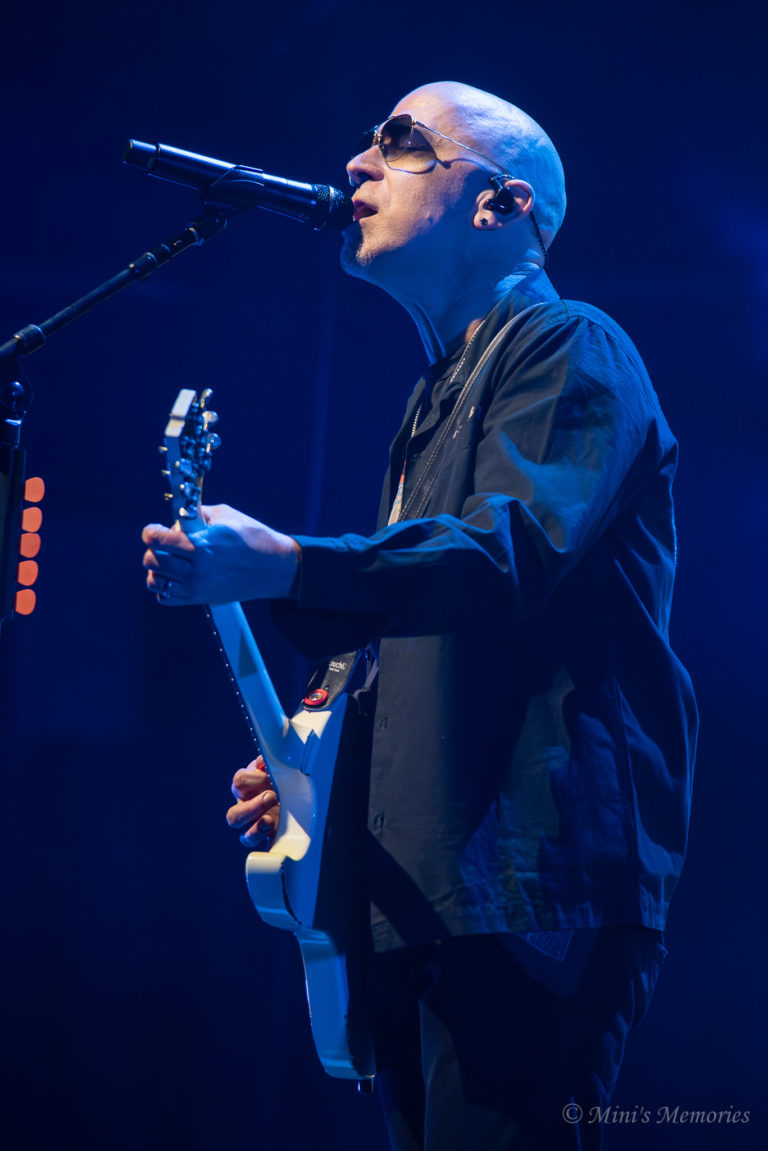
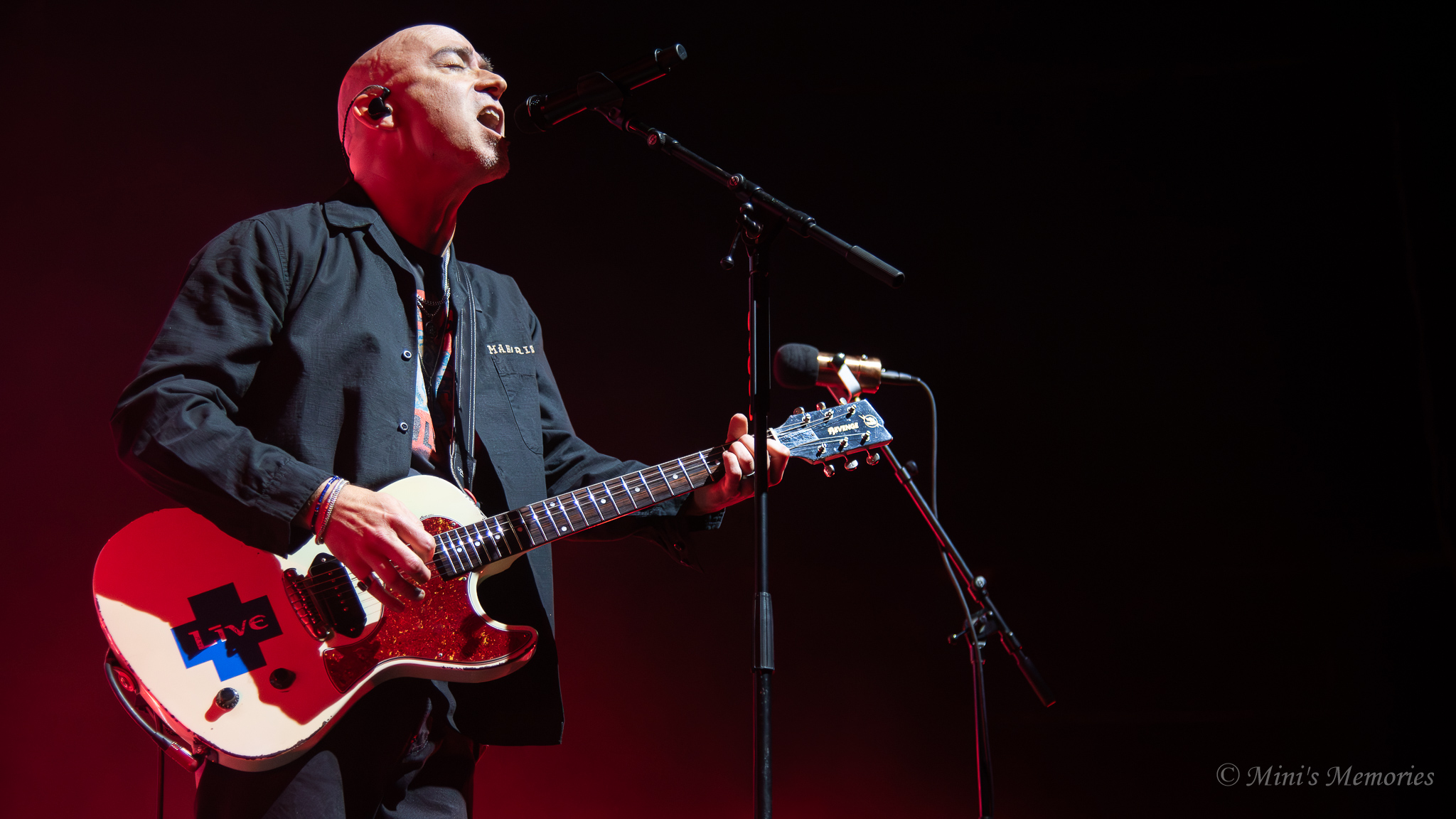
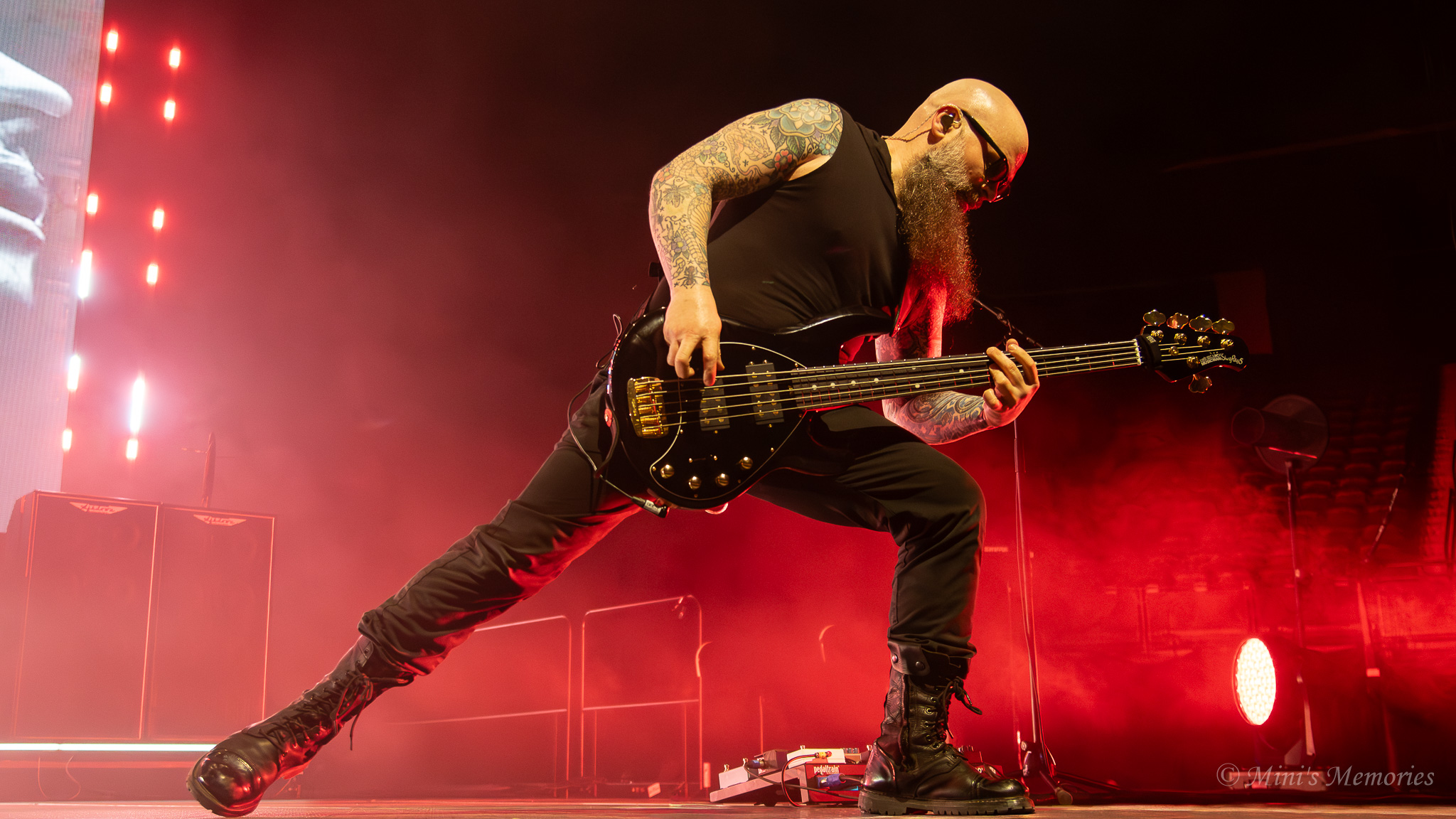
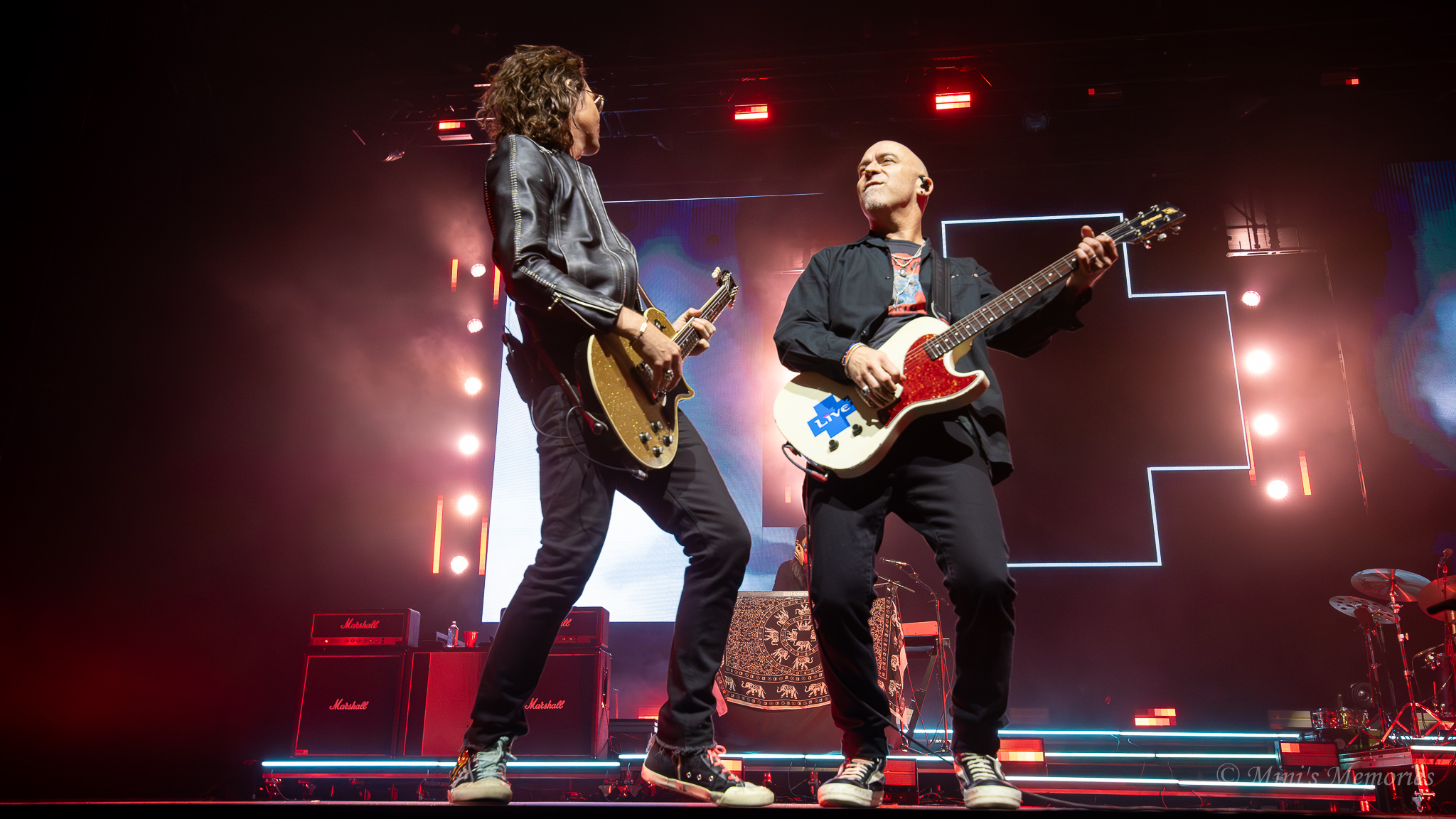
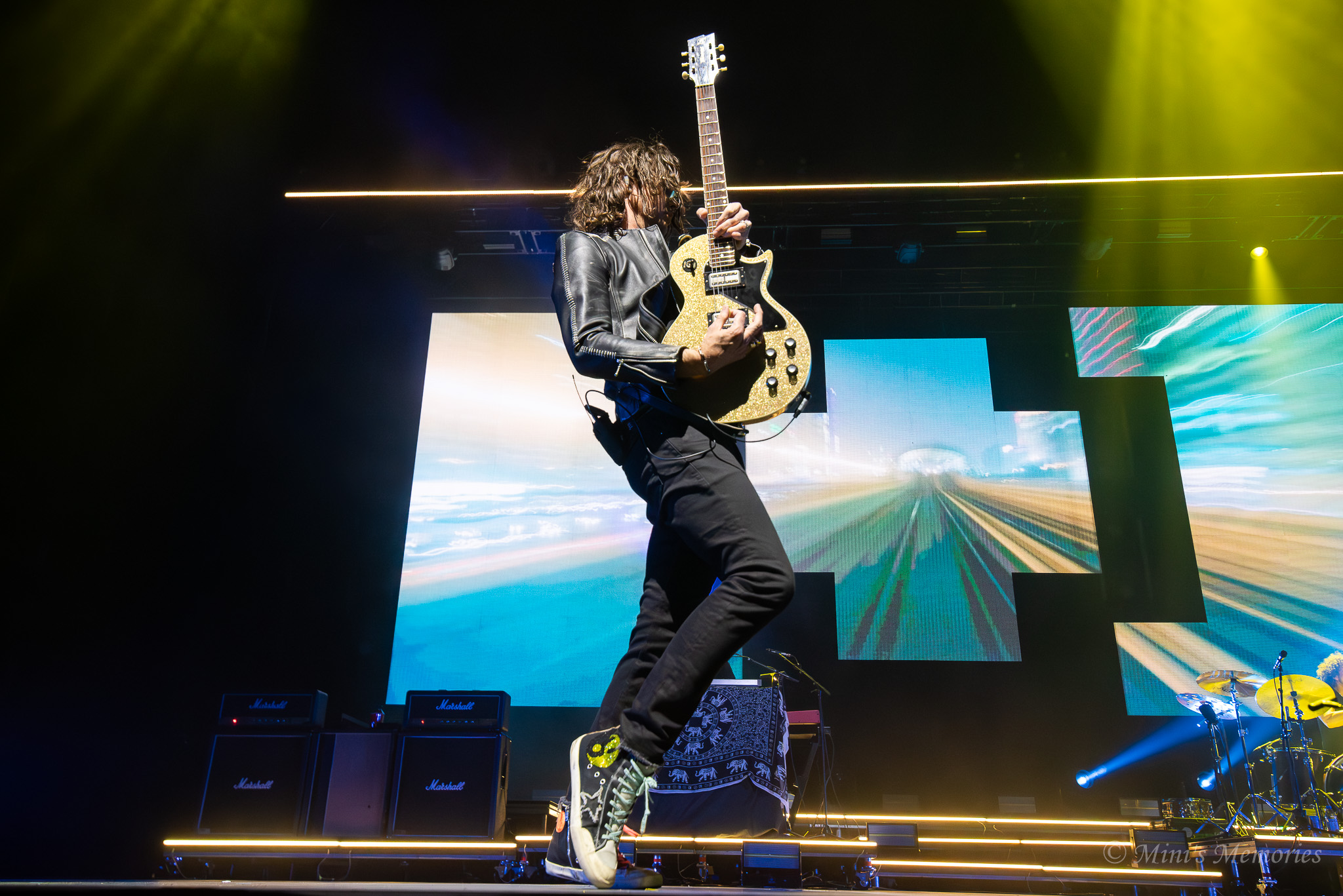
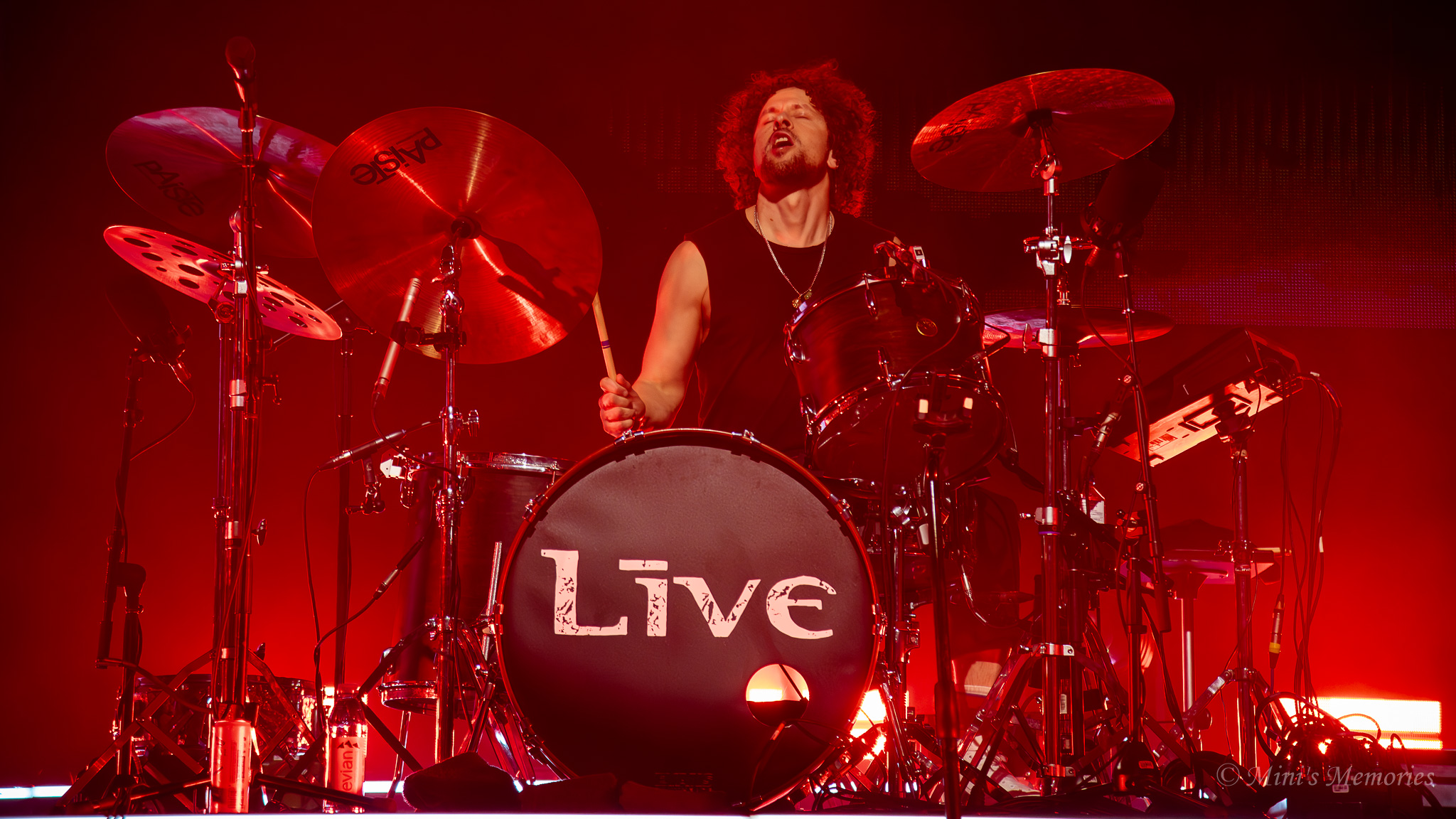
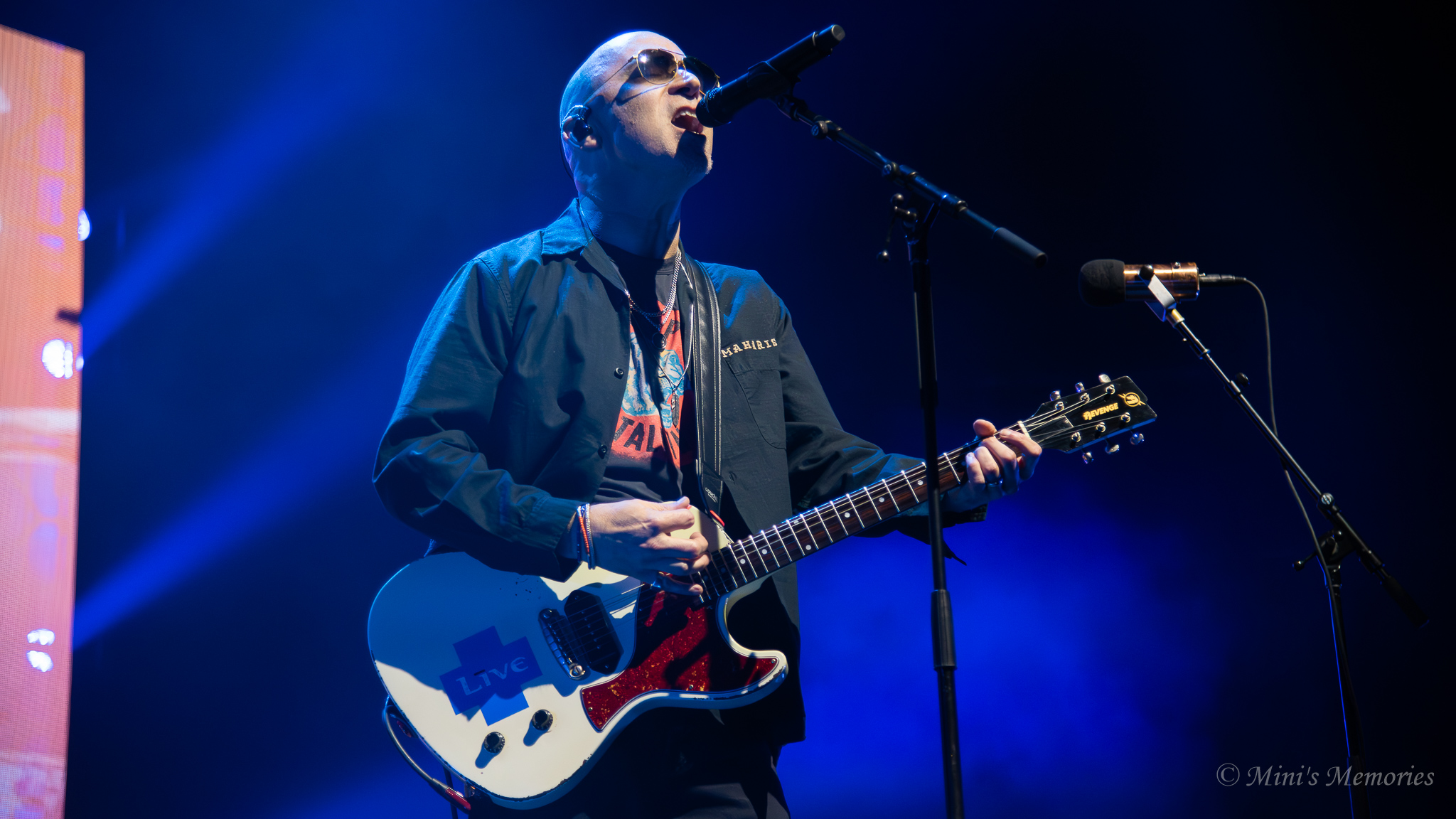
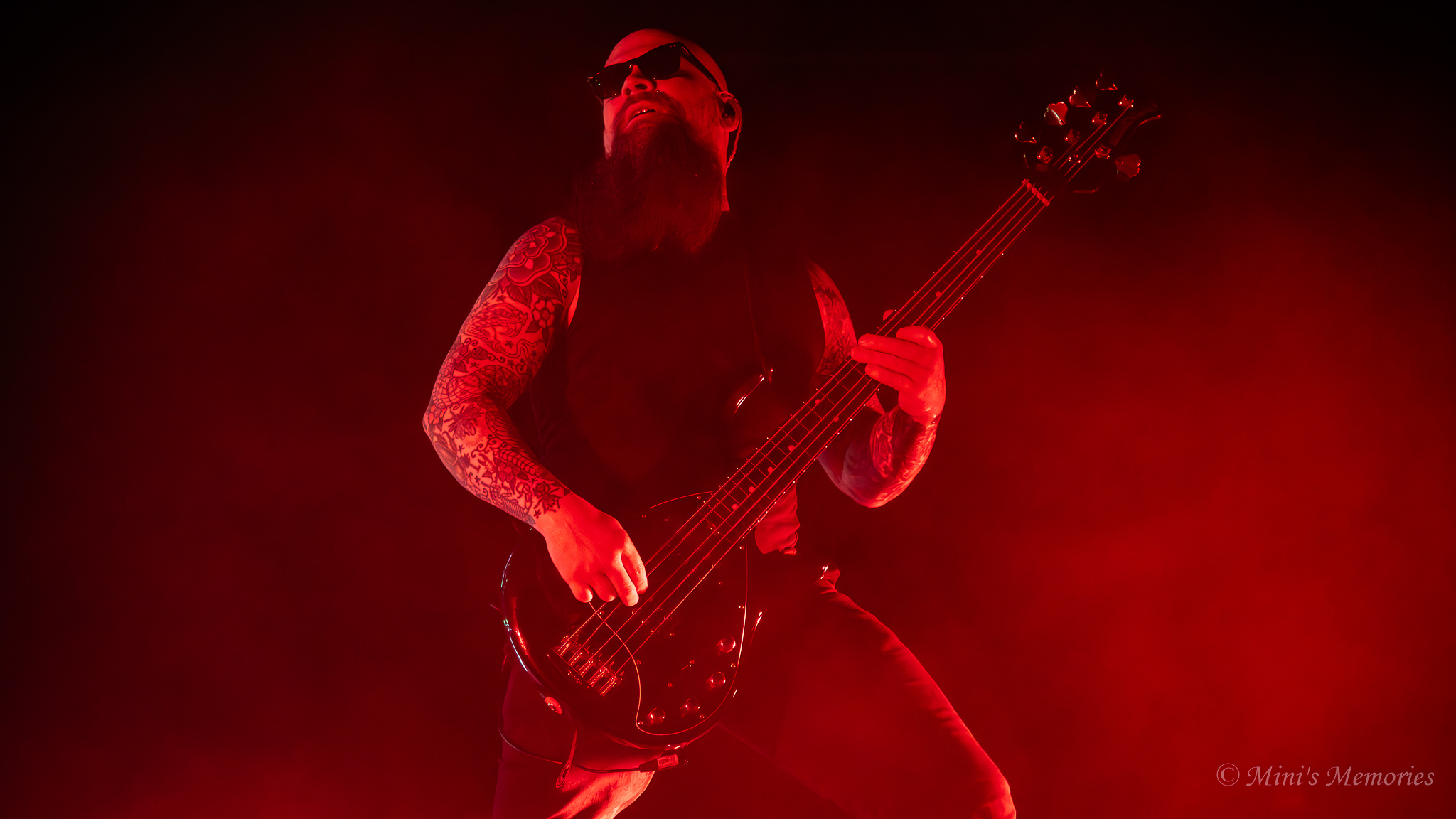
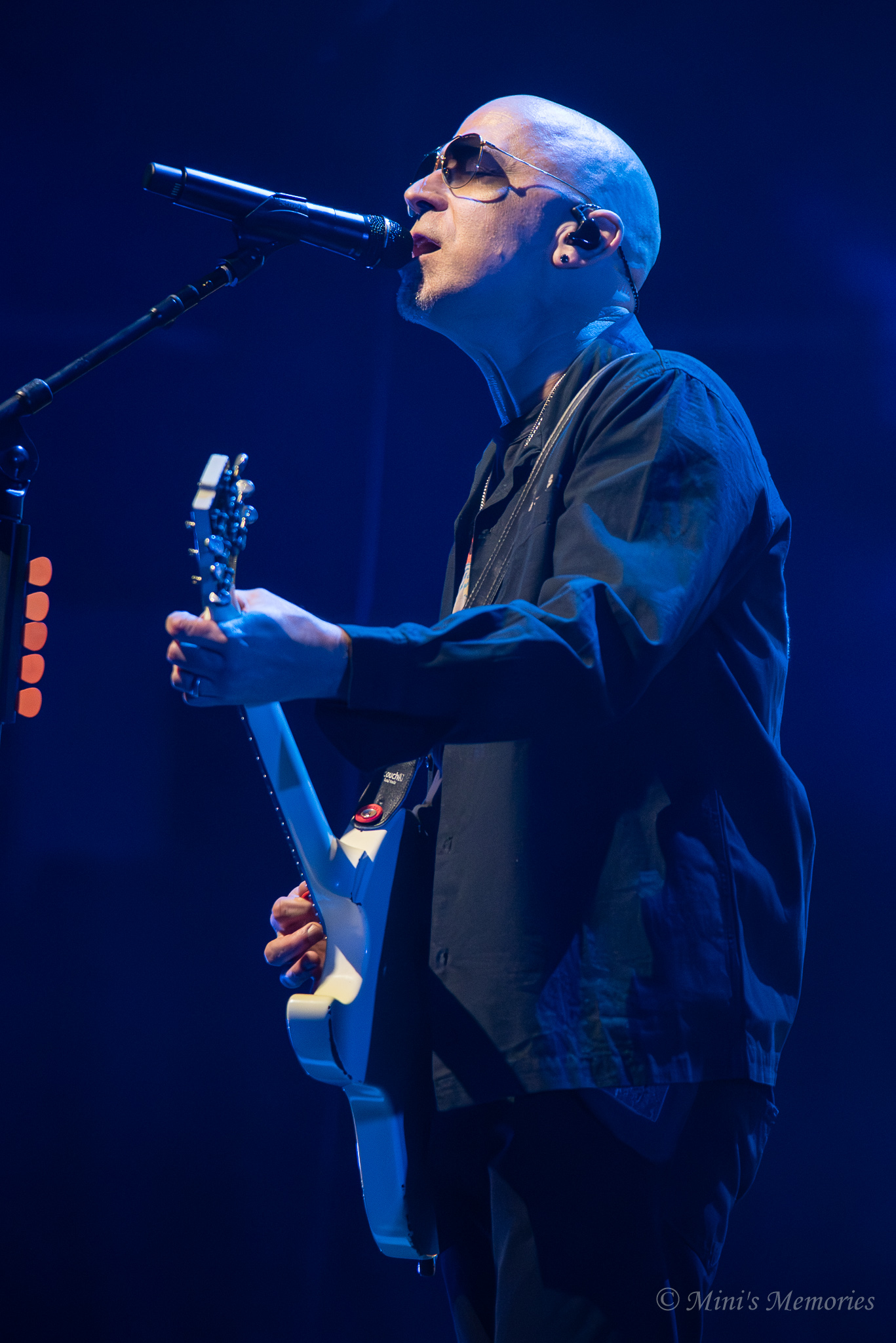
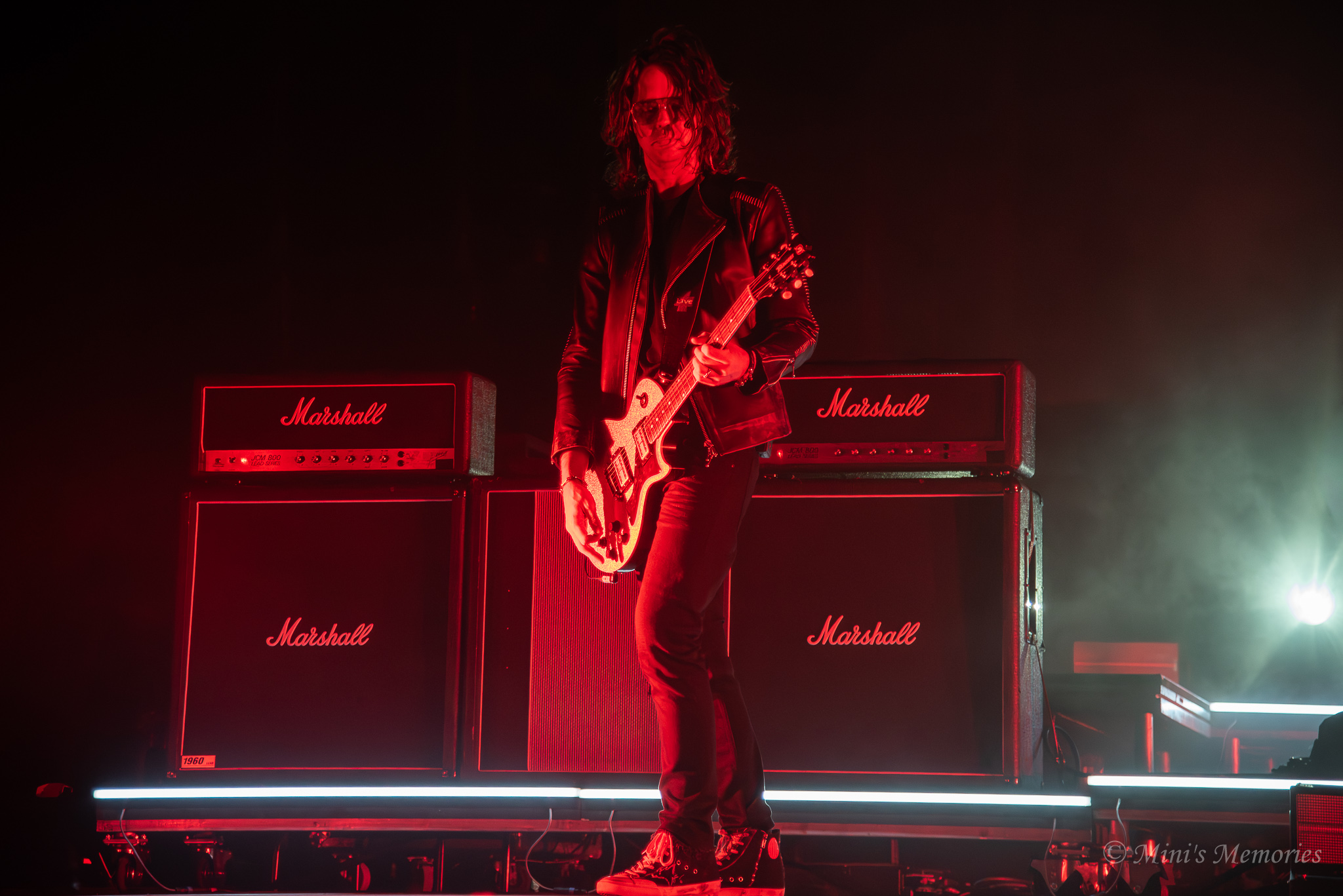
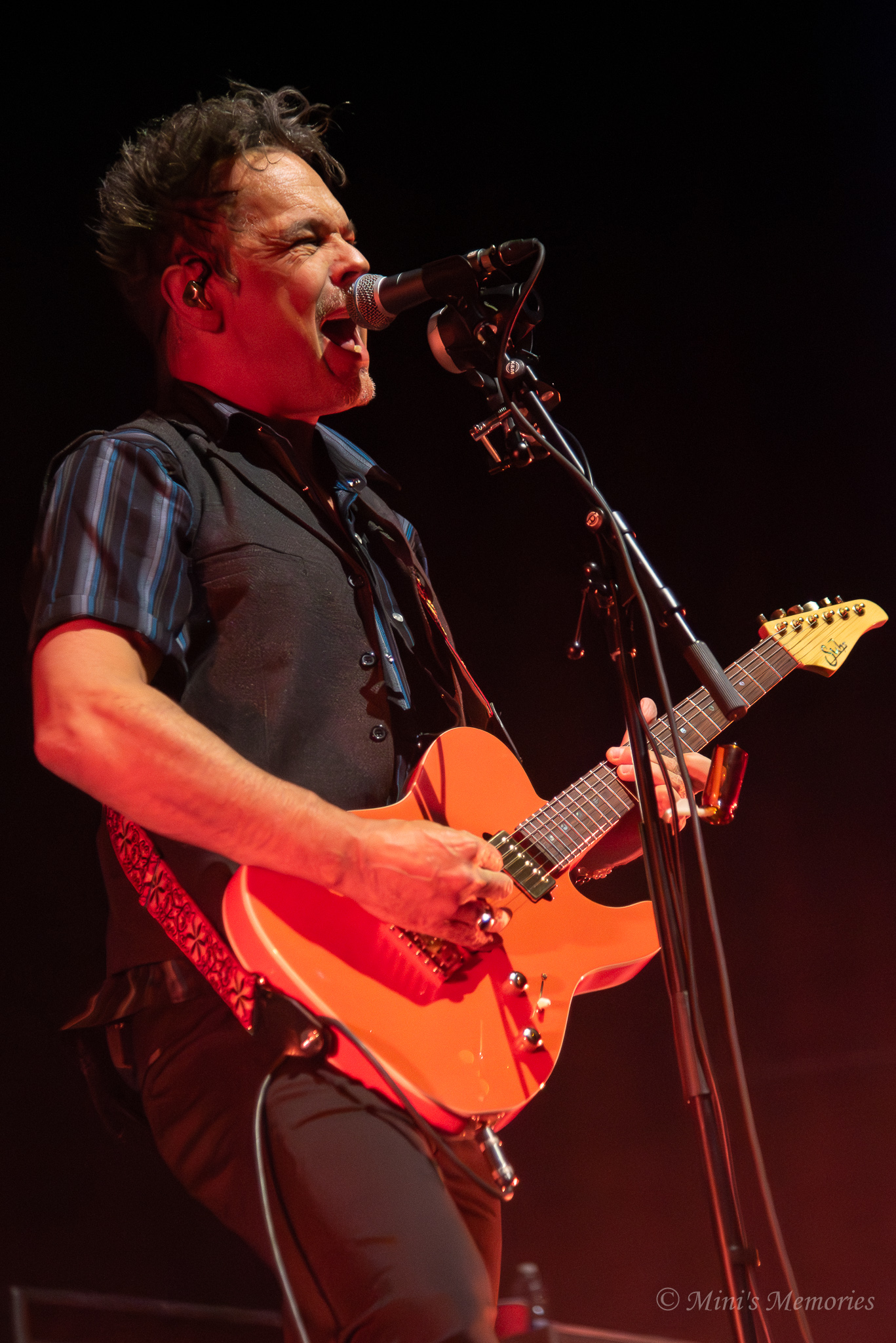
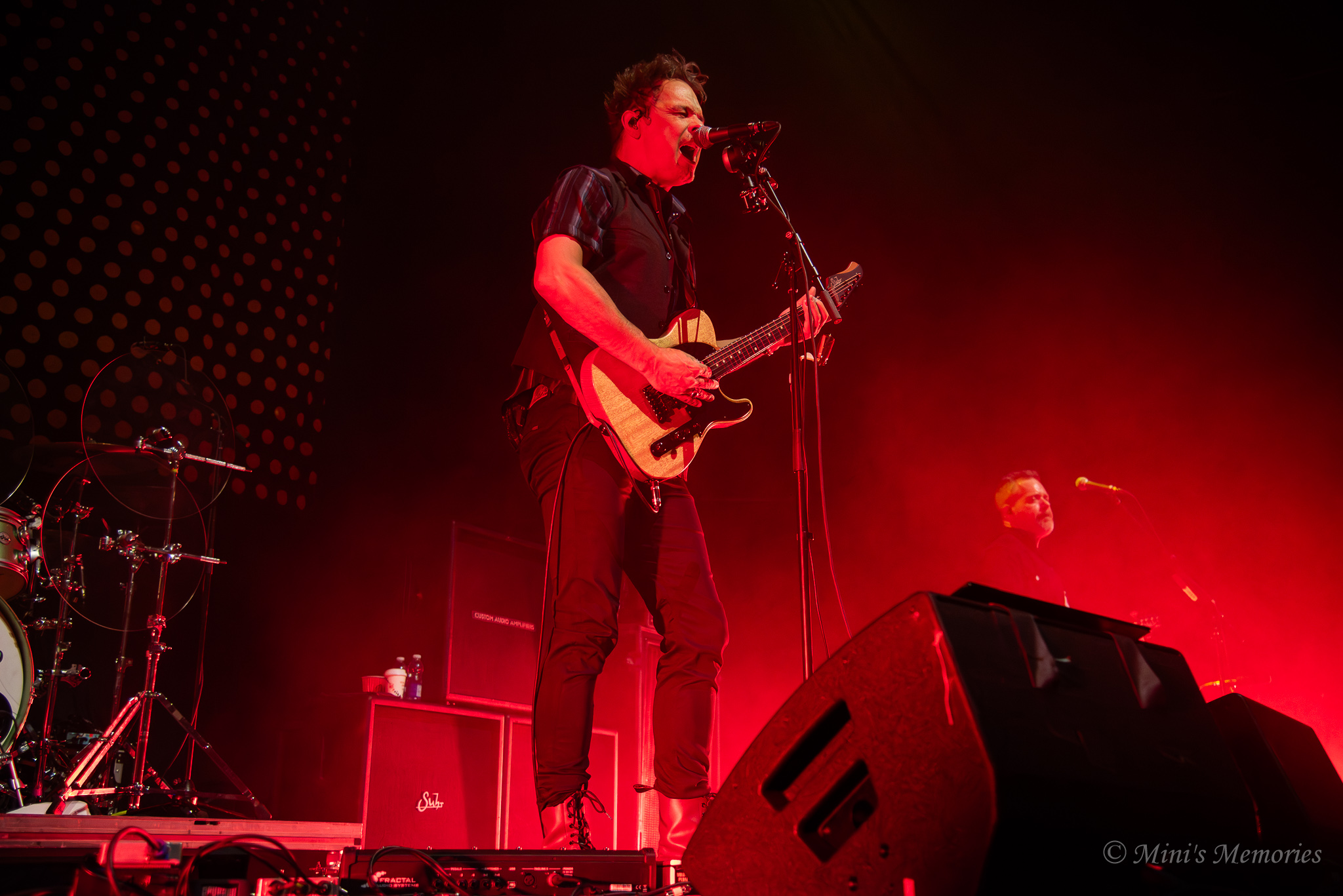
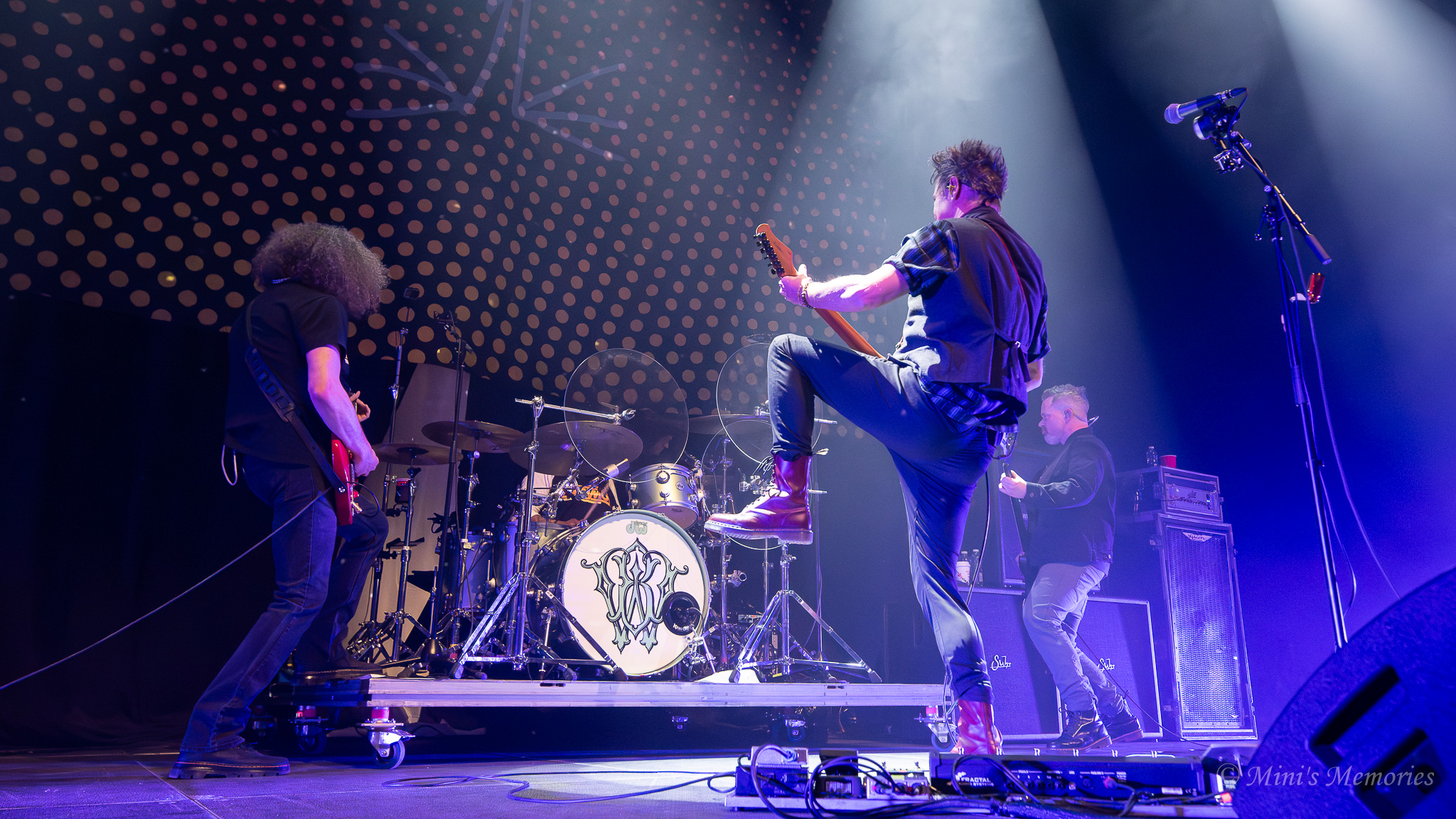
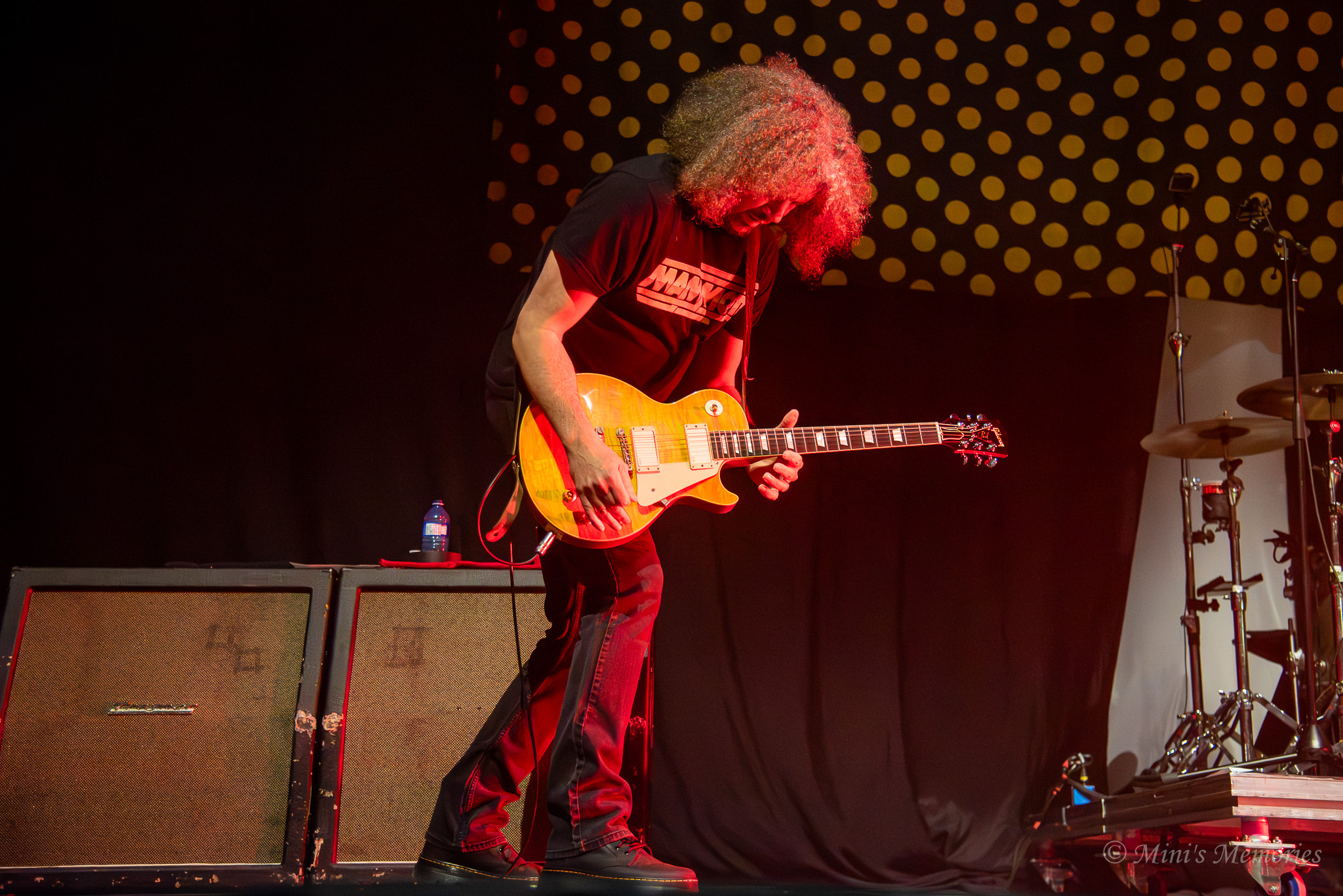
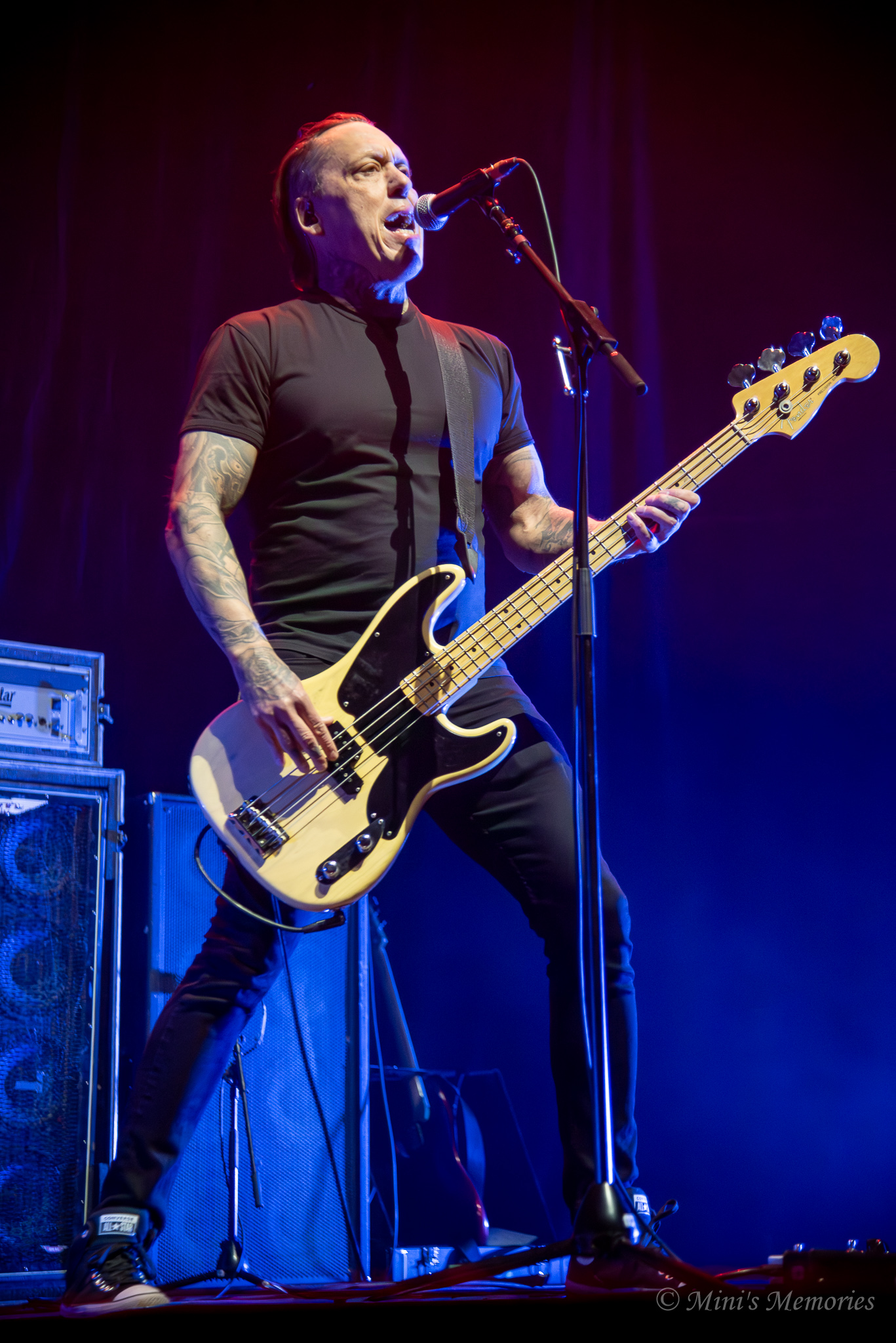
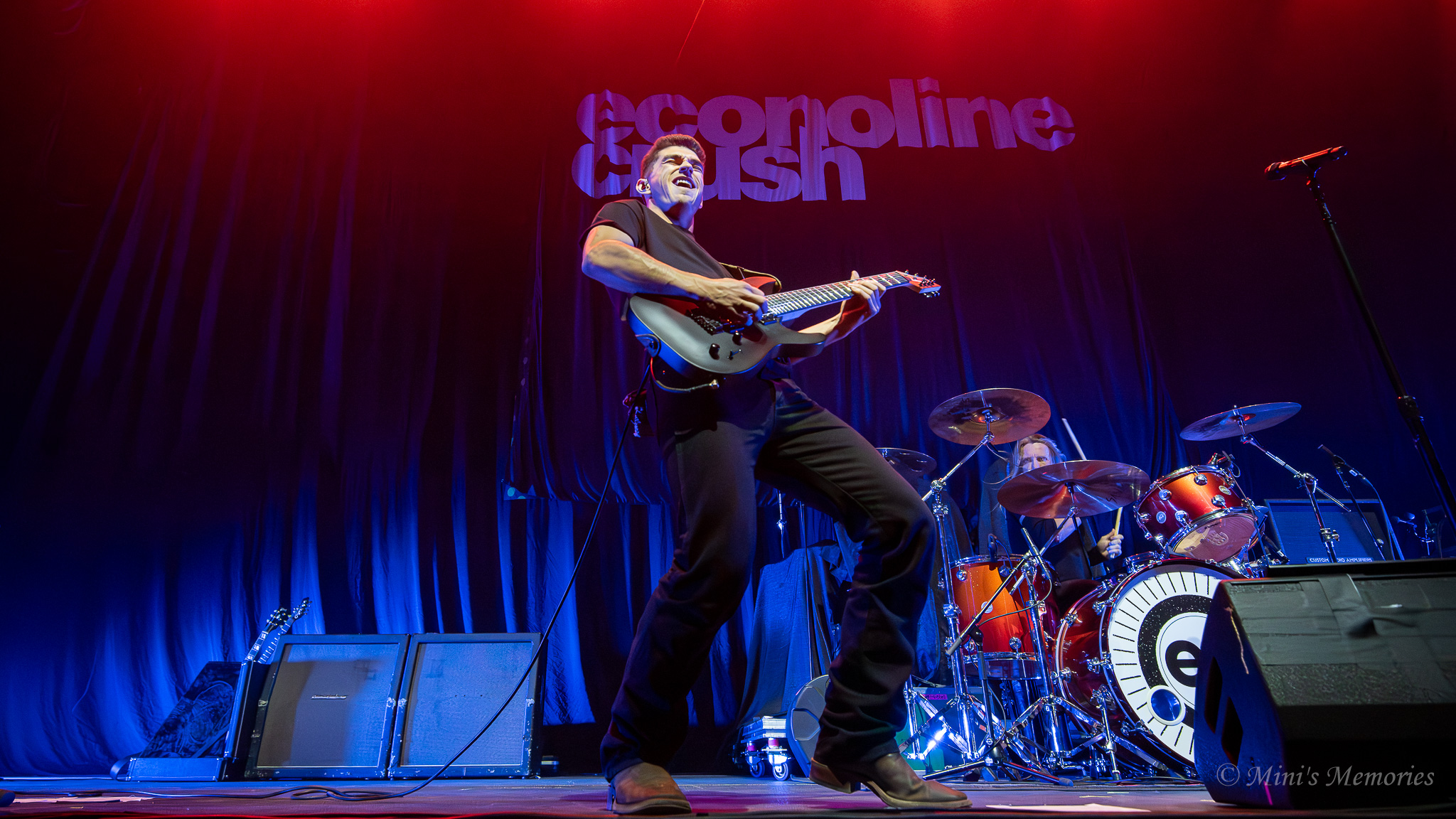
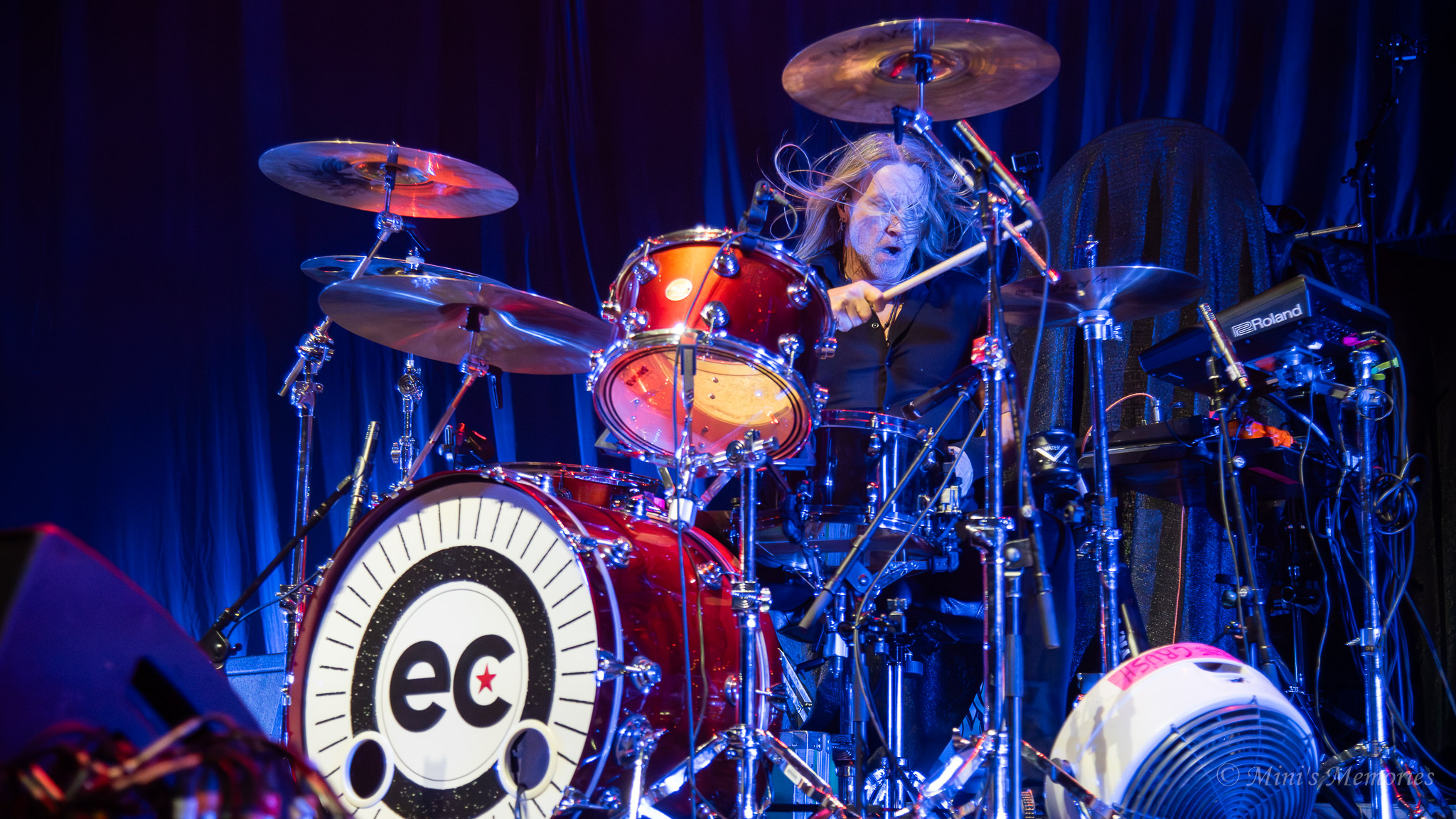
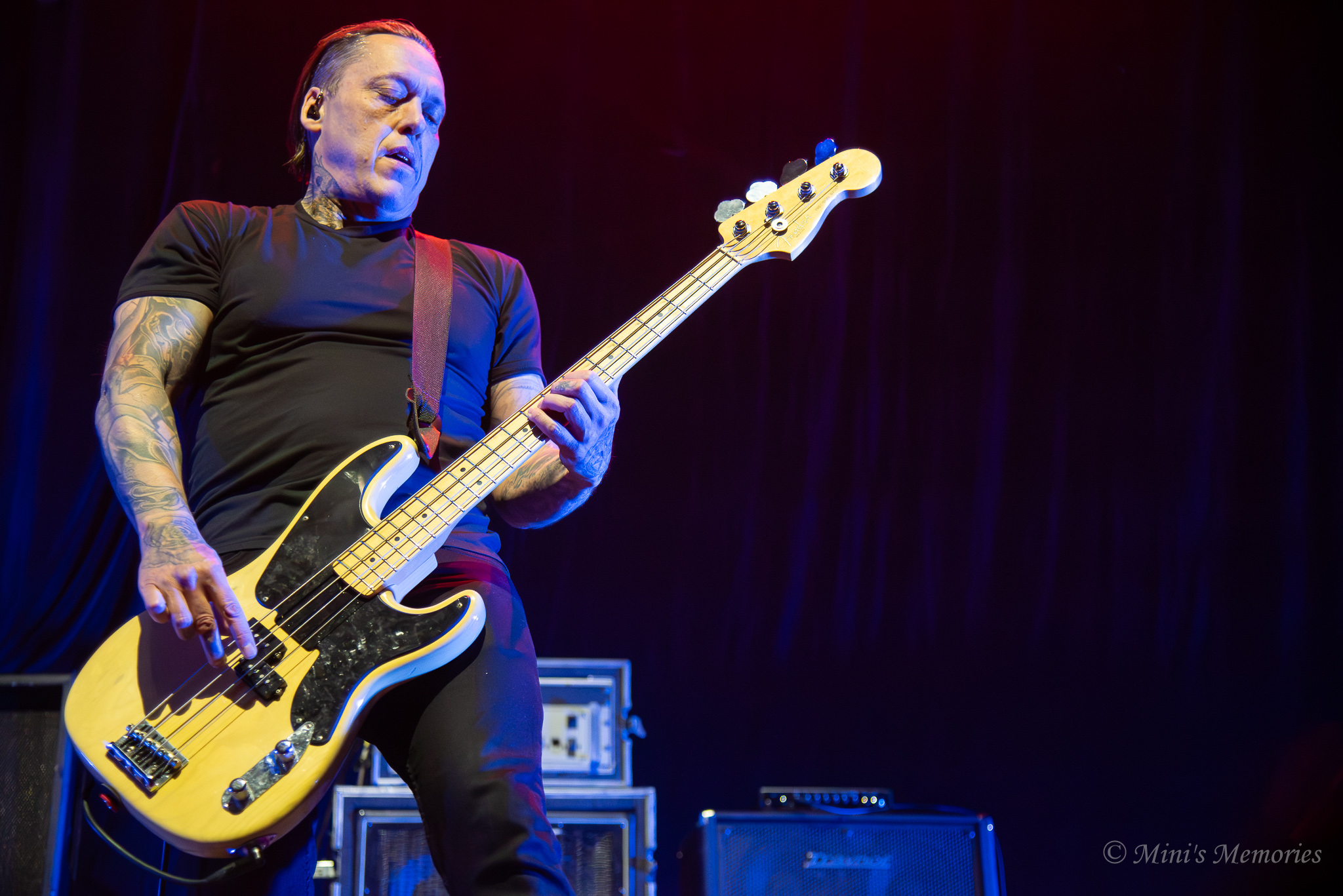
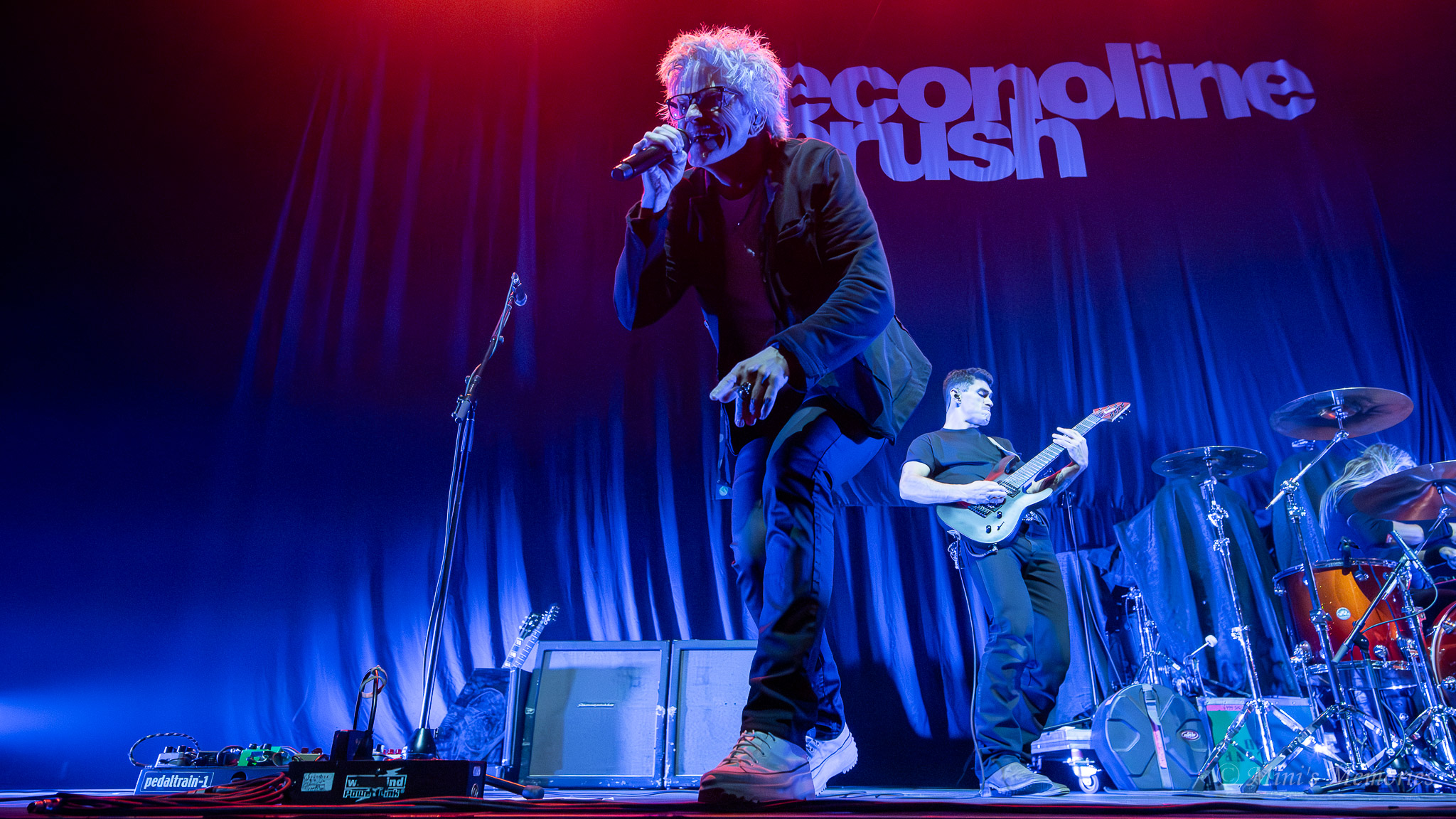
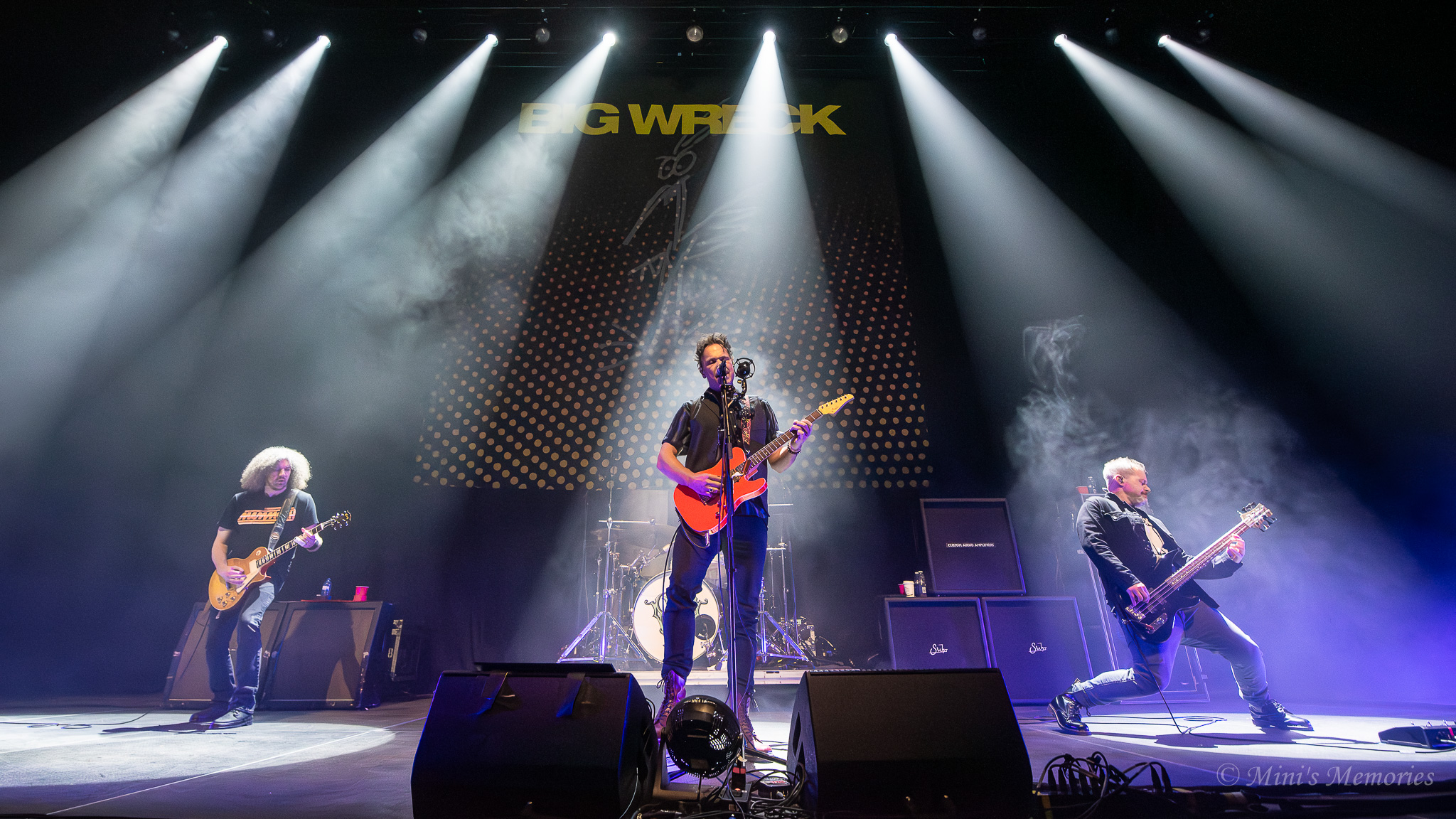
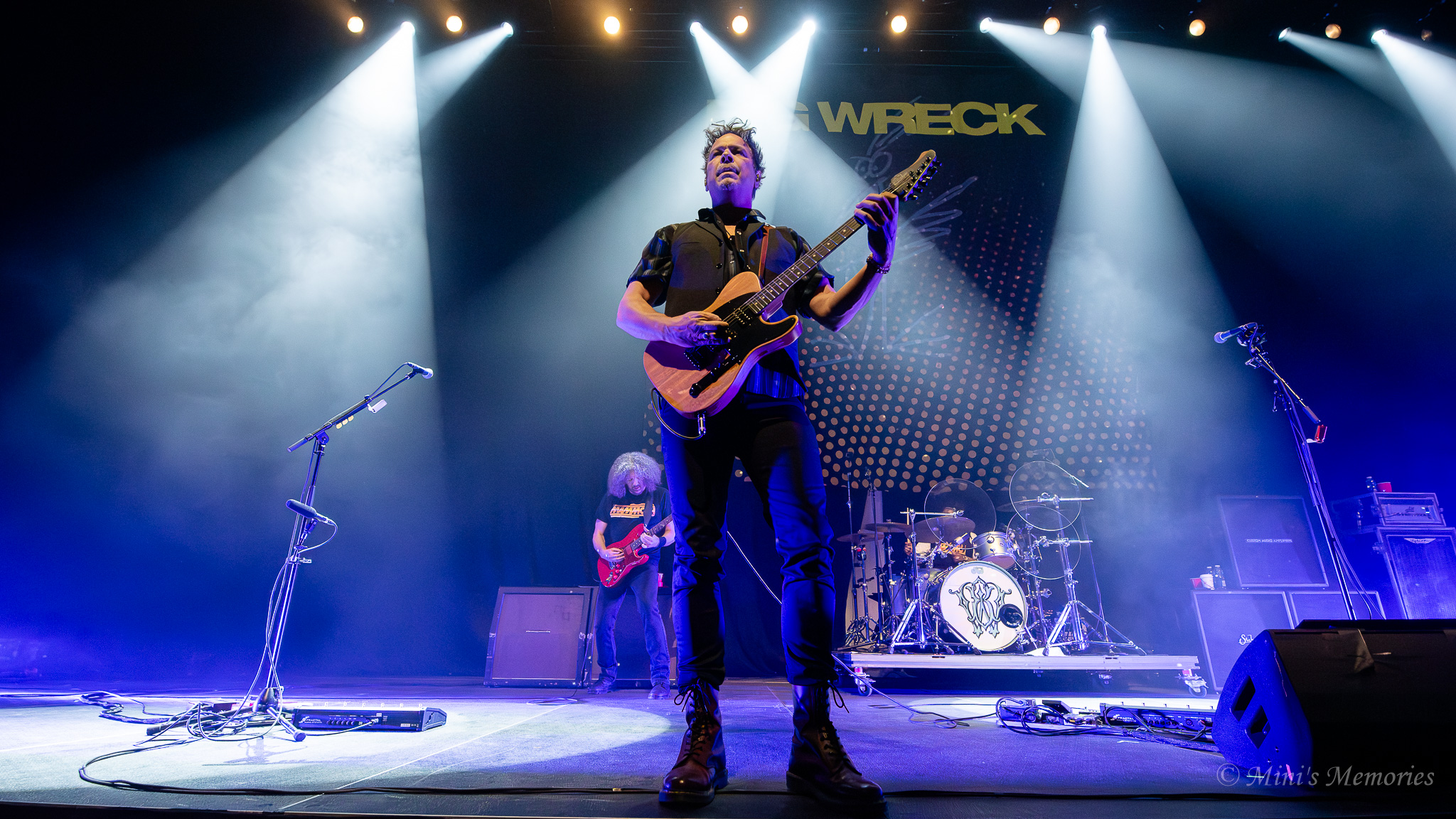
Photo Gallery: Live, Econoline Crush, and Big Wreck at Toronto’s TD Coliseum on March 5, 2026

0

All photos by Mini’s Memories. You can contact her through Instagram or X.

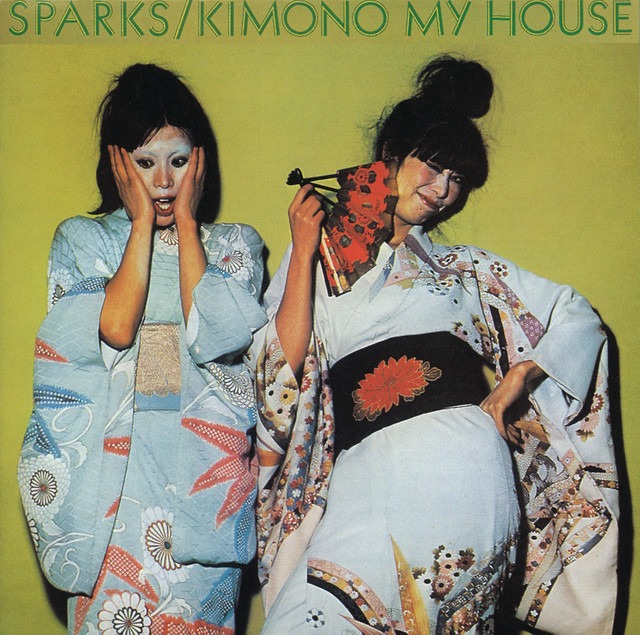
5 Surprising Facts About Sparks’ ‘Kimono My House’

Sparks were already cult heroes by the early 1970s, but ‘Kimono My House’ turned them into glam rock icons. Released in 1974, the album fused theatrical pop songwriting, sharp wit, and dramatic falsetto vocals into something completely unique. Ron Mael’s precise compositions and Russell Mael’s soaring voice gave Sparks a sound that stood apart from the glam rock explosion around them. With inventive production, unusual instrumentation, and unforgettable imagery, ‘Kimono My House’ quickly became their commercial breakthrough and remains one of the defining glam rock albums of the decade.

Here are five fascinating facts about ‘Kimono My House’ and its standout songs that many listeners might not know.

  1. The Famous Gunshots Came From A BBC Sound Library
    Producer Muff Winwood helped shape the dramatic feel of “This Town Ain’t Big Enough for Both of Us” by adding Western-style gunshots. Ron and Russell Mael searched through a BBC sound effects library until they found the exact gunshot they wanted for the recording.

2. The Song Originally Had A Completely Different Concept
When Ron Mael first wrote “This Town Ain’t Big Enough for Both of Us,” the idea was for Russell Mael to sing a different movie dialogue cliché after each verse. One of those lines was “This town ain’t big enough for both of us,” taken from the 1932 Western film The Western Code. Eventually they dropped the rotating phrases and kept that single line as the title.

3. Russell Mael Had To Adapt To Ron’s Uncompromising Key
Ron Mael wrote the song in the key of A and insisted it remain that way. Instead of adjusting the music to fit the singer, Russell Mael adapted his vocals to match Ron’s composition. Russell has said his voice is not traditionally rock, but the songs dictated the unusually high vocal style that became one of Sparks’ trademarks.

4. The Breakthrough Hit Never Reached The Billboard Hot 100
Despite becoming Sparks’ signature song, “This Town Ain’t Big Enough for Both of Us” never charted on the Billboard Hot 100 in the United States. In Europe, however, it became a major hit and reached #2 on the U.K. singles chart, where it remained for two consecutive weeks.

5. One Bass Part On The Album Was Later Replaced
For the song “Amateur Hour,” bassist Martin Gordon originally recorded his part using a Rickenbacker 4001 bass. He was later asked to replace it with a Fender Precision Bass that belonged to the musician who eventually replaced him in the band.

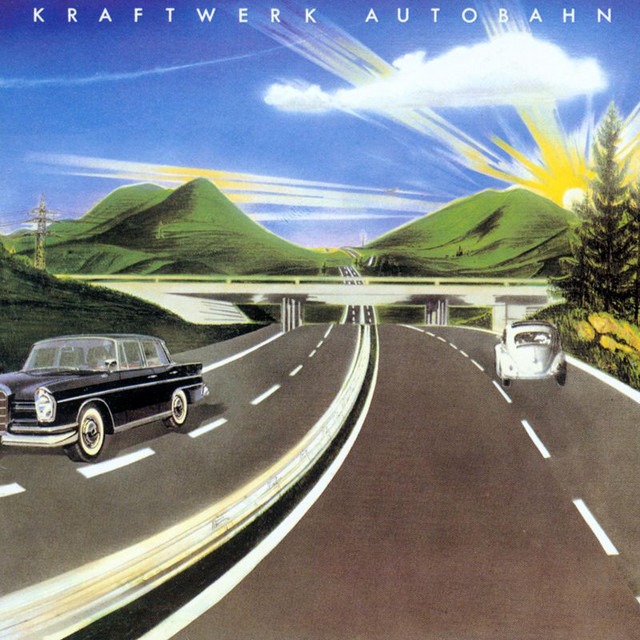
    5 Surprising Facts About Kraftwerk’s ‘Autobahn’

    In November 1974, the musical landscape shifted forever as Kraftwerk unveiled Autobahn. Transitioning from their experimental “krautrock” origins to a revolutionary electronic pop sound, the group—now expanded to include Wolfgang Flür and Klaus Röder—created a sonic blueprint for the future. By moving their operations to Conny Plank’s farmhouse studio and embracing the Minimoog synthesizer, Ralf Hütter and Florian Schneider crafted a sound painting of the modern world that eventually captured the imagination of the United States and the United Kingdom alike.

    This album stands as a monument to innovation, blending classical precision with the industrial folk music of the Rhine Valley. Here are five remarkable facts about the record that put electronic music on the map:

    1. The 22-Minute Journey to the Top

    The centerpiece of the album is the sprawling, 22-minute title track, designed to emulate the sensory experience of a long-distance drive. From the gliding sound of tires hitting painted road stripes to the rhythmic pulsing of the motor, the song captures the joy of the German highway. While the original version takes up nearly an entire side of the LP, a three-minute edit became a massive international hit, reaching number 25 on the Billboard Hot 100 and number 11 in the UK.

    2. The “Fun Fun Fun” Linguistic Fluke

    A famous bit of rock lore surrounds the song’s main refrain, “Fahren fahren fahren” (German for “driving, driving, driving”). English-speaking listeners frequently mistaken the lyric for “Fun fun fun,” leading many to believe it was a tribute to The Beach Boys. While the band members admit that driving on a highway with no speed limit is indeed fun, they clarify that the phrase is purely German, though they enjoy the coincidence of the sounds.

    3. A Visual Revolution by Emil Schult

    The iconic “look” of Kraftwerk—the carefully staged promotional images and the minimalist aesthetic—began with this album. Associate Emil Schult suggested the new lyrics and the group’s distinct visual branding. His influence helped the band move away from the “Gothic romanticism” of their contemporaries, opting instead for a clean, modern image that David Bowie later cited as a major influence.

    4. Custom Tech and Homemade Violins

    The innovative sounds on Autobahn required more than just off-the-shelf instruments. Along with the newly purchased Minimoog, the band used customized versions of Farfisa and Vox drum machines. Most notably, member Klaus Röder contributed to the sessions with an electronic violin he built himself—a unique creation that initially piqued Florian Schneider’s interest and helped bridge the gap between classical and electronic music.

    5. From Chicago Airwaves to the USSR

    Despite a quiet launch in West Germany, the album found its wings thanks to a radio station in Chicago that began playing an imported copy of the single. This grassroots support led to a massive US tour and helped the album spend 22 weeks on the Billboard charts, peaking at number 5.

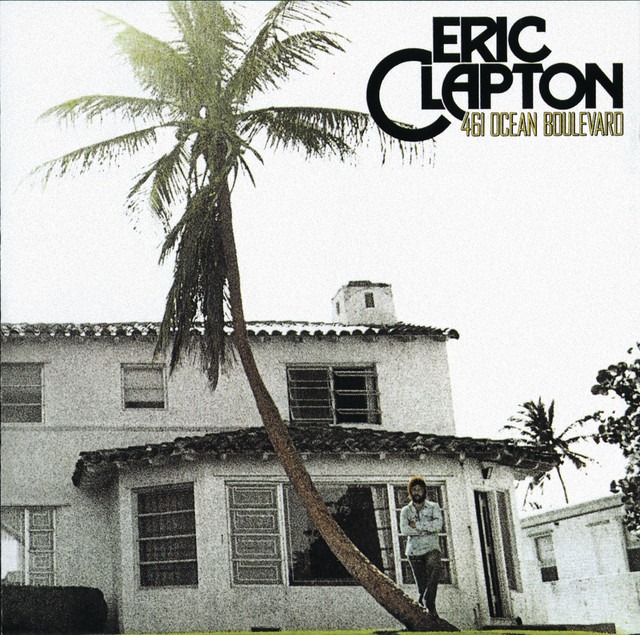
    5 Surprising Facts About Eric Clapton’s ‘461 Ocean Boulevard’

    In July 1974, Eric Clapton embraced a vibrant new chapter of his career. He chose the warmth of Florida to craft a sound defined by bright blues-rock and “postjunk funk.” This era marked his triumphant return to the studio, resulting in an international chart-topper that sold millions of copies. By moving into a rental house in Golden Beach, Clapton found the perfect environment to transform simple ideas into a masterpiece that redefined his artistic legacy.

    The sessions at Criteria Studios produced a relaxed, sun-drenched atmosphere that remains a high point of 1970s music. Here are five remarkable facts about this legendary recording:

    1. The Architectural Inspiration

    The album title honors the specific residence on Ocean Boulevard where Clapton stayed during the recording process. This house became a beacon of creativity, leading Clapton and manager Robert Stigwood to suggest the location to the Bee Gees. The brothers followed this advice, moving into the same house to write and record their own classic, Main Course. The residence eventually became so iconic that the local municipality changed the street address.

    2. A Convincing Reggae Success

    The inclusion of “I Shot the Sheriff” happened because of the persistence of guitarist George Terry. He shared the Bob Marley and the Wailers album Burnin’ with the band and encouraged a new interpretation of the track. While the group added soft rock elements to the reggae rhythm, the song eventually reached number one on the Billboard Hot 100 and earned a place in the Grammy Hall of Fame.

    3. The Power of “Blackie” and Vintage Gear

    Clapton achieved the album’s signature tone using his famous Fender Stratocaster, nicknamed “Blackie.” For the intricate slide guitar parts, he utilized various Gibson ES-335 models, and he performed the acoustic sections on vintage Martin guitars. This combination of instruments helped create the “smooth bluesy” texture that critics praised upon the album’s release.

    4. A Spirit of Musical Collaboration

    During the preparation for the album, Clapton intentionally kept his new songs in a skeletal state. He wanted his fellow musicians—including bassist Carl Radle and guest vocalist Yvonne Elliman—to have the freedom to contribute their own signatures to the tracks. This approach ensured a deep chemistry within the group, allowing every member to help shape the final arrangements.

    5. Reaching Across the Iron Curtain

    The success of 461 Ocean Boulevard spanned the entire globe, reaching the Top 10 in eight different countries. It holds the rare distinction of being a Western pop album that saw legal distribution within the USSR. From Japan to Uruguay and Norway, the record found an audience in nearly every corner of the world, cementing its status as a truly universal hit.