

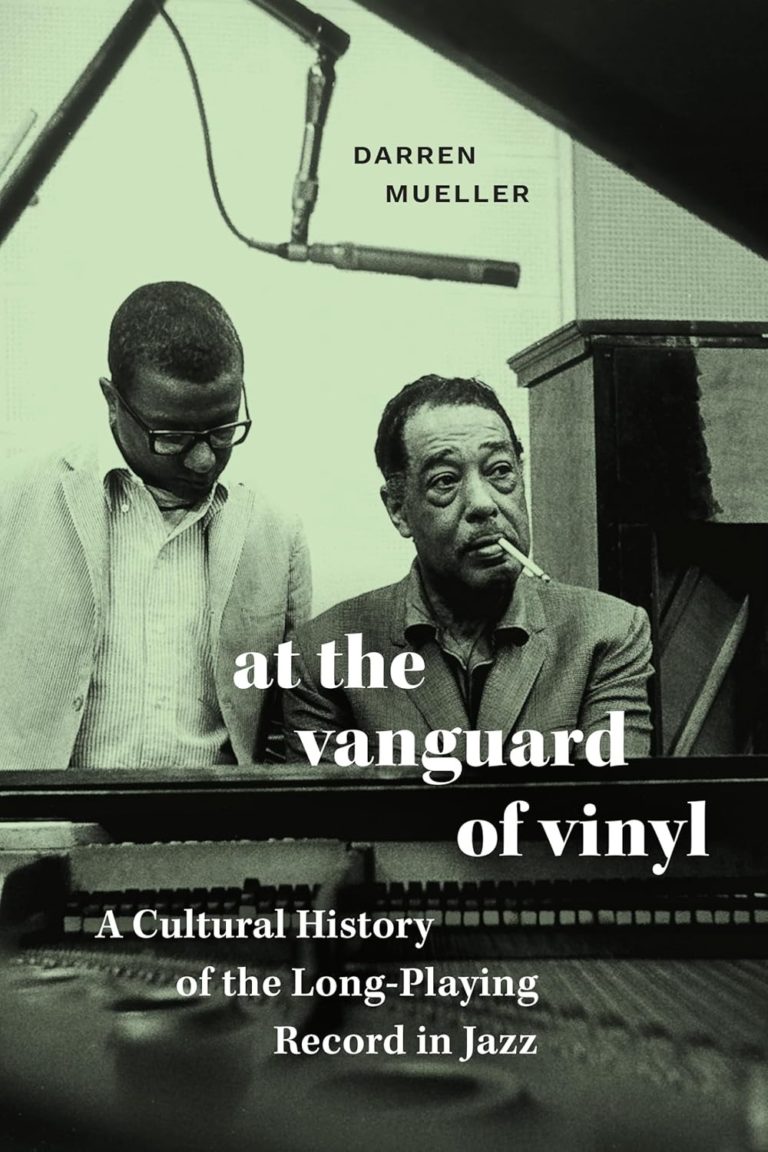
In At the Vanguard of Vinyl, Darren Mueller examines how the advent of the long-playing record (LP) in 1948 revolutionized the recording and production of jazz in the 1950s. The LP’s increased fidelity and playback capacity allowed lengthy compositions and extended improvisations to fit onto a single record, ushering in a period of artistic exploration. Despite these innovations, LP production became another site of negotiating the uneven power relations of a heavily segregated music industry. Exploring how musicians, producers, and other industry professionals navigated these dynamics, Mueller contends that the practice of making LPs significantly changed how jazz was created, heard, and understood in the 1950s and beyond. By attending to the details of audio production, he reveals how Black musicians such as Louis Armstrong, Miles Davis, Duke Ellington, and Charles Mingus worked to redefine prevailing notions of race and cultural difference within the United States. Mueller demonstrates that the LP emerges as a medium of sound and culture that maps onto the more expansive sonic terrain of Black modernity in the 1950s.
Darren Mueller’s ‘At The Vanguard Of Vinyl’ Explores How LPs Reshaped Jazz And Black Modernity In The 1950s
‘Zip It Up!’ Chronicles A Decade Of Rock Writing From The Pages Of Trouser Press
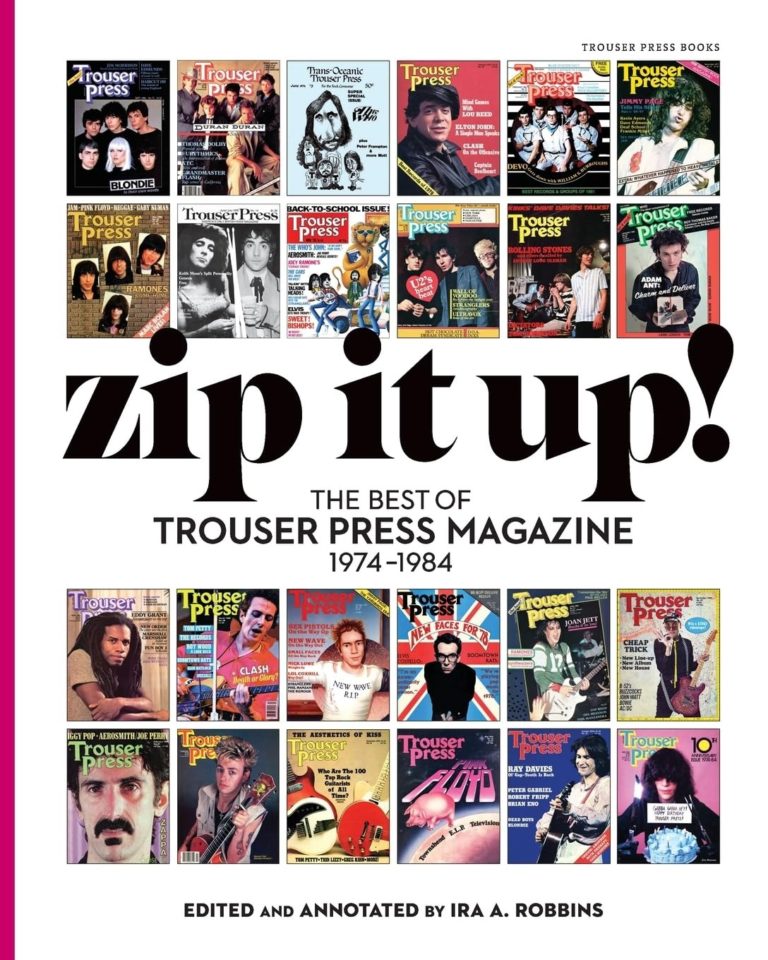
Trouser Press magazine began as a mimeographed fanzine in March 1974 and grew to a 60,000-circulation glossy rock music monthly. Started by two high school Who-freak friends and a Jeff Beck fanatic they’d recently met, Trouser Press published 96 issues over the following decade, covering everything from British Invasion bands, ’70s arena rock and prog to punk, new wave, synth-pop, post-punk and reggae.
Zip It Up! The Best of Trouser Press Magazine 1974-1984 by Ira Robbins is an annotated anthology of the music writing that appeared in the magazine.
Annotated with recollections and reflections on the changing times, the ridiculous business of independent magazine publishing and the colorful, complicated artists — illustrated with cartoons, covers, documents and ads from the Trouser Press archive — Zip It Up! is vintage rock journalism of a form that is no longer widely practiced: features heavy on historical detail and lengthy, probing interviews, all written with wit, intelligence and a willful expression of opinions and values. It is also an extensive document of rock’s evolution from the 1970s to the mid-’80s, often capturing now-iconic bands in the early stages of their existence. By turns reverent, snarky, adulatory and cynical, Zip It Up! is a rich grazing ground for fans and students of music and music journalism.
The book is divided into sections covering the Sixties, Classic Rock, Glam Rock, Art and Prog Rock, the Roots of Punk, US / UK Punk and New Wave, Reggae, Post-Punk and more.
Features on and interviews with Jimmy Page, the Clash, the Go-Go’s, Pete Townshend, Robert Fripp, Eddy Grant, the Sex Pistols, Frank Zappa, Cheap Trick, Kate Bush, Peter Tosh, the Ramones, Blondie, Todd Rundgren, Kiss, the New York Dolls, Laurie Anderson, the Kinks, Ritchie Blackmore, Lou Reed, Bryan Ferry, Brian Eno, T. Rex, U2, Television, Graham Parker, the Small Faces, Syd Barrett, R.E.M., Devo, Black Flag and much more.
‘The Other Fab Four’ Tells The Groundbreaking Story Of The Liverbirds, Britain’s First All-Female Rock Band
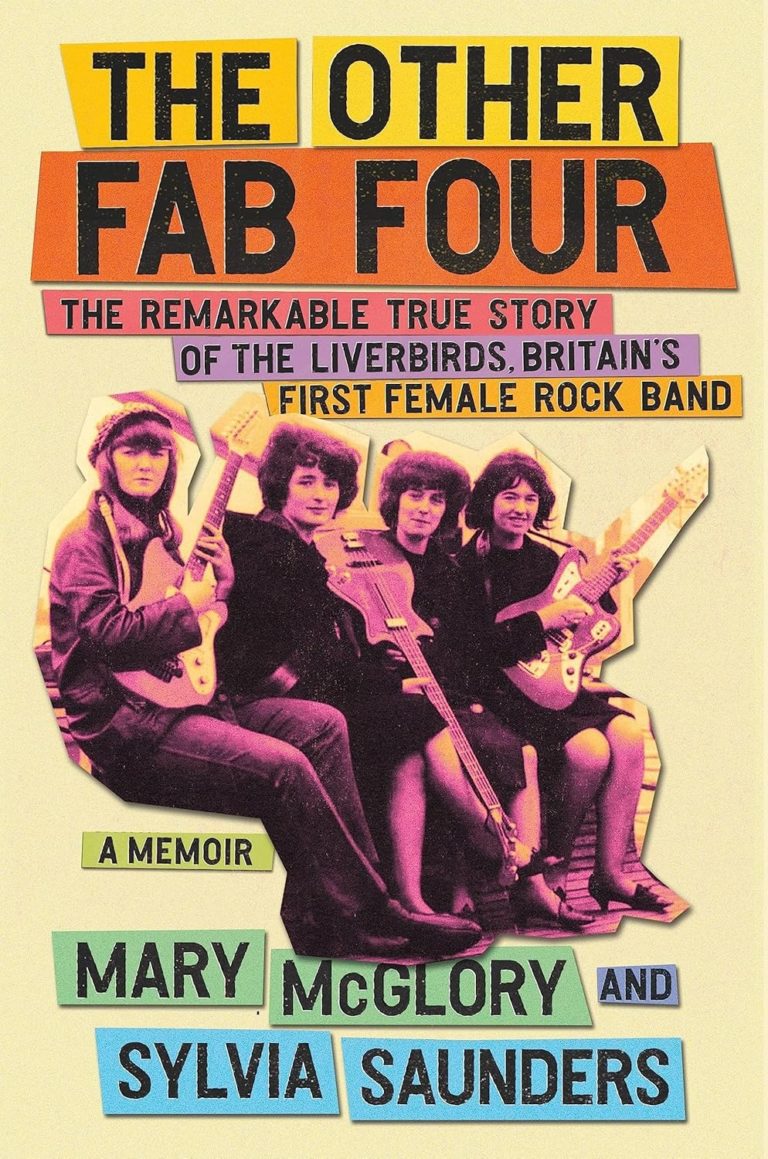
For readers of Sheila Weller’s Girls Like Us comes a fiercely feminist, heartwarming story of friendship and music about The Liverbirds, Britain’s first all-female rock group.
In The Other Fab Four: The Remarkable True Story Of The Liverbirds (Kindle Edition), Mary McGlory and Sylvia Saunders share the electrifying rise and bittersweet legacy of Britain’s first all-female rock band. Inspired by a 1962 Beatles show at The Cavern Club, four self-taught teenage girls from Liverpool—Mary, Sylvia, Valerie Gell, and Pamela Birch—set out to prove women could rock just as hard as the boys. Touring with icons like the Rolling Stones and Chuck Berry, The Liverbirds came heartbreakingly close to lasting fame before life pulled them apart. This memoir is a fierce, feminist look at music history through the eyes of its true pioneers.
The idea for Britain’s first female rock band, The Liverbirds, started one evening in 1962, when Mary McGlory, then age 16, saw The Beatles play live at The Cavern Club in Liverpool, the nightclub famously known as the “cradle of British pop music.” Then and there, she decided she was going to be just like them—and be the first girl to do it.
Joining ranks in 1963 with three other working-class girls from Liverpool—drummer Sylvia Saunders and guitarists Valerie Gell and Pamela Birch, also self-taught musicians determined to “break the male monopoly of the beat world”—The Liverbirds went on to tour alongside the Rolling Stones, the Kinks, and Chuck Berry, and were on track to hit international stardom—until life intervened, and the group was forced to disband just five years after forming in 1968.
Now, Mary and Sylvia, the band’s two surviving members, are ready to tell their stories. From that fateful night in 1962, when Mary, who once aspired to become a nun, decided to provide for her family by becoming a rich-and-famous rocker, to the circumstances that led to the band splitting up—Sylvia’s dangerously complicated pregnancy, and the tragic accident that paralyzed Valerie’s beau—The Other Fab Four tackles family, friendship, addiction, aging, and the forces—even destiny—that initially brought the four women together.
Brian Bisesi’s ‘Out Of The Blue’ Recounts Life On The Road With Muddy Waters At The Height Of His Legacy
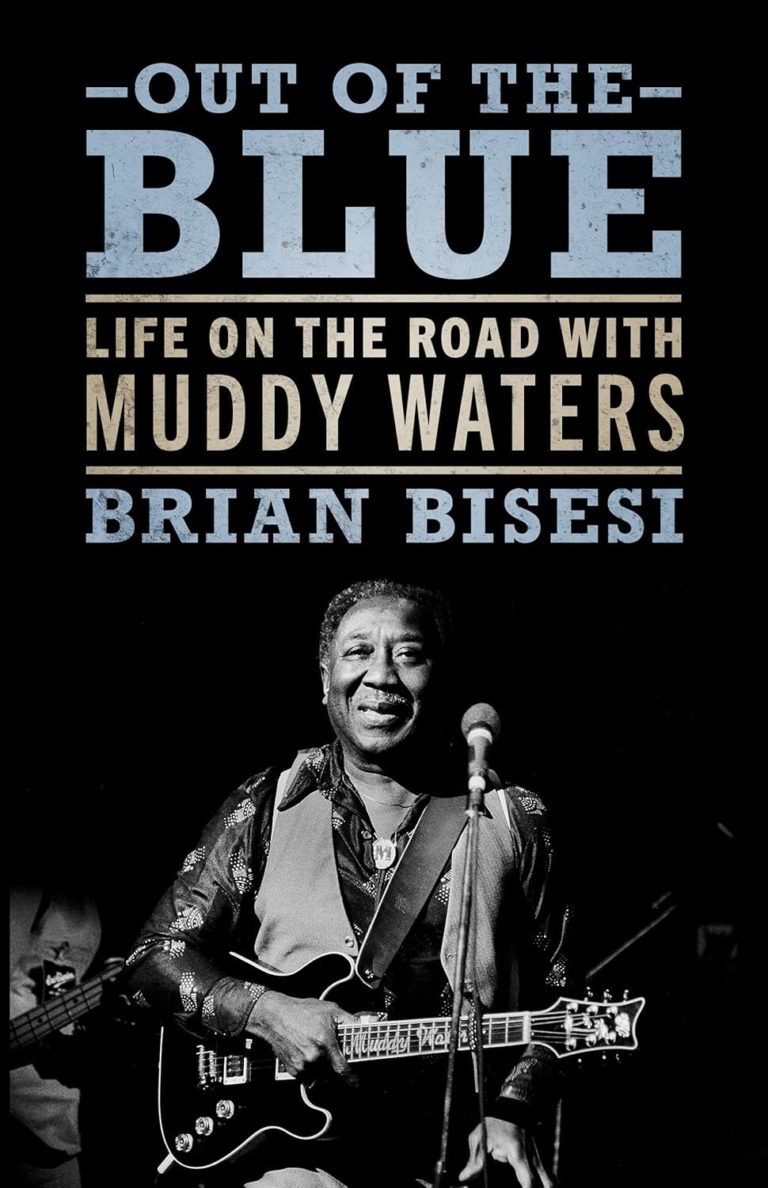
Out of the Blue: Life on the Road with Muddy Waters begins with a moment lifted from a young musician’s dreams. Brian Bisesi, a guitarist barely out of his teens, is invited on stage to fill in for a missing member of the band backing blues legend Muddy Waters. This life-changing quirk of fate opens the door into a world of challenges and opportunities that Bisesi, an Italian American reared in the comforts of a New York City suburb, can barely imagine. Despite their differences, Bisesi and Waters hit it off, and what might have been a one-night stand turns into a career. From 1978 to 1980, Bisesi works for Waters as his road manager, bean-counter, and at times his confidant, while often sitting in with the band.
Bisesi’s years with the band take him to Europe, Japan, Canada, and across the United States as Waters tours—and parties—with rock gods like Eric Clapton, the Rolling Stones, a Beatle, and the gamut of musicians who came of age with Waters and introduced a younger generation to the blues. In Out of the Blue, Bisesi captures it all: from the pranks and tensions among bluesmen enduring a hard life on the road, to observations about Waters’s technique, his love of champagne and reefer, his eye for women, and his sometimes-acrid views of contemporary music. Bisesi has sharp insights into the ill-conceived management decisions that led to the dissolution of Waters’s longest-serving band in June of 1980. This book will rivet, amuse, and occasionally infuriate blues aficionados. It is a raucous and intimate portrait of the blues scene at a pivotal moment in time that fascinates music historians and blues fans alike.
Steven Vass’s ‘Let the Music Play’ Explores How R&B Synthesized a New Sound in the 1980s
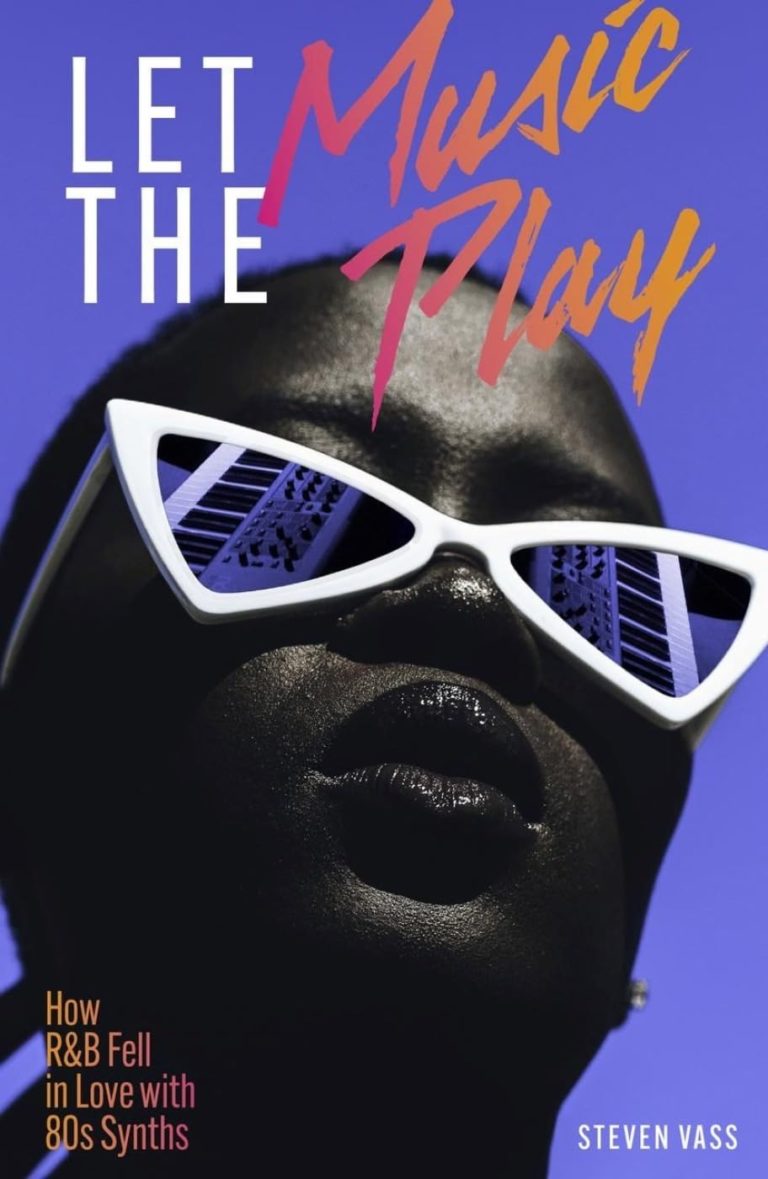
In Let the Music Play: How R&B Fell In Love With 80s Synths (Paperback, March 5, 2024), author Steven Vass dives deep into a revolutionary moment in Black music history. This vibrant chronicle captures the era when R&B, funk, and disco collided with emerging synth technology to reshape sound, style, and production forever. From pioneering legends like Stevie Wonder and Herbie Hancock to breakout icons like Prince, Sade, and the producers who defined the decade, Vass unpacks how this genre-bending era helped build the foundation of modern pop and hip-hop.
Let the Music Play: How R&B Fell In Love With 80s Synths is the overlooked story of how R&B, disco and funk were transformed by the explosion of synths and other music tech in the era of ghetto blasters, shoulder pads and Ronald Reagan. It traces how pioneers like Stevie Wonder and Herbie Hancock inspired a new generation of black musicians and producers in the US and UK to reinvent music using a whole new set of rules.
From superstars like Prince and Sade to production geniuses like Kashif and Jam & Lewis, it looks at how sounds and genres kept adapting to each new innovation, including drum machines, samplers and digital studios. It tells the fascinating stories of the artists involved and how some of the best-loved records of the era were made – creating a blueprint for music today.
Jim Moginie’s Memoir ‘The Silver River’ Reflects on Family, Identity, and the Legacy of Midnight Oil
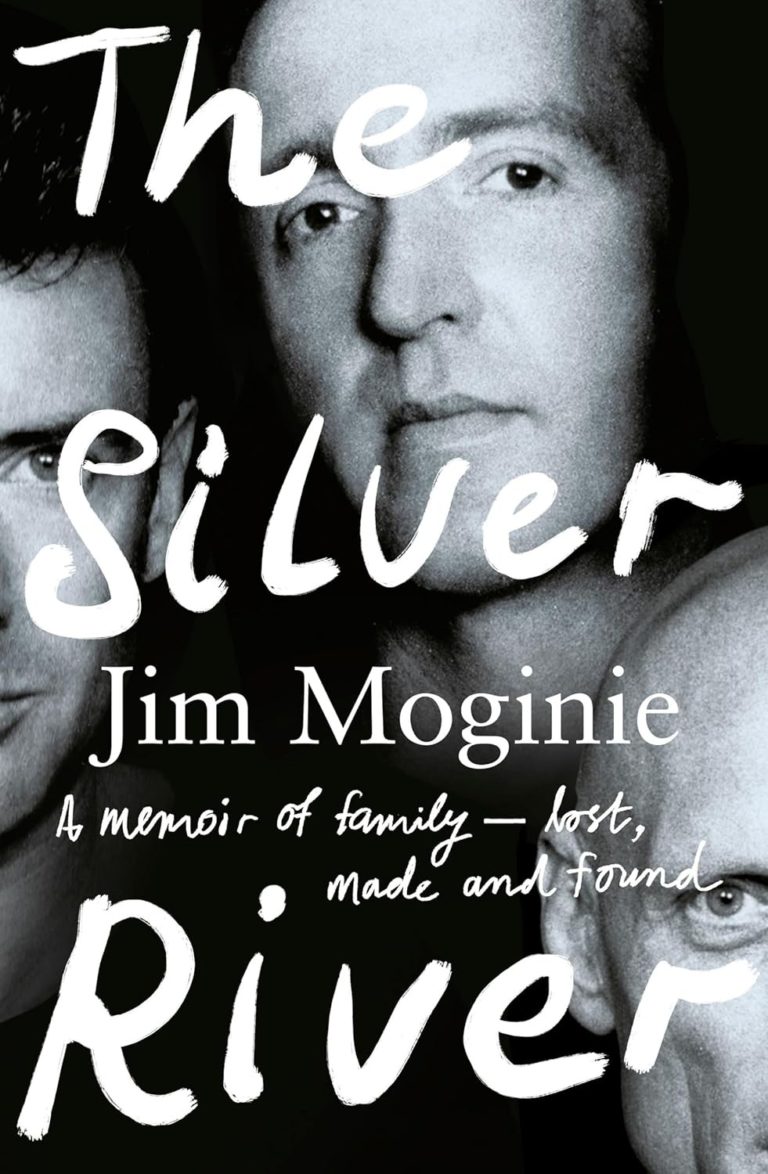
In The Silver River: A Memoir of Family – Lost, Made and Found, Jim Moginie—founding member of Midnight Oil—recounts a life shaped by both musical brotherhood and personal longing. As the band climbed from Australia’s punk fringes to international acclaim, Moginie quietly wrestled with the mystery of his own origin. This memoir traces parallel journeys: the rise of one of Australia’s most politically charged rock bands and a deeply personal search for belonging, identity, and the meaning of family.
For fifty years, songwriter, guitarist and keyboard player Jim Moginie was a driving force behind one of Australia’s most iconic rock bands, Midnight Oil. As they made their way through the nascent domestic punk scene and the uncharted musical territory of the Western Desert to the concert halls of Europe and America, the band members developed a feeling of ‘five against the world’. For Jim, this de facto family was a bulwark against a nagging sense that something was missing from his life: he’d long known that his biological mother had given him up for adoption as a baby. While Midnight Oil grappled with the challenges of chart success, their political activism and global tours, Jim’s quest to find his birth family increasingly led him in different directions, to the quiet suburbs of Canberra and the meandering rivers and verdant hills of rural Ireland – and emotional reunions with long-lost relatives.
Threaded with vivid recollections of childhood, behind-the-scenes stories of band life and fascinating insights into the creative processes that produced some of this country’s most beloved songs, The Silver River is at once a lyrical coming-of-age story, a heart-warming family chronicle and a must-read for anyone interested in the history of Australian music.
James Kaplan’s Book ‘3 Shades of Blue’ Reimagines The Genius of Miles, Coltrane, and Evans
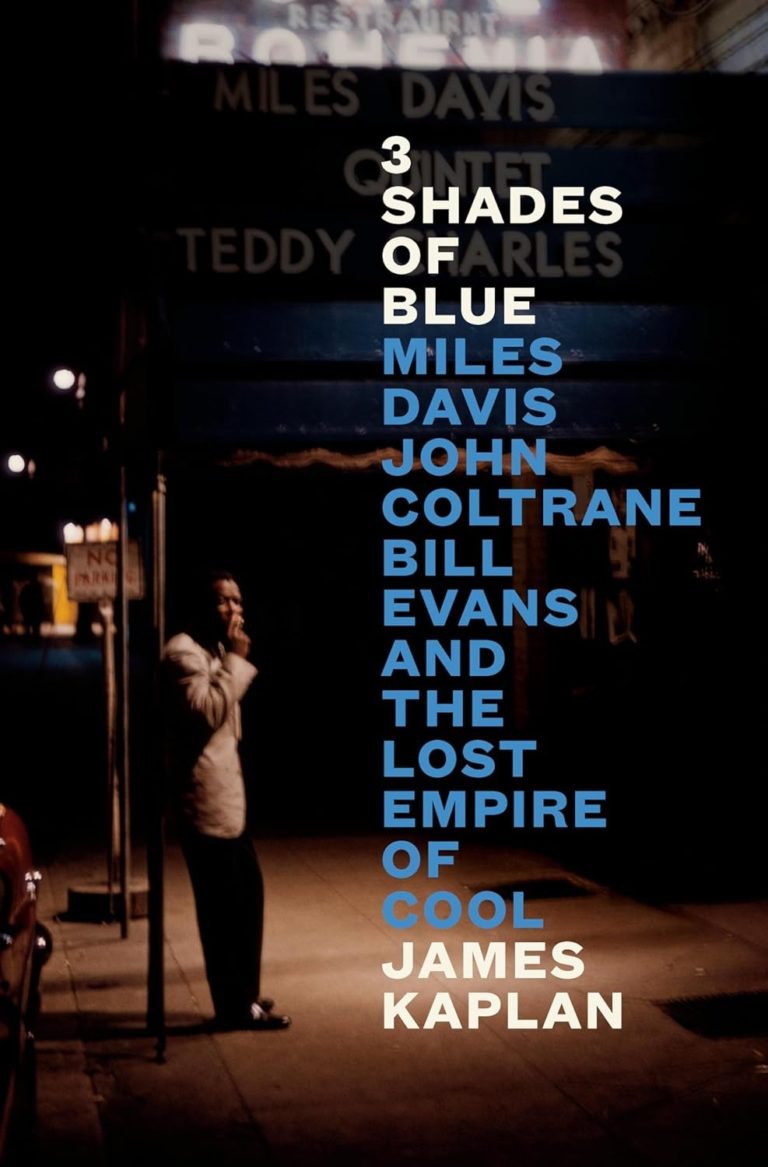
From the author of the definitive biography of Frank Sinatra, the story of three towering artists—Miles Davis, John Coltrane, and Bill Evans—and how they came together to create the most iconic jazz album of all time, Kind of Blue
In 1959, America’s great indigenous art form, jazz, reached the height of its power and popularity. James Kaplan’s magnificent 3 Shades of Blue captures how that golden era came to be, and its pinnacle with the recording of Kind of Blue. It’s a book about music, and business, and race, and heroin, and the cities that gave jazz its home, and the Black geniuses behind its rise. It’s an astonishing meditation on creativity and the strange environments where it can flourish most. It’s a book about the great forebears and founders of a lost era, and the disrupters who would take the music down truly new paths. And it’s about why the world of jazz most people know is a museum to this never-replicated period.
But above all, 3 Shades of Blue is a book about three very different men—the greatness and varied fortunes of Miles Davis, John Coltrane, and Bill Evans. The tapestry of their lives is, in Kaplan’s hands, a national odyssey with no direction home. It is also a masterpiece, a book about jazz that is as big as America.
30 Songs That Take On The Music Industry
Artists have always had a love-hate relationship with the music business. Some celebrate it, others expose its darker corners. Here are 30 songs that pull back the curtain on managers, labels, and the industry machine.
“A&R” – Ted Leo and the Pharmacists
The inner workings of label decision-making get a sharp, sarcastic dissection in this indie anthem.
“Ain’t No Fun (Waiting Round to Be a Millionaire)” – AC/DC
Few bands capture the grind of chasing fame like AC/DC, turning financial frustration into a bluesy roar.
“American Music” – Violent Femmes
With tongue firmly in cheek, Violent Femmes question the manufactured identity of what gets labeled as “American” sound.
“Artists Only” – Talking Heads
David Byrne puts the ego-driven side of artistry on blast, mocking the industry’s obsession with image over substance.
“Bitter Sweet Symphony” – The Verve
A song forever tied to a legal battle over royalties, proving that even a massive hit can become a cautionary tale.
“Cigarettes & Alcohol” – Oasis
Swaggering through excess, Oasis lays bare the vices that come with rock stardom—and the industry’s role in it all.
“Contract on the World Love Jam” – Public Enemy
Before the beats drop, this spoken-word intro sets a fierce tone, calling out the exploitation of Black artists in the music world.
“Death on Two Legs” – Queen
Freddie Mercury’s venomous takedown of Queen’s former manager, Norman Sheffield, who allegedly mishandled their finances.
“Deeper and Deeper” – Madonna
Between pulsating beats, Madonna slips in a nod to the pressures of fame and the industry’s relentless demands on pop icons.
“E.M.I.” – Sex Pistols
Spitting in the face of the label that dropped them, the Pistols prove that rebellion sells just as well as conformity.
“Everything Is Borrowed” – The Streets
Mike Skinner reflects on the fleeting nature of success, hinting at the industry’s tendency to chew up and spit out artists.
“Free Man in Paris” – Joni Mitchell
Joni paints a wistful portrait of label executive David Geffen longing for freedom from the business he built.
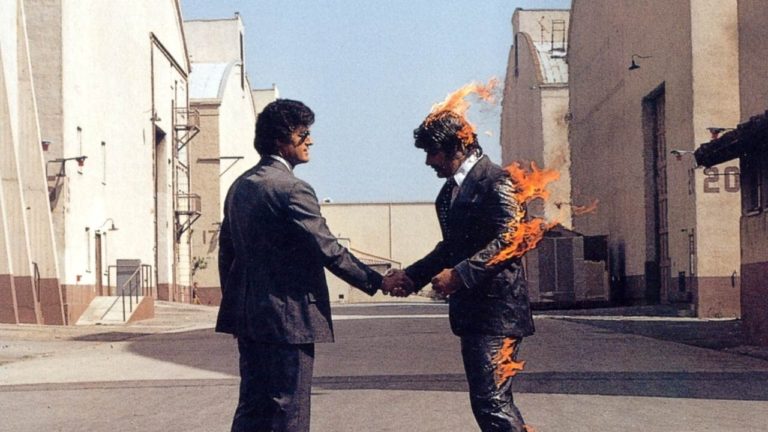
“Have a Cigar” – Pink Floyd
Few lines cut through music industry nonsense quite like: “By the way, which one’s Pink?”
“Hey, Mr. Manager” – Badfinger
Frustration turns into melody as Badfinger vents about their financial downfall thanks to a shady manager.
“I Wanna Be Rich” – Calloway
Drenched in flashy synths, this track playfully contrasts the dream of stardom with the brutal reality of music contracts.
“Industry” – Jon McLaughlin
Profit over passion—the sad truth of the business, spelled out in haunting piano-driven reflections.
“It’s Only Rock ’n’ Roll (But I Like It)” – The Rolling Stones
A tongue-in-cheek reminder that trends come and go, but having fun with music never goes out of style.
“Joe’s Garage” – Frank Zappa
A dystopian nightmare unfolds in Zappa’s cautionary tale, envisioning a world where music itself is illegal.
“Money Changes Everything” – Cyndi Lauper
Once success enters the equation, relationships—whether personal or professional—are never quite the same again.
“Mr. Record Man” – Willie Nelson
Few songs lay bare the struggle of getting signed like this country classic, pleading for a shot at recognition.
“My Life in the Bush of Ghosts” – Brian Eno & David Byrne
Music beyond the mainstream—this experimental album challenges industry norms at every turn.
“Nobody’s Business” – Rihanna
Not every artist lets the music industry dictate their narrative—Rihanna draws the line in this defiant anthem.
“On the Radio” – Regina Spektor
A nostalgic dive into how songs shape memories, while questioning the industry’s grip on what gets heard.
“Pop Life” – Prince
Behind the shimmering synths lies a deeper exploration of fame, excess, and image-driven artistry.
“Radio Radio” – Elvis Costello
Corporate control over airwaves takes center stage as Costello rebels against industry censorship.
“Rock and Roll” – The Velvet Underground
Music’s transformative power gets celebrated—despite the industry’s constant push to package and sell it.
“So You Want to Be a Rock ’n’ Roll Star” – The Byrds
A sarcastic guide to fame, warning that success comes with a price.
“The Great Wall of China” – Billy Joel
Inspired by Joel’s own lawsuit against his manager, this track is a sobering look at financial betrayal.
“You Never Give Me Your Money” – The Beatles
Paul McCartney captures the collapse of business relationships in a song dripping with disillusionment.
The music industry is a machine, but artists never stop finding ways to expose its gears. Whether through biting satire or heartfelt reflection, these songs remind us that behind every hit, there’s a story. And sometimes it’s about the hand that feeds them
Glen Matlock’s Book ‘Triggers: A Life In Music’ Tells Punk’s Story Through 30 Songs

In Triggers: A Life In Music, Sex Pistols founding member Glen Matlock takes readers on a raucous ride through punk history and beyond. Told through 30 of the most influential songs in his life, this memoir blends personal milestones with legendary backstage moments. From the chaos of the Sex Pistols to collaborations with Iggy Pop, David Bowie, and Blondie, Matlock uses music as both map and mirror. The book reveals not only how punk was born, but how it never stopped evolving—with Glen right in the middle of it all.
Courting controversy wherever they went, the Sex Pistols embraced shock value and pushed boundaries, generating headlines and public outrage. Sharing insider tales of the Sex Pistols’ earliest gigs and stormiest reunions, as well as their most idiosyncratic inter-band dynamics, Glen Matlock tells his story through the impact 30 songs made in his life, including how “Starman” by David Bowie reminded him of his love for Anthony Newley or “Three Button Hand Me Down” by The Faces spoke to his hardscrabble early life in London.
Matlock’s story is the pioneering story of punk rock yet, having performed and recorded with so many musical luminaries over the decades, Glen also reflects on his time with the likes of Iggy Pop, David Bowie, the Faces, Blondie, Primal Scream, and many more.
The Greatest Acting Performances by Musicians in Music Films
Some musicians take the stage. Others take the screen and bring everything with them. These performances weren’t about cameos or gimmicks—they showed real presence, emotional range, and unforgettable musical moments. Here are 10 times musicians stepped into movie roles and delivered something special.
Olivia Newton-John – Grease (1978)
Olivia Newton-John became a generation-defining screen presence in Grease. From the sweet innocence of “Hopelessly Devoted to You” to the empowered energy of “You’re the One That I Want,” she captured both sides of Sandy with confidence. Her voice, charm, and performance created one of the most iconic roles in musical film history.
David Bowie – Labyrinth (1986)
Bowie’s Goblin King walked a strange line between menace and glamor, and he made every moment feel like a spell. With his own songs driving the story, he created a character that remains a fantasy icon decades later. He didn’t blend into the film—he transformed it into something otherworldly.
Prince – Purple Rain (1984)
Prince gave a raw, moody performance that felt like a glimpse into his creative soul. His presence on stage was magnetic, but the emotional weight behind his character made the film soar. The title track alone delivered a climax that still gives goosebumps.
Eminem – 8 Mile (2002)
Eminem’s portrayal of Jimmy showed the power of subtlety and authenticity. He tapped into his own background without relying on nostalgia or bravado. The final rap battle remains one of the most electrifying music scenes ever filmed.
Lady Gaga – A Star Is Born (2018)
Gaga brought a depth and vulnerability to Ally that never felt scripted. Her performance moved from soft-spoken to powerhouse as the character rose to stardom. She delivered heartbreak and beauty in every line she sang and every word she spoke.
Elvis Presley – Jailhouse Rock (1957)
Elvis made his screen presence undeniable in Jailhouse Rock, pairing charisma with sheer performance energy. The title sequence became an instant classic and showcased what made him such a cultural force. His performance still holds up as a blueprint for music stars crossing into film.
Dolly Parton – 9 to 5 (1980)
Dolly Parton lit up the screen in her very first film role with the same charm that made her a country legend. As Doralee, she balanced sharp comedic timing with genuine warmth, holding her own alongside Jane Fonda and Lily Tomlin. Her theme song became an anthem, but her performance made her a movie star.
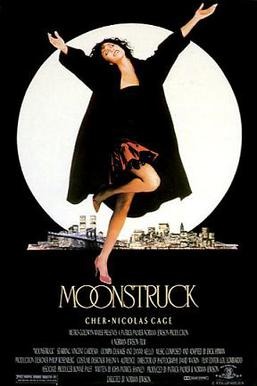
Cher – Moonstruck (1987)
Cher’s performance as Loretta Castorini is a masterclass in timing, emotion, and presence. She brought humor and heartbreak to every line, capturing the complexities of love, grief, and second chances. Her chemistry with Nicolas Cage lit up the screen, and the role earned her a well-deserved Academy Award.
Beyoncé – Dreamgirls (2006)
Beyoncé played Deena with control, nuance, and an emotional build that paid off by the end. “Listen” wasn’t just a standout track—it was a turning point in the character’s growth. She proved her ability to carry both vocal weight and dramatic tension.
Justin Timberlake – Inside Llewyn Davis (2013)
JT’s brief but memorable appearance added levity and musical warmth. His performance in “Please Mr. Kennedy” showed that even in a small role, he could contribute to the tone and rhythm of the film. He balanced humor and sincerity with ease.