In the vast landscape of music, some artists have taken the bold step of crafting songs that bear their own names. These self-titled tracks often serve as declarations of identity, mission statements, or thematic anchors within their albums.
Anthrax – “Anthrax”
Featured on their debut album Fistful of Metal (1984), this thrash metal track introduces listeners to the band’s aggressive style and sets the tone for their future works.
Bad Company – “Bad Company”
From their 1974 self-titled debut, this song encapsulates the band’s rugged rock ethos and has become one of their signature tracks.
Bad Religion – “Bad Religion”
Appearing on their 1981 debut EP, this track showcases the band’s foundational punk sound and critical lyrical themes.
Big Country – “In a Big Country”
This 1983 anthem didn’t just introduce the Scottish band to the world — it doubled as a mission statement, fusing bagpipe-style guitars with optimism and scale. The title alone says it all: think big, dream bigger.
Black Sabbath – “Black Sabbath”
The opening track of their 1970 debut album, this song is often credited with laying the groundwork for the heavy metal genre.
Bo Diddley – “Bo Diddley”
Released in 1955, this song introduced Bo Diddley’s signature rhythm and became a cornerstone of rock and roll.
Body Count – “Body Count”
This 1992 track from their self-titled album blends metal and rap, reflecting the band’s confrontational style and social commentary.
Built to Spill – “Built to Spill”
From their 1993 debut album Ultimate Alternative Wavers, this track presents the band’s indie rock sensibilities and intricate guitar work.
Danzig – “Danzig”
Featured on their 1988 self-titled debut, this song blends dark themes with heavy riffs, characteristic of Glenn Danzig’s style.
Fergie – “Fergalicious”
With an iconic beat and brash delivery, “Fergalicious” turned Fergie’s name into a movement. This 2006 hit was part spell, part sass, and 100% self-branding at its finest.
Green Day – “Green Day”
An early track from their 1990 debut album 39/Smooth, this song captures the band’s youthful energy and punk roots.
Iron Maiden – “Iron Maiden”
Closing their 1980 debut album, this track has become a live staple, showcasing the band’s heavy metal prowess.
Jennifer Lopez – “Jenny from the Block”
She’s not just J.Lo — she’s still Jenny from the block. This 2002 track reminded fans that no amount of fame could erase the girl from the Bronx, cementing her legacy as a grounded superstar.
Jim Croce – “You Don’t Mess Around With Jim”
You can tug on Superman’s cape, spit into the wind — but don’t mess around with Jim. This 1972 classic from the folk-rock storyteller turned his own name into legend, mixing swagger with Croce’s signature wit.
King Crimson – “The Court of the Crimson King”
This wasn’t just a song — it was a proclamation. Released in 1969, the title track to In the Court of the Crimson King introduced the world to the majesty, mystery, and mind-melting prog of King Crimson. Long live the king.
Leonard Cohen – “Field Commander Cohen”
Part poet, part prophet, Leonard Cohen styled himself as a weary soldier of love and loss in this 1974 gem. “Field Commander Cohen” is haunting, personal, and every bit the dramatic title its author deserved.
Living Colour – “What’s Your Favorite Color? (Theme Song)”
“Living Colour’s the name,” they shout in this funk-metal mission statement from their 1988 debut Vivid. More than just a theme song, it’s a loud, proud burst of identity and genre-defying energy.
Motörhead – “Motörhead”
Originally written by Lemmy for Hawkwind, this song became the title track for Motörhead’s 1977 debut album, embodying their raw sound.Far Out Magazine
Rammstein – “Rammstein”
From their 1995 debut album Herzeleid, this song addresses the tragic Ramstein air show disaster, setting a dark tone for the band’s themes.
S Club 7 – “S Club Party”
“Don’t stop, never give up…” The 1999 hit was both a roll call and rallying cry, introducing each band member while laying down one of the most infectious pop hooks of the late ’90s.
Soulja Boy Tell’em – “Crank That (Soulja Boy)”
You! Crank it, dance it, meme it. This 2007 track launched Soulja Boy into viral superstardom and became a cultural moment, naming and claiming the genre-bending energy of a new hip-hop era.
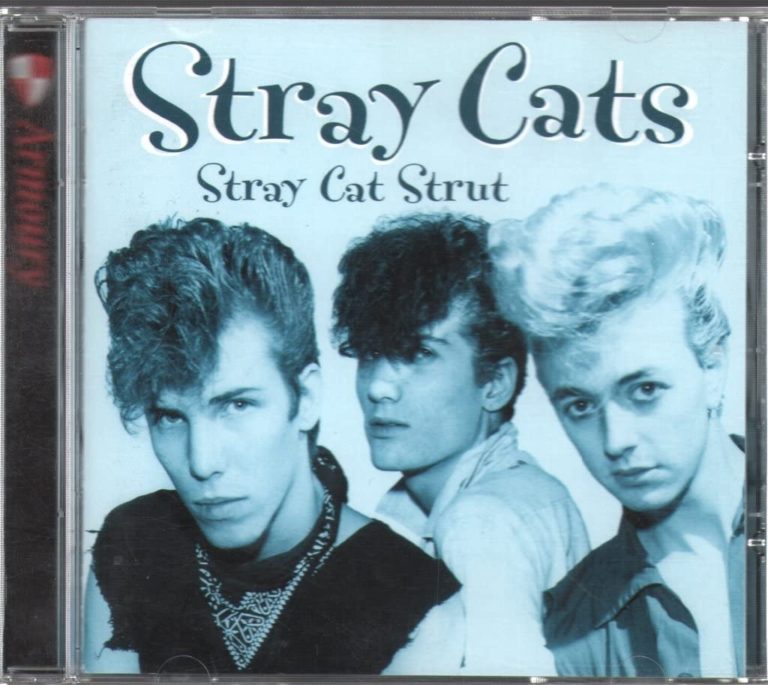
Stray Cats – “Stray Cat Strut”
Slicked hair, upright bass, and a swagger you could hear a block away — “Stray Cat Strut” brought rockabilly into the MTV age. The 1981 anthem purrs with cool confidence, spelling out exactly who they are.
Talk Talk – “Talk Talk”
Initially performed by The Reaction, this song was re-recorded by Talk Talk for their 1982 debut album The Party’s Over, marking their synth-pop beginnings.Far Out Magazine
The 1975 – “The 1975”
Opening each of their albums with a track titled “The 1975”, the band uses this recurring motif to set thematic tones, varying in style and content.Far Out Magazine
The Clash – “Clash City Rockers”
They didn’t just start a band — they launched a sonic rebellion. On their 1977 debut, The Clash kicked down the door with “Clash City Rockers,” a song that shouted their name and their mission. Bonus points for later doubling down in “Radio Clash” and “Rudie Can’t Fail.”
The Monkees – “(Theme from) The Monkees”
Serving as the theme for their TV show, this 1966 track introduced audiences to the band’s playful pop-rock sound.
The Pretenders – “The Pretenders”
While not a song, their 1979 debut album titled Pretenders established the band’s presence in the rock scene with hits like “Brass in Pocket”.
The Velvet Underground – “The Velvet Underground”
Their 1969 self-titled third album marked a shift to a softer sound, showcasing the band’s versatility beyond their avant-garde roots.
Weezer – “Weezer”
Known for multiple self-titled albums distinguished by color, their 1994 “Blue Album” introduced hits like “Buddy Holly”, defining their geek-rock image.
Wilco – “Wilco (The Song)”
Opening their 2009 album Wilco (The Album), this track playfully addresses the band’s identity and connection with fans.
X – “X”
From their 1980 debut album Los Angeles, this track captures the band’s raw punk energy and set the stage for their influential role in the LA punk scene.
Self-titled songs serve as bold statements, allowing artists to define or redefine their identities through music. Whether as introductions, reinforcements, or reinventions, these tracks offer listeners a direct line to the essence of the artists.