Home Blog Page 132

MakeShot, and the part of AI video workflows nobody tells beginners about

0

By Mitch Rice

The first surprise with any AI Video Generator isn’t the output—it’s how quickly your idea becomes the bottleneck. People show up expecting the tool to “make a video.” What tends to happen is closer to: you spend an hour deciding what you meant in the first place, then you run small experiments until something feels worth refining.

MakeShot positions itself as an “all‑in‑one AI studio” for generating videos and images, powered by Veo 3, Sora 2, and Nano Banana in one platform. That’s the only hard product ground we should stand on here. Everything else—how “easy” feels, what “professional-grade” looks like in your niche, and whether you’ll return after the novelty wears off—depends less on the tool and more on how you approach early use.

Below is a realistic way to think about your first couple of weeks with an AI video workflow, using MakeShot as the anchoring example.

A beginner’s real job: turning vibes into instructions (without hating yourself)

Most beginners start with a vibe: “cinematic,” “minimal,” “energetic,” “Apple-like,” “TikTok style.” Vibes are fine for humans. Generators respond better to constraints.

A practical early workflow is to translate one fuzzy idea into four concrete decisions:

  1. Subject: what must be on-screen? (product, person, environment, text as concept—not necessarily literal text)
  2. Action: what changes over time? (walks forward, rotates, unfolds, reveals, pours)
  3. Camera: what’s the viewpoint doing? (static, slow push-in, overhead, handheld feel)
  4. Mood + materials: what should it feel like? (warm tungsten, high-contrast studio, soft daylight, glossy plastic, brushed steel)

Beginners often misunderstand this and treat prompting like a single sentence they have to “get right.” What people often notice after a few tries is that small, explicit choices beat clever adjectives. You don’t need poetry; you need directions.

One expectation reset that happens fast: the best first outputs are rarely your final assets. They’re draft footage—useful because it shows you what you don’t want.

A “three-pass” workflow that keeps you out of prompt purgatory

Here’s a non-glamorous structure that matches how real content work happens: Pass 1 = find a direction, Pass 2 = stabilize it, Pass 3 = make it usable. It’s not specific to MakeShot, but it’s the mindset that makes an all-in-one studio worth trying.

Pass 1: 10-minute volume (the disposable phase)

In the first session, your goal is not quality—it’s coverage. Generate multiple variants quickly to answer questions like:

  • Is the concept readable in motion?
  • Does the “hero moment” happen early enough?
  • Do you want realism, illustration, or something in-between?
  • Is the subject doing the right kind of movement?

This is where beginners burn time polishing too early. The part that usually takes longer than expected is admitting a concept is unclear and starting over.

Caution #1: In early volume mode, it’s easy to confuse “interesting” with “usable.” A clip can be fascinating and still wrong for your brand or message.

Pass 2: Fewer generations, more control (the narrowing phase)

Once you spot a promising direction, the work becomes less about “make something cool” and more about “make something consistent.”

That typically means tightening the prompt around:

  • One primary subject
  • One action
  • One setting
  • One camera behavior
  • One lighting style

And removing everything else.

A second expectation shift usually shows up here: your taste becomes sharper than the model’s reliability. You start noticing tiny issues—odd motion, inconsistent shapes, strange physics—that you ignored in the first five minutes because the novelty was doing the heavy lifting.

Caution #2: Revision loops can balloon. When a tool is fast, it tempts you to iterate endlessly instead of deciding what’s “good enough for this channel, this post, this week.”

Pass 3: Make it fit the actual job (the “editor brain” phase)

Most people don’t need “a video.” They need:

  • a 6–12 second opener for social,
  • a background loop behind text,
  • a transition shot to cover an edit,
  • a concept clip to sell a direction internally.

So your third pass is about fit:

  • Does it leave space for captions or overlays?
  • Does it communicate without audio?
  • Can you cut it into two strong beats?
  • Does it match the platform’s pacing?

This is where human judgment stays stubbornly important. The decision is less about the tool itself and more about whether you can consistently turn outputs into assets that survive a real content calendar.

I’ve found this phase is where people either keep using an AI Video Generator—or quietly stop—because “cool results” stop being the metric. “Can I ship this without apologizing for it?” becomes the metric.

What MakeShot’s limited facts do—and don’t—let you conclude

MakeShot’s description gives you three reliable anchors:

  • It’s an all-in-one AI studio
  • It generates videos and images
  • It’s powered by Veo 3, Sora 2, and Nano Banana in one platform

That’s enough to infer the positioning: a single place to explore multiple underlying generation models without bouncing between separate tools.

It is not enough to responsibly claim details that matter to day-to-day workflow, such as:

  • output resolution, frame rates, or maximum clip length
  • pricing, free tiers, or watermark behavior
  • whether it supports image-to-video, video-to-video, or specific editing controls
  • how consistent characters are across generations
  • whether it includes timelines, captions, audio, or brand kits
  • render speed, queue limits, or reliability under load
  • integrations with Adobe, Figma, social schedulers, or stock libraries
  • licensing terms, commercial usage specifics, or training data policies

Those items are often decisive for professionals, but they’re simply not stated here—so the honest move is to treat them as evaluation questions, not assumptions.

If you’re assessing MakeShot (or any similar platform) early on, the most trustworthy approach is to create a small checklist of “must-not-break” requirements for your workflow—then test those, specifically. Don’t let a handful of beautiful generations distract you from practical constraints you’ll feel every week.

The beginner-to-early-use learning curve (and the quiet skills that matter)

This is the part that rarely makes it into tool write-ups: the learning curve is less “how to prompt” and more “how to think like an editor.”

You’re learning a new kind of brief

Prompts that work tend to read like a mini production note. Not long—just specific. Over time, people usually stop asking, “What prompt gets the best results?” and start asking, “What prompt gets the same kind of result repeatedly?”

That’s a meaningful expectation change: from one-off luck to repeatable direction.

You’re learning what not to specify

Beginners often over-control: too many adjectives, too many scene elements, too many instructions at once. The generator then “solves” the prompt in a way that is technically compliant but aesthetically off.

A strong habit is subtraction. If the subject is correct and the motion is right, don’t complicate it. Keep your “creative variables” limited so you can tell what caused what.

You’re learning where the time really goes

The speed of generation can hide the real costs:

  • choosing between near-identical variants,
  • explaining to a teammate why “almost right” is still wrong,
  • doing ten tries to get one clean moment,
  • rebuilding because the first idea wasn’t concrete enough.

This is where the novelty wears off. And honestly, that’s healthy: once the sparkle fades, you can evaluate the tool on whether it supports your decisions instead of distracting from them.

A grounded way to decide if you’ll keep using MakeShot after the first week

Not every creator needs an all-in-one studio. Some people do best with one model they learn deeply. Others benefit from having multiple engines available in one place—especially in the “concept draft” stage, when you’re still figuring out what the piece is.

A practical decision framework looks like this:

  • Do you routinely need motion concepts, not polished commercials?

If your work lives in fast iteration—social hooks, campaign explorations, visual starting points—an AI Video Generator can earn its keep even when outputs aren’t perfect.

  • Are you comfortable being the quality filter?

The tool produces options; you supply taste, restraint, and a deadline. If you don’t enjoy that role, you’ll feel like you’re babysitting randomness.

  • Can you define “usable” before you generate?

A simple rule like “I need one 8-second clip with a clear hero moment by second 2” saves you from infinite experimentation.

  • Does the platform reduce switching costs for you?

MakeShot’s stated promise is multiple major models (Veo 3, Sora 2, Nano Banana) in one place. If switching between tools is currently your friction, consolidation can matter more than any single “best” model.

The takeaway, if you’re new to this: treat your first sessions as workflow research, not content production. The win isn’t a masterpiece—it’s discovering whether you can reliably move from idea → draft motion → usable clip without the process turning into a slot machine.

Data and information are provided for informational purposes only, and are not intended for investment or other purposes.
Blues-Rock Trio Handsome Jack Fire Up Swaggering New Single “Poly Molly”

0

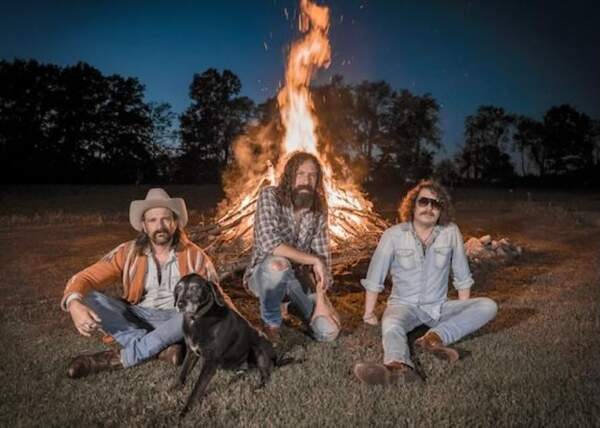
Blues-rock trio Handsome Jack return with the gritty new single “Poly Molly,” another raw blast from their album ‘Barnburners!,’ which is out now. The track follows earlier releases “Let’s Go Downtown” and “Do It! To It!” and keeps the group’s retro-charged momentum rolling.

Driven by thick guitar tones and swaggering rhythm, “Poly Molly” taps into classic blues energy while pushing it forward with modern punch. The trio delivers the song with loose, live-wire intensity, leaning into the kind of stripped-down groove that made early electric blues so powerful.

Frontman Jamison Passuite explains the approach behind the track: “On ‘Poly Molly’ we took the classic Elmore James bottleneck style and made it our own for the modern times. The simple and raw live take sounds both old and fresh at the same time which was a big goal of ours for the new record.”

Formed in Lockport, New York, Handsome Jack built their reputation on a sound rooted in classic American music. Their songs draw from blues, R&B, rock and roll, and old-school boogie, creating a mix that feels both timeless and electrifying.

On stage, the band brings that sound to life with explosive energy. Passuite’s gritty vocals and fiery guitar work drive the performance, while bassist Joey Verdonselli and drummer Bennie Hayes lock into a tight rhythm that keeps the groove burning from start to finish.

Blues Legend Eric Bibb Unveils Soul-Stirring Single “Didn’t I Keep Runnin’” From ‘One Mississippi’

0

Blues legend Eric Bibb delivers another powerful chapter in his remarkable catalog with the single “Didn’t I Keep Runnin’.” The track appears on his album ‘One Mississippi,’ a sweeping new project that expands the artist’s already formidable legacy in modern roots and blues music.

The song draws its emotional power from a haunting historical image. Bibb channels the story of a runaway slave punished for attempting freedom, transforming that painful history into a deeply reflective piece of music that connects past and present through his unmistakable voice.

Bibb explains the inspiration behind the song: “This song was inspired by an old photograph, depicting a peg-footed banjo player, who was surely a slave who had tried to escape. Runaway slaves who were captured after unsuccessful attempts to flee, were often punished with the amputation of a foot to prevent further flight and to discourage other slaves from trying. As I see it, we’re all still on the road to freedom.”

The recording brings together an exceptional group of musicians. Bibb handles lead vocals and acoustic guitar while Robbie McIntosh adds expressive electric guitar work. Greger Andersson contributes harp, and producer Glen Scott anchors the track with drums, bass, percussion, Hammond, and additional guitars, with backing vocals from Sara Bergkvist Scott and Shaneeka Simon.

Across a career that spans more than five decades, Eric Bibb has built a reputation as one of the most respected voices in contemporary blues and roots music. His songs combine classic blues tradition with soul, Americana, and deeply thoughtful storytelling, and “Didn’t I Keep Runnin’” stands as another powerful reminder of the depth and humanity at the heart of his work.

East Texas Country Rocker Travis Bolt Drops Gritty New Single “Blues At My Funeral”

0

East Texas country rocker Travis Bolt steps forward with the powerful new single “Blues At My Funeral,” a moody and swampy track that introduces listeners to the sound of his debut album ‘Burning Bridges,’ which is out now.

The song delivers a thick blend of country grit and blues-soaked rock. Bolt’s voice carries the weight of lived experience, cutting through pounding drums and urgent guitars with raw conviction. The track lands hard and lingers, a strong introduction to a songwriter who understands how to turn personal struggles into gripping storytelling.

Produced by Jason Burt, known for his work with Leon Bridges, John Mayer, and Paul Cauthen, ‘Burning Bridges’ builds on that same intensity. Across fourteen songs, Bolt explores heartbreak, resilience, and redemption, all anchored by a vocal presence that feels both rugged and deeply soulful.

Bolt’s path to music began with a challenge that shaped his life. Diagnosed with Tourette’s Syndrome as a child, he discovered that playing guitar helped quiet his symptoms and became a form of therapy. “It’s the best medicine I’ve found,” Bolt says. “And I’ve taken all of them.”

That determination helped push Bolt’s music into a much wider spotlight. His independent single “Never Tried Cocaine” exploded online, pulling in over 30 million streams and landing on major streaming playlists. The momentum carried him to stages including the Ryman Auditorium, where he earned a standing ovation opening for Paul Cauthen.

‘Burning Bridges’ Tracklist:

  1. Seasons
  2. Last Goodbye
  3. Blues At My Funeral
  4. Nothing’s Gonna Stop Us
  5. Wasting My Time
  6. You Shoulda Known
  7. Never Tried Cocaine
  8. Heartache Mixtapes
  9. That’s When I Run
  10. Home Is Where The Hard Is
  11. Six Shooter
  12. I Owe Ya One
  13. Sin & Tonic
  14. Coming Home

Alt-Rock Upstarts Good Terms Double Down With ‘Burnout Deluxe’ And New Single “All In”

0

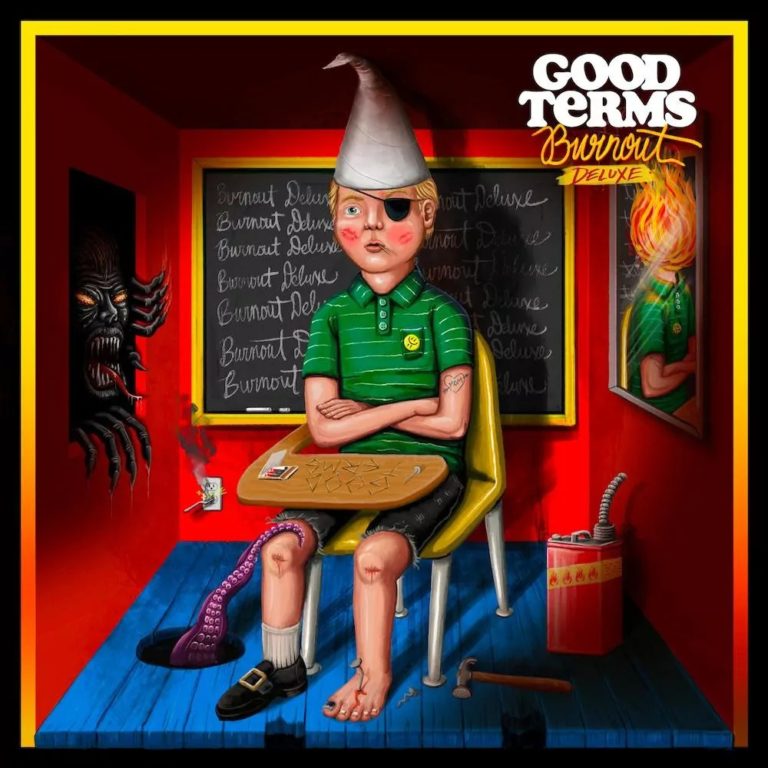
Alt-rock upstarts Good Terms return with ‘Burnout Deluxe,’ an expanded edition of their breakout 2024 album ‘Burnout.’ The new release adds fresh material to the record that helped propel the group from bedroom songwriting sessions to packed rooms across the country.

The deluxe collection features the recent single “Progress” alongside the brand-new track “All In.” The song has already been spinning heavily on SiriusXM Faction Punk and now arrives with an official music video that pushes the momentum even further.

The group shared the meaning behind the expanded release: “‘Burnout’ has been a life changing album for us, and putting out ‘Burnout Deluxe’ is our way of celebrating it. We definitely did literally burn ourselves out, but the journey of going from writing riffs for ourselves in our bedrooms to playing to hundreds of people has been so rewarding and energizing that it’s all felt worth it.”

They continue, “Meeting new people, seeing what songs got people singing along, and just finding out what songs were the most fun for us to play turned into new songs that we really believe in. The deluxe album feels like a celebration of all of these moments over the last few years with ‘Burnout’.”

Rap-Metal Disruptors UnityTX Ignite New Era With “Enjoy Tha Show” And Album ‘Somewhere, In Between’

0

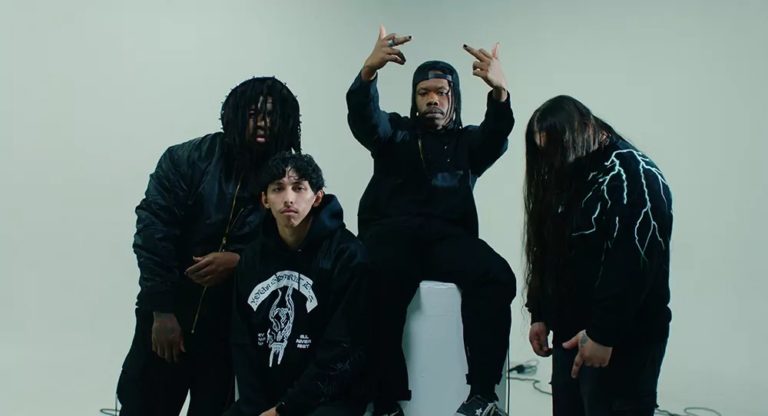
Rap-metal disruptors UnityTX are charging forward with the release of their fierce new single “Enjoy Tha Show.” The track arrives alongside the announcement of their sophomore album ‘Somewhere, In Between,’ the follow-up to their debut full-length ‘Ferality.’

The new record is out now and pushes the group’s explosive blend of metal, hip-hop, and hardcore even further. UnityTX continue building a sound that thrives on intensity, blending heavy guitar work with rapid-fire vocal delivery and sharp lyrical perspective.

Frontman Jay Webster explains the deeper meaning behind the track: “‘Enjoy Tha Show’ was crafted to provoke thought on the narratives we embrace as humans, sharing our experiences to foster connection. After much reflection, I aimed to create something that resonated with my audience and mirrored my struggles.”

He adds, “Unknowingly, I built my life around catering to critics, only to realize that the audience often reacts negatively when you stray from their expectations. This goes beyond music; our society often limits opportunities for those daring to be themselves.”

UnityTX will bring that intensity directly to fans this spring while supporting Varials on a full U.S. tour. The run stretches across the country with stops in cities including Denver, Anaheim, Dallas, Atlanta, Baltimore, Brooklyn, and Philadelphia.

Tour Dates:

March 16 – Marquis Theater – Denver, CO
March 18 – Soundwell – Salt Lake City, UT
March 20 – Cornerstone Craft Beer & Live Music – Berkeley, CA
March 21 – House of Blues – Anaheim, CA
March 22 – SOMA – San Diego, CA
March 24 – Backstage Bar & Billiards – Las Vegas, NV
March 25 – The Nile Theater – Mesa, AZ
March 27 – Trees – Dallas, TX
March 28 – Beer City Music Hall – Oklahoma City, OK
March 29 – Come and Take It Live – Austin, TX
March 31 – Handlebar – Pensacola, FL
April 1 – The Masquerade – Atlanta, GA
April 2 – The Social – Orlando, FL
April 3 – Hangar 1819 – Greensboro, NC
April 4 – The Canal Club – Richmond, VA
April 6 – Ottobar – Baltimore, MD
April 7 – Thunderbird Café & Music Hall – Pittsburgh, PA
April 9 – Brighton Music Hall – Allston, MA
April 10 – The Meadows – Brooklyn, NY
April 11 – First Unitarian Church – Philadelphia, PA

Emo Favorites Good Night Moon Return With Reimagined Self-Titled EP After Two Decades

0

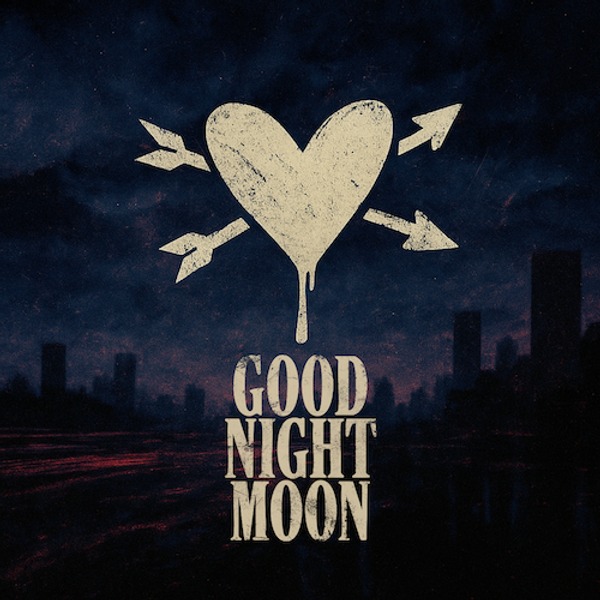
South Florida emo favorites Good Night Moon return with their self-titled EP, a five-song collection that revisits and reimagines the music that first defined the group. The release marks their first new project in nearly 20 years and opens a brand-new chapter for the longtime scene staples.

Instead of simply revisiting the past, the group rebuilt the songs from the ground up. The EP presents refreshed versions of early material while preserving the emotional core that originally connected with listeners. The music carries a mix of nostalgia and maturity, with melodic weight and heartfelt storytelling still driving the sound.

Vocalist JB Corey explains the reasoning behind revisiting the material: “We only kept songs that translated well 20 years later. These songs about heart break, healing, and growing as a person still resonate at 36 as they did at 16. Maybe they are in different context but I still feel like the same person when we wrote these songs and their meaning just hits different now.”

The project also brings together a strong creative team. Production comes from Matt Marino (Fame on Fire, MGK) and Ian Marchionda (Suck Brick Kid, Superbloom), with mixing handled by Aaron Marsh of Copeland and mastering by Jonathan Berlin, known for work with Underoath and Anberlin.

Good Night Moon are also returning to the stage. The group will perform their first live shows in more than a decade this spring, bringing the revived songs directly back to the local scene where the group first built its following.

Upcoming Shows:

April 17 – Swampgrass Willie’s – Palm Beach Gardens, FL
April 18 – Will’s Pub – Orlando, FL

Alt-Rock Firestarter Lø Spirit Channels Raw Emotion On New Single “XO To The Grave”

0

Alt-rock standout Lø Spirit returns with the powerful new single “XO To The Grave,” a deeply personal track that cuts straight to the heart. The song arrives with an accompanying video and reveals another intense chapter from the fast-rising songwriter and producer.

At its core, “XO To The Grave” is a message from father to son. The track carries the emotional weight of Lø Spirit’s ongoing battle with chronic illness while transforming those struggles into something raw and unfiltered. The music hits with heavy atmosphere and emotional urgency, blending alt-rock grit with a vulnerable lyrical core.

Lø Spirit explains the meaning behind the song: “‘XO to the Grave’ is an open letter to my son to make sure he knows how much I love him despite whatever challenges or struggles are going on in my life. To let him know he is the most important part of my life, always.”

The release continues a strong run for the artist, who recently teamed up with GRAMMY-nominated electronic producer ILLENIUM on the track “War.” Lø Spirit has also been building serious momentum on the road, selling out his first U.S. headline tour while sharing stages with The Struts and appearing at major festivals including Sonic Temple and Welcome to Rockville.

Behind the music is songwriter and producer Joshua Landry, the creative force known as Lø Spirit. His songs pull directly from lived experience, channeling struggles with OCD, PTSD, MCAS, and anxiety into music that feels both deeply personal and widely relatable. “XO To The Grave” stands as another powerful moment in a catalog built on honesty, connection, and fearless storytelling.

BeachLife Festival Returns With Duran Duran, The Offspring, James Taylor Leading Massive Coastal Lineup

0

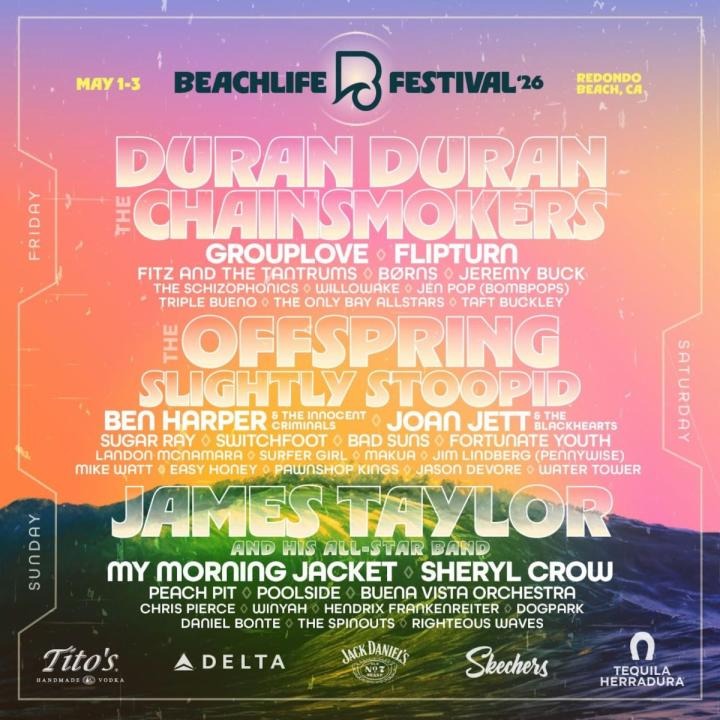
BeachLife Festival returns to Southern California’s waterfront May 1-3 with one of its biggest lineups yet. The three-day coastal celebration takes over Redondo Beach once again, bringing together music, food, art, and ocean culture in a setting that has quickly become one of the most distinctive festival experiences in the country.

This year’s lineup is stacked from top to bottom. Duran Duran, The Offspring, and James Taylor and His All-Star Band headline the weekend, joined by a diverse roster that includes The Chainsmokers, My Morning Jacket, Slightly Stoopid, Sheryl Crow, Ben Harper & The Innocent Criminals, Joan Jett & The Blackhearts, Grouplove, and Peach Pit.

Since launching in 2019, BeachLife has carved out a reputation as a festival that blends laid-back California energy with serious musical firepower. The lineup stretches across rock, indie, pop, reggae, jam, and alternative sounds, creating a weekend soundtrack that mirrors the culture of the South Bay itself.

Festival founder Allen Sanford explains the spirit behind the event: “BeachLife’s grateful for the opportunity to continue curating music, food, and lifestyle experiences that celebrate the beach culture of Southern California. This year’s lineup is once again highlighted by a special collection of artists and bands who’ve helped shape the soundtrack of our California lifestyle…from its early days to today.”

Music is only part of the draw. BeachLife also delivers a strong culinary program, art installations, brand activations, and premium experiences throughout the grounds. Executive Chef Chase Carlson oversees the elevated dining experience inside the California Surf Club, while the Captain’s Culinary Experience adds another high-end option for festivalgoers looking to pair great music with standout cuisine.

Tickets for BeachLife Festival are on sale now.

2026 BeachLife Festival Lineup

Friday – May 1
Duran Duran
The Chainsmokers
Grouplove
Flipturn
Fitz and The Tantrums
Børns
Jeremy Buck
The Schizophonics
Willowake
Jen Pop (The Bombpops)
Triple Bueno
The Only Bay Allstars
Taft Buckley

Saturday – May 2
The Offspring
Slightly Stoopid
Ben Harper & The Innocent Criminals
Joan Jett & The Blackhearts
Sugar Ray
Switchfoot
Bad Suns
Fortunate Youth
Landon McNamara
Surfer Girl
Makua
Jim Lindberg (Pennywise)
Mike Watt
Easy Honey
PawnShop Kings
Jason DeVore
Water Tower

Sunday – May 3
James Taylor and His All-Star Band
My Morning Jacket
Sheryl Crow
Peach Pit
Poolside
Buena Vista Orchestra
Chris Pierce
Winyah
Donavon Frankenreiter
Dogpark
Daniel Bonte
The Spinouts
Righteous Waves

Italian Glam Rockers Hot Rod Fire Up Debut Era With New Single “Wasted”

0

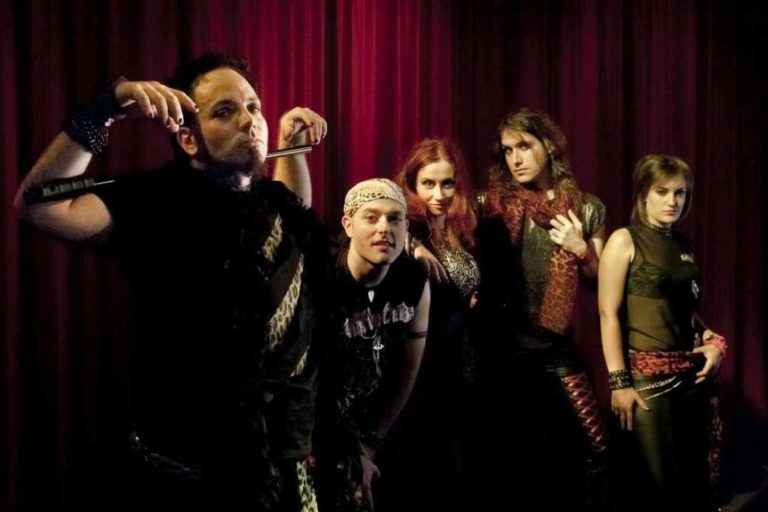
Italian glam rockers Hot Rod kick open the door to their debut album with the release of “Wasted,” a loud and unapologetic introduction to their new record ‘Harder Faster Glitter,’ which is out now through Street Symphonies Records and Burning Minds Music Group.

The track delivers a gritty blast of hard rock attitude that leans straight into the genre’s wild side. Crunching guitars, swaggering rhythms, and a rebellious edge push the song forward with real force. The music hits with confidence and volume, capturing the spirit of classic glam metal while keeping its boots planted firmly in the present.

Guitarist Christian Balsamo explains the mindset behind the track: “Wasted is rooted in raw, no-frills ’90s hard rock. Sound-wise, it sits somewhere between Steel Panther’s Feel The Steel and Warrant’s Dog Eat Dog: straight to the point, gritty, and unapologetic. The song comes from wild, booze-soaked nights spent roaming the city, and it wears that attitude on its sleeve.”

Formed in 2006, Hot Rod have spent years building their reputation through demos and high-energy live shows across Italy and beyond. Their sound blends the glossy swagger of 1980s glam metal with the rougher edge of ’90s hard rock, creating a punchy mix that celebrates loud guitars, big hooks, and full-throttle attitude.

“Wasted” sets the tone for ‘Harder Faster Glitter,’ an eleven-track debut that dives headfirst into that same unapologetic spirit. It is a hard-charging introduction to a group that understands exactly what glam metal is supposed to do: crank the volume and let it rip.

Track Listing:

  1. Wild Wheels
  2. Wasted
  3. Little Dirty Blonde
  4. Clandestine
  5. HeadbanGirl
  6. Shot Of Love
  7. Turning Blue
  8. Don’t Wanna Be Like You
  9. Jenny
  10. Rock The House
  11. Bullet Speed