Chris Janson has a new track out and it’s a natural fit for an artist who has built his career on songs that feel lived-in and real. “Easy to Love, Harder to Hold” is available now, written by Janson alongside Pat Bunch and Kelly Roland, and produced by Janson and Michael Wayne Wilkes.
The song paints a vivid portrait of a free-spirited woman whose magnetic pull is undeniable, but whose restless nature makes her impossible to hold onto. It’s the kind of character study that country music does best, specific enough to feel true, universal enough to resonate.
For Janson, the song is deeply personal. “‘Easy to Love, Harder to Hold’ is about a free and charismatic girl living her best life,” he says. “This is exactly how I felt the moment I met my wife, Kelly. We actually wrote this together with the late Pat Bunch.” That context gives the track an emotional layer that comes through in his delivery.
Janson’s current radio single “Me & A Beer” is climbing toward the Top 20 at Country radio, adding momentum to an already strong stretch. The new track arrives as further proof that Janson’s songwriting instincts remain sharp and deeply grounded in authentic storytelling.
Growing a music channel on YouTube can feel slow when a new track struggles to reach the first few listeners. Even strong songs can sit without traction because discovery takes time, competition is high, and viewers usually follow what the algorithm suggests. Alex wanted to understand how early traction shapes performance, so he tested a structured visibility experiment and reviewed the results step by step. The goal was not to chase shortcuts, but to learn how early signals influence organic growth.
A Slow Start That Needed a Clear Direction
The release began with fewer than one hundred views in the first week. This is common since more than five hundred hours of video are uploaded to YouTube every minute. With so much competition, a new upload can disappear unless it receives early engagement.
To stay organized, Alex set one clear goal: direct viewers toward the main track and build a simple experience around it. He planned supporting content, updated the channel structure, and created a predictable path for new listeners. A single direction made the strategy easier to follow and reduced guesswork.
How Early Visibility Shapes Viewer Behavior
YouTube relies heavily on recommendations. A study shows that about seventy percent of users watch recommended videos instead of searching manually.
This means the algorithm reacts to early signals such as likes, comments, impressions, and watch time. When a new upload receives engagement in the first phase, YouTube is more likely to test it with additional viewers.
To study this effect, Alex explored external visibility tools and used YouTubeStorm as part of the experiment. The goal was not to rely on it, but to understand whether early traction would change how YouTube distributed the video afterward.
What Happened After Adding an Early Push
The initial traction helped the video appear in “Browse features” inside YouTube Studio. This section includes surfaces like the home page. Once the video reached more people, the watch time began to rise. YouTube explains that watch time and viewer satisfaction have a stronger impact on recommendations than clicks alone.
The increase in impressions led to more organic views than usual. This suggested that early engagement helped YouTube test the content with new audiences. The key shift came from watch time, which signaled that people were staying long enough to show genuine interest.
Supporting Content Across Multiple Platforms
YouTube alone is rarely enough for a new release. To support the track, Alex created short clips for Instagram Reels and TikTok. These included small parts of the chorus, studio scenes, and simple performance shots. Music discovery reports state that around seventy-five percent of users discover new artists on the platform.
Each clip guided viewers back to the full video on YouTube. Alex also used YouTube community posts to ask small questions, share progress updates, and highlight milestones. These activities helped the content stay visible while building a consistent theme across platforms.
Building Trust While the Numbers Grow
Visibility helps, but trust comes from interaction. Alex made sure to respond to meaningful comments within one day. It is also noted that around seventy percent of consumers develop a more positive impression of brands that reply quickly.
This behavior works for music creators too. Simple actions like explaining production choices, sharing short stories behind the lyrics, or acknowledging feedback helped the channel feel more personal. Over time, this encouraged viewers to return and engage more actively.
Creating Entry Points for New Viewers
To make the channel easier to navigate, Alex added clear links in descriptions, pinned the main video, and organized playlists by genre and mood. YouTube recommends playlists because they often increase total watch time by guiding viewers through related content.
He also added a simple call to action at the end of each video, inviting listeners to explore the track. These steps reduced friction and helped viewers understand the channel’s theme quickly.
What Analytics Revealed About the Strategy
YouTube Studio showed clear changes after the experiment. The average view duration increased, which indicates higher interest. Rising retention helped the video appear more widely since YouTube confirms that audience retention is a key ranking factor in recommendations.
Returning viewers increased as well. This metric often reflects whether a channel is becoming familiar to its audience. Search impressions also rose, which can happen when content earns consistent positive signals.
How the Impact Extended Beyond One Track
As the main track performed better, older videos gained more activity. This happens because Google’s recommendation systems try to match viewers with videos that align with their past interests.
The increased watch time, better retention, and more engaged viewers encouraged the algorithm to test older uploads too. Comments became more frequent, subscribers increased steadily, and playlist activity expanded. This created a healthier environment for future releases.
Was the Experiment Worth It
The experiment showed that early engagement can influence how a video enters the recommendation system. Still, it became clear that external traction is only helpful when the content, structure, and channel presentation support it. The long-term impact depended on consistency, viewer satisfaction, and meaningful interaction.
The most important takeaway is that early visibility is not a replacement for quality or strategy. It is only a spark. The real growth came from improving the viewer path, strengthening channel organization, and maintaining a steady presence.
Conclusion
The experience highlighted how important it is to give each upload a structured path. A small push helped the video gain early visibility, but the sustained progress came from thoughtful planning, intentional posting, and simple habits that made the channel easier to trust. If stronger results on YouTube are the goal, starting by improving the viewer journey, refining playlists, and supporting main uploads with content that feels connected are the right steps. These create a foundation that continues to work long after the first wave of viewers arrives.
Data and information are provided for informational purposes only, and are not intended for investment or other purposes.
Remote education offers immense flexibility, but comes with the need for substantial self-discipline. There’s a fine line between being productive and falling into the unhealthy hamster wheel of digital burnout when stuck staring at a screen all day, which is why you need some distance learning resources to keep your workflow organized.
The good news is that you can quickly turn your go-to web browser into an extremely effective productivity center. You immediately save time, reduce distractions and keep that weighty assignment load from crushing you with just a few targeted Chrome extensions added.
Top 7 Chrome Extensions for Distance Learning
They did the research on the best educational tools available, so you don’t have to. Here are seven extensions that can make you a better online student.
Extension 1: Annotation and Note-Taking Tools
Web Highlighter
Forget all the reading without doing it, and start bringing together knowledge. With Web Highlighter, you can interact with online texts by coloring important sentences in your own distinctive colors. Your custom highlights are synced up across all your devices, so that reviews of research and the planning-writing process feel effortless.
Extension 2: Focus and Productivity Boosters
Clockify
Time yourself on each individual assignment. Clockify adds a basic productivity timer to Chrome. It has a Pomodoro timer built in to remind you when it’s time for those scheduled breaks, so you can keep your focus where you want it during lengthy study sessions.
Extension 3: Research and Citation Managers
Cite This For Me
Building a bibliography is notoriously boring. Cite This For Me takes away the hassle by automating it all, providing you with perfectly formatted citations (APA, MLA and Harvard styles included…not that we’re judging) at the click of a button. Export your final reference list directly to your word processor with ease.
Extension 4: Grammar and Writing Assistants
Grammarly
Fine-tuning your essays is a time-consuming process. Grammarly proofreads your spelling, punctuation and sentence clarity in real-time. It integrates seamlessly with Google Docs, Gmail and your university’s learning management system to catch costly errors before you hit submit.
Extension 5: Screen Recording and Sharing Tools
Screencastify
Clarifying group projects and virtual presentations. With Screencastify, you can do high definition screen recording, include useful text annotations and share the link of the video immediately. It makes it easier to communicate complex ideas back to your classmates or professors.
Extension 6: Tab Management and Organization
OneTab
When researching for a paper, you’ll probably have dozens of tabs open at once, which can easily eat up your computer’s memory. OneTab turns all those pages into one tidy list. You unsubscribe to save system RAM and your sources for later.
Extension 7: Accessibility and Reading Aids
Speechify
Take a well-deserved break for your eyes. Speechify reads any online text out loud. You can control the reading speed and select from over 130 different voices so you can get through dense material more quickly while retaining important information.
Data-Driven Insights: Digital Tools in Education
The right technology does wonders for your day-to-day productivity. In fact, how you interact with your digital toolkit is often a key predictor of good Academic Performance Indicator (API), with the strongest association being that focusing better and managing time more effectively leads to higher grades. Data suggest how quickly students have adopted these digital workflows for improving studies, according to a recent 2024 Digital Education Council (DEC) survey.
Metric
Statistic
Source
Regular AI & Tool Usage
86% of global students
DEC Global Survey 2024
Weekly Workflow Integration
54% of students
DEC Global Survey 2024
Information Searching
67% (2 in 3) of students
DEC Global Survey 2024
Dissatisfaction with University Tech
80% of students
DEC Global Survey 2024
How to Choose and Implement Extensions Effectively
This is simple to add tools to your browser, but do you really want these things that help your particular workflow? To configure your browser securely, follow these practical tips:
Review privacy policies: Be sure to read whether the extension shares your personal browsing information with third parties.
Check user reviews: Ensure you see some recent feedback so that the tool still works after recent browser updates.
Limit your active tools: Disable all the extensions you don’t use daily to prevent your browser from becoming slow.
Upgrade Your Study Workflow Today
Optimising your web browser gives you a huge leg-up in your remote schooling. Choose two or three tools on this list, install them today and use them to have a seamless, uninterrupted study session. Big impact on your overall academic success with a small change to your digital environment.
FAQs
Are these Chrome extensions free?
Most of the extensions shared here have strong free options that meet the needs of basic students. Most also offer optional premium upgrades for advanced features like more thorough plagiarism checks or additional reading voices.
Will installing these extensions slow down my computer?
The more you have, the more general memory of your computer will drain. Consider a resource manager like the OneTab tool, and disable less-used extensions.
How do I manage too many extensions?
In your Chrome browser, in the top right corner, click on the puzzle piece. You can then pin your favorites to the toolbar, and manage or disable the ones you don’t need any longer.
Can these extensions be used offline?
Although tools such as certain Grammarly features or a saved OneTab list work offline to some degree. That said, most Chrome extensions need to be connected to the internet for syncing data and functioning properly.
Are there extensions for specific subjects?
Yes. You have only highly specialized extensions in the Chrome Web Store. For instance, medical students frequently utilize Med Study Pop-up to access quick definitions, whereas math students rely on Equatio for easy input of complex formulas.
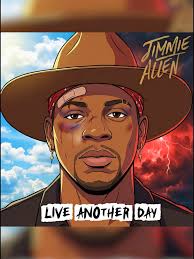
Jimmie Allen has a new single out, and it hits exactly where it’s meant to. “Live Another Day” is available now, pairing Allen’s warm, unmistakable voice with an uplifting groove that feels both personal and universal.
Allen wrote the song from a deeply reflective place. “I wrote ‘Live Another Day’ from the base idea of thinking about the life I had planned for myself when I was 19 vs how it changed the older I got,” he says. “No matter what life throws at you, good or bad, we must always find a way to push and move forward. Continue to fight, love and Live Another Day.”
The track speaks to moments of uncertainty and change, acknowledging that setbacks and unexpected turns are part of life. It doesn’t preach or overreach. It simply reminds you that showing up, even on the hardest days, matters. That message lands with quiet authority throughout every verse.
“Live Another Day” delivers a warm, upbeat energy that makes it easy to return to, a track built for the moments when motivation runs low and a boost is exactly what’s needed. It’s one of Allen’s most inviting releases in recent memory.
The single follows ‘Drop It Like a Tailgate,’ his high-energy collaboration with NFL legend Pacman Jones. Allen keeps the momentum going with something altogether different, and altogether necessary.
Varials have a new album out and a video to match, and both demand your attention. ‘Where The Light Leaves’ is out now via Fearless Records, and the Philadelphia-based metal outfit has shared the video for “The Hurt Chamber,” one of the most striking tracks in their catalog.
The song moves at a measured, deliberate pace. Varials built their reputation on walls of sound and metallic fury, and “The Hurt Chamber” proves that heavy music doesn’t require speed to hit hard. The track is melodic, patient, and unsettling, closing with a keys-driven fade-out that belongs in a psychological thriller.
Vocalist Skyler Conder has a specific idea behind the song. “It’s a song strictly about being addicted to a high that is inevitably difficult to break,” he says. “Whether that be love, drugs, or a certain type of situation, you become blind to what’s happening. The ache becomes a salvation of sorts. You enter the hurt chamber and you never want to leave.”
There’s a remarkable production footnote here. Conder recorded his vocals in a single take on the first try. The band debated reworking melodies and trying new ideas, but ultimately agreed the original take was too good to touch. That instinct paid off. The immediacy in his performance is audible throughout.
‘Where The Light Leaves’ is out now via Fearless Records. Watch “The Hurt Chamber” video now.
Mary Beth Hurt, a quietly commanding actress whose nuanced performances enriched some of American cinema and theater’s most celebrated works, died on March 29, 2026, in Manhattan. She was 79. Her husband, filmmaker Paul Schrader, and daughter Molly Schrader confirmed the news, noting that she had lived with Alzheimer’s disease since 2015.
Born Mary Beth Supinger on September 25, 1946, in Marshalltown, Iowa — the same small town that produced actress Jean Seberg, who once babysat her — Hurt came to acting through the theater halls of the University of Iowa and later NYU’s Tisch School of the Arts. She made her New York stage debut in 1974 and never really left, appearing on Broadway fifteen times over nearly four decades.
Her film debut came in Woody Allen’s Interiors (1978), where she held her own against a cast that included Diane Keaton, Geraldine Page, and E.G. Marshall. She went on to appear in Chilly Scenes of Winter, The World According to Garp, Martin Scorsese’s The Age of Innocence, and Six Degrees of Separation, among many others. She earned three Tony nominations — for Trelawny of the “Wells”, Crimes of the Heart (for which she also won an Obie Award), and Benefactors — and was beloved by directors and fellow actors for an improvisatory gift.
She is survived by her husband, Paul Schrader, her daughter Molly, and her son Sam.
As organizations accelerate digital transformation initiatives, cloud professionals who can design robust architectures, streamline deployment processes, and secure network environments are in higher demand than ever before. Microsoft Azure offers role‑based certifications that validate specialized skills required for these responsibilities. Among these credentials, AZ‑305 (Azure Solutions Architect), AZ‑400 (Azure DevOps Engineer), and AZ‑700 (Azure Network Engineer) stand out as benchmarks for experienced professionals working with complex cloud environments. These exams assess real‑world capabilities that organizations rely on to ensure agility, performance, and security in the cloud. Individuals preparing for these certifications often use a mix of official documentation, hands‑on practice, and trusted preparatory resources like CertLibrary.com to help reinforce key concepts and exam objectives.
Overview of the AZ‑305: Azure Solutions Architect
The AZ‑305 certification, Designing Microsoft Azure Infrastructure Solutions, is intended for professionals who are responsible for advising stakeholders and translating business requirements into secure, scalable, and resilient cloud solutions. Solutions architects must evaluate technical requirements and balance trade‑offs between performance, cost, security, and compliance. This credential demonstrates that the candidate can design identity and security strategies, data storage solutions, infrastructure components, and business continuity plans that align with organizational needs.
Achieving AZ‑305 requires strong foundational knowledge of Azure services and proficiency in architectural decision‑making. Candidates are expected to analyze cloud scenarios, determine appropriate service integrations, and design high‑level plans that ensure workload efficiency and reliability. For example, a solutions architect might decide between different database options based on access patterns or design hybrid identity strategies that integrate on‑premises systems with Azure Active Directory.
The AZ‑400 certification, Designing and Implementing Microsoft DevOps Solutions, focuses on integrating development and operations efforts to deliver software at higher speed while maintaining quality and compliance. DevOps engineers play a vital role in bridging the gap between software development teams and infrastructure operations. They design, implement, and manage CI/CD (continuous integration and continuous delivery) workflows, automate infrastructure provisioning, and integrate monitoring systems that deliver rapid feedback on application performance.
The core topics covered in AZ‑400 include source control strategies, build and release pipelines, infrastructure as code (IaC), automated testing, and collaboration practices that foster communication between teams. Candidates must be able to implement efficient automation using tools such as Azure DevOps, GitHub Actions, and infrastructure templates like ARM or Terraform. Embedding security practices throughout the DevOps lifecycle, often referred to as DevSecOps, is also a critical component of this certification.
DevOps engineers who hold the AZ‑400 credential demonstrate their ability to accelerate delivery cycles without compromising stability, reduce manual configuration errors, and implement measurable metrics that improve operational performance. Organizations adopting DevOps practices benefit from professionals who can automate deployments, streamline rollbacks, and support iterative innovation.
Exploring the AZ‑700: Azure Network Engineer
The AZ‑700 certification, Designing and Implementing Microsoft Azure Networking Solutions, is designed for professionals responsible for planning and implementing complex network environments in Azure. As network requirements become more sophisticated with hybrid cloud deployments and software‑defined infrastructure, employers seek specialists who can ensure secure, scalable, and high‑performance connectivity.
Candidates preparing for AZ‑700 are tested on designing and implementing core networking components such as virtual networks, routing, load balancing, and hybrid connectivity. They also must demonstrate expertise in network security, private connectivity to services, traffic management, and monitoring network performance. Mastery of these topics is essential for ensuring that applications and services communicate reliably within and across network boundaries.
How These Certifications Fit into Career Development
Each of these Azure certifications aligns with a key pillar in cloud careers: architecture, automation, and infrastructure design. The AZ‑305 certification positions professionals as technical leaders capable of formulating cloud strategies and making high‑level design decisions. These individuals often work closely with stakeholders to shape long‑term directions for cloud adoption and transformation. The AZ‑400 credential reflects expertise in integrating DevOps practices that support fast, reliable delivery of applications. DevOps engineers contribute directly to operational excellence and help teams implement processes that reduce friction between development and operations groups.
The AZ‑700 certification focuses on networking — a backbone of cloud environments that ensures connectivity, security, and performance. Network engineers apply deep technical skills to ensure that systems communicate seamlessly, whether across regions, hybrid environments, or within multi‑tenant deployments. These roles are critical for maintaining uptime, enforcing security boundaries, and supporting large‑scale applications that rely on distributed resources.
Professionals who pursue these credentials often see enhanced job prospects, greater credibility, and access to advanced roles in cloud engineering, operations, architecture, and security practices. Certifications validate that an individual has both the theoretical knowledge and practical insight needed to handle complex cloud scenarios. Employers frequently consider these credentials when hiring for specialized roles, recognizing that certified individuals are committed to continuous learning and technical excellence.
Practical Preparation Strategies
Successful exam preparation involves a multi‑faceted approach that combines official documentation, hands‑on labs, instructor‑led training, and practice assessments. Microsoft provides detailed exam objectives that outline the skills measured in each test. Reviewing these objectives is essential for building a targeted study plan. Hands‑on experience is invaluable — working in Azure environments through labs or live projects reinforces understanding and improves confidence with real‑world scenarios.
Training courses and workshops often include guided demonstrations, scenario‑based questions, and explanations of best practices that support learning. Online communities and forums provide peer support, study tips, and insights from individuals who have already completed the exams. Practice tests familiarize candidates with the format of exam questions and help identify areas that require additional study. Integrating these methods enables candidates to evaluate their readiness and refine their focus before taking the actual certification exams.
Frequently Asked Questions (FAQ)
What experience is recommended before attempting AZ‑305, AZ‑400, and AZ‑700? While there are no formal prerequisites, having hands‑on experience with Azure solutions, DevOps processes, or network implementations significantly improves your likelihood of success. Real‑world tasks and exposure to Azure services help solidify theoretical concepts and practical skills.
How do these certifications benefit my career? Each certification validates specialized cloud skills — architecture, DevOps automation, or networking — making you more attractive to employers seeking experts in strategic cloud roles. These credentials often correlate with advanced job responsibilities and higher earning potential.
Can I prepare for these exams without prior Azure knowledge? It is possible, but recommended that beginners first gain foundational Azure understanding through entry‑level certifications or introductory courses before pursuing these advanced exams, as the topics require depth and real‑world context.
Should I use past exam questions or practice tests? Yes, practice tests and review questions help simulate exam conditions, assess preparedness, and highlight areas for further study. They are valuable when used as part of a comprehensive preparation plan.
How often should I practice hands‑on labs? Regular hands‑on practice reinforces learning. Setting aside consistent time to work with Azure services and building real scenarios improves retention and confidence.
Conclusion
Earning Azure certifications such as AZ‑305, AZ‑400, and AZ‑700 positions professionals at the forefront of cloud innovation and operational excellence. These credentials validate your ability to design resilient cloud architectures, implement automated DevOps workflows, and construct secure network infrastructures. By adopting a structured preparation strategy that includes hands‑on practice, official documentation review, and practical assessments, you can approach each certification exam with confidence and clarity. Cloud computing continues to evolve, and individuals who commit to deepening their expertise are best positioned to influence how organizations adopt and optimize Azure services. For candidates seeking valuable preparatory insights, resources such as CertLibrary complement study efforts. In a competitive job market, these certifications not only open doors to higher‑level roles but also demonstrate your dedication to continuous professional growth in cloud technologies.
Data and information are provided for informational purposes only, and are not intended for investment or other purposes.
Hamilton played host to one of the most memorable nights in Canadian music history as the 55th annual Juno Awards unfolded over two evenings. More than 40 awards were handed out at the March 28 gala, setting the stage for the live broadcast the following night — and the night belonged to one artist above all others.
Tate McRae’s Historic Sweep
If there was a defining story of the evening, it was Tate McRae’s extraordinary clean sweep of the night’s biggest categories. The Calgary-born pop star took home album of the year for So Close to What, artist of the year, single of the year for “Sports Car,” and pop album of the year — the latter accepted on her behalf by rapper Tobi. Four awards. Four wins. One night.
The McRae vs. Bieber storyline was the talk of the industry: Justin Bieber, whose comeback album Swag II led nominations alongside McRae, and left empty-handed. Both stars still have a shot at the TD Juno Fan Choice Award, voted on by the public and announced during the March 29 broadcast.
Aysanabee’s Double Win
Among the night’s most celebrated moments was Aysanabee walking away with not one but two Junos — contemporary Indigenous artist of the year and alternative album of the year for Edge of the Earth. The dual win underscored how fully his work has broken through into the Canadian music mainstream while remaining rooted in its origins.
First-Time Winners Steal the Show
For all the big names, some of the warmest receptions were reserved for first-time Juno winners. Electronic artist Debby Friday was visibly thrilled picking up dance recording of the year for “Bet On Me.”
Director Karena Evans took home music video of the year for helming Kendrick Lamar and SZA’s “Luther.”
Begonia and Bahamas shared the adult alternative album of the year award in a tie — a result both seemed genuinely delighted by.
Daniel Caesar’s Songwriter Honours
Daniel Caesar was awarded songwriter of the year — a recognition of a quietly stellar creative year. Caesar is also set to receive the International Achievement Award during the March 29 broadcast, cementing his status as one of Canada’s most important musical exports.
Looking Ahead
With the broadcast night still to come — bringing the TD Juno Fan Choice Award, Rush’s Alex Lifeson and Geddy Lee teasing a surprise appearance ahead of their reunion tour, and more — the 55th Junos is shaping up to be a landmark edition. Canada’s musical landscape has never looked more alive.
Full List of Winners
2026 JUNO AWARD WINNERS NIGHT 1 | GAGNANTS DES PRIX JUNO 2026 SOIRÉE 1
SINGLE OF THE YEAR PRESENTED BY SUNRISE RECORDS I SINGLE DE L’ANNÉE PRÉSENTÉ PAR SUNRISE RECORDS
Sports car Tate McRae RCA*Sony
ALBUM OF THE YEAR PRESENTED BY MUSIC CANADA I ALBUM DE L’ANNÉE PRÉSENTÉ PAR MUSIC CANADA
So Close To What Tate McRae RCA*Sony
ARTIST OF THE YEAR PRESENTED BY SIRIUSXM CANADA I ARTISTE DE L’ANNÉE PRÉSENTÉ PAR SIRIUSXM CANADA
Tate McRae RCA*Sony
CLASSICAL ALBUM OF THE YEAR (SOLO ARTIST) I ALBUM CLASSIQUE DE L’ANNÉE (SOLO)
Preludes by Chopin, Bach, Rachmaninoff, Messiaen, Górecki Jan Lisiecki Deutsche Grammophon*Universal
CLASSICAL ALBUM OF THE YEAR (SMALL ENSEMBLE) I ALBUM CLASSIQUE DE L’ANNÉE (PETIT ENSEMBLE)
Kevin Lau: Kimiko’s Pearl Mariko Anraku, Conrad Chow, Ron Korb & Rachel Mercer Bravo Niagra*Independent
CLASSICAL ALBUM OF THE YEAR (LARGE ENSEMBLE) I ALBUM CLASSIQUE DE L’ANNÉE (GRAND ENSEMBLE)
Benedict Sheehan: Ukrainian War Requiem Axios Men’s Ensemble, The Tenors and Basses of Pro Coro Canada conducted by/dirigé par Michael Zaugg featuring John Tessier and Yuliia Zasimova Cappella*Naxos
JAZZ ALBUM OF THE YEAR (SOLO) I ALBUM JAZZ DE L’ANNÉE (SOLO)
JAZZ ALBUM OF THE YEAR (GROUP) I ALBUM JAZZ DE L’ANNÉE (GROUPE)
East Meets West: Connections Winnipeg Jazz Orchestra Chronograph
VOCAL JAZZ ALBUM OF THE YEAR I ALBUM DE JAZZ VOCAL DE L’ANNÉE
Get Out of Town Laura Anglade Justin Time*Nettwerk/F.A.B
INSTRUMENTAL ALBUM OF THE YEAR I ALBUM INSTRUMENTAL DE L’ANNÉE
LOTUSLAND Aaron Paris Independent*Too Lost
BLUES ALBUM OF THE YEAR I ALBUM BLUES DE L’ANNÉE
Hear My Heart Steve Marriner Cordova Bay*Fontana North/Symphonic
TRADITIONAL ROOTS ALBUM OF THE YEAR I ALBUM ROOTS TRADITIONNEL DE L’ANNÉE
Heal The Divide Morgan Toney Ishkōdé*Universal
CONTEMPORARY ROOTS ALBUM OF THE YEAR I ALBUM ROOTS CONTEMPORAIN DE L’ANNÉE
Strange Trip Ahead Mariel Buckley Birthday Cake*Secretly Distribution
COUNTRY ALBUM OF THE YEAR I ALBUM COUNTRY DE L’ANNÉE
The Hard Way Cameron Whitcomb Atlantic*Warner
ADULT ALTERNATIVE ALBUM OF THE YEAR I ALBUM ADULTE ALTERNATIF DE L’ANNÉE
My Second Last Album Bahamas Barchords*Universal
Fantasy Life Begonia Birthday Cake*Secretly Distribution
ALTERNATIVE ALBUM OF THE YEAR I ALBUM ALTERNATIF DE L’ANNÉE
Edge Of The Earth Aysanabee Ishkōdé*Universal
ROCK ALBUM OF THE YEAR PRESENTED BY LONG & MCQUADE MUSICAL INSTRUMENTS I ALBUM ROCK DE L’ANNÉE PRÉSENTÉ PAR LONG & MCQUADE MUSICAL INSTRUMENTS
No Hard Feelings The Beaches AWAL
METAL/HARD MUSIC ALBUM OF THE YEAR I ALBUM DE MUSIQUE MÉTAL/HARD DE L’ANNÉE
Shadow Work DESPISED ICON Nuclear Blast*Believe/ADA
ADULT CONTEMPORARY ALBUM OF THE YEAR I ALBUM ADULTE CONTEMPORAIN DE L’ANNÉE
Better Broken Sarah McLachlan Concord*Universal
POP ALBUM OF THE YEAR PRESENTED BY PERONI NASTRO AZZURRO 0.0 I ALBUM POP DE L’ANNÉE PRÉSENTÉ PAR PERONI NASTRO AZZURRO 0.0
So Close To What Tate McRae RCA*Sony
DANCE RECORDING OF THE YEAR I ENREGISTREMENT DANCE DE L’ANNÉE
Bet On Me Debby Friday Royal Mountain*Universal
UNDERGROUND DANCE SINGLE OF THE YEAR I SINGLE DANCE UNDERGROUND DE L’ANNÉE
Phantom Vibrations feat. Teddy Bryant Gene Tellem Love Injection*!K7
ELECTRONIC ALBUM OF THE YEAR PRESENTED BY NISSAN I ALBUM ÉLECTRONIQUE DE L’ANNÉE PRÉSENTÉ PAR NISSAN
Shades of Meridian ÈBONY Turbo*!K7
RAP SINGLE OF THE YEAR I SINGLE RAP DE L’ANNÉE
Who’s Driving You? TOBi, Saukrates & Jully Black Warner*ADA
RAP ALBUM/EP OF THE YEAR PRESENTED BY MY SINGING MONSTERS I ALBUM/MICROALBUM RAP DE L’ANNÉE PRÉSENTÉ PAR MY SINGING MONSTERS
DRY CRY SadBoi LVRN*The Orchard
TRADITIONAL R&B/SOUL RECORDING OF THE YEAR I ENREGISTREMENT R&B/SOUL TRADITIONNEL DE L’ANNÉE
Say Yes Melanie Fiona PUBLIC/COLTURE*Stem
REGGAE RECORDING OF THE YEAR I ENREGISTREMENT REGGAE DE L’ANNÉE
Welcome To Paradise Naomi Cowan Dreamspace/7th C*ADA
CHILDREN’S ALBUM OF THE YEAR I ALBUM JEUNESSE DE L’ANNÉE
Maestro Fresh Wes Presents: Young Maestro “Rhyme Travellers – Back to the Time Machine” Young Maestro Independent
COMEDY ALBUM OF THE YEAR PRESENTED BY SIRIUSXM CANADA I ALBUM D’HUMOUR DE L’ANNÉE PRÉSENTÉ PAR SIRIUSXM CANADA
Dragonflies Adam Christie Independent
TRADITIONAL INDIGENOUS ARTIST OR GROUP OF THE YEAR I ARTISTE OU GROUPE AUTOCHTONE TRADITIONNEL DE L’ANNÉE
On The Move Bear Creek Hidden Lake*Independent
CONTEMPORARY INDIGENOUS ARTIST OR GROUP OF THE YEAR PRESENTED BY DESTINATION INDIGENOUS I ARTISTE OU GROUPE AUTOCHTONE CONTEMPORAIN DE L’ANNÉE PRÉSENTÉ PAR DESTINATION INDIGENOUS
Edge Of The Earth Aysanabee Ishkōdé*Universal
FRANCOPHONE ALBUM OF THE YEAR I ALBUM FRANCOPHONE DE L’ANNÉE
Journal d’un Loup-Garou Lou-Adriane Cassidy Bravo*Believe/F.A.B
CONTEMPORARY CHRISTIAN/GOSPEL ALBUM OF THE YEAR I ALBUM CHRÉTIEN/GOSPEL CONTEMPORAIN DE L’ANNÉE
Jubilate Ryan Ofei Independent*Believe
GLOBAL MUSIC ALBUM OF THE YEAR I ALBUM DE MUSIQUE GLOBALE DE L’ANNÉE
Ghoyoum Kazdoura Independent
SOUTH ASIAN MUSIC RECORDING OF THE YEAR PRESENTED BY TD I ENREGISTREMENT SUD-ASIATIQUE DE L’ANNÉE PRÉSENTÉ PAR TD
P-POP CULTURE Karan Aujla & Ikky Warner
ALBUM ARTWORK OF THE YEAR I GRAPHISME D’ALBUM DE L’ANNÉE
Kevin Moore (Art Director/Directeur artistique), Kyle Joinson (Photographer/Photographe)
Tsunami Sea – Spiritbox BMG*Universal
MUSIC VIDEO OF THE YEAR PRESENTED BY CITY OF HAMILTON I VIDÉOCLIP DE L’ANNÉE PRÉSENTÉ PAR LA VILLE DE HAMILTON
John Darnielle and Matt Douglas walked into Sony Hall in November without a rehearsal and delivered one of the more memorable sets of the year. That kind of confidence only comes from two things: deep trust in the material and a genuine comfort with the unexpected. The Mountain Goats have both in abundance.
The stripped-back duo show, part of “An Evening with The Mountain Goats and Molly Tuttle,” served as a WFUV benefit at Sony Hall. The timing aligned with the release of a new Mountain Goats album, ‘Through This Fire Across from Peter Balkan’, a title Darnielle says arrived in a dream. Two tracks from the record made the set, including “Rocks in the Pockets,” played live only for the third time, and “Broken to Begin With.”
Douglas moved fluidly between electric guitar, tenor sax, piano, and keyboards across the evening, while Darnielle held the room with stream-of-consciousness intros that zigzagged from rural Iowa to Merle Haggard to Waylon Jennings to Ozzy Osbourne without ever losing the thread. His candid, sombre reflection on his complicated relationship with his late stepfather gave the set real emotional ballast, landing just before “Southwestern Territory.”
The set closed with “No Children” from 2002’s ‘Tallahassee’, Darnielle yelping the final line with full commitment. It was a fitting exit.
Hannah Jadagu started making music on her iPhone in a bedroom in Dallas. That origin story matters less than what she has built since, but it does frame the trajectory: two full-length albums, a devoted following, and a sound that keeps maturing without losing the intimacy that made people pay attention in the first place.
‘Describe’, Jadagu’s sophomore record, is out now. The Dallas-raised, Brooklyn-based indie synth-pop artist threads ethereal synths, atmospheric reverb, and genuinely addictive hooks through a record that pushes toward emotional honesty at every turn. Distance, time, and what Jadagu calls “love-adjacent” themes run through the album, grounded by a stated goal that’s deceptively simple: make music that helps listeners get at the truth of human experience. ‘Describe’ gets there.
For a WFUV Studio A session recorded on the album’s release day, Jadagu performed a three-song set with guitarist and bassist Garrett Chabot and drummer Isabella Croce. The set included “Gimme Time,” “Doing Now,” and the popular “My Love,” serving as a warm-up for her album release show that same night at Brooklyn’s Public Records, where she had the crowd singing along to songs they were hearing for the first time.
That ability to pull a room in immediately is not incidental. It is exactly what Jadagu’s music does, whether the room holds five people or five hundred. The FUV Live session is also available as a podcast on Spotify, Apple Podcasts, and Amazon Podcasts, with new episodes dropping every Monday.