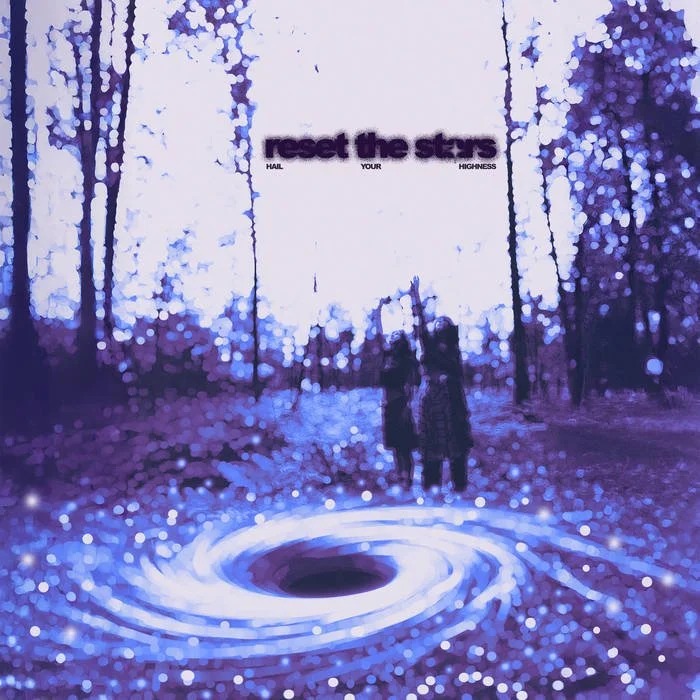
ail Your Highness return with “Reset The Stars”, the third and final single from their EP ‘Wonderdust’. Out now, the track arrives alongside a self-produced music video filmed DIY at sunset on a mountain, completing the visual run tied to the ‘Wonderdust’ era. Framed as the closing moment of the project, the song centers on collapse, renewal, and motion restarting, using time as both image and structure rather than a fixed narrative.
Musically, “Reset The Stars” pulls together the band’s full range, with grinding mathcore sections colliding against dance-driven hooks before opening into a djent-leaning final stretch that swells and releases. There has been buzz around how the track moves between tension and release without smoothing out the edges, giving it a physical, cinematic weight. The song’s long development adds texture to the result, rebuilt at SHEFREAK after an earlier version sat dormant, and shaped into something that feels expansive, heavy, and locked into its moment.
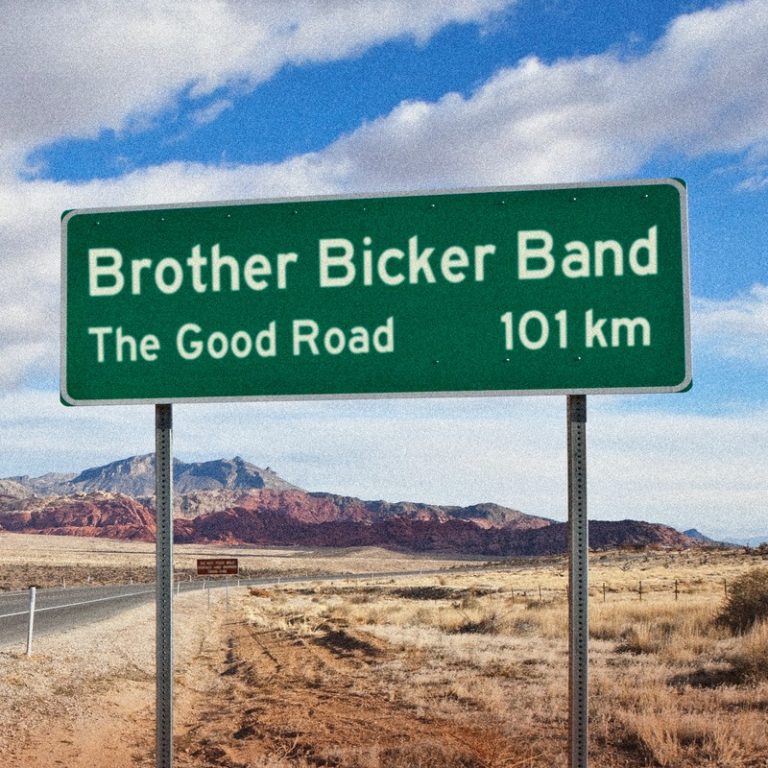
Calgary country rock seven member Brother Bicker Band release “The Good Road”, a driving anthem written in response to the completion of the city’s ring road in their hometown. The song draws directly from that moment of expansion and movement, pairing steady drums, layered guitars, and stacked vocals with imagery tied to pavement, distance, and keeping your wheels pointed forward. Recorded at Evergreen Sound with producer Mark Troyer, the track moves at a cruising pace built for long stretches of road rather than quick turns.
Fresh off their album ‘Another Kind of Train’, out now, and following multiple 2025 Calgary Music Award nominations, the band lean into what they do best here, tight musicianship, shared vocals, and a sound that sits comfortably between country, blues, and roots rock. “The Good Road” is picking up buzz for how naturally it fits into the highway rock tradition, sounding at home through open windows, late drives, and familiar routes driven one more time. The full seven member lineup gives the song weight and width, with keys, harmonies, and rhythm locking together into a solid, road-tested groove.
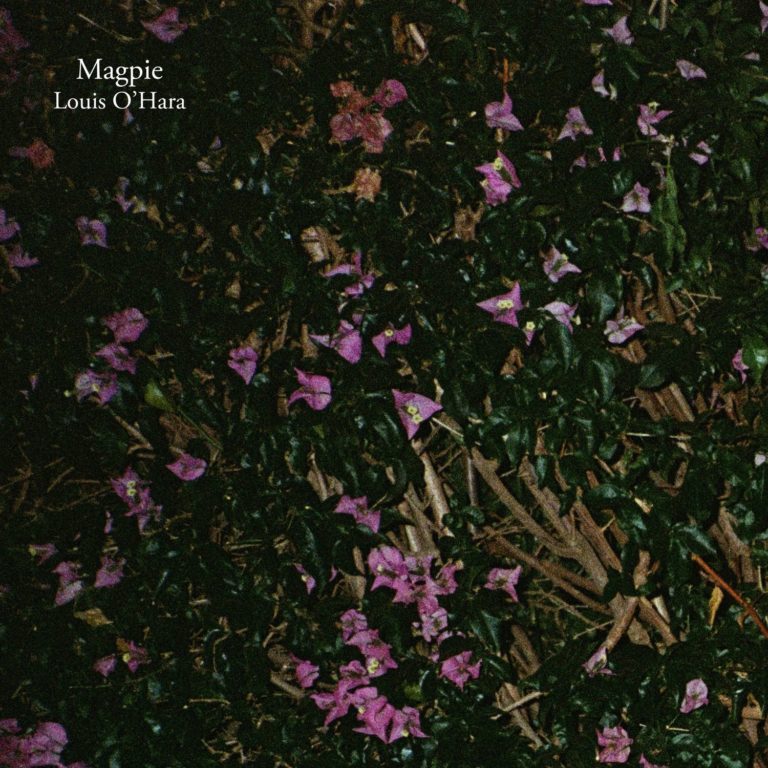
West Wales songwriter Louis O’Hara releases his debut album ‘A Peaceful Kind of Fun’, out now via Libertino Records. Recorded in Spain with his band His Burley Chassis and produced by James Trevascus, the 14-track album draws from folk traditions while folding in chamber-pop touches and restrained arrangements. Songs take shape around memory, place, and personal history, with nylon-string guitar and piano anchoring much of the record’s sound. The single “Magpie” sits at the heart of the album, offering a snapshot of O’Hara’s reflective songwriting and melodic focus.
Across tracks like “Sunnyhill Farm”, “Audrey”, and “Plant a Tree”, the album moves through family ties, landscapes of home, and moments that leave lasting marks. There has been genuine buzz around how naturally the songs settle into their emotions, with listeners responding to the warmth and intimacy of the performances. ‘A Peaceful Kind of Fun’ carries a grounded, lived-in vibe that rewards close listening, letting small details surface through melody, voice, and careful pacing.
Nottingham based five piece Vona Vella release their new full-length album ‘Carnival’, out now via Strap Originals. Produced by Jason Stafford, the record expands the band’s art-pop sound with spangling guitars, entwined vocals, and a sense of constant movement. The title track “Carnival” has already travelled widely, featuring in NBA2K 26 and drawing word of mouth buzz from players who cite it as a standout on the game. Its video, directed by Roger Sargent, places the band inside the lights and motion of Nottingham Goose Fair, matching sound to setting.
Across thirteen tracks, ‘Carnival’ moves between rush and release, letting texture and rhythm lead the way. Songs like “Bass Driver”, “Over And Over”, and “Bear Trap” carry forward drive, while “Falling In A Sleeping Wind” and “I Wanna Tap Into Your Heaven Again” slow the pace and open up space. There is strong buzz around how immersive the record feels from start to finish, with the album delivering a vivid, high-colour vibe that keeps momentum locked in. ‘Carnival’ captures a band stretching outward and embracing the blur, speed, and glow of the ride.
FoaFoa and A$H team up from opposite ends of the UK on ‘Vibe Frequency’, a four-track EP out now that leans into mood, texture, and feeling. Each song is tied to a specific emotion acceptance, pride, excitement, and sadness with the production and performances shifting tone as the record moves forward. The EP unfolds in a tight sequence, letting changes in tempo, energy, and atmosphere do the storytelling.
“Artist Anonymous (A.A)” opens with a measured, grounded feel, setting up acceptance before “Right Here! Right Now!” brings a surge of confidence and momentum. “Lost In The Vibe” pushes into faster movement and heightened energy, while “Leanne’s Light” closes with a restrained, reflective mood that hangs in the air. The release is picking up buzz for how naturally the emotions translate into sound, and the vibe stays consistent from start to finish. ‘Vibe Frequency’ comes across as a short listen built around feel first, letting rhythm and tone carry the weight.
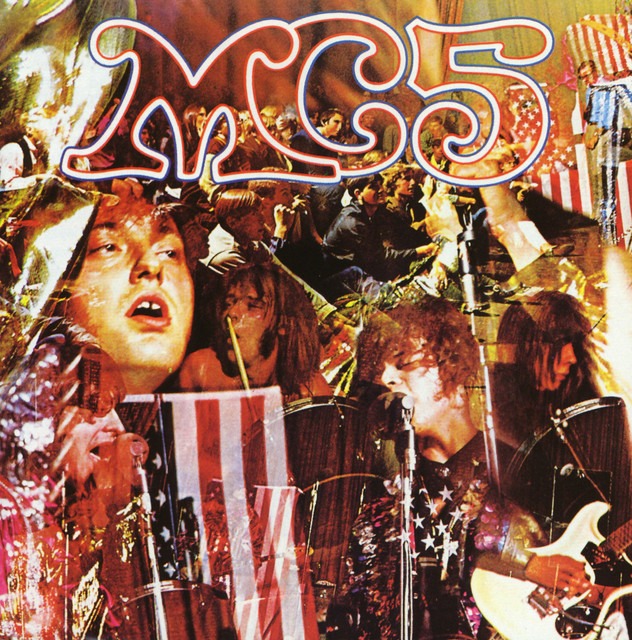
Forget the peace-and-love vibrations of the late sixties; in Detroit, the revolution was being amplified through a wall of Marshalls. MC5 didn’t just play rock and roll; they waged a high-decibel assault on the establishment from the stage of the Grande Ballroom. Managed by White Panther leader John Sinclair and fueled by a 10-point program of total liberation, this wasn’t an album—it was a declaration of war. It’s raw, it’s raging, and it effectively threw a Molotov cocktail into the face of the music industry.
A Retail War That Toppled a Giant
When the Detroit-based department store chain Hudson’s refused to stock the album due to its obscene lyrics, the MC5 didn’t back down—they escalated. The band took out a full-page ad in the underground magazine Fifth Estate that simply read “Fuck Hudson’s!” and prominently featured the Elektra Records logo. The stunt backfired when Hudson’s retaliated by pulling all Elektra releases from their shelves, forcing the label to drop the MC5 to save their own bottom line.
The “Brothers and Sisters” Radio Fake-Out
The band and their label knew that Rob Tyner’s infamous motherfuckers battle cry would never fly on the airwaves. To get around the censors, they recorded an alternative introduction for the single version, swapping the profanity for brothers and sisters!”While guitarist Wayne Kramer saw this as a pragmatic move to get the song on the charts, Tyner later claimed the decision was made without a full group consensus, highlighting the internal tension between commercial success and revolutionary purity.
A Masterpiece Recorded Over Two Nights of Chaos
Unlike most debut albums of the era, Kick Out the Jams was recorded entirely live at the Grande Ballroom on October 30 and 31, 1968. The band wanted to capture the “visceral commitment” and high-energy spectacular of their hometown shows. The result was a recording so savage that it initially received a scathing review from Rolling Stone, only to be hailed years later as the foundational blueprint for the entire punk rock movement.
Targeted by the White House and COINTELPRO
The MC5 weren’t just playing at being radicals; the federal government took them deadly seriously. Freedom of Information Act documents later revealed that the band was targeted by the FBI’s COINTELPRO program. Their phones were tapped, they were followed by agents, and they were systematically harassed by the Detroit Police Department. G. Gordon Liddy even admitted to reading their propaganda and treating the band as a legitimate threat to national security.
The “Macho” Energy That Alienated the West Coast
Despite their massive success in the industrial Midwest and New York, the MC5 were famously out of sync with the California Flower Power scene. When they took their message to the West Coast, the hippies were repelled by their big amps, shiny clothes, and aggressive, leaping performances. Wayne Kramer noted that the band had too much macho energ” for the San Francisco crowd, who preferred wearing flowers in their hair to the MC5’s brand of sonic guerrilla warfare.
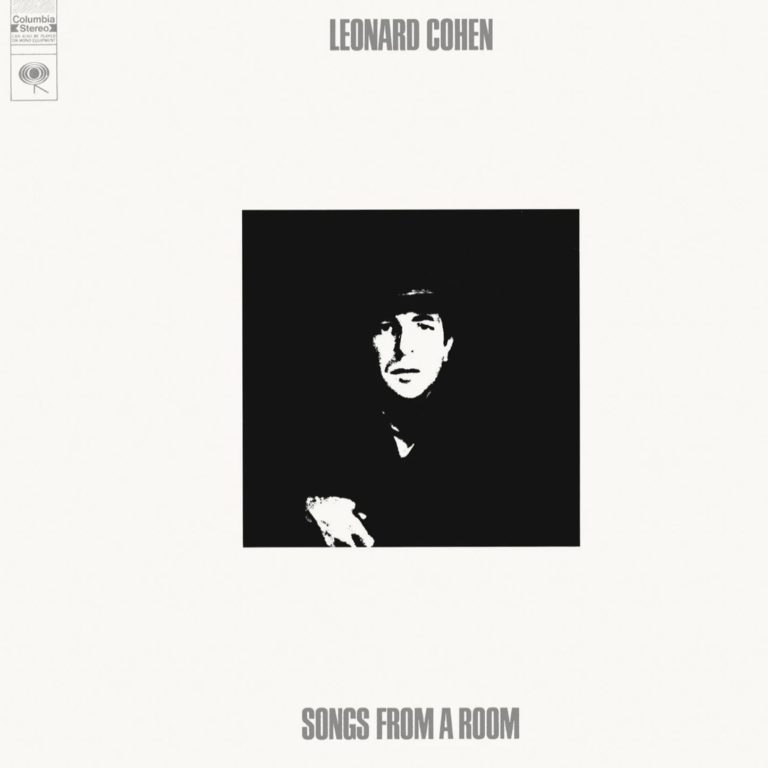
By 1969, Leonard Cohen was ready to strip everything back to the bone. Disillusioned with the “lushness” of his debut, he retreated to a farm in Tennessee to find a sound as honest and unadorned as his poetry. Produced by Bob Johnston—the legendary ears behind Dylan and Cash—this album is a masterclass in musical austerity. It’s a record where the silence between the notes is just as vital as the words, capturing a towering songwriter in his most skeletal and vulnerable form.
A Failed Collaboration with David Crosby
The road to this album actually began in Hollywood with David Crosby in the producer’s chair. However, the partnership quickly soured, and Cohen nearly abandoned the project entirely out of frustration. It wasn’t until he met Bob Johnston that he found a musical bodyguard willing to protect the spartan, stripped-down sound he craved. While the Crosby sessions were scrapped for the original release, a few tracks from those early dates eventually surfaced decades later as bonus material.
A Masterpiece Inspired by Telephone Wires
One of the most famous songs in the Cohen canon, “Bird on the Wire,” was born from a moment of technological dread on the Greek island of Hydra. Cohen had moved there to live an 11th-century life without electricity, but he was devastated when civilization finally caught up and telephone poles were installed. His girlfriend, Marianne, helped him out of a depression by handing him his guitar, and he began writing as he watched birds landing on those new, unwanted wires.
The Producer Fled to France for Overdubs
Bob Johnston was obsessive about getting the atmosphere right for the track “The Partisan,” a cover of a French Resistance anthem from WWII. Feeling that authentic French voices were the only way to enhance the song’s gravity, Johnston and Cohen actually flew to France during the production. They overdubbed three female French singers to provide the haunting background vocals that gave the track its unmistakable, somber survivalist energy.
A Future Country Legend on the Fiddle
To achieve the painting of a sound Cohen wanted, Johnston enlisted a small, tight-knit group of Nashville’s finest. Among them was a young Charlie Daniels, years before he became a country superstar in his own right. Daniels contributed bass, fiddle, and acoustic guitar to the sessions, following Johnston’s strict instructions to “become one of the colors” in the song rather than just playing a part.
The Mystery of the Missing Song “Priests”
When the sheet music for the album was originally released, it included a song titled “Priests” that was reportedly recorded during the Nashville sessions. Curiously, the track never appeared on the final LP or any subsequent Cohen studio record, making it a lost holy grail for fans. While Cohen’s own version stayed in the vault, the song found life through other artists, most notably being recorded by Judy Collins and Richie Havens.
5 Surprising Facts About King Crimson’s ‘In the Court of the Crimson King’
In October 1969, the “British Jefferson Airplane” era was officially over, and the era of the thinking man’s nightmare began. King Crimson didn’t just release an album; they dropped a heavy, Mellotron-drenched monolith that effectively threw the blues-rock rulebook out the window. It was a terrifyingly precise hybrid of jazz spontaneity and symphonic doom, captured just as the band was coming off a massive high from opening for the Rolling Stones at Hyde Park. It remains the definitive “Year Zero” for progressive rock.
The Face on the Cover Was a Mirror Image
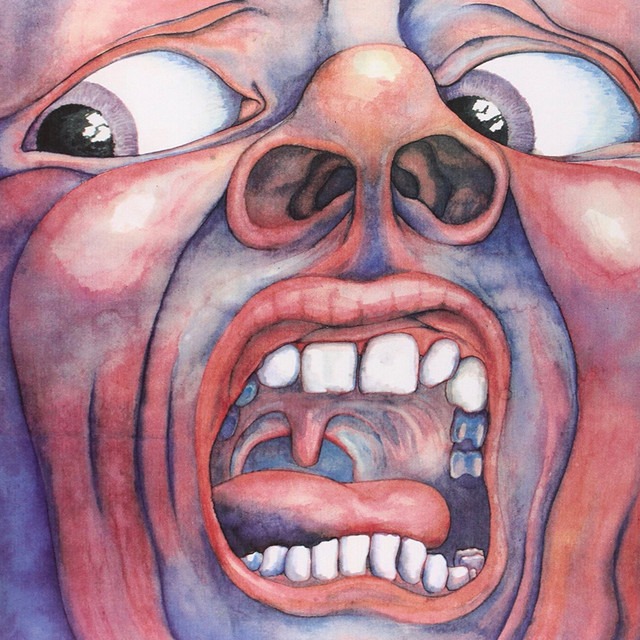
The iconic, screaming face that defines the album’s visual identity was the only painting ever created by Barry Godber, a computer programmer and friend of the band. Godber actually used his own face, viewed through a mirror, as the model for the “Schizoid Man.” Tragically, Godber passed away from a heart attack at just 24 years old, shortly after the album’s release. Robert Fripp eventually recovered the original painting from the label’s offices to save it from being ruined by bright light.
A “Wacky” Studio Malfunction Created the Intro
The eerie, wheezing sound that opens “21st Century Schizoid Man” wasn’t a high-tech synthesizer effect. It was actually the result of a deliberate studio mishap. Multi-instrumentalist Ian McDonald pressed his entire forearm onto the keys of a bellows-driven reed organ, causing the instrument to malfunction and wheeze unpredictably. This accidental cacophony set the perfect, unsettling tone for what many now consider the first true alternative anthem.
The Band Fired Their Producer to Do It Themselves
Initial sessions for the album were supposed to be led by Tony Clarke, the famed producer for The Moody Blues. However, when the band felt the early sessions weren’t capturing their live intensity, they took a massive gamble and walked away from the professional production deal. They were eventually given permission to produce the record themselves, allowing them to layer five generations of tape to achieve that signature, overpowering Mellotron sound.
A Country and Western Song Turned Prog Masterpiece
The epic title track, “In the Court of the Crimson King,” had a surprisingly humble origin. Originally written by Ian McDonald and lyricist Peter Sinfield for their previous group, The Creation, the song started its life as a simple country and western tune. By the time it reached the King Crimson sessions, it had been completely reimagined with medieval atmosphere, bombastic drum rolls, and the baroque flute sections that now define the genre.
Lyrics Inspired by Joni Mitchell and Fables
While the album is famous for its dark, socially conscious themes of napalm and death seed, it also had softer, more poetic influences. Peter Sinfield has noted that the serene “I Talk to the Wind” was heavily influenced by the songwriting style of Joni Mitchell. Additionally, the line “Cat’s foot, iron claw” in the opening track is a direct reference to the classic French fable ‘The Monkey and the Cat,’ proving that King Crimson was pulling from a massive, eclectic pool of literature and art.
In the autumn of 1969, Frank Zappa decided to dissolve the original Mothers of Invention and go it alone, resulting in a masterpiece he famously dubbed “a movie for your ears.” Moving away from the satirical outbursts and musique concrète of his earlier work, Zappa dove headfirst into a lush, jazz-influenced landscape of intricate soloing and instrumental brilliance. It was a groundbreaking shift that didn’t just push the boundaries of rock—it effectively rewrote the rules for how a studio could be used as an instrument in its own right.
A 16-Track Pioneer in a 4-Track World
Hot Rats was one of the first albums in history to be recorded using 16-track equipment, a massive leap forward from the 4 and 8-track standards of 1969. Zappa used a custom-built, “homemade” 16-track machine at TTG Studios in Hollywood to layer complex horn and keyboard overdubs. This advanced technology allowed Zappa and his primary collaborator, Ian Underwood, to create the massive, rich sound of a large orchestra with only a handful of musicians.
The Teenage Prodigy on Bass
While the album features seasoned session veterans, one of the most remarkable contributors was bassist Shuggie Otis. At the time of the recording sessions, Otis was only 15 years old. Despite his age, his playing provided the rock-solid foundation for Zappa’s sprawling compositions, helping to bridge the gap between traditional rhythm and blues and Zappa’s complex, avant-garde arrangements.
Infrared Photography and the GTOs
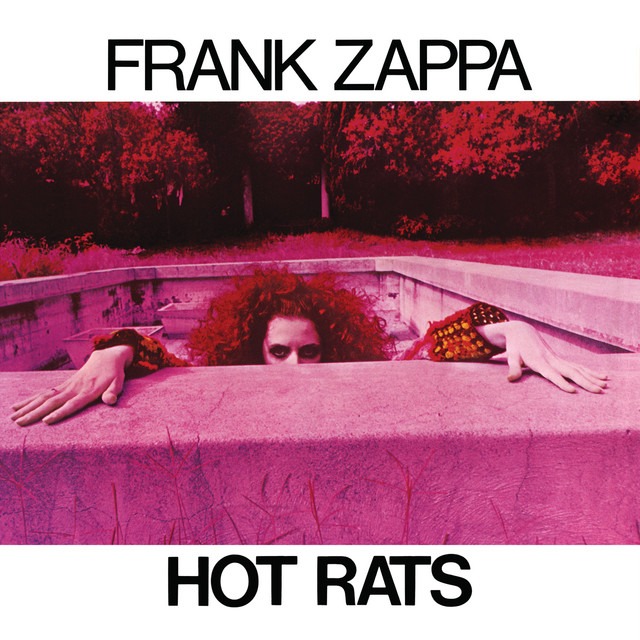
the album’s striking cover is a prime example of late-sixties psychedelic aesthetic, but its look was achieved through a specific technical trick: infrared photography. The front cover features Miss Christine, a member of the Zappa-produced girl group The GTOs (Girls Together Outrageously), emerging from a swimming pool. For years, the credit for these iconic, surreal images was incorrectly attributed to Ed Caraeff, though they were actually shot by Andee Nathanson.
Captain Beefheart’s Only Vocal Appearance
Although Zappa described the record as an instrumental project, he made a single, glaring exception for the track “Willie the Pimp.” The song features the unmistakable, gravelly vocals of Zappa’s long-time friend and collaborator Captain Beefheart. It stands as the only vocal performance on the entire album, serving as a gritty, bluesy counterpoint to the high-concept jazz-fusion that defines the rest of the tracklist.
A Grammy-Winning Family Legacy
Zappa dedicated Hot Rats to his newborn son, Dweezil, a gesture that came full circle exactly forty years later. In 2009, Dweezil’s tribute band, Zappa Plays Zappa, won a Grammy Award for Best Rock Instrumental Performance for their live rendition of the album’s opening track, “Peaches en Regalia.” It was a fitting tribute to a song that remains one of the most celebrated and accessible entries in the entire Zappa canon.
In the summer of ’69, while most of London was chasing the tail end of psychedelia, Fairport Convention was busy inventing a new musical vocabulary. This wasn’t just another studio effort; it was the exact moment the band stopped trying to be the British Jefferson Airplane and started digging into the dirt of their own English heritage. It’s a record defined by high-wire artistic risks and a sudden, sharp turn toward the ancient, all while the group was operating under a heavy cloud of personal transition.
A Title Born From A Van Ride Word Game
The peculiar title of the album originated from a word game called “Ghost” that the band played to pass the time while traveling between gigs. The goal was to add letters to a string without ever completing a real, existing word. Lead vocalist Sandy Denny eventually blurted out “Unhalfbricking,” a completely nonsensical creation that the band loved so much they decided to use it for the record’s name.
The First British Musicians To Raid Dylan’s Basement
Fairport Convention were among the very first artists in the world to hear Bob Dylan’s legendary and then-unreleased ‘Basement Tapes’. They were invited to Dylan’s London publishers to listen to white-label vinyl copies of the tracks, which bassist Ashley Hutchings described as having a strange cloak of weirdness. They immediately covered three songs for the album, including a Cajun-style version of “If You Gotta Go, Go Now” sung entirely in French.
A Masterpiece Recorded With A Telephone Microphone
During the sessions for “Cajun Woman,” the band featured guest fiddler Dave Swarbrick in what would become his first collaborative work with the group. Because Swarbrick’s fiddle did not have electric pick-ups and they needed more volume, the band had to get creative with studio engineering. They famously smashed open a telephone and used an elastic band to strap the internal microphone directly onto the instrument to capture its sound.
The Album Cover Featured A Suburban Stakeout
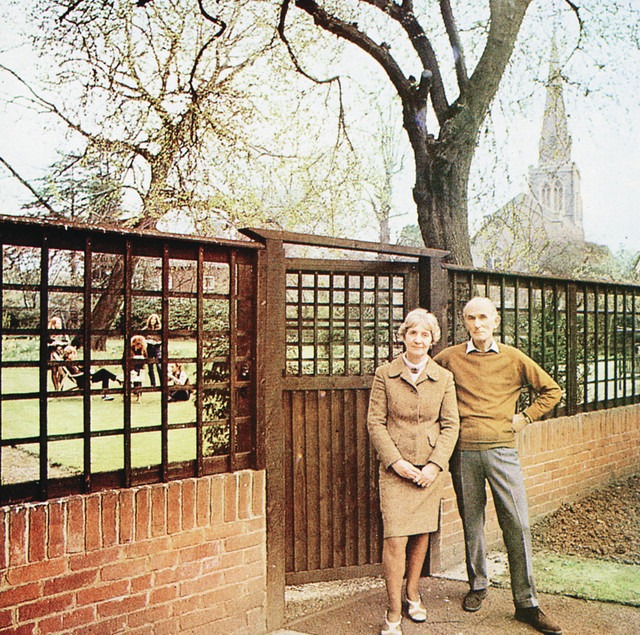
The iconic UK cover photo was taken at Sandy Denny’s family home in Wimbledon and features her parents, Neil and Edna Denny, standing prominently in the foreground. The band members themselves are actually visible in the shot, but they are tucked away in the distance behind a garden trellis fence. This domestic image was meant to ground the band’s mystical sound in the reality of ordinary English life, though the US label famously hated it and replaced it with a picture of circus elephants.
A Pivotal Work Marred By Motorway Tragedy
The release of ‘Unhalfbricking’ was overshadowed by a horrific road accident on May 11, 1969, just two months before the album hit shelves. While returning from a show in Birmingham, the band’s van rolled over, resulting in the tragic deaths of 18-year-old drummer Martin Lamble and Richard Thompson’s girlfriend, Jeannie Franklyn. This devastating event nearly caused the band to call it a day, but they ultimately decided to push forward into the folk-rock territory they had pioneered on the track “A Sailor’s Life.”