Home Blog Page 1488

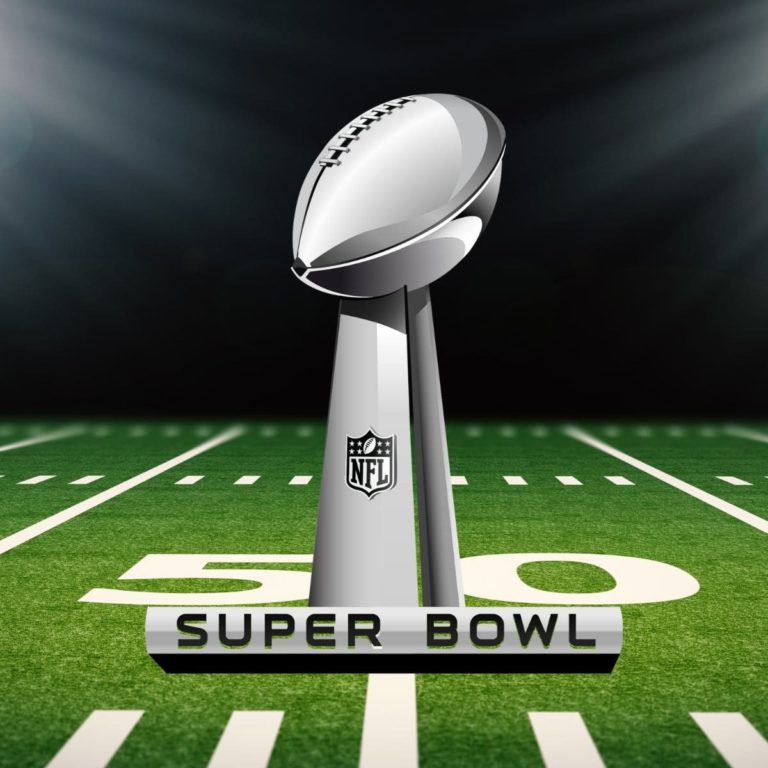
The 10 Most Memorable Super Bowl Halftime Shows

0
From rock legends to pop icons, the Super Bowl halftime show has delivered some of music’s most unforgettable moments. Whether it’s Prince’s rain-soaked magic or Springsteen’s stadium-rock fireworks, these performances transcend sports and become cultural landmarks.

1. Prince (2007)

Few moments in live music history compare to Prince performing “Purple Rain” in the middle of an actual downpour. Armed with his iconic purple guitar and unbothered by the storm, he transformed the Super Bowl into a stadium of euphoric electricity. This wasn’t just a show; it was divine intervention. He even asked one of the producers to make it rain harder.

2. Beyoncé (2013)

Queen Bey owned the stage with a ferocity that left jaws on the floor. From the moment “Crazy in Love” hit to the Destiny’s Child reunion that sent fans into a frenzy, Beyoncé proved why she’s one of the greatest live performers of our time. Fierce, flawless, unforgettable.

3. U2 (2002)

In the wake of 9/11, U2 delivered a poignant and powerful performance that doubled as a tribute to those who had passed. With “Where the Streets Have No Name” accompanied by a scrolling list of victims, it was a rare halftime show that brought tears as well as cheers.

4. Madonna (2012)

The Material Girl’s halftime debut was a spectacle of epic proportions. With a Roman-themed stage, elaborate choreography, and guest spots from Nicki Minaj and M.I.A., she reminded the world why she remains the Queen of Pop.

5. Michael Jackson (1993)

The King of Pop didn’t just perform—he reinvented the halftime show. Standing motionless for over a minute before launching into “Billie Jean” and “Black or White,” MJ transformed the event into a global phenomenon. The Super Bowl halftime as we know it began here.

6. Katy Perry (2015)

From the larger-than-life mechanical lion to the now-iconic Left Shark, Katy Perry’s halftime show was a technicolor dream. Her energy and theatrical flair made this a performance that had everyone talking—and dancing.

7. Shakira & Jennifer Lopez (2020)

Two Latin superstars joined forces for an unforgettable celebration of culture, energy, and hits. From Shakira’s “Hips Don’t Lie” to J.Lo’s pole-dancing prowess, it was a high-energy masterclass in entertainment.

8. The Rolling Stones (2006)

At 60+, the Stones still had the moves to command the world’s biggest stage. With hits like “Start Me Up” and “Satisfaction,” they delivered a rock ‘n’ roll clinic that reminded everyone why they’re legends.

9. Bruce Springsteen (2009)

The Boss brought his working-class charm and undeniable energy to the halftime show, proving that stadium rock still reigns supreme. From the explosive “Born to Run” to the crowd-pumping “Glory Days,” Springsteen made the Super Bowl feel like a Jersey bar gig on steroids.

10. Dr. Dre & Friends (2022)

A hip-hop revolution unfolded as Dre brought Eminem, Snoop Dogg, Mary J. Blige, and Kendrick Lamar to the stage. This was more than a performance—it was a love letter to West Coast rap and the culture it shaped.

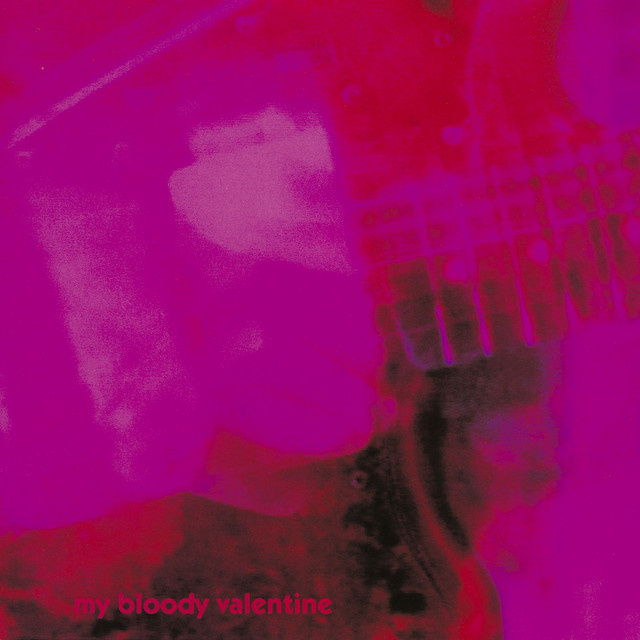
5 Surprising Facts About My Bloody Valentine’s “Loveless”

0

If you’ve ever dived headfirst into the sonic tidal wave that is My Bloody Valentine’s Loveless, you know it’s not just an album—it’s an experience that has changed lives (well, at least their record collection moving forward.) Released on November 4, 1991, this shoegaze masterpiece, led by Kevin Shields, reshaped the boundaries of sound and production, earning its place as one of the greatest albums of all time. But even diehard fans may not know some of the fascinating stories behind its creation. Here are five lesser-known facts about the album that turned noise into beauty.

1. It Took 19 Studios and Nearly Bankrupted a Record Label
The album was recorded in a staggering 19 different studios over a two-year period, with a rumored cost of £250,000. The painstaking production process caused tensions with Creation Records, whose co-owner, Alan McGee, ultimately dropped the band due to Kevin Shields’ relentless perfectionism.

2. The “Glide Guitar” Technique Redefined the Instrument
Kevin Shields’ signature sound—achieved by wiggling the guitar’s tremolo bar as he strummed—created the dreamlike “glide guitar” effect that became synonymous with Loveless. It’s an illusion of layers, but in reality, the album has fewer guitar tracks than most demos.

3. The Drums Were Almost Entirely Sampled
Due to drummer Colm Ó Cíosóig’s health issues, most drum tracks were created from samples of his playing. Only two songs feature live drumming: “Only Shallow” (the opening drums might be the clearest sound you’ll hear all album) and “Come in Alone.” Shields meticulously constructed the rest from scratch, a painstaking yet groundbreaking process.

4. Vocals Were Recorded Behind a Curtain
Kevin Shields and Bilinda Butcher recorded vocals in a uniquely secretive way—they hung curtains between themselves and the sound engineers. The engineers monitored the sessions by watching the meters on the tape machine, ensuring the vocals remained an enigmatic layer within the album’s ethereal mix.

5. Its Legacy Includes a Second Life on Analogue Tape
In 2012, Loveless was reissued as a two-CD set, including a version remastered from the original half-inch analogue tapes. This version offered fans a new way to experience the album’s dense and textured soundscapes, cementing its timeless appeal.

From its grueling production process to its boundary-pushing sound, Loveless remains a touchstone for artists and fans alike, and continuing its rightful place on music critics’ album of all time lists. Whether you’re a longtime devotee or a curious newcomer, one thing is certain: Loveless is a masterpiece that will continue to reverberate for generations. Put on those headphones for this one.

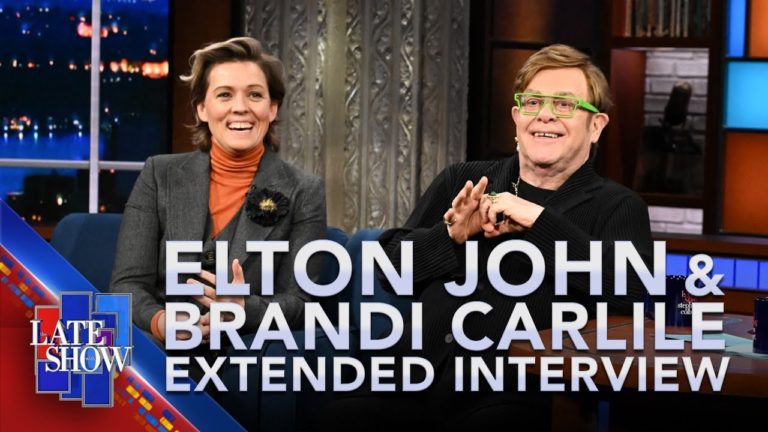
How Brandi Carlile Met Elton John: “I Wrote Him A Letter”

0

The amazing Brandi Carlile joins Elton John and Stephen Colbert for an extended conversation about their friendship and artistic collaboration, Elton’s commitment to lifting up new artists like Chappell Roan, Brandi’s special relationship with Joni Mitchell, and the potential for new Elton John music in the near future. The new documentary, “Elton John: Never Too Late,” is streaming now on Disney+.

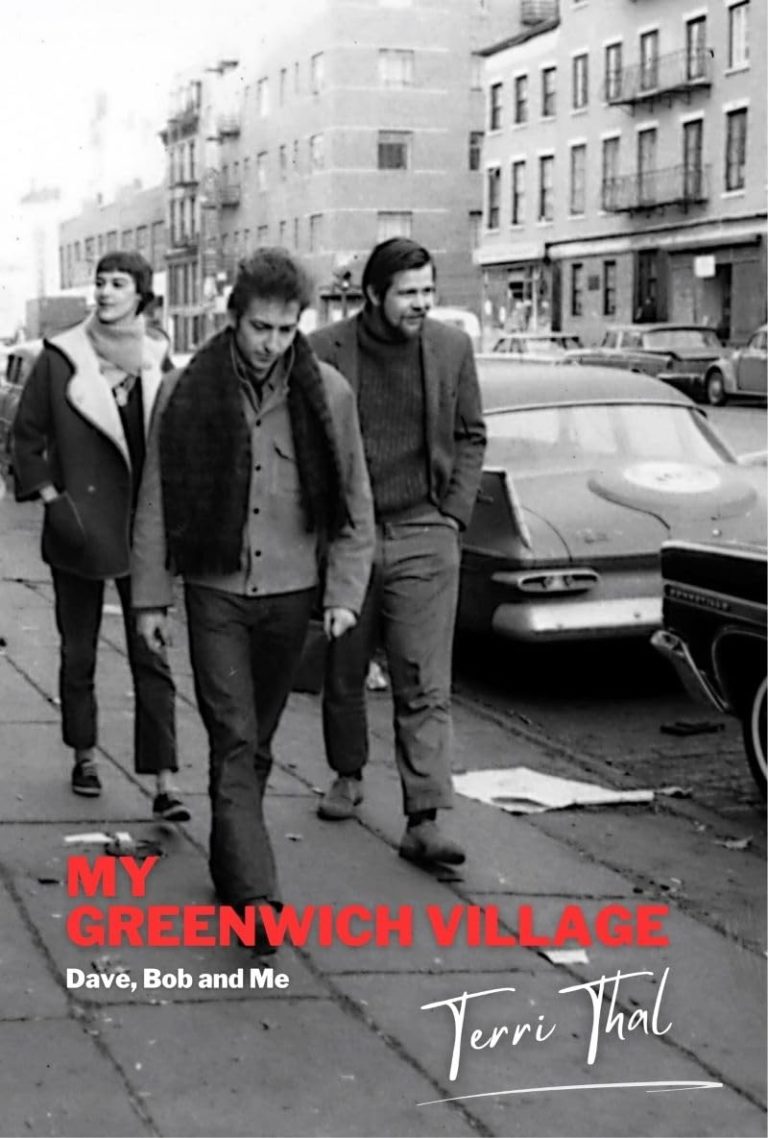
Terri Thal’s “My Greenwich Village” Details Folk Music, Social Justice, and Stories of Bob Dylan, Dave Van Ronk, and the Village Scene

0

Terri Thal was very much a part of the folk music world in 1960s Greenwich Village, New York. Few people know that she was 21-year-old Bob Dylan’s first manager prior to his contract with Albert Grossman and Columbia Records. She also managed musician Dave Van Ronk (who later became her husband), and others to include the Roche sisters, Paul Geremia and The Holy Modal Rounders. She booked performances at coffee houses, clubs and basket houses. On 6 September 1961, she recorded a set from a young Bob at The Gaslight Café – a celebrated performance as it is one his first known live recordings, and the first known live recording to feature original songs. This concert became known to Dylan fans as the First Gaslight Tape! Terri took this ‘audition’ tape to clubs and concert producers, trying to get him gigs – and she still owns the original reel-to-reel tape! She had many friends in Greenwich Village including Suze Rotolo and a number of seminal 1960s folk musicians.

Terri Thal has two passions: folk music and social justice.

“My Greenwich Village: Dave, Bob and Me” is a personal story of the world of folk music in 1960s New York written by a Jewish woman from Brooklyn who, although not a musician, was an intrinsic part of this scene. Terri describes Greenwich Village as a community that was supportive, musically exciting and one in which people had fun.

Terri tells us what it was like to hang out in the Village coffee houses, to host folk singers like Tom Paxton and Phil Ochs who hung out at her apartment, and to be a manager. We hear her view and involvement of the 1960s socialist organizations, and how she later merged her professional work in not- for-profit agencies.

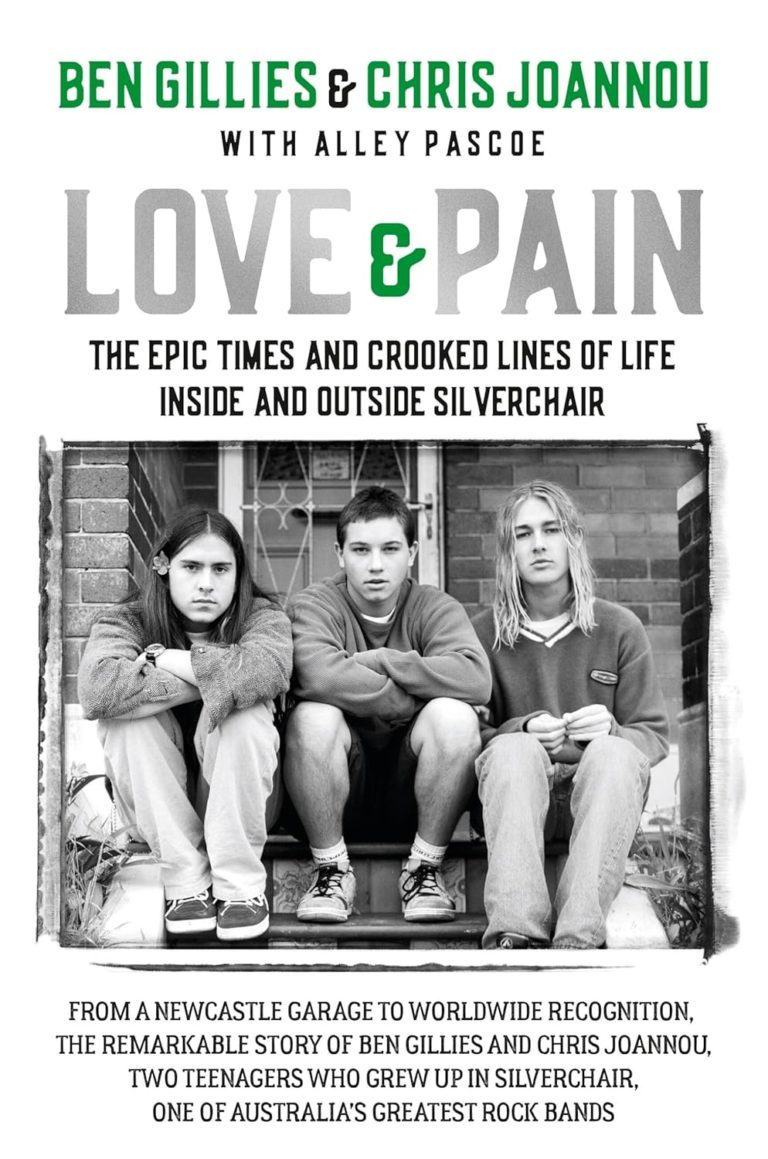
Ben Gillies and Chris Joannou’s Untold Story of Silverchair’s Rise, Fame, and Heartache Is Revealed In “Love & Pain” Book

0

It all began in Ben Gillies’ garage – where three high school kids from Newcastle, New South Wales, created magic with their smash-hit single ‘Tomorrow’, setting them on a path to domination of the Australian charts, worldwide touring and fame.

So much has been written about Silverchair over the years but very little has been said by the band’s members. In Love & Pain, drummer Ben Gillies and bass player Chris Joannou retrace their footsteps from childhood friends living across the road from each other, and share their often hilarious, wild and unforgettable stories from the rock ‘n’ roll spotlight, along with the exhilarating highs and heart-wrenching lows they faced along the way.

There was also all the love and pain that came from being in the band: the cost of fame and intense pressure on two teenagers who had no way of preparing for it, and the complex dynamics of navigating friendships with each other and their relationships with friends and family members, the mistakes they made and the successes they cherished. Gillies and Joannou write with vulnerability and raw and blistering honesty, making for an extraordinary account of a band adored by so many.

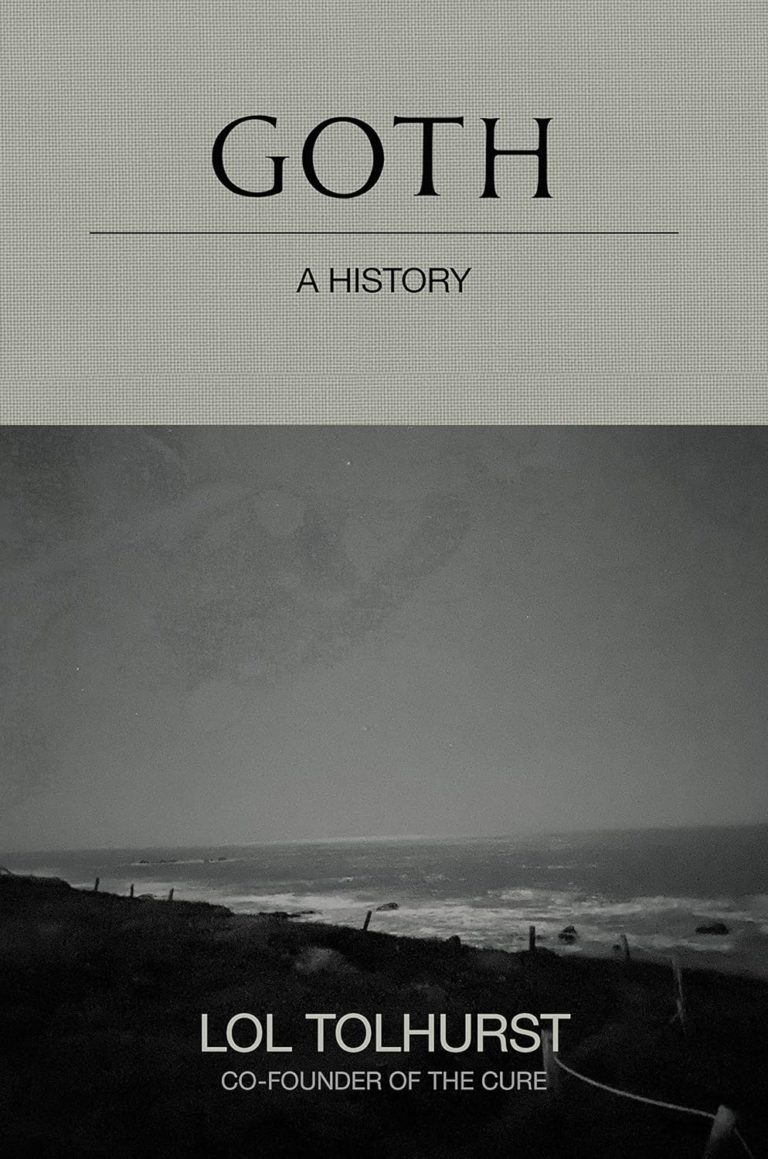
Lol Tolhurst’s “GOTH” Spellbinding Memoir on Music, Misfits, and the Magic of Darkness

0

Following his memoir Cured, a fascinating deep dive into the dark Romanticism of Goth music, a misunderstood genre and culture, by co-founder of The Cure, Lol Tolhurst

GOTH is an entertaining and engaging historical memoir, a journey through Goth music and culture, and an exploration of a place that offered refuge for the misfits of the 1980s and ever since. Written by Lol Tolhurst, cofounder of The Cure, GOTH is infused with stories from Tolhurst’s personal trove of memories, as well as anecdotes about the musicians, magicians, and artists who made it all happen—a veritable garden of earthly delights for the longtime Goth fan and newcomer alike. Equal parts teacher and storyteller, Tolhurst explores early art and literature that inspired the genre and looks into the work of T. S. Eliot, Edgar Allan Poe, Sylvia Plath, and more. He outlines the path of Gothic forebears and shows how many musicians played in punk bands before transitioning into Goth endeavors. He introduces readers to the “Architects of Darkness”—BAUHAUS, SIOUXSIE AND THE BANSHEES, JOY DIVISION, and THE CURE—and discusses a group he calls the “Spiritual Alchemists,” bands like DEPECHE MODE and COCTEAU TWINS. He tracks the expansion of the genre overseas, from England to New York, Los Angeles, and beyond. Gothic fashion was an important part of the movement as well, and Tolhurst discusses the clothing that accompanied and complemented the music. Finally, Tolhurst examines the legacy of Goth music, and shows how its influence can still be seen to this day.

As thoughtful and thorough as it is utterly bewitching, GOTH is a timeless testament to why Goth matters—and why it always will.

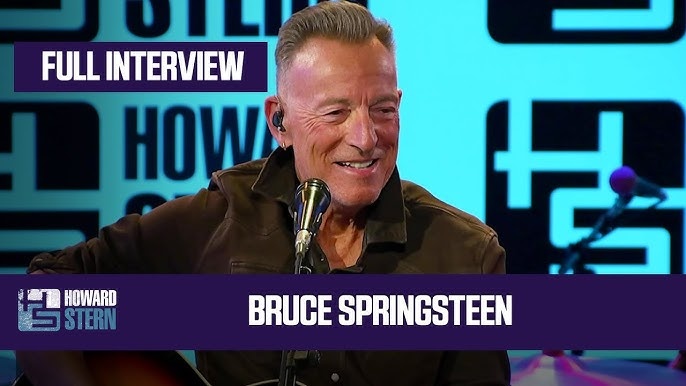
Watch Bruce Springsteen and the E Street Band on the Howard Stern Show

0

Bruce Springsteen sat down with Howard Stern for an unforgettable deep dive into his life and music. From his first band, The Castiles, to sharing stories of fatherhood, love, and the magic of the E Street Band, Springsteen brought heart and wisdom. Packed with live performances of classics like “Thunder Road” and “Atlantic City,” this interview is a masterclass in storytelling and connection. Each note, each tale, is a reminder of why he’s The Boss.

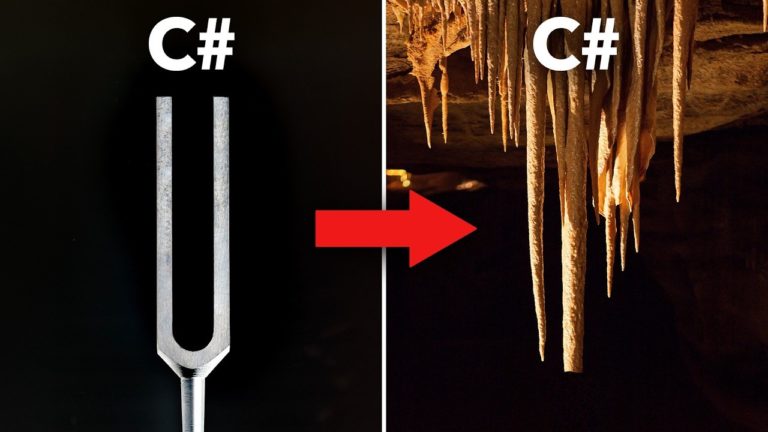
The Great Stalacpipe Organ: Turning a 3.5-Acre Cave into Nature’s Symphony

0

Imagine standing inside the world’s largest musical instrument. That’s what happens at Virginia’s Luray Caverns, home to The Great Stalacpipe Organ. Back in 1954, mathematician Leland W. Sprinkle turned echoes of natural stalactites into playable notes, grinding them to pitch with remarkable precision. It’s not just music you hear—it’s music you feel.

Hunter S. Thompson at Law Day ’74 When Jimmy Carter’s Words Shook The Room And Stirred The Gonzo Soul

0

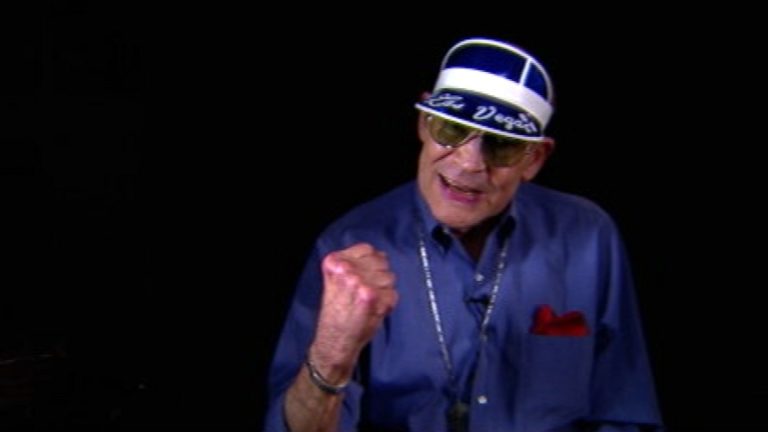
In 1974, amid the ivy-clad madness of the University of Georgia’s Law Day, Hunter S. Thompson found himself captivated by a surprise — a deeply human Jimmy Carter championing Martin Luther King Jr. with words that cut through the room like righteous lightning.

Why Nostalgia Sells: The Growing Popularity of Retro Music in Our Connected Age

0

By Mitch Rice

Music is always changing, yet certain sounds never fade away. Retro music—from jazz to funk to classic rock—seems to live forever. Old-school tunes by artists like Frank Sinatra and Ella Fitzgerald are showing up in unexpected places, winning over new fans, and proving that good music stands the test of time. In our connected age, listeners are rediscovering the magic of the past and loving every second of it.

Why is this happening now? What draws people to songs that their parents or even grandparents enjoyed? Let’s explore the reasons behind this wave of vintage sound, the impact it has on listeners, and how you can join the party.

Why Are Retro Sounds Making a Comeback?

The Pull of Memory

Nostalgia is a powerful feeling. When we hear an old song, it can transport us to a different time. Maybe it reminds us of childhood road trips, late-night dances, or a cozy living room where the radio never stopped. Studies from Harvard University show that music linked with personal memories can improve mood by up to 30%. That’s a big boost for something as simple as hearing a familiar tune.

For younger listeners, these old styles may not come with personal memories, but they still spark curiosity. They carry a sense of history and soul. It’s like stepping into a story you’ve never heard before. It feels meaningful because it is different from much of today’s music.

Fresh Sounds in Old Packages

Retro music isn’t just about looking back. It’s about taking what worked before and mixing it with what works now. Postmodern Jukebox, for example, takes hit songs and turns them into smooth jazz or swing tunes. These performances please older fans who enjoy the old style, while giving younger fans a fresh perspective on songs they already know by heart.

In fact, sales of vinyl records have been climbing steadily. A survey from the Recording Industry Association of America (RIAA) showed that vinyl sales jumped by over 25% last year. This is proof that people want more than just quick tunes. They want a richer listening experience. Retro music styles and formats fit this need perfectly.

The Psychology of Nostalgia

Feel-Good Brain Chemistry

Nostalgia can cause the brain to release “happy” chemicals. Listening to an old favorite, watching an old comfort show or playing a video game from your childhood can lower stress and bring comfort. This works even if you weren’t there when the song first came out. The style alone—a warm saxophone, a steady swing beat, or a soulful voice—can trigger a sense of calm and delight.

Psychologists say that nostalgia helps people cope with change. In a world where trends come and go fast, old music can feel like an anchor. It offers stability in times when everything seems to be moving too quickly.

Cultural Connection

Music forms a cultural thread that ties generations together. When kids discover their parents’ record collections, they’re not just finding new tunes. They’re uncovering stories, family traditions, and shared experiences. Retro music helps different age groups bond over something familiar yet exciting.

This cultural aspect goes beyond family. Different communities celebrate their roots by keeping certain styles alive. Motown, for example, is forever linked to a specific time and place in American history. Listening to it now honors that legacy. The songs become cultural touchstones, proving that certain rhythms never really go out of style.

Modern Reasons for the Old Sound

Tired of the Same Old Thing

Some listeners crave variety. Modern radio can feel repetitive. Retro tunes offer something that isn’t found on every playlist. Instead of synthetic beats, you get real horns and guitars. Instead of glossy production, you get raw emotion. That contrast can be refreshing.

Companies have noticed this trend. Advertisements now feature old-school tracks to stand out. Film soundtracks rely on classic hits to set a mood. Even trendy coffee shops spin old vinyl to create a relaxed vibe.

Music Discovery Made Easy

While we won’t use certain words that describe new technology, it’s clear that today’s tools make it simpler to find older music. People stumble onto classic tunes through suggested playlists, social feeds, or friends sharing links. Retro music that once took effort to find is now at our fingertips.

For example, it’s easy to watch a Postmodern Jukebox performance online and jump from there to related artists. Before you know it, you’re knee-deep in big band tunes or R&B from the 1960s. This ease of discovery is fueling the retro revival.

How to Embrace the Retro Wave

Build Your Own Vintage Playlist

Want to join the fun? Start by creating a playlist of older tracks. Pick a classic album your parents loved or ask friends for their favorite oldies. Mix in tunes from all eras. Don’t worry about making it perfect. The goal is to explore and enjoy.

You can find greatest hits collections or curated playlists made by fans who love these genres. This helps you sample styles like swing, funk, soul, or disco. As you listen, note what makes each track special. Is it the singer’s voice? The driving bass line? The clever lyrics?

Attend Live Shows

If you want the full effect, see these sounds performed live. Look for local tribute bands, old-school jazz nights, or even popular groups like Postmodern Jukebox on tour. Live shows are electric. Hearing a brass section or a string quartet play beloved hits makes you feel like you’re in another era. It’s a feast for the ears and eyes.

Live music also connects you with others who share your interest. You might meet fans of all ages tapping their feet and singing along. That sense of community is part of why nostalgia sells.

Explore Vinyl and Other Formats

Consider getting a record player. Vinyl isn’t just a hip trend. It’s a way to listen more closely. Flipping a record, admiring the cover art, and hearing the subtle pops and cracks can transform how you enjoy music. It slows you down and helps you savor each moment.

Cassettes, CDs, or even older video performances are also worth exploring. Each format offers its own charm. By trying them out, you engage with the music on a new level. It’s not just background noise—it’s a hobby and an experience.

The Future of Retro

Retro music isn’t fading away. If anything, it’s here to stay. More artists are experimenting with old styles. More listeners are hungry for that timeless spark. As long as people crave comfort, beauty, and authenticity, these sounds will continue to thrive.

Groups like Postmodern Jukebox show how the old and new can dance together. They remind us that music is a long story, with chapters written in every era. Retro tunes keep that story alive, making sure the best parts never get lost.

Nostalgia sells because it’s honest, warm, and real. It taps into our emotions and memories. It turns background noise into something meaningful. In an age where everything moves fast, these classic sounds give us a chance to slow down and smile.

Data and information are provided for informational purposes only, and are not intended for investment or other purposes.