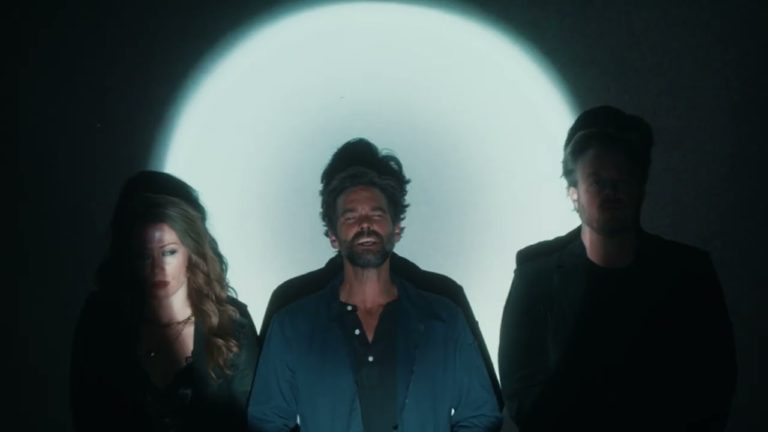
Beloved indie folk trio The Lone Bellow return in stunning form with their new single “Night Goes Black,” a haunting, harmony-laden anthem that digs deep into love, loss, and change. The track arrives with a mesmerizing official video, already hailed by Holler as “mesmerizing, with the band’s signature harmonies and anthemic indie folk turned up full on the fittingly brooding ‘Night Goes Black.’”
Written by Zach Williams, Kanene Pipkin, and Brian Elmquist, the song swells with emotion from the very first note. “Every thought and every notion is like a ship lost on the ocean,” they sing, capturing the ache of loving someone who’s drifted out of reach. It’s an unflinching meditation on heartbreak and the fragile beauty that lingers in its wake.
“‘Night Goes Black’ is about a friendship falling apart – the kind that shapes you,” says Williams. “When I left New York for Nashville about ten years ago, my best friend and I had already spent a decade living together, raising our kids side by side, and dreaming up an artistic community. Leaving that behind was heartbreaking. This was the song we wrote for each other on the drive down – a reflection on how love, grief, and change can all exist in the same breath.”
The new single follows “Common Folk” and “No Getting Over You,” marking a powerful creative resurgence for the band. “Common Folk” was celebrated by No Depression for its “harmony-rich” warmth and ode to everyday resilience, while MXDWN praised Kanene Pipkin’s breathtaking performance on “No Getting Over You,” calling it a “stunning balance of fragility and strength.”
The Lone Bellow recently partnered with OurVinyl for a series of live performances, with “Common Folk (Live)” available now and the full session set to arrive November 7. With this string of new releases, the trio continue to blend emotional honesty with sonic ambition, hinting at a bold new chapter in their journey—one that celebrates connection, catharsis, and the enduring power of song.
If you’ve ever wondered how to make your recordings sound like they belong on the radio, this is your moment. On Thursday, December 4 at 2:00 PM EST, legendary producer Fred Mollin will share his studio secrets in a free masterclass that’s all about transforming your tracks from rough demos to professional gems.
Fred Mollin is no stranger to the art of timeless sound. With over 3 million albums sold and more than 250 million streams, he’s shaped records for icons like Jimmy Webb, Kris Kristofferson, America, and Johnny Mathis. His touch blends musical sensitivity with a sharp ear for sonic detail, helping artists craft performances that feel alive and unforgettable.
In this interactive session, Mollin will dive into what makes a great recording tick. From capturing the perfect vocal tone to creating depth and texture with smart layering and arrangement, he’ll walk you through the same techniques he uses in world-class studios. He’ll also share how to make your room sound more expensive and choose gear that delivers professional results without breaking your budget.
Whether you’re mixing in a home studio or tracking in a high-end facility, Mollin promises actionable insights that instantly level up your sound. Expect stories, strategies, and inspiration from a producer who knows what it takes to make music that moves people.
Presented by Entertainment Spotlight, this webinar is your ticket to recording with confidence. It’s free, fun, and designed for independent artists, producers, and anyone ready to make their sound stand out. Sign up now at www.entertainmentspotlight.biz/recording or register directly at meet.zohocloud.ca/hoyq-yfr-hbz.
The 1980s weren’t just about neon lights and synthpop — they were about fearless creativity. Beneath the surface of the Top 40, a new generation of artists blended punk energy, experimental sound, and poetic honesty. These 20 albums captured that spirit and changed music forever.
Cocteau Twins – ‘Heaven or Las Vegas’ (1990) Dream-pop perfection. Elizabeth Fraser’s voice melts into Robin Guthrie’s lush guitars, creating a sound both angelic and surreal. Singles like “Iceblink Luck” and “Heaven or Las Vegas” defined a whole new sonic beauty.
Depeche Mode – ‘Music for the Masses’ (1987) Dark, sleek, and perfectly titled, Music for the Masses turned Depeche Mode from synth-pop outsiders into stadium icons. Singles like “Never Let Me Down Again,” “Strangelove,” and “Behind the Wheel” combined industrial pulse with emotional depth, creating an album that felt both intimate and immense.
Dinosaur Jr. – ‘You’re Living All Over Me’ (1987) Distorted guitars meet aching melodies as J Mascis turns fuzz into feeling. “Little Fury Things” and “Kracked” helped lay the groundwork for 1990s alternative rock’s emotional edge.
Hüsker Dü – ‘Zen Arcade’ (1984) An ambitious double album about escape and self-discovery. “Pink Turns to Blue” and “Chartered Trips” showed punk could think, dream, and evolve.
Jane’s Addiction – ‘Nothing’s Shocking’ (1988) A bold mix of art rock and alternative chaos. “Jane Says” and “Mountain Song” gave the late ’80s its dangerous glamour and became blueprints for the alt explosion ahead.
Meat Puppets – ‘Meat Puppets II’ (1984) A blend of punk, country, and desert psychedelia. “Plateau” and “Lake of Fire” turned chaos into beauty — songs that would later echo through Nirvana’s Unplugged.
Pet Shop Boys – ‘Please’ (1986) A sleek, synth-driven debut that made melancholy sound glamorous. Please introduced Pet Shop Boys’ signature blend of irony and emotion with singles like “West End Girls,” “Opportunities (Let’s Make Lots of Money),” “Love Comes Quickly,” and “Suburbia.”
Pixies – ‘Doolittle’ (1989) Surreal lyrics, tension, and explosive release. With “Here Comes Your Man,” “Monkey Gone to Heaven,” and “Debaser,” Doolittle became the strange heart of alternative rock.
Prince – ‘Sign o’ the Times’ (1987) A fearless double LP of funk, pop, and social commentary. Songs like “If I Was Your Girlfriend” and “U Got the Look” proved Prince could out-create entire genres in one album.
R.E.M. – ‘Life’s Rich Pageant’ (1986) A jangle-pop breakthrough blending activism and melody. With “Fall on Me” and “Superman,” it showed college rock could also be stadium-worthy.
Sugarcubes – ‘Life’s Too Good’ (1988) Iceland’s Sugarcubes unleashed surreal pop energy on “Birthday” and “Coldsweat,” blending punk weirdness with pure joy. Björk’s voice made every song its own world.
Sonic Youth – ‘Daydream Nation’ (1988) Feedback, poetry, and freedom. “Teen Age Riot” and “Silver Rocket” turned noise rock into high art, cementing Sonic Youth’s place at the center of the underground.
Talk Talk – ‘The Colour of Spring’ (1986) A lush, soulful evolution from synthpop to art rock. “Life’s What You Make It” and “Living in Another World” shimmered with depth, setting the stage for post-rock’s birth.
Tears for Fears – ‘Songs from the Big Chair’ (1985) Emotional pop with a dark edge. “Everybody Wants to Rule the World,” “Shout,” and “Head Over Heels” brought alternative introspection to the mainstream.
The Cult – ‘Love’ (1985) A thunderous mix of gothic atmosphere and rock swagger, Love marked The Cult’s rise from post-punk mystics to stadium firebrands. With singles like “She Sells Sanctuary,” “Rain,” and “Revolution,” the album fused psychedelia, mysticism, and pure power into a sound that was both romantic and electric.
The Cure – ‘The Head on the Door’ (1985) Robert Smith’s band balanced shadow and sunlight on “In Between Days” and “Close to Me.” It’s goth with a pop heart — a perfect blend of melody and melancholy.
The Replacements – ‘Let It Be’ (1984) Equal parts punk energy and messy soul-searching. “I Will Dare” and “Unsatisfied” captured the bittersweet chaos of growing up with guitars turned way up.
The Replacements – ‘Tim’ (1985) Anthems for outsiders everywhere. “Bastards of Young” and “Left of the Dial” made The Replacements the scrappy, lovable heart of ’80s alternative.
The Smiths – ‘The Queen Is Dead’ (1986) Poetic, emotional, and utterly British. “There Is a Light That Never Goes Out” and “Bigmouth Strikes Again” made loneliness sound glorious.
The Stone Roses – ‘The Stone Roses’ (1989) Where indie rock met dancefloor ecstasy. “I Wanna Be Adored” and “She Bangs the Drums” made Manchester the heartbeat of a new musical revolution.
U2 – ‘The Joshua Tree’ (1987) A soaring, cinematic statement that turned U2 into global icons. The Joshua Tree blended spiritual longing with political fire, carried by the widescreen sound of The Edge’s guitar. Singles like “With or Without You,” “I Still Haven’t Found What I’m Looking For,” and “Where the Streets Have No Name” made it both a stadium anthem and a soul-searching journey across America.
Discover the Best Guitar Bridge Tremolo for Your Style
Guitar bridge tremolos are an exciting addition to the world of guitars, bringing flair and individuality to your playing style. Whether you’re looking to add a subtle warble or dive into a full-fledged solo, tremolos have the power to transform your sound.
In this article, we will delve into what makes guitar bridge tremolos special, exploring the different types available, how to choose the right one for you, and the latest trends in the market. By the end of this journey, you will have a clearer understanding of which tremolo best suits your musical needs.
Different Types of Tremolo Guitar Bridge Systems
Floating Tremolos:
Pros:
Offers a wide range of motion
Great for expressive pitch changes
Cons:
Requires a more complex setup
Can impact tuning stability
Locking Tremolos:
Pros:
Excellent tuning stability
Ideal for aggressive playing
Cons:
Challenging to set up
More parts to maintain
Bigsby Tremolos:
Pros:
Classic vintage look and sound
Easy to install on many guitars
Cons:
Limited range of pitch change
Potential tuning maintenance challenges
To choose the right system, consider what aligns with your playing style and guitar preferences.
Tremolos can add creativity to your guitar playing, so it’s crucial to weigh the pros and cons and select the type that resonates most with your musical aspirations.
Choosing the Best Guitar Bridge in Colorado Springs
When selecting a guitar bridge in Colorado Springs, it’s important to consider local factors that cater to the music scene and shopping environment. Here are some tips to guide you in finding the perfect guitar bridge:
Local Guitar Shops: Explore specialized music stores for a variety of guitar bridge tremolos and expert advice.
Expert Luthiers: Connect with skilled luthiers in the area for personalized recommendations on the ideal tremolo guitar bridge.
Community Resources: Engage with local music communities and online forums to gather insights and suggestions from fellow guitar enthusiasts.
Local Events: Attend music gatherings or workshops in Colorado Springs to observe different guitar bridge options in action and network with other musicians.
By leveraging these local resources, you can make an informed decision that suits your style and preferences perfectly.
Features of a Vibrato System for Guitar
A vibrato system can substantially enhance your guitar playing experience by introducing expressive tremolo effects. Here are the key features and maintenance tips for these systems:
Design and Usage:
Type: Vibrato systems come in various options such as floating and locking tremolos. Choose one that complements your playing style and guitar type.
Setup: Proper installation is critical to avoid tuning issues. Ensure the system is installed correctly.
Maintenance Tips:
Lubrication: Regularly lubricate pivot points for smooth movement and prevention of wear.
String Care: Change guitar strings regularly to maintain optimal vibrato system performance.
Adjustment Checks: Periodically review adjustments and tighten loose screws for functionality maintenance.
Optimization:
Experiment: Explore different settings to find your preferred vibrato effect degree.
Balancing Tension: Ensure balanced string tension for system stability and tuning.
These tips will help you enjoy the benefits of your vibrato system without any hassle.
Popular Tele Tremolo Bridge Options
Telecaster guitars are renowned for their unique charm and classic sound, loved by many musicians. Adding a tremolo bridge to a Telecaster can unlock a world of tonal possibilities. Let’s explore popular tremolo options for Telecasters and how they can impact your guitar’s sound and playability.
Impact of Installing a Tele Tremolo
Installing a tremolo bridge on a Telecaster can:
Enhance Sound Versatility: Enables smooth pitch changes suitable for various genres from jazz to rock.
Affect Sustain: Certain tremolo systems may reduce sustain due to lesser body contact.
Alter Playability: Can change the guitar’s feel, providing added flexibility for some players while others may prefer a traditional setup.
Popular Tele Tremolo Bridge Choices:
Bigsby B5:
Pros: Offers a vintage look and feel with subtle vibrato effects.
Cons: Installation complexity and potential balance alteration.
Fender American Vintage Series:
Pros: Direct drop-in for many Teles, maintaining a classic vibe.
Cons: Limited extreme dive-bomb capability.
Wilkinson WTB:
Pros: Provides excellent tuning stability and easy installation.
Cons: May lack the vintage sound Bigsby enthusiasts seek.
For players seeking a modern, high-performance alternative, innovative brands like SuperVee have developed advanced tremolo systems that combine precision engineering with improved tuning stability. These cutting-edge designs can offer a smoother feel and enhanced tonal response, appealing to both traditionalists and modern players alike.
While these options give Telecasters a new voice, it’s crucial to consider the desired style and playability before making a choice.
Discovering the Best Guitar Bridges for Your Style
Selecting the ideal guitar bridge tremolo for your style can significantly impact your guitar’s sound and functionality. Here’s how you can identify the best option to meet your musical needs.
Key Considerations:
Consider your musical genre and the balance between aesthetics and functionality when selecting a tremolo. For instance, rock demands robust systems like a Floyd Rose, while jazz may prefer the subtlety of a Bigsby.
Recommendations:
Assess Your Playing Style:
Aggressive Playstyles: Look for locking systems like the Floyd Rose for stability and range.
Melodic Styles: Consider subtle systems like the Bigsby for gentle pitch alterations.
Remember that playing style consideration is crucial, as detailed earlier.
Try Before You Buy:
Visit local music stores to test different setups and gain valuable firsthand experience.
Seek Local Advice:
Consult with experts at Colorado Springs guitar shops for insights tailored to your specific needs.
Choosing the best guitar bridge tremolo is about finding what complements your sound and playing experience. Consider your genre, engage with local experts, and explore diverse options to discover your perfect match.
Trem System Innovations and Trends
The guitar bridge tremolo landscape is brimming with exciting innovations and trends that shape the future of tremolo systems. Here’s a glimpse of current and emerging technologies influencing these systems:
Enhanced Design Materials: Contemporary trem systems often incorporate advanced materials for improved durability and tone, utilizing innovative alloys and composites.
Improved Tuning Stability: New locking mechanisms and precise engineering aid in maintaining tuning stability, addressing a common concern with older systems.
Electronic and Digital Integration: Some modern trem systems integrate digital controls and electronic adjustments for enhanced vibrato effects precision.
Keeping abreast of these advancements broadens your options to elevate your playing experience.
Summary and Recommendations
Reflect on the tremolo system’s stylistic impact and build quality. Utilize local resources to experiment with various options for a firsthand understanding to finalize your decision.
Data and information are provided for informational purposes only, and are not intended for investment or other purposes.
Australian players sizing up a modern, mobile-first casino will find Spinjo Casino positioned as a high-energy destination built around variety, value, and speed. The platform blends a vast catalogue of pokies, a full live-dealer suite, and classic tables with a multi-step welcome offer and recurring weekly promos. Payments cover both fiat and major cryptocurrencies, while streamlined KYC and clear account tools help keep sessions smooth across desktop and mobile. With a clean interface, fast load times, and pragmatic limits, the brand aims to deliver quick entertainment for weeknight spins and deeper weekend sessions alike—provided players stay mindful of wagering rules and plan deposits to match bonus tiers.
Licensing & Safety
Spinjo Casino Casino is operated by Hollycorn N.V. and holds a licence under the Curacao jurisdiction—a common but not top-tier regulatory environment. Industry sources score it positively on many fronts (including a safety index of 8.0 out of 10) yet advise caution in some contractual areas. One key advantage is that the casino utilises SSL encryption and standard payment-gateway protections, meaning transaction and personal data security are solid.
That said, being under Curacao means the oversight is lighter compared to jurisdictions like the UK or Australia, so players should be aware of potential additional risks and check terms thoroughly before committing large amounts.
Game Portfolio & Software
When it comes to sheer volume and variety, Spinjo Casino Casino performs strongly. Reports indicate a catalog of over 5,000 games including slots (pokies), live dealer titles, table games and niche formats such as crash/instant win games.
The breakdown of major game types is shown below. This table helps summarise the main categories; a sentence follows it to transition back to narrative.
Game Type
Description
Typical Features
Slots (Pokies)
Vast collection of video & classic slots
Bonus-buys, Megaways, progressive jackpots
Live Dealer
Real-time streamed casino games with dealers
VIP tables, multiple game-show variants
Table Games
Traditional casino games (blackjack, roulette, baccarat)
Multiple rule variations, side-bets
Instant / Niche Games
Quick-play formats (e.g., crash, plinko)
High volatility, fast rounds
With such a range accessible, players looking for “something new” will likely find it, while traditionalists have plenty of table-game options. However the caveat is that with thousands of games, the filtering and search functionality can feel a bit overwhelmed; some users report it takes a little patience to narrow down a preferred subset.
Real Bonus Offerings & Promotions
Spinjo Casino Casino structures its promotions to deliver recurring value for Australian players. The headline welcome bundle reaches up to A$5,000 plus 300 free spins across the first four deposits: 100% up to A$1,000 with 100 spins on the first, 50% up to A$1,000 with 50 spins on the second, 50% up to A$1,500 with 50 spins on the third, and 75% up to A$1,500 with 100 spins on the fourth. A typical minimum qualifying deposit is about A$30, and wagering sits at 40× the bonus; spins arrive in batches and winnings convert to bonus funds under the same rollover. Beyond onboarding, weekly offers keep momentum. Tuesday Reload delivers a 50% match up to A$500 plus 20 free spins, Thursday Boost offers a 30% match up to A$500, and Friday Fortune adds a 30% match up to A$150; Sunday Funday rotates deposit-triggered spin bundles of 50, 100, or 150 on selected titles. Loyalty is tracked through comp points earned on real-money play—typically one point per A$20 wagered on pokies—with tiers unlocking enhanced cashback, quicker support, and occasional exclusive bonuses. Taken together, the structure rewards regular, planned deposits and disciplined wagering within stated timeframes, helping players consistently capture value without rushing.
Payment Methods & Withdrawal Conditions
For Australian players, Spinjo Casino Casino supports a broad range of payment options including credit/debit cards (Visa, Mastercard), bank transfers, e-wallets (Neteller, Skrill, MiFinity) and a wide selection of cryptocurrencies (Bitcoin, Ethereum, Tether, Dogecoin and others). The minimum deposit to qualify for bonus offers is around A$30.
Withdrawal limits: one review indicates that for AUD currency the limits may be around A$3,000 per day, A$7,500 per week and A$30,000 per month. Processing times: crypto tends to be faster (instant to a few hours post-approval), while fiat methods may take 24-72 hours after approval; some players report up to 96 hours.
Another important point: KYC (Know Your Customer) verification is required before cashing out; providing documentation early is advisable to avoid delays.
Mobile & User Experience
The mobile experience at Spinjo Casino Casino is well executed: no app download is required, and the browser-based interface performs smoothly on both iOS and Android devices. Navigation is intuitive, with a consistent look and feel between desktop and mobile. Game loading, menu access and cashier functions transition well to touchscreen formats.
That said, as already mentioned, the sheer game volume means that locating a specific favourite title may take extra taps or scrolls on mobile. Bookmarking or adding favourites is suggested to streamline ongoing play.
Pros & Cons
Below is a concise table that contrasts the main strengths and trade-offs of Spinjo Casino Casino to help quick decision-making.
Pros
Cons
Large game selection across multiple categories
Curacao licensing may feel lighter than top-tier regulators
Strong welcome package and reliable ongoing promotions
Bonus wagering requirements are relatively high (40×)
Broad payment methods, including major cryptocurrencies
Withdrawal limits and processing times can be tighter than premium-tier sites
Fully mobile-friendly platform with smooth performance
Lobby filtering and search could be more powerful
Structured loyalty and cashback programme with tiered perks
This summary highlights where the brand excels and where additional scrutiny or preferences might guide an alternative choice.
Final Verdict
Spinjo Casino Casino presents a compelling option for Australian players who prioritise game variety, strong bonuses and modern payment options (including crypto). The user interface is slick, the mobile experience reliable, and the loyalty system is a meaningful value add. On the flip side, the Curacao licence means oversight is less strict than some alternatives, the bonus wagering is relatively demanding, and the withdraw-limit structure may not suit heavy-duty high-rollers.
For many Australians, especially casual to moderate players who value a wide game choice and frequent promotions, Spinjo Casino Casino offers solid entertainment value. As always, playing responsibly—with a plan, aware of the conditions—and verifying your account in advance will help ensure a smoother experience.
FAQ
Is Spinjo Casino Casino legal and safe for Australians? Spinjo Casino Casino operates under a Curacao licence with SSL security; it isn’t locally licensed in Australia, so protections differ by jurisdiction.
What welcome bonus does Spinjo Casino Casino offer? A multi-step package up to A$5,000 + 300 free spins across four deposits; typical minimum deposit ~A$30 and wagering 40×.
How fast are withdrawals at Spinjo Casino Casino? Crypto is usually fastest after approval; cards and bank transfers commonly take 24–72 hours, with some cases extending to ~96 hours.
Which payment methods work at Spinjo Casino Casino? Visa, Mastercard, bank transfer, Neteller, Skrill, MiFinity, and major cryptos like BTC, ETH, USDT, and DOGE (availability can vary).Does Spinjo Casino Casino run well on mobile? Yes. The browser-based site has full feature parity on iOS and Android with quick loads and stable cashier access.
Data and information are provided for informational purposes only, and are not intended for investment or other purposes.
In crowded feeds, brands fight for milliseconds of attention. The memories that linger, however, emerge when sight and sound conspire to spark emotion. Music shortcuts to the limbic system, while images give those feelings a story shape. When coordinated, the pair can elevate a logo or campaign into a mnemonic device consumers replay long after scrolling. Here’s how to orchestrate such an impact.
Why Sound Shapes Memory
Long before we learned to read, our brains were tuned to rhythm. Heartbeats soothed us in the womb; lullabies taught pattern and comfort. Modern neuroscience confirms that melody, tempo, and key signatures trigger dopamine releases tied to memory formation. A catchy hook can cue brand associations faster than a headline because it bypasses rational filtering and speaks directly to emotion.
That’s why a three-second sting can recall decades of advertising, turning a mere product into an old friend whenever the tune resurfaces. Repeated exposure cements the bond, making the music inseparable from the message.
Visuals that Spark Emotion
Images add context to the soundtrack, giving the audience a visual and lasting anchor for the feeling the music evokes. A single color grade can suggest nostalgia, urgency, or calm even before the first character speaks. Close-ups show authenticity; wide shots promise possibility.
When visuals mirror the emotional arc of the score—rising during choruses, softening during bridges—they translate abstract melody into concrete story beats. This alignment lets viewers predict what comes next, a cognitive trick that increases engagement and, ultimately, the likelihood they will store the scene in long-term memory for good.
Synchronizing Senses for Stronger Recall
True synergy happens when audio and visual cues are planned together from the first storyboard, not stitched in post. Start by identifying the core emotion the brand wants to own—joy, confidence, curiosity—and select musical motifs and visual metaphors that express that mood in complementary ways.
Then map key beats: product reveal coinciding with a beat drop, testimonial line landing on a brief silence, logo fade-in timed with the final chord. Such micro-synchronization creates micro-rewards for the brain, encouraging replay and shareability while deepening the associative link between stimulus and brand.
Crafting Multisensory Campaigns
Successful multisensory storytelling requires collaboration among strategists, composers, directors, and data analysts. Begin with audience research: what songs dominate their playlists and what imagery fills their feeds? Use those insights to shape a sonic palette that feels familiar yet fresh, then design visuals that exaggerate the emotional peaks.
Test early with small focus groups, tweaking tempo or color until recall scores climb. Even after launch, monitor watch-through rates and social mentions to refine future content; brands working with partners like vid.co illustrate how continuous feedback loops keep both soundtrack and storyline in truly perfect tune.
Conclusion
Music and visuals each wield power, but together they engrave brands onto the audience’s emotional landscape. By composing campaigns that let eyes and ears dance in unison, marketers can transform fleeting impressions into melodies and scenes that replay in memory whenever purchase decisions arise—and, crucially, brand loyalty follows.
Data and information are provided for informational purposes only, and are not intended for investment or other purposes.
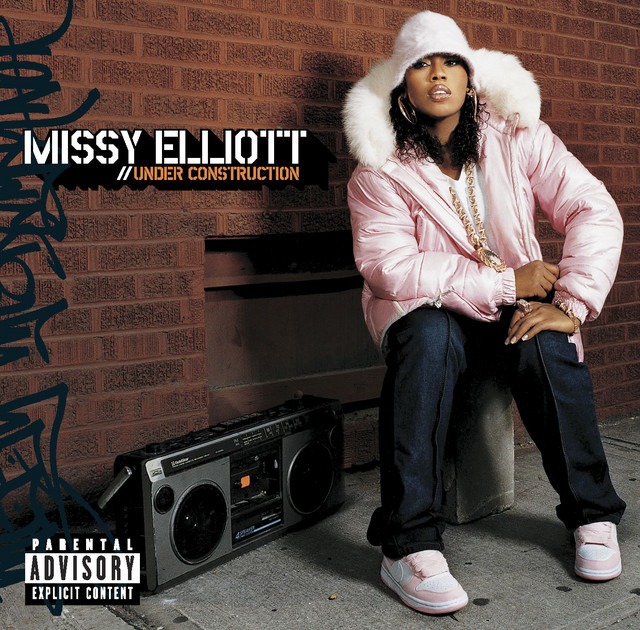
When Missy Elliott released Under Construction on November 12, 2002, she wasn’t just dropping another record — she was building a legacy. Created with longtime collaborator Timbaland, the album honored old-school hip-hop while pushing sound, style, and storytelling into the future. Dedicated to Aaliyah and the victims of 9/11, Under Construction blended nostalgia, innovation, and empowerment like few albums before or since. Here are five fascinating facts about Missy’s iconic project.
1. The album was built on hip-hop history Under Construction paid tribute to the roots of hip-hop. Missy and Timbaland filled the record with nods to Run-D.M.C., Rock Master Scott & the Dynamic Three, and the genre’s earliest beats, proving that progress always starts with respect for the past.
2. “Work It” flipped the industry — literally Missy turned her own lyrics backward in “Work It,” creating one of music’s most recognizable hooks. The single stayed at #2 on the Billboard Hot 100 for ten weeks, sold over three million copies, and gave the world the word “badonkadonk.”
3. The music videos became cultural landmarks Directed by Dave Meyers, Missy’s “Work It” and “Gossip Folks” videos fused humor, fashion, and fierce choreography. Featuring Alyson Stoner, Ludacris, Eve, and Trina, they also honored Aaliyah, Lisa “Left Eye” Lopes, and Jam Master Jay with mural tributes.
4. “Back in the Day” nearly had a dream lineup Missy’s collaboration with Jay-Z, “Back in the Day,” was set to be the third single, but a remix of “Pussycat” featuring Janet Jackson and Lil’ Kim was also recorded — and ultimately shelved by the label for being too explicit.
5. It was a Grammy-nominated powerhouse Under Construction debuted at #3 on the Billboard 200, went double platinum, and earned Grammy nominations for Album of the Year and Best Rap Album — cementing Missy as a creative force who could make hits with heart and history.
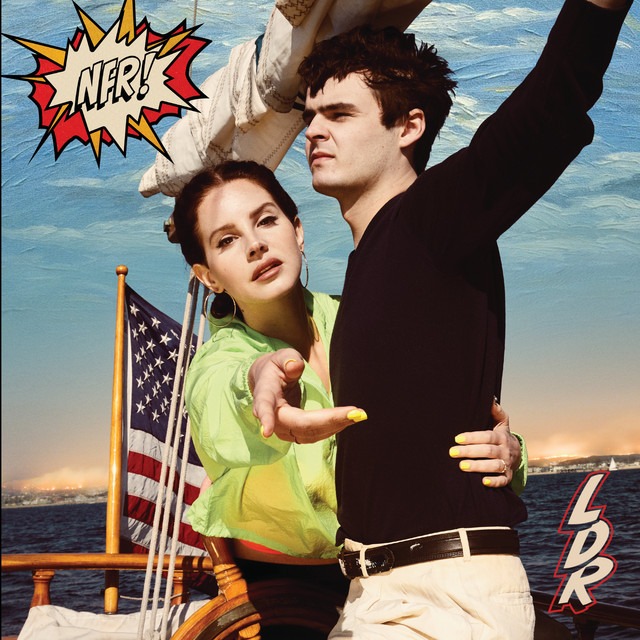
When Norman Fucking Rockwell! arrived on August 30, 2019, Lana Del Rey delivered an album that felt like California sunlight melting into poetry. Co-produced with Jack Antonoff, it reimagined soft rock through cinematic storytelling and introspective calm — the moment Lana became one of her generation’s great songwriters. Here are five fascinating facts about the record that turned nostalgia into modern legend.
1. The title came from a flash of irony and Americana The album’s title, a nod to painter Norman Rockwell, was Lana’s playful take on perfection and chaos — the tension between the American dream and modern disillusionment. It set the tone for an album steeped in cultural reflection.
2. Jack Antonoff was her creative partner-in-crime Lana and Jack Antonoff co-wrote and produced most of the album together. Their chemistry gave birth to the slow-burning, dreamlike textures that defined songs like “Mariners Apartment Complex” and “Venice Bitch.”
3. “Venice Bitch” became her longest and most daring track Clocking in at nine minutes and thirty-six seconds, “Venice Bitch” starts as a tender ballad and dissolves into a kaleidoscopic psych-rock journey. Critics hailed it as one of the best songs of the decade — and one of her boldest experiments.
4. The album cover is pure Hollywood lineage Shot by Lana’s sister Chuck Grant, the cover features Lana and Duke Nicholson — Jack Nicholson’s grandson — on a sailboat, a visual love letter to vintage California glamour and chaos on the horizon.
5. It turned Lana into a critical and cultural icon Norman Fucking Rockwell! topped charts in seven countries, earned a Grammy nomination for Album of the Year, and landed on Rolling Stone’s list of the 500 Greatest Albums of All Time — cementing Lana’s legacy as one of the era’s most poetic voices.
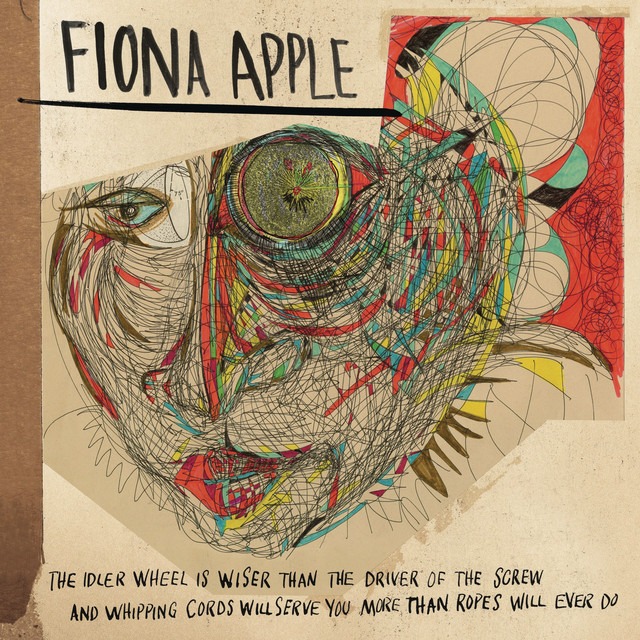
When Fiona Apple released The Idler Wheel… on June 19, 2012, she reminded the world what happens when an artist follows instinct over industry. Recorded in secret and filled with raw poetry, rhythm, and vulnerability, it became one of the most acclaimed albums of the 2010s. Here are five surprising facts that make The Idler Wheel… a masterpiece born from quiet rebellion.
1. It was made in secret — even from her label Fiona Apple began recording The Idler Wheel… around 2008 with no plan, no deadline, and no label oversight. Epic Records didn’t even know it existed until she turned in the finished album in 2012.
2. She swapped producers for a drummer Instead of reuniting with longtime collaborator Jon Brion, Apple co-produced the album with her touring drummer, Charley Drayton. The result? A stripped, percussive sound built around rhythm, voice, and raw emotion.
3. The title came from her own poetry Just like When the Pawn…, the full title of The Idler Wheel… is a line from a poem Apple wrote herself — a cryptic and brilliant tradition that reflects her lyrical depth and singular artistry.
4. It was her most successful debut Despite its unconventional sound, The Idler Wheel… debuted at number 3 on the Billboard 200, selling 72,000 copies in its first week — her highest chart debut ever.
5. The videos came with cinematic roots The surreal “Every Single Night” video premiered on the Sundance Channel, while “Hot Knife” was directed by filmmaker Paul Thomas Anderson, her former partner — though it wasn’t released until a year later due to his film schedule.
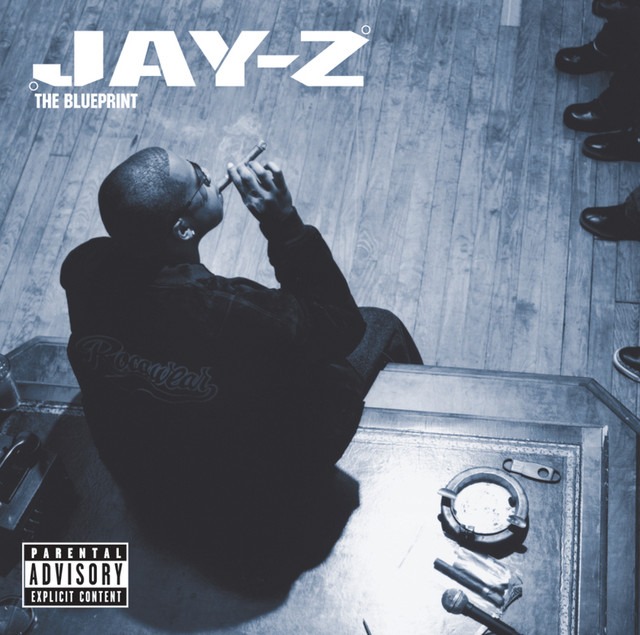
When Jay-Z dropped The Blueprint on September 11, 2001, the world heard a master at work. Crafted in just two weeks with producers who would soon dominate hip-hop, the album became both a cultural milestone and a timeless sound of soul-driven swagger. Here are five facts that take you inside The Blueprint.
1. It was recorded in record time Jay-Z made history in more ways than one — cutting most of The Blueprint in just two weeks. Nine tracks were reportedly recorded in two days at Baseline Studios, proving his focus and precision in the booth.
2. It launched the careers of two future icons Both Kanye West and Just Blaze used The Blueprint as their breakout moment. Their soulful, sample-heavy production defined a new era for hip-hop and turned them into household names within a year.
3. The samples came straight from the soul vault Jay-Z and his producers pulled from legends like Al Green, Bobby “Blue” Bland, David Ruffin, and The Jackson 5. Each track was built around classic soul loops, giving the album a timeless, emotional core.
4. The cover art had mobster inspiration Photographed by Jonathan Mannion, the album cover was inspired by The Firm, a photo series on organized crime in Britain. The microphone replaced brass knuckles — a nod to power, class, and command through music.
5. It changed the sound of hip-hop The Blueprint shifted hip-hop away from the keyboard-heavy beats of the early 2000s and reignited the art of sampling. Its influence stretched across the decade, setting the standard for producers everywhere.