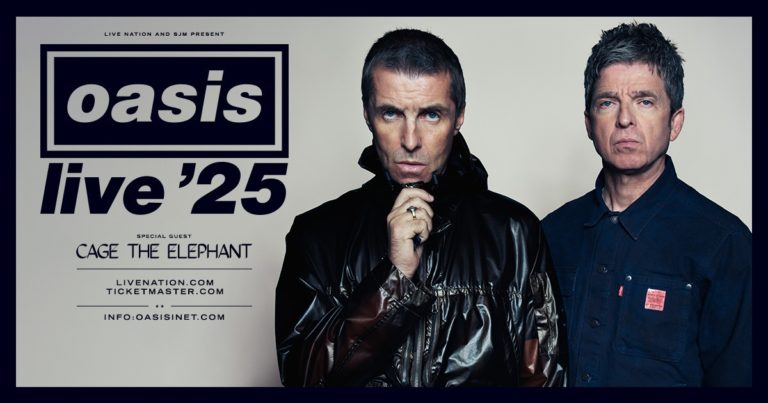
As excitement builds to Taylor Swift-levels for Oasis’s highly anticipated North American tour, there’s an unfortunate reality facing eager fans: ticket scalpers are already hard at work, selling thousands of tickets at inflated prices before they’re even officially on sale. While the presale is scheduled to begin on October 3rd and the general public can start purchasing tickets on October 4th, some buyers have already been deceived into paying outrageous sums—up to $4200 for specific seats in major cities like New York, Los Angeles, Chicago, Toronto, and Mexico City.
But here’s the catch: many of these tickets aren’t even real.
What fans may not realize is that these listings for tickets are speculative. They’re not genuine tickets, but promises by scalpers to secure seats later—sometimes using bots or other shady methods to scoop up tickets during the actual sale. This practice, known as “speculative ticketing” or “ghost ticketing,” remains legal in many states and is a major source of profit for ticket resellers. The process is simple but deceptive: sellers list tickets they don’t yet possess, and if they manage to buy them during the sale, they fulfill the order. If they can’t, the transaction is canceled, leaving the fan without access to the event they thought they were attending.
So, how do scalpers manage to get access to tickets before they’re even released? One key factor is the use of sophisticated technology, including bots, which are programmed to buy up large quantities of tickets as soon as they go live. These bots can bypass captchas and other security measures, giving scalpers an unfair advantage over real fans. Additionally, some individuals have insider access or utilize presale codes meant for specific groups, further tipping the scales in favor of scalpers.
Even though Oasis has chosen not to implement dynamic pricing, a strategy where ticket prices fluctuate based on demand, fans are still paying hundreds more than they would have if they had purchased directly from authorized ticket vendors. Scalpers are exploiting the passion and dedication of Oasis fans, knowing full well that many are willing to pay any price for a seat at one of these soon-to-be legendary shows.
Ticket scalping, particularly speculative ticketing, is a massive industry. Platforms like VividSeats have even branded the practice as “Seat Saver,” where buyers pay a fixed price for a ticket the seller promises to obtain. According to VividSeats, “This Seat Saver listing is a service backed by our 100% buyer guarantee in which the seller is offering to buy tickets for you for a fixed price in the listed section.” Unfortunately, fans often end up paying far more than they would have if they had purchased tickets directly.
StubHub, Viagogo, and other major resale platforms are also notorious for hosting these ghost tickets. While some sellers may disclose that the tickets are speculative, many do not, and fans often believe they’re buying a legitimate ticket only to realize later that they’ve been duped.
This practice doesn’t just affect fans emotionally—it’s a financial blow, too. Cumulatively, scalpers are expected to earn hundreds of thousands, if not millions of dollars, by selling and reselling Oasis tickets at inflated prices. Fans are often left waiting months for tickets that may never arrive, with no guarantee they’ll even have a seat when the day of the show finally comes.
So, how can you avoid falling victim to these schemes? Here are a few strategies to help protect yourself from ticket scams:
- Stick to Official Vendors: The most reliable way to purchase tickets is through official vendors like Ticketmaster or the venue’s own website. Be cautious of third-party resale platforms, especially if the tickets are listed before the official sale date.
- Research the Reseller: If you must buy from a resale platform, do your research. Look for reviews and feedback from previous buyers to ensure the platform is reputable and offers some form of guarantee. Also, be sure to check whether the listing discloses that the tickets are speculative.
- Be Wary of Pre-Sale Promises: If a listing is offering tickets before they’ve even gone on sale to the public, it’s likely a speculative listing. Avoid these at all costs, as you’re essentially gambling on whether the reseller will actually secure tickets for you.
- Know Your Consumer Rights: Familiarize yourself with local consumer protection laws and the resale policies of platforms like StubHub and VividSeats. Many platforms offer buyer guarantees, but the fine print can vary. Make sure you understand the terms and conditions before making a purchase.
- Watch for Red Flags: Suspiciously high prices, vague descriptions, or listings that seem too good to be true are all warning signs. If a ticket seems overpriced or is being sold in a shady manner, trust your instincts and avoid it. If it’s too good to be true, it is. And nobody is selling their tickets below cost on Facebook because they couldn’t find a babysitter.
Industry professionals are not taking this issue lightly. Nathaniel Marro, Executive Director of NITO (National Independent Talent Organization), is one of many voices calling for change. “These fans think they got tickets of a lifetime but instead just dropped hundreds of dollars on something that doesn’t even exist,” Marro said in a recent statement. “The worst part is, they could be waiting months for tickets to arrive only to end up empty-handed. Spec ticketing should be banned, period. It’s common sense—you shouldn’t be able to sell something you don’t actually possess.”
NITO, in partnership with the National Independent Venue Association (NIVA) and the FixTheTix coalition, is pushing for state and federal legislation that would make speculative ticketing illegal. They’ve even filed a formal complaint with the Federal Trade Commission (FTC), urging them to investigate the potentially illegal use of bots and other technologies by scalpers.
As much as Oasis fans may be eager to secure tickets for this monumental tour, it’s important to remain vigilant. The ticket resale market can be a minefield of scams, inflated prices, and speculative offers. By staying informed and sticking to official sources, fans can protect themselves from being ripped off and ensure they don’t miss out on the chance to see one of the greatest rock bands of our time.
Don’t let scalpers ruin your Oasis experience. Be cautious, do your research, and fight back by supporting efforts to ban speculative ticketing practices. Together, we can make live music fairer and more accessible for everyone.