
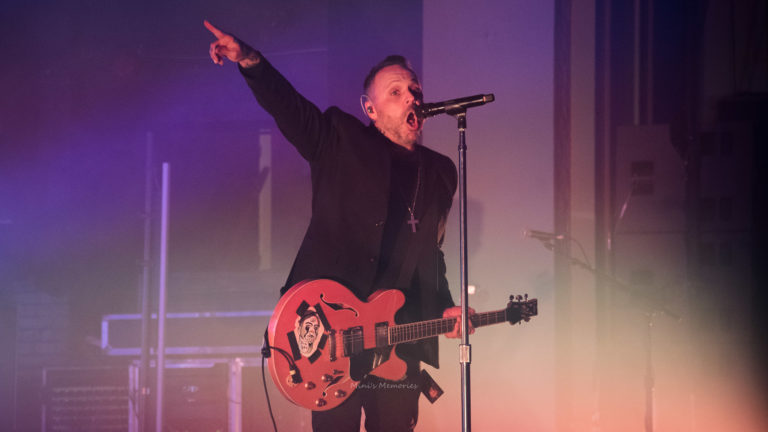
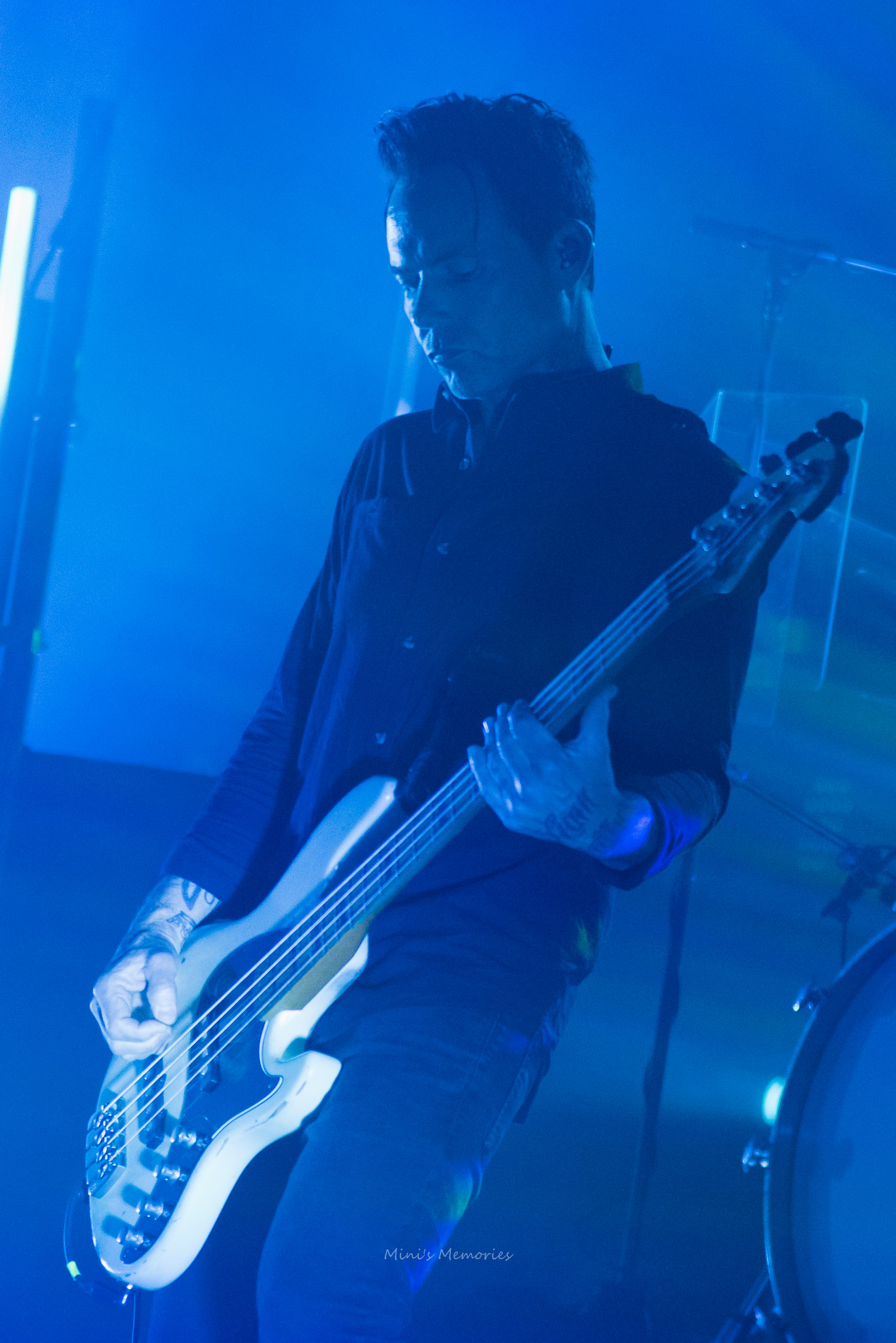
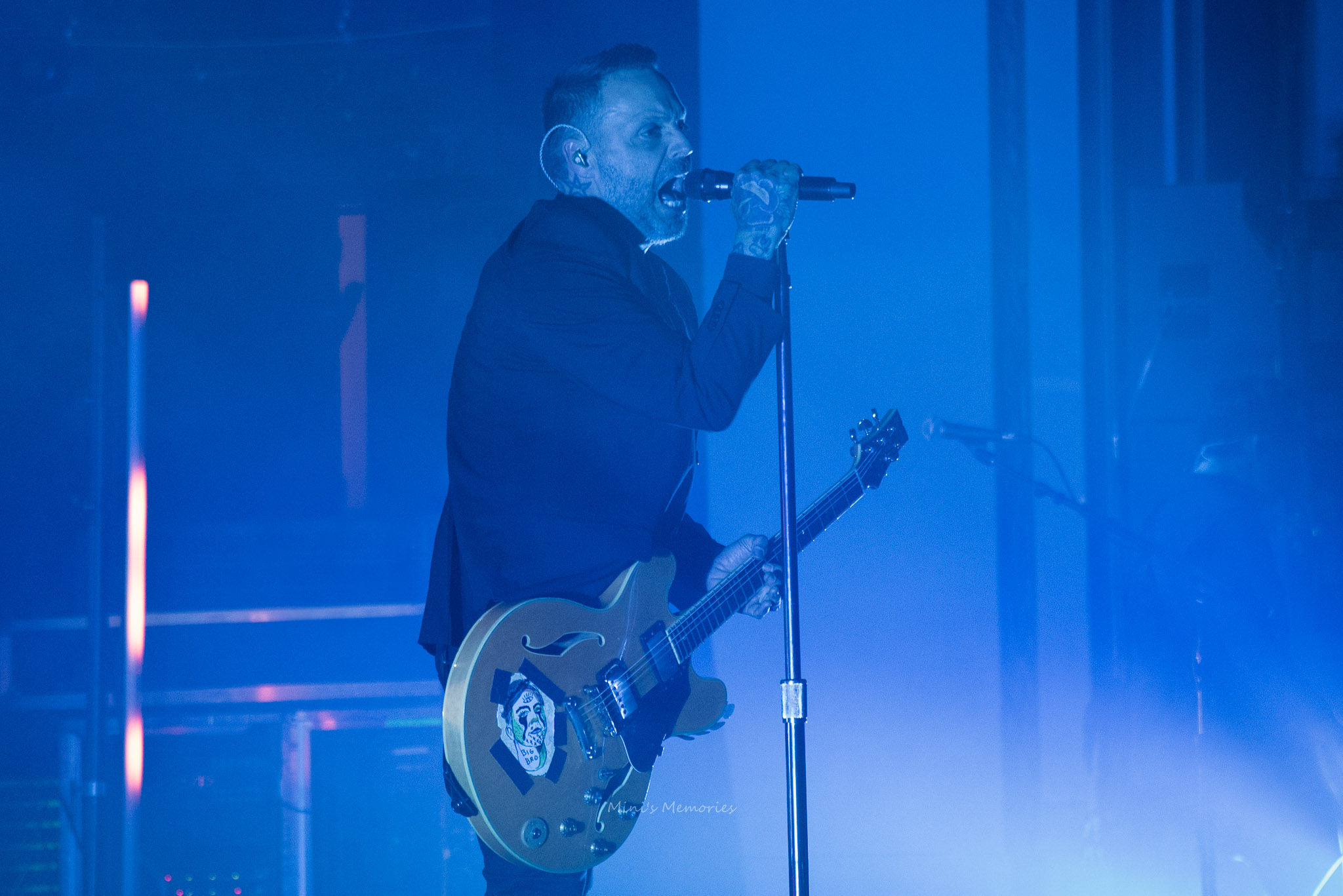
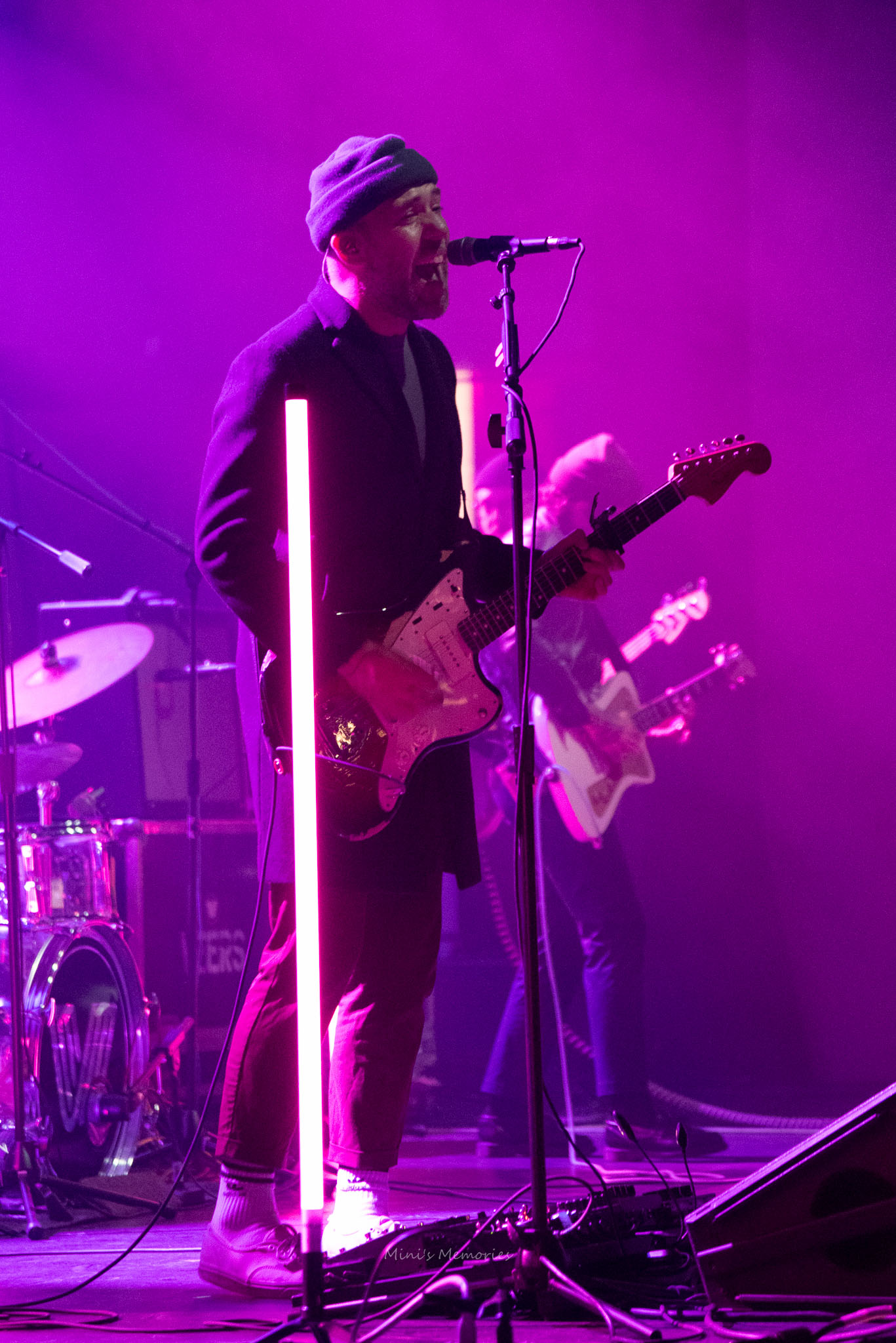
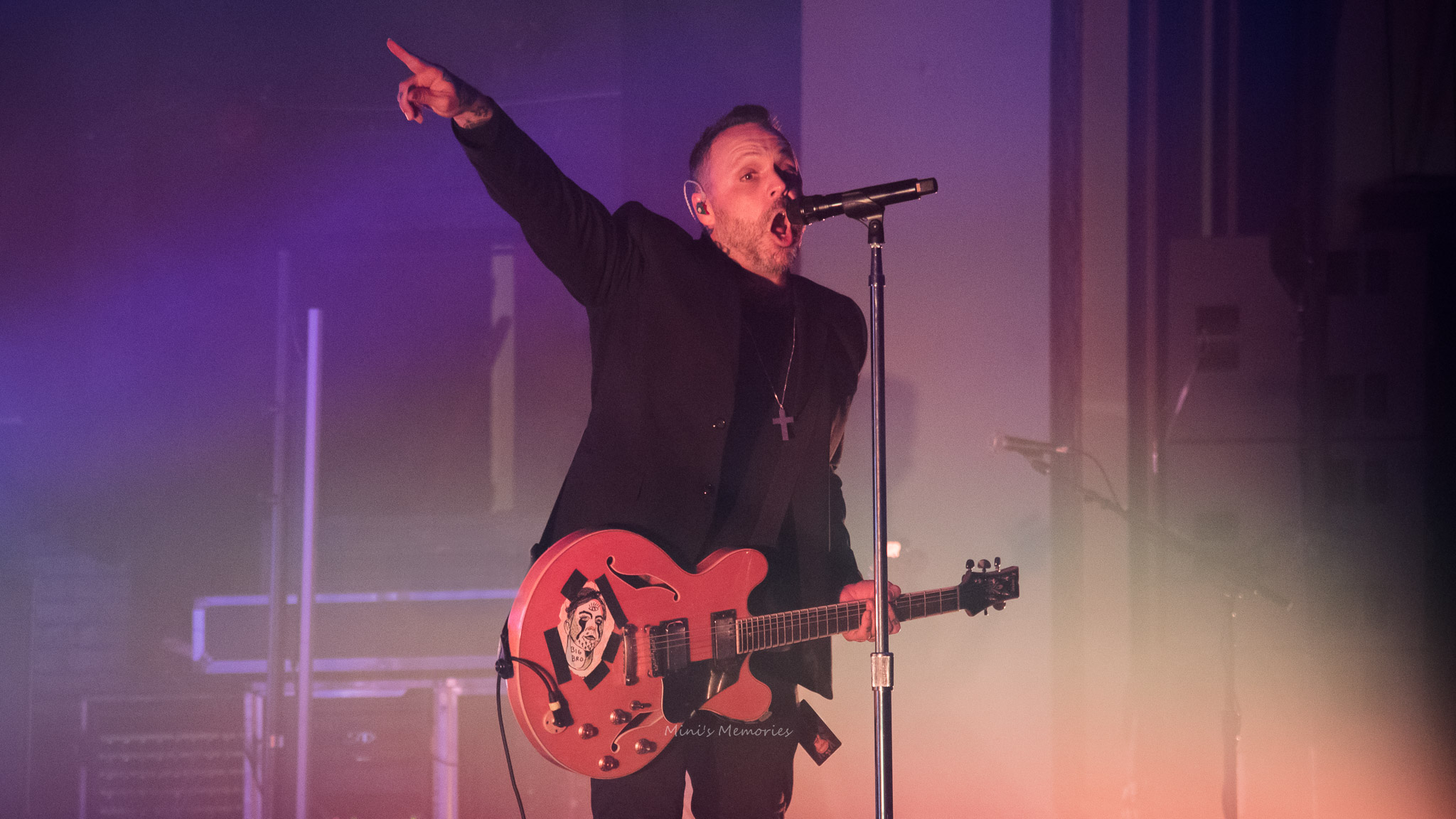
All photos by Mini’s Memories. You can contact her through Instgram or X.





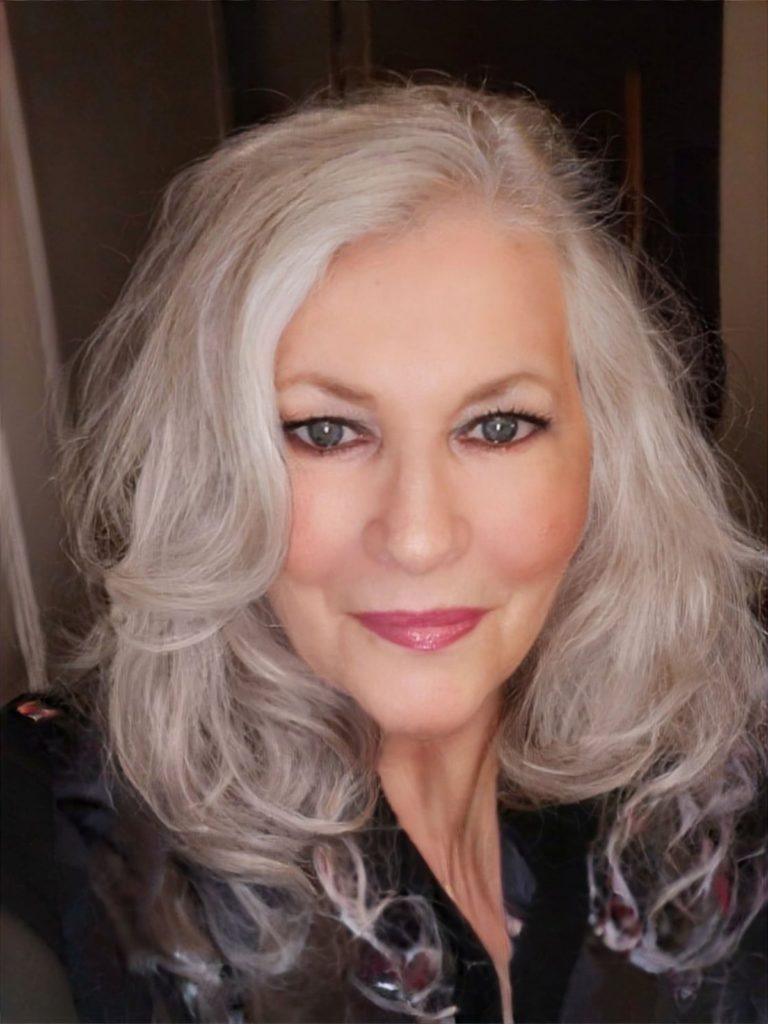
In her joyous, wistful new single “The Night I Learned To Dance” – available now – Montreal, QC-born, Port Credit, ON-based Lisa Hartt weaves a story of a hot, exotic desert night that seems almost like yesterday.
In the late ’60s in London, Lisa Hartt had joined an all-girl big band called The Christine Lee Set – today, known as the famous Britain’s Got Talent drummer Crissy Lee. Then, in a spirit of adventure, the band signed a contract to play in Cairo, Egypt, at the Sheraton Hotel.
“One of our tasks was to play for the cabaret, and then the Belly dancer Nagwa Fouad would come on and she was the ‘star’ turn of the evening,” Hartt remembers. “My secret joy was to sneak behind the chorus of the Arabic orchestra and sing the ululations with the ladies while Nagwa twirled. She was simply entrancing.”
One steamy, star-filled night Nagwa asked if the group wanted to go out to the oasis at the pyramids of Giza so she could teach them to dance. The other musicians in the band were hesitant, but Hartt was game.
“I got in a jeep with some military guys and Nagwa, and before long we were driving into the desert night to the mystery of learning belly dancing. I have never forgotten this night – it was magical. ‘The Night I Learned to Dance’ has all the magic I was feeling.”
It was so hot the night I learned to dance
I was aware before the trance.
An aged scheming temptress
Placed a shawl around my hips,
She tipped the silver chalice, honey nectar to my lips.
It was so hot, the night I learned to dance,
The night I learned to dance.
‘The Night I Learned to Dance” was lived over 45 years ago, but it only came to light when Hartt was introduced to Jonas Gideon while they were both performing at Lillaby Festivalen 2023 in Rinkaby, Sweden. Hartt explains how this amazing songwriting collaboration began: “Jonas asked me to enter an experiment and write some lyrics that he then would put to music. Well, I was thrilled to have made this musical connection and I started writing immediately. The result was “The Night I Learned to Dance.”
Another very cool coincidence: Mayada, the lead dancer in the song’s accompanying video, had studied with Nagwa Fouad, the dancer Hartt writes about in the song. Nagwa is still alive at 87 in Cairo. “I can’t wait to reach out to her and reconnect,” Hartt says. “Life is magical, and we are the sum total of all our memories.”
Juno Award-winning producer Chris Birkett (Sinead O’Connor) gave the song his magical touch, which convinced Dance Plant Records to release it with distribution on Sony/The Orchard, proving that older artists can still make it happen with the right team behind them.
Lisa Hartt has had quite a whirlwind year, launching her career back full steam ahead with single releases, an EP release, and two tours to Sweden, the first being the amazing time she was greeted at Lilla By Festivalen as the Canadian legend she truly is. She deserves that recognition for a story long untold about her collaboration with Sweden’s hero, Ted Gardestad.
With a career that dates to the late ’70s, The Lisa Hartt Band topped the charts with a single “Old Time Movie,” which resulted in major tours around the world. The band broke up, but Lisa never stopped honing her craft. Life had some twists and turns that stopped her touring and sometimes performing, but she continued to write and devote her time to celebrating her music.
Jonas Gideon and Lisa Hartt are now continuing to write together, with new songs for future release. “This experience has shown me that the best is yet to come, and age, time and space do not matter,” Hartt said. “It’s all about the magic of the music.”
Hartt recently received the Cashbox Legacy Award, presented to her at the Canadian Embassy in Stockholm, where she was celebrated for her accomplishments and contributions to the Canadian Music Industry.
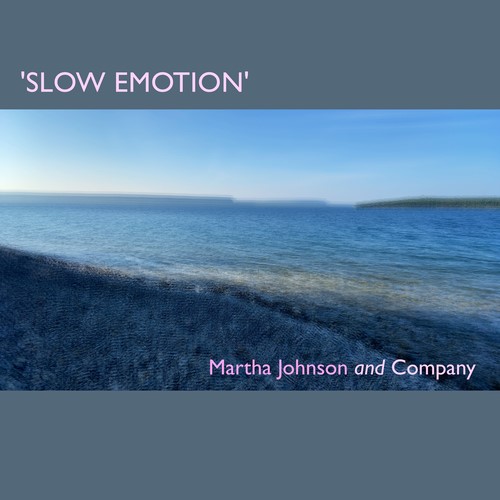
They say music can be the best therapy but leave it to community-minded Canadian legend Martha Johnson to make her music a form of group therapy. Her new single, “Slow Emotion,” is a fortifying hit of emotional oxygen for those living with Parkinson’s Disease. That’s a topic relevant not just to Johnson herself—who was diagnosed with the condition nearly a quarter-century ago—but to every fellow patient she’s met or just envisioned along the way.
According to Parkinson Canada, more than 100,000 people in Canada live with Parkinson’s. For people affected by Parkinson’s, help across the country is available in the form of support groups and resources. Find help near you by visiting here.
Seeing release under the project name Martha Johnson and Company, the song furthers the reputation for courageous exploration Johnson has carved out as co-founder and lead singer of the seminal art-pop band Martha and the Muffins (sometimes just M+M), and in numerous other projects that have kept her at the vanguard of contemporary audio and video art. This time, she’s used soothing keyboard pads and an easygoing, quasi-R&B bounce to send a message about the need to stop, listen and relate:
Empathy not sympathy
That’s where we want to be
Take it slow, then you’ll know
How to be kind
How to free your mind
That’s where we want to be
I’m moving in slow emotion now…
“I came up with the title ‘Slow Emotion’ years ago,” Johnson says, “and it seemed like a good fit with the theme of accepting and adapting to the changes—both physical and emotional—that you go through when you are living with Parkinson’s Disease.
“One of my favourite lyrics, ‘Empathy not sympathy…,’ sums up the message of the song very well. I also like the randomness of referencing the title of a J.M.W. Turner painting as a line that has so much power in it: ‘No rain, steam or speed.’
The song came about thanks to a suggestion from Johnson’s neurologist, Dr. Alfonso Fasano at University Health Network (UHN)’s Krembil Brain Institute in Toronto, who felt he could help promote awareness of Parkinson’s to a wider audience while showing that life and creativity don’t end with a diagnosis. Dr. Fasano encouraged Johnson to collaborate with another of his patients, songwriter/musician Fabio Dwyer, and the two hit it off, combining their individual ideas into a cohesive whole. As a third voice, Johnson brought along Mark Gane, her perennial partner in Martha and the Muffins/M+M, to finish the composition. Then it was off to the studio.
“We wanted to have as many people as possible with PD involved in the recording,” Johnson says. “Fabio had already collaborated with me on writing the song, and he also played guitar and bass beautifully on the track. I managed to find five people with PD who were excited about adding their voices to the song. The vibe in the studio was amazing, and we were all so proud to have recorded a chorus of voices lifting everyone’s spirits higher.”
Bringing everything full circle, Dr. Fasano—a talented musician in his own right—contributed keyboards to the finished track.
The single will be available worldwide on all platforms on World Parkinson’s Day, April 11, 2024. It’ll be accompanied by a “making-of” documentary shot by Toronto filmmaker Jason Cipparrone (and produced with the support of UHN and Parkinson Canada).
That day will mark a highly personal milestone for Johnson, within a career that’s already seen plenty of them. Since co-founding Martha and the Muffins in 1977, she’s been involved with 11 albums, three of them co-produced by band discovery Daniel Lanois (who went on to win Grammys for his work with artists like Peter Gabriel and U2). The group has had five Top 40 hits in their native Canada, and won the 1980 JUNO Award for Single of the Year for their international hit “Echo Beach.” Timeless follow-ups like “Swimming” and the Dancesparc album further burnished the Muffins’ sterling reputation for canny songcraft. And with the 1984 dancefloor breakout “Black Stations/White Stations,” (Number 2 on the U.S. Billboard Dance chart), Johnson and her group took the lead in exposing the racist underpinnings of big radio.
As a solo act, Johnson hit the Top 10 in Germany, Austria and Switzerland with the song “Troy,” which she co-wrote with German hip-hop group Die Fantastischen Vier. (The tune was later used in the O2 mobile phone company’s advertising campaign for the 2006 FIFA World Cup.)
The birth of her daughter inspired Johnson to release the collection Songs from the Tree House, which won the JUNO for Best Children’s Album in 1996. She then embarked on a career as a children’s performer for several years with the Toronto nonprofit Prologue to the Performing Arts.
Her 2000 diagnosis with Parkinson’s was the catalyst for Johnson to stop performing live. Instead, she threw her energies into making records—both new releases and Martha and the Muffins reissues. She and Gane also launched a fruitful side career scoring films and TV programs.
In 2013, Johnson released her debut solo album, SOLO•ONE, which she co-produced with Ray Dillard and Gane, and which featured three tracks co-written by JUNO Songwriter of the Year Ron Sexsmith.
Today, Johnson continues to collaborate with younger singer/songwriters and work on new recording projects. Most recently, in January 2024, Martha and the Muffins released a haunting cover version of the Buffalo Springfield classic “For What It’s Worth,” which Johnson and Gane had played and recorded entirely on their own at their home studio. The accompanying video, also directed by Cipparrone, generated over 50,000 views on YouTube.
The release of “Slow Emotion” maintains Johnson’s seemingly unstoppable forward momentum—ironically in the context of a song that urges everyone to consider living life at a slightly more relaxed pace.
“I’m hoping that people are moved by the song to a place of better understanding,” she says. “Parkinson’s is continuously a life-changing event for me. Beyond that, generally speaking, life is what you make of it, and you’ll have a better time if you just slow down a little and really take it all in. I think that’s relevant to everyone.”
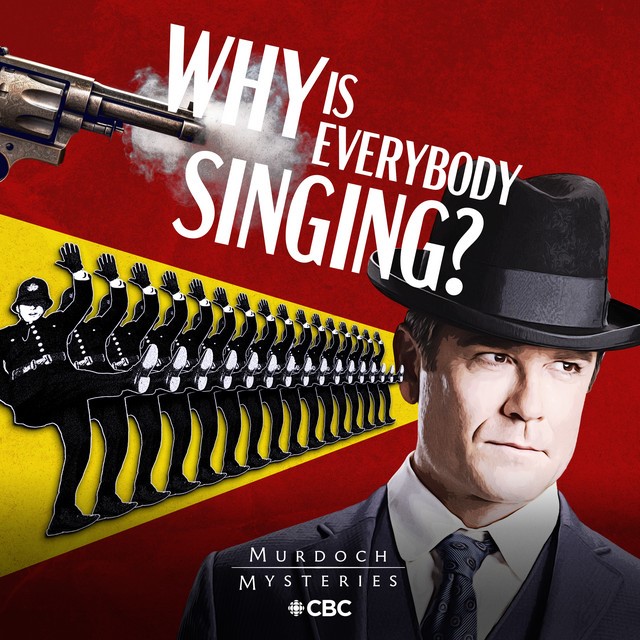
The first-ever musical episode of the CBC’s Murdoch Mysteries was a hit with just about everybody. The fans loved it. Bill Brioux of Brioux.tv called actor Thomas Craig’s big number, “Bloody Hell,” “bloody marvelous.” And on March 25, the night before the episode aired, JUNO Awards host Nelly Furtado even gave this melodic milestone, a special shout-out from the stage of Halifax’s Scotiabank Centre. The episode subsequently premiered on Alibi in the U.K. on April 4 and on Ovation in the U.S. on April 6. It will also air on Acorn in the U.S. soon.
Now everyone who was positively enchanted by “Why Is Everybody Singing?” can relive its meticulously orchestrated delights over and over again. The episode’s entire musical soundtrack—and then some—has been collected on a commemorative digital album distributed by The Orchard. The track list makes for a compulsively listenable, audio-only encore run through the episode’s clever plot, in which turn-of-the-century Detective William Murdoch (Yannick Bisson) gets shot in the head by a mysterious assailant and has to solve the crime while languishing in a coma. All he has to go on is the overheard musings of his worried colleagues—observations he’s now hearing entirely as show tunes.
The actors on the program all sang their own songs, which were written especially for the episode by scripter Paul Aitken. The digital album includes all 14 of those original numbers, plus a host of extras. There are eight tracks from composer/musical director Robert Carli’s original score, overlaid with character dialogue; a re-orchestrated version of the Murdoch Mysteries opening-credits theme song; a reprise of “Bloody Hell”; and some bonus behind-the-scenes interviews with the actors-turned-vocalists. It’s 40 minutes of pure listening joy that hits with the same impish charm poured into it by Jono Grant, who produced and arranged the songs, and Ron Proulx, producer of the soundtrack itself. Christina Jennings is executive producer.
Bringing “Why Is Everybody Singing?” to the air was the culmination of a process, and nobody had tried the approach on Canadian TV until Murdoch Mysteries used it as the premise of the 22nd episode of its 17th season. While a gutsy move on paper, having the Murdoch characters repeatedly break out into song was a logical enough step in its own way for the show, which has built up a fervent worldwide audience with its inherently quirky approach to the mystery genre.
Its concept and execution have made the program a favorite of viewers not just in its native Canada, but across the U.S., Australia the UK and Europe. Everywhere it’s shown, fans sit for multiple viewings of each adventure, even when they already know how it comes out.
And if you think watching it is a good time, just wait until you find yourself re-creating its musical highlights in the shower. Why is everybody singing? Bloody hell, how could we not?

Some things never go out of style, like having your heart broken and boozing away the pain. Vancouver country crooner Justin Mattock pulls up a barstool and aligns himself squarely with that proud tradition on his latest single, the irresistibly besotted “Where I Come to Drink.”
An instant classic of the tears-in-your-beer genre, the song chronicles the fallout of what Mattock has called “a goodbye that wasn’t meant to be permanent.”
“We had stories in this bottle/ Never time to take a sip,” our crestfallen narrator laments. “Black and white label and a colt cigar hanging off my bottom lip.” The picture painted and the stage duly set, his voice rises in righteous self-pity to let us know just what this night is going to entail.
I’ll break it out, have a couple, pour ‘em strong
Tonight’s gonna be one hell of a storm
‘Cause with this life away
From you and me
I took my time and space
Felt anything but free
There’s a hole in this Comfort 10 feet wide
What I wouldn’t do to see that look in your eyes
Forget those words you left in ink
This is where I come to drink
The sentiment is timeless, and so’s the sound. Everything from the arrangement to the instrumentation to the performance calls back to the best of country while signaling massive success in today’s marketplace – credit for which Mattock is eager to share with his session partners in crime. Produced by Dan Botch and Garrett Ward of The Renaissance, “Where I Come to Drink” fleshes out the singer-songwriter’s already-sturdy framework with authoritative drumming by Grady Saxman (Luke Combs) and nimble steel guitar from Travis Joy (Luke Byran).
“We had some of the best session players I’ve ever worked with on this song,” Mattock gushes. “The steel guitar solo is one of the coolest things we’ve done on one of my tracks.”
The overall effect is so authentic that it’s all the more remarkable this isn’t Mattocks’ first time at the image/identity rodeo. His history with the bands Chase Your Words and Woke Up Waiting (later Harbourside) plants his roots firmly in pop-punk (which you can hear more than a hint of in the wall of crunching electric guitars that gradually insinuates itself into the new track). But his emergence as a solo artist coincided with an unabashed reinvention as a country/pop/alternative crossover act. Suffice it to say that it worked: His debut single “By Your Side” (also produced by Ward and Botch) laid the foundation for a five-song run that had netted half a million streams by the time Mattock’s 2022 release “First Time” became a bona fide international breakout, rising to #4 on the UK Country charts. Follow-up “Seventeen” widened his geographic reach even further, lighting up country radio playlists across the U.S., Canada, the UK and Australia.
Yet as any corner-bar philosopher will tell you, the best-laid plans have a way of landing flat on their back on the saloon floor. Mattock ended up having to take an extended hiatus from music due to a serious health crisis that made it impossible for him to play or write for a solid two years. What you hear on the new single is the result of a long and determined crawl back to fighting form. And in marked contrast to the defeated soul he portrays in the tune, he’s utterly upbeat about the end result: “I could not be happier with how it turned out.”
Now that his health woes are behind him, Mattock is hoping to get back out on the road to play for his fans face-to-face—first at some smaller gigs, but ultimately leading up to big festival appearances. Here’s hoping it happens sooner rather than later. If “Where I Come to Drink” can be believed, he’s already had more than enough to cry about.
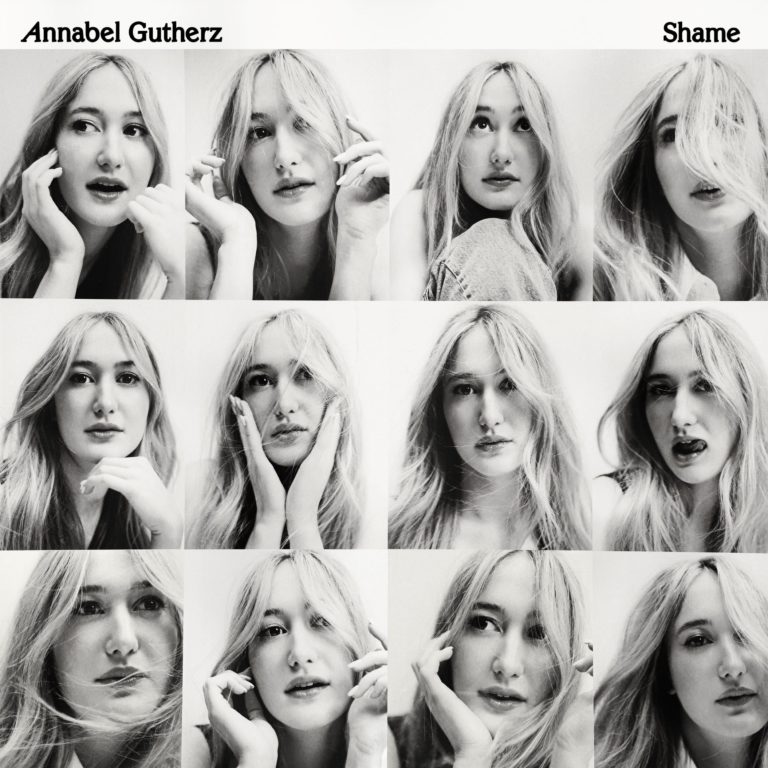
Canadian singer and songwriter Annabel Gutherz unveils her new single, “Shame,” out now. Following the success of her latest single, “Eclipse,” this new track continues to introduce listeners to Annabel’s unique blend of classic rock influences and modern pop sounds. “Shame” was co-written with and produced by Mikal Blue (OneRepublic, Jason Mraz, Colbie Caillat) and Bret “Epic” Mazur (Crazy Town, Prince, The Black Eyed Peas).
“Shame” is an open-hearted single about acknowledging and overcoming relationship insecurities. Underscored by full-bodied instrumentation, Annabel wields her sharp lyricism and sonorous vocals to explore anxiety, comparison, and self-doubt. She elaborates, “‘Shame’ is about the ruminations that can arise about your partner’s former relationships and the invasive fears that often emerge as a result.”
Born and raised in Montreal, Canada, Annabel Gutherz creates timeless music that speaks to the soul of what it means to be human. Characterized by her compelling storytelling, honeyed melodies, distinct vocals, and keen musical intuition, her songs take listeners on a heartfelt journey packed with raw honesty and emotional conviction.
Since the release of her 2021 album, Loose Ends, Annabel has continued to develop her sound by working with an array of esteemed collaborators, including Bleu McAuley (Selena Gomez, Demi Lovato, Jonas Brothers) and Bonnie Hayes (Bonnie Raitt, Bette Midler, David Crosby). Fiercely committed to her craft, Annabel graduated with a baccalaureate and master’s degree from Berklee College of Music. With her undeniable talent and more music in the works for 2024, Annabel is certainly an artist worth keeping on your radar.
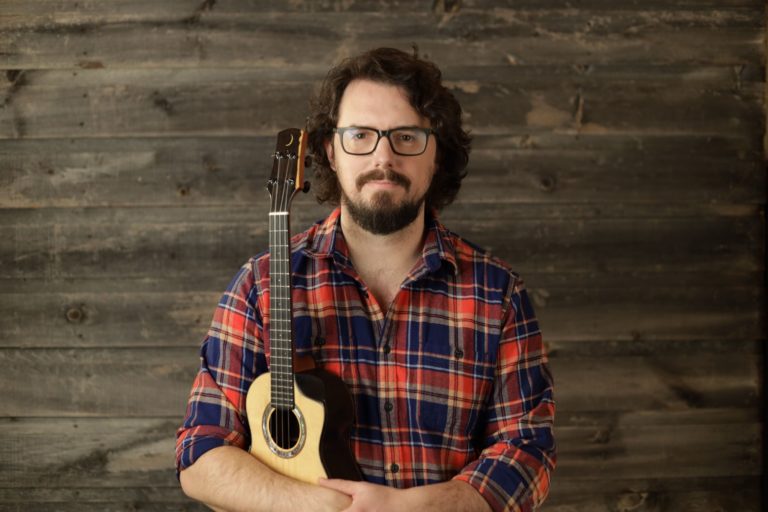
When one man honestly commits his emotions to record, that’s par for the musical course. But when he conscripts nearly 200 people to join him in it … well, you’re in for a lot of feelings.
And a lot of feelings is what we get on “Hearts On Fire,” a spotlight track from Brookfield, Nova Scotia-based singer/songwriter/ukulelist James Hill’s latest album, Uke Heads. Hill enlisted a legion of his friends and fans to appear with him on the record, with the new single as a particularly effective advertisement that an enormous collective can still convey the solitary sorrows and joys of an individual soul.
“‘Hearts On Fire’ is about feeling the feels,” Hill says. “Those gut-punching, skin-crawling, pupil-dilating moments that define us. When your blood runs hot, that’s it. That’s the feeling: Your heart is on fire.”
With lyrical references to everything from the George Floyd murder to the spiritual purity of dogs, the song paints those automatic responses he’s talking about in bold strokes:
Oh the mountain is high
I’m an eagle, I’m a stray bird
Hold me no more
I’m a lion, I’m a tamer
And a black sunrise
Comes over the blue-eyed hills
And my heart’s on fire
And my heart’s on fire
Still
Hill compares his music to that of The Black Keys and Jack White, but your ear isn’t off if it also locates this particular track in the tradition of Big Country and fun. And no matter how much you might think you hear a guitar on it—or anywhere on the 10-song album, for that matter—you don’t: It’s the sound of Hill’s baritone ukulele, overdriven to the point of distortion.
“Who needs six strings when four will do?” he muses.
Besides, it isn’t as if the album is lacking in strings anyway—or much of anything else. A truly crowdsourced piece of work, Uke Heads was assembled over the course of two years from contributions laid down by 175 players and singers from 15 countries. In May 2022, Hill invited anyone to perform with him on his new record, as long as they purchased one of his self-created pieces of digital art as a ticket. Participants attended monthly rehearsals, practiced their parts, then recorded themselves singing and playing. Hill then mixed the album himself, blending more than 100 layers of audio per song.
The result is less cluttered than simply diverse, ranging from uke-based riff rock to jazz to sound collage to psychedelia to epic singalongs. It’s a major milestone for Hill, whose 25-year career has included discography entries like 2011’s Man with a Love Song and 2014’s JUNO-nominated The Old Silo. Along the way, he’s also picked up a Canadian Folk Music Award. And now he may be standing on the precipice of an entire movement:
“Could Uke Heads grow beyond a community of album supporters into a lifestyle à la Dead Heads or Parrot Heads?” writer Nick Grizzle wondered in a recent issue of Ukulele Magazine. “For some, perhaps it already has.”

Break out your velvet couches, champagne flutes, and Soul Train swagger: Performance artist, musician and author John Orpheus brings back the golden age of get-down on his mood fixer of a new single, “Get Right!”
Like an urgent, time-traveling bulletin from an era when funk, punk and pop coexisted happily on the dancefloor, the new record finds the Trinidad-born, Toronto-based Orpheus applying his talent for musical shapeshifting to deliver a motivational sermon that’s nostalgically succinct:
If it feel right, jump on it
If it ain’t right, we don’t want it
If it ain’t right, we don’t get your money
Now what could be fairer than that? The rhythm section maintains a breezy bounce as Orpheus raps out his exhortations with a trebly delivery that harkens back to both 90s west-coast rap and the Funkadelic records they sampled. Meanwhile, the song’s melodic flow is kept at the forefront by the indispensable purring of female guest vocalist Elise LeGrow.
“‘Get Right!’ is about finding your swag, securing the bag and eating well,” Orpheus says. “It’s a party vibe with an old-school funk energy reminding you to get up, get down and get right. The goal is to dance and shake off whatever is holding you back from your best and baddest self.”
Asked to name the biggest influences on the song, Orpheus has a shortlist handy: “Rick James, Prince, Sly and the Family Stone, soul music, cognac and daddy issues.”
Come again?
“My brothers and I grew up mostly without my dad around, and we would go into the basement and play all his old music. That’s where we first heard funk and disco, and it was kinda our way of kicking it with our dad.”
The retro aesthetic is on full display in the accompanying music video by ace production house Moon Reel Media, which combines house-party antics with onscreen titles straight out of a circa-’73 grindhouse flick. That’s not to mention the canny wardrobe choices of Orpheus himself, who’s bound to receive some sort of Best Costuming award for his judicious use of a snorkel.
“Get Right!” is the title track to Orpheus’ forthcoming EP, due in June of this year. It’s the follow-up to his 2021 album Saga King, and like the single that’s preceded it, it revels in the decor of vintage R&B—specifically the oeuvre of George Clinton as filtered through a litany of ’90s homages – we mean you Dr. Dre. But its “whole-school” approach embraces the entire musical diaspora, holding space for everything from dancehall to Afrobeats.
Recorded over the course of just nine days at Copper Sound in Guelph, in collaboration with musical director Adam Bowman and producer Mike Schlosser, the record shows Orpheus’ affection for the past by emphasizing live instrumentation and real-time performance. “Making records the old-school way—playing instruments, vibing off each other in the same room, sharing the moment—is still a magical way to make music!” he enthuses.
With that attitude, it’s no surprise he’s in such demand as a live act. Whether appearing at festivals across Canada and the U.S. or opening for Liam Gallagher on a UK tour, he’s become known for rabble-rousing shows filled with audience participation, chanting and impromptu dance-offs that make his time on stage feel more like a Caribana road party than a simple concert.
When he isn’t tearing up studios and stages as John Orpheus, this tireless and multifaceted artist is giving vent to his literary alter ego, Antonio Michael Downing. Under that moniker, he’s published a well-received memoir, Saga Boy: My Life of Blackness and Becoming (Penguin Random House), written two children’s books and is hard at work on his debut novel, Black Cherokee (Simon and Schuster). But whatever the medium and whichever name he’s going by at any given moment, he’s comin’ at ya with the same sense of playful reclamation and joy. And that, at its core, is what “Get Right!” really means.
“My life right now is about being whole and happy and having a blast,” he says, “and this song says all those things to a beat.”

Stony Plain Records, under an exclusive worldwide license agreement from Repute Records, has released the new album from 2024’s “Best Traditional Blues Album” GRAMMY nominee and Blues/Roots music legend Eric Bibb, Live at The Scala Theatre. The disc follows 2023’s Ridin’, which has also received two Blues Music Award nominations from The Blues Foundation, whose winners will be announced May 9th in Memphis.
Eric Bibb also recently taped a performance at the SiriusXM Radio studios In New York City that will premiere on BB King’s “Bluesville” channel in April around his live album release, and then air shortly thereafter on “The Village.”
Performed in front of a live audience at Stockholm’s Scala Theatre in 2023, the atmosphere captured in these recordings is electric. Live at The Scala Theatre contains a selection of songs cherry-picked from Bibb’s history, infused with the folk and blues tradition with contemporary sensibilities. The performance features an all-star lineup of musicians including Eric’s longtime collaborator, musical director and producer Glen Scott on bass, keys, drums and backing vocals; Olle Linder on drums and acoustic bass; Johan Lindström on pedal steel and electric guitar; Christer Lyssarides on electric guitar and mandola; Esbjörn Hazelius on fiddle and cittern; Greger Andersson on harp; Lamine Cissokho on kora and vocals; special guest vocalists Sarah Dawn Finer, Rennie Mirro and Ulrika Bibb, as well as string arrangements by Erik Arvinder and David Davidson, performed by Hanna Helgegren and Sarah Cross on violins, Christopher Öhman on viola and Josef Ahlin on cello.
“The Live at The Scala concert was, without a doubt, the most ambitious gig and recording project of my career,” says Eric Bibb. “Captained by my super-talented friend, musical director and producer, Glen Scott and graced by an amazing array of musicians, the resulting album is one that defines me as an artist. I couldn’t be more pleased and eager to share it with you all.
“In selecting the album’s songs we wanted to cover three categories: 1)Tried and true fan favorites that had not appeared multiple times on previous live recordings; 2) A few songs from the recently released studio albums, Dear America and Ridin’; 3) At least one song that I’d never before recorded.
“Every song on the album holds a special place in my heart. I’ll elaborate on three of them: ‘Rosewood,’ which tells the story of the horrendous massacre in 1923, that wiped out the African American community of Rosewood in Florida, is both an important history lesson, particularly relevant today in the current climate of disunity in America and the world and hopefully, a story that encourages us to face and learn from our past. ‘Whole World’s Got The Blues’ is, in the way that songs can sometimes be, prescient. It is both a lament about the current state of the world and a warning. ‘Things Is ‘Bout Comin’ My Way,’ adapted from ‘Sittin’ On Top Of The World’ and written by Walter Vinson, is a bluesy affirmation that resonates with my own journey. And one of my fondest memories of that night at The Scala Theatre was being surrounded by the spirited singing, on stage and in the audience, of ‘Mole In The Ground.’“
With a career now spanning five decades, three Grammy nominations, a multitude of Blues Foundation awards and countless more accolades, Eric Bibb has secured his legacy as a legendary figure in the blues and roots genre.
As Eric reflects on his musical journey, gratitude pervades. Evolution is evident in his voice and guitar playing, with his words grounded in truth and fostering a vision of unity in a world filled with divisive rhetoric. Eric Bibb is more than a blues troubadour – he is a storyteller and philosopher. His legacy is not just in the notes he plays or the stages he graces but in the questions, he poses and the hope he instills.
Live at The Scala Theatre is a continuation of the vision that informs Bibb’s artistry as a modern-day Blues troubadour. Grounded in the folk and blues tradition with contemporary sensibilities, Bibb’s music continues to reflect his thoughts on current world events and his own lived experiences, whilst remaining entertaining, uplifting, inspirational and relevant.
Eric Bibb summarizes the new album by saying: “To all the wonderful players, singers and facilitators who contributed to this triumphant endeavor, I can only say, from the bottom of my heart:
Thank You! Merci Mille! Tusen Tack!”
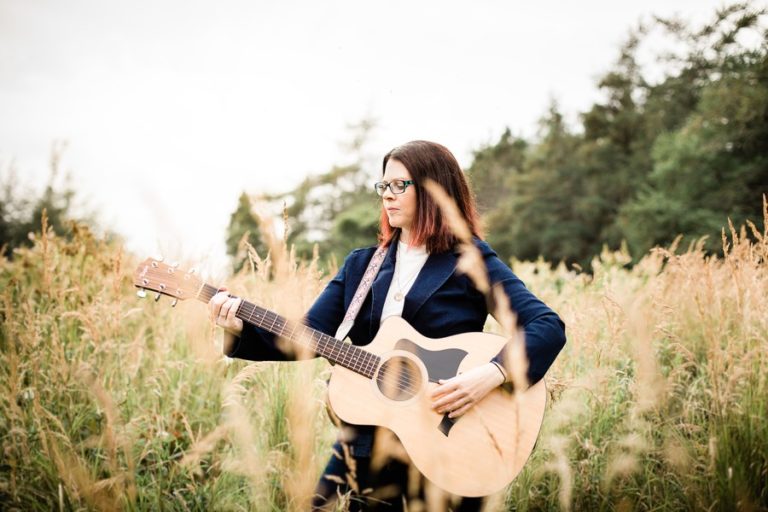
Every once in a while, you need to hear a friend say, “Just keep going.” Would that they could all do it with the priceless gift for melody Canadian country upstart Angie Bohlke brings to the subject on “Don’t Give In,” a musical wellspring of support that’s the latest single from her debut album, The Best Part of Me.
It’s impossible to remain unswayed by Bohlke’s sincerity as she implores a loved on to persevere and vows the result will be worth it. Imparting thoughtful coping strategies like “trust in yourself” and “think of something beautiful; a place you’ve never been,” she makes the emotional stakes plain on the song’s absolute haymaker of a chorus:
Don’t, don’t give up
Don’t give in
You will make it
Don’t give up, don’t give in
You will win, just reach for my hand
I will understand, but don’t give in
The exquisite balladry plays out at a stately pace, affording maximum breathing room for Bohlke to show off her impeccable tone, sustain and vibrato. That’s not to mention the clearly heartfelt quality of the words—which, like those on the rest of the album, reflect a period of personal growth in her own life that paid off in spades thanks to a determination to keep going at all costs.
“I, like many others, have struggled not only mentally but also emotionally,” Bohlke says. Among the many challenges she’s faced, she cites single motherhood and “coming to terms with my own sexuality” as merely two. But with the passage of time, she says, “I grew increasingly more aware of who I was. I focused more on my own needs and desires.”
And then?
“I found someone who helped me find my true self. I found true love. I found my strength. I found my way.”
This is clearly not someone who’s afraid to play the long game. And it’s been that way for Bohlke on the musical front too. Raised in Placentia, NL, she was performing in school and community concerts at a young age, taking her inspiration from musical muses like Dolly Parton, Patty Loveless and Kenny Rogers. Playing in cover bands was the next logical step. But writing her own songs remained purely a private exercise for a great many years—something she did to help her work through life’s ceaseless ups and downs.
That all changed when COVID hit in 2020, and she realized the secret stash of tunes she had amassed would make perfect fodder for a weekly series of Facebook concerts. Playing live every Saturday to the lockdown crowd exploded her reach on social media and put her career on an unmistakably upward trajectory.
“It was simply amazing,” she reflects. “The fan base that started to follow me has been supporting me ever since.”
The foundation was thus laid for Bohlke to release her first single, “True Love,” on Bandcamp the same year. She followed it in 2022 with the more widely disseminated “The One I Hold at Night,” then “Just One Look” in 2023. The capper was when her first full-length collection, the seven-song The Best Part of Me, dropped last November.
“The album comes just at the right time in my life when I am finally ready to share my experiences through my music,” Bohlke says. “From being in a dark place, to being a single mom, to not knowing who I truly was, to finally finding someone who somehow just put everything into perspective. And finally all the scattered pieces just fell into place.
“I think this album really is the best part of me.”
Along her path of self-actualization, she’s been able to seize a bunch of ancillary opportunities, like performing at the Live at Heart NL Global Music Showcase Sweden and participating in a province-wide tour of Newfoundland and Labrador arts and culture centres. She’s also been featured in the Voices of Placentia Songwriters Series. That’s all pretty good for someone who had sat on her original material for a decade—and the true yearnings of her heart for a good while longer. So when she says “Don’t Give In,” you can be sure she knows whereof she speaks.
Follow us on Instagram @thatericalper

Eric Alper is a 6-time nominee for Publicist of the Year during Canadian Music Week and has overseen the publicity campaigns for over 183 JUNO Award-nominated albums (and 16 in 2025), 45 Grammy-nominated albums, including 47 JUNO Award, 58 Canadian Folk Music Award, 126 Maple Blues Award-winning albums and is also truly honoured to work with some of the biggest and most important artists of our time.
Contact me: eric@thatericalper.com
© Copyright - That Eric Alper