Home Blog Page 185

Punk Supergroup YAKKIE Ignite “Rabbit’s Got The Gun” From ‘Kill The Cop Inside Your Head’

0

London-based DIY punk supergroup YAKKIE unleash “Rabbit’s Got The Gun,” a live-wire blast from their debut album ‘Kill The Cop Inside Your Head,’ out now. Recorded in one take, the track is a ferocious statement of resistance. It simmers, then detonates, driven by almighty riffage and protest-fuelled urgency. This is punk at full volume and full force.

“‘Rabbit’s Got The Gun’ is an uncompromising rager about resistance recorded in one live take. It’s about planning a strategy and surprising your enemy when they least expect it,” says vocalist and activist Janey Starling. That spirit runs through the entire record, captured live to reel-to-reel tape in four days at Middle Farm Studios with producer Peter Miles. No digital polish. Just raw power.

The album’s title track sets the ideological core. “This is a song against self-defeat,” Starling explains. Drawing on Augusto Boal’s concept of the “cop in the head,” she frames the record as a rallying cry against internalised oppression and political paralysis. The message is direct. Imagine a better world. Organise. Resist.

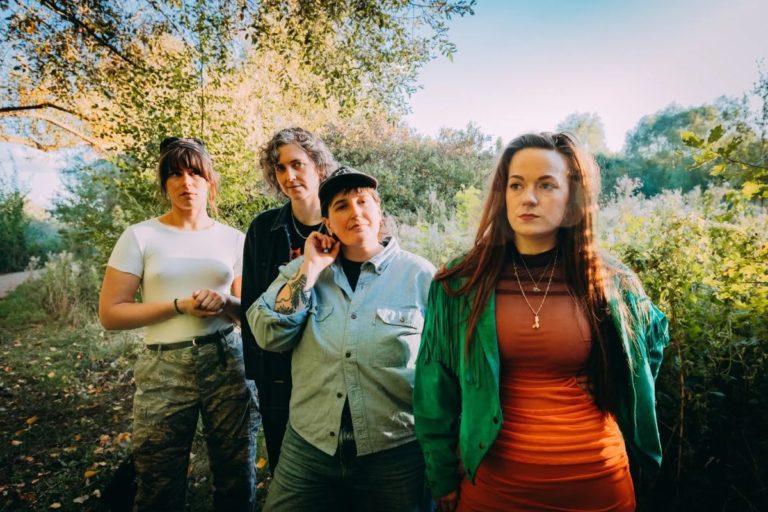
Starling, returning to the mic after focusing on anti-prisons activism, is joined by Robin Gatt, Laura Ankles and Maeve Westall. Together they build a hulking wall of sound, equal parts shredding guitars and thunderous rhythm. YAKKIE hit the road with Dead Pioneers, bringing that fury to stages across the UK.

SEE YAKKIE LIVE

w/ Dead Pioneers:

26-Feb-26 – Bristol – The Croft
27-Feb-26 – Manchester – Rebellion
28-Feb-26 – Leeds – Key Club
01-Mar-26 – London – Underworld
London Alt.Rock Firestarters Middleman Confront Nostalgia On Debut LP

0

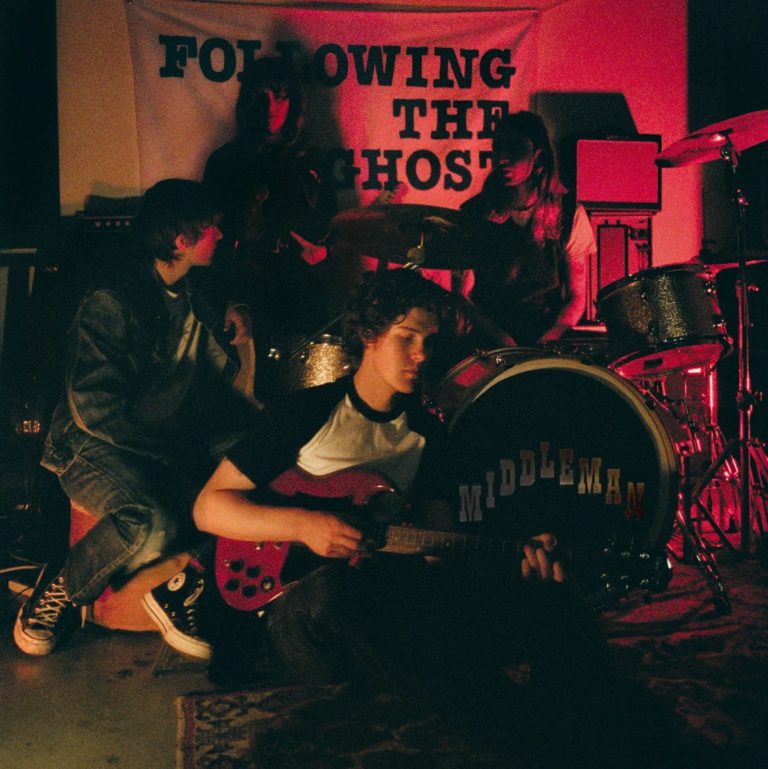
“It’s hard to find your way, following the ghost,” sings Noah Alves on the title track of Middleman’s debut album. The London DIY four-piece take aim at nostalgia and the weight of the past, interrogating how memory can stall forward motion. From the opening moments of “CSN,” driving riffs and pummelling drums frame a restless meditation on authenticity, myth and the pull of bygone eras.

“CSN” nods to Crosby, Stills and Nash while refusing to romanticize them. “Ideas about authenticity definitely crop up quite a lot,” Alves says. “And nostalgia too – looking at the past with a focus on how our perception of this can be distorted. I wouldn’t describe it as anti-nostalgia but more how nostalgia can be damaging when you feel like the best stuff is in the past and there’s nothing new and exciting to be done.” It is sharp, self-aware songwriting with bite.

Alves, Harper Maury, Rory White and Ted Foster channel the wiry assault of Mission of Burma, the melodic charge of The Replacements and the punch of Wipers, balanced by flashes of Big Star and Neil Young. The album moves between punk velocity and hook-laden craft. “CSN” explodes into blistering alt rock, “All But The Flame” surges with melodic lift, and “Distractions” barrels through two minutes of pure overdrive.

Recorded and mixed by Wayne Adams at Bear Bites Horse Recording Studio, the record captures a band in full stride. “We wanted to balance songs between more punky ones and slightly softer ones,” says Alves. Subtle tambourine, acoustic guitar and a collaborative writing process deepen the texture. The result is raw, immediate and fiercely alive, a debut that plants Middleman firmly in the present.

Welsh Electronic Visionary Max Avoidance Unleashes “Alone” And “Lightyear” Ahead Of Debut EP

0

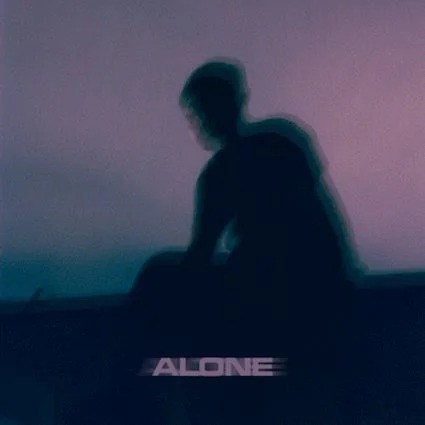
Max Avoidance is the electronic pop project of Welsh producer Hari Limaye, and he arrives with two immersive statements, “Alone” and “Lightyear.” Recorded between a storm-lashed family home on the Gower coast and his London studio, the tracks pulse with atmosphere. Darkwave textures, glitchy electronics and dream pop haze frame a project forged through upheaval and renewal.

Limaye once balanced medical school with composing scores for high fashion houses including Hermes, Calvin Klein and Coach, alongside projects for Kendall Jenner. Personal trials reshaped that trajectory. Years of rebuilding followed. Max Avoidance stands as the sound of emergence, a focused electronic identity shaped by lived experience and relentless craft.

“Being alone isn’t the same as being lonely, being centered in oneself isn’t the same as being self-centered,” Limaye says of “Alone.” Raised on The Cure, Magazine, Cocteau Twins, Joy Division and Siouxsie and the Banshees, he adds, “I wanted to write something that was a homage to them with a 21st century take on those sounds and out came Alone.” The result is brooding, propulsive and emotionally direct.

“Lightyear” stretches even further. “What if distance was a feeling? It would feel like Lightyear,” he explains. “We are all memories across space and time, and like everything in the universe, we will return to cosmic dust and regenerate in a timeless cycle.” Holed up in a candlelit house during a winter storm with Christian (OC Saint), Limaye captured that tension. The debut EP featuring “Alone,” “Lightyear” and “Poison” signals a bold new electronic voice.

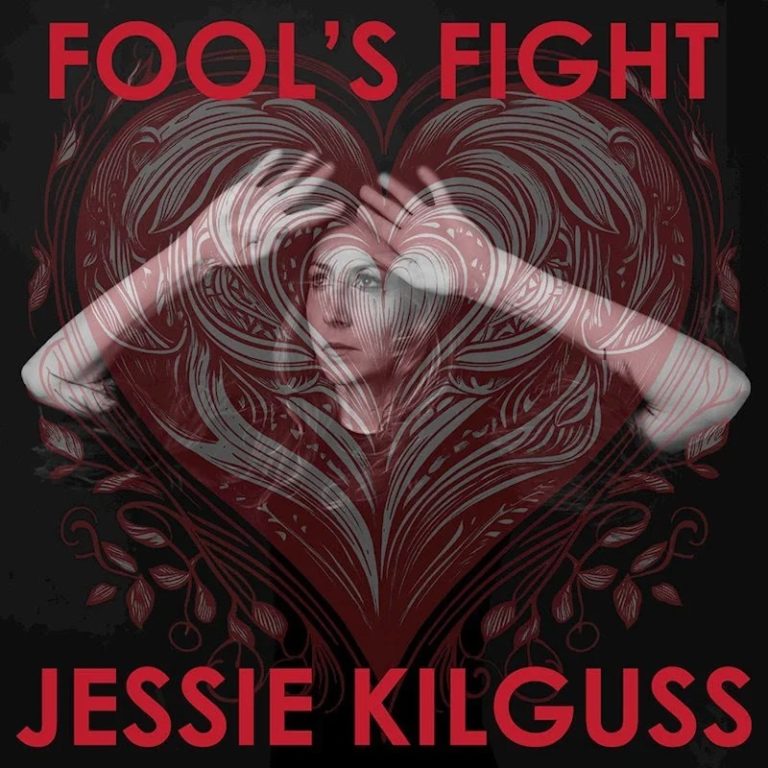
Indie Folk Auteur Jessie Kilguss Unveils “Fool’s Fight” From ‘They Have A Howard Johnson’s There’

0

NYC-based singer-songwriter Jessie Kilguss steps forward with “Fool’s Fight,” a sweeping indie-folk anthem drawn from her album ‘They Have A Howard Johnson’s There,’ out now. The track moves with emotional velocity, tracing the surrender to a love so immediate it feels cosmic. Guitar and voice anchor the song before it expands into something vast and luminous. It lands as a striking introduction to her sixth full-length.

Kilguss writes from a place where literature, cinema and memory intersect. “When I wrote ‘Fool’s Fight’, I was deeply ensconced in Elena Ferrante’s ‘Neapolitan Quartet’, which I loved! The song is slightly inspired by those books. As with any song it also relates to my own life but I like to let people project their own stories onto my songs, find their own meaning,” she says. The result is intimate yet wide open.

The album was engineered, produced, mixed and mastered by Charlie Nieland at Saturation Point Studios in Brooklyn. “I’ve been working on this album for the past year with producer Charlie Nieland, with whom I have been collaborating since 2007. We started every track with just voice and guitar and built them out from there,” Kilguss explains. That process shapes a record that grows from spare beginnings into layered, cinematic statements.

A longtime presence in New York songwriting circles, Kilguss surrounds herself with heavyweight collaborators including Kirk Schoenherr, John Kengla, Andrea Longato, Rob Heath, Dave Derby and Rembert Block. ‘They Have A Howard Johnson’s There’ also features the melancholic lead track “Howard Johnson’s” and the slow-burn revelation “St. Teresa in Ecstasy.” It is a bold, literary indie-folk statement that commands attention.

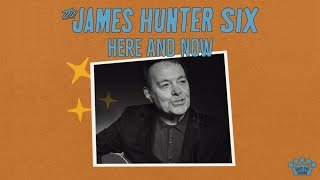
British Soul Master The James Hunter Six Glide Into “Here And Now” From ‘Off The Fence’

0

British soul institution The James Hunter Six unveil “Here And Now,” the luminous centerpiece from their album ‘Off The Fence,’ out now on Easy Eye Sound. The track moves with warmth and restraint, carried by Hunter’s lilting guitar and hushed vocal delivery. It is arguably the most beautiful moment on the record, a love song that feels suspended in time.

The story begins in New York. “I first got talking to Jessie at a gig I was playing in New York. A year later she came to a show in Wilmington. We struck up a friendship, stayed in contact and had our first date in Jamaica, NY after I had played in New York with Van Morrison,” Hunter says. A wedding detour, a borrowed window of time, and a looming flight home set the scene.

“She drove from her cousin’s wedding in New Jersey to meet me, and we hung out for a couple of days before I had to fly home,” he continues. “With perfect timing, just as I was reluctantly making my way to the departure gate, she threw herself at me from behind in a frantic rugby tackle. We embraced, and I saw a tear in her eye. I told her I loved her, something I’d never done on a first date. And I’ve felt that way ever since. This song’s about her.”

GRAMMY-nominated and hailed by MOJO as The United Kingdom’s Greatest Soul Singer, James Hunter marks four decades since his recording debut with ‘Off The Fence.’ The twelve-track collection also features the blues-charged “A Sure Thing” and the Van Morrison duet “Ain’t That A Trip.” Backed by Myles Weeks, Rudy Albin Petschauer, Andrew Kingslow, Michael Buckley and Drew Vanderwinckel, The James Hunter Six deliver timeless rhythm and soul with authority.

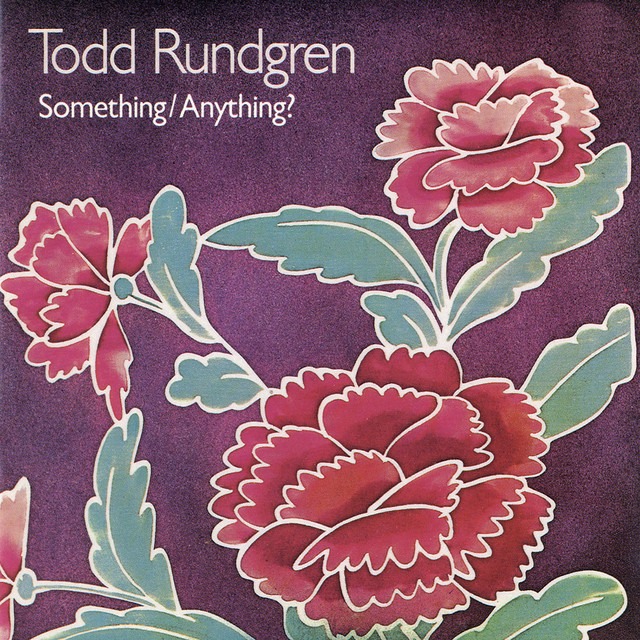
5 Unknown Facts Todd Rundgren’s ‘Something/Anything?’

Todd Rundgren’s 1972 double-album masterpiece, Something/Anything?, stands as a landmark of DIY recording and pure pop craftsmanship. As his first release under his own name, the project serves as a definitive showcase for Rundgren’s transition into an independent and experimental powerhouse. While the album reached number 29 on the Billboard 200 and launched massive hits like “Hello It’s Me” and “I Saw the Light,” the story behind its creation involves a mix of chemical inspiration, literal earthquakes, and an artist obsessed with total control.

The One-Man Band Experiment

Driven by a general dissatisfaction with studio musicians, Rundgren temporarily moved to Los Angeles to record nearly three-quarters of the double album entirely by himself. He played every instrument and sang every vocal part for the first three sides, often developing songs spontaneously as he recorded. Because he was a novice drummer at the time, he would hum the melody in his head to keep his place, and if he made a mistake, he would simply change the song to fit the error rather than fixing the drum part.

Chemical Creativity and 20-Minute Hits

Rundgren wrote the material for the album at an incredibly prolific rate, a feat he openly attributes to his use of Ritalin and cannabis. These stimulants allowed him to crank out songs at an incredible pace, leading him to write the hit “I Saw the Light” in just 20 minutes. He even admitted that some rhymes were simple moon/June/spoon patterns because the process was moving so quickly.

An Earthquake Forced a Change in Plans

After recording a massive amount of solo material in Los Angeles, a literal earthquake struck the city, prompting Rundgren to move the sessions back to New York City. To lighten the mood after the disaster, he decided to abandon his solo approach for the final quarter of the album. He held live-in-studio sessions with any musicians who happened to be nearby, including future stars like Rick Derringer and the Brecker Brothers.

The Improvised Success of “Hello It’s Me”

The album’s highest-charting single, “Hello It’s Me,” was a re-recording of a song from Rundgren’s former band, Nazz. Despite its eventual top-five success, the new version was rehearsed and recorded in under two hours during a loose live session. The iconic horn lines and backing vocals heard at the end of the track were completely improvised on the spot by the session players.

The Home Studio Advantage

Rundgren pushed the boundaries of 1970s technology by installing an 8-track recorder in his rented home in Nichols Canyon. This setup allowed him to conduct lengthy, solitary experiments with equipment like the Putney VCS3 synthesizer without wasting a professional studio’s time. Several tracks on the album, including “Breathless” and “One More Day (No Word),” were captured in this domestic environment, adding to the record’s intimate and authentic feel

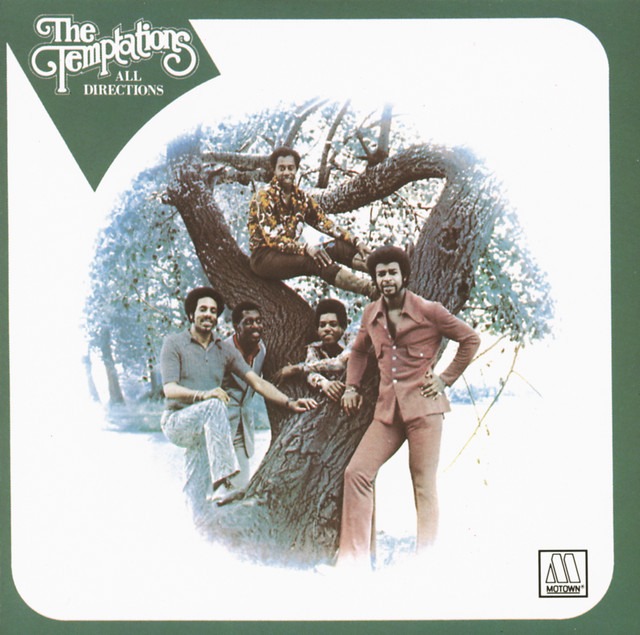
5 Surprising Facts About The Temptations’ ‘All Directions’

In 1972, The Temptations pushed the boundaries of R&B with the release of All Directions, an album that redefined their sound under the bold direction of producer Norman Whitfield. Reaching number two on the Billboard 200, it stands as the group’s most successful non-collaborative effort on the chart and secured their twelfth number one on the Top R&B Albums chart. While the record is anchored by the massive, 12-minute cinematic masterpiece “Papa Was a Rollin’ Stone,” the project was born out of intense creative friction and a complete departure from the group’s classic ballad roots.

The Song the Group Fought to Avoid

Despite its legendary status today, The Temptations fought tooth and nail against recording “Papa Was a Rollin’ Stone”. The group was convinced that the track and the All Directions album would flop, leaving them eager to return to their traditional ballad style found in hits like “My Girl”. They specifically disliked that producer Norman Whitfield’s complex instrumentation was receiving more emphasis than their own vocals.

A Case of Mistaken Dates and Personal Friction

A long-standing legend suggests lead singer Dennis Edwards was deeply upset by the song’s opening line about a father dying on the third of September. While the story claims his father died on that exact day, his father actually passed away on the third of October. Furthermore, Whitfield forced an increasingly frustrated Edwards to re-record his parts dozens of times to capture a specific bitter grumble, a grueling process that eventually contributed to Whitfield’s dismissal as their producer.

The Secret Length of a Classic

While the album sleeve for All Directions lists “Papa Was a Rollin’ Stone” at 11:45, the original vinyl version actually runs significantly longer. Due to an extended fade-out featuring sequential drum fills, the true original LP version reaches approximately 12:04. Most CD reissues and compilations use a shortened 11:45 edit, meaning the full 12-minute experience is primarily found on the original vinyl or the Psychedelic Soul compilation.

A Socially Conscious Struggle

The group also strongly resisted recording “Run Charlie Run,” a track dealing with the social phenomenon of white flight. The song required the members to repeatedly call out “the n***** are comin’!” using an affected Caucasian accent. This socially conscious Black power track represented the experimental and often uncomfortable territory Whitfield pushed the group toward during this era.

The Triple-Grammy “B-Side” Success

“Papa Was a Rollin’ Stone” was such a powerhouse that it secured three separate Grammy Awards in 1973, including one for its own B-side. While the Temptations won for Best R&B Performance by a Group, the instrumental version on the flip side—featuring only the Funk Brothers’ backing track—won Best R&B Instrumental Performance. This marked the last classic number one hit for the group and their final competitive Grammy win.

5 Surprising Facts About T Rex’s ‘The Slider’ 

Released at the peak of “T. Rextasy,” T. Rex’s 1972 masterpiece The Slider stands as the definitive glam rock document of its era. Following the massive success of Electric Warrior, Marc Bolan found himself leading the best-selling band in the UK, creating a record that reached number 4 on the British charts and cracked the US top 20. Bolan described the project as his own version of John Lennon’s Imagine, claiming the songs allowed him to be truly frank and truthful about himself for the first time.

The Tax-Evading Recording Sessions

On the personal recommendation of Elton John, the majority of the album was recorded at Strawberry Studios in Chateau d’Hérouville, France. This move was purely a strategic decision to avoid heavy British taxation laws at the time. Producer Tony Visconti recalled that despite the immense pressure to create a blockbuster, the late-night sessions fueled by French wine resulted in scintillating tracks that made the stress worthwhile.

The Disputed Ringo Starr Photography

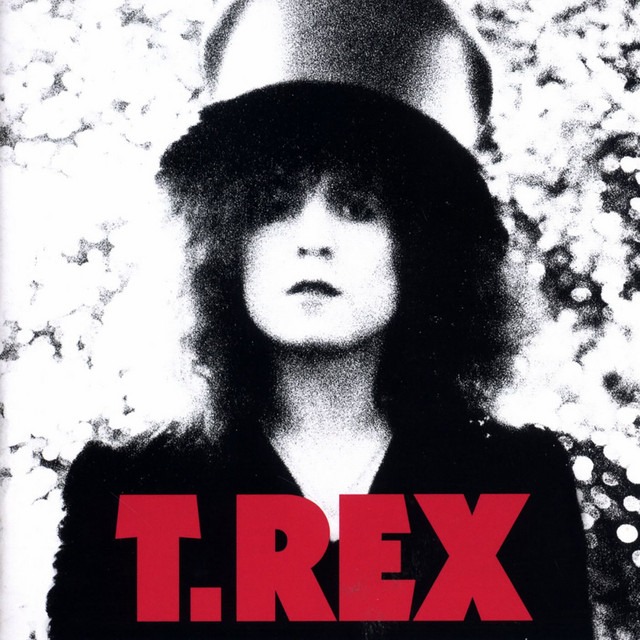
While the album credits Beatles drummer Ringo Starr with the front and back cover photographs, the actual origin of the images is a point of contention. Tony Visconti claims he actually took the photos with Bolan’s Nikon camera while Starr was busy directing the concert film Born to Boogie. According to Visconti, Bolan simply saw a photo credit opportunity and attributed the work to Ringo to add celebrity allure to the packaging.

A God Without a Telephone

The hit single “Metal Guru” was described by Bolan as a festival of life song centered on a godhead figure. In a bizarrely specific religious interpretation, Bolan mused that if God truly existed, he would be completely alone and would not even own a telephone. This reflected Bolan’s own growing reclusiveness at the time, as he admitted he had begun using secret codes for his own phone calls.

The Dark Inspiration for “Telegram Sam”

The titular character of the number-one hit “Telegram Sam” was allegedly based on Bolan’s manager, Tony Secunda. The lyrics celebrate Secunda as Bolan’s main man,”a title that reportedly referred to his dual role as both the band’s manager and their narcotics supplier. The song became the first release on Bolan’s own T. Rex Wax Co. label, cementing his transition into an independent artist.

The Accidental Slash Connection

Despite years of speculation from fans, the iconic top hat worn by Slash was not influenced by the cover of The Slider. While the T. Rex album features Marc Bolan in a similar silhouette, the Guns N’ Roses guitarist has explicitly stated that the record had nothing to do with the origin of his signature look. The grainy, black-and-white image remains a legendary rock visual, but its link to the GNR legend is purely a coincidence of style.

5 Unknown Facts About Stevie Wonder’s ‘Talking Book’

Stevie Wonder’s fifteenth studio album, Talking Book, arrived in October 1972 as a definitive landmark in music history. This record serves as the official start of Wonder’s “classic period,” a time when he secured greater artistic freedom from Motown and head Berry Gordy. Moving away from his image as a youthful prodigy, Wonder embraced an experimental sound defined by funky synthesizers and the revolutionary Hohner Clavinet. The album achieved massive commercial and critical heights, peaking at number three on the Billboard Top LPs chart and earning Wonder his very first Grammy Awards.

The Accidental Title

The album name originated from a simple observation in the studio. Associate producer Malcolm Cecil noticed the difficulty Wonder had in selecting which songs to include from his massive collection of new material. Cecil joked that the project was becoming an album rather than a “talking book”. Wonder loved the suggestion and agreed to make Talking Book the official title.

A Secret Braille Message

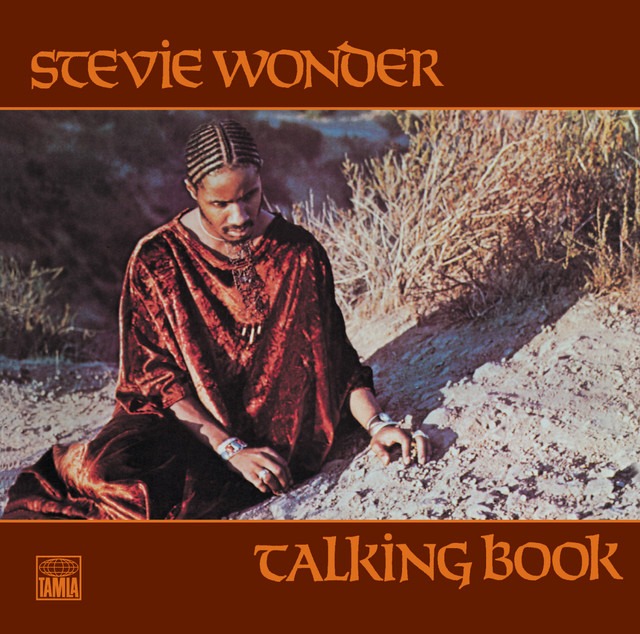
The original packaging for the album featured Stevie Wonder’s name and the title embossed in braille. Hidden within the gatefold was a personal message that remained exclusive to braille readers until the album’s reissue in 2000. The text reads: “Here is my music. It is all I have to tell you how I feel. Know that your love keeps my love strong”.

The Deal with Jeff Beck

The creation of the hit Superstition involved a unique deal with legendary guitarist Jeff Beck. Beck agreed to play on the Talking Book sessions in exchange for Wonder writing him a song. During a session, Beck came up with a drum beat, and Wonder improvised the iconic Clavinet riff on the spot. While Beck was originally supposed to release his version first, Berry Gordy insisted Wonder release it as a single to ensure it became a massive hit.

The Famous Opening Vocals

Despite being a Stevie Wonder staple, the famous first two lines of You Are the Sunshine of My Life are not actually sung by Wonder. The opening honors go to Jim Gilstrap, followed by Lani Groves singing the next two lines. Wonder eventually enters the track after his guest vocalists set the stage for what became his first number-one hit on the Easy Listening chart.

A Presidential First

Talking Book holds a special place in American political history as a personal milestone for a future leader. Former US President Barack Obama has identified the record as the first album he ever purchased. This connection highlights the broad cultural impact of the album, which helped destroy the myth that R&B artists could not create music appreciated by wide rock audiences.

5 Surprising Facts About Steely Dan’s ‘Can’t Buy a Thrill’

Steely Dan’s 1972 debut, Can’t Buy a Thrill, arrived as a masterclass in stylistic fusion, blending soft rock, pop, and jazz with the band’s signature philosophical lyrics. Recorded at the Village Recorder in Los Angeles, the album was a major commercial success, peaking at number 17 on the US charts and eventually achieving platinum status. While it launched massive hits like “Do It Again” and “Reelin’ In the Years,” the project was also a period of transition for the band’s lineup and vocal identity.

The Lead Singer Who Wasn’t Fagen

While Donald Fagen eventually became the unmistakable voice of the band, he originally had concerns about singing lead. This led the group to recruit David Palmer, who provided lead vocals for several tracks on the album, including the soulful “Dirty Work”. It was not until the recording of their second album that producer Gary Katz and the band convinced Fagen to step into the full-time role of lead vocalist.

A Title Inspired by Dylan

The album’s title, Can’t Buy a Thrill, carries a literary nod to a folk legend. The phrase is a direct reference to the opening line of the Bob Dylan song “It Takes a Lot to Laugh, It Takes a Train to Cry”. This choice reflects the band’s deep appreciation for elliptical and poetic songwriting traditions.

Jimmy Page’s Favorite Guitar Solo

The second single from the album, “Reelin’ In the Years,” features a blistering guitar solo by Elliot Randall that was famously captured in just one take. Led Zeppelin’s Jimmy Page eventually named this his favorite guitar solo of all time, reportedly scoring it a 12 out of 10. The performance was so impactful that Guitar World readers later ranked it as one of the top 40 best solos in music history.

The Banned Cover Art

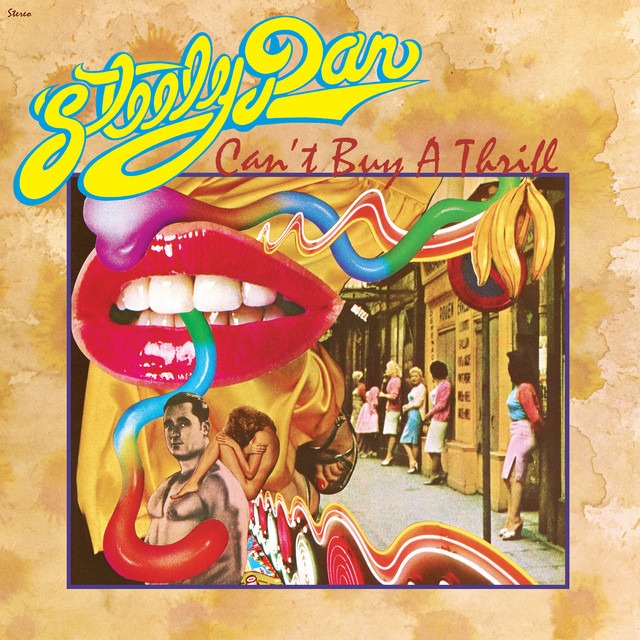
The original album cover featured a provocative photomontage by Robert Lockart, including images of prostitutes in Rouen, France, to represent the thrill mentioned in the title. Because of this imagery, the cover was actually banned in Francoist Spain and had to be replaced by a standard photograph of the band in concert. Interestingly, Becker and Fagen later looked back on the artwork critically, jokingly calling it one of the most hideous covers of the decade.

Hidden Political Allusions

Despite its upbeat soft rock sound, the track “Fire in the Hole” contains a sharp reference to the political climate of the late 1960s. The title uses a phrase common among American soldiers in Vietnam, while the lyrics allude to students—including Becker and Fagen themselves—who evaded the military draft. This blend of radio-friendly melodies with heavy, real-world themes became a hallmark of the band’s songwriting.