Home Blog Page 187

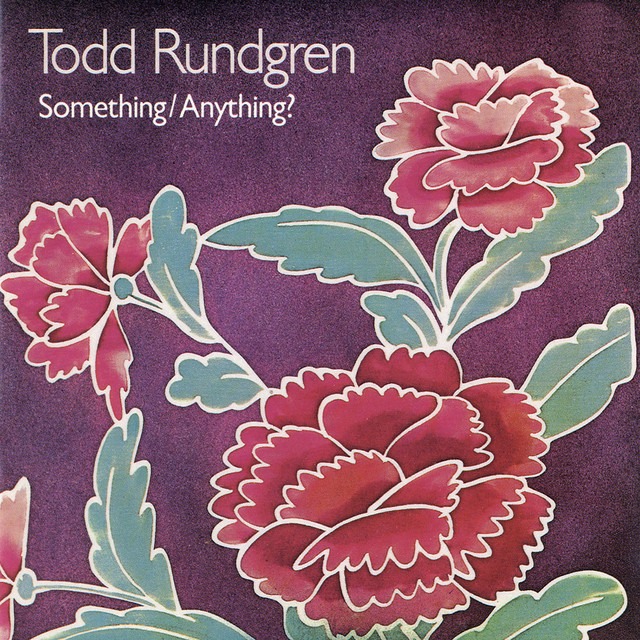
5 Unknown Facts Todd Rundgren’s ‘Something/Anything?’

Todd Rundgren’s 1972 double-album masterpiece, Something/Anything?, stands as a landmark of DIY recording and pure pop craftsmanship. As his first release under his own name, the project serves as a definitive showcase for Rundgren’s transition into an independent and experimental powerhouse. While the album reached number 29 on the Billboard 200 and launched massive hits like “Hello It’s Me” and “I Saw the Light,” the story behind its creation involves a mix of chemical inspiration, literal earthquakes, and an artist obsessed with total control.

The One-Man Band Experiment

Driven by a general dissatisfaction with studio musicians, Rundgren temporarily moved to Los Angeles to record nearly three-quarters of the double album entirely by himself. He played every instrument and sang every vocal part for the first three sides, often developing songs spontaneously as he recorded. Because he was a novice drummer at the time, he would hum the melody in his head to keep his place, and if he made a mistake, he would simply change the song to fit the error rather than fixing the drum part.

Chemical Creativity and 20-Minute Hits

Rundgren wrote the material for the album at an incredibly prolific rate, a feat he openly attributes to his use of Ritalin and cannabis. These stimulants allowed him to crank out songs at an incredible pace, leading him to write the hit “I Saw the Light” in just 20 minutes. He even admitted that some rhymes were simple moon/June/spoon patterns because the process was moving so quickly.

An Earthquake Forced a Change in Plans

After recording a massive amount of solo material in Los Angeles, a literal earthquake struck the city, prompting Rundgren to move the sessions back to New York City. To lighten the mood after the disaster, he decided to abandon his solo approach for the final quarter of the album. He held live-in-studio sessions with any musicians who happened to be nearby, including future stars like Rick Derringer and the Brecker Brothers.

The Improvised Success of “Hello It’s Me”

The album’s highest-charting single, “Hello It’s Me,” was a re-recording of a song from Rundgren’s former band, Nazz. Despite its eventual top-five success, the new version was rehearsed and recorded in under two hours during a loose live session. The iconic horn lines and backing vocals heard at the end of the track were completely improvised on the spot by the session players.

The Home Studio Advantage

Rundgren pushed the boundaries of 1970s technology by installing an 8-track recorder in his rented home in Nichols Canyon. This setup allowed him to conduct lengthy, solitary experiments with equipment like the Putney VCS3 synthesizer without wasting a professional studio’s time. Several tracks on the album, including “Breathless” and “One More Day (No Word),” were captured in this domestic environment, adding to the record’s intimate and authentic feel
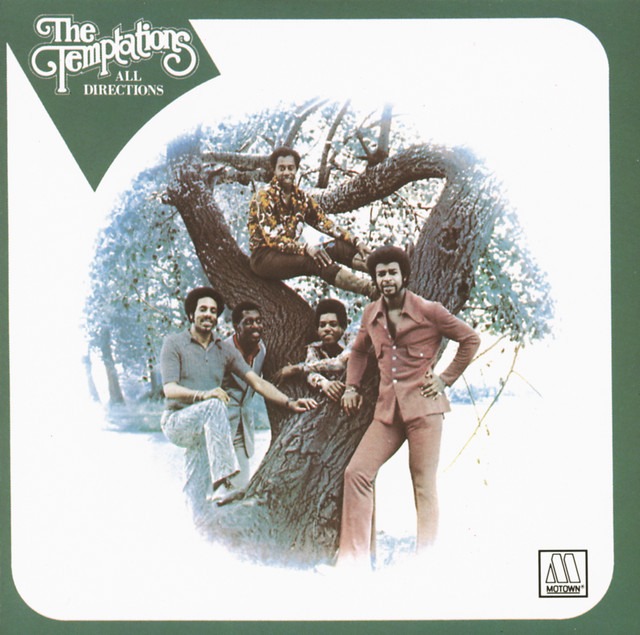
5 Surprising Facts About The Temptations’ ‘All Directions’

In 1972, The Temptations pushed the boundaries of R&B with the release of All Directions, an album that redefined their sound under the bold direction of producer Norman Whitfield. Reaching number two on the Billboard 200, it stands as the group’s most successful non-collaborative effort on the chart and secured their twelfth number one on the Top R&B Albums chart. While the record is anchored by the massive, 12-minute cinematic masterpiece “Papa Was a Rollin’ Stone,” the project was born out of intense creative friction and a complete departure from the group’s classic ballad roots.

The Song the Group Fought to Avoid

Despite its legendary status today, The Temptations fought tooth and nail against recording “Papa Was a Rollin’ Stone”. The group was convinced that the track and the All Directions album would flop, leaving them eager to return to their traditional ballad style found in hits like “My Girl”. They specifically disliked that producer Norman Whitfield’s complex instrumentation was receiving more emphasis than their own vocals.

A Case of Mistaken Dates and Personal Friction

A long-standing legend suggests lead singer Dennis Edwards was deeply upset by the song’s opening line about a father dying on the third of September. While the story claims his father died on that exact day, his father actually passed away on the third of October. Furthermore, Whitfield forced an increasingly frustrated Edwards to re-record his parts dozens of times to capture a specific bitter grumble, a grueling process that eventually contributed to Whitfield’s dismissal as their producer.

The Secret Length of a Classic

While the album sleeve for All Directions lists “Papa Was a Rollin’ Stone” at 11:45, the original vinyl version actually runs significantly longer. Due to an extended fade-out featuring sequential drum fills, the true original LP version reaches approximately 12:04. Most CD reissues and compilations use a shortened 11:45 edit, meaning the full 12-minute experience is primarily found on the original vinyl or the Psychedelic Soul compilation.

A Socially Conscious Struggle

The group also strongly resisted recording “Run Charlie Run,” a track dealing with the social phenomenon of white flight. The song required the members to repeatedly call out “the n***** are comin’!” using an affected Caucasian accent. This socially conscious Black power track represented the experimental and often uncomfortable territory Whitfield pushed the group toward during this era.

The Triple-Grammy “B-Side” Success

“Papa Was a Rollin’ Stone” was such a powerhouse that it secured three separate Grammy Awards in 1973, including one for its own B-side. While the Temptations won for Best R&B Performance by a Group, the instrumental version on the flip side—featuring only the Funk Brothers’ backing track—won Best R&B Instrumental Performance. This marked the last classic number one hit for the group and their final competitive Grammy win.

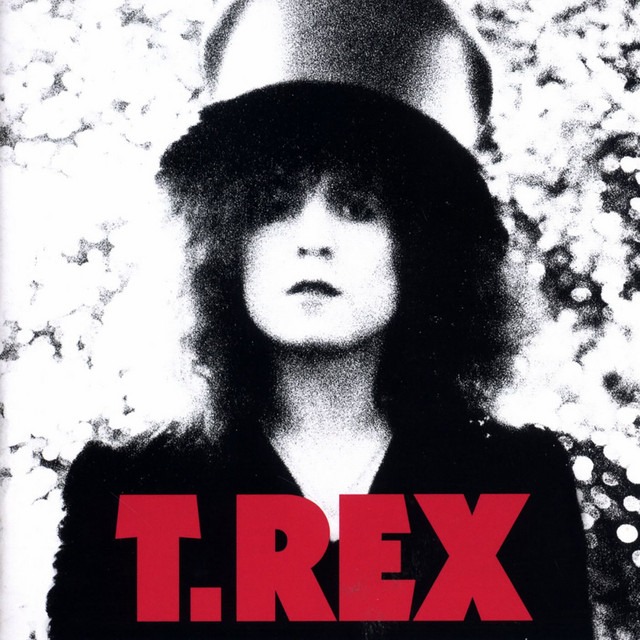
5 Surprising Facts About T Rex’s ‘The Slider’ 

Released at the peak of “T. Rextasy,” T. Rex’s 1972 masterpiece The Slider stands as the definitive glam rock document of its era. Following the massive success of Electric Warrior, Marc Bolan found himself leading the best-selling band in the UK, creating a record that reached number 4 on the British charts and cracked the US top 20. Bolan described the project as his own version of John Lennon’s Imagine, claiming the songs allowed him to be truly frank and truthful about himself for the first time.

The Tax-Evading Recording Sessions

On the personal recommendation of Elton John, the majority of the album was recorded at Strawberry Studios in Chateau d’Hérouville, France. This move was purely a strategic decision to avoid heavy British taxation laws at the time. Producer Tony Visconti recalled that despite the immense pressure to create a blockbuster, the late-night sessions fueled by French wine resulted in scintillating tracks that made the stress worthwhile.

The Disputed Ringo Starr Photography

While the album credits Beatles drummer Ringo Starr with the front and back cover photographs, the actual origin of the images is a point of contention. Tony Visconti claims he actually took the photos with Bolan’s Nikon camera while Starr was busy directing the concert film Born to Boogie. According to Visconti, Bolan simply saw a photo credit opportunity and attributed the work to Ringo to add celebrity allure to the packaging.

A God Without a Telephone

The hit single “Metal Guru” was described by Bolan as a festival of life song centered on a godhead figure. In a bizarrely specific religious interpretation, Bolan mused that if God truly existed, he would be completely alone and would not even own a telephone. This reflected Bolan’s own growing reclusiveness at the time, as he admitted he had begun using secret codes for his own phone calls.

The Dark Inspiration for “Telegram Sam”

The titular character of the number-one hit “Telegram Sam” was allegedly based on Bolan’s manager, Tony Secunda. The lyrics celebrate Secunda as Bolan’s main man,”a title that reportedly referred to his dual role as both the band’s manager and their narcotics supplier. The song became the first release on Bolan’s own T. Rex Wax Co. label, cementing his transition into an independent artist.

The Accidental Slash Connection

Despite years of speculation from fans, the iconic top hat worn by Slash was not influenced by the cover of The Slider. While the T. Rex album features Marc Bolan in a similar silhouette, the Guns N’ Roses guitarist has explicitly stated that the record had nothing to do with the origin of his signature look. The grainy, black-and-white image remains a legendary rock visual, but its link to the GNR legend is purely a coincidence of style.

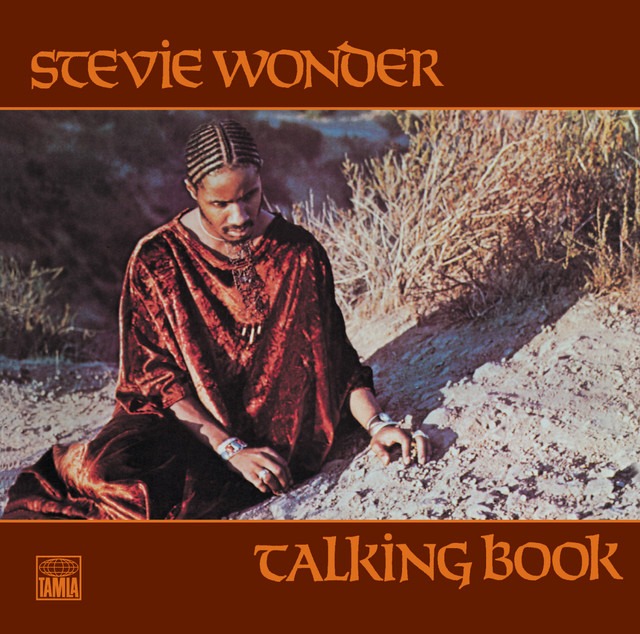
5 Unknown Facts About Stevie Wonder’s ‘Talking Book’

Stevie Wonder’s fifteenth studio album, Talking Book, arrived in October 1972 as a definitive landmark in music history. This record serves as the official start of Wonder’s “classic period,” a time when he secured greater artistic freedom from Motown and head Berry Gordy. Moving away from his image as a youthful prodigy, Wonder embraced an experimental sound defined by funky synthesizers and the revolutionary Hohner Clavinet. The album achieved massive commercial and critical heights, peaking at number three on the Billboard Top LPs chart and earning Wonder his very first Grammy Awards.

The Accidental Title

The album name originated from a simple observation in the studio. Associate producer Malcolm Cecil noticed the difficulty Wonder had in selecting which songs to include from his massive collection of new material. Cecil joked that the project was becoming an album rather than a “talking book”. Wonder loved the suggestion and agreed to make Talking Book the official title.

A Secret Braille Message

The original packaging for the album featured Stevie Wonder’s name and the title embossed in braille. Hidden within the gatefold was a personal message that remained exclusive to braille readers until the album’s reissue in 2000. The text reads: “Here is my music. It is all I have to tell you how I feel. Know that your love keeps my love strong”.

The Deal with Jeff Beck

The creation of the hit Superstition involved a unique deal with legendary guitarist Jeff Beck. Beck agreed to play on the Talking Book sessions in exchange for Wonder writing him a song. During a session, Beck came up with a drum beat, and Wonder improvised the iconic Clavinet riff on the spot. While Beck was originally supposed to release his version first, Berry Gordy insisted Wonder release it as a single to ensure it became a massive hit.

The Famous Opening Vocals

Despite being a Stevie Wonder staple, the famous first two lines of You Are the Sunshine of My Life are not actually sung by Wonder. The opening honors go to Jim Gilstrap, followed by Lani Groves singing the next two lines. Wonder eventually enters the track after his guest vocalists set the stage for what became his first number-one hit on the Easy Listening chart.

A Presidential First

Talking Book holds a special place in American political history as a personal milestone for a future leader. Former US President Barack Obama has identified the record as the first album he ever purchased. This connection highlights the broad cultural impact of the album, which helped destroy the myth that R&B artists could not create music appreciated by wide rock audiences.

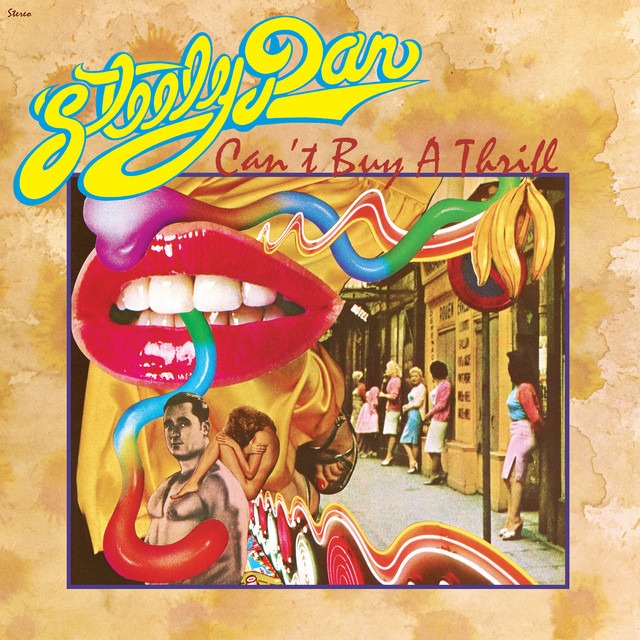
5 Surprising Facts About Steely Dan’s ‘Can’t Buy a Thrill’

Steely Dan’s 1972 debut, Can’t Buy a Thrill, arrived as a masterclass in stylistic fusion, blending soft rock, pop, and jazz with the band’s signature philosophical lyrics. Recorded at the Village Recorder in Los Angeles, the album was a major commercial success, peaking at number 17 on the US charts and eventually achieving platinum status. While it launched massive hits like “Do It Again” and “Reelin’ In the Years,” the project was also a period of transition for the band’s lineup and vocal identity.

The Lead Singer Who Wasn’t Fagen

While Donald Fagen eventually became the unmistakable voice of the band, he originally had concerns about singing lead. This led the group to recruit David Palmer, who provided lead vocals for several tracks on the album, including the soulful “Dirty Work”. It was not until the recording of their second album that producer Gary Katz and the band convinced Fagen to step into the full-time role of lead vocalist.

A Title Inspired by Dylan

The album’s title, Can’t Buy a Thrill, carries a literary nod to a folk legend. The phrase is a direct reference to the opening line of the Bob Dylan song “It Takes a Lot to Laugh, It Takes a Train to Cry”. This choice reflects the band’s deep appreciation for elliptical and poetic songwriting traditions.

Jimmy Page’s Favorite Guitar Solo

The second single from the album, “Reelin’ In the Years,” features a blistering guitar solo by Elliot Randall that was famously captured in just one take. Led Zeppelin’s Jimmy Page eventually named this his favorite guitar solo of all time, reportedly scoring it a 12 out of 10. The performance was so impactful that Guitar World readers later ranked it as one of the top 40 best solos in music history.

The Banned Cover Art

The original album cover featured a provocative photomontage by Robert Lockart, including images of prostitutes in Rouen, France, to represent the thrill mentioned in the title. Because of this imagery, the cover was actually banned in Francoist Spain and had to be replaced by a standard photograph of the band in concert. Interestingly, Becker and Fagen later looked back on the artwork critically, jokingly calling it one of the most hideous covers of the decade.

Hidden Political Allusions

Despite its upbeat soft rock sound, the track “Fire in the Hole” contains a sharp reference to the political climate of the late 1960s. The title uses a phrase common among American soldiers in Vietnam, while the lyrics allude to students—including Becker and Fagen themselves—who evaded the military draft. This blend of radio-friendly melodies with heavy, real-world themes became a hallmark of the band’s songwriting.

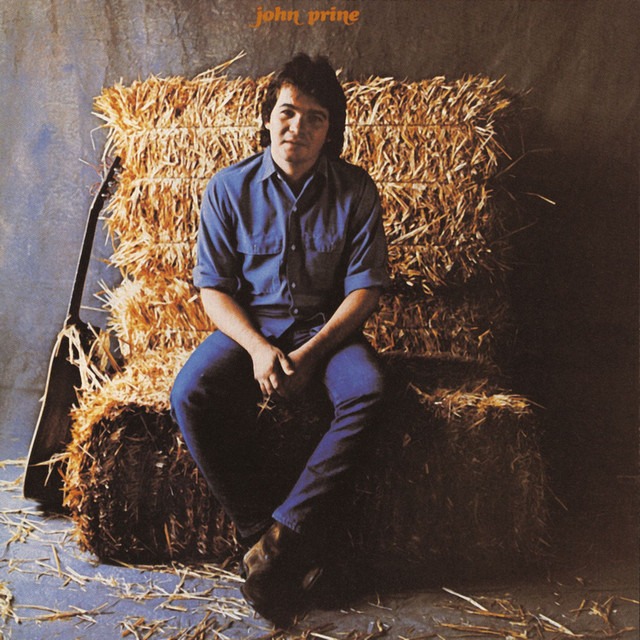
5 Surprising Facts About John Prine’s Self-Titled Debut Album

John Prine’s 1971 debut album arrived as a stunning collection of vignettes that redefined the landscape of American songwriting. Ranking at number 149 on Rolling Stone’s 500 Greatest Albums of All Time as of 2020, this record introduced a voice that combined profound empathy with a sharp, observant wit. While critics and fellow musicians like Kris Kristofferson immediately recognized his genius, Prine himself was a young mail carrier from Illinois who suddenly found himself recording with legendary session players in Memphis. The result is a timeless document of the human condition, capturing everything from the quiet isolation of aging to the heavy toll of conflict.

Terrified in the Studio

Recording his debut was an intimidating leap for Prine, who went from playing solo sets to performing with Elvis Presley’s rhythm section. He admitted to being “terrified” during the sessions at American Sound Studios in Memphis while he was still learning how to sing. The seasoned session musicians were initially thrown by his nasally delivery and folk-poet style, with one percussionist comparing the difficult session work to “milking a dag-blasted dog”.

The Real Story Behind “Illegal Smile”

Despite becoming a massive anthem for the counterculture, Prine clarified that “Illegal Smile” is not actually about smoking dope. He composed the song to describe his unique view of the world, where he found himself smiling at things that others might miss. He eventually stopped offering disclaimers during live shows because the song had become such a beloved staple for his fans.

A Meaningful Title Change for “Sam Stone”

One of the most devastating tracks on the album, “Sam Stone,” originally carried the title “Great Society Conflict Veteran’s Blues”. The song provides a vivid look at a veteran’s struggle with addiction, using the line “he popped his last balloon” as a direct reference to how street heroin was packaged at the time. Prine’s lyrics offered a powerful narrative on the “Soldiers Disease” that affected many returning from overseas.

From Newspaper Routes to “Hello In There”

Prine wrote the poignant “Hello In There” at just 22 years old, drawing inspiration from his days as a paperboy. He delivered newspapers to a Baptist old people’s home where residents would often pretend he was a visiting relative. This experience stayed with him, leading him to write the song as a tribute to senior citizens and a reminder to offer a simple “hello” to those experiencing isolation.

The Reluctant “Hick” on the Cover

The iconic album cover features Prine sitting on a bale of straw, but the singer later joked that he had never actually sat on one in his entire life. He initially suggested being photographed on a bus, but the photographer chose the rural setting instead. Prine quipped that the photographer must have seen a “hick” in him that was trying to get out.

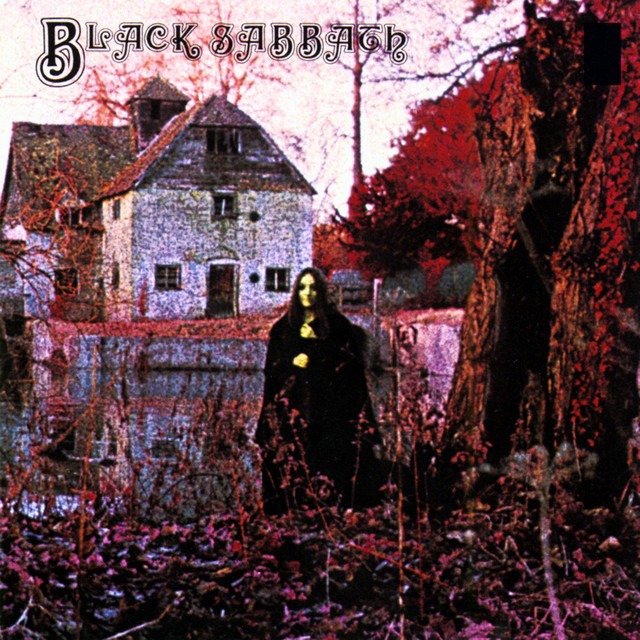
5 Surprising Facts About Black Sabbath’s Self-Titled Album

When Black Sabbath stepped into Regent Sounds Studios in 1969, they weren’t just recording a debut; they were terraforming the musical landscape into something darker, heavier, and far more sinister. Released on Friday the 13th in February 1970, ‘Black Sabbath’ is widely hailed as the first true heavy metal album, a record that transformed the bleak industrial nightmare of Birmingham into a thunderous sonic reality. Despite the initial cold shoulder from critics, the album’s massive commercial success and enduring “cult” influence proved that the world was ready for a sound that found gravity in mournful singing and a sinister rhythmic pulse.

The 12-Hour Masterpiece

Believe it or not, the foundational document of heavy metal was recorded in a single 12-hour session on October 16, 1969. The band essentially played their live set straight through with virtually no overdubs, and Ozzy was tucked away in a separate vocal booth so they could capture everything at once. Tony Iommi recalled that the band actually thought a whole day was a long time to spend in the studio before heading off to a £20 gig in Switzerland the next morning.

The Secret Behind the “N.I.B.” Title

For decades, fans have debated whether the song title “N.I.B.” was a cryptic abbreviation for “Nativity in Black,” but the truth is much more lighthearted. According to Ozzy Osbourne, the title was actually a reference to drummer Bill Ward’s pointed goatee at the time. The band thought his facial hair looked exactly like a fountain pen-nib, and the nickname simply stuck to the track.

A Literal Sheet Metal Sound

Tony Iommi’s legendary heavy tone was born from a tragic accident at a sheet metal factory that severed the tips of two of his fingers. To keep playing, he crafted false fingertips out of a dish detergent bottle and used lighter banjo strings to make bending easier. This forced him to rely on heavy fifth chords and a wilder, looser style that inadvertently created the blueprint for the metal riff.

The Mystery Woman of Mapledurham

The eerie, foreboding figure on the album’s cover was a model named Louisa Livingstone, shot at the Mapledurham Watermill in the freezing cold at 4:00 AM. The photographer used a smoke machine and dry ice to capture the “horrible presence” the band wanted, but her identity remained a mystery to the public for 50 years until 2020. Interestingly, Livingstone eventually moved away from the occult vibes of the cover and released her own electronic music.

The Accidental Inverted Cross

Inside the original gatefold sleeve, fans were greeted by a large inverted cross containing a poem—a design choice the band didn’t even know was happening. This inclusion, added by the design team without the group’s input, fueled decades of rumors that the band were genuine Satanists or occultists. While the band was reportedly upset by the unwanted imagery, it certainly helped cement their “dangerous” reputation in the eyes of the public.

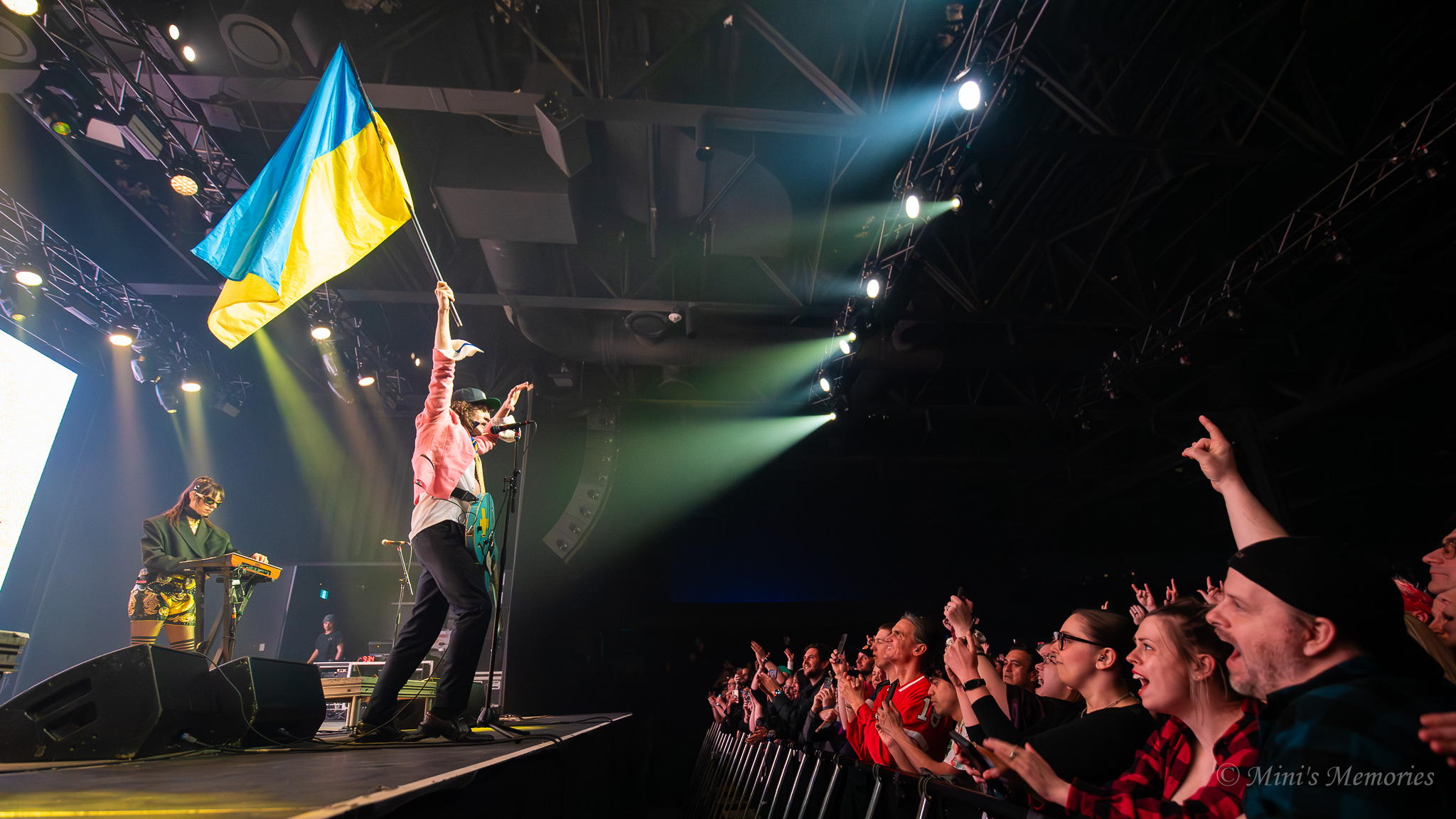
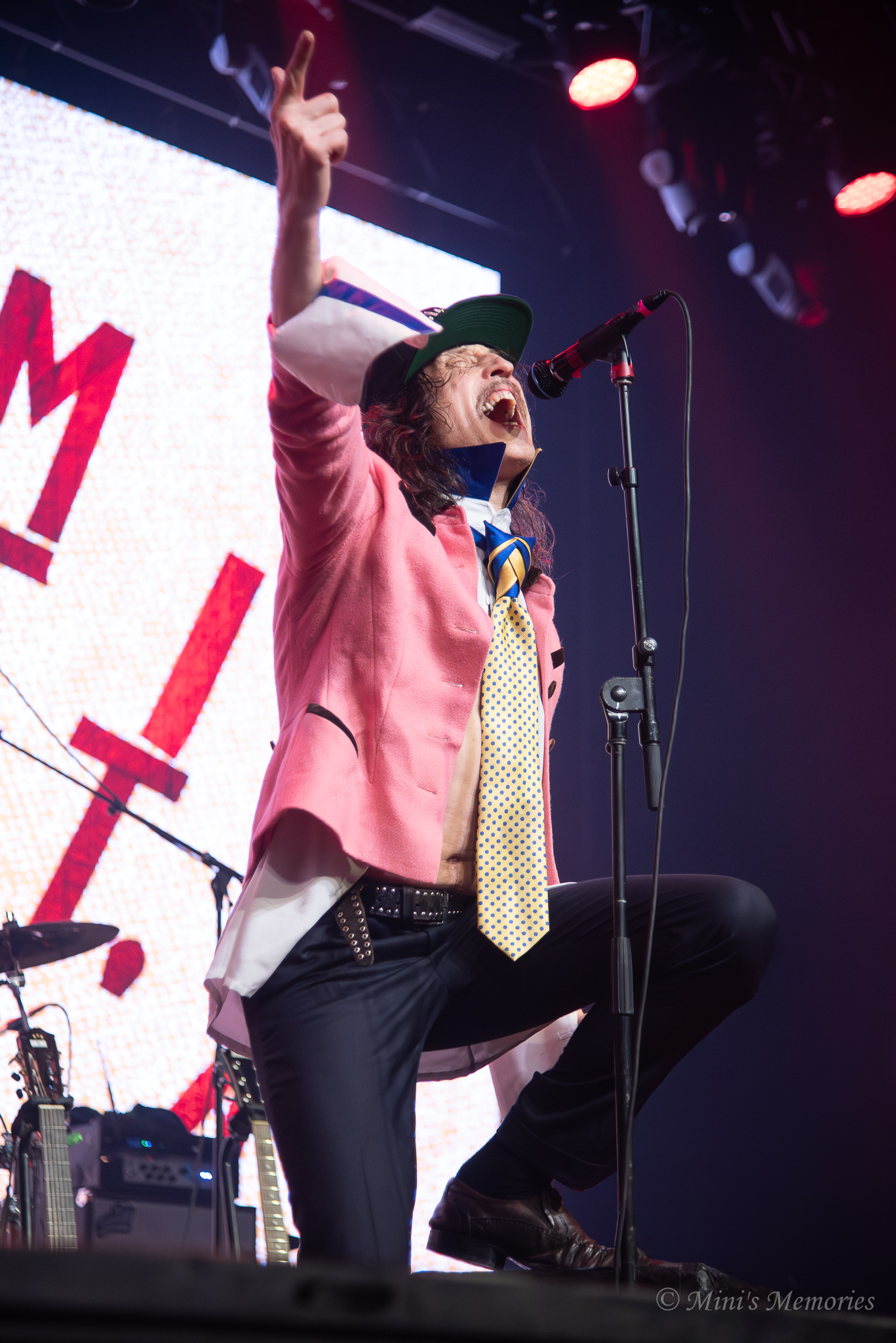
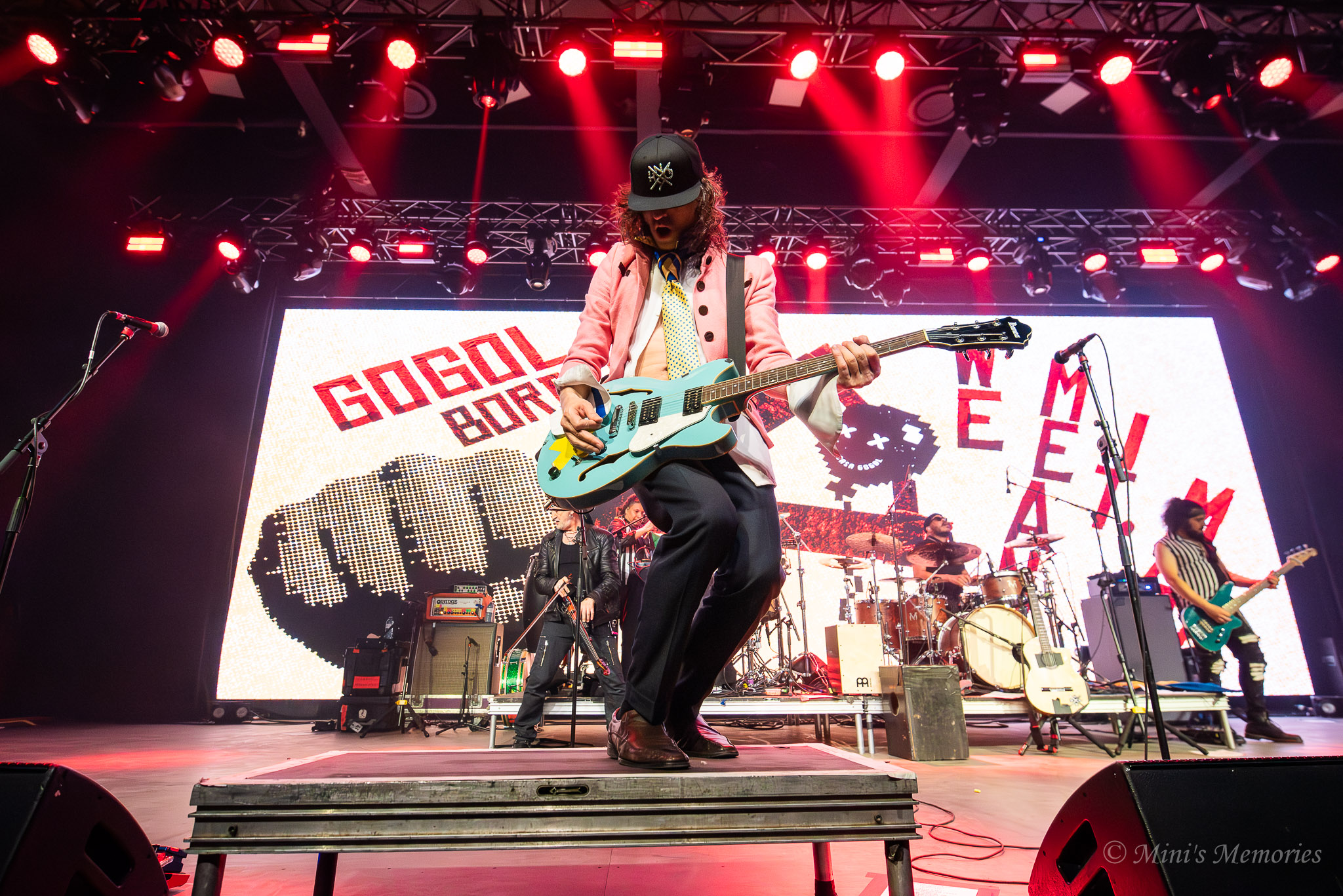
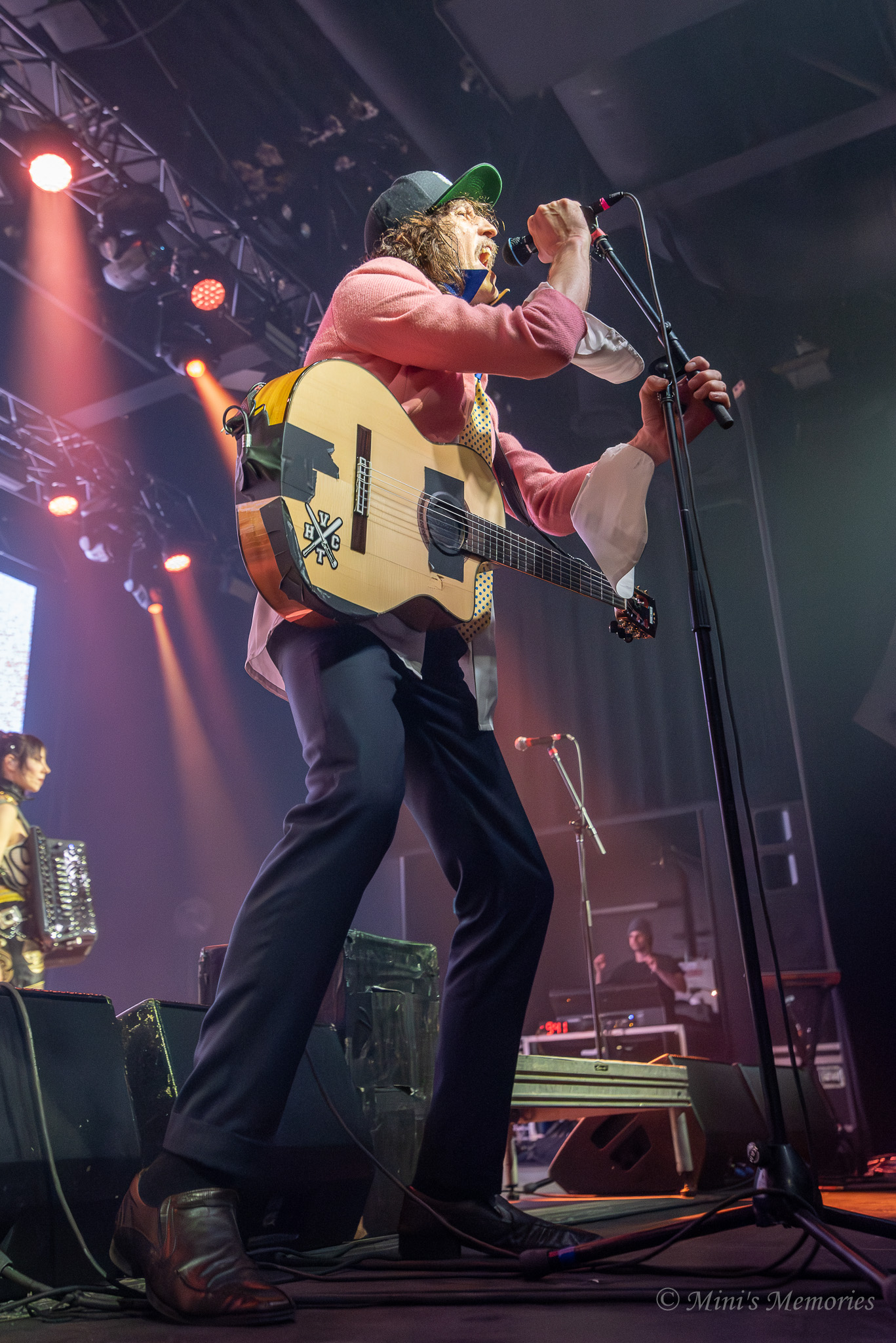
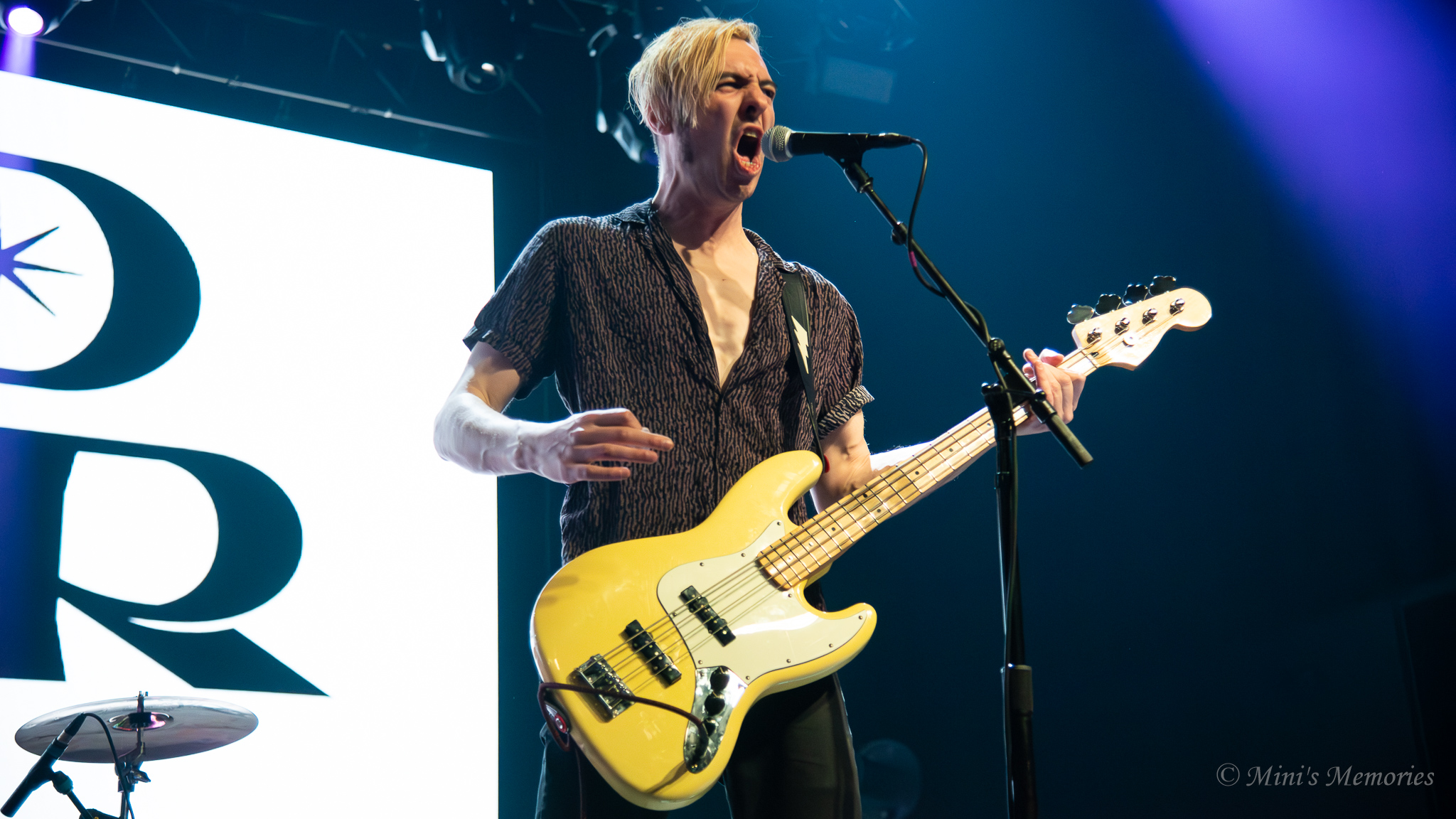
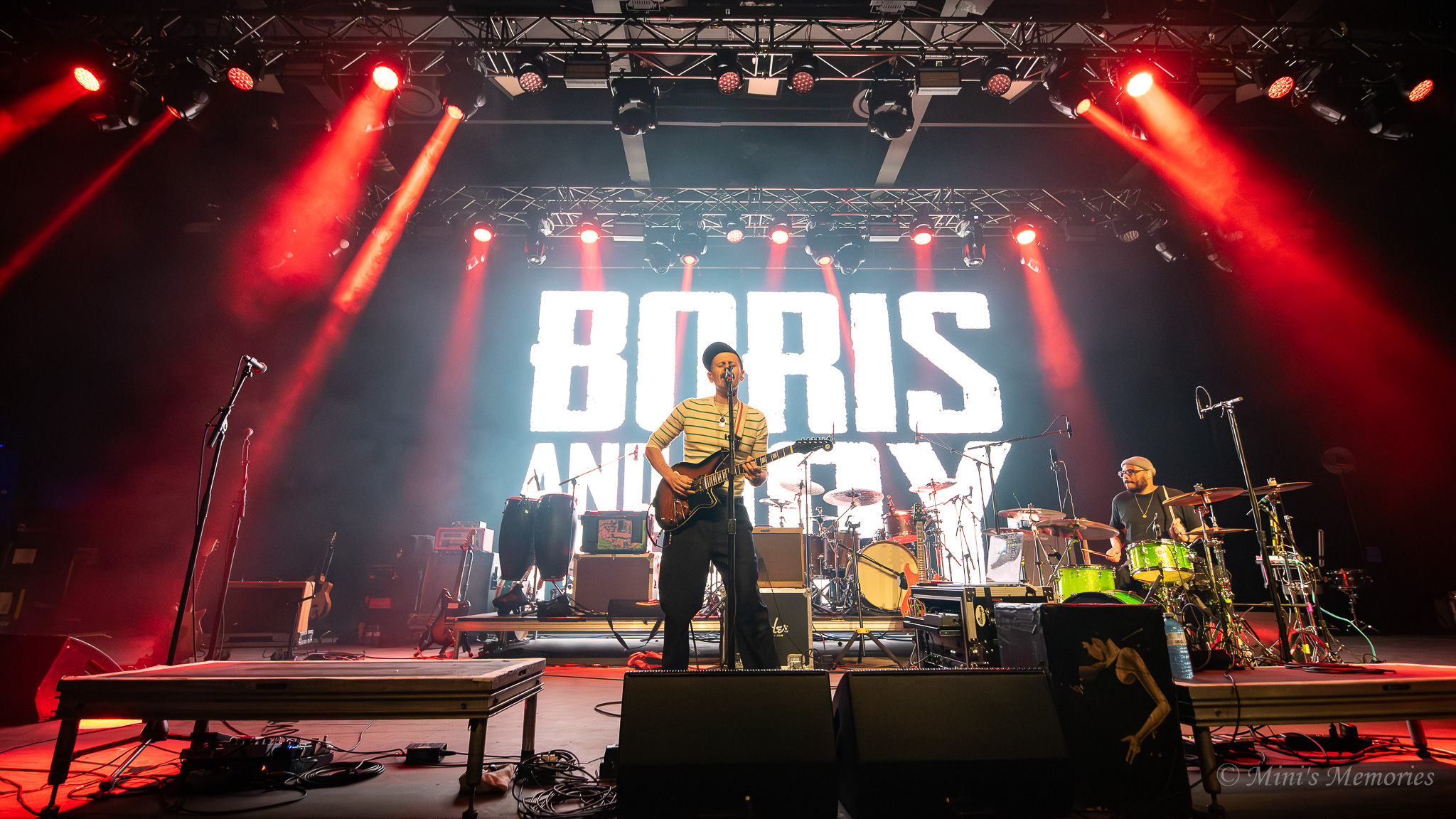
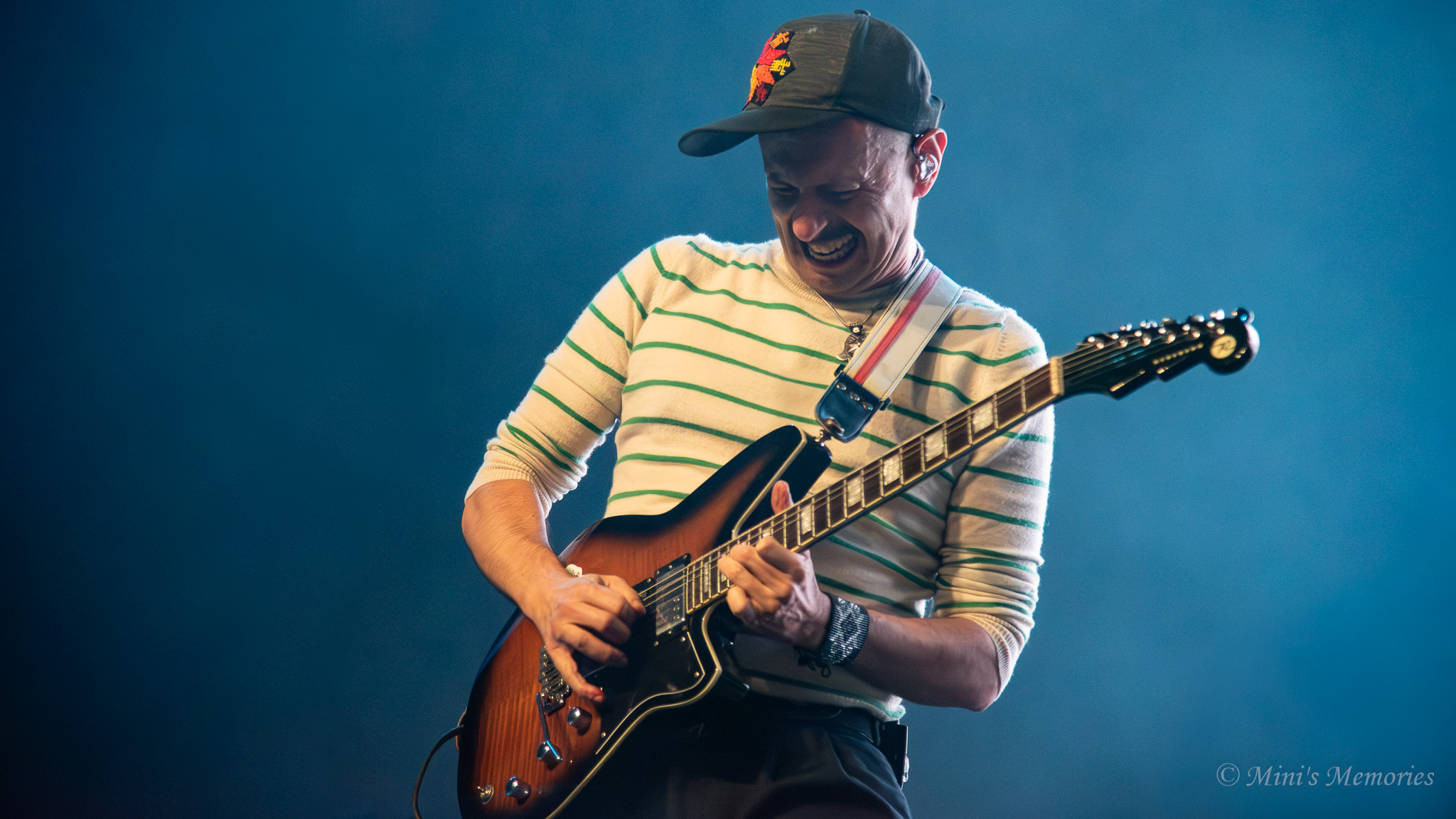
Photo Gallery: Gogol Bordello, Puzzled Panther, And Boris and the Joy at Toronto’s History on February 20, 2026

0

All photos by Mini’s Memories. You can contact her through Instagram or X.

The Celtic Tenors Reimagine Ed Sheeran’s “Perfect Symphony” With Bilingual Elegance and Irish Soul Ahead of Canadian Tour

0

The Celtic Tenors – Ireland’s internationally celebrated vocal trio – have released their stirring rendition of “Perfect Symphony,” out now through Slammin’ Media and Believe Distribution. Captured live at The Empire Theatre in Belleville, Ontario, the performance transforms Ed Sheeran’s modern classic into an intimate crossover experience that showcases the group’s signature ability to bridge contemporary songcraft with timeless Irish folk sensibility. The single arrives as the second preview of their forthcoming album ‘The Celtic Tenors: Live at The Empire Theatre,’ marking an exciting new chapter for founding member Matthew Gilsenan, alongside Daryl Simpson BEM and dynamic new tenor George Hutton.

What makes this interpretation particularly compelling is the trio’s bold artistic choice to weave Italian lyrics throughout the arrangement, creating a bilingual love letter that flows seamlessly between languages. “Baby, I’m dancing in the dark with you between my arms / Barefoot on the grass, listening to our favourite song,” the tenors sing in English before transitioning to the Italian verse, “Ballo con te, nell’oscurità, stretti forte e poi / A piedi nudi noi, dentro la nostra musica.” This cross-cultural approach expands the song’s romantic narrative while honouring The Celtic Tenors’ classical crossover roots and their commitment to bringing diverse musical traditions into conversation.

The arrangement itself is a masterclass in restraint and sophistication. Recorded in a single take during their live performance, the track strips away modern production embellishments in favor of organic Irish folk instrumentation and the crystalline harmonies that have defined The Celtic Tenors’ sound across two decades and more than one million albums sold worldwide. Supporting the trio are music director Colm O’Regan at grand piano, Darren Bell on guitars and mandolin, John O’Brien on pipes, whistles, and bouzouki, and Cecilia Leahy on violin. The result is a version that feels both expansive and deeply personal – an invitation to experience the song’s emotional core in an entirely new setting. For producers and music supervisors seeking romantic content that transcends genre boundaries, this rendition offers rare versatility, equally at home in wedding playlists or at-home listening.

Matthew Gilsenan, the Kells, County Meath native whose emotive tenor has captivated audiences from New York to Shanghai, brings his characteristic storytelling warmth to the performance. Daryl Simpson BEM – whose British Empire Medal recognises his dedication to peace and reconciliation through music – adds his operatically trained power and nuanced artistry. George Hutton, the Derry-born tenor whose collaborations have ranged from Hozier to legendary Irish composer Phil Coulter, infuses the trio with fresh energy and contemporary sensibility. Together, their three distinctive voices create what fans have come to know as “one unforgettable Tenor Sound.”

The timing of this release positions The Celtic Tenors at the intersection of multiple exciting developments. Their new PBS television special – which began airing across the United States in late November 2025 on stations from WNET in New York to KVCR in Los Angeles – continues to introduce them to expanded American audiences throughout early 2026. An extensive North American tour launches in February with dates across the Northeast United States and Canada, including stops in Pennsylvania, New York, Maine, New Hampshire, and Ontario.

The Celtic Tenors’ ability to fill venues ranging from intimate arts centers to grand concert halls speaks to their broad appeal across adult contemporary, classical crossover, and Celtic music audiences—demographics that have propelled them to over 6 million streams on Spotify and 676,000 plays on Apple Music.

As audiences prepare to experience “Perfect” reimagined through an Irish lens, The Celtic Tenors continue to demonstrate why they’ve remained vital voices in global music for over two decades. Their commitment to excellence, infectious joy for performance, and deep respect for musical tradition creates concerts that audiences describe as “evenings to savor.” This single offers a taste of that magic, captured in real time and ready to create new moments of connection, romance, and genuine emotion. With ‘The Celtic Tenors: Live at The Empire Theatre’ set for release on March 20, 2026, and a full tracklist featuring everything from the heartfelt intimacy of “Grace” to the lively spirit of “Galway Girl,” the trio is poised for their most significant year yet.

2026 NORTH AMERICAN TOUR DATES:

February 19, 2026 – Esplanade Arts and Heritage Centre, Medicine Hat, AB

February 20, 2026 – Jeanne and Peter Lougheed Performing Arts Centre, Camrose, AB

February 21, 2026  – Shell Theatre, Ft. Saskatchewan, SK

February 23, 2026  – E.A. Rawlinson Centre for the Arts, Prince Albert, SK

February 25, 2026  – The Strand Theater, Zelienople, PA

February 26, 2026  – The Strand Theater, Zelienople, PA

February 27, 2026  – The Strand Theater, Zelienople, PA

March 1, 2026  – The Kate, Old Saybrook, CT

March 2, 2026  – Basilica Parish of the Sacred Hearts, Southampton, NY

March 4, 2026  – River Run Centre, Guelph, ON

March 5, 2026 – Performing Arts Centre, Burlington, ON

March 7, 2026  – The Sellersville Theater, Sellersville, PA

March 8, 2026  – One Longfellow Square, Portland, ME

March 11, 2026  – Center for Arts, Natick, MA

March 12, 2026  – Lebanon Opera House, Lebanon, NH

March 13, 2026  – Center for the Arts of Homer, Homer, NY

March 16, 2026  – Riviera Theatre, North Tonawanda, NY

March 19, 2026  – Jane Mallett Theatre, Toronto, ON

June 26, 2026  – Ceili at the Castle, Hillsborough, UK

Singer-Songwriter Shjaane Glover Breaks Seven-Year Silence with Enigmatic New Single “Effervescence”

0

After a hiatus from the spotlight dating back to 2018, Southern Ontario singer-songwriter Shjaane Glover makes a captivating return to the music scene with his new single, “Effervescence.” Out now, the track serves as the lead invitation into his upcoming six-song EP, ‘Conjure This’. Now based by the bay in Collingwood, Glover’s latest work is an intricate exploration of personal authenticity, blending his robust vocals with soft, reverb-drenched guitar melodies to create what he describes as a “modern narrative of individuality”.

“Effervescence” captures a pivotal moment of transition, dwelling in the in-between space between doubt and hope. Written during a stretch where he had more songs than answers, the track sat in a backlog until the timing felt right to sit honestly inside the shift. This vulnerability is mirrored in the song’s poignant lyrics, where Glover confronts the pressure to adapt to a shifting world: “I can handle all my self-doubt / If it hurts so much, then let it out / See, I tried effervescence”.

The production, led by Craig Smith, emphasizes a steady pulse and a light, atmospheric mood. Recorded at Smith’s studio, the session began with a loose demo that evolved as the team found a compelling backbeat, eventually re-recording vocals and guitars to sit deep inside the groove. The track features a rich instrumental tapestry, including pedal steel and guitar by Smith, drums by Jenna Applewhaite, and a soulful saxophone contribution from Nelson Beattie, all coming together to create a space that Glover describes as foggy and expansive.

Journalists will find a resonant story hook in Glover’s return to the industry after a seven-year absence, a period spent weighing different paths and deciding when to loosen his grip on the noise of the world to trust his own timing. This journey from his roots in Oakville to his current creative sanctuary in Collingwood has allowed his songwriting to emerge as a captivating force, delving into the intersections between societal conventions and personal truth.

Known for a high-energy stage presence that contrasts his soft recorded melodies, Glover is an emerging artist built on the pillars of nature and self-expression. His ability to weave these themes into a cohesive, indie-alternative sound has already positioned him as one to watch in the Canadian indie-folk scene. “Effervescence” is a declaration of presence from an artist who isn’t afraid to let the feeling speak before the meaning catches up. As Glover prepares for the release of ‘Conjure This’, he continues to expand his musical horizons, with additional singles like the title track and “See You Out There” slated for future release. For now, “Effervescence” stands as a bold first step back into the light, offering a hopeful message that even amidst fear and change, one can always drive away the winter’s cold