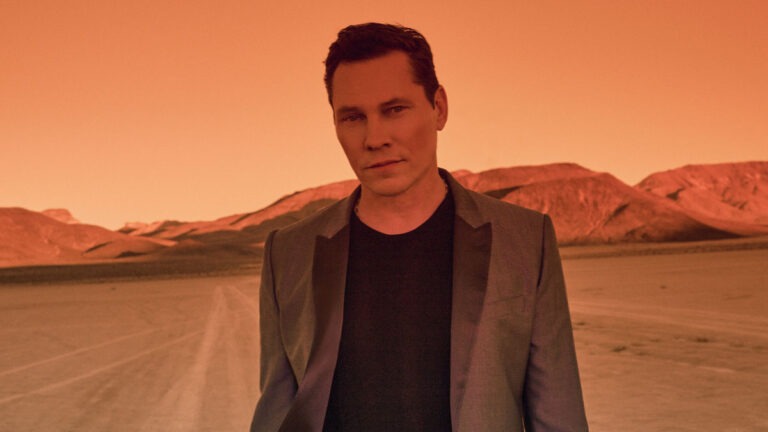
Tiësto launches a powerful creative period with the high-energy anthem “Bring Me To Life” through Atlantic Records. This track features stunning vocals from Fors and arrives after a mysterious social-media blackout that triggered a viral countdown among global dance-music fans. The composition captures the sweeping melodies and atmospheric power that defined the early identity of the artist while utilizing a modern creative spark to deliver an emotional lift. These sounds emerged from the overwhelming response to euphoric moments during recent live performances in Mexico City.
Connection to dance music is at a peak for the veteran performer as he embarks on this bold chapter. Tiësto states that playing these new sounds live and feeling the energy from the crowd is unbelievable. This experience pushed him into a new era and inspired the direction of both the single and the upcoming album. The artist describes the current moment as more authentic and exciting than ever before. This new material reflects a refreshed creative spark and a commitment to foundational sounds reimagined with high-quality modern production.
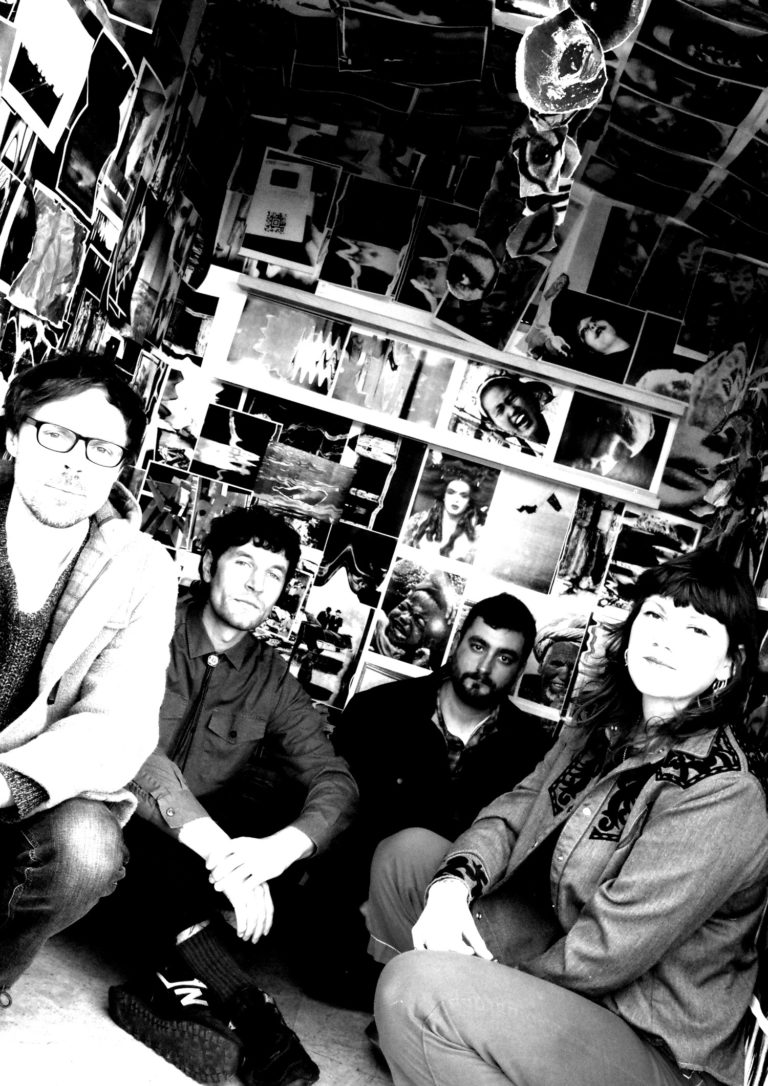
Falmouth-based quartet Low Harness returns with a new EP titled ‘Oblivion’ through the Krautpop label. This release features a limited-edition 12-inch vinyl lathe-cut for physical collectors. The songs center on human fragility and the loss of personal control. Band members Hannah Gledhill and Martin Pease utilize alternative tunings to craft a sound rooted in noise-rock and experimental traditions.
The music on this record is an anxious unravelling of emotion. These four seasoned DIY minds recorded the material at a converted mill near Wrexham with engineer Phil Booth. The band shares that the songs reflect a choice between mindless oblivion and acceptance. They explore a sense of disenchantment with everyday existence while still yearning for reinvention and connection.
Low Harness formed in 2023 after the members met at the Fish Factory Arts Space. Drummer Ed Shellard and bassist Alex Harmer complete the lineup. The group draws sonic inspiration from 90s noise-rock and the works of Glenn Branca and Einstürzende Neubauten. Their songwriting process moved quickly during practice sessions held in a local garage.
The new material follows the 2024 release of their debut album ‘Salvo’ and continues their exploration of dense textures. Lead single “Hands That Shake” serves as the introduction to this latest collection of tracks. The band remains committed to a gritty and authentic musical approach. This EP stands as a firm statement of their evolving creative direction.
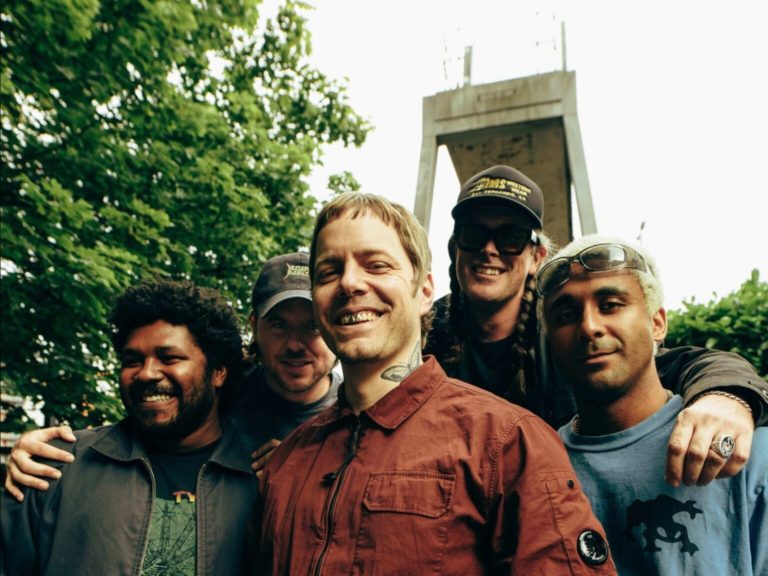
Angel Du$t returns with a sharp collection of aggressive rock n’ roll titled ‘Cold 2 The Touch’ on February 13, 2026. This twenty-six-minute record features a lineup including new members Nick Lewis and Jim Carroll. The group worked with producer Brian McTernan to capture their most ferocious energy yet. High-profile guest appearances from Scott Vogel, Wes Eisold, Patrick Cozens, Frank Carter, and Taylor Young provide a wide range of vocal textures across the eleven tracks.
The music on this record is a blender of hard riffs and big hooks. This is a flat-out ferocious work that pushes the boundaries of the genre. Lead singer Justice Tripp describes the band as people who are always going to play aggressive music. He states that this is happening whether people like it or not. Tripp says he is himself and will crush anyone who gets in his way.
A massive North American run titled “Cold 2 The Touch” begins in early 2026 to support the release. The itinerary covers major cities including Washington, Philadelphia, Montreal, Chicago, and Los Angeles. Support acts vary by date and include established names like Negative Approach and Crown of Thornz alongside modern groups like Jivebomb and Béton Armé.
Tour Dates:
01/31 – 02/01 Boston, MA @ Something In The Way Fest
NMTCG announces the split concept album ‘Wilderness of Mirrors’, featuring four of the UK’s most uncompromising underground forces: Stealth, Maxdmyz, Sixis and Die Kur. The album channels industrial power, metal aggression and electronic precision into a shared vision of truth, deception and modern paranoia. Drawing its name from the intelligence term describing a world of deception, counter-deception and endless reflection, the album confronts the psychological landscape that emerged from decades of propaganda, espionage and ideological conflict. From the tension of nuclear dread to the manipulation of information in the digital age, ‘Wilderness of Mirrors’ challenges listeners to confront how the shadows of the past still shape the fears and fractures of the present. Featuring 12 tracks plus a hidden bonus, the release represents a collective statement rather than a simple compilation.
In an era of digital isolation and fragmented subcultures, ‘Wilderness of Mirrors’ stands as a rare moment of solidarity: four independent bands joining forces to create something larger than themselves. The collaboration showcases the strength of the underground, with artists who refuse to be confined by labels, algorithms or commercial trends. Its themes resonate powerfully today with information warfare, media distortion and the corrosion of truth itself. The record addresses the Cold War of the past as much as the cold wars we live through now: ideological, informational and psychological. Built on mutual respect, shared vision and a commitment to art that challenges and provokes, the album reflects the ghosts of past empires while exposing the new architectures of control that define the digital age.
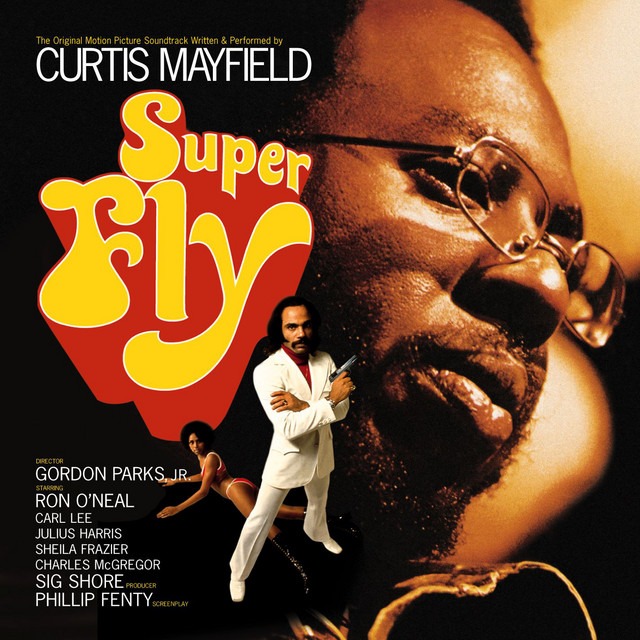
When Curtis Mayfield released the soundtrack for Super Fly in 1972, he achieved something rarely seen in the entertainment world. His music didn’t just support the film; it became a cultural giant that eventually earned more money than the movie itself. While the film was a massive hit in the blaxploitation genre, Mayfield used the soundtrack to offer a deep and critical look at the harsh realities of street life. Here are five incredible stories behind this soul and funk masterpiece.
A Conflict of Perspectives
There is a fascinating tension between the message of the film and the lyrics of the soundtrack. While the movie was sometimes seen as glamorous or ambiguous regarding the drug trade, Mayfield used his songs to take a much more skeptical and cautionary stance. He wanted to make sure listeners understood the heavy human cost of the lifestyle depicted on the screen.
From a Cameo to a Classic
The entire project began when director Gordon Parks Jr. invited Mayfield and his band to appear as a nightclub act in one of the scenes. Originally, they were only supposed to provide a single song for that specific background appearance. However, the creative energy was so high that it led to Mayfield composing the entire score and defining the sound of the era.
Recording with a Full House
During the primary recording sessions at Curtom Studios, Mayfield worked with an incredibly large ensemble of nearly forty musicians. This massive in-studio band allowed the guitarists and the orchestra to layer their parts without any of the melodies clashing or “bumping” into each other. This technical luxury resulted in the rich and lush sound that makes tracks like Freddie’s Dead so memorable.
Written in a Basement Apartment
Despite the grand and polished sound of the final record, much of the songwriting took place in a very humble setting. Mayfield wrote the majority of these powerful tracks while living in a basement apartment in Chicago during a period of personal transition. Drawing from his own upbringing in the Cabrini-Green projects, he poured his authentic life experiences into the lyrics.
The Instrumental Oscar Hurdle
The hit song Freddie’s Dead was a massive success on the charts but faced a unique disqualification at the Academy Awards. Even though the music is featured prominently throughout the film’s opening and various scenes, it was ruled ineligible for Best Original Song. This was because the version heard in the movie is an instrumental, and the famous lyrics only appeared on the commercial album release.
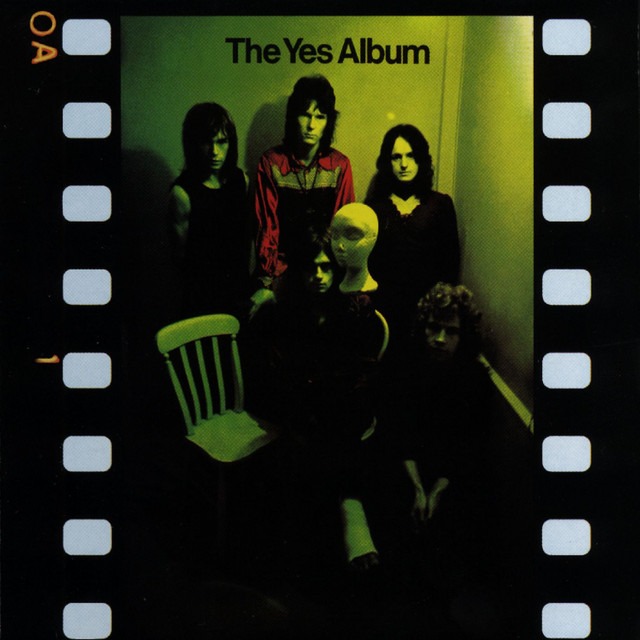
Released in early 1971, The Yes Album was the high-stakes breakthrough that saved the band’s career. After two commercially quiet releases, the group found their stride by embracing all-original material and a bold new guitarist. This record saw the quintet moving away from covers and toward the expansive, multi-part suites that would define the progressive rock genre. Here are five fascinating stories from the making of this platinum-certified classic.
A Mannequin and a Broken Foot
The album’s distinctive cover was captured during a chaotic thirty-minute window at photographer Phil Franks’ flat. The band had arrived late for the shoot because they were recovering from a head-on vehicle collision that occurred the night before. Because keyboardist Tony Kaye had a fractured foot from the crash, the final photo shows him sitting with his leg hidden in a plaster cast.
Chart Success and a Little Help
The album’s climb to number four on the British charts was partially aided by a clever marketing move from manager Brian Lane during a national postal strike. Lane visited a young Richard Branson’s record store on Oxford Street and purchased enough copies of the album to ensure it hit the top of that shop’s independent sales chart. This initial momentum created a buzz that led to genuine massive sales once the official tracking resumed.
The Chess Metaphor and John Lennon
The first half of the beloved suite I’ve Seen All Good People uses the game of chess as a lyrical metaphor for navigating complex human relationships. Jon Anderson also included subtle nods to John Lennon throughout the track to honor the legendary songwriter’s influence. If you listen closely near the three-minute mark, the backing vocalists can be heard singing the chorus to Give Peace a Chance under the main melody.
A Live Solo on a Studio Album
While most of the album was recorded at Advision Studios, the energetic acoustic piece Clap was actually recorded live at the Lyceum Theatre in London. Steve Howe wrote the intricate tune to celebrate the birth of his son Dylan and drew inspiration from the fingerstyle playing of Chet Atkins. Though original pressings mistakenly titled the song The Clap, it has since become a signature showcase of Howe’s technical brilliance.
The Bonanza Argument
The powerful opening track Yours Is No Disgrace almost sounded very different because of a debate regarding its primary riff. Some members of the band initially worried that Jon Anderson’s main musical theme was far too similar to the famous opening music of the television series Bonanza. They eventually moved forward with the arrangement and it became a ten-minute masterpiece that helped establish their signature sound.
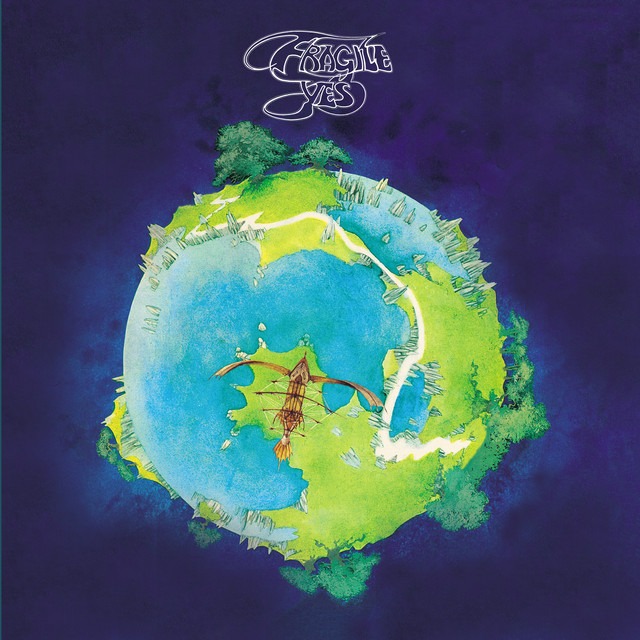
When Yes released Fragile in November 1971, they were a band on the verge of a massive global explosion. This album marked a pivotal moment where their intricate arrangements and soaring harmonies found a perfect balance with newfound commercial power. Featuring the debut of a legendary keyboardist and the first appearance of their most famous cover artist, this record remains a cornerstone of the progressive rock movement. Here are five incredible stories from the making of this platinum-selling masterpiece.
A New Sound and a Tough Choice
Rick Wakeman joined the band at a critical moment after Tony Kaye left due to artistic differences regarding electronic instruments. On the very same day he was invited to join Yes, he was also offered a prestigious touring spot with David Bowie. He chose to join the band because he felt they offered him more artistic freedom to use his massive array of Mellotrons and Moog synthesizers.
The Five Percent Management Fee
The quirky thirty-five-second instrumental track titled Five Per Cent for Nothing was actually a clever jab at the band’s former business affairs. Bill Bruford came up with the title as a reference to a deal where their former manager, Roy Flynn, was entitled to five percent of their future royalties. It stands as a short and complex rhythmic exercise that showed off the band’s technical precision.
The Secret Origin of Roundabout
The lyrics for the hit song Roundabout were written by Jon Anderson and Steve Howe while they were traveling in a transit van through the Scottish Highlands. After encountering nearly forty different roundabouts on the road from Aberdeen to Glasgow, they decided to write about the journey and the misty mountains. The famous line about mountains coming out of the sky was a literal description of the peaks appearing through the heavy clouds.
Forward Thinking with Backward Audio
One of the most recognizable moments in rock history is the swelling piano note that opens the album. To create this dramatic effect, the band recorded two piano chords and then physically played the tape backward so the sound would rush toward the listener. This innovative studio technique gave the opening of the record a mystical quality that perfectly set the stage for the music to follow.
A Bonsai World and a Lost Masterpiece
This album was the first time the band worked with artist Roger Dean, who created the famous image of a tiny planet breaking apart. Dean originally developed a creation myth about a space ark towing pieces of a broken world which fit the band’s feelings of being fragile at the time. While the artwork is world-famous, the original paintings for the front and back covers were unfortunately stolen from a London hotel room years ago.
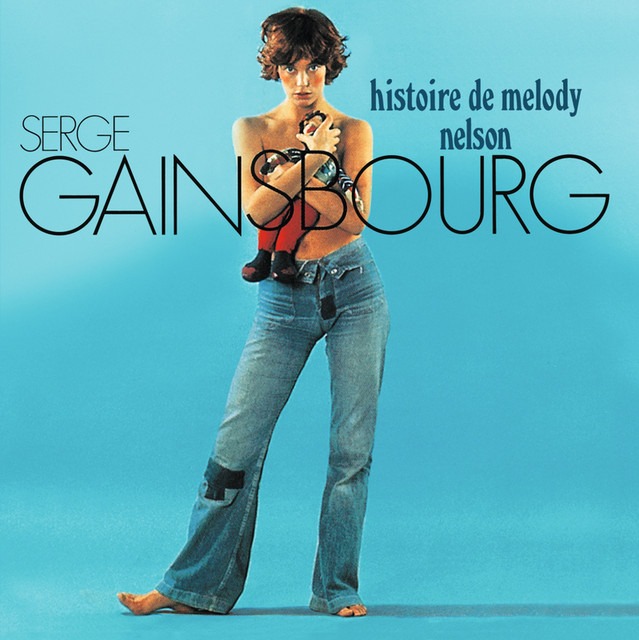
Serge Gainsbourg created something truly timeless when he released Histoire de Melody Nelson in 1971. This concept album redefined French pop by blending deep funk grooves with lush orchestral arrangements in a way that had never been heard before. While the record is just under twenty-eight minutes long, its influence has stretched across decades and inspired artists from Beck to Portishead. Here are five intriguing facts about the creation of this influential studio work.
A Hidden Detail on the Cover
The iconic cover art features Jane Birkin wearing a red wig and holding a plush toy monkey while leaning against a blue background. At the time of the photo shoot by Tony Frank, Birkin was actually in the early stages of pregnancy with her daughter Charlotte. She famously rolled her jeans down slightly to stay comfortable during the session which added to the relaxed and natural aesthetic of the image.
A Connection to the World of Bond
One of the driving forces behind the ambitious sound of the record was Gainsbourg’s desire to match the cinematic quality of film scores. He was particularly influenced by the work of composer John Barry who had previously been married to Jane Birkin. This competitive spirit pushed Gainsbourg to create a symphonic rock experience that felt like a discrete series of scenes in a movie.
The Legendary Bass Lines of Herbie Flowers
The deep and resonant bass playing that defines the album’s atmosphere was provided by the legendary session musician Herbie Flowers. He used his fat bass notes to anchor the tracks while providing a perfect foundation for the spoken word vocals. Just a year after these sessions, Flowers would go on to play the iconic bass line for Lou Reed on the hit song Walk on the Wild Side.
An Unlikely Orchestral Symbiosis
Gainsbourg worked in a unique partnership with arranger Jean-Claude Vannier to create the album’s distinct soundscape. Gainsbourg famously compared their creative bond to the famous duo of Cole Porter and George Gershwin. Vannier used the orchestra like a breeze that blew in and out of the tracks which created a sense of space and tension that influenced the trip hop movement of the 1990s.
From Literature to Lyrics
The concept for the album was heavily inspired by the work of Russian author Vladimir Nabokov and his famous novel Lolita. Gainsbourg originally wanted to adapt the book directly into a musical suite but he found that the film rights had already been secured. He decided to write his own original narrative about the character Melody Nelson to explore similar themes of infatuation and tragedy.
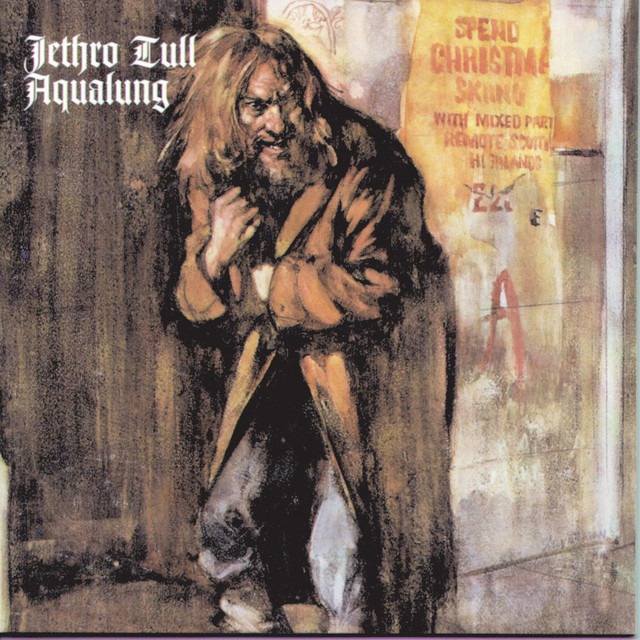
When Jethro Tull released Aqualung in March 1971, they stepped into a bold new era of rock music. The album masterfully blended heavy electric riffs with delicate acoustic moments to explore deep themes of faith and society. While it remains their best-selling work with over seven million copies sold, the journey to complete this masterpiece was filled with unexpected hurdles. Here are five fascinating things you might not know about this iconic recording.
A Musical Mystery in the Studio
The band recorded the album at the newly opened Island Records studios on Basing Street which was actually a converted chapel. Led Zeppelin were working on their fourth album in the smaller studio at the exact same time as the Aqualung sessions. Ian Anderson found the larger room incredibly difficult to work in because of its cold and echoey atmosphere during the winter.
The Guitar Solo Standoff
Martin Barre recorded his legendary guitar solo for the title track under intense pressure with very few takes allowed. Just as he began to play, Jimmy Page walked into the control room and started waving enthusiastically at him through the glass. Barre famously had to ignore the Led Zeppelin guitarist and keep his head down to avoid blowing the solo during that critical moment.
The Story Behind the Character
The inspiration for the famous Aqualung character came from a series of photographs taken by Ian Anderson’s wife Jennie. She had captured images of homeless people living on the Thames Embankment which sparked a sense of reflection in the couple. They wrote the lyrics together to create a character sketch that touched on both fear and empathy for those living outside of society.
A Studio Success Built on Overdubs
Locomotive Breath is one of the most famous tracks on the record but it was actually a failure when the band first tried to play it together. To get the perfect train-like rhythm, Ian Anderson had to record the parts separately starting with him clicking drumsticks together. He eventually layered the instruments one by one to ensure the song had the exact metronomic click-clack feel he desired.
The Accidental Concept Album
Critics and fans have long labeled this record a concept album due to its heavy focus on the distinction between religion and God. Ian Anderson has consistently denied this title and claimed the record is simply a collection of varied songs that happen to share some themes. He was so frustrated by the label that he later created Thick as a Brick as a deliberate spoof of the entire concept album genre.
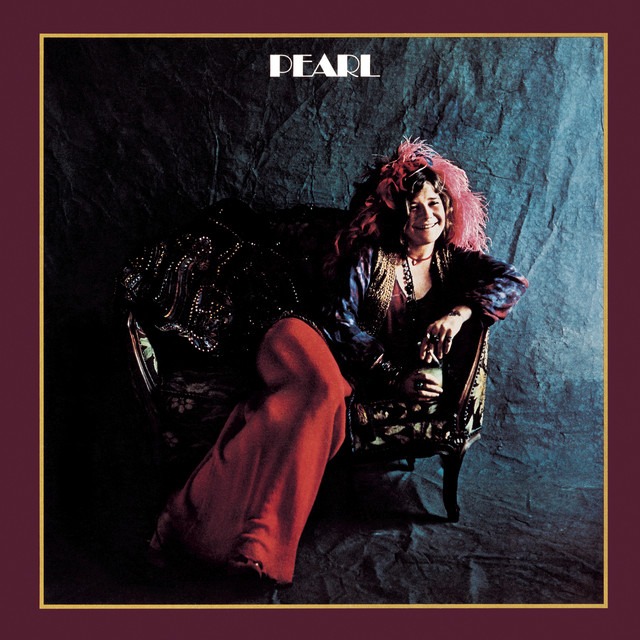
Janis Joplin left a huge mark on music history with her raw and powerful voice, and her final album Pearl stands as her ultimate masterpiece. Released posthumously in early 1971, the record showcased a more polished and confident sound thanks to her collaboration with the Full Tilt Boogie Band. It quickly soared to the top of the charts and remained at number one for nine weeks. Here are five incredible stories from the making of this legendary studio farewell.
A Dream Partnership in the Studio
Janis Joplin found a perfect creative match in producer Paul A. Rothchild who was already famous for his extensive work with the Doors. He described her as a dream to work with because of her immense vocal talent and professional dedication during their sessions at Sunset Sound Recorders. Their partnership allowed her to explore a more sophisticated musical direction than her previous recordings.
The Instrumental Tribute
The haunting track Buried Alive in the Blues remains an instrumental on the album because Janis Joplin passed away before she could record her vocal part. The song’s writer Nick Gravenites was given the opportunity to sing the track as a tribute to her memory but he decided to turn it down. The band ultimately decided to leave the music as it was to honor the moment she was meant to join them.
A Song Written on a Bar Napkin
The lyrics for the iconic Mercedes Benz were born during an impromptu poetry jam at a bar in Port Chester called Vahsen’s. Janis Joplin and her friend Bobby Neuwirth worked together to adapt lines from a poem by Michael McClure while friends banged beer mugs to create a rhythm. Neuwirth scribbled the finished words onto a napkin which he famously kept as a memento for many years.
The Final Recording Session
The a cappella version of Mercedes Benz holds a bittersweet place in rock history as the very last song Janis Joplin ever recorded. She captured the entire performance in just one take on October 1, 1970, after returning to the studio from a short break. The track features her playful introduction where she jokingly calls it a song of great social and political import.
From a Train Tour to the Charts
The Full Tilt Boogie Band first honed their chemistry with Janis Joplin while traveling across Canada on the famous Festival Express train tour. Many of the songs that eventually appeared on the album were actually performed and refined on concert stages during that summer. This tight bond between the musicians is what gave the studio tracks such a cohesive and energetic feel.