Home Blog Page 199

Dance & Choreography Videos Made Easy: Motion Replication with Seedance 2.0

0

By Mitch Rice

Dance has always been one of the harder things to work with in video production, even before AI entered the picture. Capturing movement well requires a cameraperson who understands choreography well enough to anticipate where the dancer is going. It requires enough space, enough light, and enough takes to get something that does justice to what the movement actually looks like in person. And it requires an editing sensibility that respects the rhythm of the choreography rather than cutting against it.

For professional dance companies and well-resourced music video productions, all of that is manageable. For independent dancers, choreographers, online instructors, and content creators who work with movement as part of their practice — the production gap has always been significant. The ideas are there. The skills are there. The camera, the lighting, the crew, the post-production time often aren’t.

Motion replication in Seedance 2.0 doesn’t close that gap entirely, but it shifts the terrain in ways that are genuinely useful for people who work with choreography and movement.

The Core Problem with Describing Movement

Anyone who has tried to generate dance or movement content with a text-only AI video tool has run into the same wall. Movement is spatial and temporal simultaneously — it exists in space and it unfolds through time — and language does a poor job of capturing both dimensions at once. You can describe a movement style in general terms. You can reference a genre, an energy, a quality of motion. But the specific choreography — the actual sequence of positions, transitions, and timings that makes a particular piece of movement what it is — is nearly impossible to communicate through text with any precision.

The result is that text-to-video generation for dance content tends to produce something that looks vaguely dance-like without being specifically anything. Generic movement that fits the described style without having the intentionality of actual choreography. For some use cases — background visual content, atmospheric movement in a music video — that level of specificity is enough. For anything where the specific choreography matters, it isn’t.

The reference video input in Seedance 2.0 approaches this differently. Rather than asking you to describe the movement, it lets you show it.

How Motion Reference Actually Works

The practical workflow starts with a reference clip that contains the movement you want to replicate or adapt. This could be a clip you’ve filmed yourself, a section of a performance you want to reference, a movement style you’ve documented, or any video that captures the quality of motion you’re after.

You upload that clip as a video input and reference it in your prompt, specifying that you want the movement from this clip applied to your generated content. Alongside the motion reference, you provide the visual context — character reference images if you want a specific appearance, setting descriptions, audio if you’re working to a specific track. The model reads the motion information from the reference clip and attempts to apply it within the visual framework your other inputs establish.

The result isn’t frame-perfect choreography replication in every case. The model is doing something genuinely complex — extracting movement information from one context and applying it to a completely different visual context — and the fidelity of that transfer depends on a number of factors: the clarity of the movement in the reference clip, the complexity of the choreography, how specific your prompt is about what to take from the reference versus what to generate freely.

What it does produce reliably is movement that belongs to the same family as your reference — that shares its rhythm, its energy, its quality of motion, even when the specific positions don’t match exactly. For many applications, that family resemblance is exactly what’s needed.

Practical Applications for Choreographers and Dance Creators

For choreographers who document their work, the motion reference capability opens up a way to generate visual variations on existing material without additional shooting. A piece of choreography filmed in a studio can be referenced to generate versions of that movement in different settings, with different visual aesthetics, or with different character appearances — all without re-filming. The underlying movement comes from your original performance, but the visual presentation can be adapted for different platforms, audiences, or artistic contexts.

Dance teachers and online instructors face a different version of the production challenge. Creating tutorial content that clearly demonstrates technique requires either high production values — proper angles, clear visibility, good lighting — or accepting that the visual quality will undercut the instructional clarity. Using reference clips of correctly performed technique as motion inputs, combined with clear visual settings and descriptive prompts, can produce demonstration content that maintains the technical accuracy of the original reference while adapting the visual presentation to suit the instructional context.

For social media dance content, the use case is somewhat different but equally relevant. Trends on platforms like TikTok move fast. A choreography challenge that’s gaining traction this week may have peaked by the time a traditional production workflow could respond to it. Being able to reference the trending choreography, apply it to your visual concept or character, and generate content within the same day rather than the same week changes the creative economics of participating in these moments.

Combining Motion Reference with Audio Input

The combination that tends to produce the strongest results for dance and choreography content is motion reference paired with audio input. When the model has access to both the movement pattern and the music simultaneously, it can attempt to align the two — keeping the rhythm of the referenced choreography in sync with the beat structure of the track rather than treating them as independent elements.

This matters because the relationship between movement and music is central to why dance content is compelling. Movement that’s slightly off the beat, or that doesn’t respond to the musical phrasing, feels wrong even to viewers who couldn’t articulate exactly what’s off. When the generation process has both inputs available from the start, the synchronization problem is addressed during creation rather than having to be solved in editing afterward.

In practice, this works best for music with a clear and consistent rhythmic structure. For more complex or variable musical timing, the alignment can be inconsistent. But for the genres where dance content is most actively produced and consumed — electronic music, hip-hop, pop — the beat structure is usually clear enough that the audio input contributes meaningfully to the temporal quality of the movement in the generated output.

What Still Requires a Real Camera

Being honest about the current limits of AI-generated movement content is important, particularly in a discipline like dance where the quality of what’s being represented matters deeply to practitioners.

Fine technical detail in movement — the specific position of a hand, the precise angle of a foot, the exact quality of a transition between two positions — is not reliably replicated in AI-generated video at the current level of the technology. For content where technical precision is part of the point, like instruction in a codified dance technique, the limitations are real enough to matter. Viewers with trained eyes will see the imprecision, and for that audience it undermines the instructional value.

There’s also a dimension of presence and performance that camera-captured dance has and generated video currently doesn’t. Real performance carries the weight of a human body actually moving in space — the physical commitment, the effort, the live quality of someone actually doing something difficult. Generated movement, at its best, captures the shape and rhythm of movement without capturing that quality. For performance documentation, archival purposes, or content where the reality of human performance is central to the work, this matters.

These limitations don’t diminish the genuine usefulness of motion replication for the applications where precision of that kind isn’t the primary requirement. But they’re worth knowing so that the tool gets used in the contexts where it serves the work rather than the contexts where it would misrepresent it.

Starting with What You Have

The lowest-friction entry point is to start with movement you’ve already captured. If you have any existing clips of choreography, performance, or movement — even informal documentation filmed on a phone — that material can serve as a motion reference. You don’t need a professionally shot reference clip for the system to extract useful movement information from it. Clear visibility of the movement, reasonable frame rate, and enough duration to establish the rhythm and quality of the motion are the practical requirements.

From there, it’s a process of experimenting with what carries through from the reference and what doesn’t, learning how to combine motion references with character and audio inputs effectively, and developing a feel for how to prompt in ways that direct the model’s interpretation of the reference material. Like any genuinely capable tool, it rewards time spent learning how it works.

For dancers, choreographers, and movement-based creators who have been working around production constraints rather than through them, that investment is worth making. Seedance 2.0 won’t replicate what a skilled cinematographer and a properly equipped shoot can capture — but it does make a meaningful range of motion-based creative work possible that was previously inaccessible without significant production resources.

Data and information are provided for informational purposes only, and are not intended for investment or other purposes.
The Reasons Why Slot Games Are So Popular

0

By Mitch Rice

Slot games have become one of the most widely recognised forms of digital casino entertainment. Available across land based venues and regulated online platforms, they appeal to a broad adult audience with varying interests and preferences. Their popularity is driven by a combination of accessibility, design variety, and ongoing technological development, while ensuring responsible gaming practices. Understanding why slot games continue to attract interest requires looking at how they are presented, how they function, and how they fit into modern digital environments.

Accessible and Easy to Understand Formats

One of the primary reasons slot games are popular is their straightforward structure. Compared to other casino formats that may require learning detailed rules or terminology, slot games are designed with simplicity in mind. Clear interfaces, visible symbols, and intuitive controls make them easy to navigate. This accessibility allows adult users to engage with games responsibly, ensuring they understand the gaming environment. Tutorials and information panels are typically integrated into the interface, ensuring transparency and ease of understanding.

Wide Variety of Visual Themes

Slot games are available in a broad range of themes and visual styles. From abstract and minimalist designs to nature inspired or architectural environments, this variety allows users to explore content that aligns with their personal tastes. Themes play a central role in shaping the overall experience, providing visual interest without requiring narrative complexity. This flexibility enables developers to refresh content regularly while maintaining familiar formats that users recognise.

Strong Focus on Design and Presentation

Modern slot games place significant emphasis on visual and interface design. High quality graphics, consistent layouts, and responsive animations contribute to a polished appearance. These design elements are supported by professional development tools that ensure consistency across devices. Whether accessed on desktop or mobile platforms, games are optimised to maintain clarity, readability, and performance.

Compatibility Across Digital Platforms

The popularity of slot games has grown alongside the expansion of digital platforms. Today’s games are designed to function across a wide range of devices, including smartphones, tablets, and computers. Responsive layouts adapt to different screen sizes, ensuring symbols and menus remain legible and accessible.

This cross platform compatibility allows adult users to access games in a controlled and professionally managed digital environment.

Organised Browsing and Categorisation

Slot games are often categorised by theme, visual style, or design features, making it easy for users to browse content. This structured organisation supports exploration without overwhelming users. Within regulated platforms, clear categorisation helps maintain transparency and usability. Adults can select games based on visual preference, ensuring they choose games that align with their understanding and comfort level.

Technological Advancements in Game Development

Advances in technology have played a key role in sustaining interest in slot games. Modern development engines allow for smoother animations, improved performance, and stable operation across devices. Artificial intelligence is frequently used behind the scenes to support testing, quality assurance, and performance optimisation. These tools ensure games operate consistently without influencing outcomes or altering gameplay conditions.

Neutral and Professional Presentation

Slot games are typically presented in a neutral, professional manner. Information about game features, settings, and functionality is provided clearly and factually, supporting informed engagement. This approach aligns with regulatory standards and ensures that content is suitable for adult audiences. By focusing on clear presentation, platforms maintain a responsible and transparent environment.

Familiarity and Consistency

Familiarity also contributes to popularity. While themes and visuals may change, the core structure of slot games remains consistent. This balance between familiarity and variation allows users to explore new designs without needing to relearn interfaces. Consistent layouts, controls, and feature placement help create a sense of continuity across different titles, supporting ease of use and confidence.

Integration Within Regulated Environments

Slot games form an important part of regulated casino platforms, where operational standards, monitoring, and compliance are prioritised. Games are tested to ensure they meet technical and regulatory requirements before being made available to users. This professional oversight contributes to trust and reliability, which are important factors for adult audiences engaging with digital entertainment.

A Balanced Form of Digital Entertainment

The continued popularity of slots reflects their ability to adapt to changing technology while maintaining accessible design. By focusing on visual variety, interface clarity, and cross platform compatibility, these games remain relevant within modern digital environments. Rather than relying on complexity or outcome driven messaging, slot games appeal through usability and presentation. Their structured format, combined with ongoing technological refinement, ensures they remain a familiar and widely explored option for adult users seeking professionally managed digital entertainment.

Data and information are provided for informational purposes only, and are not intended for investment or other purposes.

Prime Video’s First Spanish-Language Adaptation Of Isabel Allende’s ‘The House of the Spirits’ Arrives April 29

0

Prime Video announces that ‘The House of the Spirits,’ the first Spanish-language television adaptation of Isabel Allende’s internationally acclaimed novel, premieres globally on April 29 in over 240 countries and territories. The announcement came at the 76th Berlinale Film Festival, where the series made its debut. An eight-episode family saga spanning half a century, the show follows three generations of women, Clara, Blanca, and Alba, across a conservative South American country shaped by class struggle, political upheaval, and magic.

The series stars Alfonso Herrera as Esteban Trueba, with Nicole Wallace and Dolores Fonzi sharing the role of Clara del Valle at different stages of her life. The cast also includes Fernanda Castillo, Aline Kuppenheim, Eduard Fernández, Sara Becker, Fernanda Urrejola, Rochi Hernández, Juan Pablo Raba, Pablo Macaya, and Nicolás Contreras. Isabel Allende, Eva Longoria, and Courtney Saladino serve as executive producers alongside showrunners Francisca Alegría, Fernanda Urrejola, and Andrés Wood.

The series is produced by FilmNation Entertainment, the multi-Academy Award-winning company behind ‘Anora’ and ‘Conclave,’ with support from Fabula, the Chilean Academy Award-winning producer behind ‘The Eternal Memory’ and ‘A Fantastic Woman.’ ‘The House of the Spirits’ arrives on Prime Video April 29.

Alt-Pop Songwriter Maya J’an Explores Guarded Hearts And Burgeoning Love On New Single “pocketknife”

0

Maya J’an releases “pocketknife” today via Soulpower Records / Warner Records, her second single following January’s “cul-de-sac.” Produced by Benjamin Greenspan and Jordan Brooks, the track opens on tense strings that settle into a warm, loping groove, with Maya’s vocals threading through lyrics that sit at the edge of self-protection and surrender. “I sleep on top of a pocket knife, he’s got me dreaming there is more to life,” she sings. “What in the fresh sam hell is this? Some sort of peace, some kind of bliss.”

“‘pocketknife’ is a song about what happens when a guarded heart accidentally starts to feel safe,” Maya says. “It lives in the space between toughness and tenderness, when you’ve spent your whole life sleeping with one eye open and suddenly someone makes you wonder what it would be like to rest. Survival means staying sharp, but love arrives anyway, not loudly but just enough to disrupt the armor. ‘pocketknife’ is a ballad that doesn’t pretend love fixes you. It just captures the moment when love makes you feel something new, wanting peace while keeping a blade within reach, trusting someone while still knowing how easily it could all fall apart.”

“pocketknife” follows “cul-de-sac,” a tribute to Maya’s hometown of Pasadena and the pieces of her childhood lost in the fires that devastated the region last year. Billboard called that debut “a striking debut,” while 1883 Magazine wrote that Maya J’an “is one of the most interesting voices in music, turning personal observation into vivid, evocative songwriting.” Before stepping forward as a recording artist, Maya built her reputation as a behind-the-scenes collaborator, writing alongside Pharrell, SAINt JHN, and Justine Skye, and earning a 2025 Juno Award for Contemporary R&B Recording of the Year via her co-write on Aqyila’s “Bloom.” More music is on the way.

Yorkshire Indie Rock Rising Star Fiona-Lee Tackles Rape Culture Head-On With New Single “Every Woman”

0

Fiona-Lee announces her second EP ‘Every Woman,’ due April 17 via Gravity / Capitol Records, and releases its title track today. Produced by Thom Lewis (Sam Fender’s ‘Hypersonic Missiles’ and ‘Seventeen Going Under’), the single follows previous EP reveals “Victim” and “Imposter” and arrives alongside news of her debut UK headline tour this spring, including dates in London and Manchester. The Yorkshire-based musician has been building steadily toward this moment, and “Every Woman” is the sharpest thing she has put her name to yet.

Fiona-Lee is direct about what the song addresses. “‘Every Woman’ is about sexual assault, a subject that remains dangerously silenced,” she says. “Despite how common it is, rape culture attaches shame to the conversation. It’s clear we have failed and are still failing to teach young men how to respect women. This song is about releasing that shame and reclaiming power. It’s about taking action and confronting those who should be held accountable. I want women to hear it and feel anger, not as something to suppress, but as something validating and energising. And I want men to hear it and know this song is addressing them, and calling on them to take responsibility.”

The release arrives at a high point for Fiona-Lee, who has already supported CMAT and Miles Kane and sold out a headline show in Leeds late last year. Press support has come from The Telegraph, DIY Magazine, Rolling Stone UK, Clash Magazine, The Line Of Best Fit, and Rough Trade, among others, while BBC Radio 6 Music plays from Huw Stephens and Steve Lamacq, a BBC Radio 4 Woman’s Hour appearance, and BBC Radio 1 spins from Nels Hylton and Sian Eleri have kept her name in regular rotation. A summer festival run and a support slot with Paul Weller follow the headline tour. ‘Every Woman’ arrives April 17.

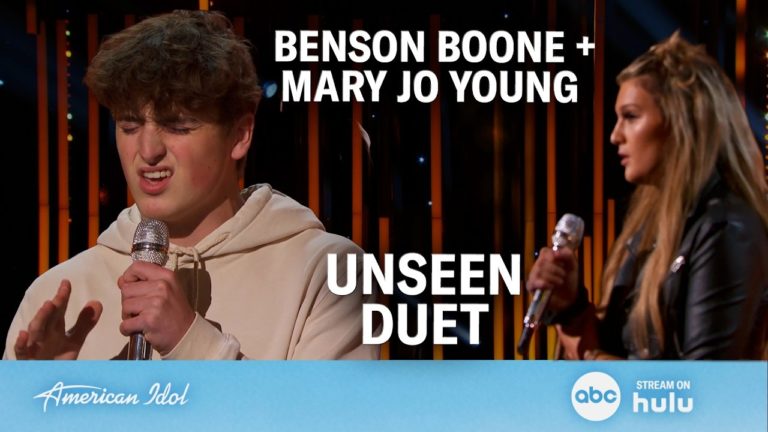
Benson Boone’s Never-Before-Seen American Idol Hollywood Week Duet With Mary Jo Young Surfaces

0

Before Benson Boone became one of pop music’s most talked-about voices, he was a teenager on American Idol, and a never-before-seen clip from that run has just surfaced. American Idol released footage of Boone’s Hollywood Week duet with Mary Jo Young, a moment that predates the trajectory that would eventually take him to global stages and top-40 radio. Young, who auditioned alongside Boone during that original season, returns to compete in the show’s 2026 season currently airing Mondays on ABC.

The clip lands as a reminder of how early the raw material was there. Boone left Idol before the competition concluded, a decision that freed him to pursue a recording career on his own terms, with results that have since spoken for themselves. For anyone who found him through “Beautiful Things” or his arena-filling live performances, the Hollywood Week footage offers a look at where it all began, paired with a reason to follow Young’s 2026 run on the show.

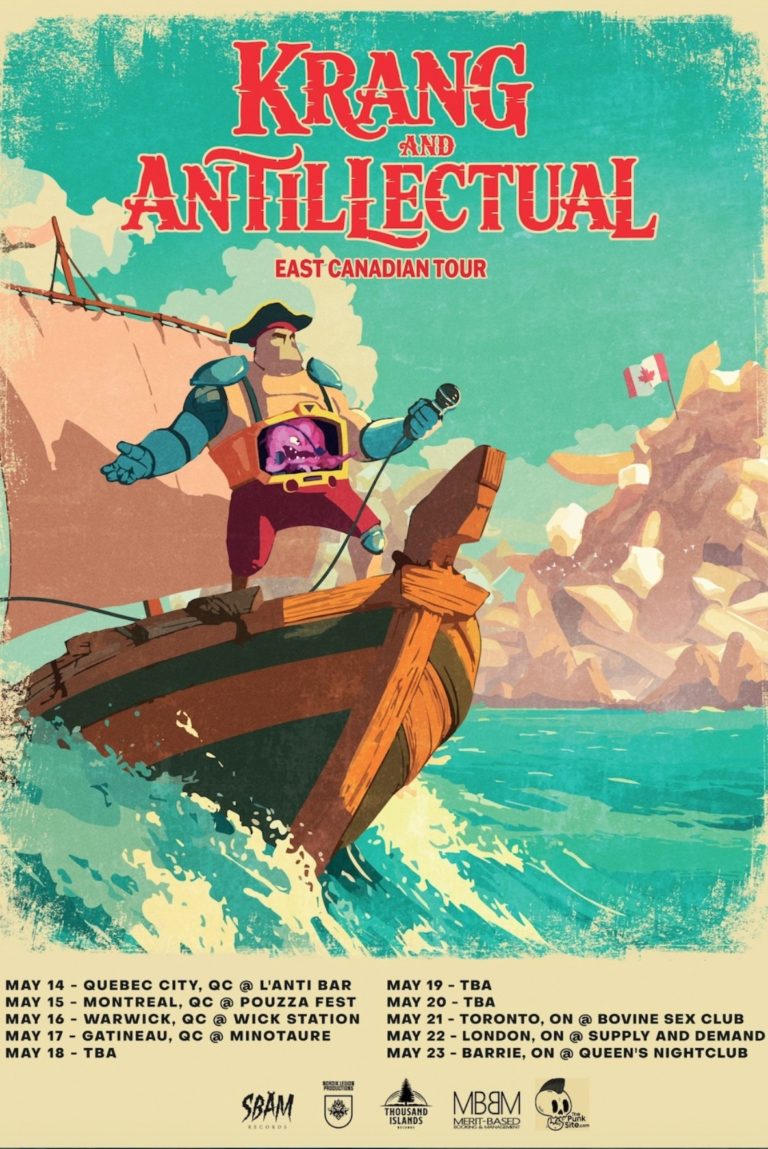
Dutch Punk Veterans Antillectual Announce 10-Date Eastern Canada Tour With Czech Outfit Krang

0

Antillectual, the Dutch punk rock band celebrating their 25th anniversary this year, announce a 10-date Eastern Canada tour this May alongside Czech punk rock outfit Krang. The run marks the band’s first return to Canada in over a decade and lands in support of their latest album ‘TOGETHER,’ co-released by Canadian label Thousand Islands Records. The tour kicks off May 14 in Quebec City and runs through May 23 in Barrie, Ontario, covering Quebec and Ontario with stops at some of the region’s most established independent venues.

The Canadian run is part of a broader year of 25th anniversary celebrations for Antillectual, who built their name on DIY touring, politically charged songwriting, and relentless road miles across Europe and beyond. The tour includes an appearance at Montreal’s Pouzza Fest on May 15, with more special activities planned throughout the year alongside their ongoing dates in the Netherlands.

ANTILLECTUAL CANADIAN TOUR DATES:

May 14 — Quebec City, QC — L’Anti Bar

May 15 — Montreal, QC — Pouzza Fest

May 16 — Warwick, QC — Wick Station

May 17 — Gatineau, QC — Minotaure

May 18 — TBA

May 19 — TBA

May 20 — TBA

May 21 — Toronto, ON — Bovine Sex Club

May 22 — London, ON — Supply and Demand

May 23 — Barrie, ON — Queen’s Nightclub

One-Man Punk Rock Project Illegal Mind Confronts Inner Demons On New Single “Prison of My Mind”

0

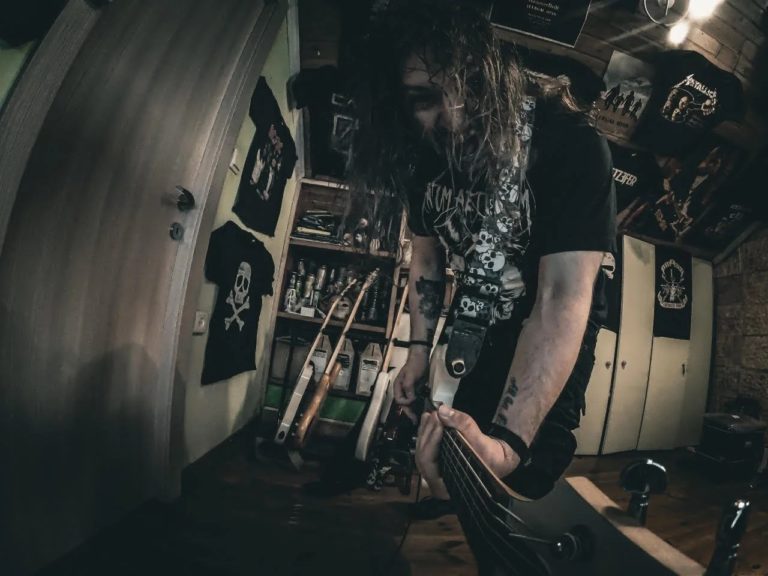
Illegal Mind, the one-man punk rock project of Maxx Dee, releases new single “Prison of My Mind” today, the latest track from the upcoming album ‘Nuclear Cockroach.’ Written years before the project had a name and finished only when it felt honest enough to release, the song addresses cycles of self-sabotage, mental confinement, and the realization that the walls were built from choice, memory, and fear. Musically it sits where punk rock drops its polish, drawing on the grit of Rancid, the pulse of Millencolin, the edge of The Offspring, and the raw energy of early Blink-182.

“Prison of My Mind” is not a breakup anthem or a standard rage song. It is a direct clash with the quietest and most dangerous opponent: your own thoughts. The single’s artwork reinforces this with stark imagery of isolation and reflection, a mind turned into a cell where light breaks through confinement, suggesting awareness rather than escape. With ‘Nuclear Cockroach’ on the way, Illegal Mind trains the confrontation inward, challenging listeners to examine what actually holds them down.

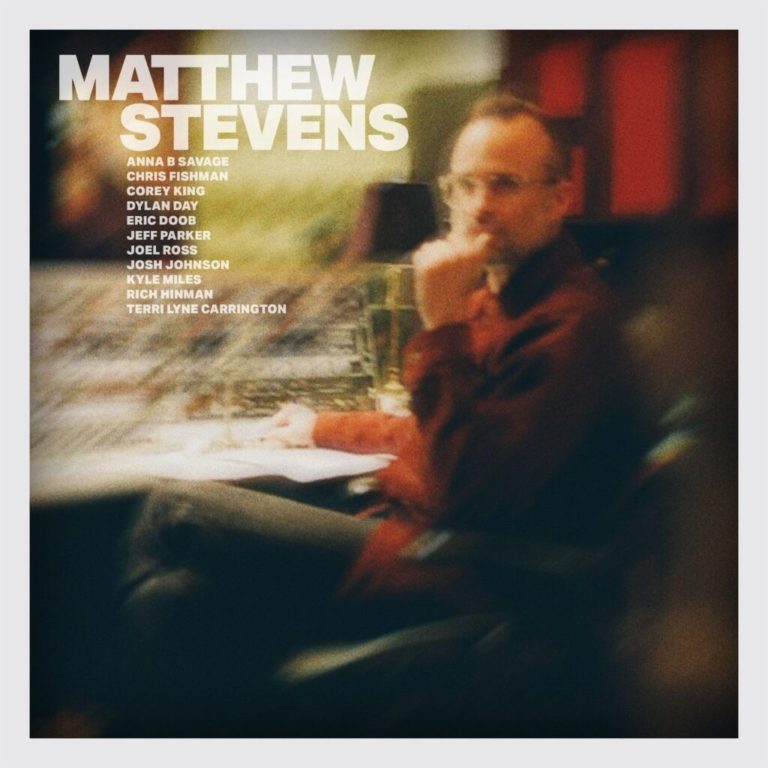
GRAMMY-Winning Guitarist Matthew Stevens Covers Sonny Sharrock On Soulful New Single “Who Does She Hope To Be?”

0

Matthew Stevens releases “Who Does She Hope To Be?” today alongside the announcement of his forthcoming self-titled album, ‘Matthew Stevens,’ due May 8 via Candid Records. The new single is Stevens’ take on Sonny Sharrock’s 1991 original from ‘Ask the Ages,’ featuring guitarist Jeff Parker and drummer Terri Lyne Carrington. Stevens first encountered the song while playing it with ERIMAJ, the group led by Jamire Williams, and the piece has stayed with him ever since.

Stevens, Parker, and Carrington each bring something distinct to the recording. “On the original, Sonny layers a lot of guitars, so it felt like the perfect opportunity to have Jeff join me,” Stevens says. “I’ve always admired the breadth of his musicianship. Terri Lyne’s playing on this track is just as special to me. So few people play in a way that feels so directly connected to the originators of this music.” Parker, who calls ‘Ask the Ages’ an album central to his own musical development, says he jumped at the invitation. Carrington, who recently worked with Stevens on her GRAMMY-nominated ‘We Insist! 2025,’ describes the track as something that “soothes the soul and reminds us of the importance of hope.”

The response to the single has been immediate, with listeners drawn to the unhurried depth Stevens and his collaborators bring to Sharrock’s composition. It arrives as a clear statement of intent ahead of ‘Matthew Stevens,’ a ten-track album co-produced by Stevens, Josh Johnson, and Eric Doob that moves between acoustic and electric sonics across genre-blurring originals and personal covers. The full record features Joel Ross, Anna B Savage, Corey King, Chris Fishman, Kyle Miles, Paulo Stagnaro, Dylan Day, and Rich Hinman alongside Parker and Carrington.

Stevens is one of the most decorated and sought-after guitarists working in jazz today. He has toured and recorded with Esperanza Spalding, Chief Xian aTunde Adjuah, Harvey Mason, and Walter Smith III, and produced ‘I Am A Pilgrim – Doc Watson at 100,’ featuring Valerie June, Steve Earle, Nora Brown, and Dolly Parton. His production of Parton’s “The Last Thing on My Mind” earned a GRAMMY nomination for Best Country Solo Performance in 2024, a testament to the range he brings to every project he touches.

‘Matthew Stevens’ arrives May 8 via Candid Records.

‘MATTHEW STEVENS’ TRACK LIST:

SIDE A

  1. “Take Heart”
  2. “Hazy (intro)”
  3. “Hazy”
  4. “SLMS”
  5. “1000 Times”
  6. “Edgewood”

SIDE B

  1. “Who Does She Hope To Be?”
  2. “Born of Silence”
  3. “Alberta”
  4. “The air is thick”

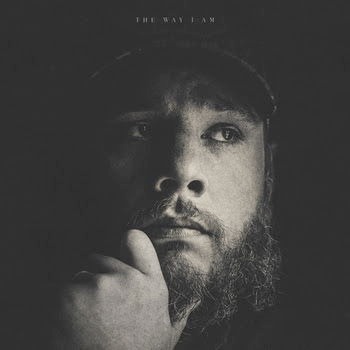
Luke Combs Releases New Song “Be By You” Ahead Of ‘The Way I Am’

0

Luke Combs releases “Be By You” today, the latest preview of his upcoming 22-track album ‘The Way I Am,’ arriving March 20 via Sony Music Nashville. Of the track, Combs says: “‘Be By You’ was sent to me through a friend. I didn’t personally know any of the guys who wrote it, but the vibe and the melody immediately struck me. It’s one of those rare outside cuts for me, and I honestly think the song turned out perfect. The fans have really made this one their own, and releasing it just before Valentine’s Day felt like the right moment.”

Produced by Combs alongside Jonathan Singleton and Chip Matthews, ‘The Way I Am’ spans 22 tracks and features a collaboration with Alison Krauss on “Ever Mine,” plus previously released singles “Sleepless in a Hotel Room,” “My Kinda Saturday Night,” “Days Like These,” “15 Minutes,” “Giving Her Away,” and “Back in the Saddle.” The record has drawn early praise as some of Combs’ most personal and fully realized work, with listeners and critics responding to its balance of anthemic energy and genuine emotional weight.

Combs kicks off his “My Kinda Saturday Night Tour” next month with a run of sold-out and near-sold-out stadium shows across the U.S., U.K., and Europe. Domestic highlights include Allegiant Stadium in Las Vegas (March 21), Notre Dame Stadium in South Bend (April 18), Ohio Stadium in Columbus (April 25), Neyland Stadium in Knoxville (May 2), and two nights at Green Bay’s Lambeau Field (May 15-16). Canadian stops include two nights each at Montreal’s Parc Jean-Drapeau (May 29-30) and Toronto’s Rogers Stadium (June 5-6).

The overseas run is equally staggering. Combs plays Ullevi in Gothenburg, Sweden (July 4), Accor Arena in Paris (July 7), a sold-out Johan Cruijff ArenA in Amsterdam (July 11), two sold-out nights at Slane Castle in Ireland (July 18-19), two nights at Scottish Gas Murrayfield in Edinburgh (July 24-25), and three nights at London’s Wembley Stadium (July 31, August 1-2), making him the first country artist to sell out multiple shows there. Special guests across the tour include Dierks Bentley, Thomas Rhett, The Teskey Brothers, The Script, The Castellows, Ty Myers, Thelma & James, and Jake Worthington, among others.

The new music and tour arrive on the back of a record-setting stretch for the Asheville, NC native. Last year, Combs became the first country artist to headline both Bonnaroo and Lollapalooza, earned his 20th consecutive number one single at country radio with “Back in the Saddle,” and became the first country artist with two songs surpassing a billion streams on Spotify and four singles certified RIAA Diamond. A Grand Ole Opry member and winner of 11 CMA, 4 ACM, and 6 Billboard Music Awards, Combs also headlined “Concert for Carolina” alongside Eric Church, Billy Strings, and James Taylor, raising over $24.5 million for Hurricane Helene relief. ‘The Way I Am’ is out March 20.

Got it, noted for all future outputs. Here’s the corrected version with track listing and tour dates formatted with line breaks:

HEADLINE: North Carolina Country Heavyweight Luke Combs Releases New Song “Be By You” Ahead Of ‘The Way I Am’

TAGS: Luke Combs, Alison Krauss, Dierks Bentley, Ty Myers, Thelma & James, Jake Worthington, The Script, The Castellows, Thomas Rhett, The Teskey Brothers, Jonathan Singleton, Chip Matthews, Willie Geist, Post Malone, Bailey Zimmerman, Jon Bellion, Alex Warren, Tracy Chapman, Eric Church, Billy Strings, James Taylor, Dalton Dover, Hailey Whitters, Charlie Worsham, Cody Johnson, Lori McKenna, Wembley Stadium, Allegiant Stadium, Scott Stadium, Jack Trice Stadium, Notre Dame Stadium, Ohio Stadium, Neyland Stadium, Lambeau Field, Parc Jean-Drapeau, Rogers Stadium, Ullevi, Accor Arena, Johan Cruijff ArenA, Slane Castle, Scottish Gas Murrayfield Stadium,

BLOG POST:

Luke Combs releases “Be By You” today, the latest preview of his upcoming 22-track album ‘The Way I Am,’ arriving March 20 via Sony Music Nashville. Of the track, Combs says: “‘Be By You’ was sent to me through a friend. I didn’t personally know any of the guys who wrote it, but the vibe and the melody immediately struck me. It’s one of those rare outside cuts for me, and I honestly think the song turned out perfect. The fans have really made this one their own, and releasing it just before Valentine’s Day felt like the right moment.”

Produced by Combs alongside Jonathan Singleton and Chip Matthews, ‘The Way I Am’ spans 22 tracks and features a collaboration with Alison Krauss on “Ever Mine,” plus previously released singles “Sleepless in a Hotel Room,” “My Kinda Saturday Night,” “Days Like These,” “15 Minutes,” “Giving Her Away,” and “Back in the Saddle.” The record has drawn early praise as some of Combs’ most personal and fully realized work, with listeners and critics responding to its balance of anthemic energy and genuine emotional weight.

Combs kicks off his “My Kinda Saturday Night Tour” next month with a run of sold-out and near-sold-out stadium shows across the U.S., U.K., and Europe. Domestic highlights include Allegiant Stadium in Las Vegas (March 21), Notre Dame Stadium in South Bend (April 18), Ohio Stadium in Columbus (April 25), Neyland Stadium in Knoxville (May 2), and two nights at Green Bay’s Lambeau Field (May 15-16). Canadian stops include two nights each at Montreal’s Parc Jean-Drapeau (May 29-30) and Toronto’s Rogers Stadium (June 5-6).

The overseas run is equally staggering. Combs plays Ullevi in Gothenburg, Sweden (July 4), Accor Arena in Paris (July 7), a sold-out Johan Cruijff ArenA in Amsterdam (July 11), two sold-out nights at Slane Castle in Ireland (July 18-19), two nights at Scottish Gas Murrayfield in Edinburgh (July 24-25), and three nights at London’s Wembley Stadium (July 31, August 1-2), making him the first country artist to sell out multiple shows there. Special guests across the tour include Dierks Bentley, Thomas Rhett, The Teskey Brothers, The Script, The Castellows, Ty Myers, Thelma & James, and Jake Worthington, among others.

The new music and tour arrive on the back of a record-setting stretch for the Asheville, NC native. Last year, Combs became the first country artist to headline both Bonnaroo and Lollapalooza, earned his 20th consecutive number one single at country radio with “Back in the Saddle,” and became the first country artist with two songs surpassing a billion streams on Spotify and four singles certified RIAA Diamond. A Grand Ole Opry member and winner of 11 CMA, 4 ACM, and 6 Billboard Music Awards, Combs also headlined “Concert for Carolina” alongside Eric Church, Billy Strings, and James Taylor, raising over $24.5 million for Hurricane Helene relief. ‘The Way I Am’ is out March 20.

‘THE WAY I AM’ TRACK LIST:

  1. “Back in the Saddle” (written by Luke Combs, Dan Isbell, Jonathan Singleton)
  2. “My Kinda Saturday Night” (written by Luke Combs, Randy Montana, Jonathan Singleton)
  3. “Days Like These” (written by Luke Combs, Brent Cobb, Aaron Raitiere)
  4. “15 Minutes” (written by Luke Combs, Trey Pendley, Rob Pennington, Grant Vogel)
  5. “Alcohol of Fame” (written by Luke Combs, Dalton Dover, Dan Isbell, Reid Isbell)
  6. “Daytona 499” (written by Luke Combs, Erik Dylan, Wyatt McCubbin, Drew Parker)
  7. “The Way I Am” (written by Chris Gelbuda, Rob Snyder)
  8. “Wish Upon a Whiskey” (written by Luke Combs, Dan Isbell, Drew Parker)
  9. “Soon As I Get Home” (written by Luke Combs, Jessi Alexander, Tony Lane, Jonathan Singleton)
  10. “Rethink Some Things” (written by Luke Combs, Jacob Davis, Dan Isbell, Reid Isbell)
  11. “Giving Her Away” (written by Gary Garris, Josh Mirenda, Josh Phillips)
  12. “Seeing Someone” (written by Luke Combs, Ray Fulcher, Lalo Guzman, Michael Tyler, Allison Veltz-Cruz)
  13. “Sleepless in a Hotel Room” (written by Luke Combs, Randy Montana, Jonathan Singleton)
  14. “I Ain’t No Cowboy” (written by Luke Combs, Cody Johnson, Jake Mears)
  15. “Ever Mine” feat. Alison Krauss (written by Luke Combs, Hailey Whitters, Charlie Worsham)
  16. “Can’t Tell Me I’m Wrong” (written by Luke Combs, Ray Fulcher, Pete Good, Lydia Vaughan)
  17. “Miss You Here” (written by Luke Combs, Thomas Archer, Dan Isbell, Ben Stennis)
  18. “Tell ‘Em About Tonight” (written by Luke Combs, Erik Dylan, Ray Fulcher, James McNair)
  19. “Be By You” (written by Dan Alley, Sam Banks, Nick Walsh)
  20. “The Me Part of You” (written by Luke Combs, Jason Gantt, Dan Isbell, Reid Isbell)
  21. “Rich Man” (written by Luke Combs, Jacob Davis, Lori McKenna, Rob Snyder)
  22. “A Man Was Born” (written by Luke Combs, Thomas Archer, Ray Fulcher, Jordan Rowe, Michael Tyler)

LUKE COMBS CONFIRMED TOUR DATES:

March 21 — Las Vegas, NV — Allegiant Stadium (with Dierks Bentley, Ty Myers, Thelma & James)

April 4 — Charlottesville, VA — Scott Stadium (with Dierks Bentley, Ty Myers, Jake Worthington, Thelma & James)

April 11 — Ames, IA — Jack Trice Stadium (with Dierks Bentley, Ty Myers, Jake Worthington, Thelma & James)

April 18 — South Bend, IN — Notre Dame Stadium (with Dierks Bentley, Ty Myers, Jake Worthington, Thelma & James)

April 25 — Columbus, OH — Ohio Stadium (with Dierks Bentley, Ty Myers, Jake Worthington, Thelma & James)

May 2 — Knoxville, TN — Neyland Stadium (with Dierks Bentley, Ty Myers, Jake Worthington, Thelma & James)

May 9 — Norman, OK — Gaylord Family Oklahoma Memorial Stadium (with Dierks Bentley, Ty Myers, Jake Worthington, Thelma & James)

May 15 — Green Bay, WI — Lambeau Field (with Dierks Bentley, Ty Myers, Jake Worthington, Thelma & James)

May 16 — Green Bay, WI — Lambeau Field (SOLD OUT) (with Dierks Bentley, Ty Myers, Jake Worthington, Thelma & James)

May 29 — Montreal, QC — Parc Jean-Drapeau (with Dierks Bentley, Ty Myers, Jake Worthington, Thelma & James)

May 30 — Montreal, QC — Parc Jean-Drapeau (SOLD OUT) (with Dierks Bentley, Ty Myers, Jake Worthington, Thelma & James)

June 5 — Toronto, ON — Rogers Stadium (with Dierks Bentley, Ty Myers, Jake Worthington, Thelma & James)

June 6 — Toronto, ON — Rogers Stadium (SOLD OUT) (with Dierks Bentley, Ty Myers, Jake Worthington, Thelma & James)

July 4 — Gothenburg, Sweden — Ullevi (with The Script, Ty Myers, The Castellows)

July 7 — Paris, France — Accor Arena (with Ty Myers, The Castellows)

July 11 — Amsterdam, Netherlands — Johan Cruijff ArenA (SOLD OUT) (with The Script, Ty Myers, The Castellows)

July 18 — Slane, Ireland — Slane Castle (SOLD OUT) (with The Script, Ty Myers, The Castellows)

July 19 — Slane, Ireland — Slane Castle (SOLD OUT) (with The Script, Ty Myers, The Castellows)

July 24 — Edinburgh, U.K. — Scottish Gas Murrayfield Stadium (with The Teskey Brothers, Ty Myers, The Castellows)

July 25 — Edinburgh, U.K. — Scottish Gas Murrayfield Stadium (SOLD OUT) (with The Teskey Brothers, Ty Myers, The Castellows)

July 31 — London, U.K. — Wembley Stadium (SOLD OUT) (with Thomas Rhett, Ty Myers, The Castellows)

August 1 — London, U.K. — Wembley Stadium (SOLD OUT) (with Thomas Rhett, Ty Myers, The Castellows)

August 2 — London, U.K. — Wembley Stadium (with Thomas Rhett, Ty Myers, The Castellows)