Home Blog Page 2

Province Of Canada And ‘Heated Rivalry’ Team Up On Limited-Edition Made-In-Canada Fleece

0

That cream fleece jacket from Season One, Episode Two of ‘Heated Rivalry’ now exists in real life, and you can pre-order one right now. Toronto-based Province of Canada has teamed up with the series for a limited-edition collaboration, recreating the on-screen costume piece designed by Hanna Puley with help from the dedicated “Release the Fleece” community. Pre-orders are live, with the jacket expected to ship in October, priced at $356 CAD.

The build deserves attention. The sherpa exterior is knit in Italy from 71% recycled polyester and 29% non-mulesed New Zealand virgin wool, lined with 100% cotton fleece, finished with YKK zippers, an embroidered Canada chenille patch on the back, and maple leaf twill patches on the sleeves. Made in Canada with thoughtfully curated materials from around the world, it’s built as a true collectible for fans of the show.

There’s a cause attached too. Ten percent of net profits go to You Can Play, with the NHL and NHLPA matching contributions up to a combined total of $50,000 CAD. Quantities are limited, one per customer, first come first served, and final sale, so fans who want one shouldn’t wait around. Order it here.

Sound Sculptor Reimagines Radiohead’s ‘OK Computer’ As ‘OK Nintendo 64’

0

Picture Thom Yorke’s existential dread filtered through the cheerful bloops of a Mario Kart loading screen. That’s the premise behind ‘OK Nintendo 64’, a full reimagining of Radiohead’s ‘OK Computer’ built entirely from N64 soundfonts, created by on4word and now live on YouTube. Every track on the seminal 1997 record gets rebuilt using the instrument banks of classic Nintendo 64 games, so “Airbag” runs on Super Mario 64, “Paranoid Android” rides the Mario Kart 64 engine, and “Exit Music (For a Film)” gets the Banjo-Kazooie treatment. The mashup works far better than it has any right to, turning melancholy art-rock into something playful and strangely moving. The full project is available free, or pay what you want, at on4word’s Bandcamp, with bonus material and uncompressed audio included.

MusiquePlus, Quebec’s Pop Culture Icon, Storms Back To Life On TikTok

0

HEADLINE

MusiquePlus, Quebec’s Pop Culture Icon, Storms Back To Life On TikTok

TAGS: MusiquePlus, TikTok, Attraction, Motion Entertainment, WPP Media, Remstar Media, Maxime Rémillard, Alec Boudreau, Richard Speer, Daniel Mekinda,

BLOG POST

Forty years after it first beamed music into Quebec living rooms, MusiquePlus has a new home. The legendary channel returns exclusively on TikTok on June 11, 2026, at @MusiquePlus, reborn for a generation that finds its favorite songs by scrolling.

Quebec built this brand. Launched in 1986, MusiquePlus became the flagship that introduced countless local talents to the province and beyond. Now it’s back with entirely fresh content, a fresh roster of VJs, and a creator-driven approach built for the platform where music discovery happens fastest.

The revival comes from a powerhouse collaboration between TikTok, Attraction, Motion Entertainment (a division of WPP Media), and Remstar Media. Each partner brings muscle. Together they’re aiming MusiquePlus straight at a new audience of French-speaking music lovers and the global communities who follow them.

The timing makes sense. Half of Canada’s Francophone community on TikTok actively seeks content that reflects and celebrates their identity, and MusiquePlus speaks that language fluently. This is a space designed to spotlight emerging and established acts alike, amplifying the creative voices that make Quebec sound like nowhere else.

“MusiquePlus is part of our collective memory, and this project was the perfect opportunity to revive it and give a powerful voice to local talent and culture,” says Maxime RĂ©millard, President of Remstar Media.

Alec Boudreau of TikTok Canada points to the platform’s pull. “Culture lives on TikTok. We’re so proud of the ways that Quebec’s distinct culture and music is discovered by local and global communities on TikTok,” he notes, adding that the team is thrilled to help Canadians and global audiences discover the artistry of Quebec music, culture, and entertainment.

Attraction is handling production, in partnership with Motion Entertainment. President Richard Speer frames the project as a cultural mission. “At Attraction, we believe in brands with soul and a story,” he says, describing a union of heritage and innovation that creates a new space for local artists and creators to be heard and seen.

The enthusiasm runs deep on the team itself. “Many of us, me included, were big fans of MusiquePlus and we are thrilled to be a part of its new life on TikTok,” says Daniel Mekinda, Head of Motion Entertainment in Canada.

More news is coming. The full lineup of VJs, the new faces who’ll champion Quebec’s rising creative voices, gets revealed in the weeks ahead of the June 11 launch.

Why Rock’s Octogenarian Hitmakers Own The Summer

0

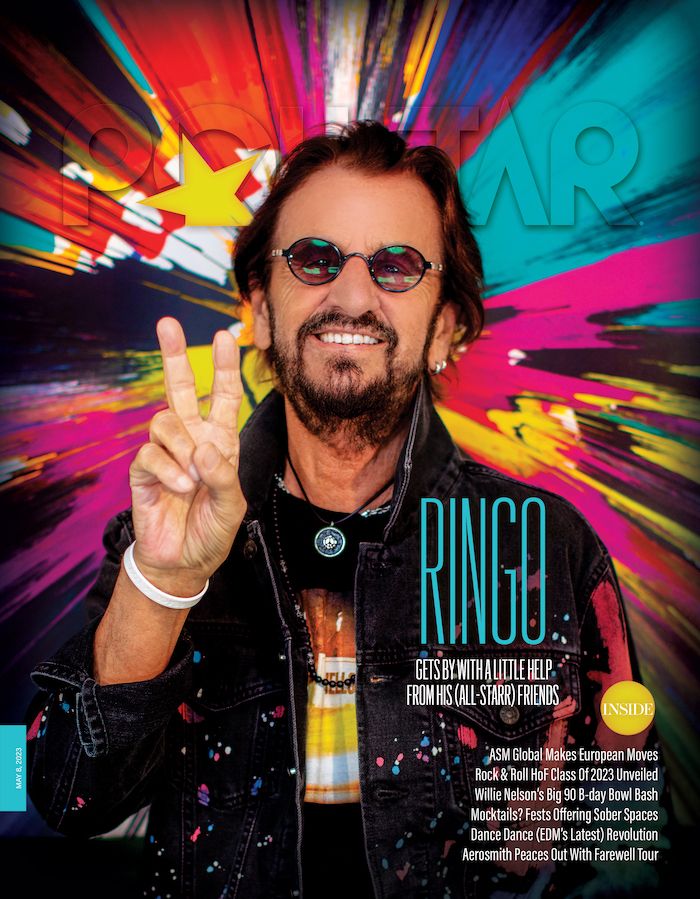
History gives us a map for almost everything, except this. Ringo Starr turns 86 in July and he’s onstage, anchoring a generation of rockers who’ve walked the calendar somewhere no popular musicians have walked before.

Look back and the precedent thins out fast. Jazz and blues handed us the early models. B.B. King kept his road life running into his late 80s, playing hundreds of nights a year as the self-described Ambassador of the Blues, a man who started touring in 1955 and barely stopped. Tony Bennett sang into his 90s, took a Number 1 album at 88, and headlined jazz festivals when most of his peers were long gone. They proved a voice could carry across seven decades.

What’s happening in 2026 stretches even those examples. King and Bennett were singular figures, exceptions standing nearly alone. This summer hands us a whole roster. Mike Love of the Beach Boys is 85. Bob Dylan turns 85. Paul Simon is 84. Randy Bachman of The Guess Who is 82. Jon Anderson and Eric Clapton are 81, joined by Micky Dolenz and Rod Stewart. John Fogerty turns 80.

There’s a familiar scene that plays out every few years. A legendary performer, well past the age when most people have retired, announces a “farewell tour.” Tickets sell out. The shows are emotional. And then, eighteen months later, a new run of dates appears. The farewell, it turns out, was not goodbye.

We tend to explain this cynically — they need the money, or their handlers won’t let them quit. Sometimes that’s true. But the more interesting answer is psychological. For many artists who have spent 50 or 60 years on stage, stopping isn’t a logistical decision. It’s an existential one. Here’s a look at what’s actually going on beneath the rescheduled farewell.

For most people, identity is distributed across many roles: parent, friend, professional, neighbor. For a performer who became famous young, an enormous share of their sense of self can be fused to a single activity. Psychologists call this identity foreclosure — when a person commits hard to one identity early in life and never develops alternatives. A teenager who becomes a touring musician at nineteen may never have built the scaffolding for a self that exists off-stage.

This makes retirement feel less like ending a job and more like erasing a person. The question “Who am I if I’m not performing?” isn’t rhetorical for these artists. They genuinely may not have an answer, because the experiment of being someone else was never run. Touring isn’t what they do. It’s the load-bearing wall of who they are.

There is no ordinary experience that replicates what happens when twenty thousand people sing your words back to you. The combination of mass attention, rhythmic crowd response, and the physiological rush of live performance produces a neurochemical cocktail — dopamine, adrenaline, oxytocin from social bonding — that the brain learns to expect and crave.

This isn’t addiction in the clinical sense, but it shares a structure with it. The feedback loop is immediate, intense, and reliable in a way that almost nothing in private life can match. A retired performer doesn’t just lose a paycheck or a routine. They lose access to one of the most powerful reward experiences a human nervous system can have. Daily life afterward can feel muted, gray, under-stimulated by comparison. Many describe the off-season or the gap between tours as a low-grade depression. The stage isn’t a habit they can’t break. It’s a high they can’t find anywhere else.

For older artists specifically, touring takes on a second layer of meaning. To keep moving is, in a quiet way, to refuse to be finished. Continuing to perform becomes evidence — to the audience but mostly to oneself — that one is still vital, still relevant, still here.

There’s a concept in psychology called terror management: the idea that humans construct meaning systems partly to buffer the anxiety of knowing we will die. For an artist, the work itself is that buffer. A song outlives its singer; a performance is a small act of defiance against time. Stopping can feel uncomfortably like an admission — that the body is failing, that the relevance is fading, that the end is near. As long as the next tour is booked, the story isn’t over. The calendar full of future dates is, in a sense, a promise to the self that there is still a future.

Performers are often, paradoxically, people who are most comfortable in front of crowds and least comfortable alone. The stage offers a kind of intimacy that is intense but bounded — connection without the vulnerability of a one-on-one relationship. It’s love at scale, with a clear exit at the end of the night.

Retirement removes the structure and replaces it with the thing many performers spent their whole lives avoiding: stillness, solitude, and the unmediated company of their own thoughts. The roar of the crowd is also, for some, a way of not having to sit in a quiet room with themselves. Touring keeps the silence at bay.

It would be too simple to frame all of this as ego or avoidance. There’s a healthier strand running through it too. Work that feels meaningful is one of the strongest predictors of wellbeing in later life, and being needed is a powerful antidote to the irrelevance that often accompanies aging.

For an artist, a tour is a reason to stay disciplined — to keep the voice in shape, the body moving, the mind sharp. It provides structure, social connection with a touring family, and the sense that one still has something to give. Some older performers keep going not because they’re running from death but because the work is genuinely the best part of being alive for them. We don’t tell a beloved teacher or surgeon they should have quit years ago simply because they reached a certain age. The instinct to keep contributing is, in many cases, the sign of a life well-aligned with its purpose.

The cynical read — they can’t let go, they’re chasing a fading high, they’re afraid of dying — is real for some artists. But so is the generous read: that they’ve found something that gives their life shape and meaning, and they intend to do it until they physically cannot.

Maybe the most honest answer is that both are usually true at once. The same tour can be an avoidance of mortality and a celebration of being alive. The crowd can be both a fix and a genuine source of joy. Human motivation is rarely clean.

What’s clear is that “why don’t they just stop?” is the wrong question. For a person whose identity, nervous system, and sense of meaning have all been organized around the stage for half a century, the better question is: stop and become what? Until there’s an answer to that, the farewell tour will keep saying hello.


How Beyoncé Continues to Raise the Bar

0

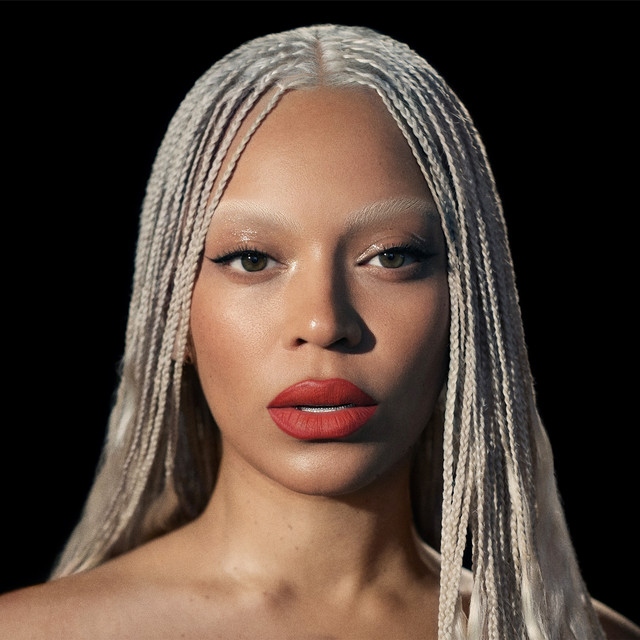
Most artists, more than two decades into a career this decorated, would be content to coast on legacy. BeyoncĂ© does the opposite. With each new project she seems determined to dismantle whatever box the industry tries to put her in, and her latest era proves it. In February 2025, ‘Cowboy Carter’ won Album of the Year at the Grammys, BeyoncĂ©’s first victory in the show’s top category, capping a night where she came in as the most-nominated artist with 11 nominations. The win was monumental for reasons far beyond the trophy itself. In claiming it, the Houston-born superstar, already both the most awarded and nominated artist in Grammy history, became the first Black woman to win the top prize in the 21st century.

What makes the achievement so telling is the album behind it. ‘Cowboy Carter’ was her history-making eighth studio album, created in response to her experience being rejected from the country genre as a Black woman from the South. Rather than retreat, she made a country record on her own terms, and the institution that had long kept the genre’s gates closed to artists like her had to acknowledge it. She became the first Black woman in Grammy history to win Best Country Album, and used her platform to make the point explicit, saying, “I think genre is a code word to keep us in our place as artists. I just want to encourage people to do what they’re passionate about.”

This is the pattern that defines her. As Rolling Stone observed, she did it with the industry-changing ‘BeyoncĂ©’ in 2013, the culture-shifting ‘Lemonade’ in 2016, and the homage-paying ‘Renaissance’ in 2022, and it took the amalgamation of these qualities on ‘Cowboy Carter’ for the Recording Academy to recognize her mastery of the album format. Each era is a complete artistic statement, a reinvention rather than a repetition, and each one moves the conversation forward for the artists who follow. She is, by reputation, a perfectionist who treats the album as a form to be conquered anew every time.

Crucially, she pairs that artistry with cultural memory. When she accepted Album of the Year, she didn’t simply celebrate herself. She dedicated the win to Linda Martell, the country legend who appeared on the album, saying, “I hope we just keep pushing forward opening doors.” It’s a small moment that captures the larger one: an artist at the absolute summit using her position to widen the path behind her.

And she refuses to let the milestone be the finish line. Less than 24 hours after the win, Beyoncé announced the Cowboy Carter stadium tour, a victory lap beginning in April 2025 at SoFi Stadium in Los Angeles before heading to Chicago, New Jersey, London, Paris, Houston, Washington D.C., and Atlanta. That tour would go on to become one of the highest-grossing of the decade. More than twenty years in, Beyoncé keeps raising the bar for one simple reason: she keeps refusing to accept where anyone else has set it.

John Blanche, Visionary Games Workshop Artist, Dies at 78

0

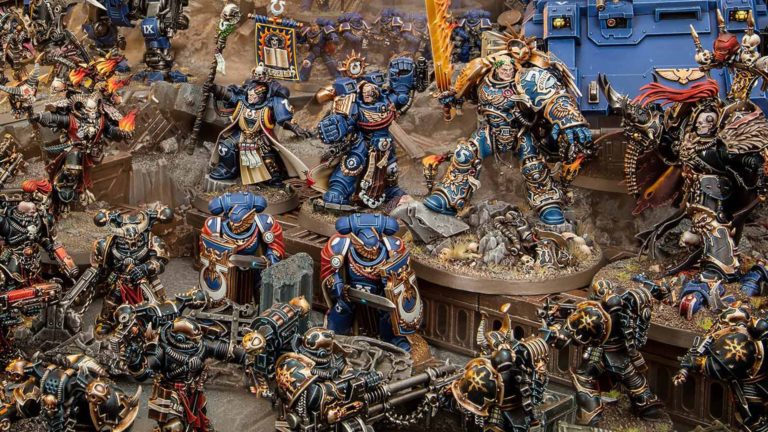
John Blanche, the British illustrator and miniature painter whose dark, gothic imagination shaped the visual identity of Warhammer and Warhammer 40,000 for decades, has died in 2026 at the age of 78. As the longtime art director of Games Workshop, he was one of the defining creative forces behind some of the most recognisable worlds in fantasy and science fiction gaming.

Born in 1948 into a working-class family in post-war England, Blanche grew up on a council estate during the 1950s, a period he remembered as “grey and flat” and starved of visual richness. He found his own colour where he could, drawing inspiration from cinema, collecting toy soldiers, and sketching historic warriors on the backs of old rolls of wallpaper. That instinct for the heroic and the fantastical would never leave him, even as the world around him tried to talk him out of it.

It tried more than once. At art college, where he earned a place on the strength of his paintings of battle scenes and prehistoric conflicts, Blanche was told he “had a romantic spirit, but it would never earn me a living.” He was warned he would never get a job painting angels, dragons, goblins, and trolls. He drifted into graphics, discovered illustration, hippydom, and The Lord of the Rings, and quietly set about proving that advice wrong. After college he worked as an assistant to a taxidermist in a Georgian manor house, building models and painting fantastic scenes in his spare time.

His break came after he relocated to London and approached the artist and publisher Roger Dean, who offered him freelance illustration work. Through the late 1970s and early 1980s Blanche produced book covers and interior art, including five illustrations for David Day’s A Tolkien Bestiary. In 1977 he began his long association with Games Workshop, supplying cover art for the fourth issue of White Dwarf and producing the cover for the first British edition of Dungeons & Dragons. He went on to paint the box art for the first edition of Warhammer Fantasy Battle in 1983.

After Games Workshop moved to Nottingham in 1986, Blanche was made the company’s art director, a role in which his influence became immeasurable. He directed the in-house art department, commissioned outside illustrators, and shaped designs for Citadel Miniatures, overseeing the art and painting columns in White Dwarf for years. Working alongside artists such as Ian Miller and Adrian Smith, he gave the company’s core products their distinctive look, a dark, gothic, occasionally bizarre, punkish quality that became inseparable from the Warhammer worlds themselves. His standing as a craftsman was recognised in 1987 when he won the Master Painter award at Games Day for his own Chaos Minotaur miniature, complete with a Mona Lisa banner conversion.

Blanche’s reach extended beyond the gaming table. He provided cover art for Nottingham thrash metal band Sabbat’s 1988 album History of a Time to Come, and illustrated fantasy gamebooks including the Fighting Fantasy series and Steve Jackson’s Sorcery! quartet. Several books were devoted to his work, among them Ratspike, created with Ian Miller, and The Prince and the Woodcutter.

His technique was as distinctive as his vision. He drew on turn-of-the-century illustrators like Arthur Rackham and Kay Nielsen, alongside Rembrandt, Bosch, DĂĽrer, and the Pre-Raphaelites, and described his art as tapping an archetypal core of inherited imagery, the same hunting scenes, war paint, and trophies that he saw echoed in punk haircuts and films like Blade Runner and Aliens. He worked small, most of his jewel-like paintings smaller than A4, building each element separately before layering inks, acrylics, and glazes to create an inner glow. He often folded famous images into his own work, the Mona Lisa among them, calling it not plagiarism but a deliberate policy to place the world’s best-known image into a new reality. Occasionally he used his art to comment directly, as with Amazonia Gothique, painted out of frustration with the exploitative fantasy art he saw creeping onto magazine covers; it was later voted best cover of the year.

Following a period of poor health, Blanche turned in later years to sketchbooks exploring the Warhammer universes, describing himself contentedly as “living in the worlds he has helped to create.” He officially retired from Games Workshop on 31 May 2023, but his creative drive continued. He licensed his name to a range of paints inspired by his style and launched Kickstarter campaigns for a line of models called Mörderin and a game, John Blanche’s En Guarde.

To generations of hobbyists, painters, and players, Blanche was the man who taught the grim darkness of the far future how to look. He took the angels, dragons, goblins, and trolls he was once told would never pay and built from them entire universes, leaving behind a body of work that will continue to shape the imaginations of artists and gamers for years to come.

Chung King-fai, Titan of Hong Kong Theatre, Dies at 89

0

Chung King-fai, the actor, director, and educator revered across generations of Hong Kong performers simply as “King Sir,” died on 3 June 2026 in his sleep at the age of 89. With his passing, Hong Kong loses one of the singular figures who shaped its modern stage, a man widely considered a titan of the territory’s theatre scene.

Born in Bangkok on 23 March 1937 to a family of Chinese expatriates with roots in Taishan, Guangdong, Chung came to Hong Kong as an infant and grew up on Stone Nullah Lane in Wan Chai. His childhood was marked by displacement; around the age of four, his family fled the Japanese occupation, travelling through Shanghai, Nanjing, and Anhui, and he spent several years living in the Shanghai French Concession before returning to Hong Kong after the war. A standout student at Pui Ching Middle School, he discovered drama early, twice winning Best Actor at the Inter-School Dramatic Competition in the 1950s.

With no performing arts academy then existing in Hong Kong, Chung forged his own path abroad. He studied at Oklahoma Baptist University before earning a Master of Fine Arts at the Yale School of Drama, where he was the only Asian among more than 170 students, graduating in 1962. That training abroad would prove transformative, both for him and for the city he returned to.

Back in Hong Kong, Chung became the great conduit through which Western drama reached Cantonese audiences. He was the first to introduce Theatre of the Absurd and Broadway musicals to local audiences in their own language, and his 1960s translated productions of works like Death of a Salesman, Our Town, and A Hatful of Rain galvanised the local theatre scene. Over his career he directed and performed in well over a hundred stage productions, among them M. Butterfly, West Side Story, Amadeus, The Zoo Story, and The Dresser, collecting eleven Hong Kong Drama Awards along the way.

His influence extended well beyond the footlights. Chung founded the Hong Kong Federation of Drama Societies, co-founded the Hong Kong Repertory Theatre in 1977, and in 1985 became the founding Dean of Drama at the Hong Kong Academy for Performing Arts, a post he held until his retirement in 2001. There he built a comprehensive degree programme spanning acting, playwriting, and directing, mentoring a generation of actors who would go on to define Hong Kong stage and screen. Among the talents he is credited with discovering and nurturing through TVB’s artiste training programme, which he helped establish, were future stars of Hong Kong cinema.

Chung was equally a fixture of television and film. He joined TVB as a scriptwriter in 1967 and rose to senior management before moving to Rediffusion Television, and later endeared himself to the public through his distinctive, sentimental narration of the long-running documentary series Stories from Afar. On screen he was memorable in films such as God of Gamblers 3: The Early Stage and Lawyer Lawyer, and in television series including The Dance of Passion, The Stew of Life, and Line Walker. He continued acting well into his later years, with the 2019 series Finding Her Voice among his final works.

Honoured with the Bronze and Silver Bauhinia Stars, multiple lifetime achievement awards, and an Honorary Doctor of Letters from Hong Kong Shue Yan University in 2018, Chung remained devoted to his craft even as illness slowed him following surgery for colorectal cancer in 2016. He never married and had no children, but often spoke of not feeling lonely, his life full instead with students and the art form to which he gave everything. Asked at his honorary doctorate ceremony what he had learned, he counselled humility, noting that however talented one may be, there is always someone more talented still.

His students, colleagues, and admirers across Hong Kong’s performing arts world have remembered him as a teacher and mentor of rare generosity, a man whose voice and vision will echo on its stages for generations. He is survived by that vast artistic family, and by the enduring tradition he did so much to build.

What to Put on Your Electronic Press Kit

Picture the person on the receiving end of your music: a booking agent, a festival curator, a journalist, all buried under thousands of submissions and giving each one maybe sixty seconds before moving on. Your electronic press kit is what they see in that window, and it has one job. As one industry guide puts it, think of your musician EPK as your digital handshake, the one-stop shop you hand to promoters, bloggers, and label reps that gives them everything they need in a single, slick package. Get it right and you cut through the noise. Get it wrong and you’re ignored. Here’s exactly what belongs on it.

1. A sharp artist bio

This is the anchor. A good bio explains who you are, what your sound is, and what makes your music unique, and it should be concise but engaging so that journalists and promoters can easily summarize your story. A smart structural trick: include a medium-length bio with the first paragraph crafted as a standalone pitch, knowing that someone may copy and paste only part of it. If you’re just starting out, keep it simple and factual, covering your genre, hometown, member names and instruments, and an artist statement, plus a “for fans of” or “sounds like” section to help contextualize your music.

2. Your music, ready to play

The whole point is for someone to hear you, instantly. Embedded players or streaming links allow listeners to immediately hear your music without leaving the page. Lead with your strongest material: a promotional link repository of your best tracks or a lead single from your latest release, and keep downloadable high-quality audio files on hand for when a magazine premiering your single requests an MP3.

3. High-resolution photos

Give media a real choice of images, not one cramped headshot. Include high-resolution images that represent your brand and style, offering a variety of shots like close-ups and performance images for media use in multiple dimensions: landscape, vertical, and square. A good mix means posed band photos and a few live shots that capture your performance energy, plus photos matching the visual aesthetic of a new release, along with the album artwork.

4. Video

Video shows what a recording can’t: your presence. Live footage, a music video, or a session clip lets a booker see how you hold a room before they commit to putting you in one. High-quality photographs and engaging music videos enhance visual appeal and viewer engagement.

5. Press and reviews

Third-party praise builds instant credibility. Pull quotes from reviews, blog features, interviews, or radio play, and link back to the originals. As the EPK essentials lists consistently note, press and reviews are a core element alongside your bio, photos, music, and video.

6. Highlights and achievements

This is your case for being worth a gamble. Notable achievements add to an EPK’s appeal, so spotlight your biggest wins: chart placements, notable past shows or festivals, streaming milestones, awards, and grants. These details quietly tell a promoter you’re an artist to watch, and more importantly, an artist to book.

7. Social and streaming links

Make it effortless to follow you everywhere. Include clean links to your Spotify, Apple Music, Instagram, and the rest, so a curious booker or journalist can dig deeper in one click. These belong among the essentials of any digital press kit alongside contact information.

8. Tour dates and contact info

Finally, close the loop. Keep your EPK up-to-date with your latest show schedule and tour dates, and make it easy for people to reach you by including your contact information, social media links, and website URL, so professionals can get in touch for bookings, interviews, or collaborations. An EPK with no obvious way to contact you is a door with no handle.

How you deliver all this matters as much as the contents. The old-school PDF attachment is dead; promoters are busier than ever and want a fast, mobile-friendly link that gives them everything in one click. The current gold standard is a dedicated page on your artist website or a purpose-built EPK platform, because it’s mobile-friendly, always up to date, and lets promoters stream your music without downloading anything, with a one-page downloadable summary as a backup. The best kits all share one trait: they’re scannable in under 60 seconds and they lead with music.

Build it once, keep it current, and remember that your EPK is a living document. It can evolve too, from building out your bio as your career progresses to revamping the branding to match an upcoming release. The goal never changes: make it dead simple for the right person to say yes

Belfast’s Hidden Music Gems

0

Everyone who comes to Belfast for music ends up at the same handful of famous spots, and rightly so. But the real magic of this city lives down the side streets, up the staircases, and in the rooms most visitors walk straight past. There’s never been a better moment to go looking for them, either: from Sunday 2nd to Sunday 9th August 2026, the city takes centre stage as it proudly hosts Fleadh Cheoil na hÉireann, the world’s biggest celebration of traditional Irish music and culture. It’s the first time Belfast has ever hosted, with over 800,000 people expected across eight days of street performances, pub sessions and stage concerts. While the headline venues will be heaving, the city’s quieter treasures are where you’ll find the sessions you’ll still be talking about next year. Belfast is, after all, a place where the magic often happens in cozy pubs, bustling bars, and intimate venues where you can feel the energy of the performers right beside you.

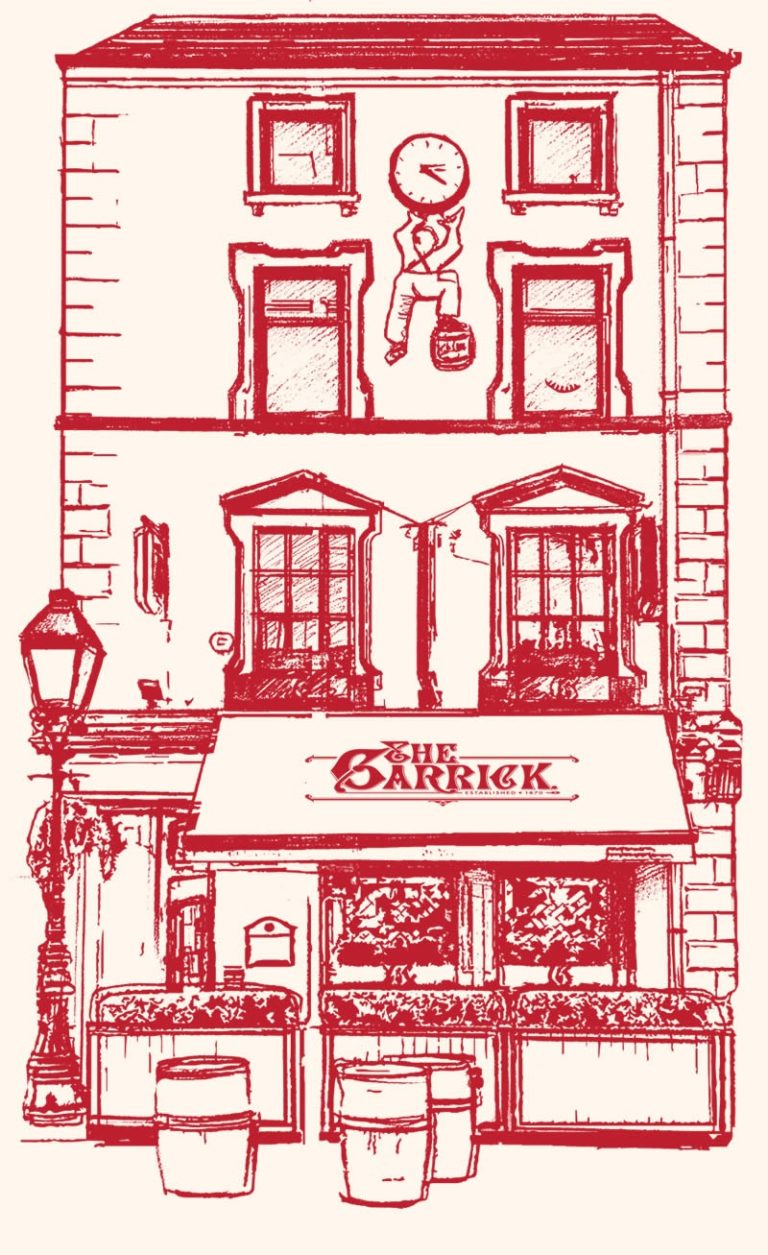
The Garrick

Start with one of the best-kept secrets in trad. Arguably one of the hidden gems when it comes to trad music in Belfast, The Garrick on Chichester Street, just down from Belfast City Hall, is well worth a visit. The room itself is half the pleasure: your eye is immediately drawn to the large wooden bar and then up to the ornate lanterns that hang above, and the interior feels every bit as old as the building, which dates back to 1870. Time it right, because there are trad sessions running on Wednesday evenings from 9:30pm, Fridays from 5pm and Sundays from 6pm.

Maddens Bar

Tucked onto Berry Street and impossible to miss thanks to its mural-covered exterior, Maddens is a true locals’ institution. It’s a beloved spot offering the city’s best pint and live music from 9pm each evening, with over 50 years of upholding the tradition of live music in a warm, Celtic-inspired setting. The insider move: go on a Monday night, when Madden’s is home to some of the best traditional Irish music in the city. Reviewers consistently call it a hidden gem offering an immersive experience with live traditional Irish music, top-notch Guinness, and the owner’s personal tours sharing the pub’s history.

Ulster Sports Club

For something cooler and more contemporary, climb the stairs here. Ulster Sports Club is an easy-going bar in Belfast city centre with its own brewery, but it also houses three floors of music venues, with a varied line-up of acts attracting a creative crowd who like to dance late into the night. A word to the wise: check listings at the last minute, because some of the best gigs here pop up with barely any notice.

The Spaniard

An icon among those in the know. The Spaniard is a popular choice when it comes to music in the Cathedral Quarter, specialising in live entertainment, tapas and good company, spread over two levels. It doubles as a comedy and cabaret room too: it’s the home of the Craic the Gong show, in an iconic Belfast cocktail bar with unique and cosy decor, a small room that sells out often, so book tickets early.

Babel Rooftop

For music with a view, head skyward. Found atop the Bullitt Hotel, Babel is a gorgeous rooftop bar with regular live music events, where in the summer months guests can dance under the stars to live DJs, with more chilled-out acoustic sets during the daytime. A perfect Fleadh-week spot to catch some sun and sound between sessions.

The Jeggy Nettle

Finally, venture out of the centre to where the students go. The Jeggy Nettle, located on Stranmillis, is a casual local pub with talented acts performing from 10pm every evening, except Tuesdays, which is quiz night. It’s exactly the kind of low-key neighbourhood spot the crowds won’t find.

One last tip for Fleadh week: don’t overlook the street itself. The buskers in the city centre really make Belfast special, from traditional music to a modern take on a classic, and during a festival expecting 800,000 visitors, the pavements will be as alive as any stage. As they say in Belfast, soak up the craic, discover the culture, and be part of something truly special. Then go find a gem of your own.

Fleadh Cheoil na hÉireann takes place in Belfast, August 2–9, 2026. For more information visit fleadhcheoil.ie, visitbelfast.com, and discovernorthernireland.com.

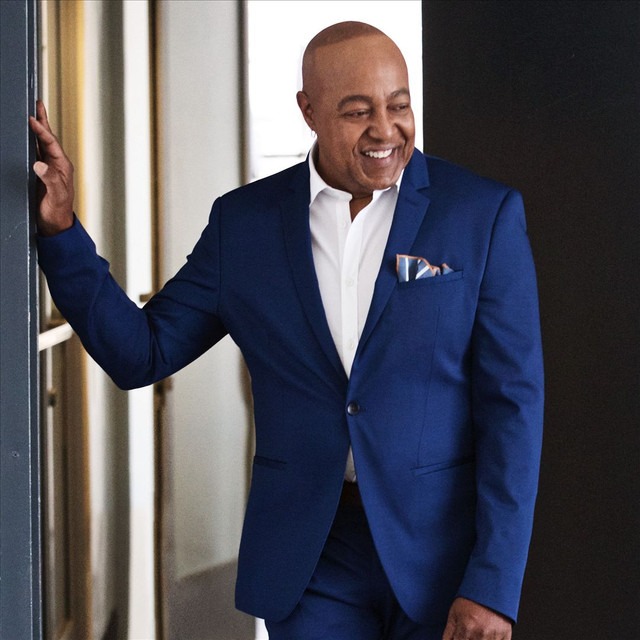
Peabo Bryson, Grammy-Winning Voice Of “Beauty And The Beast” And “A Whole New World,” Dies At 75

0

Peabo Bryson, the velvet-voiced R&B singer who turned the soul ballad into an art form and lent his voice to two of Disney’s most beloved songs, has died at 75. He passed on June 2 in Marietta, Georgia, days after suffering a stroke.

Born Robert Peapo Bryson in Greenville, South Carolina, on April 13, 1951, he spent much of his childhood on his grandfather’s farm in nearby Mauldin. His love of music came from his mother, who took the family to see the great Black artists of the day. He made his professional debut at 14, singing backup for a local group, and it was a bandleader’s trouble pronouncing his French West Indian name, Peapo, that led him to perform as Peabo.

His break came at Atlanta’s Bang Records, where a label executive signed him as a writer, producer and arranger. He launched his solo career in 1976 and signed to Capitol the following year, building a run of hits that included “Feel the Fire,” “Reaching for the Sky,” “If Ever You’re in My Arms Again” and “Can You Stop the Rain.”

Bryson became best known as a master of the duet. He recorded the romantic ‘Born to Love’ with Roberta Flack in 1983, partnered with Natalie Cole and Angela Bofill, and joined Regina Belle on several songs over the decades. The biggest moments came through Disney. His “Beauty and the Beast” with Celine Dion won the 1992 Grammy for Best Pop Performance by a Duo or Group with Vocals, and “A Whole New World” with Regina Belle, the theme from ‘Aladdin’, won the following year and topped the pop chart, the rare film song to claim Golden Globe, Oscar and Grammy honors.

His career stretched well beyond the studio. He sang a lyrical version of the ‘One Life to Live’ theme on the soap itself in 1985, took the tenor role of Sportin’ Life in a Detroit production of ‘Porgy and Bess’, and kept recording into his seventies, releasing ‘Stand for Love’ in 2018 with producers Jimmy Jam and Terry Lewis. His final album, ‘Grace’, arrived in 2026.

There were hard chapters too. In 2003, the IRS seized property from his Atlanta home over a tax debt and auctioned his possessions, including both Grammy Awards, though a family friend bought back his “A Whole New World” trophy and vowed to return it. He survived a heart attack in 2019 and made a full recovery, performing for years afterward.

Bryson married singer Tanya Boniface in 2010. He is survived by his wife, a son who occasionally joined him onstage, a daughter, and three grandchildren. Across a career that ran from 1965 to 2026, his warm tenor remained unmistakable, a voice that made millions of listeners feel celebrated, cherished and seen.