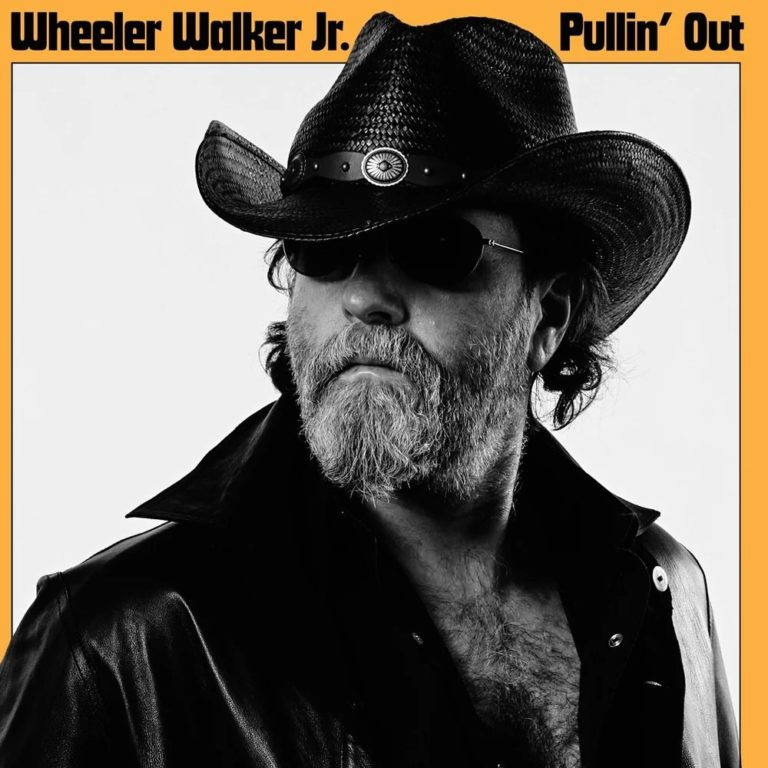
Country music’s self-proclaimed last real outlaw is riding off into the sunset. Wheeler Walker Jr. – the raunchy, satirical country music alter-ego of American comedian and writer Ben Hoffman – officially announced his retirement, flipping double birds at Music Row on his way out the door with one final album and a farewell tour. ‘Pullin’ Out’ arrives as a loud, bourbon-soaked send-off aimed squarely at the modern Nashville machine.
The album’s first single, “Fuck This Bar,” is available now, ahead of tickets going on sale Friday, June 12 at 10am local time. Walker didn’t mince words about his exit, saying he can’t do it anymore and griping that every song in Nashville seems written by a dozen guys named Chase about trucks they don’t own and farms they never worked.
‘Pullin’ Out’ marks the sixth Wheeler Walker Jr. record produced by Grammy winner Dave Cobb, the longest producing relationship of Cobb’s career. Already being touted as his strongest record since his debut, it serves as his final sermon from the barstool, and after a rock detour on his last album ‘Ram’, a return to the hard-core country he loves. The record packs savage commentary, heartbreak, hangovers, and at least three songs that might get banned before release day.
His track record is no joke. Over the last decade, Walker has released five albums that all hit No. 1 on Billboard’s Comedy chart, with two debuting in the Top 10 on the Country chart. He’s amassed more than one billion career streams and earned two platinum and gold-certified records, bursting onto the scene with ‘Redneck Shit’ as the first artist to simultaneously chart on Billboard’s Country Album chart at No. 9 and Comedy Album chart at No. 1.
The Pullin’ Out: The Farewell Tour kicks off this fall and runs through North America, hitting Los Angeles, Boston, Seattle, Austin, Detroit, and multiple Canadian cities before his final show ever at Nashville’s Ryman Auditorium on May 15, 2027. It’s one last filthy, funny, defiant lap from one of country’s most singular characters.
Pullin’ Out: The Farewell Tour Dates:
Oct 15 – Grand Rapids, MI @ The Intersection
Oct 16 – Pittsburgh, PA @ Roxian Theatre Presented by Citizens
Oct 17 – Beaver Dam, KY @ Beaver Dam Amphitheater
Oct 19 – Madison, WI @ The Sylvee
Oct 21 – Davenport, IA @ Capitol Theatre
Oct 22 – Detroit, MI @ The Fillmore Detroit
Oct 23 – Cincinnati, OH @ Bogart’s
Oct 24 – Indianapolis, IN @ Egyptian Room at Old National Centre
Nov 5 – Jordan, NY @ Kegs Canalside
Nov 6 – Huntington, NY @ The Paramount in concert with Northwell
Nov 7 – New Haven, CT @ Toad’s Place
Nov 8 – Boston, MA @ Citizens House of Blues
Nov 10 – Moncton, NB @ Casino New Brunswick
Nov 12 – Montreal, QC @ MTELUS
Nov 13 – Ottawa, ON @ HISTORY
Nov 14 – London, ON @ London Music Hall
Nov 15 – Toronto, ON @ HISTORY
Nov 17 – Sayreville, NJ @ Starland Ballroom
Nov 19 – Columbus, OH @ The Bluestone
Nov 20 – Cleveland, OH @ The Agora
Nov 21 – Charles Town, WV @ Hollywood Casino at Charles Town Races
Feb 24 – Milwaukee, WI @ The Rave / Eagles Club
Feb 25 – St. Louis, MO @ The Factory
Feb 26 – Kansas City, MO @ Uptown Theater
Feb 27 – Denver, CO @ Summit Music Hall
Feb 28 – La Vista, NE @ The Astro Theater
Mar 2 – Tulsa, OK @ Cain’s Ballroom
Mar 4 – Austin, TX @ ACL Live at the Moody Theater
Mar 5 – Dallas, TX @ The Bomb Factory
Mar 6 – Houston, TX @ House of Blues Houston
Mar 7 – Corpus Christi, TX @ Brewster Street Icehouse
Mar 9 – Odessa, TX @ Dos Amigos
Mar 11 – Albuquerque, NM @ Revel
Mar 12 – Tempe, AZ @ Marquee Theatre
Mar 13 – Del Mar, CA @ The Sound
Mar 16 – Los Angeles, CA @ Troubadour
Mar 18 – Napa, CA @ Uptown Theatre
Mar 19 – Reno, NV @ Grand Sierra Resort
Mar 20 – Salt Lake City, UT @ The Complex
Mar 21 – Boise, ID @ Treefort Music Hall
Mar 23 – Eugene, OR @ McDonald Theatre
Mar 25 – Portland, OR @ Roseland Theater
Mar 26 – Seattle, WA @ Showbox SoDo
Mar 27 – Vancouver, BC @ Commodore Ballroom
Mar 30 – Kelowna, BC @ Kelowna Community Theatre
Apr 1 – Calgary, AB @ Event Centre @ Grey Eagle Resort & Casino
Apr 2 – Edmonton, AB @ Midway Music Hall
Apr 3 – Saskatoon, SK @ Coors Event Centre
Apr 5 – Winnipeg, MB @ Burton Cummings Theatre
Apr 7 – Green Bay, WI @ EPIC Event Center
Apr 8 – Minneapolis, MN @ First Avenue
Apr 9 – West Des Moines, IA @ Val Air Ballroom
Apr 10 – Rosemont, IL @ Joe’s Live
Apr 22 – Richmond, VA @ The National
Apr 23 – Raleigh, NC @ Bowstring
Apr 24 – Atlanta, GA @ The Eastern
May 15 – Nashville, TN @ Ryman Auditorium