Home Blog Page 2034

Musicians’ Tools: How To Care For And When To Upgrade Your Gear

0

Just like how samurai warriors took pride in their swords, true musicians also respect their tools. When you’re still a beginner who is still fumbling around in a world of different equipment and techniques, you’re bound to get overwhelmed by all the things you need to keep in mind. Once you lock down an instrument and decide that it’s suitable for you, you need to treat it like it’s your life companion until you feel that you can upgrade and do better. The best music teachers teach young musicians to always take care of their instruments to instill responsibility in them. 

Maintenance’s value

When you start looking beyond the physical form of a music tool, you’ll be able to see how much your soul or the artist inside of you could gain from it. Depending on the instrument itself, special care needs to be applied to keep it in its best shape. Proper maintenance doesn’t only ensure that your instrument will perform well in musical sessions, but it will also increase the lifespan of your instrument. The art of caring for your instrument is a talent that’s gained with time and passion. You may not be doing great in terms of maintenance when you’re a beginner, but as you grow as a musician, you start understanding the true value of an instrument maintenance. Always keep in mind that no matter how refined and polished your instrument is, without proper maintenance it will lose a lot of the features that make it special.

Upgrading is commitment

When it comes to upgrading your tools, there are some considerations that you should keep in mind. A beginner has to know for sure that there will come a time where their skills or talents would be more suited toward a better or different instrument. The on-going debate is whether you should spend a lot of money at the beginning or save it for later when you’re more advanced. You’ll also notice that this decision is always on the mind of someone who teaches their children music. Children can change their minds more often than adults; they can decide to switch to a completely different instrument on impulse. This is why most stores have a section exclusive to beginner instruments as they are cheap and durable. The decision to upgrade your instrument must be made on concrete grounds so you don’t end up wasting money on something you don’t need or won’t use. Passion should be your guiding compass before purchasing anything. There is a fine line between taking care of your instruments and deciding to upgrade it. Here are some tips that can help you decide which to do and when.

Avoid showing off

A lot of people like to keep their musical instrument bare and visible to their visitors. While this adds some aesthetic appeal to the house, it can damage or ruin instruments. A lot of guests love to play around with any accessible instrument. The most sensitive instruments are stringed ones as simply putting the wrong pressure on the wrong place can easily ruin it. This is where casing proves to be useful. Putting your instruments in a case makes them mostly inaccessible to your guests or visitors while protecting them from dust, heat, and moisture. It’s also recommended to keep your instruments in their case at all times when you’re transporting it to a gig or a workshop, especially when you’re using public transport. You wouldn’t believe the amount of bumping and accidental falls that your instrument can go through by simply walking down the street or using the stairs. 

Mind the case

We’ve mentioned that the Case is the first line of defense against many damaging factors. If you take care of the case, you’ll also be taking care of the instrument inside. Any case wears out faster if it has been subjected to a lot of punishment. This causes the lifespan of the case to considerably decrease. You need to always keep an eye on any worn out or damaged areas of the case to catch and repair them as early as possible. Worn out areas can bring more worn out areas that accumulate easily over time and end up damaging your instrument slowly without you noticing. If you’re going to store the instrument in a case for a long duration, you should consider adding some insect-repelling elements to deter pesky pests like rats and cockroaches from invading the case. Whether the case is strong or not, you should always keep an eye on its condition because it’s directly related to the instrument inside. 

The case is not a personal bag

While making sure that your case is in perfect shape is extremely beneficial, cramming it with other stuff so you wouldn’t have to carry another bag is counterintuitive. Using any healthy ,high-quality case doesn’t mean that you’re using the right case. You should always use the specific case designed for your instrument. Some instruments are quite sensitive to pressure and items in the case can damage or scratch it easily. Try to manage your space well and use another bag for accessories, wires, and other items. Even the smallest items can jump around in the case while you’re carrying it and damage the instrument. Always choose a case that is spacious for your instrument and keep it that way because extra space is okay while tightness is not.

Avoid car trunks

If you have a car, you may be tempted to place an instrument in the trunk so it wouldn’t take over the back or front seats. The problem with trunks is that the climate, whether it’s hot or cold, is amplified and could be worse than you’d expect inside the trunk. The coldness, for example, can make wood less flexible and ruin the tuning of stringed instruments. On the other hand, heat can affect the viscosity of the glue and loosen parts of the instrument. Any collision from the back of the car and translate to huge damages to the instrument no matter how minor the collision is. It’s worth noting that insurance companies do not cover getting your instrument stolen by a thief who popped the trunk of the car.

Minding the temperature difference

Extreme temperature switches can be very damaging to your instruments, especially if they’re sensitive. When you’re traveling from a cold area to a hotter one, you should avoid exposing your instrument to the new temperature suddenly and instead leave it for a while in the case. If your case isn’t protected by padding or a hard-shell, you should cover it with any thick fabric to help it transition from extreme temperatures. You should keep any musical instrument in a dry place away from moist. If the temperature is too hot in your house you should consider using a dehumidifier to keep stringed instruments safe. Refrain from exposing your instruments to ambient coldness in the house by warming your house to a normal temperature so the instruments don’t get warped.

Extra care for stringed instruments

Stringed instruments are one of the most sensitive instruments among music tools. Never place your instrument with its strings facing downward even when it’s inside a hard-shell or padded case. When you’re cleaning or polishing your instruments, take extra care of the cleaning supplies you use. It’s recommended to purchase specific cleaning tools for your instrument and then test it on a small spot to see if there are any side-effects on the tool. The average lifespan of strings is 12 months, so it’s recommended to change them after 1 year at the most. When you’re replacing strings for the first time, you should do it with the help of an experienced teacher or at a music shop. When you’re replacing strings, don’t remove them all at once. Replace every string you remove to make sure you don’t imbalance the tension and damage the instrument. If you notice that your strings are constantly vulnerable and easily damaged, have a professional take a look at it and see if the nuts or joints are damaged.

Upgrading style

As you learn more about genres and instruments, you’ll find yourself starting to lean more towards a specific or developed style of choice. You start to notice very simple and almost unnoticeable details which can help you present your technique and style in the way you want. Different world-class brands are of extremely high-quality and you can’t objectively choose one over the other because of quality differences. One of the most popular solutions to develop a certain style is by using accessories or effects. You don’t buy a new thousand-dollar guitar to produce a sound which can be easily produced by certain guitar pedals in the market. What makes people so insistent on getting a specific brand or pedal are some feats that help them produce the style of music they have in mind. To choose one brand over the other requires experience and practice, so develop your style at your own pace.

Take your time before upgrading

If this is your first time to play an instrument, it can take you a year to fully realize the potential and limitations of such an instrument. If you upgrade too early, you may not even notice the difference since your ears are not trained enough to see the contrasts. You should focus on your technique and practice a lot so you could determine what kind of upgrade would suit you best. Sticking with an instrument for a while when you’re a beginner is a good sign which indicates that you won’t lose interest down the road and decide to switch to a completely different instrument. Once you decide that you’re ready for an upgrade, go for professional models; they may cost a lot, but you wouldn’t have to replace them often as you do with the beginner or mid-range models. The expensive professional equipment always pays off in the long term as it’s an investment in your ability and talent.

Think it through

People get so excited when they purchase items of high-interest. A lot of eager people fall into a common mistake which is choosing whatever that is in front of them instead of conducting actual research. You want to check out many stores, contact some sellers online and offline, and test any instrument that piques your interest. You may sometimes find great deals online and figure that it’s a bargain, but you should still for a store that offers the instrument and test it yourself so you’d know that what you’ve ordered online is what you expect. Don’t overestimate your budget thinking that the more expensive a tool is, the better it will be. While that may remain true to a certain budget or extent, it doesn’t always translate to better equipment. You don’t have to choose the most expensive instrument in the shop while ignoring all other factors. If you see an instrument that you are obsessed with but you’ll never be able to afford, consider buying used instruments.

Outgrowing your instrument

This seems intuitive, but many inexperienced musicians may not notice it. You may be used to playing on an instrument since your childhood and haven’t noticed that it’s becoming smaller as you’ve outgrown it literally. This usually happens with students using stringed instruments like violins and violas. If you notice that your form is suffering and you’re having a hard time playing notes, that were quite easy to play when you were younger, then it’s definitely time to buy a bigger and better instrument. Some equipment is designed to be played by adults as their size is too big for a small body to handle. You should get back to a professional to help you decide if it’s time to upgrade or play a certain instrument or not.

The world of music isn’t easily comprehended without experience and practice. Always free some time up to make sure that your instruments are working in tiptop condition. The decision to upgrade shouldn’t be made hastily and always consider the many factors at play before buying a new instrument.

 

Beastie Boys’ “Ill Communication” Turns 25

0

Debuting at #1 upon its May 1994 release, Beastie Boys’ fourth album was an unstoppable force, pervading every aspect of pop culture. Its charge to the top of the charts was led by “Sabotage” and its legendary Spike Jonze/Nathanial Hornblower ’70s TV police drama tribute, as ROLLING STONE dubbed Ill Communication 1994’s “soundtrack for summer.” Crowds and critics alike were floored by highlights “Sure Shot,” “Root Down” and “Get It Together,” as a VIBE (RIP)—in the magazine’s first cover story on a white artist–hailed Beastie Boys as “perhaps the most consistently innovative musicians to emerge out of hip hop.” It was a claim that Ill Communication has justified for years to come, and 25 years later Ill Communication’s impact has resounded with generation after generation.

Surviving members Adam “Adrock” Horovitz and Michael “Mike D” Diamond sat down and reflected on the making of the album with Amazon Music’s Nathan Brackett.

The documentary also features archival footage and commentary from musical collaborators Mario Caldato Jr. and “Money” Mark Nishita.

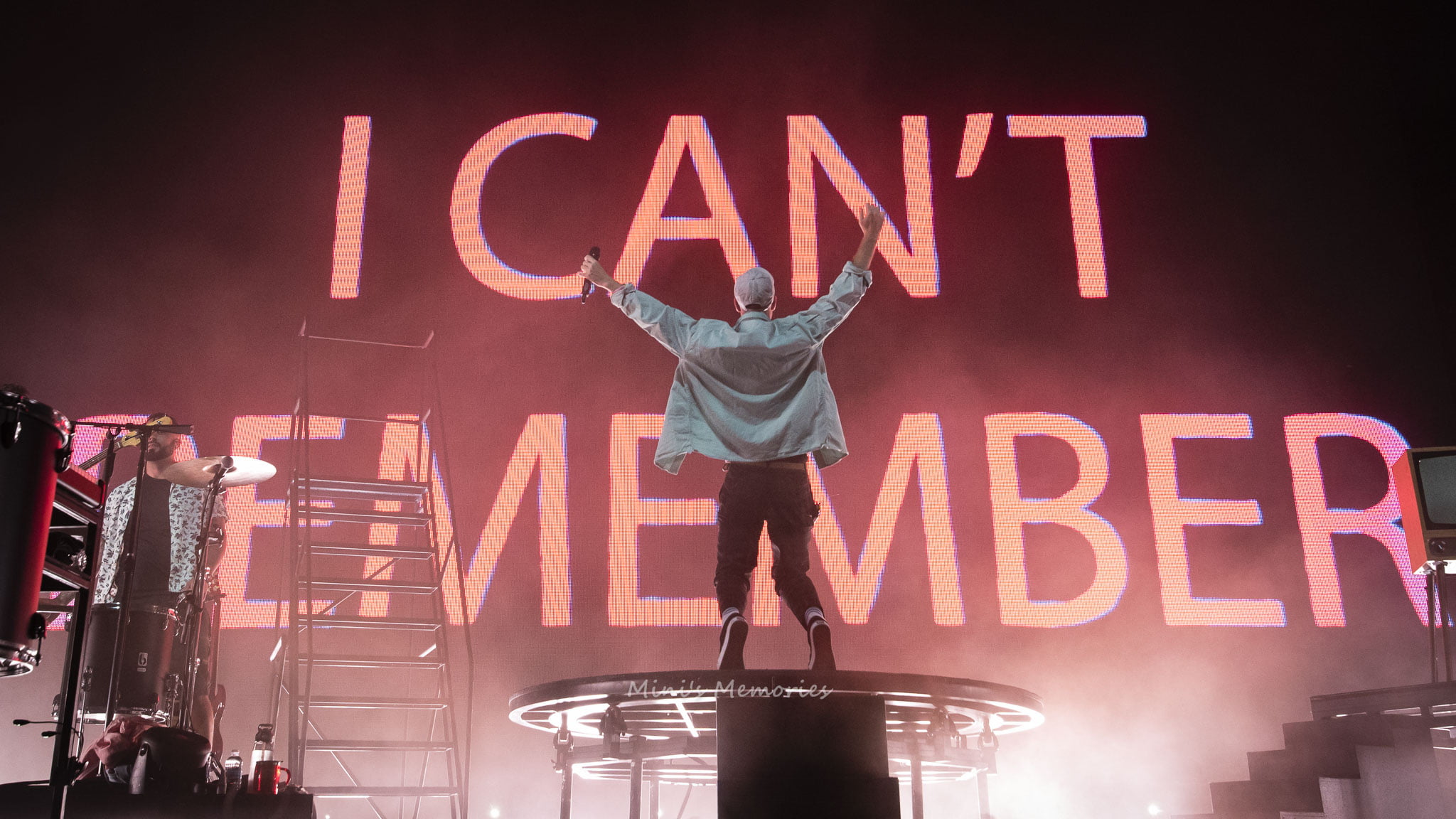
Photo Gallery: Bastille at Toronto’s Budweiser Stage

0

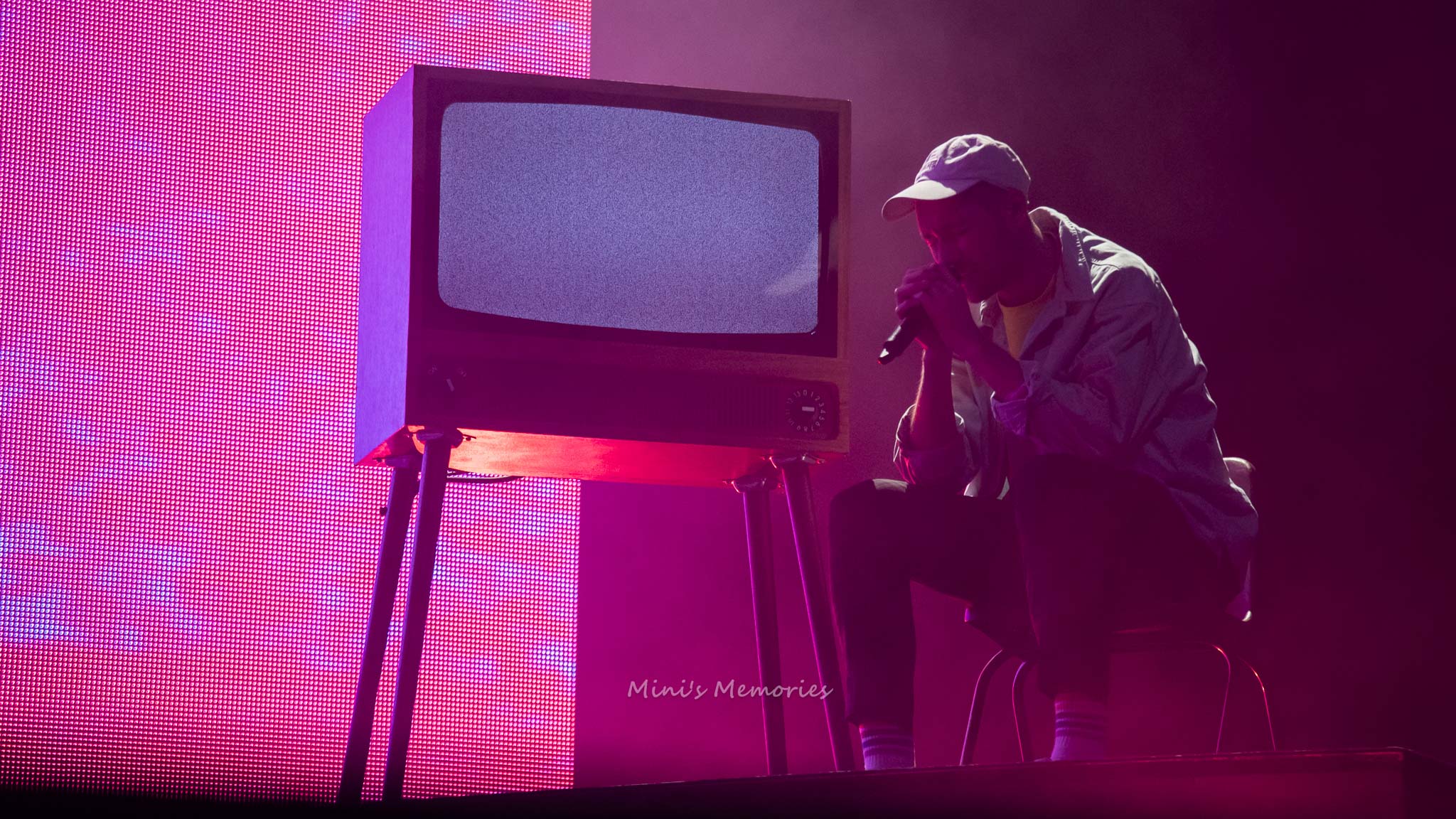
All photos by Mini’s Memories. You can contact her at minismemories@hotmail.com

Bastille
Bastille
Bastille
Bastille
Bastille
Bastille
Bastille
Bastille
Bastille
Bastille

Steve Forbert To Release Limited Edition Remastered Vinyl For Jackrabbit Slim’s 40th Anniversary

0

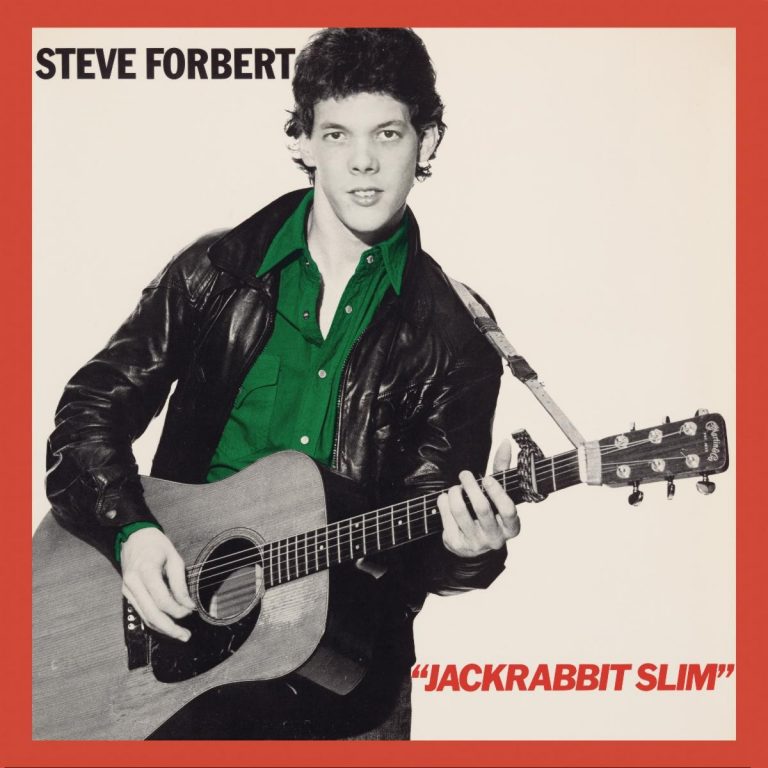
A little over 43 years ago, Meridian, MS, native Steve Forbert boarded a train bound for New York City. Twenty-one years old at the time, Forbert, with his guitar and harmonica, spent two years working his way up from street performer living at the YMCA to filling historic Greenwich Village clubs and signing a major label contract. By 1979, Forbert had really hit his stride, releasing Jackrabbit Slim, which produced his first top 40 hit, “Romeo’s Tune,” and afforded Forbert the opportunity to share his music with the world. On November 8th, 2019, Blue Rose Music will be releasing an extremely limited edition vinyl reissue of Jackrabbit Slim, remastered by the legendary Ted Jensen of Sterling Sound (The Eagles, The B-52s, Dave Matthews, Norah Jones). 500 copies will be pressed on red-colored wax, and when they’re gone, they’re gone. Fans can pre-order the vinyl here.

In addition to “Romeo’s Tune,” Jackrabbit Slim introduced the world to Forbert’s Mississippi instincts and catchy-but-deep rock and roll tunes. From the rollicking “Say Goodbye To Little Jo” to the almost-reggae-tinged “Complications” to the straight-ahead folk of “January 23-30, 1978,” Jackrabbit Slim spans Forbert’s early creative potential, all while entertaining different types of listeners. “Jackrabbit Slim was the release that put me on the map and gave me the audience that’s still with me today,” says Forbert. “Every singer/songwriter needs one of these!”

Artists like Keith Urban, Rosanne Cash, and Marty Stuart have covered songs from Jackrabbit Slim and Forbert’s extensive 20 album catalog. And in 2017, twenty-one artists paid tribute to Steve by recording An American Troubadour: The Songs of Steve Forbert, further validating the quality of Forbert’s musicianship, writing, and profound contributions to Americana and Folk music.

To celebrate this 40th anniversary, Forbert will perform Jackrabbit Slim in its entirety at The Iridium in New York City on December 5th. “I’m preparing my New Jersey-based band for the show and I’m having no problem still relating to the stories in these songs,” says Forbert. “‘Romeo’s Tune,’ which I’ve sung hundreds of times, is still fun! And I’m still totally down with ‘It’s often said that life is strange, but compared to what?’” A full list of Forbert’s tour dates can be found below.

Catch Steve Forbert On Tour:

9/20 – Plymouth, MA – Spire Center for the Performing Arts
9/21 – Cambridge, MA – Club Passim
9/27 – Turnersville, NJ – Volume Live Music Cafe
9/28 – Beacon, NY – Towne Crier Cafe
9/29 – Saratoga Springs, NY – Caffe Lena
10/17 – San Antonio, TX – Sam’s Burger Joint
10/18 – Austin, TX – Cactus Cafe
10/19 – Houston, TX – McGonigel’s Mucky Duck
10/20 – Baton Rouge, LA – Red Dragon Listening Room
11/23 – New Hope, PA – New Hope Winery
11/24 – Piermont, NY – Turning Point
12/5 – New York City, NY – The Iridium*
12/7 – St. Louis, MO – Off Broadway
12/8 – Memphis, TN – Lafayette’s Music Room
12/31 – Kennett Square, PA – Kennett Flash

Johnny Reid Announces “My Kind of Christmas” Tour

0

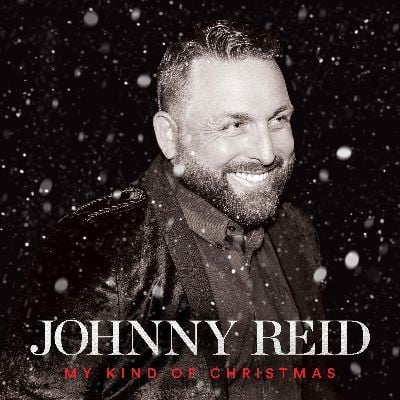
Today, award-winning Canadian artist Johnny Reid shares details of his new Christmas EP, My Kind Of Christmas, to be released on October 25 just in time for the holiday season. In celebration of the announcement, Johnny releases the title track of the EP, available now. Listen to “My Kind Of Christmas” here. This new EP also marks the first vinyl release and for this occasion it will be presented in single jacket with sleeve, pressed on limited marble vinyl and available November 15.

Widely known for his energetic stage performances, Johnny will embark on a national cross-Canada My Kind Of Christmas Tour that will cover 23 dates and will run from November 16 – December 14, full details listed below. Tickets for the tour will go on sale to the general public on Friday, September 27 at 10am at www.livenation.com. Fans can also visit Johnny Reid’s website for exclusive presale details. American Express Card Members can purchase tickets before the general public beginning on Tuesday, September 24 at 10am local time through Thursday, September 26 at 10pm.

Already a chart-topping, multi-platinum selling artist in Canada, Johnny’s songwriting resonates with audiences across the globe and that will continue with this new Christmas EP, a perfect mix of originally penned ‘soon to be holiday favorites’ including “My Kind Of Christmas” with a Johnny Reid take on some hidden holiday gems including “Merry Christmas Everyone”, a classic brought back to life in the 80’s UK pop phenom ‘Shakin’ Stevens. See the full track listing below.

Since arriving on the music scene over 10 years ago, critically acclaimed singer songwriter, Johnny Reid has captured the hearts of fans and audiences around the world. Born and raised in Lanark, Scotland, the blue collared soul singer is widely known for his lyrical honesty and musical ability, as demonstrated by album sales totaling over 1 million units, countless awards and multiple SOLD OUT national arena tours.

My Kind Of Christmas Track listing:
1. Sounds Like Christmas
2. My Kind Of Christmas
3. Fa La La La La
4. All I want For Christmas
5. Merry Christmas Everyone

‘My Kind Of Christmas’ Tour Dates:
November 16 Orillia, ON Casino Rama*
November 18 St. John’s, NL Mile One Centre
November 20 Halifax, NS Scotiabank Metro Centre
November 21 Sydney, NS Centre 200
November 22 Moncton, NB Avenir Centre
November 23 Charlottetown, PE Eastlink Centre
November 25 Kingston, ON Leon’s Centre
November 26 Oshawa, ON Tribute Communities Centre
November 27 St. Catharine’s, ON Meridian Centre
November 28 Hamilton, ON FirstOntario Concert Hall
November 30 London, ON Budweiser Gardens
December 1 Kitchener, ON Centre in the Square
December 3 Thunder Bay, ON Thunder Bay Community Auditorium
December 4 Winnipeg, MB Centennial Concert Hall
December 5 Regina, SK Conexus Arts Centre
December 7 Calgary, AB Southern Alberta Jubilee Auditorium
December 8 Lethbridge, AB Enmax Centre
December 9 Edmonton, AB Northern Alberta Jubilee Auditorium
December 10 Dawson Creek, BC Encana Events Centre
December 11 Prince George, BC CN Centre
December 13 Penticton, BC South Okanagan Events Centre
December 14 Abbotsford, BC Abbotsford Centre

A Real Penguin’s “Internship” at Penguin Random House

0

Penguin Random House’s book distribution center in Maryland recently had a very special intern.

What happens when you mash up videos of Black Sabbath’s War Pigs, Metallica’s Master of Puppets, Herb Alpert’s Rise, and Dokken’s Heaven Sent? This!

0

What happens when you mash up videos of Black Sabbath’s War Pigs, Metallica’s Master of Puppets, Herb Alpert’s Rise, and Dokken’s Heaven Sent? What? Video editor Bill McClintock uses technology and his enthusiasm to create a welcome standout in the week’s internet playthings.

Watch Choir! Choir! Choir! & Patti Smith sing “PEOPLE HAVE THE POWER” in NYC with Stewart Copeland

1

On April 13, 2019, Patti Smith and Stewart Copeland (on percussion) joined Choir! Choir! Choir! at Onassis Festival 2019: Democracy Is Coming, co-presented by The Public Theatre and Onassis USA. Together, they sang Patti Smith’s anthem “People Have The Power” with a sold-out crowd and Stewart Copeland played percussion, specially a Brazilian samba frying pan!

Bob Dylan (Featuring Johnny Cash) – Travelin’ Thru, 1967 – 1969: The Bootleg Series Vol. 15 To Be Released November 1

0

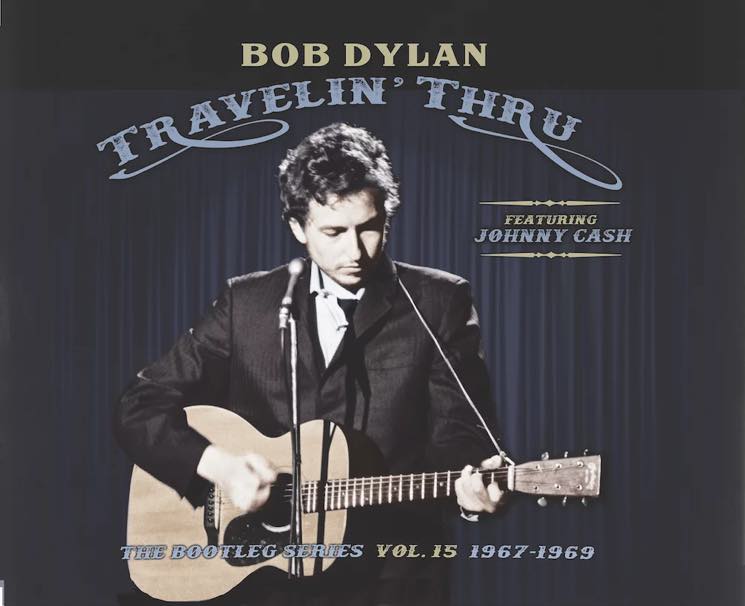
Columbia Records and Legacy Recordings, the catalog division of Sony Music Entertainment, will release Bob Dylan (featuring Johnny Cash) – Travelin’ Thru, 1967 – 1969: The Bootleg Series Vol. 15 on Friday, November 1.

The latest chapter in Columbia/Legacy’s highly acclaimed Bob Dylan Bootleg Series revisits Dylan’s pivotal musical journeys to Nashville, from 1967 to 1969, focusing on previously unavailable recordings made with Johnny Cash and unreleased tracks from the John Wesley Harding, Nashville Skyline, and Self Portrait sessions.

Bob Dylan (featuring Johnny Cash) – Travelin’ Thru, 1967 – 1969: The Bootleg Series Vol. 15 is available in 3CD and 3LP physical configurations and digital equivalent.

Disc One of Travelin’ Thru, 1967 – 1969: The Bootleg Series Vol. 15 finds Dylan in Columbia’s Studio A in Nashville recording alternate versions of compositions written for John Wesley Harding (October 17 and November 6, 1967) and Nashville Skyline (February 13-14, 1969) while introducing a new song “Western Road” (a Nashville Skyline outtake).

Discs Two and Three of Travelin’ Thru are centered around Dylan’s collaborations with American music icon Johnny Cash including the much sought-after Columbia Studio A sessions and on-stage performances at the Ryman Auditorium (May 1, 1969) for the recording of the premiere episode of The Johnny Cash Show (originally broadcast on ABC-TV on June 7, 1969).

Disc Three closes with tracks recorded on May 17, 1970 with Grammy Award-winning bluegrass banjo legend Earl Scruggs for the PBS television special, “Earl Scruggs: His Family and Friends” (originally aired January 1971).

1967 saw a profound and surprising transformation in Bob Dylan’s musical evolution. With contemporary pop culture becoming increasingly baroque, surreal and psychedelic in the wake of Dylan’s 1965-66 cutting edge trilogy, Bringing It All Back Home/Highway 61 Revisited/Blonde On Blonde, the artist withdrew from public view following a motorcycle accident in July 1966. He’d recorded Blonde On Blonde with a full-band in Nashville in February 1966 but, when it came time to record its follow-up in the fall of 1967, he opted for a simple trio–Dylan (guitar, vocals, harmonica), Charlie McCoy (bass) and Kenneth Buttrey (drums)–to create a sublime minimal sound.

In his liner notes for Travelin’ Thru, Colin Escott writes, “Talking to journalist Matt Damsker about the sound of John Wesley Harding, Dylan said, ‘I didn’t know how to record the way other people were recording, and I didn’t want to… I just didn’t think all that production was necessary.’ He also went for lyrical economy. ‘What I’m trying to do now is not use too many words,’ he said. ‘There’s no line you can stick your finger through. There’s no blank filler.’”

Dylan returned to Columbia Studio A in February 1969 to work on Nashville Skyline.

“Bob asked me to be a guest on the album,” Johnny Cash said later, “and I went to the studio and they just turned on the recorder for about two hours.” Columbia Studio A hosted two Dylan-Cash sessions: February 17 and 18, 1969 with a band that included rock ‘n’ roll pioneer Carl Perkins playing guitar on six tracks (including his own composition, “Matchbox”). One of the more intriguing sonic discoveries on Travelin’ Thru is “Don’t Think Twice, It’s Alright/Understand Your Man,” as two singular singer/songwriters pay mutual compositional and vocal tribute to each other.

The full-day Dylan-Cash duet session included the first known version of “Wanted Man” and the only version of the song ever sung by Dylan. The following week, Cash made it the opening song at his San Quentin concert. The session provides insight into the shared sensibilities of Dylan and Cash through a variety of covers including two Jimmie Rodgers medleys.

When The Johnny Cash Show was scheduled to debut in June 1969, the host offered Bob Dylan a guest slot on the first show. In the days before and after The Johnny Cash Show taping, Dylan was working on the album that emerged more than a year later as Self Portrait. For the May 3 Self Portrait session, guitarist Fred Carter was brought in to augment Dylan’s usual Nashville band. The “Folsom Prison Blues” and “Ring of Fire” recorded that day are available for the first time on Travelin’ Thru.

Although only one duet with Johnny Cash (“Girl from the North Country”) appears on Dylan’s original Nashville Skyline album, Cash penned the album’s Grammy Award-winning liner notes. A month after Nashville Skyline was released, Dylan made his first live TV appearance in five years on The Johnny Cash Show; that performance is also included here.

Bob Dylan (featuring Johnny Cash) Travelin’ Thru, 1967–1969: The Bootleg Series Vol. 15:

DISC 1:

October 17, 1967
Columbia Studio A, Nashville, TN
John Wesley Harding sessions
1. Drifter’s Escape – Take 1 (Alternate Version)
2. I Dreamed I Saw St. Augustine – Take 2 (Alternate Version)

November 6, 1967
Columbia Studio A, Nashville, TN
John Wesley Harding sessions
3. All Along the Watchtower – Take 3 (Alternate Version)
4. John Wesley Harding – Take 1 (Alternate Version)
5. As I Went Out One Morning – Take 1 (Alternate Version)
6. I Pity the Poor Immigrant – Take 4 (Alternate Version)
7. I Am a Lonesome Hobo – Take 4 (Alternate Version)

Bob Dylan: vocals, guitar, harmonica
Charlie McCoy: bass
Kenneth Buttrey: drums

February 13, 1969
Columbia Studio A, Nashville, TN
Nashville Skyline sessions
8. I Threw It All Away – Take 1 (Alternate Version)
9. To Be Alone with You – Take 1 (Alternate Version)
10. Lay Lady Lay – Take 2 (Alternate Version)
11. One More Night – Take 2 (Alternate Version)
12. Western Road – Take 1 (Outtake)

February 14, 1969
Columbia Studio A, Nashville, TN
Nashville Skyline sessions
13. Peggy Day – Take 1 (Alternate Version)
14. Tell Me That It Isn’t True – Take 2 (Alternate Version)
15. Country Pie – Take 2 (Alternate Version)

Bob Dylan – vocals, guitar, piano, harmonica
Kelton D. Herston, Norman Blake, Charlie Daniels, Wayne Moss (10 & 12): guitars
Bob Wilson: piano, organ
Peter Drake: steel guitar (13-15)
Charlie McCoy: bass
Kenneth Buttrey: drums

DISC 2:

February 17, 1969
Columbia Studio A, Nashville, TN
The Dylan-Cash Sessions
1. I Still Miss Someone – Take 5
2. Don’t Think Twice, It’s All Right/Understand Your Man – Rehearsal

February 18, 1969
Columbia Studio A, Nashville, TN
The Dylan-Cash Sessions
3. One Too Many Mornings – Take 3
4. Mountain Dew – Take 1
5. Mountain Dew – Take 2
6. I Still Miss Someone – Take 2
7. Careless Love – Take 1
8. Matchbox – Take 1
9. That’s All Right, Mama – Take 1
10. Mystery Train/This Train Is Bound for Glory – Take 1
11. Big River – Take 1
12. Girl from the North Country – Rehearsal
13. Girl from the North Country – Take 1
14. I Walk the Line – Take 2
15. Guess Things Happen That Way – Rehearsal
16. Guess Things Happen That Way – Take 3
17. Five Feet High and Rising – Take 1
18. You Are My Sunshine – Take 1
19. Ring of Fire – Take 1

DISC 3:

February 18, 1969
Columbia Studio A, Nashville, TN
The Dylan-Cash Sessions
01. Studio Chatter
02. Wanted Man – Take 1
03. Amen – Rehearsal
04. Just a Closer Walk with Thee – Take 1
05. Jimmie Rodgers Medley No. 1 – Take 1
Based on Blue Yodel No. 1 (T for Texas), The Brakeman’s Blues (Yodeling the Blues Away), and Blue Yodel No. 5 (It’s Raining Here) written by Jimmie Rodgers
06. Jimmie Rodgers Medley No. 2 – Take 2
Based on Waiting for a Train, The Brakeman’s Blues (Yodeling the Blues Away), and Blue Yodel No. 1 (T For Texas) written by Jimmie Rodgers

Bob Dylan: vocals, guitar
Johnny Cash: vocals, guitar
Carl Perkins: guitar (08, 10, 02, 04-06)
Bob Wootton: guitar
Marshall Grant: bass
W.S. Holland: drums

May 1, 1969
Ryman Auditorium, Nashville, TN
Live on The Johnny Cash Show
Originally broadcast on ABC-TV, June 7, 1969
07. I Threw It All Away
08. Living the Blues
09. Girl from the North Country

Bob Dylan: vocals, guitar
Johnny Cash: vocals, guitar (09)
Norman Blake and Charlie Daniels: guitars
Peter Drake: steel guitar
Bob Wilson: piano
Charlie McCoy: bass
Kenneth Buttrey: drums

May 3, 1969
Columbia Studio A, Nashville, TN
Self Portrait sessions
10. Ring of Fire (Outtake)
11. Folsom Prison Blues (Outtake)

Bob Dylan: vocals, guitar
Fred F. Carter, Norman Blake: guitars
Charlie Daniels: guitar (11), bass (10)
Bob Wilson: piano
Peter Drake: steel guitar
Charlie McCoy: harmonica (10), bass (11)
Kenneth Buttrey: drums
Delores Edgin and Dottie Dillard: background vocals

May 17, 1970
The Home of Thomas B. Allen, Carmel, New York
With Earl Scruggs
12. Earl Scruggs Interview
13. East Virginia Blues
14. To Be Alone with You
15. Honey, Just Allow Me One More Chance
16. Nashville Skyline Rag

Bob Dylan: vocals, guitar
Earl Scruggs: banjo
Randy Scruggs: acoustic guitar
Gary Scruggs: electric bass

Serena Ryder Announces The Christmas Kisses Tour

0

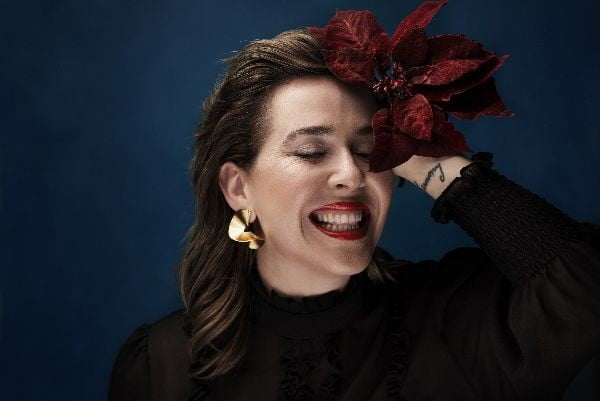
Toronto-based vocal powerhouse, SERENA RYDER has announced her special holiday extravaganza, The Christmas Kisses Tour. The tour kicks off in Vancouver on November 23 and will feature a selection of songs from Ryder’s Christmas Kisses album.

Serena Ryder is an artist adored by fans, peers and critics alike, in part due to her raw and earnest songwriting, and beautifully electric live performances. She has received numerous accolades, including six prestigious JUNO Awards, a MuchMusic Video Award for Best Rock Video for “Stompa.”, and a Canadian Screen Award for Achievement in Music – Original Song. Prior to her chart-smashing album, Harmony (2013), she also enjoyed success with previous releases, If Your Memory Serves You Well (2007), and Is it O.K. (2009), achieving Gold-selling status. In 2012, her single “Weak In The Knees” also achieved Gold Certification.

Serena’s 2017 release “Utopia” spawned the gold single “Got Your Number” as well as the hits “Electric Love” and “Ice Age”. In late 2018, Rolling Stone named Ryder’s critically-acclaimed Christmas record, “Christmas Kisses” as the Number 5 Best New Christmas Album of the year.

SERENA RYDER – THE CHRISTMAS KISSES TOUR
November 23 – The Centre for Performing Arts – Vancouver, BC
December 2 – Southern Alberta Jubilee Auditorium – Calgary, AB
December 3 – Winspear Centre – Edmonton, AB
December 15 – National Arts Centre – Ottawa, ON – Matinee performance
December 18 – Queen Elizabeth Theatre – Toronto, ON