Home Blog Page 204

Film Pre-Visualization with AI: How Directors Use Seedance 2.0 to Plan Shots

0

By Mitch Rice

Pre-production is where most films are actually made or broken. By the time a crew shows up on set, the decisions that determine whether a scene works — the shot choices, the camera movement, the spatial relationship between characters and environment — should already be settled. The shoot is execution, not discovery. Directors who arrive on set still figuring out their shots tend to run over schedule, exhaust their crews, and often still don’t get what they were looking for.

The challenge is that the tools traditionally available for working through those decisions in pre-production have significant limitations. Storyboards communicate composition and sequence but not motion. Shot lists describe what you intend but don’t let you see it. Animatics help but require either animation skills or the budget to hire someone who has them. Location scouts give you the real environment but not the shots within it. You end up making a lot of your most important creative decisions based on imagination alone, and then discovering whether those decisions actually work once you’re on set with a full crew waiting.

Pre-visualization — the practice of creating rough video representations of planned shots before production — has existed as a formal discipline in big-budget filmmaking for decades. Visual effects sequences get previsualized because the cost of figuring out what you want during VFX production is prohibitive. Action sequences get previsualized because coordinating stunt work without a clear plan is dangerous. What has changed recently is that the tools to do meaningful pre-visualization work are no longer limited to productions with the resources to maintain dedicated previs teams.

Seedance 2.0 is one of the tools that is shifting this access question in a practical way.

What Pre-Visualization Actually Needs to Accomplish

It’s worth being clear about what pre-visualization is for, because it shapes how you evaluate whether a tool serves the purpose well.

The goal of previs isn’t to produce polished content. It’s to answer creative questions cheaply — to let you see whether a shot idea actually works before you commit the resources to execute it. Does this camera movement create the feeling you were imagining, or does it work against the scene? Is the shot duration right, or does it need to breathe longer? Does the spatial relationship between this angle and the one before it create the continuity you want? These are questions that are genuinely difficult to answer in the abstract and much easier to answer when you can see a rough version of the shot and react to it.

Previs works best when it’s fast and iterative. The value is in being able to try something, see it, reject it or refine it, and try again — quickly enough that you can explore multiple approaches to a scene before landing on the one that feels right. A previs tool that produces better-looking output but takes longer to iterate is often less useful than a rougher tool that lets you cycle through options quickly.

This context matters for understanding how AI video generation fits into the previs workflow. It doesn’t need to be perfect. It needs to be fast, responsive to specific creative direction, and accurate enough that what you see gives you genuine information about whether your shot concept works.

Translating Shot Concepts into Generated Video

The workflow for using Seedance 2.0 in pre-visualization starts with the same creative thinking that always drives shot planning — what is this scene trying to accomplish, what does the character need to feel in this moment, what should the camera be doing to serve that.

From that thinking comes a rough brief for the shot: the angle, the movement, the duration, the subject relationship to frame. In a traditional workflow, this would become a storyboard frame or a written shot description. In an AI-assisted previs workflow, it becomes the basis for a generated clip.

The reference system is particularly valuable here. If there’s a film you’ve been thinking about as a reference for a particular shot — a camera move you want to adapt, a composition style you’ve been influenced by, a way of handling a specific kind of scene — you can bring that reference directly into the generation. Upload the clip, reference the movement or the visual approach, and see how it translates to your material and context. This is far more direct than trying to describe the reference in words and hoping the model interprets it the way you intend.

For shots involving specific locations or environments, reference images of the actual location — or images that closely approximate the visual qualities of the location — give the model material to work with that produces output more relevant to your actual production context. The generated clip won’t look exactly like your location, but it will be informed by it in ways that make the previs more useful than generic AI environments.

Camera Movement and the Motion Reference Workflow

Camera movement is one of the hardest things to communicate in pre-production. Written descriptions of complex camera moves are technical and hard to visualize. Storyboards show start and end positions but not the movement between them. Even detailed shot descriptions leave room for significant misinterpretation between what the director imagined and what the operator executes.

This is where the motion reference capability in Seedance 2.0 has the most direct application to previs work. If you have a reference clip that demonstrates the camera movement you’re planning — a tracking shot from a film you’re referencing, a test shot filmed handheld to establish the movement quality, any video that captures the camera behavior you have in mind — you can use that as a direct input.

The generated output gives you a rough version of what that camera movement looks like applied to your scene context. That’s genuinely useful information. You can evaluate whether the movement serves the scene the way you expected, whether the duration feels right, whether the transition into and out of the shot creates the continuity you want. And if it doesn’t, you can try a different reference, adjust your prompt to modify the movement, and generate another version in the time it would take to have a conversation about the change on set.

For directors working with directors of photography in pre-production, shared AI-generated previs clips can also serve as a clearer communication tool than written descriptions or references alone. Seeing a rough version of the intended shot — even a rough one — creates a shared visual language for the conversation about execution that’s often more productive than talking about the shot in the abstract.

Working Through Scene Structure

Beyond individual shots, AI-generated previs can be useful for working through the structure of a scene — the sequence of shots, the pacing, how coverage fits together.

Generating rough clips for each planned shot and assembling them in a simple editing timeline gives you a working version of the scene that you can evaluate as a whole. Does the rhythm feel right? Is there a shot in the sequence that doesn’t earn its place? Is the coverage sufficient for the edit, or is there a moment where you’re going to need something you haven’t planned? These questions are much easier to answer when you have something to watch, even something rough, than when you’re working from a shot list on paper.

This kind of scene-level previs work requires iteration and honest evaluation. The temptation is to look at rough AI-generated clips and react to the quality of the generation rather than to the underlying shot concept. The discipline is to look past the generation quality to the actual creative question: does this shot work? Does this sequence of shots work? Would I be happy with this scene if it were executed at production quality?

Keeping that distinction clear is what makes previs useful rather than just a way of producing rough-looking video.

What AI Previs Doesn’t Replace

Production-quality previs for complex VFX sequences, action choreography with specific stunt requirements, or shots that require precise spatial planning for technical execution still benefits from purpose-built previs tools and experienced previs artists. The level of control, the precision of spatial relationships, and the ability to iterate on specific technical details that professional previs work requires isn’t fully available in AI video generation at the current stage of the technology.

For character-driven dramatic scenes, close-up coverage, and coverage that depends heavily on performance rather than camera technique, previs is often less useful in general — AI-generated performance is still far from a reliable stand-in for what actors bring to a scene, and previs that focuses on coverage for performance-dependent material can sometimes lock directors into shot choices that don’t leave enough room to respond to what actually happens in the room.

And there’s a broader creative argument against over-prevising that some directors make persuasively: that too much specificity in pre-production can close off the creative discoveries that only happen when you’re actually in the space with the actors, responding to what’s in front of you. Previs as a tool for answering specific questions is useful. Previs as a way of scripting everything before the shoot and then just executing it can work against the kind of creative responsiveness that makes the best filmmaking happen.

The tool serves pre-production best when it’s used with that awareness — as a way of doing creative thinking cheaply before the shoot, not as a way of replacing the creative thinking that should happen on the day.

A More Accessible Previs Practice

What’s changed with tools like Seedance 2.0 isn’t the fundamental value of pre-visualization — that hasn’t changed. What’s changed is who can practically engage in it. The directors who have been working without meaningful previs resources because the alternatives were too expensive or too time-consuming have a more practical option now.

A director preparing a short film, a commercial, an independent feature, or even a complex scene in a longer project can now work through shot concepts visually before the shoot in a way that was previously either too expensive or too slow to be genuinely useful. The rough versions won’t look like the finished film, but they’ll tell you things about your shot concepts that storyboards and shot lists can’t — and they’ll tell you quickly enough to be useful during the pre-production process rather than after it’s over.

That access is worth something real to the people who’ve been doing this work without those resources. Seedance 2.0 is a practical place to start exploring what AI-assisted pre-visualization can do for your specific production workflow.

Data and information are provided for informational purposes only, and are not intended for investment or other purposes.


nugs Unveils Welcome Offer And Simplified Plans For Live Music Fans

0

 nugs, the premier destination for live music streaming, today announced updates to its subscription plans designed to make it easier than ever for fans to experience live music as it happens. Effective today, nugs is introducing a new always-on Welcome Offer for first-time subscribers, simplifying its plan lineup, and expanding access to concert video and livestreams across more platforms, delivering more music and more value wherever fans choose to listen and watch.

At the center of the update is a new Welcome Offer, available exclusively to new nugs subscribers for their first year on the platform. New users can now join for $12.99 per month or $119.99 for the year—less than $10 per month, providing an accessible entry point into one of the world’s largest collections of artist-official live concert recordings, on-demand concert video, and exclusive subscriber livestreams.

Alongside the Welcome Offer, nugs is simplifying its subscription structure by consolidating plans into nugs and nugs Hi-Res, replacing the previous Premium and All Access tiers. Moving forward, all nugs subscribers will enjoy unlimited access to over 30,000 official live concert audio recordings, on-demand full-concert video, and access to member-exclusive livestreams, ensuring a complete live music experience across both audio and video within a single plan.

As part of the plan simplification, subscribers previously on the Premium audio-only plan will now receive full access to concert video and exclusive livestreams at no additional cost, expanding their experience while keeping their price unchanged. For a segment of existing subscribers who joined on the standard $19.99/month or $199.99/year All Access plan, pricing will be adjusted down to $14.99 per month or $149.99 per year.

“At nugs, we’re always looking for ways to better serve fans and deepen their connection to live music,” said Brad Serling, CEO and Founder of nugs. “With the Welcome Offer, our newly simplified plans, and broader device support, we’re giving fans more music, more value, and more ways to experience live shows, whether they’re watching from the couch or listening on the go.”

The updates build on a year of strong growth for nugs. In 2025, the platform saw a 34% increase in subscriber-exclusive livestreams alongside 20% growth in new subscribers. Platform expansion has also driven deeper engagement: nugs’ recent launch on Roku led to a 79% increase in video-on-demand viewership. With expanded connected TV access and more accessible pricing, nugs is positioned for continued momentum in both subscriber growth and fan engagement.

In addition to pricing and plan updates, nugs is expanding its supported platforms to include Android TV devices, Google TV, and Amazon Fire TV, making it even easier for fans to enjoy shows on the biggest screens in their homes. These platforms join existing playback support across Roku, Apple TV, BluOS, CarPlay, Android Auto, Sonos, iOS, Android, and the web at nugs.net.

The nugs Hi-Res plan remains unchanged, continuing to offer premium features for audiophiles and video enthusiasts, including 24 bit lossless and immersive audio formats and 4K UHD concert video when available.

Virgin Music Group And Downtown Music Unite After EU Approval

0

Virgin Music Group (VMG) and Downtown Music Holdings LLC (Downtown) today welcomed the European Commission’s approval of VMG’s acquisition of Downtown. The deal will bring together two industry-leading providers of music services and technology, enhancing their offerings and capabilities to serve the independent music community. The European Commission’s approval is the final regulatory condition required to complete the transaction, which is now expected to close in the coming weeks.

Together, Virgin Music Group and Downtown will create a global, end-to-end solution to meet the evolving needs of independent artists, entrepreneurs and rights holders at every stage. The combination will offer a broader, more flexible suite of services, ranging from high-touch to self-service, across digital and physical distribution, marketing, business intelligence, neighboring rights, synchronization, royalties and publishing rights management.

Initially established in 2007, Downtown collectively serves over 5,000 business clients and more than four million creators in 145 countries. Today, the company has core divisions across Artist & Label Services, Distribution, and Music Publishing. Its portfolio of businesses also includes FUGA, Downtown Artist & Label Services, CD Baby, Downtown Music Publishing and Songtrust. Following the EC’s decision and the closing of the deal, Curve Royalties will be held as a separate business until its divestment.

Nat Pastor & JT Myers, Co-CEOs of Virgin Music Group commented“Bringing Downtown’s exceptional team and capabilities to Virgin Music Group means greater flexibility and a sharper set of services for independent entrepreneurs, artists and labels. By uniting two culturally compatible companies with deeply complementary strengths, we’re creating a more powerful, more open ecosystem that offers independent entrepreneurs the resources, investment and technology to succeed on their own terms. We appreciate the European Commission’s thoughtful review and look forward to welcoming our new Downtown partners and colleagues as we continue to empower the independent community together.”

Pieter van Rijn, CEO of Downtown Music said, “By joining forces with Virgin Music Group, we’re helping build a more diverse, dynamic and opportunity-rich environment—one that amplifies independence and expands the cultural impact of the extraordinary partners we serve. We’re delighted to enter this next chapter of Downtown’s evolution and work closely with Nat, JT and the wider Virgin team to continue championing independent music on a truly global scale.”

Crayola And Ms. Rachel Team Up For Color Wonder Creative Play

0

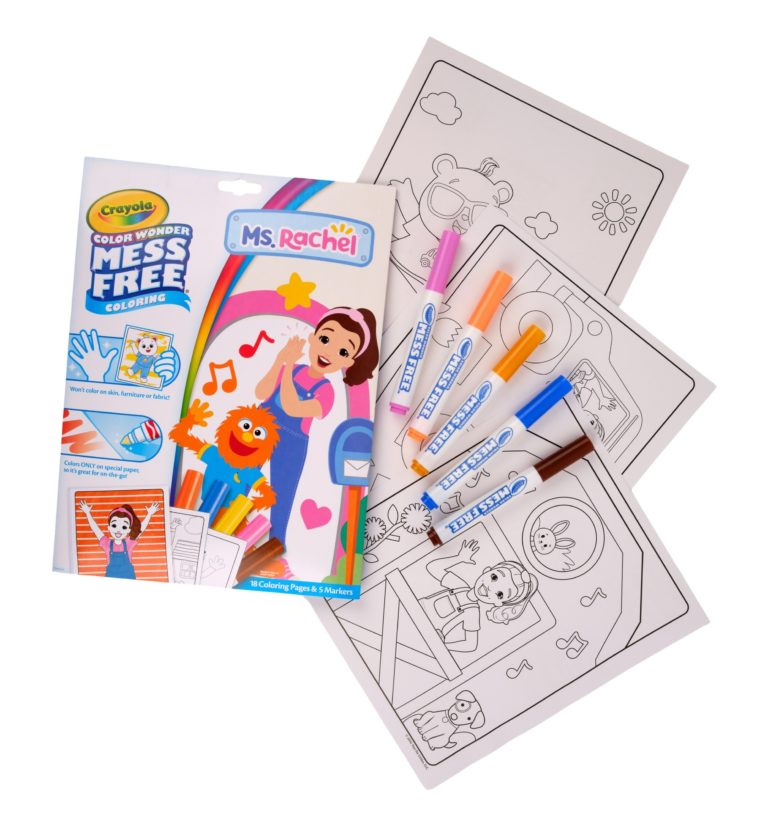
For the first time, Crayola, the iconic brand that powers imagination through color and creative moments, has teamed up with early childhood education sensation Ms. Rachel to bring kids the perfect blend of creative expression, fun and education.

Kids can now experience the beloved educator’s world through fan-favorite Crayola Color Wonder products that combine screen-free fun with mess-free magic. As part of this partnership, Crayola also is introducing two new formats into the Color Wonder portfolio.

Geared toward preschoolers and toddlers, Crayola has paired its safe, non-toxic, mess-free Color Wonder technology with Ms. Rachel’s trusted educational approach for unique content that captures her nurturing spirit and joyful personality. And with inks that appear only on special Color Wonder paper, kids can explore their creativity and color freely without making a mess on skin, clothing, furniture or walls.

“Creative play helps children build confidence, curiosity and connection,” said Rachel Accurso, co-creator of Ms. Rachel. “I love that Color Wonder lets the little ones explore color and creativity freely, while supporting playful learning families can share together.”

“This collaboration creates a powerful synergy between two trusted names in early childhood—Crayola and Ms. Rachel—both dedicated to sparking creativity and connection,” said Kimberly Rompilla, Senior Vice President of Global Licensing for Crayola. “By blending Ms. Rachel’s imaginative stories and characters with Crayola’s innovative art tools, we’re inspiring creative moments that nurture and encourage exploration, confidence, and joyful self-expression through the magic of color and play.”

Available now at major retailers, Crayola Color Wonder Ms. Rachel Coloring Pages & Markers features fun, educational coloring pages inspired by Ms. Rachel’s world of songs and kindness. The folder-style packaging keeps everything organized and travel-ready, encouraging hands-on play for home or travel.

Crayola will introduce a new Color Wonder format early this spring with the Color Wonder Ms. Rachel Paint & Create. With a brush and ‘magic’ ink, this mess-free product will allow kids to enjoy a creative painting experience coloring some of their favorite Ms. Rachel characters.

Kids can keep pushing the boundaries of their creative play with the new Color Wonder Ms. Rachel Magic Light & Sound Brush—which for the first time adds sound to the Magic Light Brush design. Available this summer, the brush lights up to indicate the color of the specially formulated Color Wonder paints as Ms. Rachel’s songs and educational elements create a multi-sensory experience that encourages creativity and early learning. Kids will be inspired by the more than 12 minutes of Ms. Rachel music and educational sounds as they color and create. The music mode features five of Ms. Rachel’s most beloved songs. In the educational mode, as children hover over a color to begin creating, Ms. Rachel will teach some fun facts about that color—unique soundbites only available in this Crayola product.

Also available this summer will be Crayola x Ms. Rachel activity sets—including coloring pages, stickers, and markers or crayons—that can help kids learn about their emotions and colorful habits.

Fleetwood Mac, Clairo, Zara Larsson Lead Urban Outfitters’ “Love Me, Love Me Not” Vinyl Drop

0

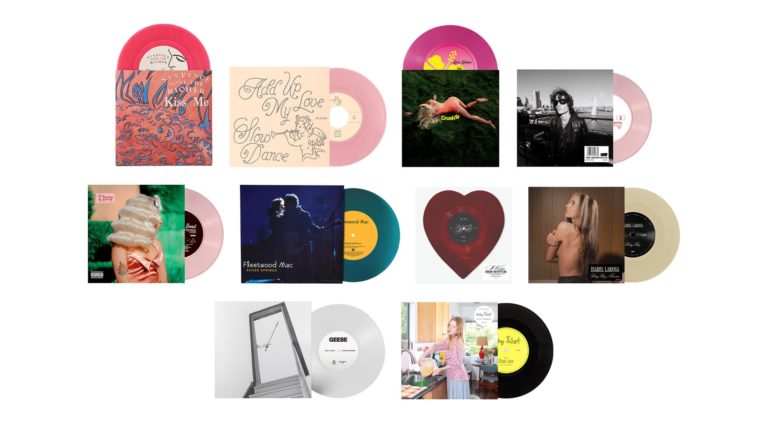
This Valentine’s Day, Urban Outfitters curates the soundtrack for every shade of romance with “Love Me, Love Me Not,” a limited-edition collection of exclusive 7-inch vinyl singles. Launching Friday, February 13, the drop continues the retailer’s Singles Day tradition, first introduced in 2020, with a multigenerational lineup pressed in collectible, eye-catching formats.

Anchoring the release is Fleetwood Mac’s viral live rendition of “Silver Springs,” paired with “Go Your Own Way” on translucent sea blue vinyl. Sixpence None The Richer contribute a newly re-recorded version of “Kiss Me,” exclusive to UO, backed with “Perfect Day” on transparent pink vinyl. The collection bridges eras, pairing enduring anthems with modern favorites and fresh voices.

The lineup stretches across indie pop, alt-rock, and contemporary chart hits. Clairo appears with “Add Up My Love” and “Slow Dance” on pink vinyl, while Zara Larsson delivers “Crush” and “Hot & Sexy.” Emerging artists including sombr, Isabel LaRosa, Audrey Hobert, Remy Bond, Geese, and Wisp round out the selection, each pressed in distinctive colors, from baby pink to heart-shaped dark red.

“‘Love Me, Love Me Not’ reflects how our community experiences music – as something emotional, nostalgic, and connected,” said Marybeth Cahill, Chief Merchandising Officer at Urban Outfitters. “This collection is a love letter to a generation that celebrates every kind of love, turning favorite songs into keepsakes meant to be collected, gifted, and shared.” Each single ranges from $17.98 to $24.98, reinforcing the brand’s focus on meaningful, collectible releases.

LEGO Group Debuts LEGO SMART Play And Star Wars Sets At Toy Fair

0

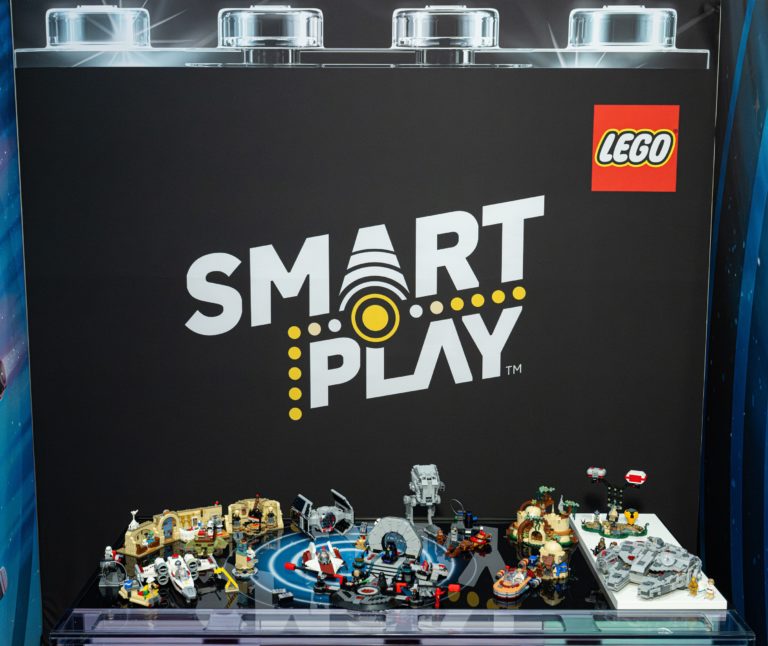
Today, the LEGO Group arrives at Toy Fair to further demonstrate the future of play — LEGO SMART Play. The interactive brick-based platform brings LEGO sets to life using cutting-edge technology supercharged by kid imagination, making inventive storytelling even more engaging—no phone, app or screens required.

Further, the brand unveils four new sets including the LEGO Ideas Peanuts: Snoopy’s Doghouse set, LEGO DUPLO 3in1 Creative Ramps with Vehicles set, LEGO NINJAGO X-1 Ninja Charger 15th Anniversary set and LEGO Star Wars Grogu (Mandalorian Apprentice) set.

“LEGO SMART Play is a giant leap forward in our 90+ year history and the start of an incredible new chapter for the LEGO brand,” said Jared Carr, President, Americas Market Group, the LEGO Group. “The development of LEGO SMART Play represents years of listening to kids and families, inspiring us to develop a responsive platform activated by their imagination and creativity. In 2026, we’re sharing an exciting vision for the future of play and it’s awesome to finally put LEGO SMART Play in people’s hands.”

LEGO SMART Play: Interactive Building Comes to Life

At Toy Fair 2026, the complete collection of LEGO Star Wars sets with LEGO SMART Play technology are being shown for the first time in the US. LEGO SMART Play delivers open-ended physical play through responsive technology that reacts in real time—letting kids build, interact and create their own stories as their creations play back. At the heart of this innovation is the LEGO SMART Brick, powered by a custom-made chip smaller than a standard LEGO stud and featuring more than 20 patented world firsts. Combined with LEGO SMART Tags and LEGO SMART Minifigures, these elements create responsive play experiences, all while remaining compatible with the existing LEGO System in Play. 

The eight LEGO Star Wars sets compatible with LEGO SMART Play technology are available for purchase on March 1, 2026 at LEGO.com, LEGO Stores and select retailers, and are now available for pre-order on LEGO.com/smart-play.

All-In-One (SMART Brick included):

SMART Play Compatible (SMART Brick not included):

Reveals Showcase the Breadth of the 2026 Portfolio

The four new sets that the LEGO Group is also debuting are geared towards toddlers, kids and adult builders and span beloved characters, creative play experiences and milestone anniversaries:

  • LEGO Ideas Peanuts: Snoopy’s Doghouse set ($89.99)
    • The newest LEGO Ideas set is the ultimate tribute to Snoopy and offers fans a new way to show their love for the iconic dog who has been capturing hearts for over 75 years. Paying tribute to the world-famous beagle, the buildable display model captures the timeless charm of Snoopy in multiple ways. This 964-piece set allows builders to create a heart-warming Snoopy campfire scene, with Snoopy and Woodstock toasting marshmallows together on an open campfire and under a starry sky. Available for pre-order from February 14 and to purchase from June 1 from LEGO.com and LEGO stores.
  • LEGO DUPLO 3in1 Creative Ramps with Vehicles set ($69.99)
    • For the first time, the LEGO DUPLO product line presents an action-packed play proposition with ramps for vehicles. This innovative 111-piece set includes two race cars and bricks that rebuild into three different sets of ramps, helping develop fine motor skills, color recognition, problem solving, emotional intelligence and perseverance. The set aligns with the LEGO DUPLO system in play, working with multiple LEGO DUPLO cars from the assortment for extended play value. Available to purchase on June 1 from LEGO.com and LEGO stores.
  • LEGO NINJAGO X-1 Ninja Charger 15th Anniversary set ($89.99)
    • Revealed in celebration of the 15th anniversary of the LEGO NINJAGO TV show, the 2in1 X-1 Ninja Charger is a remake of the original X-1 Ninja Charger (70727), tapping into nostalgia for fans ages 14 and up. The set is perfect for recreating action-packed show scenes; lift the car’s hood to shoot out a motorcycle complete with moving wheels. It comes with three LEGO Minifigures, including an exclusive 15th anniversary Elemental Master of Shadow Minifigure — the final LEGO NINJAGO Minifigure to collect from the 15th anniversary collection. Available to purchase on August 1 from LEGO.com and LEGO stores.
  • LEGO Star Wars Grogu (Mandalorian Apprentice) set ($129.99)
    • Inspired by the upcoming theatrical release of The Mandalorian & Grogu, this redesigned brick-built model of the beloved Grogu features beskar armor, a satchel and a training gauntlet weapon as seen in the movie. The highly detailed character has a lever operated head, poseable ears and arms and includes a printed information plaque and a figure of Grogu with a new body element. The set launches April 26, 2026 at LEGO and Walmart stores (available for pre-order on Walmart.com beginning February 14), and joins five additional sets from The Mandalorian & Grogu theatrical collection that were revealed on February 12 at the Star Wars Most Wanted event in New York City.
      • LEGO Star Wars AT-RT Attack set ($44.99)
      • LEGO Star Wars Anzellan Starship set ($74.99)
        • Available for pre-order on LEGO.com beginning February 13
      • LEGO Star Wars The Razor Crest set ($149.99)
        • Available for pre-order on LEGO.com beginning February 13
      • LEGO Star Wars New Republic X-Wing Starfighter set ($69.99)
        • Available for pre-order on LEGO.com beginning February 13
  • LEGO Star Wars The Mandalorian and Grogu: Allies & Villains set ($39.99)

Rounding out the LEGO Group’s on-site portfolio, the company will also display new building sets across themes including new LEGO Friends sets with a focus on animals as well as LEGO Botanicals Collection, LEGO Disney, LEGO Technic, LEGO Icons, LEGO Creator 3in1 and more.

Leicester Indie Four-Piece The Harbours Drop “Wide Awake” Amid Guitar Revival

0

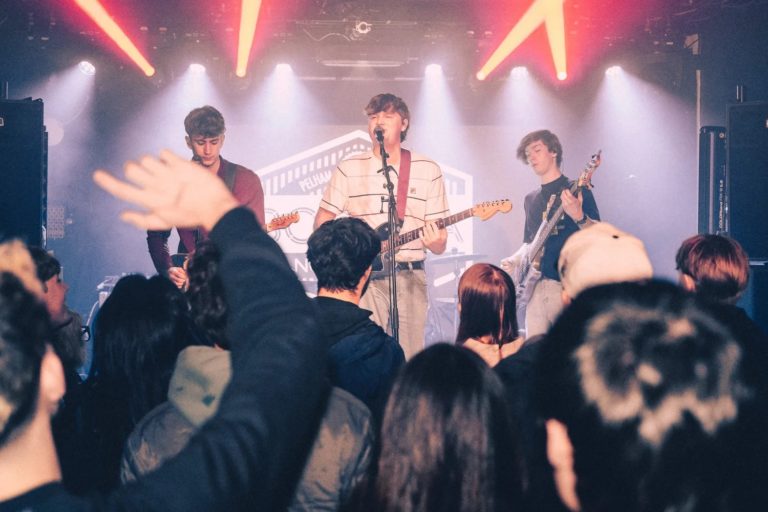
Leicester, UK indie four-piece The Harbours return with their new single “Wide Awake,” released February 11, as guitar-driven pop surges back into the spotlight. Recently named in BBC Introducing’s Top 30 of 2025 and earning Radio Wythenshawe’s Song of the Summer, the band continue to build momentum with what CLASH called “sunshine indie pop” and EARMILK praised as “timeless indie pop.”

Songwriting has come naturally to The Harbours since their 2025 debut EP, a release that established their knack for bright hooks and high-gloss guitar lines. Their sound blends youthful energy with a nostalgic shimmer, nodding to indie’s golden eras while staying locked into the present. It’s a balance that keeps them firmly on the radar at BBC Introducing and beyond.

“Wide Awake” captures the band in full stride. Blended indie guitars, buoyant vocals, and feel-good hooks drive the track forward with restless momentum. The chorus lands with immediate lift, tapping directly into the current revival of chiming riffs and euphoric singalongs. It radiates confidence and refuses to fade quietly.

That energy carries to the stage. The Harbours have performed in front of 15,000 at Trent Bridge, played to thousands at Y NOT Festival, supported US indie favourites Smallpools in London, and sold out their debut UK tour in December 2025. “We loved creating and touring our debut EP last year,” the band shared. “We can’t wait to release new music this year and we chose this little banger to kick start 2026. You’ll be wanting more, you’ll be wanting more, you’ll be wanting more!”

Wisp Reimagines Green Day’s “Last Night On Earth” For triple j’s “Like A Version”

0

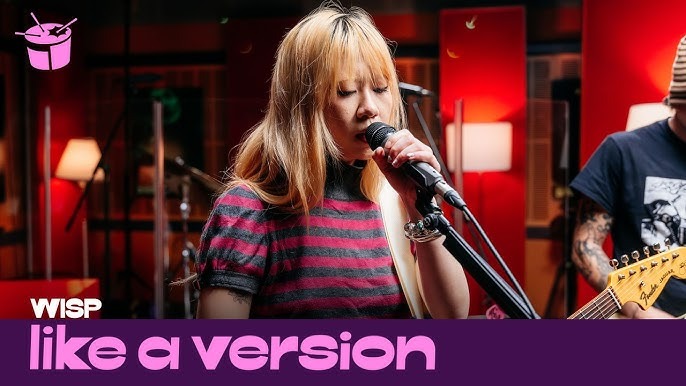
Wisp stepped into triple j’s studio and delivered a striking take on Green Day’s “Last Night On Earth” for the long-running “Like A Version” series, as part of the Australian radio station’s weekly segment where artists perform an original track and a cover of a song they love. Wisp’s version leans into atmosphere and restraint, reshaping the emotional core of the song while honoring its melody. The result is intimate, expressive, and beautifully measured, a fresh perspective on a modern rock favorite.

How Music Helps Build Atmosphere in Live Gaming

0

By Mitch Rice

When people think about live gaming, they usually focus on what they can see. The dealers, the cards, the spinning reels, the interfaces. But the atmosphere isn’t built only on the visuals. Sound is a big part of the experience.

Even in an online live casino, the soundtrack plays a role in shaping how everything feels from the moment you log in. The background music, the ambient layers, the game cues, they all work together to make the space feel alive.

Setting the Mood

In a physical casino, sound separates areas naturally. High-stakes sections feel quieter and more composed. Main floors are more vibrant. Music is part of all these different atmospheres.

Walk into a poker room with smooth jazz in the background and the tone feels calm, focused, maybe even a little sophisticated. Switch that to upbeat electronic music and suddenly the space feels lively and energetic.

Online platforms do their best to recreate this. They use music to make gameplay immersive. Even though players aren’t physically moving through rooms, the changes in sound create the same effect.

Psychology and Atmosphere

There’s also a psychological layer to all of this.

Music can influence mood. Faster tracks feel energizing. Slower ones feel calming. This balance helps create environments that feel lively without being overwhelming, calm without being dull.

It can even influence memory. A well-designed soundscape makes the experience more memorable. When the visuals, gameplay, and audio work together, they leave a stronger impression.

Casinos understand this. That’s why music is part of the game development process, not something randomly added at the end.

Matching Tempo to Game Style

Different games need different energy. That’s where tempo comes in.

Slower, steady tracks usually go with more strategic games like poker or blackjack. They don’t distract. They give players space to think. Jazz creates a smoother atmosphere. Classical music has often been linked to focus, which makes sense in games that require patience and attention. Faster-paced games go in the opposite direction. Electronic beats and pop music bring energy into the room.

The music shapes the experience before the game even begins.

Slots and Sound Design

Slot games probably show this best because of how their soundtracks are connected to their themes. A tropical game will include island music and effects. Futuristic slots usually feature electronic sounds. The music tells you what kind of world you’re in. Without it, the theme would be missing something.

And the small audio cues matter just as much. The quick chime after a win. The shift in tone after a round ends. These sounds give feedback without interrupting the game. Players don’t need to read everything on screen to understand what just happened. They hear it.

Final Thoughts

With advancing sound technology, live gaming environments can now adapt music in real time. Playlists can shift depending on the time of day. They can respond to gaming activity levels.

Live gaming is always changing visually and technically, but music stays at the core of the experience. It connects gameplay, themes, and emotions into one environment. The atmosphere isn’t built by graphics alone. Sound is what makes it feel complete.

Data and information are provided for informational purposes only, and are not intended for investment or other purposes.
50 Times Brian Wilson Appeared On Other Artists’ Songs

When people think of Brian Wilson, they think of harmonies, California sun, and studio genius. But beyond his work with The Beach Boys, Wilson has quietly appeared on dozens of records across six decades. From surf singles to orchestral pop, country duets to indie collaborations, these 50 guest spots show just how far his voice and songwriting traveled.

Below are 50 notable guest appearances, listed by song, primary artist, year, and release.

  1. “Barbie” – Kenny & The Cadets (1962, single)
  2. “What Is a Young Girl Made Of?” – Kenny & The Cadets (1962, single)
  3. “Surfin’ Down the Swannee River” – The Honeys (1963, b-side single)
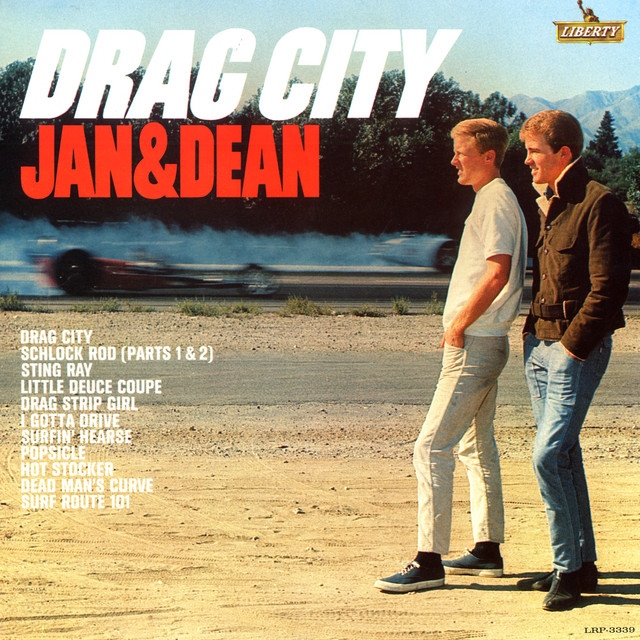
  4. “Surf City” – Jan and Dean (1963, single)
  5. “Drag City” – Jan and Dean (1963, single)
  6. “The One You Can’t Have” – The Honeys (1963, single)
  7. “Little Deuce Coupe” – Jan and Dean (1964, Drag City)
  8. “Dead Man’s Curve” – Jan and Dean (1964, Drag City)
  9. “Pamela Jean” – The Survivors (1964, single)
  10. “She Rides with Me” – Paul Peterson (1964, single)
  11. “He’s a Doll” – The Honeys (1964, single)
  12. “Rockin’ Little Roadster” – Jan and Dean (1964, Dead Man’s Curve/The New Girl in School)
  13. “Ride the Wild Surf” – Jan and Dean (1964, single)
  14. “My Buddy Seat” – The Hondells (1964, single)
  15. “Guess I’m Dumb” – Glen Campbell (1965, single)
  16. “Gonna Hustle You” – Jan and Dean (1966, Filet Of Soul – A “Live” One)
  17. “Other Four Letter Word” – solo appearance (1968, Rock And Other Four Letter Words)
  18. “Goodnight My Love” – The Honeys (1969, b-side single)
  19. “All Life Is One” – Charles Lloyd (1971, Warm Waters)
  20. “Vegetables” – Laughing Gravey (1972, single)
  21. “Good Time” – American Spring (1972, Spring)
  22. “Tennessee Waltz” – American Spring (1972, Spring)
  23. “Forever” – American Spring (1972, Spring)
  24. “Don’t You Just Know It” – Jan Berry (1973, single)
  25. “Help Me, Rhonda” – Johnny Rivers (1975, single)
  26. “Boat to Sail” – Jackie DeShannon (1975, New Arrangement)
  27. “She Did It” – Eric Carmen (1977, Boats Against The Current)
  28. “Hey Deanie” – Eric Carmen (1978, Change Of Heart)
  29. “Surfin’ Pirates” – Pink Lady with Carl Wilson and Mike Love (1979, Surfin’ Pirates)
  30. “Be My Baby” – Mike Love (1981, Looking Back with Love)
  31. “Metal Beach” – Paul Shaffer (1989, Coast to Coast)
  32. “We Love You” – Ryuichi Sakamoto (1989, Beauty)
  33. “Adios” – Linda Ronstadt (1989, Cry Like a Rainstorm, Howl Like the Wind)
  34. “In a Heartbeat” – Ringo Starr (1992, Time Takes Time)
  35. “California” – Belinda Carlisle (1996, A Woman & a Man)
  36. “Without Understanding” – Ringo Starr (1998, Vertical Man)
  37. “Hand on My Shoulder” – Anton Fig and Blondie Chaplin (2002, Figments)
  38. “California Girls” – Nancy Sinatra (2002, California Girls)
  39. “Nature Is the Law” – Richard Ashcroft (2002, Human Conditions)
  40. “Fooling Yourself (Palm of Your Hands)” – Styx (2003, Cyclorama)
  41. “In My Room” – Wilson Phillips (2004, California)
  42. “Delirious Love” – Neil Diamond (2005, 12 Songs, special edition)
  43. “You Are So Beautiful” – Carnie Wilson (2006, A Mother’s Gift: Lullabies from the Heart)
  44. “In My Room” – Bill Medley (2007, Damn Near Righteous)
  45. “When Love Is Dying” – Elton John and Leon Russell (2010, The Union)
  46. “Don’t Fight the Sea” – Al Jardine (2010, A Postcard from California)
  47. “Boomerang” – The Paley Brothers (2013, The Complete Recordings)
  48. “Dirty Computer” – Janelle Monáe (2018, Dirty Computer)
  49. “Resentment” – Kesha with Sturgill Simpson and Wrabel (2020, High Road)
  50. “Do It Again” – She & Him (2022, Melt Away: A Tribute to Brian Wilson)