Home Blog Page 2043

Stream Michael Stipe’s Debut Solo Single, Your Capricious Soul

0

Michael Stipe has released his new song Your Capricious Soul, his first release since the breakup of R.E.M. in 2011. The song is available to download now exclusively through his website, with proceeds from the 77-cent download benefitting Extinction Rebellion. So, if you watch the video below, head to the site and donate, cool?

Michael says, “I took a long break from music, and I wanted to jump back in. I love “Your Capricious Soul”—it’s my first solo work. I want to add my voice to this exciting shift in consciousness. Extinction Rebellion gave me the incentive to push the release and not wait. Our relationship to the environment has been a lifelong concern, and I now feel hopeful—optimistic, even. I believe we can bring the kind of change needed to improve our beautiful planet earth, our standing and our place on it.”

Your Capricious Soul – Michael Stipe from JMSPROJ on Vimeo.

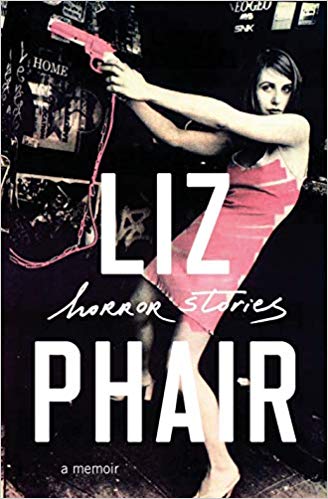
Listen To Liz Phair Read From Her New Memoir ‘Horror Stories’

0

The two-time Grammy-nominated singer-songwriter behind the groundbreaking album Exile in Guyville traces her life and career in Horror Stories: A Memoir about the pivotal moments that haunt her.

When Liz Phair shook things up with her musical debut, Exile in Guyville—making her as much a cultural figure as a feminist pioneer and rock star—her raw candor, uncompromising authenticity, and deft storytelling inspired a legion of critics, songwriters, musicians, and fans alike. Now, like a Gen X Patti Smith, Liz Phair reflects on the path she has taken in these piercing essays that reveal the indelible memories that have stayed with her.

For Phair, horror is in the eye of the beholder—in the often unrecognized universal experiences of daily pain, guilt, and fear that make up our humanity. Illuminating despair with hope and consolation, tempering it all with her signature wit, Horror Stories is immersive, taking readers inside the most intimate junctures of Phair’s life, from facing her own bad behavior and the repercussions of betraying her fundamental values, to watching her beloved grandmother inevitably fade, to undergoing the beauty of childbirth while being hit up for an autograph by the anesthesiologist.

Horror Stories is a literary accomplishment that reads like the confessions of a friend. It gathers up all of our isolated shames and draws them out into the light, uniting us in our shared imperfection, our uncertainty and our cowardice, smashing the stigma of not being in control. But most importantly, the uncompromising precision and candor of Horror Stories transforms these deeply personal experiences into tales about each and every one of us.

Alan Rickman on the importance of listening as an actor

0

In a 2010 interview with the BBC, Alan Rickman talked about the importance of listening as an actor:

You only speak because you wish to respond to something you’ve heard. So the notion of an actor going away and looking at a speech they have in their bedroom alone at night is a complete nonsense to me. What you have to say is completely incidental. All I want to see from an actor is the intensity and accuracy of their listening. And then what you have to say will become automatic.

Lizzo vs. The Aristocats

0

Brendan Carey took footage from the 1970 animated movie The Aristocats and dubbed over Lizzo’s Truth Hurts to make this tiny masterpiece worthy of a mini Oscar.

Why this chair is on so many album covers

0

The golden age of album cover design doesn’t have a specific start and end date, but many regard the late 1960s to 1970s as one of the field’s most exciting times. From the psychedelic rock covers of the ’60s to glistening airbrush covers of the ’70s, the era was a kaleidoscope of colors worthy of placement in modern art museums.

But there’s one genre of cover so ubiquitous it almost flew under the radar. The covers typically featured a wide shot of the artist sitting on a throne-like wicker chair, like a king or queen. Usually, the artist looked casual and relaxed; sometimes props would sit around them to decorate the scene. No matter what, the oversized woven chair was the main feature. This was the peacock chair album cover, and it was everywhere: Dolly Parton, Al Green, and Cher all sat in it.

The Beatles’ Isolated Vocals For “Don’t Let Me Down”

0

The Beatles’ “Don’t Let Me Down” was recorded in 1969 during the Let It Be sessions. It was written by John Lennon and credited to Lennon–McCartney. The band recorded the song with Billy Preston, and the single release with “Get Back” was credited to “the Beatles with Billy Preston.”

Adele’s Isolated Vocals For “Skyfall”

0

Adele’s “Skyfall” received various accolades, including the Academy Award for Best Original Song, Brit Award for British Single of the Year, Critics’ Choice Movie Award for Best Song, Golden Globe Award for Best Original Song, and the Grammy Award for Best Song Written for Visual Media, thus making it the first Bond theme to win all the aforementioned awards. During the 85th Academy Awards, Adele performed the song live for the first time.

Isolated Vocals Of Travis Scott “Highest In The Room”

0

I got room in my fumes (Yeah)
She fill my mind up with ideas
I’m the highest in the room (It’s lit)
Hope I make it outta here (Let’s go)

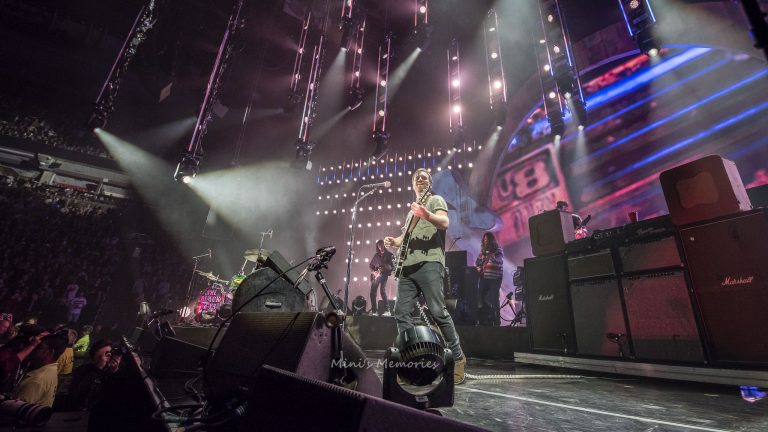
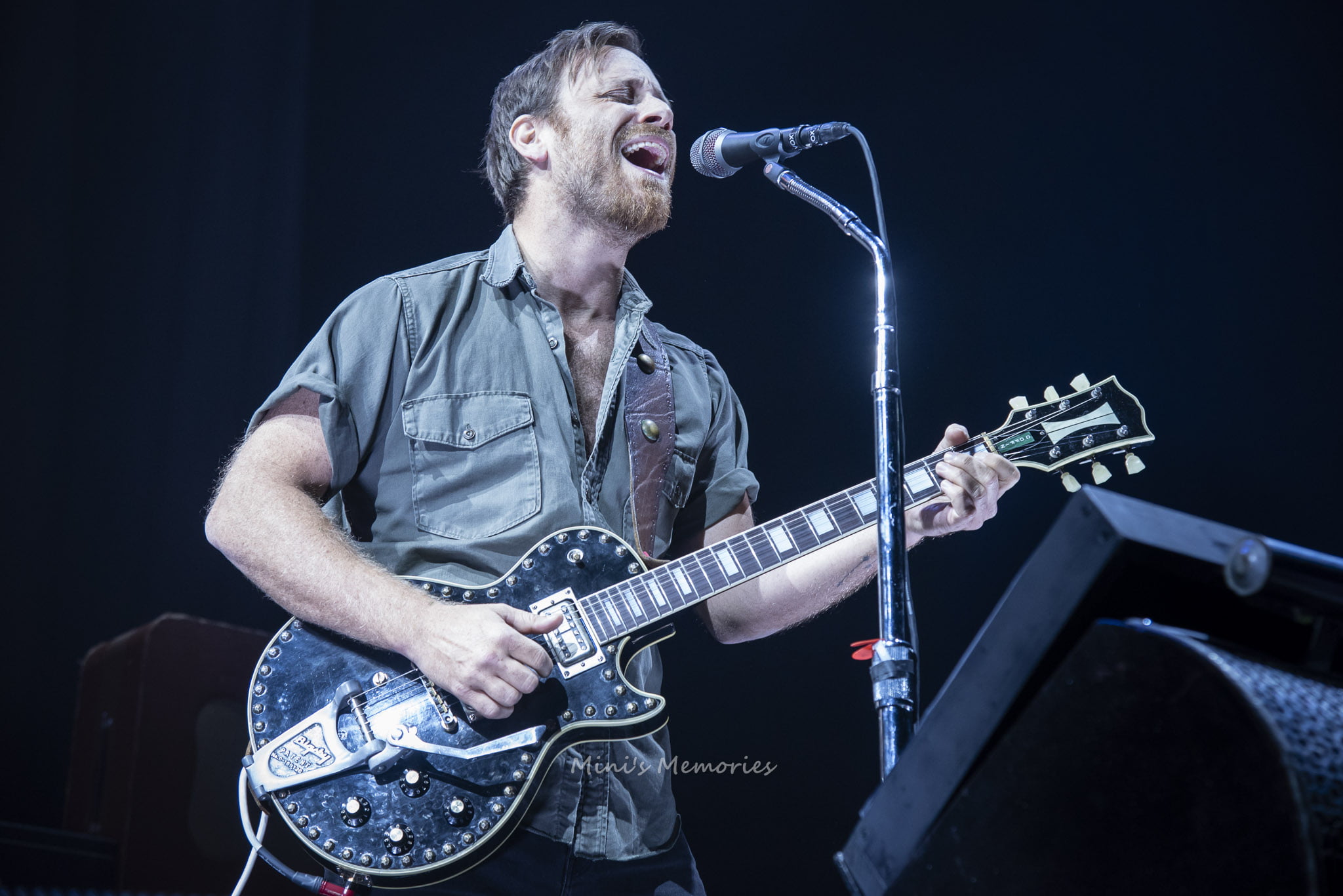
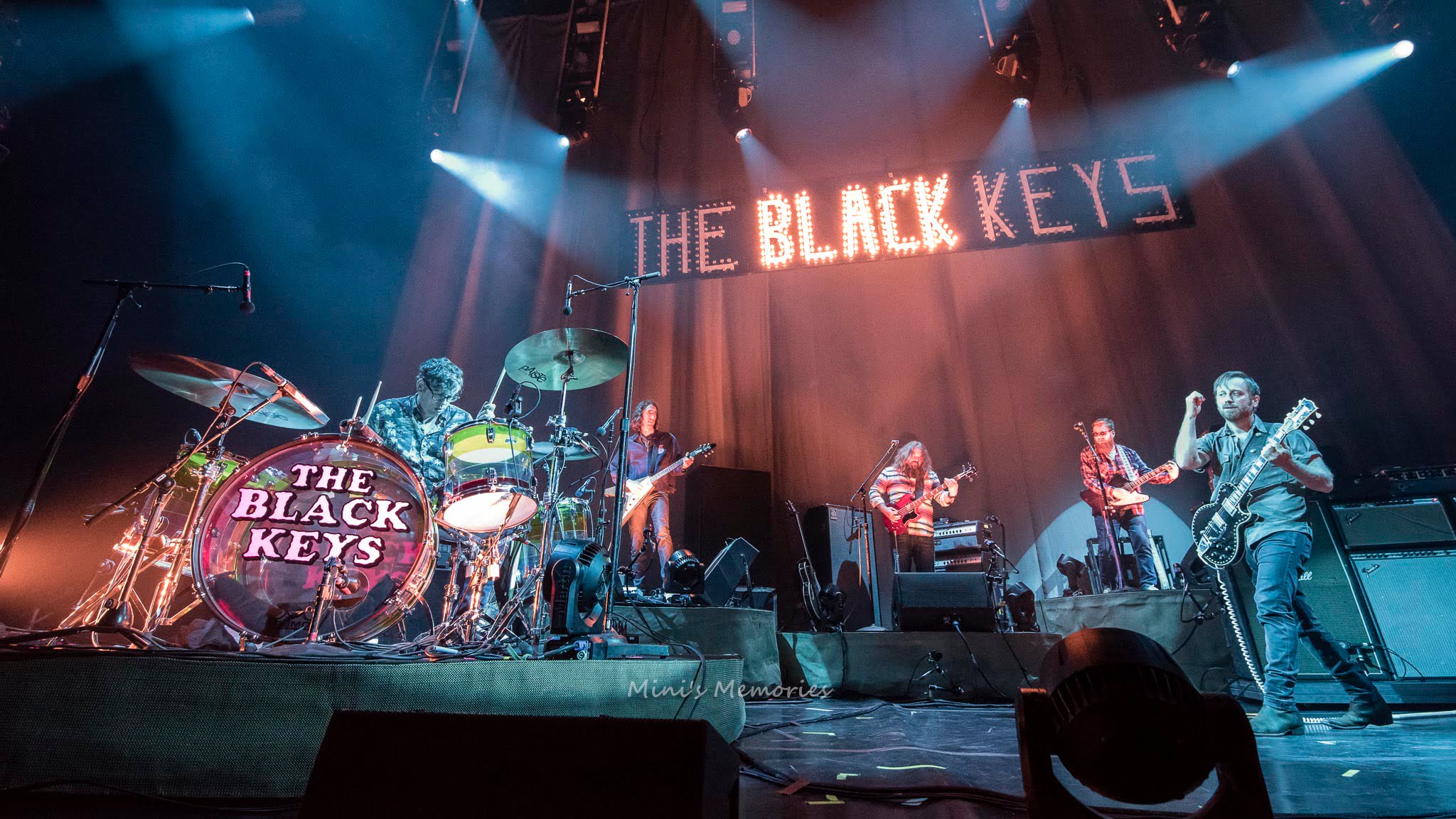
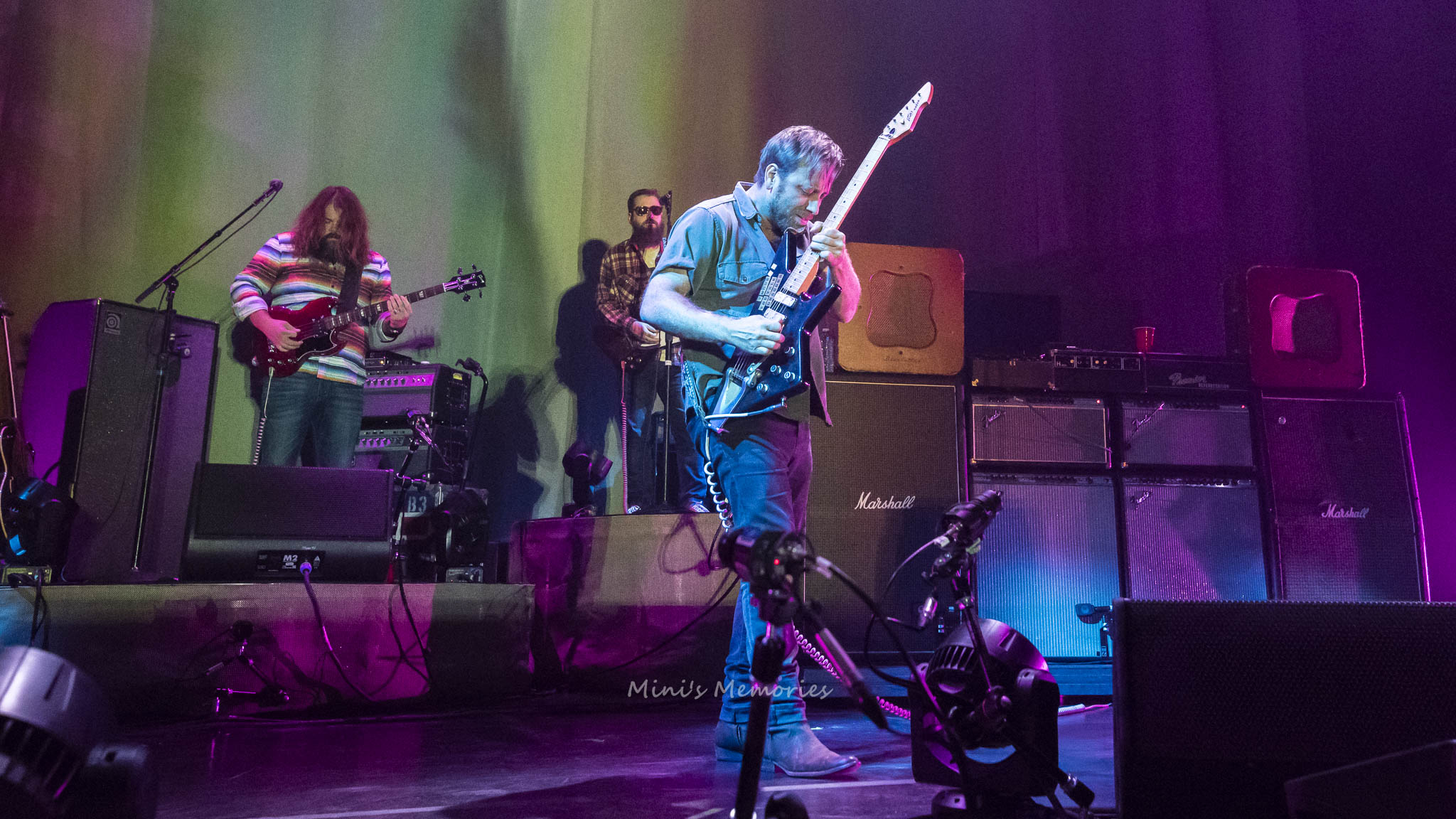
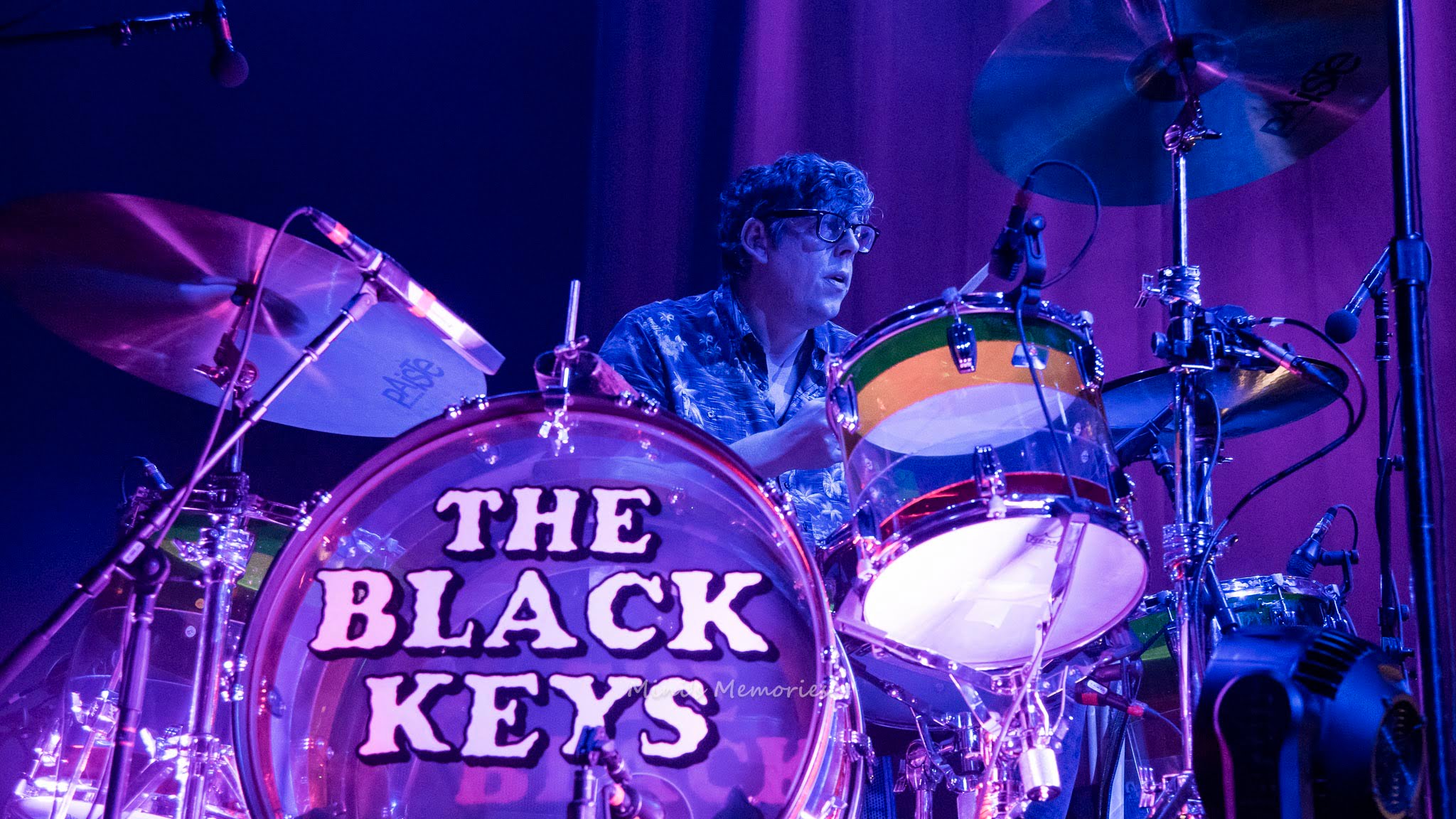
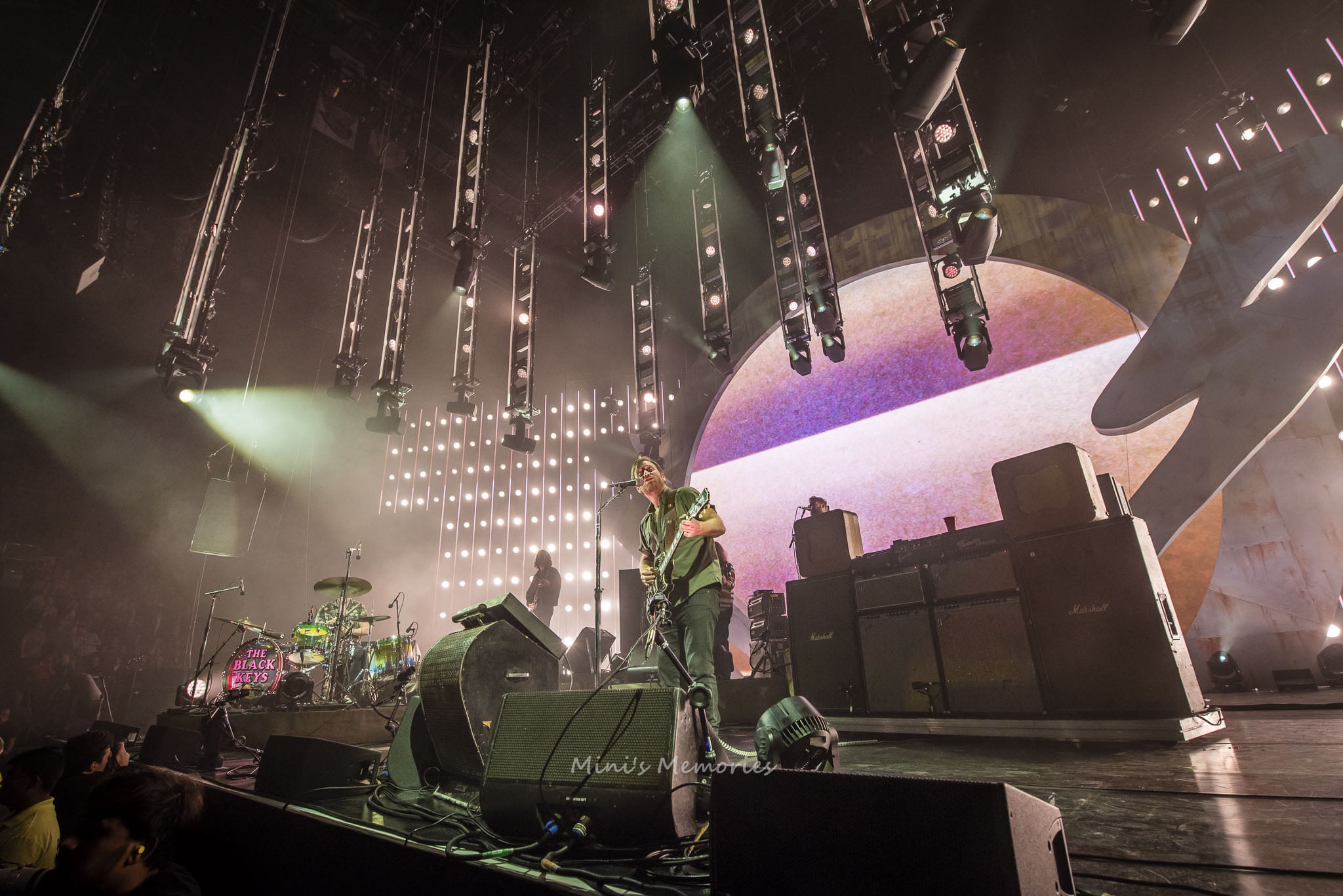
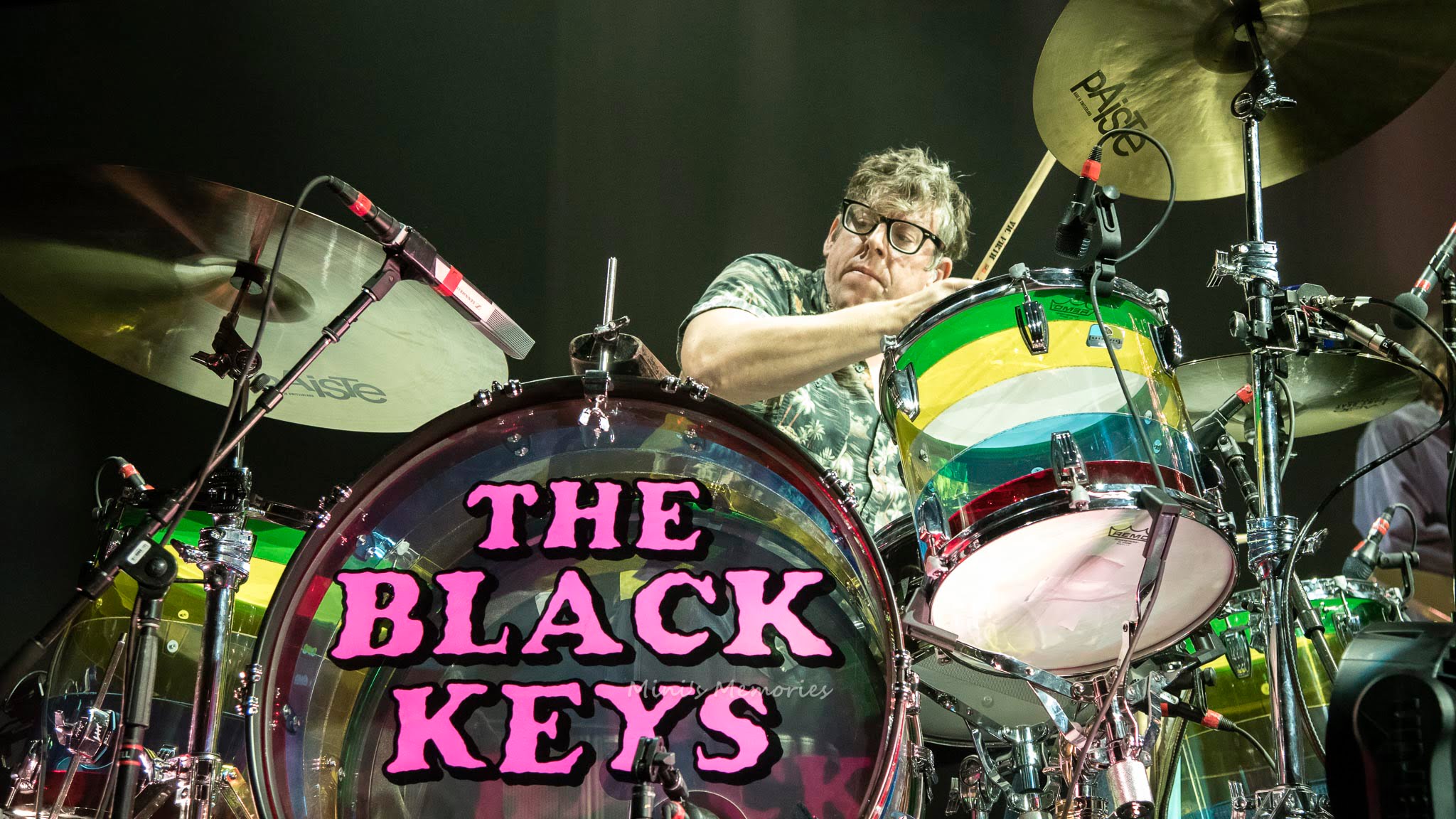
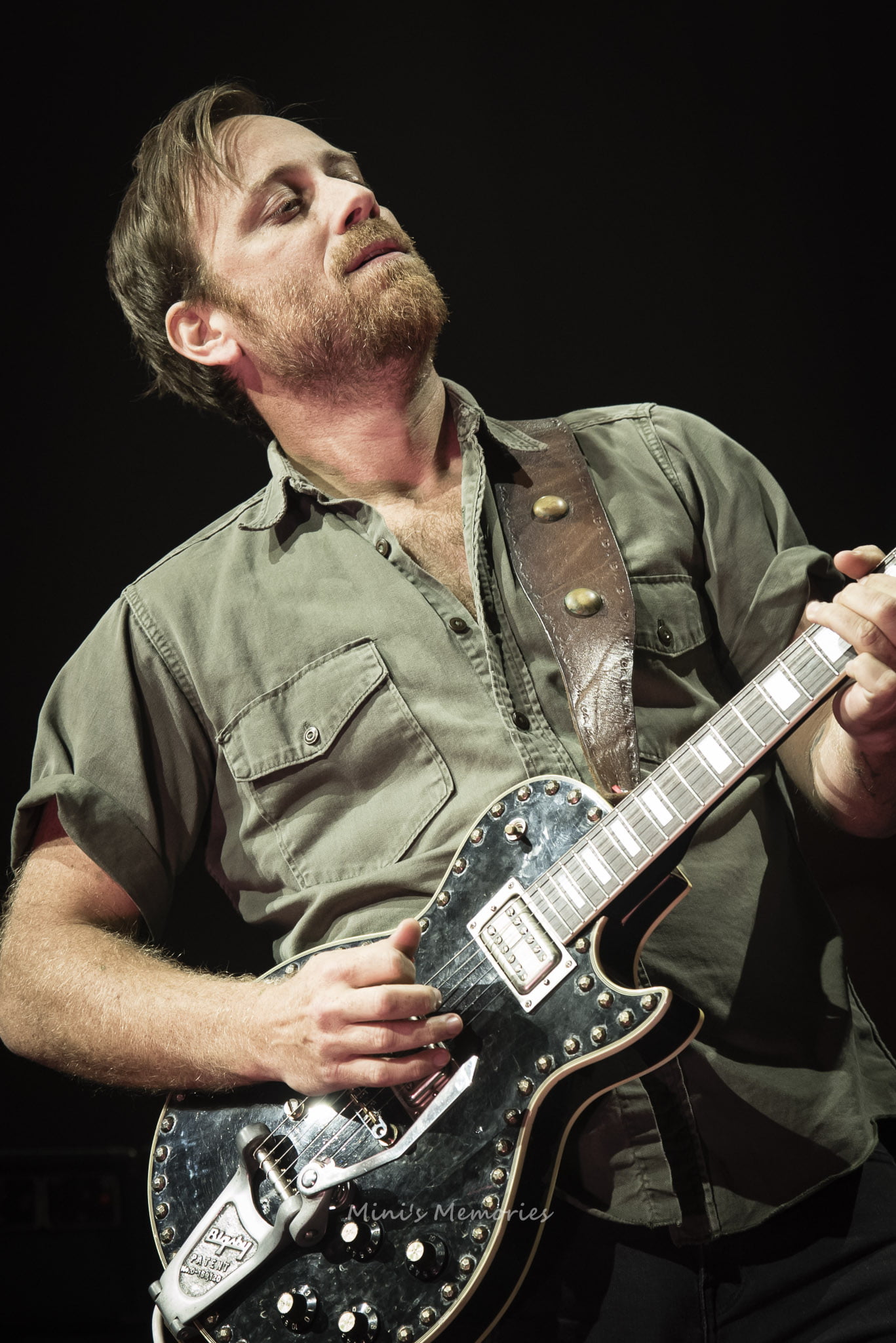
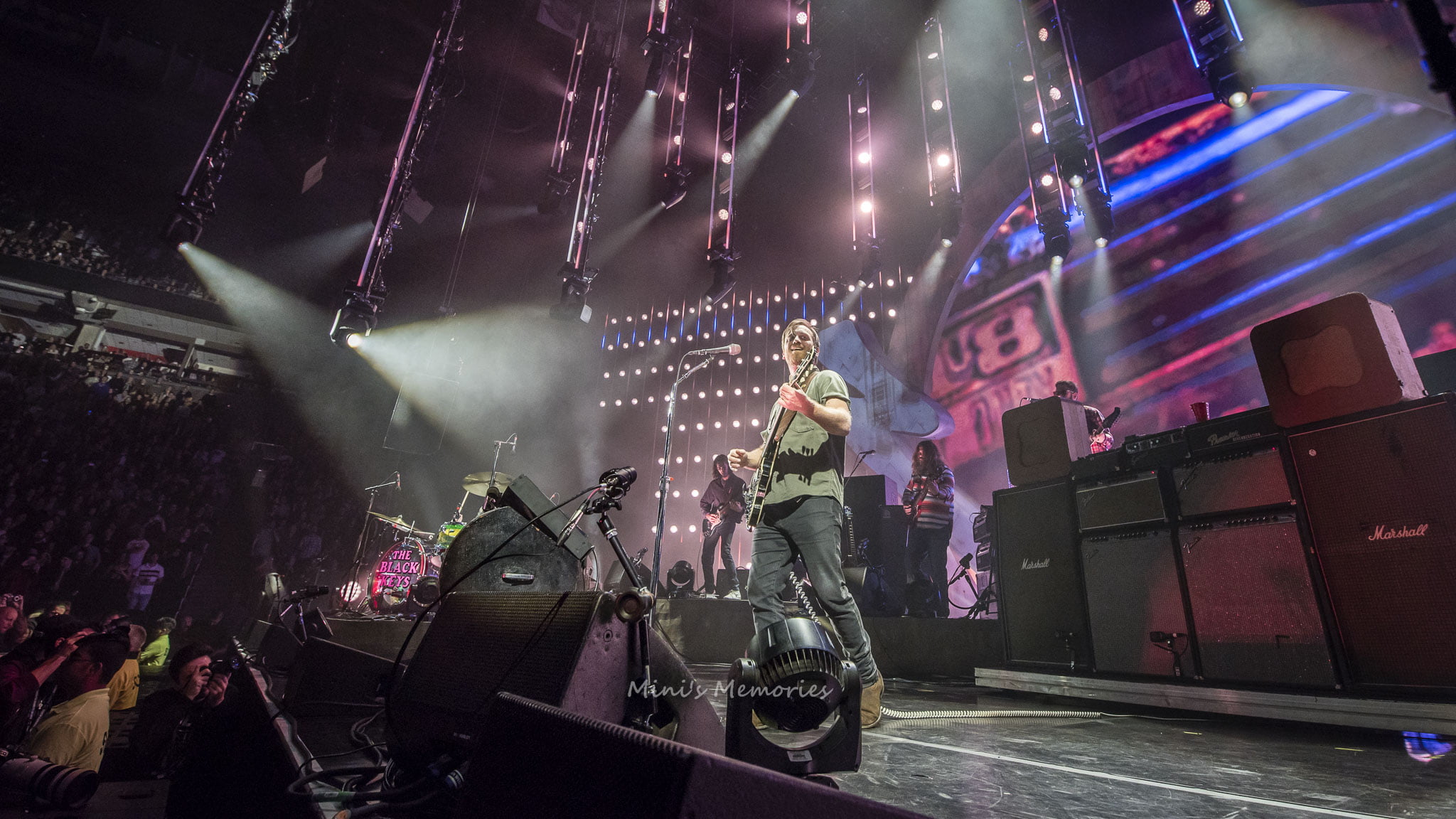
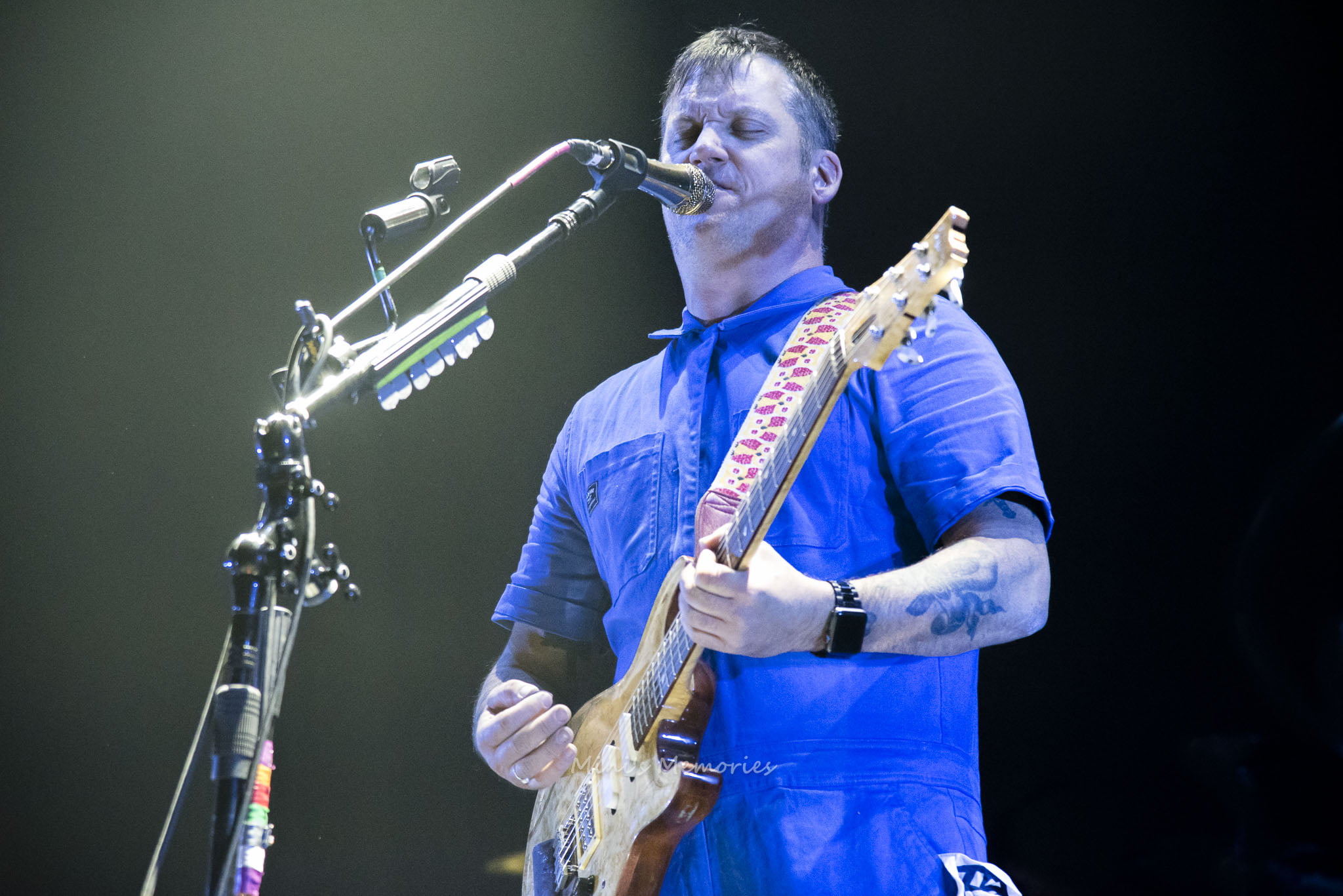
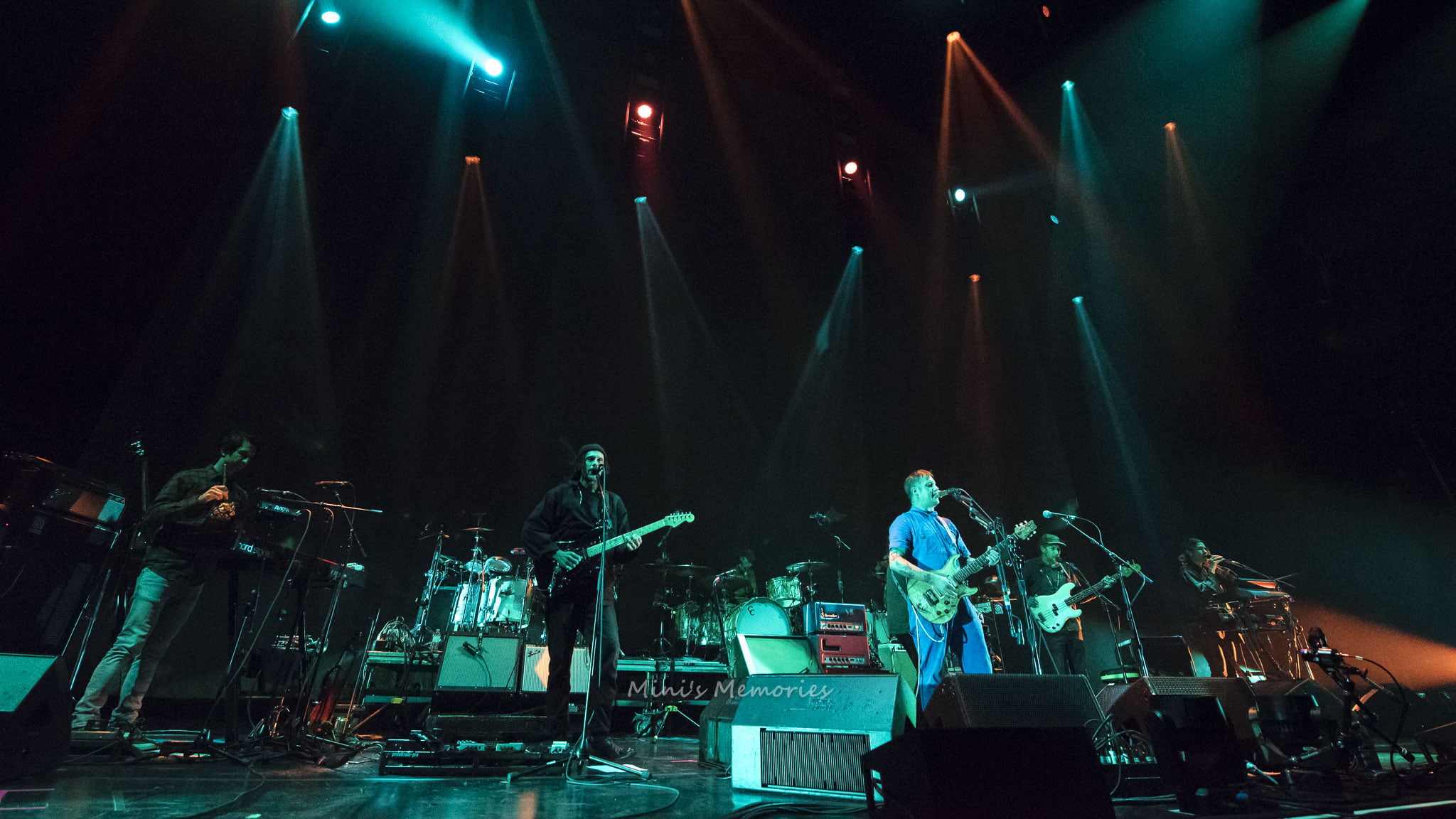
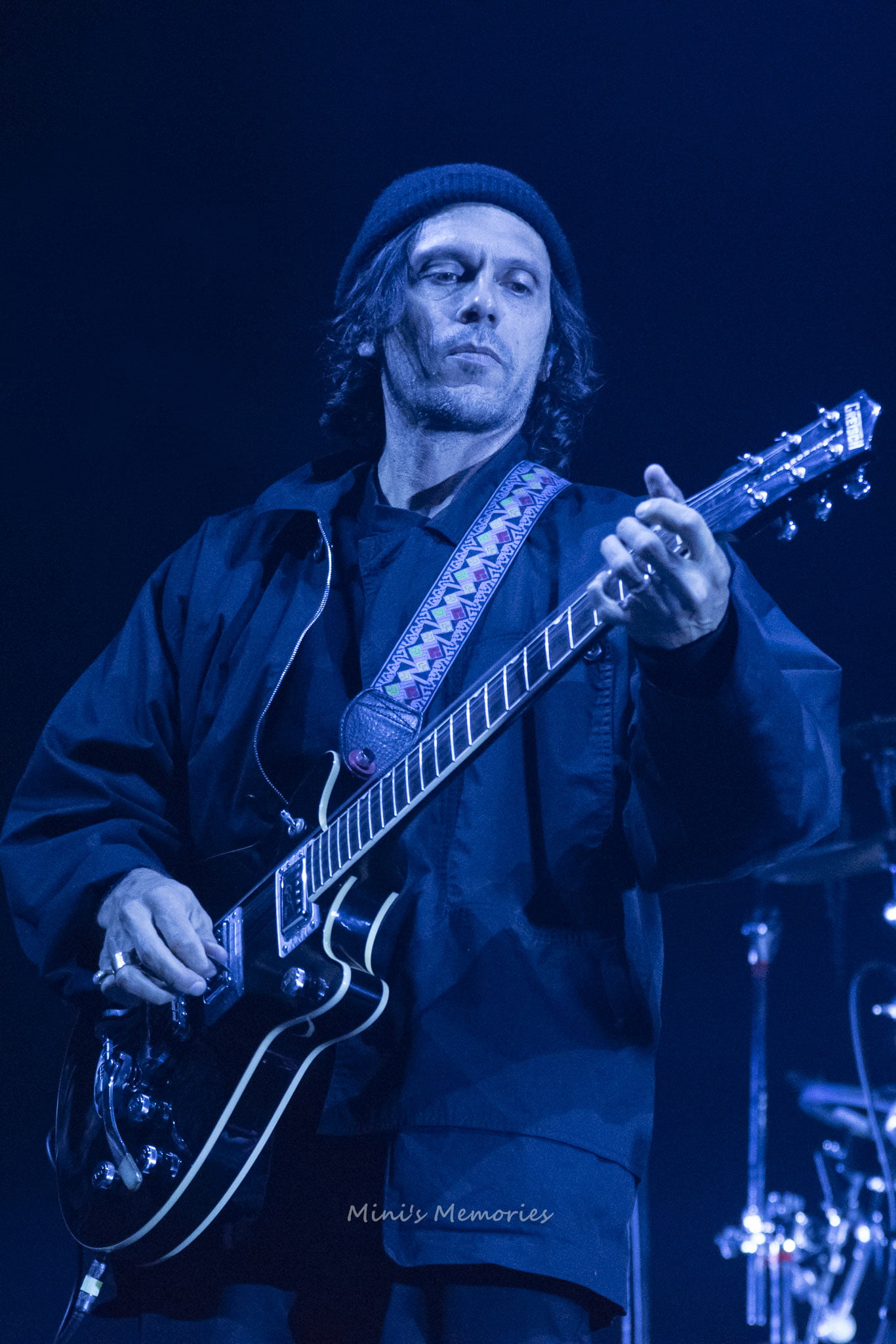
Photo Gallery: The Black Keys with Modest Mouse at Toronto’s Scotiabank Arena

0

All photos by Mini’s Memories. You can contact her at minismemories@hotmail.com

The Black Keys
The Black Keys
The Black Keys
The Black Keys
The Black Keys
The Black Keys
The Black Keys
The Black Keys
Modest Mouse
Modest Mouse
Modest Mouse
Modest Mouse

Harry Potter: Fan theories that seem like entirely true

0

The Harry Potter novels and films that followed them have become global treasures, staples of pop culture that rival Star Wars, The Simpsons, and others that have lasted over time because of their depth of story and the way they resonated with their audience.

The thing about iconic pop culture stories is that they often spawn fan theories about the stories themselves. Some of them are absolutely insane and hold no water, but there is definitely a fair share that sound not only intriguing but entirely possible.

With Harry Potter, these are just a few of the fan theories that have stood out from the rest and, like the Harry Potter font itself, made for interesting talking points among those fans of the wizarding world.

The size of Harry’s class

The author of the stories, JK Rowling, has talked about how there are thousands of students at Hogwarts. Since then, fans of the stories have tried to do the math: if there are 1000 students at the great and historical school, then there should be around 35 students in each house during each yet. Yet there are only 10 Gryffindors during Harry’s year.

There have been discussions about whether this is simply an oversight by Rowling or if there is perhaps more to it. One fan seems to think that this is because the Class of 1998 would have been conceived during Voldemort’s peak reign of power.

Essentially, this means that there was something of a baby wizard drought for a few years that would have led to smaller class sizes. It’s certainly intriguing and definitely possible, but it is not probable and likely an oversight by Rowling in her stories.

The one about Ron Weasley

The one that really seems a bit far-fetched is that Harry’s freckled friend is the one and only Albus Dumbledore, who has gone back in time. The idea stems from the chess scene in Harry Potter and the Sorcerer’s Stone. In that scene, Ron plays both a knight and a king — these are the symbolic roles that Dumbledore and Ron play in the war that is to come.

The initial theory is somewhat plausible, but there is circumstantial and superficial “evidence” — like the long nose, fondness for sweets, etc. — that the author tries to piece together to make the comparison. This is one of those theories that certainly sounds interesting but is a bit too far-fetched to hold water.

Neville wasn’t actually bad at magic.

Neville Longbottom, the bumbling, hapless youth that spent his time at Hogwarts screwing up spells at every opportunity, has been the subject of much debate. Because of his ineptitude with spells, it seemed that he was a bit of a clod, but he managed to hold his own by mastering the Shield Charm behind only Hermione and even held up during several duels with Death Eaters.

Because of one constant tenet between the books and the movie — the wizard chooses the wand — many believe that Neville wasn’t so bad at magic, he simply chose the wrong wand. Neville inherited his father’s wand as his father had no use for it any longer.

There are many that believe that the Death Eater who broke Neville’s wand actually did him huge favour as that wand was holding him back. It is supported by the fact that Neville began to increase his magical prowess over the years and even to lead Dumbledore’s Army when Harry was absent.

This is one of those theories that certainly has all of the supporting arguments but ultimately falls into the “we will never know” category.

Dumbledore is Death

This one gets a little complicated, so strap in. There are the three objects that represent the Deathly Hallows: these are real magical objects that were held in possession of the Peverell brothers and were sought after in the centuries that followed their deaths.

Since Dumbledore is the only wizard to have possessed all three of the objects: he gives Harry the cloak, then the stone, and is then stripped of the Elder Wand. He is directly or indirectly responsible in the deaths of Snape and Voldemort and even meets Harry when he “dies”.

There are a lot of backstories worth looking into for this one, and it certainly is interesting, but there are a lot of conclusions that need to be jumped to and a lot of assumptions that need to be made. Still, it’s an interesting one.