

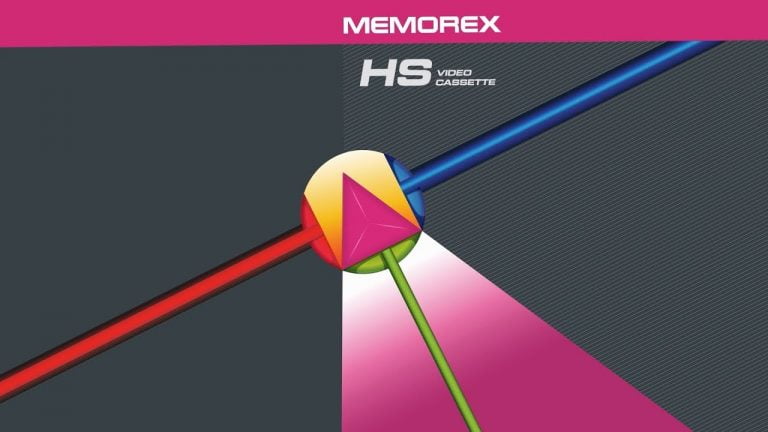
I never noticed the artwork on those old VHS tape covers, but someone did, and now I think they should make a comeback.
Here’s how to make a guitar from pencils
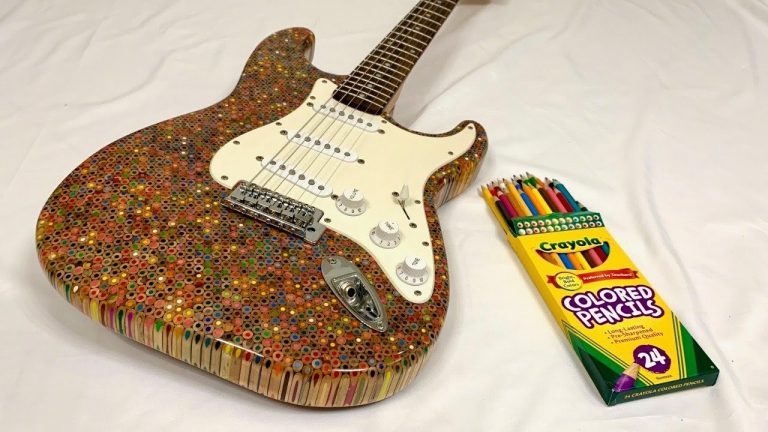
Burls Art built an electric guitar, Fender Stratocaster, out of 1200 colored pencils.
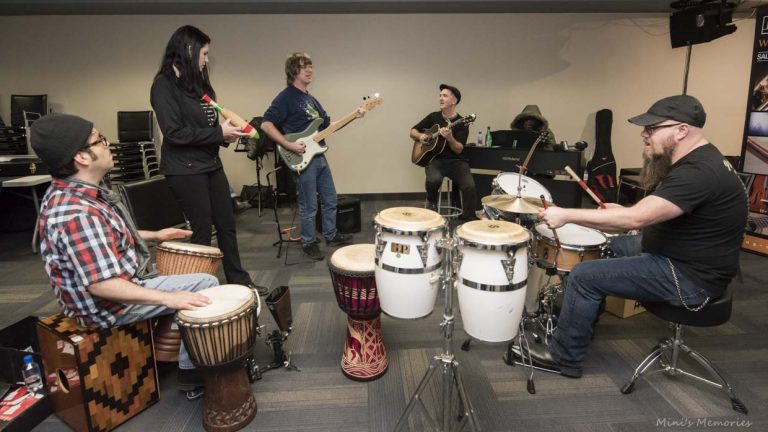
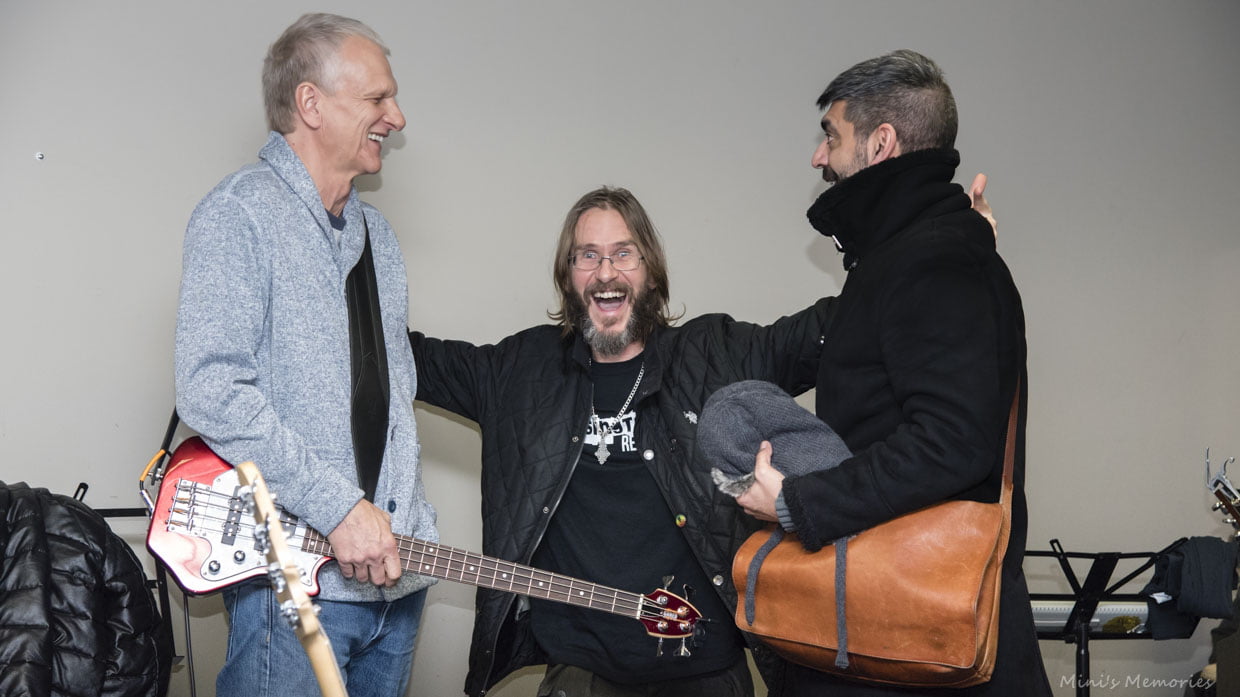
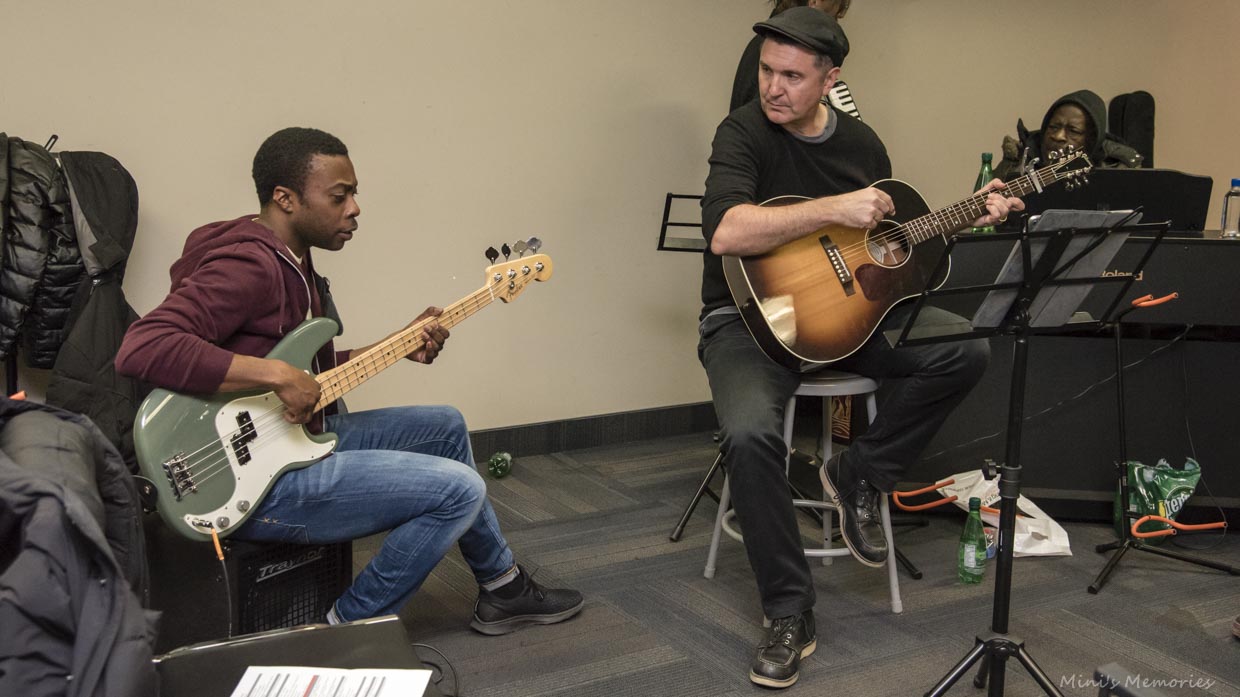
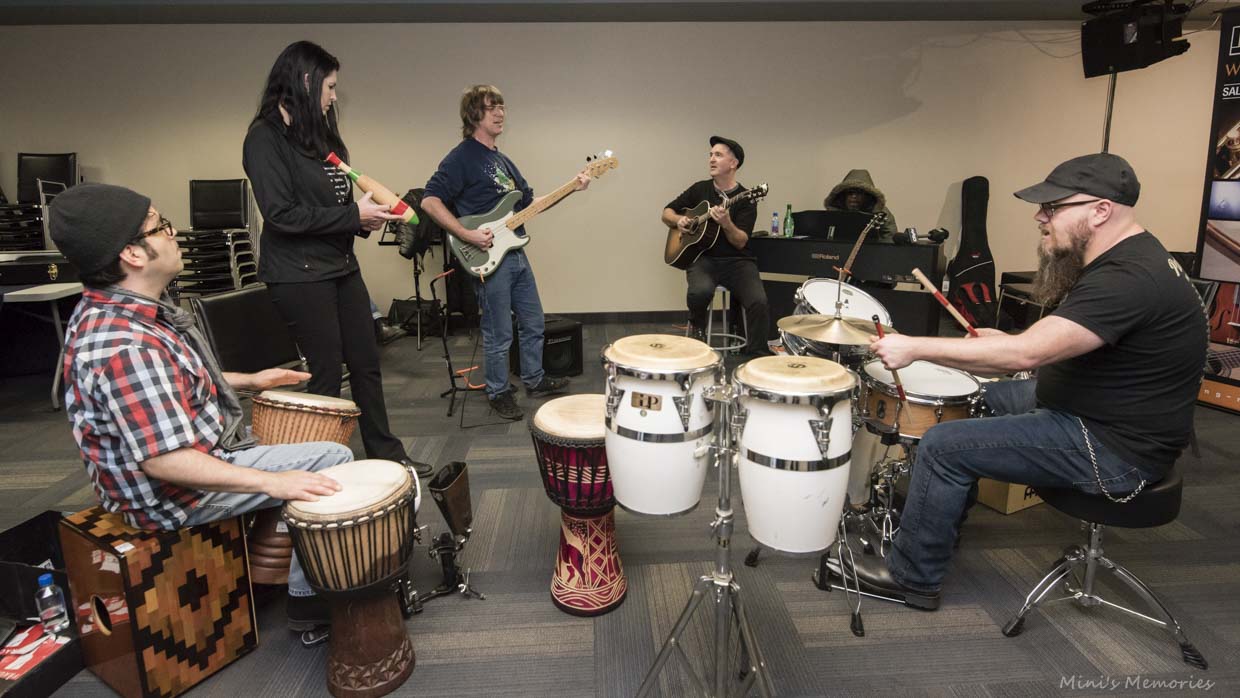
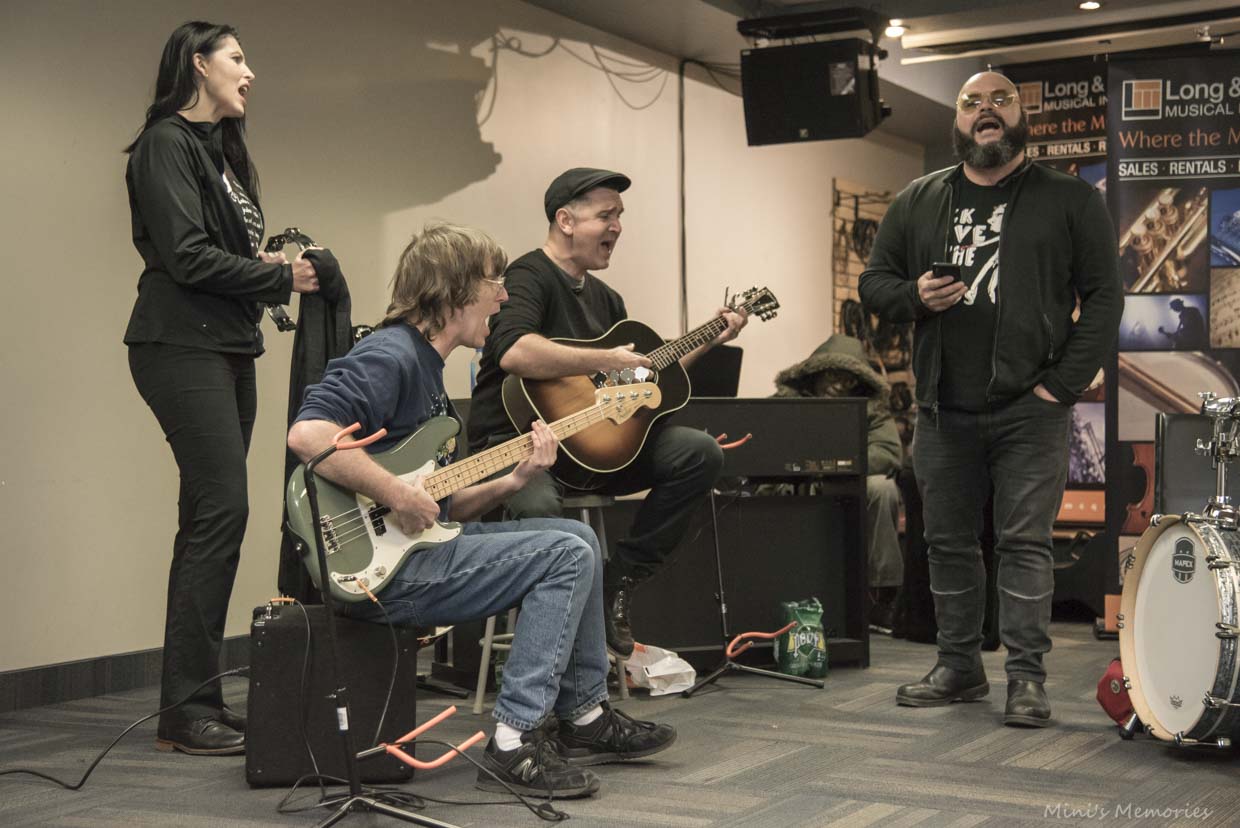
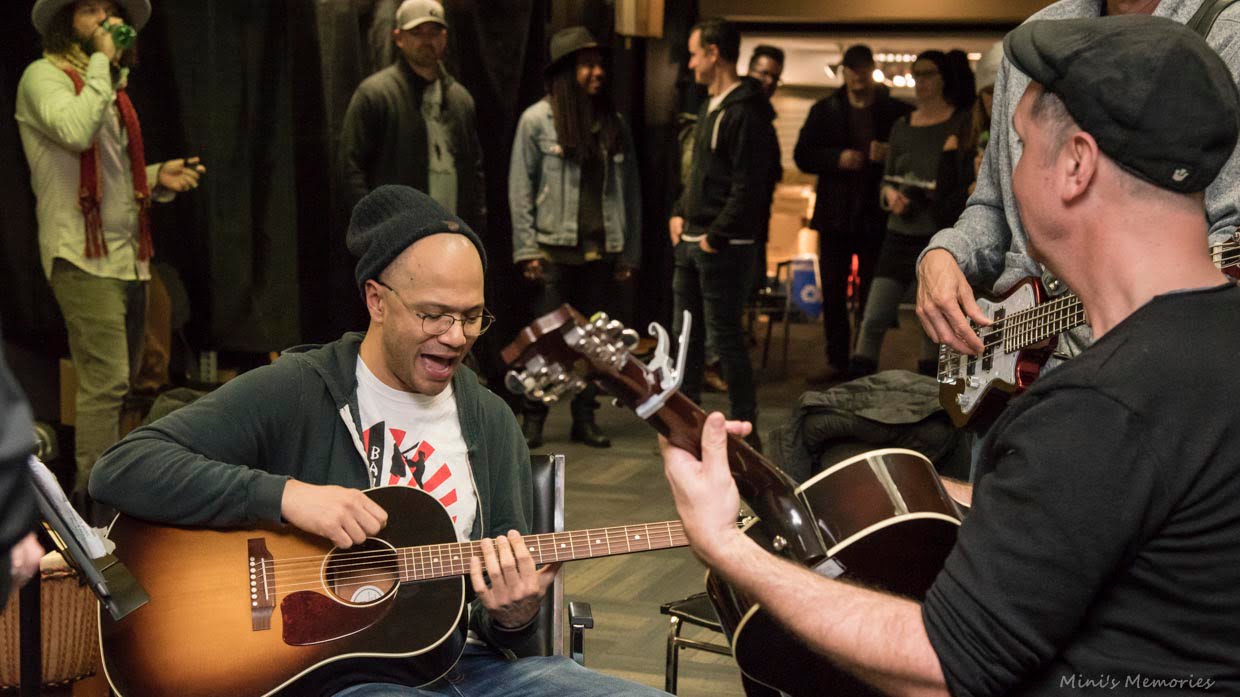
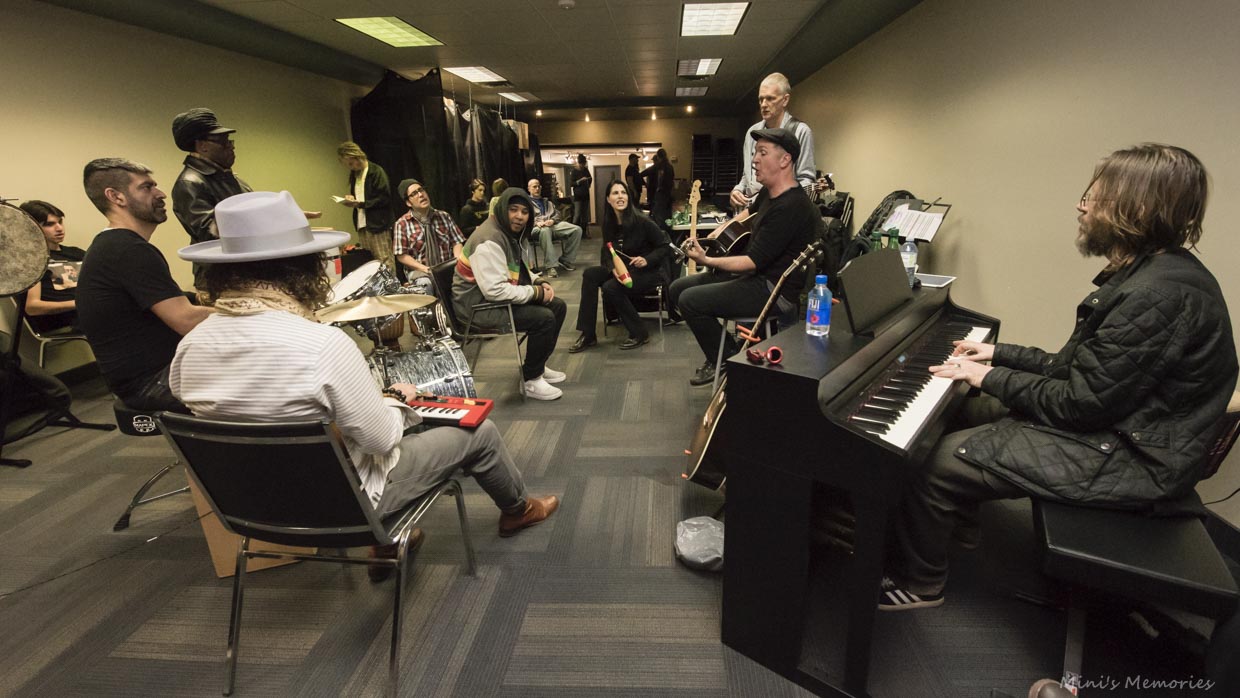
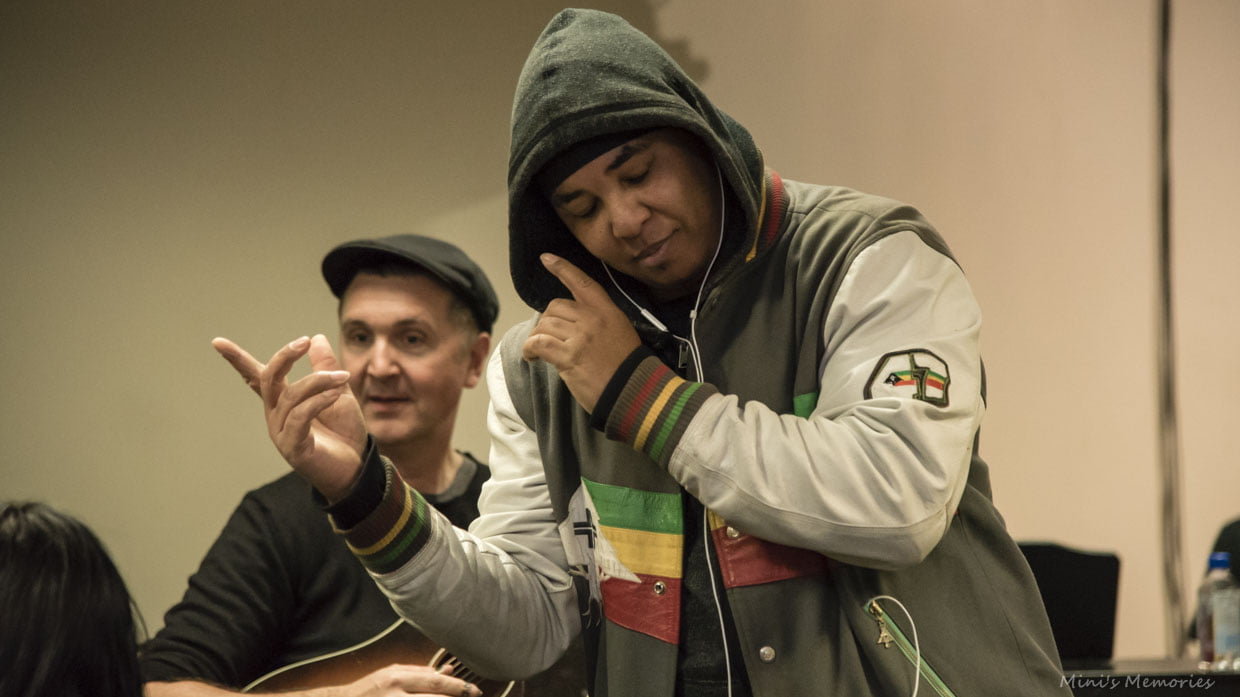
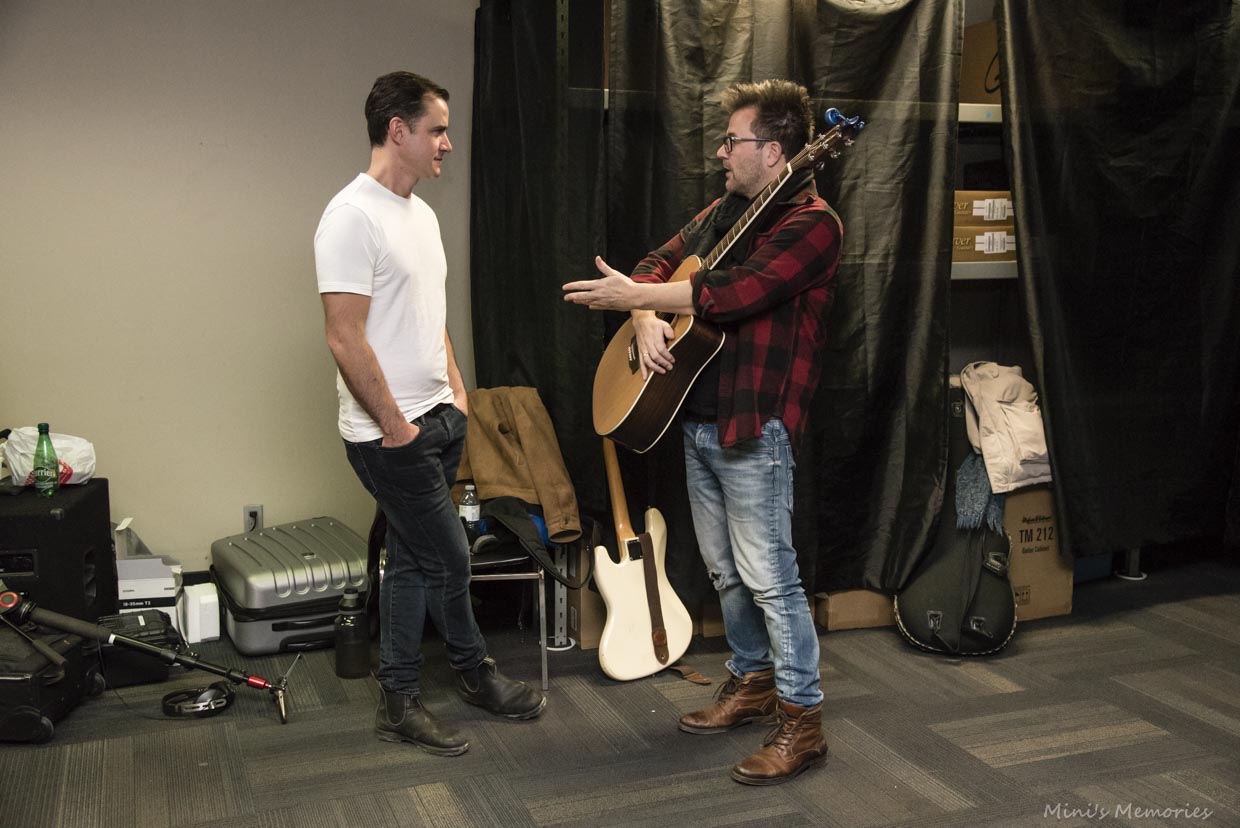
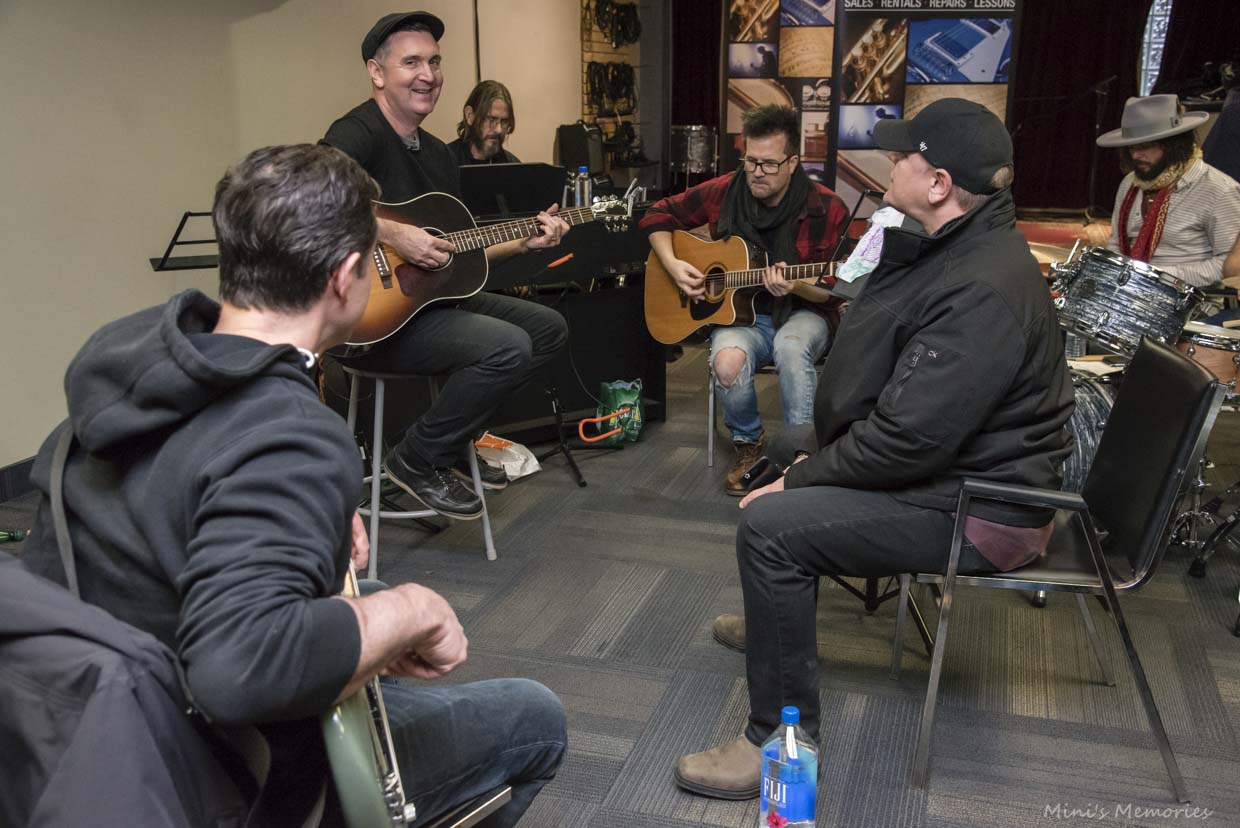
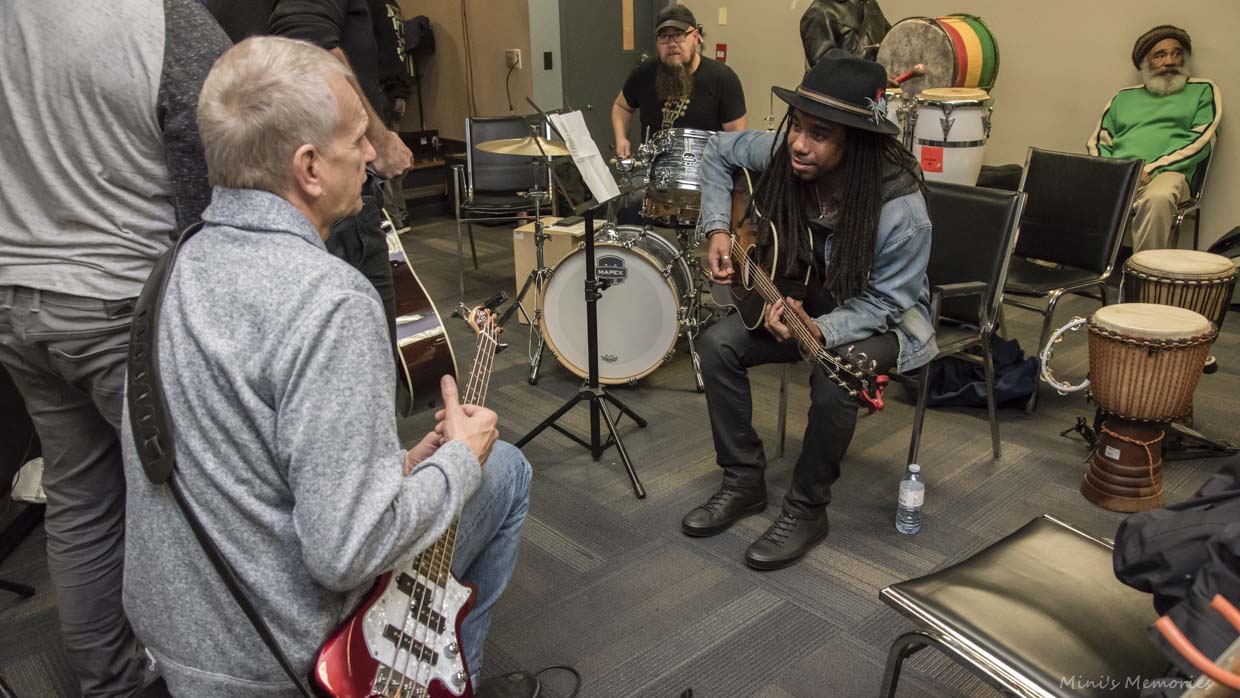
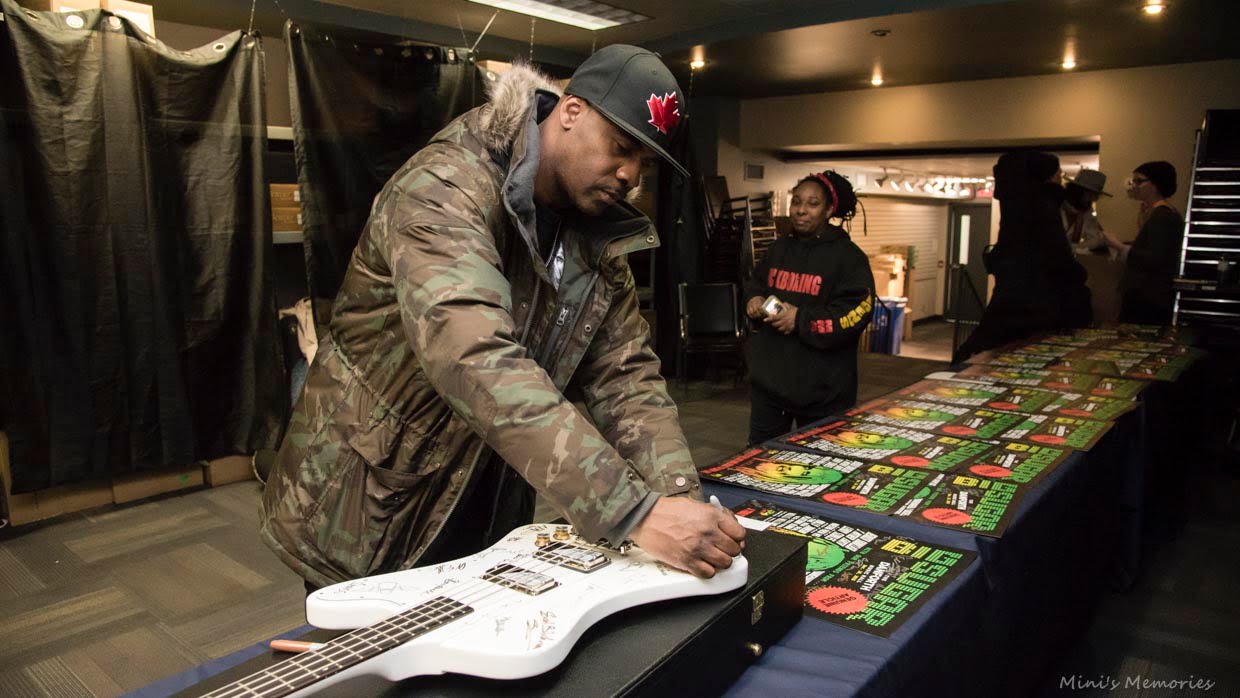
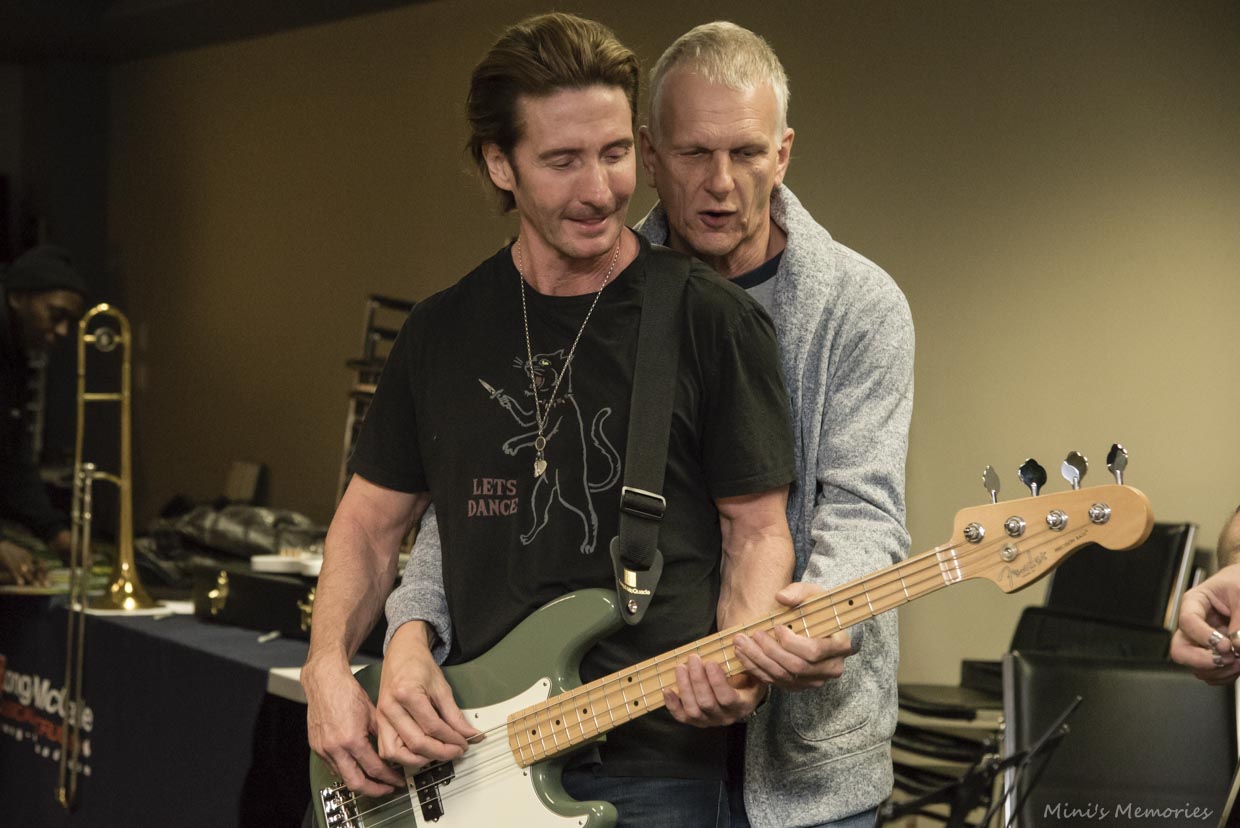
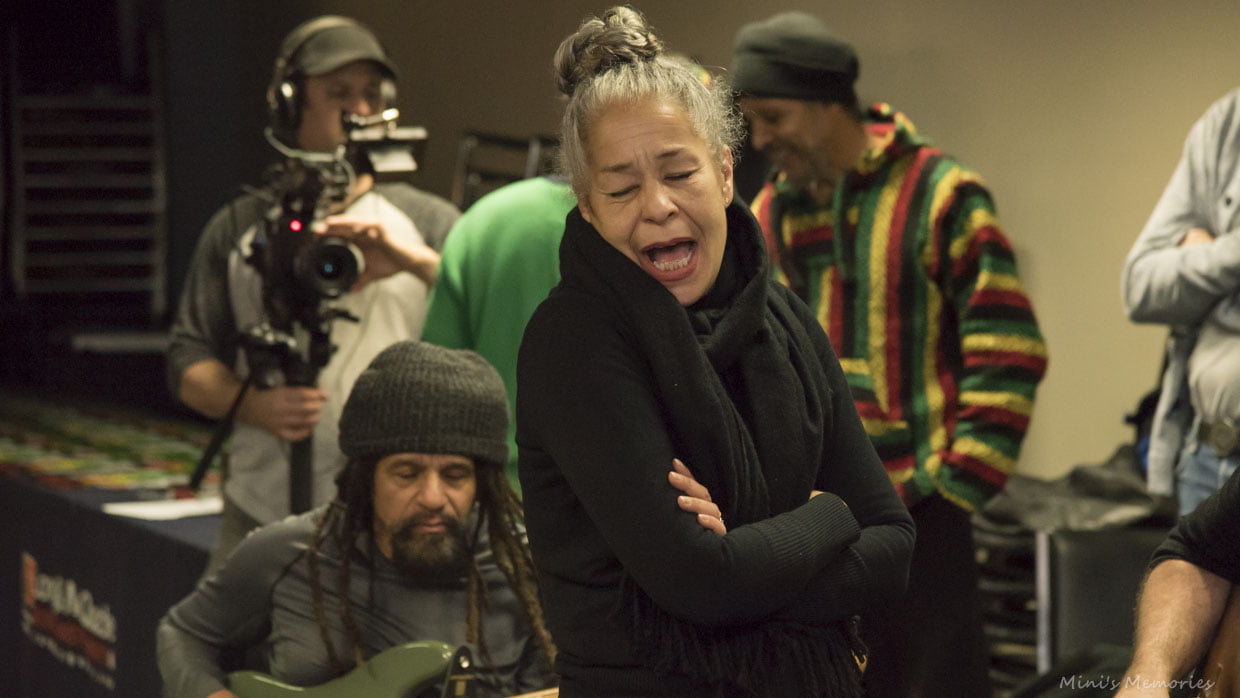
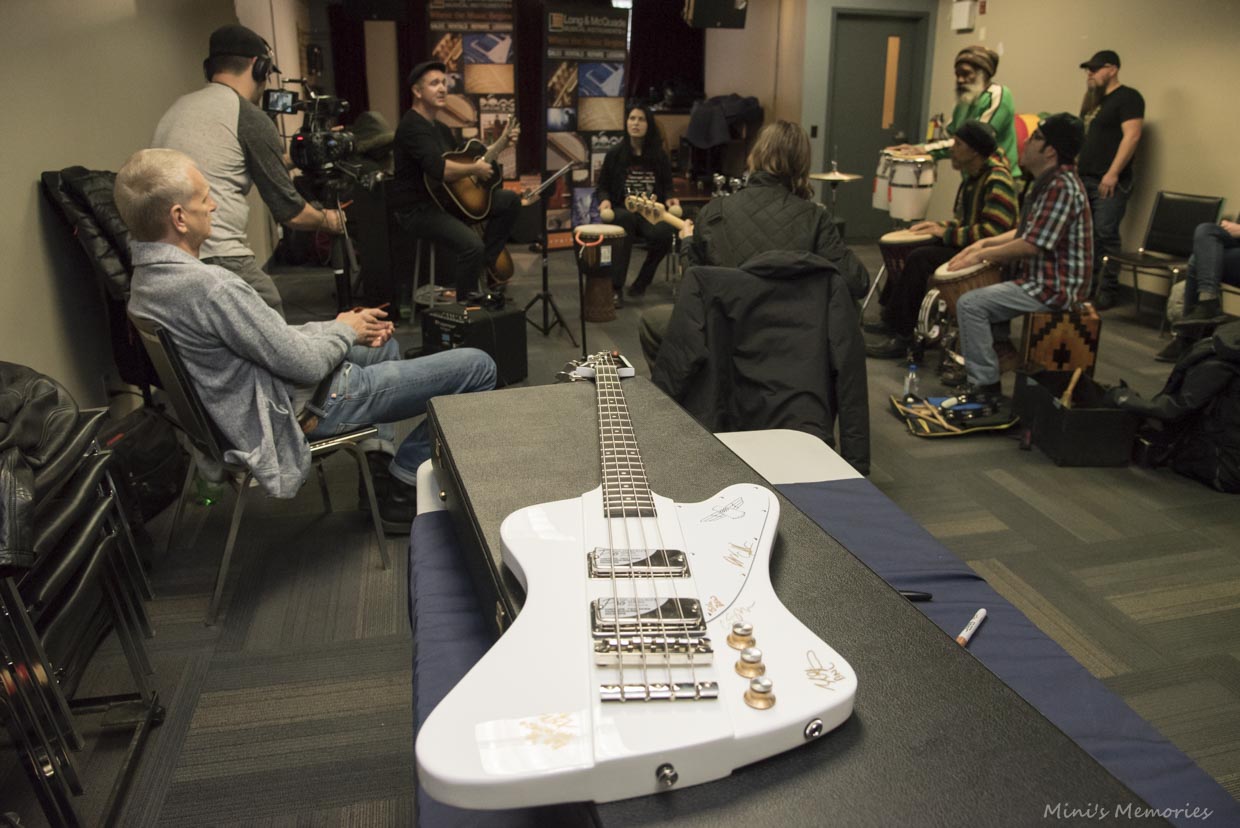
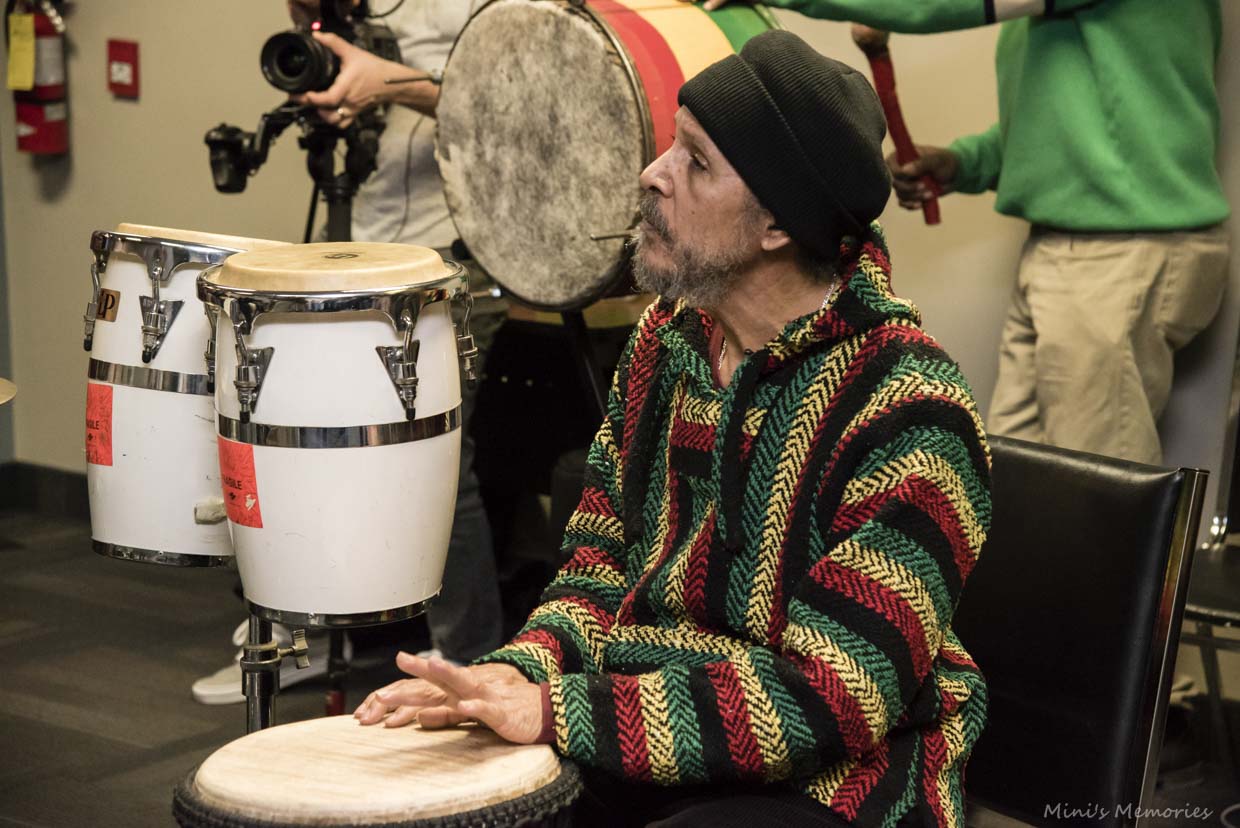
Photo Gallery: Big Sugar – Tribute to Garry Lowe Rehearsals at Toronto’s Danforth Music Hall

All photos by Mini’s Memories. You can contact her at minismemories@hotmail.com






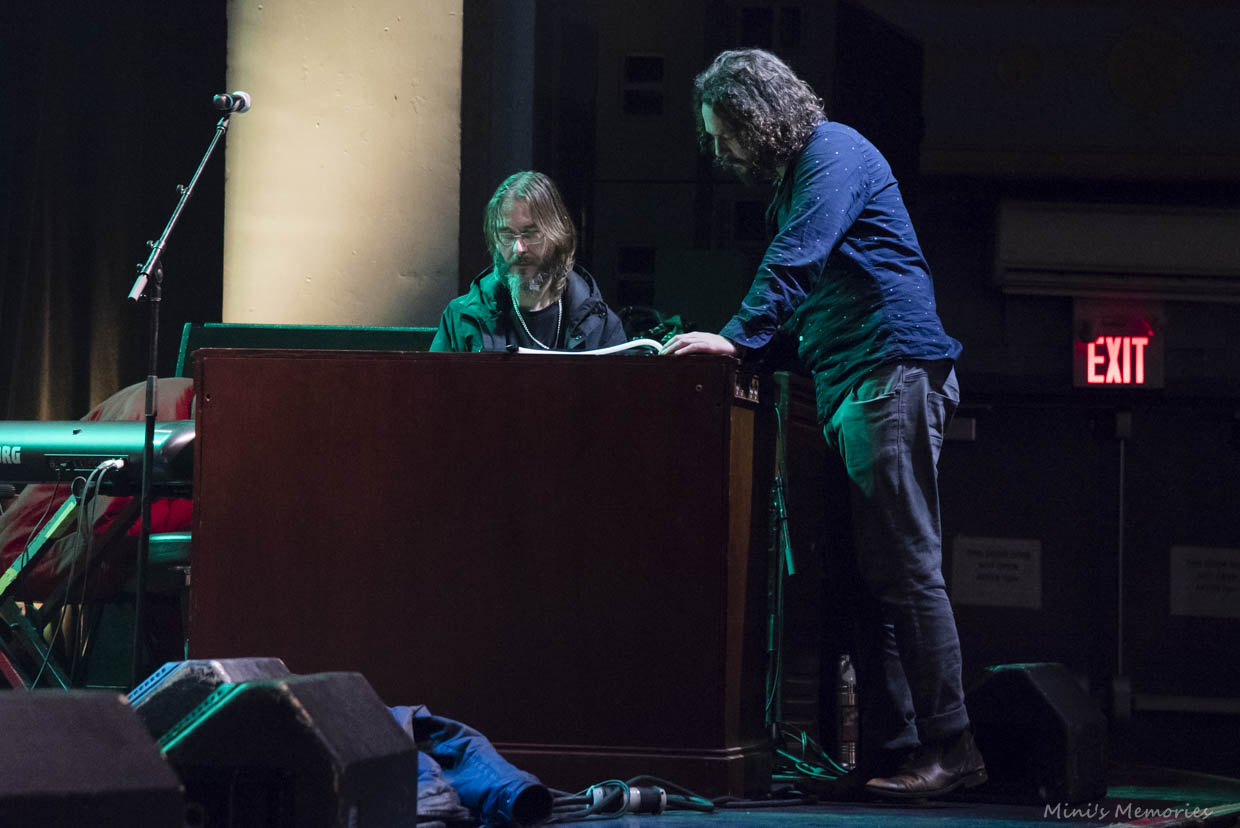






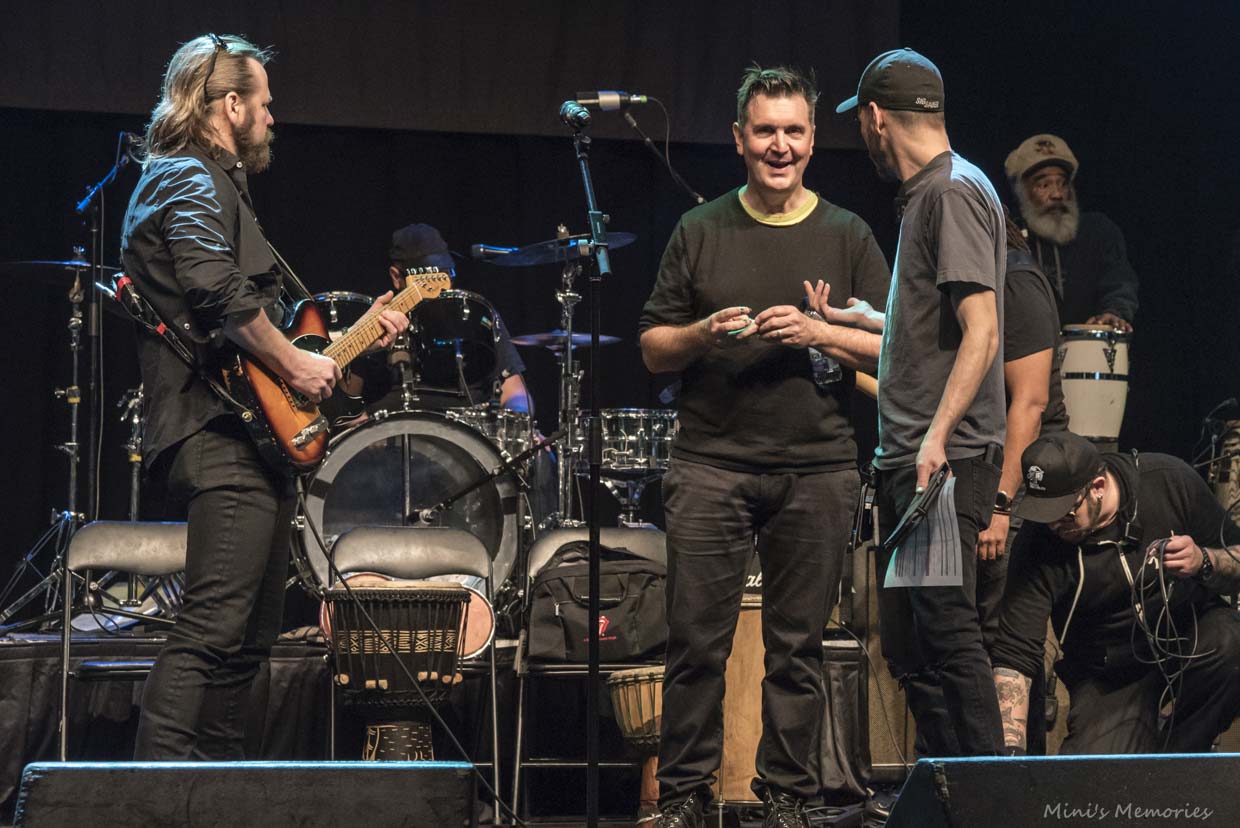


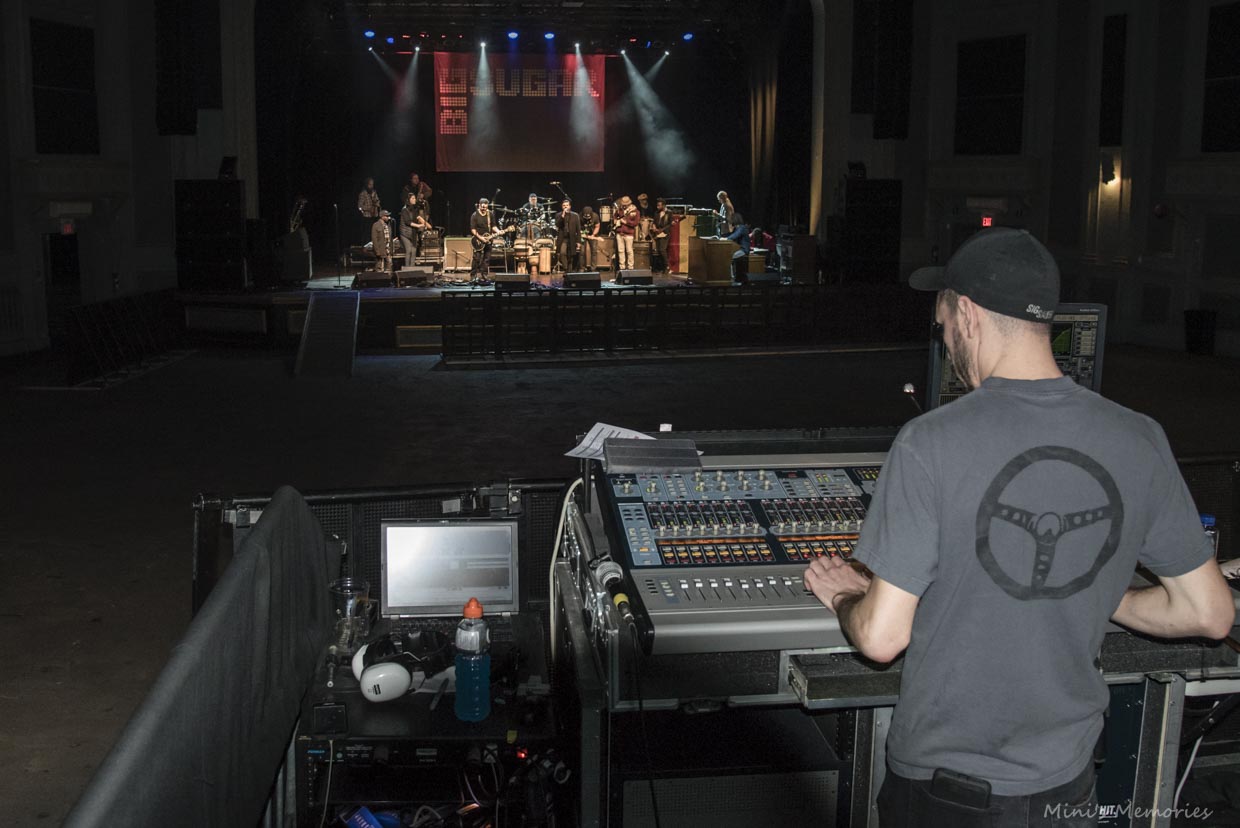
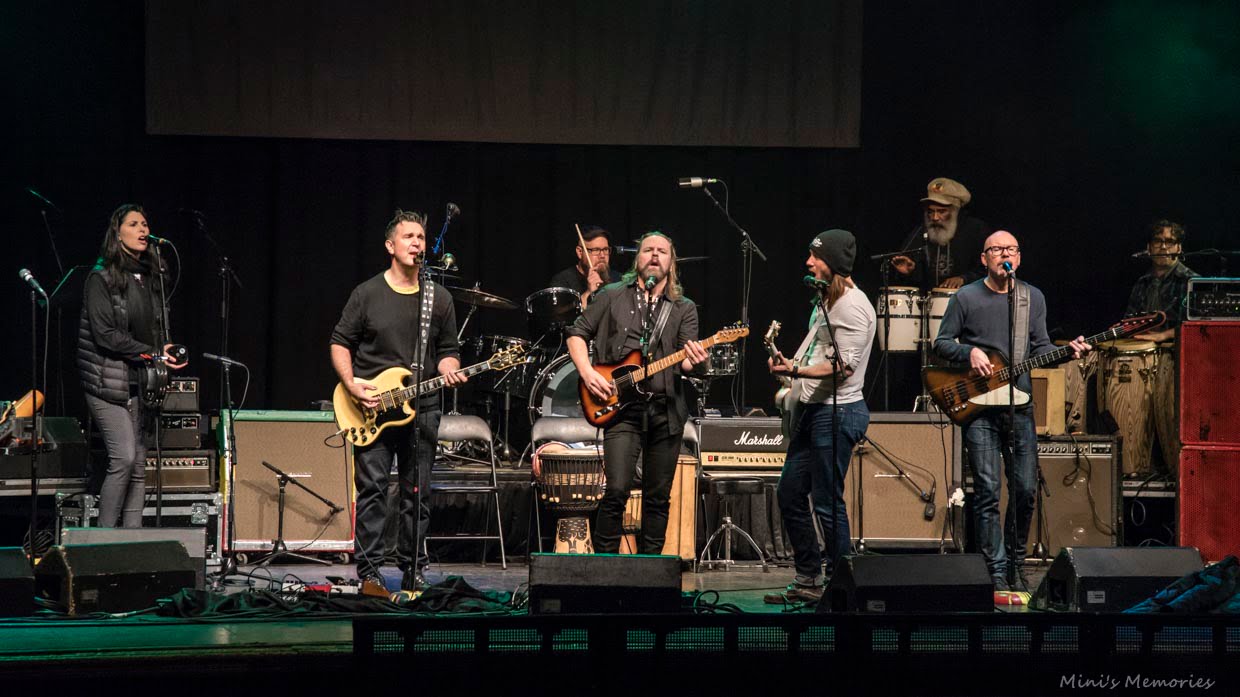
Photo Gallery: Big Sugar – Tribute To Garry Lowe Rehearsals
All photos by Mini’s Memories. You can contact her at minismemories@hotmail.com



Bell Let’s Talk Day is January 30: National awareness campaign begins with Canadians from around the country sharing their stories about mental illness

Bell Let’s Talk Day 2019 is coming up on Wednesday, January 30, and this week marks the start of the mental health initiative’s national awareness campaign leading up to the world’s biggest conversation about mental health.
The campaign features 41 Friends of Bell Let’s Talk, Canadians from around the country telling their personal stories of living with mental illness and inviting everyone to join in on January 30 to drive awareness and action in mental health. Supported by a wide range of Canadian media organizations, the campaign is appearing nationwide on television networks, radio, social media and out-of-home advertising, in newspapers and on movie screens.
Bell Let’s Talk also welcomes back the leaders who get people talking about mental health, including spokespeople Howie Mandel, Marie-Soleil Dion, Michael Landsberg, Michel Mpambara, Stefie Shock, Mary Walsh and Étienne Boulay, and community ambassadors Toronto Maple Leafs Head Coach Mike Babcock, pro golfer Andrew Jensen, comedian Kevin Breel, retired CFL player Shea Emry, singer-songwriter Séan McCann, veteran Bruno Guévremont, comedian Jessica Holmes, musician Florence K and actress Véronique Bannon.
Join the conversation on Bell Let’s Talk Day
Launched in 2011, the annual Bell Let’s Talk Day is the most high-profile event in the national Bell Let’s Talk mental health initiative. By getting engaged in the mental health conversation across a wide range of communications platforms on Bell Let’s Talk Day, you directly drive Bell’s donations to Canadian mental health programs all year round.
Bell donates 5 cents to Canadian mental health programs for each of these interactions on Bell Let’s Talk Day at no cost to participants beyond what they would normally pay their service provider for online or phone access:
- Talk: Every mobile and every long distance call made by Bell wireless and phone customers
- Text: Every text message sent by Bell wireless customers
- Twitter: Every tweet and retweet using #BellLetsTalk, featuring the special Bell Let’s Talk emoji, and every Bell Let’s Talk Day video view at Twitter.com/Bell_LetsTalk
- Facebook: Every Bell Let’s Talk Day video view at Facebook.com/BellLetsTalk and every use of the Bell Let’s Talk frame
- Instagram: Every Bell Let’s Talk Day video view at Instagram.com/bell_letstalk
- Snapchat: Every use of the Bell Let’s Talk filter and every Bell Let’s Talk Day video view
Total Bell Let’s Talk Day interactions since the first event in 2011 stand at 867,449,649 and are expected to exceed 1 billion on January 30. Bell’s funding commitment for mental health, including the company’s donations based on Bell Let’s Talk engagement and its original $50-million donation to launch the initiative, is now $93,423,628.80 and expected to surpass $100 million on January 30.
Last year, Bell Let’s Talk set all-new records with 138,383,995 messages across all platforms, growing Bell’s funding for Canadian mental health last year by $6,919,199.75. #BellLetsTalk was the most retweeted Twitter hashtag by Canadians in 2018 and became the most-used Canadian hashtag of all time.
The 5 simple ways to help end the stigma
Together, we can all help end the stigma around mental illness with the 5 simple ways developed by Dr. Heather Stuart, the Bell Mental Health and Anti-Stigma Research Chair at Queen’s University:
- Language matters – pay attention to the words you use about mental illness
- Educate yourself – learn, know and talk more, understand the signs
- Be kind – small acts of kindness speak a lot
- Listen and ask – sometimes it’s best to just listen
- Talk about it – start a dialogue, break the silence
About Bell Let’s Talk
The Bell Let’s Talk mental health initiative is focused on 4 key action pillars: Anti-stigma, Care and Access, Research and Workplace Leadership. Since its launch in September 2010, Bell Let’s Talk has partnered with more than 900 organizations providing mental health services throughout Canada, including major donations to hospitals, universities and other care and research organizations.
To learn more, please visit Bell.ca/LetsTalk.
Toronto’s Harris Institute Celebrates 30th Anniversary
In 1989 Toronto’s Harris Institute introduced the first accelerated one-year diploma programs taught by award winning leaders. Its goal was to strengthen the Canadian music industry and prepare graduates for lifelong careers in music. At that time the music industry had begun a dramatic decline.
Thirty years later, Harris Institute graduates are in leadership roles in every area of an expanding Canadian music industry. They have established a wide range of successful companies and have won or were nominated for 247 awards in the last 2 years.
Over 60% of the current 62 faculty members have won awards in their subject area. Twenty-one of them have been at Harris Institute for more than 20 years and 11 are honours graduates from the institute.
In 1994 the college relocated from its original 3,200 sq.ft. campus to a 15,000 sq.ft. industrial building designed in 1908 by Massey Hall’s architect George M. Miller. It repurposed the building for education and included three recording studios designed by world-renowned studio designer and founding faculty member Martin Pilchner.
Starting in 1997, Harris Institute delivered six annual ‘Peace and Reconciliation’ programs, funded by the International Fund for Ireland, to groups of 20 young adults from conflicted areas in the North and South of Ireland.
In 2005 the college expanded its accelerated approach by establishing an unprecedented partnership with the University of the West of Scotland offering the option to earn a diploma and a BA or BSc degree in 20 months. In 2015 the partnership was further expanded to offer 2 diplomas and a Master’s Degree in 32 months. The degrees are awarded with full scholarships and the Master’s Degrees include partial scholarships.
In 2006, Harris Institute partnered with the Moscow International Film School and the Gulf Islands Film & Television School to deliver an experimental program for 24 indigenous youth from Siberia and British Columbia’s Salmon Arm Reserve.
For 10 years starting in 2007, with the support of the Ontario Ministry of Culture and the Ontario Media Development Corporation, the college offered weekend professional development courses for mid career professionals.
In a partnership with Nashville’s ProMedia Training, Harris Institute introduced the first Certified Avid Pro Tools courses in Canada.
Harris Institute was the only school featured in Billboard Magazine’s ‘Top 11 Schools’ and Mix Magazine’s ‘Audio Education’s Finest’. It was ranked best private school for a 6th year in the 2018 ‘Media Arts Education Report’.
It is the only post secondary school in North America to have achieved 4 annual 0% Student Loan Default Rates. Its Arts Management Program has achieved 8 annual 0% Default Rates and the Audio Production Program has achieved 6.
In 2015, Harris Institute was the first post secondary school to introduce a comprehensive ‘Political Correctness Policy’that ensured free speech and the open exchange of ideas.
Since 1989 International students have come from 142 countries. In 2018 students came from 9 US States and 19 countries.
In 2018 the college’s founder John Harris received the Cashbox Legacy Award as a Canadian music industry builder and he was featured in an FYI Music News cover story titled “The Man Who Breeds Success”.
Harris Institute is celebrating its 30th anniversary by offering $30K in scholarships for programs starting on March 25 and July 15, 2019.
Watch The Beastie Boys Perform “Cookie Puss” With Kate Schellenbach In 1983

Here’s a rarely-seen video of the original line-up of the Beastie Boys – when they had a fourth, female member, Kate Schellenbach – playing a Christmas-time gig in 1983. The song was inspired by a series of prank calls the group’s members made to a Carvel location, in which they jokingly requested to speak to Cookie Puss, the most popular ice cream cake character. Kate went on to drum with Luscious Jackson and went on to later works as a producer for The Ellen DeGeneres Show, Lopez Tonight, Kathy, Love You, Mean It with Whitney Cummings, Chelsea Lately, Hello Ross, and currently The Late Late Show with James Corden.
Pete Shelley Composed The Music For Channel 4’s Coverage Of The Tour de France In The Late ‘80s

If you lived in Britain or Ireland and watched the Tour de France on Channel 4 back in 1988, you might remember this theme song, written by Pete Shelley of The Buzzcocks.
Rick and Morty: Jazz Edition

Here’s musician Scott Bradlee of Postmodern Jukebox’s jazz version of the “Rick And Morty” theme song, with a little bit of “Get Schwifty” thrown in for good measure.
Sesame Street Puppeteers Explain How They Control Their Puppets
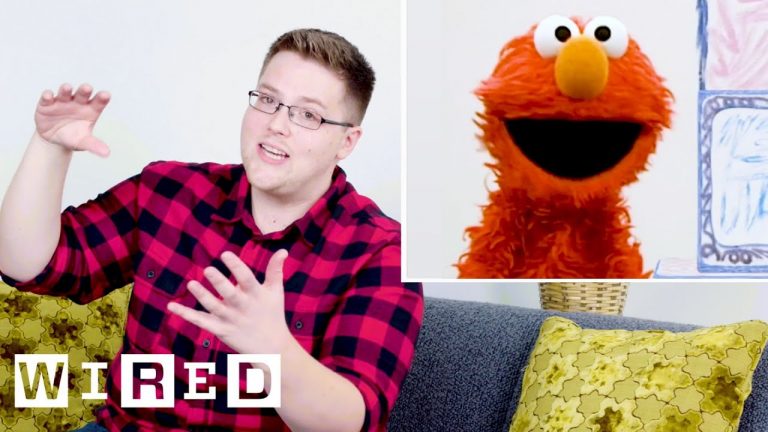
Ever wonder how the puppets on Sesame Street operate? The puppeteers for some of Sesame Street’s most famous characters share their insights on how they bring their iconic characters to life. The puppeteers for Elmo, Big Bird, Mr. Snuffleupagus, Abby Cadabby, and Rudy explain the various functions and features of their Muppets.
You can catch Snuffy and all his friends in the new season of Sesame Street on HBO or everyday on HBO Family or PBS Kids.