Home Blog Page 217

LeAnn Rimes Brings Holiday Magic Nationwide with ‘Greatest Hits Christmas Tour’

0

Grammy Award-winning vocalist and multi-platinum selling singer/songwriter, actress, and author LeAnn Rimes is bringing holiday cheer across the nation this winter with the launch of her Greatest Hits Christmas Tour. Widely celebrated as the “Queen of Christmas,” Rimes will perform fan favorites from her beloved holiday albums along with highlights from her profound 30-year career.

The tour kicks off December 4th in Morristown, NJ, and wraps December 22nd in Tucson, AZ, with stops in major cities including Nashville, TN; Scottsdale, AZ; and more.

“Christmas for me, is not just a day, it’s the season. The build-up, the joy, the excitement… a holiday tour,” shares Rimes. “I’m so excited for this upcoming run of shows and a set list that spans decades of holiday music. Some of these songs I’ve sung since I was a little girl, that bring out the big kid in me. Others came later, from a deeper place, when I started asking myself what the season feels like now as a woman, a wife, a stepmom and someone who’s lived a lot more life.”

From her first breakout hit “Blue” at the age of 13 to becoming one of the most accomplished vocalists of her generation, Rimes has carved a path that bridges country, pop, and soul. With over 48 million albums sold worldwide, she has released three acclaimed holiday albums and numerous chart-topping singles that have become staples of the season. Her powerhouse vocals and heartfelt performances have solidified her place as a holiday favorite among fans of all ages.

In addition to preparing for the tour, The Voice Australia winning judge is currently filming the highly anticipated Ryan Murphy-produced ABC drama 9-1-1: Nashville, and continues to perform select dates around the country.

LeAnn Rimes 2025 Greatest Hits Christmas Tour Dates:

Dec 4 – Morristown, NJ @ Mayo Performing Arts Center
Dec 6 – Glenside, PA @ Keswick Theatre
Dec 7 – Stony Brook, NY @ Staller Center for the Arts
Dec 12 – Nashville, TN @ Ryman Auditorium
Dec 13 – Jasper, IN @ Jasper Arts Center
Dec 20 – Laughlin, NV @ The Edge Pavilion
Dec 21 – Scottsdale, AZ @ Talking Stick Resort
Dec 22 – Tucson, AZ @ Fox Tucson Theatre

Spotting Fake vs. Legit Essay Writing Platforms

0

By Mitch Rice

When you’re drowning in homework and freaking out, tons of students look online for help with essays. Big problem? Most sites are straight-up trash. Some take your money and ghost you, others send copy-pasted junk that gets you kicked outta school. This study showed like 37% of college kids got ripped off by fake writing services. Let’s figure out how to spot the real deals from the total garbage.

Red Flags of Fraudulent Essay Services

Spotting the sketchy services ain’t rocket science if you know what to look for. These warning signs might save your wallet and your grades.

A legit essay writing service won’t pull this kinda crap:

  • Super cheap prices ($5 per page? Yeah right)
  • No privacy policy (sketchy AF)
  • Website full of spelling mistakes (like they can’t even spell “dissertation”)
  • No real phone number or address
  • Promising crazy fast turnarounds (complete 50-page paper by tomorrow!)
  • No mention of revisions or refunds

This Yale prof says the worst services aren’t the obvious scams but the slick-looking ones that send plagiarized junk. “These places can wreck your whole college career,” he warns. If you ever decide to pay someone to write essay, make sure you choose a reputable and transparent platform — otherwise, you risk falling for one of these traps.

Weird red flag nobody talks about: sample essays that sound like novels. Real college papers have a certain boring vibe. If their samples read like bestsellers, run away fast.

Hallmarks of Legitimate Writing Platforms

The real-deal platforms actually give a crap about not being garbage. They need repeat customers, not one-time scams. Essay website reviews usually point out these things that separate decent services from dumpster fires.

What non-scammy services usually got:

  • Clear pricing without surprise fees
  • You can talk to your writer directly
  • Free revisions when they mess up
  • Plagiarism reports so you know it’s original
  • Payment methods that won’t steal your identity
  • Sample papers that look like actual college work
  • Info about the writers and what they know

This lady who runs a tutoring company explains: “Good services actually try to teach you stuff, not just hand you a paper and say ‘good luck with that.'”

One sneaky good sign: they’ll actually say NO to crazy requests. Quality places turn down impossible deadlines rather than just taking your money for something they can’t deliver.

Price vs. Quality: Finding the Right Balance

If it’s super cheap, it’s super trash. While everybody wants deals, those rock-bottom prices mean rock-bottom quality. Decent undergrad essays cost $15-25 per page, and grad school stuff costs more like $20-40 per page.

Trusted essay help isn’t dirt cheap. Think about what goes into making a custom paper: research, writing, editing, formatting. If someone’s writing your 10-page psych paper for thirty bucks total, they’re either plagiarizing or using crappy AI.

This Princeton researcher says: “The math just doesn’t work for super cheap services unless they’re doing something sketchy—usually plagiarizing, hiring terrible writers, or just running everything through AI without checking.”

Weird price thing: prices go crazy during finals week. Services with steady prices year-round usually got better writers and better quality control.

Verifying Credibility Before You Pay

Before throwing money at some random website, do your homework first. Reliable essay sites leave footprints all over the internet you can check yourself.

How to check if a service is garbage before using it:

  • Find reviews on sites they can’t control (Trustpilot, Reddit)
  • Look for detailed reviews mentioning specific assignments
  • Check if their social media looks dead
  • Run their sample essays through plagiarism checkers
  • Test customer service with weird questions
  • See how long their website has existed (new sites = bigger risk)

This ex-FBI guy who hunted academic scammers says: “Always test them with something small first. Get a two-page paper before trusting them with your thesis.”

How old the company is matters tons. Places around 5+ years have proven they ain’t just scamming people and disappearing. New sites might be OK, but they haven’t proven nothing yet.

Protecting Yourself When Using Writing Services

Even with good services, you gotta watch your back to avoid essay scams. The relationship should feel like working with a tutor, not just buying a product.

Smart moves to protect yourself:

  • Never give your university login (duh, but people do this)
  • Use payment methods with fraud protection
  • Save every message between you and the service
  • Ask for drafts for big projects
  • Actually read the paper before turning it in
  • Know your school’s rules about using writing services

This Berkeley prof says: “Students should treat these services like tutoring, not paper vending machines. You should learn something, not just copy-paste it.”

Weird but smart trick: be honest with the writing service about what you know. If your prof might quiz you on the paper, make sure you understand everything in it.

The Ethical Dimension

Beyond avoiding scams, there’s this whole messy question about what’s ethical. Using these services right means knowing where help ends and cheating starts.

This Columbia ethics expert puts it simple: “The difference between ethical and sketchy usage comes down to whether you’re learning anything. Are you using the service to improve, or just to avoid work? That difference matters way more than students think.”

Tons of schools updated their cheating policies to catch students who pay for papers. Punishments range from failing to expulsion, with some places using fancy methods to catch cheaters.

The smartest approach mixes practical with ethical—use services for guidance and editing, but develop your own skills too. This way you minimize risk while actually learning something.

Getting honest help shouldn’t feel like gambling. By knowing what good services look like and avoiding scammers, students can get help without ruining their future or getting robbed. The best services don’t just hand you papers—they help you not feel like you just flushed your money down the toilet.

Data and information are provided for informational purposes only, and are not intended for investment or other purposes.


Tony Brown, June Carter Cash, and Kenny Chesney Join Country Music Hall of Fame with Star-Studded Tributes

0

Tony Brown, June Carter Cash and Kenny Chesney became the 156th, 157th and 158th members of the Country Music Hall of Fame as they were formally inducted during a star-studded Medallion Ceremony in the Country Music Hall of Fame and Museum’s CMA Theater.

Brown, Cash and Chesney received country music’s highest distinction and were honored with heartfelt remarks and inspired performances of songs associated with their careers. The following is a list of the artists (listed in the order they performed), as well as the Hall of Fame members who were personally selected by each inductee to present them with their medallions.

Born in North Carolina and schooled as a keyboard player in the topnotch road bands of Elvis Presley and Emmylou Harris, Tony Brown became a key record executive in shaping the sound of modern country music. As a record producer, he supervised many best-selling recordings by Country Music Hall of Fame members Vince Gill, Wynonna Judd, Patty Loveless, Reba McEntire, George Strait, Marty Stuart and others. As a label executive and talent scout at MCA Records, he also brought daring, outsider talents into mainstream country music, including Steve Earle, Nanci Griffith, Lyle Lovett, the Mavericks and Kelly Willis.

He was honored by Lyle Lovett performing “If I Had a Boat,” Steve Earle singing “Guitar Town,” Trisha Yearwood with “Perfect Love,” George Strait singing “Troubadour,” and Country Music Hall of Fame member Vince Gill presenting the Medallion ceremony.

June Carter Cash was a vibrant presence in country music for over 60 years as a singer, comedienne and songwriter. She began performing at age 10 in 1939, singing with her mother, Maybelle Carter of the Carter Family, and her two sisters on Mexican border radio. Mother Maybelle & the Carter Sisters later starred on the Grand Ole Opry and joined Johnny Cash’s roadshow. June Carter wrote more than 100 songs, including “Ring of Fire,” a No. 1 hit for Cash, whom she married in 1968. They recorded several hit duets, including “Jackson” and “If I Were a Carpenter,” both of which won Grammys.

She was honroed with Kacey Musgraves and Daniel Tashian singing “Ring of Fire,” Keb’ Mo’ and Ruby Amanfu with “Keep on the Sunny Side,” and Lukas Nelson performing “It Ain’t Me Babe.” The Medallion presentation was by Country Music Hall of Fame member Emmylou Harris.

A former high school athlete from Luttrell, Tennessee, Kenny Chesney parlayed a resonant baritone voice and a competitive spirit into one of the biggest careers in country music since the year 2000. He has earned 16 platinum albums, more than 50 Top Ten country hits and 23 No. 1s on Billboard’s Hot Country Songs chart. Among his best-known hits are “The Good Stuff,” “There Goes My Life” and “The Boys of Fall,” all of which crossed over to the pop charts. A perennial top touring attraction, he’s been voted the CMA Entertainer of the Year four times — 2004, 2006, 2007 and 2008.

Chesney was honored by Kelsea Ballerini with “Somewhere with You,” Megan Moroney performing “Knowing You,” and  Eric Church singing a medley of “I Go Back,” “Anything But Mine,” “El Cerrito Place,” “Never Wanted Nothing More,” “The Boys of Fall,” and “Old Blue Chair.”

The Medallion presentation was by Country Music Hall of Fame member Joe Galante.

The ceremony concluded with a performance of “Will the Circle Be Unbroken,” led by Country Music Hall of Fame member John Anderson.

Produced by the staff of the Country Music Hall of Fame and Museum, the annual Medallion Ceremony celebrates the unique talents, personalities and backgrounds of each Hall of Fame inductee, as well as the important turning points and the breakthrough artistic achievements that defined their careers. The ceremony includes speeches, live musical tributes and original video biographies, created by the museum staff using recorded performances, past televised interviews and historic photos culled from materials in the museum’s Frist Library and Archive. The ceremony is made possible in part by underwriting from the Country Music Association and City National Bank.

Despised Icon’s ‘Shadow Work’ Unleashes Deathcore Fury and Betrayal on ‘The Apparition’

0

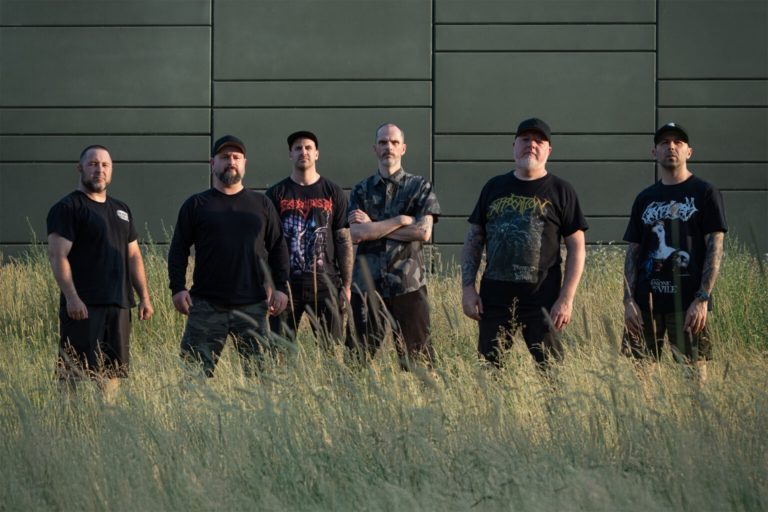
Canadian deathcore pioneers, Despised Icon, have unveiled the official music video for their crushing new single “The Apparition,” the latest offering from their upcoming seventh studio album Shadow Work, set for release on October 31st, 2025, via Nuclear Blast Records.

The new single captures the Canadian deathcore pioneers at their most dynamic, balancing blistering speed, massive grooves, and eerie melody. Lyrically, the track delves deep into themes of betrayal, brotherhood, and the shattering of trust, embodying the dual brutality and emotion that have long defined Despised Icon’s sound.

Produced by Alex Erian and Eric Jarrin, and mixed and mastered by Christian Donaldson (CryptopsyShadow of IntentSigns of the Swarm), Shadow Work represents Despised Icon’s most introspective and musically evolved chapter yet. The album’s cover artwork was created by Eliran Kantor (HatebreedThy Art Is MurderCavalera), further cementing its status as one of the year’s most anticipated extreme metal releases.

In less than 3 weeks, Despised Icon will join headliner’s Sanguisugabogg on their U.S. tour. The 22-date trek, which includes Defeated Sanity, and Corpse Pile as support, will kick off in Detroit on November 4th and make stops in Santa Ana, Houston and New York concluding on November 30th in Columbus, OH. Following the tour, the band will headline 2 sold-out hometown shows on December 6th and 7th at Club Soda.

Tour Dates:

11.04 Detroit, MI @ St. Andrews Hall
11.05 Chicago, IL @ Metro
11.06 Indianapolis, IN @ Deluxe (Old National Centre)
11.07 Lawrence, KS @ The Granada
11.08 Denver, CO @ Summit Music Hall
11.09 Albuquerque, NM @ El Rey
11.11 Phoenix, AZ @ The Nile Theater
11.12 Santa Ana, CA @ The Observatory
11.13 Berkeley, CA @ UC Theatre
11.14 Los Angeles, CA @ The Regent
11.15 Las Vegas, NV @ Fremont Country Club
11.17 Dallas, TX @ Echo Lounge & Music Hall
11.18 Austin, TX @ Mohawk
11.19 Houston, TX @ White Oak (Downstairs)
11.21 Tampa, FL @ The Orpheum
11.22 Atlanta, GA @ The Masquerade
11.23 Charlotte, NC @ The Underground
11.25 Pittsburgh, PA @ Roxian Theatre
11.26 Baltimore, MD @ Baltimore Soundstage
11.28 New York, NY @ Irving Plaza
11.29 Philadelphia, PA @ Union Transfer
11.30 Columbus, OH @ The King of Clubs
12.06 Montreal, QC @ Club Soda ^
12.07 Montreal, QC @ Club Soda ^

^ – DESPISED ICON only

Mariel Buckley’s ‘Strange Trip Ahead’ Delivers Indie-Rock Emotion and Americana Soul

0

Acclaimed Americana singer-songwriter Mariel Buckley returns with her third studio album, Strange Trip Ahead, out now via Birthday Cake Records. Following the success of her 2022 Polaris Prize–longlisted album, Everywhere I Used to Be, Buckley steps boldly into a new sonic chapter — one that blurs the lines between alt-Americana, indie rock, and emotive confessional songwriting.

Serving as the album’s emotional centerpiece, “Anvil” captures the tension of life-altering decisions in a relationship — specifically around the question of whether to have children. Co-written with Nashville songwriter Robby Hecht and featuring Buckley’s brother T. Buckley on mandolin and background vocals, the track is one of the most meticulously constructed on the record.

“Anvil explores the decision around having kids — those ‘will we/won’t we’ conversations,” Buckley explains. “As a woman and as a queer person, the scrutiny around that choice is intense. It forces you to look unromantically at what partnership and permanence really mean.”

Driven by heavy rhythm sections, pedal steel tension, and Buckley’s soaring vocal delivery, the song embodies the weight of love and inevitability — a slow burn that simmers with emotional gravity.

Produced by Jarrad K (Ruston Kelly, Lucie Silvas, Fancy Hagood, Goo Goo Dolls), Strange Trip Ahead finds Buckley in full creative bloom. Across nine deeply introspective tracks, she explores the vulnerability of existing in uncertainty — navigating love, loss, and the difficult choices that shape a life.

“This album has some genre deviations, but the signature ‘sad guy sauce’ remains true,” Buckley says. “I used to steal my older brother’s CDs in the early 00s — and found myself deep in the alt-rock of that era. In many ways, this record was my gateway drug to indie rock. Grief, loss, liminal spaces — and of course, another song about doing it in the car.”

Written largely during a reflective period in Edmonton and finished in Nashville, Strange Trip Ahead is a meditation on the push and pull of creative life — the exhaustion and exhilaration of pursuing meaning through art. From the weary confessions of “Vending Machines,” to the watery nostalgia of “Swim Practice,” to the gut-punch self-awareness of “Sick of Myself,” Buckley captures the beauty and burden of staying human through change.

“Ultimately, this album is one about choices, and accepting the snack that falls when we push the button,” Buckley says. “I hope you find yourself somewhere in it. Hang on, buddy — the best is yet to come.”

Ahead of the album’s release, Buckley shared a trio of singles that charted her evolution into more expansive sonic territory. “Vending Machines” (May 14) set the tone with its hypnotic reflection on burnout and belonging, paired with a noir-inspired video capturing the quiet desolation of tour life. “Swim Practice” (August 6), co-written with Cassidy Mann, found Buckley stepping into moody, indie-rock territory — a confessional exploration of queer longing, teenage secrecy, and self-discovery. Most recently, “Nashville Now” (September 17) offered a melancholy portrait of self-sabotage and existential dread, balancing love and fear with poetic restraint, and signaling the introspective depth of Strange Trip Ahead.

Strange Trip Ahead Tracklist

  1. Vending Machines
  2. Anvil
  3. Swim Practice
  4. Sunflowers
  5. Headroom
  6. Sick of Myself
  7. Nashville Now
  8. Somewhere Else
  9. Lucky

Upcoming Tour Dates 

Jan 24 – Glace Bay, NS – Savoy Theatre *
Jan 27 / 28 – Fredericton, NB – The Playhouse *
Jan 29 – Charlottetown, PE – Confederation Centre of the Arts *
Jan 30 – Saint John, NB – Imperial Theatre Saint John  *
Jan 31 – Moncton, NB – Casino New Brunswick *
Feb 4 – Pitou, NS – DeCoste Performing Arts Centre *
Feb 5 / 6 / 7 – Halifax, NS – Lighthouse Arts Centre *
Feb 11 – Kingston, ON – Grand Theatre *
Feb 12 – Sherbrooke, QC – Théâtre Granada *
Feb 13 – Montreal, QC – Club Soda *
Feb 14 – Ottawa, ON – Southam Hall *
Feb 15 – Peterborough, ON – Showplace Performance Centre *
Feb 17 – Hamilton, ON – The Music Hall *
Feb 18 – Sarnia, ON – Imperial Theatre – Sarnia *
Feb 19 – Kitchener, ON – Centre in the Square *
Feb 20 – Toronto, ON – Massey Hall *
Feb 23 – Winnipeg, MB – Burton Cummings Theatre *
Feb 24 – Saskatoon, SK – TCU Place *
Feb 25 – Calgary, AB – Southern Alberta Jubilee Auditorium *
Feb 26 – Edmonton, AB – Northern Alberta Jubilee Auditorium *
Feb 28 – Kelowna, BC – Kelowna Community Theatre *
Mar 1 – Vancouver, BC – Vogue Theatre *
Mar 2 – Victoria, BC – Royal Theatre *
June 26 – Pendleton, OR – Jackalope Jamboree

*Supporting Matt Andersen

Dr. John’s Soul Comes Alive Again With ‘Live At The Village Gate’

0

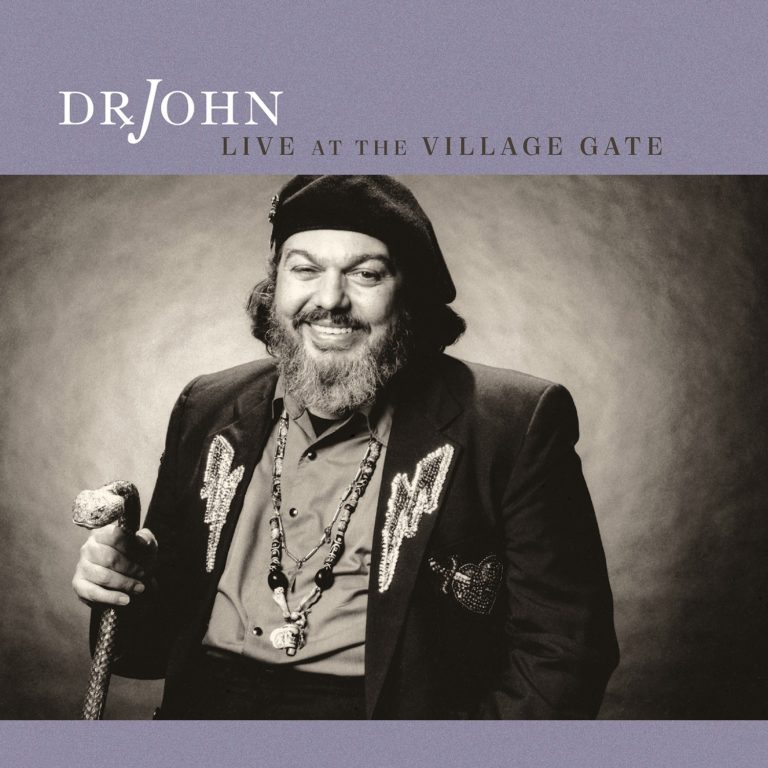
Omnivore Recordings and the Official Estate of Dr. John are celebrating the Night Tripper himself with Live At The Village Gate — a never-before-heard performance from the Rock and Roll Hall of Famer, captured on March 5, 1988. Arriving digitally and as a double-CD on November 21 — just one day after his birthday — it’s 90 minutes of pure New Orleans magic.

Before there was voodoo in pop, there was Mac Rebennack — the legendary Dr. John — whose 1968 debut Gris Gris turned the world upside down with swampy grooves and mystical flair. Decades later, he kept the spirit alive with classics like “Right Place, Wrong Time” and “Such A Night,” influencing generations until his passing in 2019.

This rare Village Gate set features fan favorites “Mess Around,” “Georgia On My Mind,” and “Mardi Gras Day,” plus a spontaneous audience call for “Mama Roux.” All restored and mastered by Grammy-winning engineer Michael Graves, with liner notes from The Second Disc’s Joe Marchese, Live At The Village Gate captures the Doctor in full healing mode.

As Dr. John always said — “Let the good times roll.”

Tracklist:
Disc 1: Renegade, Qualified, Life Is A One Way Ticket, Keep That Music Simple, One Dirty Woman, I’ve Been Hoodood, Rain
Disc 2: Let The Good Times Roll / Ooh Poo Pah Doo, Mess Around, Georgia On My Mind, Mama Roux, Mardi Gras Day

Frank Hannon’s New Instrumental Rock Journey ‘Reflections’ Shines with Soul, Slide, and Spirit

0

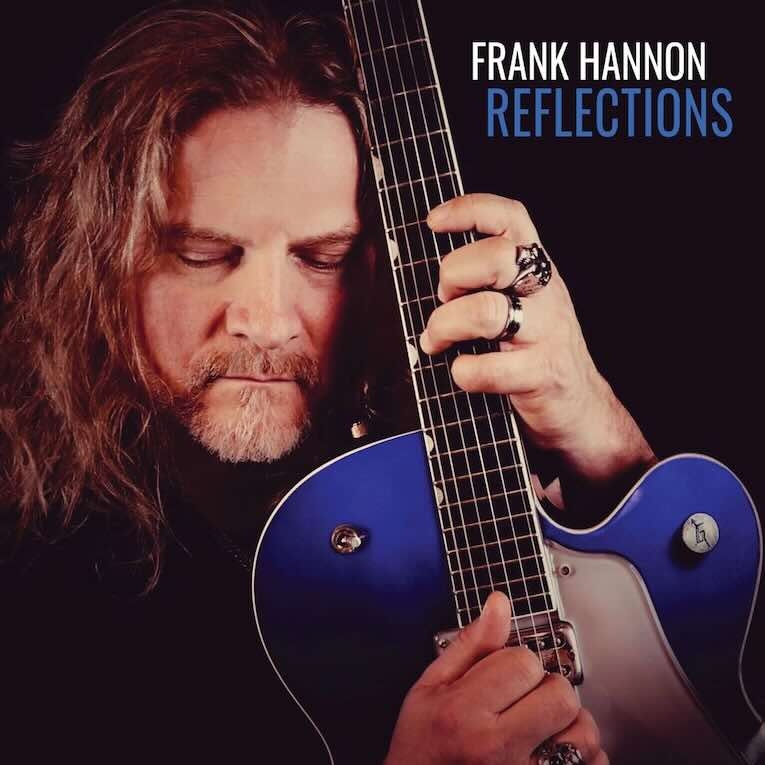
Multi-platinum guitarist and songwriter Frank Hannon has announced the upcoming release of Reflections, a new solo instrumental album arriving September 12th. Written and recorded in the wake of personal loss and life upheaval, Reflections is Hannon’s most intimate and revealing work to date – a 13-song collection of cinematic, Western-influenced guitar instrumentals tracked as raw first takes on his cell phone. Marked by intricate fingerpicking, soulful slide, and deeply felt melodies, the album captures Hannon reconnecting with his roots – musically, emotionally, and spiritually – while offering a rare, unfiltered look into the heart of a guitarist who has helped shape American rock music for more than four decades.

Rooted in soulful bottleneck slide guitar and inspired by Hannon’s late father-in-law, Allman Brothers Band legend Dickey Betts, the album’s latest single “One More Time” is out now; a melodic, blues-infused shuffle that captures the upbeat side of the record. The accompanying video offers a personal glimpse into Hannon’s home life with horses and features him playing a rare Gibson SG once owned by Betts himself.

“This song is a tip of the hat to melodic slide guitar–the kind Dickey played so beautifully on songs like ‘Pony Boy’ and ‘Crazy Love,’” Hannon shares. “I feel blessed to have spent the past 24 years learning from him and hearing his stories. I really miss him.”

Reflections came to life during a period of grief and dislocation. The Hannons had been away from home for three years, staying by Betts’ side during his final battle with cancer. After Betts’ passing, Hannon and his wife evacuated during back-to-back hurricanes, traveling cross-country with a trailer full of horses–one of which later had to be put down. When they finally returned to California, Hannon climbed to his attic, picked up one of his most sentimental guitars, and began to play. “Someone once told me, ‘play guitar like you’ll never be able to play again,’” he says. “That’s what I did on this album–it’s all from the heart.”

The album’s sound is just as honest as its origins. Using an Audigo wireless mic and mobile app, Hannon recorded and mixed every track directly on his cell phone–layering guitar parts, adjusting EQ, adding reverb and delay, and building fully realized recordings from first-take ideas. “I was blown away by the sound quality and ease of use,” Hannon says. Even mastering engineer Kevin Reeves, whose credits include The Beatles and John Coltrane, noted how little processing the mixes required due to the warmth and fidelity captured by the Audigo mic.

While best known as the co-founder and lead guitarist of Tesla, whose hits like “Modern Day Cowboy,” “Little Suzi,” and “Love Song” helped define a generation, Hannon has always stood out for his melodic instincts, expressive tone, and acoustic virtuosity. His signature intro to “Love Song,” inspired by Bach, remains one of the most iconic moments in ’80s rock guitar. In 1990, Tesla’s Five Man Acoustical Jam helped usher in the unplugged era, further cementing Hannon’s legacy as a versatile and soul-driven player.

Outside Tesla, Hannon has released three solo albums, including the LA Music Awards-nominated Six String Soldiers, and collaborated with artists like Rick Derringer, Dave Meniketti, Pat Travers, and Dickey Betts. In 2020, Gibson honored him with a signature model: the Frank Hannon “Love Dove” acoustic guitar.

Reflections represents a new chapter. Its sound is steeped in the Western world Hannon grew up in – raised among horses, chickens, and goats in rural Sacramento, with a soundtrack of Johnny Cash and John Denver. That Americana spirit winds through the album and carries through to its quiet tributes, including a nod to cowboy legend Bill Riddle, who mentored Hannon in Western horseback riding and enlisted him to score music for his instructional DVD True Grit.

Reflections is an album that stands on its own, yet remains rooted in the legacy of a guitarist whose heart has always been on his sleeve–and in his strings. “Reflections is a defining moment for me as an artist,” Hannon says. “It came together so naturally, and it reminded me how much I love the guitar.”

12 Artists Who Went Solo and Soared

0

Some artists shine brightest when they step into the spotlight alone. Whether breaking away from a band or redefining themselves entirely, these musicians proved that independence can spark incredible creativity. Here are 12 artists who went solo—and soared.

Beyoncé
After Destiny’s Child, Beyoncé didn’t just go solo—she became a global icon. With hits like “Crazy in Love” and “Formation,” she built an empire rooted in empowerment, artistry, and perfectionism that redefined pop and R&B.

George Michael
Leaving Wham! could’ve been risky, but George Michael’s Faith turned him into one of the biggest stars of the 1980s. His soulful voice, daring lyrics, and unmatched charisma made him a pop powerhouse on his own terms.

Gwen Stefani
Known for her ska-punk roots with No Doubt, Gwen Stefani’s solo career mixed fashion, fun, and futuristic pop. Love. Angel. Music. Baby. brought Harajuku style and early 2000s attitude to the charts in unforgettable style.

Harry Styles
When One Direction disbanded, few predicted Harry Styles would evolve into a rock-inspired superstar. Channeling glam, Britpop, and intimacy, he turned each album into a confident reinvention of pop stardom.

Janet Jackson
Though part of the famous Jackson family, Janet carved out her own legacy. With Control and Rhythm Nation 1814, she defined the sound and style of an era—commanding the stage with power, vision, and groove.

Justin Timberlake
From NSYNC’s boy-band fame to solo smoothness, Justin Timberlake fused R&B, funk, and pop into a sleek new sound. Justified and FutureSex/LoveSounds cemented him as one of the 2000s’ most versatile hitmakers.

Michael Jackson
After dazzling the world with The Jackson 5, Michael Jackson launched a solo career that redefined pop music itself. With Off the Wall, Thriller, and Bad, he turned innovation into spectacle and became the blueprint for modern superstardom.

Paul McCartney
Stepping out from The Beatles, Paul McCartney carried melody into new worlds. With Wings and solo records alike, he kept his musical curiosity alive—proving that the genius behind “Hey Jude” could still fly solo.

Peter Gabriel
When Peter Gabriel left Genesis, he embraced experimentation. His solo work merged world music, political storytelling, and groundbreaking visuals, giving the world anthems like “Solsbury Hill” and “In Your Eyes.”

Phil Collins
Drummer turned frontman, Phil Collins made pop history after Genesis. With Face Value, his distinctive voice and heartfelt storytelling (“In the Air Tonight”) made him one of the 1980s’ defining artists.

Robbie Williams
Breaking from Take That, Robbie Williams reinvented himself as a cheeky, charismatic solo act. Mixing swagger with sincerity, he ruled UK pop charts with hits like “Angels” and “Let Me Entertain You.”

Stevie Nicks
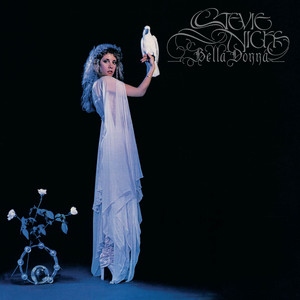
Fleetwood Mac’s mystical edge became even more enchanting when Stevie Nicks went solo. Bella Donna showcased her raw emotion and poetic mystique, securing her place as rock’s reigning queen of dreamers.

Essential Strategies for Beginners to Read Music Fluently

0

By Mitch Rice

When you first look at a page of sheet music you might think:

“What on earth is this? It’s like reading some secret code.”

Believe it or not, a lot of people feel exactly the same way you do when they look at sheet music for the first time…

Learning how to read music is something that’s much simpler than it seems.

If you know the right strategies you can be reading sheet music fluently in no time.

Plus you don’t have to be born with some kind of “musical” talent to do it, anyone can learn to read music.

All it takes is some knowledge and practice.

In this article you will learn about some of the most essential tips that will help you learn how to read music fluently!

Things you will learn:

  • Why learning how to read music is something that’s so important
  • Getting started with music notation basics
  • Essential strategies to build your music reading fluency
  • 5 Mistakes beginners make when trying to read music
  • A simple plan that you can start using right now

Why Learning To Read Music Is Something So Important

Did you know that…

Approximately 11% of the population can read music notation?

That is a shockingly small number when it comes to something that’s such an important skill to have.

You see when you can read music it enables you to play any song you want.

You no longer have to rely on YouTube tutorials and YouTube tabs to figure out songs.

(Though those are pretty good skills to have as well)

When you can read music you are able to:

  • Play pieces of music exactly how the composer wanted them played
  • Learn new songs at a much faster rate
  • You are able to better understand music theory concepts
  • Make communication easier with other musicians

Reading music is like learning a universal language that will enable you to speak with composers from hundreds of years ago to musicians all over the world today.

Getting Started With Music Notation Basics

To be able to learn how to read music you first need to know and understand some music notation basics.

Music notation may look like an extremely complex system that you cannot hope to learn at first.

The truth is that once you start to break it down it becomes very simple.

The staff is made up of five lines and four spaces. Each space and line represents a different pitch.

Notes that are higher on the staff sound higher. Notes that are lower on the staff sound lower.

In the image below is a picture of the treble clef and the bass clef.

As a beginner you need to know:

  • The treble clef (which is used for higher notes)
  • The bass clef (which is used for lower notes)
  • Note values (how long a note is to be played for)
  • Time signatures (rhythm framework)

You do not need to try to learn all this information at one time, in fact it’s best not to.

If you are learning piano, guitar, or singing. You can leave the bass clef for later and focus on getting comfortable with the treble clef.

Essential Strategies To Build Your Reading Fluency

If you want to know the quickest way to build up your music reading skills?

The answer is to practice with pieces of music that are at your level.

Working with beginner-friendly sheet music is a great way to build your confidence while also learning the basic skills you will need to tackle more difficult pieces of music in the future.

Practicing with a well known pop song that you enjoy will be helpful. For example, learning to read piano sheet music like All of Me piano sheet music is a really good idea.

This is because you are already familiar with the melody. It’s already inside your brain.

So when you connect the written notes with the sounds you hear it’s easier for the brain to recognize what the notes are.

Here are the most effective strategies:

Use The Landmark Method

Instead of memorizing every single line and space. You want to use a “landmark” note that is easy to remember.

In the treble clef the middle C note and the Treble G note work really well for this.

Once you know these two you can easily figure out the other notes around these two landmarks.

Practice Daily (Even 5 Minutes Will Do)

Consistency is key when it comes to practicing music reading skills.

Five minutes of focused reading practice is much more effective than one one-hour session every week.

Your brain needs to be exposed to this kind of information regularly so that it can build strong neural connections.

Reading Without Playing

Ok so this is one that might sound a little strange at first.

The reason this is so effective is because you are looking at the sheet music. And naming the notes without actually playing them.

You are training your brain to recognize notes and patterns a lot quicker.

Start Slow & Simple

When you first start to read music try using some beginner sheet music that has large note values.

Once you can read those fluently you can start to work your way up to smaller note values and faster rhythms.

Set Clear Goals

When you sit down to practice, it’s important not to practice randomly.

You want to set a goal for the session. What do you want to work on?

Are you trying to learn to read music in a new key or do you want to practice improving your rhythm reading?

Use A Metronome

Rhythm is half the battle when it comes to reading music.

A metronome will help you keep on track and also develop good timing. This is crucial if you are going to be able to learn to read music fluently.

A study done by Temple University found that while 92% of children had access to music education only 49% were actually participating.

Those students that did participate and continued to stick with it developed greater cognitive skills and academic results.

Mistakes Beginners Make When Trying To Read Music

Although there are strategies that you can use when it comes to learning how to read music.

Beginners will often make a lot of the same mistakes.

These are some of the common mistakes to avoid:

  • Trying to memorize the position of every single note. Use landmarks and intervals instead.
  • Practicing with only your favorite pieces of music. When you sight read music you are reading music that you’ve never seen before. If you only practice what you already know you’re not building sight-reading skills.
  • Ignoring rhythm. Many beginners will only focus on the pitch of notes they are playing. And they will often forget about the rhythm.
  • Giving up too quickly. Learning to read music is a skill. You don’t pick it up overnight. You need time and consistent practice to get good at it.

Bringing It All Together

Learning how to read music fluently is one of the most beneficial skills you can learn as a musician.

It’s going to open you up to a world of music, and the strategies that have been talked about here will put you on the right track.

If you follow these steps you should start to see results and progress pretty quickly:

  • Learn the music notation basics
  • Get comfortable using the landmark method
  • Practice daily (even 5 minutes a day will help)
  • Work with actual music pieces that are at your level
  • Avoid the mistakes that many beginners make

All you need to do is find some beginner sheet music and get started.

Every expert out there had to start at the same place you are at right now.

The difference is that they didn’t give up.

With consistent practice and the strategies that have been mentioned in this article you too will be reading music fluently in no time.

Data and information are provided for informational purposes only, and are not intended for investment or other purposes.
Limited Edition Book for a Hall of Fame Inductee: Sleepers, Hits, and Tour Diaries in Print

0

By Mitch Rice

When a musician hits the Rock and Roll Hall of Fame, it’s not just a plaque on a wall—it’s a career-defining supernova. But what if that induction came wrapped in a tangible relic: a limited edition book chronicling sleepers (those buried gems that never charted but defined souls), chart-topping hits, and raw tour diaries? Picture this for inductees like Foo Fighters’ Dave Grohl or late-night legend Prince: a 300-page tome, numbered to 500 copies, bound in leatherette with embossed guitar necks. 

Fun fact: The Hall’s first limited edition nod went to The Beatles in 1988, with only 250 signed copies fetching $10K at auction today. This isn’t merch; it’s a collector’s holy grail, blending autobiography with artifact. For rising stars or legacy acts, it’s the print equivalent of a vinyl box set—exclusive, archival, alive.

Why Limited Editions Still Slay in the Streaming Era

In a world where Spotify buries B-sides in algorithmic tombs, limited edition books resurrect them. Only 1% of music sales are physical now, per RIAA stats, but high-end print runs like these spike collector frenzy—think Nirvana’s 1991 “Nevermind” anniversary editions, selling out in hours. 

For Hall inductees, capping at 1,000 copies creates scarcity: each book’s certificate of authenticity, signed by the artist, turns it into a mini-investment. 

Fun fact: Bruce Springsteen’s 2010 memoir “Born to Run” limited run of 1,500 copies included handwritten lyrics; one sold for $25K in 2023. These books aren’t dusty tomes—they’re interactive heirlooms with QR codes linking to unreleased demos, proving print and digital can jam together. In an inductee’s orbit, it’s the merch that outlives TikTok trends, forging fan loyalty deeper than any playlist.

Unearthing Sleepers: The Unsung Heroes of the Catalog

Sleepers are the sonic Easter eggs—tracks like The Who’s “Bargain” that fans swear by but radio ignored. In this limited edition, a dedicated chapter dissects 10-15 per artist, with liner notes from producers and rare photos. For inductee Alanis Morissette, imagine spotlighting “You Oughta Know” outtakes alongside forgotten “Jagged Little Pill” demos. Straight stats: Sleepers comprise 40% of an average rock discography, per Discogs data, yet drive 25% of streaming royalties via cult playlists. Fun fact: Radiohead’s “Kid A” sleepers like “Everything in Its Right Place” were initially panned but now top fan polls, influencing acts like Tame Impala. Curated with input from the inductee’s inner circle, this section includes fun facts—like how U2’s “40” was born from a biblical verse Bono scribbled mid-tour. It’s not nostalgia; it’s revisionist rock history, handing fans the director’s cut of a legend’s oeuvre.

Hits Dissected: Anatomy of Chart Domination

No Hall bio skips the smashes, but this book goes surgical: timelines, sales breakdowns, and “what if” scenarios for each hit. Take inductee Stevie Wonder’s “Superstition”—peak Billboard #1 for four weeks in ’73, with 2M+ copies sold. Chapters map the chaos: studio fights, remix battles, cultural ripple (it sound tracked “The Simpsons” pilot). Data dive: Hits account for 70% of an artist’s revenue, says Sound Exchange, but only 20% of their creative output. 

Fun fact: Michael Jackson’s “Thriller” video cost $500K—equivalent to $1.5M today—and boosted the album to 70M sales, making it the biggest seller ever. With glossy inserts of original sheet music and Grammy telegrams, this section celebrates the anthems while humanizing the grind. For readers, it’s like cracking open the vault where magic meets metrics, turning passive listeners into armchair A&Rs.

Tour Diaries: Sweat, Setlists, and Backstage Mayhem

Tour life isn’t glamour—it’s 200 shows, busted amps, and 3 a.m. Taco Bell runs. These diaries, pulled from inductee journals, Polaroids, and crew logs, paint the unfiltered road saga. For Fleetwood Mac’s 1977 “Rumours” tour, entries detail cocaine-fueled riffs amid divorce drama, with setlists evolving nightly. Raw numbers: Average rock tour hits 150 dates, burning $10M in logistics, per Pollstar. 

Fun fact: The Rolling Stones’ 1981 Tattoo You jaunt grossed $50M (inflation-adjusted $170M), but Mick Jagger once lost his voice mid-“Satisfaction,” forcing ad-libs that became legend. 

Peppered with ticket stubs and rider demands (Van Halen’s no-brown-M&Ms clause started as a sabotage check), this chapter’s voice is gritty prose—think Hunter S. Thompson meets Lester Bangs. It’s the anti-LinkedIn of music: proof that Hall status was forged in van exhaust and venue green rooms, not boardrooms.

Crafting the Aesthetic: From Concept to Cover Art

Design isn’t decoration; it’s the book’s backbone. Collaborating with artists like Shepard Fairey for covers, these editions blend punk zine grit with coffee-table polish—matte lamination, spot UV for lyric highlights. Inside, 100gsm acid-free paper ensures longevity; layouts mix serif fonts for diaries with sans for stats. 

Fun fact: The Who’s 1969 “Tommy” album art inspired 500+ limited books, but early prints faded due to cheap ink—lesson learned for today’s soy-based eco-inks. For an inductee like Patti Smith, the spine might etch “Horses” in horseshoe nails, with endpapers from tour maps. 

Straight specs: 8.5×11 trim size, 250–350 pages, thread-sewn for flat-lay reading. This phase involves artist sign-off on proofs, ensuring the tactile feel (faux-leather boards, ribbon markers) evokes a ’70s gatefold sleeve. Result? A book that begs to be shelved beside your turntable, not your Kindle.

Perfect Binding for Eternal Riffs: The Printing Edge

Production demands precision—enter limited edition music career bound book printing, where perfect binding seals the deal with glue that withstands decades. This method, used for 80% of softcovers per Printing Industries of America, flexes without cracking, ideal for diary dog-ears. 

Fun fact: The first perfect-bound book? A 1940s pulp novel that survived WWII foxholes; today’s variants use PUR adhesives, boosting durability 300%. 

For Hall editions, it’s short-run digital presses churning 500-1,000 units in weeks, with foil stamping for inductee signatures. Eco-twist: Recycled stocks cut carbon by 30%, aligning with green riders from acts like Pearl Jam. No skimping—color calibration hits Pantone rock standards, ensuring “Purple Rain” hues pop true. It’s the unsung hero of the project: turning raw PDFs into heirlooms that smell like fresh vinyl, ready to ship in custom slipcases.

Legacy Locked In: Why This Book Outlives the Inductee

A Hall plaque gathers dust; this book breathes. Distributed via artist sites and indie shops, it funds scholarships—e.g., inductee Tom Petty’s estate donated “Wildflowers” edition proceeds to music education. Collector impact: Similar runs, like David Bowie’s 2016 “Blackstar” tribute, appreciated 40% in resale value. 

Fun fact: Elvis’s 1982 limited bio fetched $1M at Sotheby’s; today’s digital scarcity (NFT tie-ins) could double that for modern inductees. Beyond commerce, it’s cultural archive—libraries like Cleveland’s Rock Hall snag copies for exhibits, preserving sleepers against streaming purges.

Data and information are provided for informational purposes only, and are not intended for investment or other purposes.