


Mitchell Tenpenny has released “Speed of Light,” a new single and music video that also serves as the title of his 2026 headline tour. Written alongside Teddy Swims, Jesse Hampton, and Dallas Wilson, the song grew out of a session built around euphoric, outer-space feeling music, and it lands exactly there. Tenpenny has been open about the personal weight behind it: with Swims already having cut his own vocal version, Tenpenny went back in and made it his own, describing it as the love song missing from his catalog. The official video, directed by Justin Key and produced by Taillight’s Matt Houser and Nick Lantz, was filmed just outside Nashville in Gallatin, Tennessee, and matches the song’s wide-open feeling frame for frame.
Ray Barretto’s Latin Soul Landmark ‘Acid’ Returns as a Wide Mono Vinyl Reissue This May

Ray Barretto’s ‘Acid’ is one of those records that captures a scene mid-transformation, and on May 22 it returns as a wide mono vinyl reissue pressed on 180-gram vinyl, cut all-analog from the original master tapes by Dave Polster and Clint Holley, and housed in a tip-on jacket reproducing the album’s original psychedelic cover art. First released in 1968 as Barretto’s debut for Fania Records, the album arrived at a moment when New York’s Latin music scene was absorbing soul, funk, and jazz into its Afro-Cuban foundation, and The Ray Barretto Orchestra was built to carry all of it.
Recorded live in the studio without overdubs, ‘Acid’ moves across son montuno, R&B-inflected boogaloo, and jazz-forward improvisation with a working band’s instinct and discipline. The lineup featured vocalists Pete Bonet and Adalberto Santiago, bassist Bobby Rodriguez, timbalero Orestes Vilató, trumpeters René Lopez and Roberto Rodriguez, and pianist Louis Cruz. English and Spanish vocals sit side by side throughout, reflecting the Nuyorican identity at the heart of the record.
The album’s individual tracks each pull in a different direction while staying anchored to Barretto’s direction. “El Nuevo Barretto” opens with a propulsive son montuno whose opening figure would later surface in Carlos Santana’s version of Tito Puente’s “Oye Como Va.” “A Deeper Shade of Soul” features Adalberto Santiago and was later sampled by Urban Dance Squad in 1990. The closing “Espíritu Libre” runs eight and a half minutes, beginning with a percussive dialogue between Barretto and Orestes Vilató before moving through shifting time signatures and extended solos.
‘Acid’ became one of Barretto’s best-selling albums and remains a defining document of Latin soul. This reissue gives it the format it deserves.
Pre-order it here.
Soul Asylum Revive “Misery” as Rockers Announce Live Album ‘MPLS Unplugged’ Due This Summer
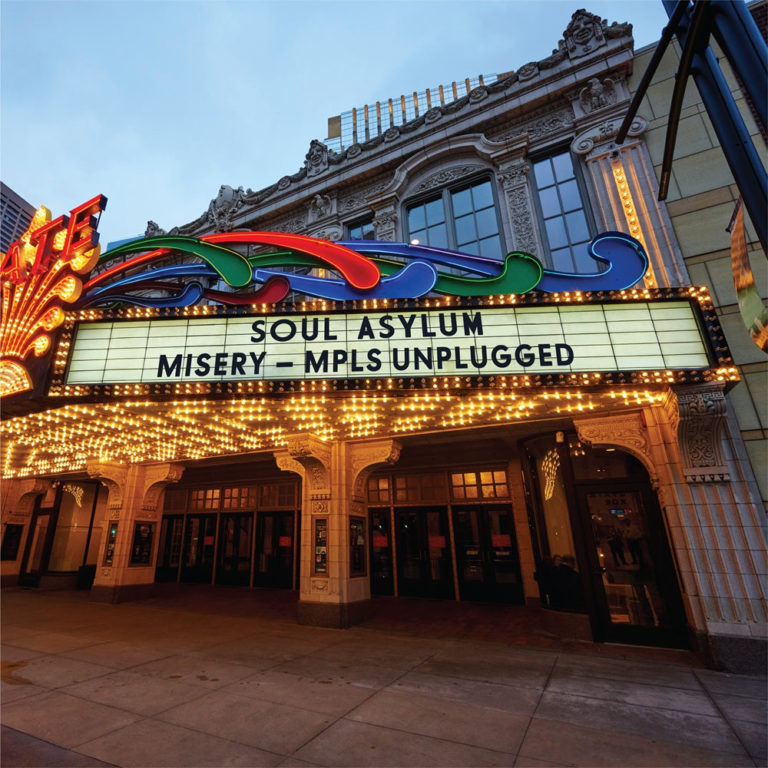
Soul Asylum have released “Misery” as the first taste of ‘MPLS Unplugged,’ a live album recorded at the State Theatre in Minneapolis on April 20, 2023, celebrating the 30th anniversary of the band’s landmark MTV Unplugged performance. Frontman Dave Pirner is joined by guitarist Ryan Smith, bassist Jeremy Tapparo, drummer Michael Bland, and Ivan Neville on keys, reconstructing the spirit of the original 1993 lineup alongside STRINGenius string quartet and the Robert Robinson gospel singers. Listen here.
This new version of “Misery” opens the song up, looser and more reflective than the original, and it sounds exactly right. Originally from ‘Let Your Dim Light Shine,’ the track hit No. 20 on the Billboard Hot 100, topped the Mainstream Rock chart, and reached No. 3 on the Canadian singles chart. ‘MPLS Unplugged’ also features “Farmer John” and “What Will Become of Me,” two long-running live staples never previously recorded or released until now.
Neville’s return is significant. His connection to the band stretches back to the original 1993 session, and Pirner has been clear about what that reunion means: “He was the obvious choice, pretty magical, it just felt right.” The 1993 MTV Unplugged appearance, which featured stripped-down versions of “Runaway Train,” “Black Gold,” and “Somebody to Shove,” remains one of the defining moments in the band’s history.
Pirner, Smith, and Tapparo are also on the road for a run of intimate acoustic shows, blending fan favorites with stories from across the band’s four-decade catalog.
Yorkshire Rockers Flesh Planet Confront Neurodivergent Depression on New Single “Computer Games & Rude Things”

Yorkshire alternative/electronic quartet Flesh Planet have released “Computer Games & Rude Things,” the opening track from their debut EP ‘first flesh,’ and it hits with a mechanical, dystopian weight that feels entirely intentional. Recorded at Chairworks studio in Castleford, the EP blends grunge, shoegaze, industrial, and electronic into a sound that’s genuinely hard to pin down, and that’s exactly the point. Vocalist Damo Hughes wrote the track as a direct confrontation with neurodivergent depression, specifically the paralysing push-pull between fear of the outside world and fear of wasting your own potential. It’s a reality check dressed in Commodore Amiga-era sci-fi textures, and it works. The video, shot at Williams Amusements arcade warehouse in Castleford, locks in perfectly with the song’s retro-digital atmosphere.
// first flesh Tracklist:
- Computer Games & Rude Things
- Big Machine
- Protoblood
- Evelyn
- Birdcage
- Absorbed
- Colonise and Maximise
- Pull Out The Wire
2025 Tour Dates:
Sat 18th July – Ultrafest @ The Adelphi – Hull
Sun 11th Oct – Fulford Arms – York
The Gregory Brothers Turn Queens’ Most Confusing Street Grid Into a Hilarious Song
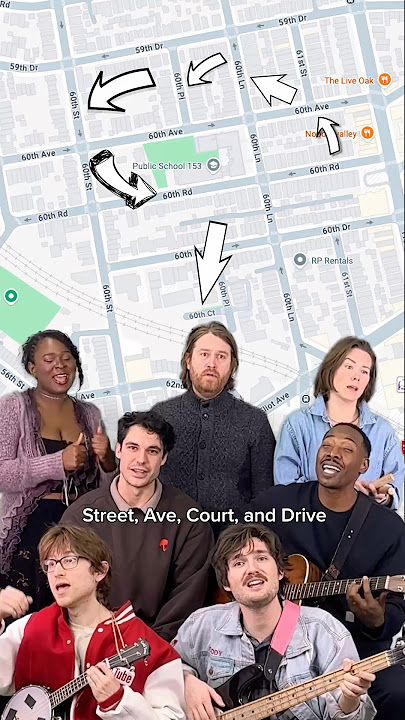
The Gregory Brothers have found their perfect subject: the Maspeth neighborhood of Queens, New York, where urban planning apparently lost its mind. The area is home to 60th Street, 60th Avenue, 60th Lane, 60th Road, 60th Place, 60th Court, and 60th Drive, all converging into what the video cheerfully dubs the American Bermuda Triangle. The result is a clever, funny song that turns navigational chaos into comedy gold, and it works because the absurdity is completely real. Only in Queens.
Music Theorist Cory Arnold of 12Tone Breaks Down Why Emo Rhythms Hit So Hard

Music theorist Cory Arnold of 12Tone takes a deep dive into why emo music connects so viscerally with its audience, and the answer lives in the rhythm. Arnold breaks down how emo songs deliberately shift between half-time and double-time feels, using that tension to mirror the emotional whiplash of adolescence. When lyrics lock in with those tempo shifts, the result is a build-and-release cycle that feels less like a musical device and more like a lived experience. The video is sharp, insightful, and makes a convincing case that emo’s emotional power was never accidental.
Elevating Cloud Expertise With Azure Certifications: AZ‑305, AZ‑400, and AZ‑500
By Mitch Rice
In today’s competitive cloud computing landscape, Microsoft Azure certifications are essential credentials for professionals seeking to validate their expertise and advance their careers. As organizations increasingly adopt cloud solutions, demand grows for specialists who can architect secure systems, implement streamlined operational practices, and defend digital environments from threats. Three highly regarded Azure certifications that reflect these advanced skill sets are AZ‑305 (Azure Solutions Architect), AZ‑400 (Azure DevOps Engineer), and AZ‑500 (Azure Security Engineer).
Each of these certifications assesses specific competencies relevant to key areas of cloud infrastructure, design, and protection. For professionals committed to advancing in cloud roles, targeted preparation with quality resources and hands‑on practice is critical. Platforms such as examcollection offer valuable study materials that align with Microsoft’s exam objectives, helping candidates prepare efficiently for these challenging tests.
Exploring the AZ‑305 Certification: Azure Solutions Architect
The AZ‑305 certification, known as Designing Microsoft Azure Infrastructure Solutions, is tailored for experienced IT professionals tasked with creating cloud architecture that meets rigorous business requirements. This credential is intended for those who analyze customer needs and translate them into secure, scalable, and cost‑effective solutions. Candidates are evaluated on their ability to design identity and security strategies, data storage solutions, business continuity plans, and infrastructure components.
Architects must be able to balance performance, reliability, and security while leveraging Azure services such as Azure Active Directory, virtual networks, load balancers, and database offerings. They also need to integrate monitoring and governance solutions that keep workloads efficient and compliant with organizational standards. The AZ‑305 exam requires deep understanding of architectural principles and scenario‑based decision making, which closely mirrors real‑world tasks performed by solutions architects.
Read more: https://examcollection.com/AZ-305.html
Understanding the AZ‑400 Certification: Azure DevOps Engineer
The AZ‑400 certification focuses on DevOps engineering — a discipline that integrates development and operations to improve software delivery speed, quality, and reliability. The Designing and Implementing Microsoft DevOps Solutions exam validates a candidate’s ability to design workflows, implement continuous integration and continuous delivery (CI/CD) pipelines, and foster collaboration across teams. DevOps engineers work at the intersection of development, quality assurance, and IT operations, emphasizing automation, monitoring, and rapid feedback loops.
To succeed in AZ‑400, candidates must understand source control management, build and release pipeline design, infrastructure as code (IaC), and application performance monitoring. Tools such as Azure DevOps, GitHub Actions, Terraform, and ARM templates often play a role in exam scenarios, reflecting how organizations automate deployment and operational tasks today. DevOps engineers are also expected to embed security practices (DevSecOps), ensuring that compliance and secure practices are incorporated throughout the development lifecycle.
Unpacking the AZ‑500 Certification: Azure Security Engineer
As cloud adoption grows, so does the need for robust security measures. The AZ‑500 certification, Microsoft Azure Security Technologies, is aimed at professionals specializing in securing cloud environments and mitigating risks that threaten data and infrastructure. This credential evaluates expertise in identity and access management, platform protection, data and application security, and security operations.
Candidates preparing for AZ‑500 must demonstrate proficiency in configuring security tools such as Microsoft Defender for Cloud, Azure Sentinel, Azure Firewall, and network security groups. They also need to understand how to implement secure configurations, apply encryption technologies, and manage threat detection and response strategies. Security engineers play a key role in ensuring system integrity, monitoring for anomalies, and enforcing compliance policies across cloud services.
Visit here: https://examcollection.com/AZ-500.html
How These Certifications Support Career Growth
Each of these Azure certifications aligns with specific career paths in cloud computing. The AZ‑305 certification opens doors to roles that demand high‑level planning, solution design, and strategic architectural decision making. Professionals in this domain are often leaders who guide technical direction and ensure that cloud solutions support business goals. The AZ‑400 certification suits those who thrive in dynamic environments where development speed, operational efficiency, and automated workflows are prioritized. DevOps engineers are instrumental in shaping how teams collaborate and deliver solutions faster with higher quality.
The AZ‑500 certification addresses the growing importance of security in cloud design and operations. Security engineers are indispensable in protecting systems, data, and user identities from increasingly sophisticated threats. They work across infrastructure and applications to implement policies that minimize exposure while enabling secure access. Together, these certifications enable professionals to specialize in areas that reflect critical aspects of modern cloud environments, making certified individuals valuable assets to organizations undergoing digital transformation.
Azure certifications not only validate technical skills but also demonstrate a professional’s commitment to staying current with industry trends. Employers often prioritize candidates with recognized credentials because they provide confidence in a candidate’s ability to handle complex cloud tasks.
Effective Strategies for Exam Preparation
Preparing for these advanced certifications involves a combination of learning methods. Candidates should begin by reviewing official exam objectives published by Microsoft, which outline the skills measured in each test. Hands‑on experience in Azure environments is invaluable, as practical exposure helps reinforce theoretical concepts and improves familiarity with real‑world tools and tasks. Training courses, labs, and interactive exercises further build confidence.
In addition to practical experience, practice tests and review questions play an important role by helping candidates gauge their readiness and identify areas that need further study. Simulating test conditions through timed practice assessments also improves focus and test‑taking skills. Platforms like ExamCollection provide question banks and simulated test environments that mirror the format of Microsoft exams, allowing candidates to practice efficiently and track progress.
Frequently Asked Questions (FAQ)
What are the primary differences among AZ‑305, AZ‑400, and AZ‑500?
AZ‑305 focuses on solution design and architecture, AZ‑400 centers on DevOps integration and automation, and AZ‑500 emphasizes cloud security technologies and threat mitigation. Each exam targets distinct cloud competencies aligned with respective professional roles.
Do I need prior experience before attempting these exams?
While there are no formal prerequisites, hands‑on experience with Azure services and real‑world practice is strongly recommended to support success in these advanced exams.
How should I balance study time among theory and hands‑on practice?
An effective strategy includes reviewing official Microsoft documentation, completing labs and scenario‑based tasks, and taking timed practice tests to reinforce learning and test readiness.
Can these certifications improve my career prospects?
Yes, earning these credentials demonstrates verified expertise in specialized cloud domains, which enhances credibility and opens doors to advanced roles within IT and cloud‑focused organizations.
Are these certifications updated frequently?
Microsoft periodically updates certification content to reflect new services and industry trends, so staying informed about current exam objectives is important.
Conclusion
Earning Azure certifications such as AZ‑305, AZ‑400, and AZ‑500 represents a strategic investment in your cloud career. These credentials validate your capabilities in designing scalable solutions, implementing DevOps workflows, and securing cloud environments — all critical areas in modern IT operations. Through a combination of hands‑on experience, structured study, and targeted practice tests, you can prepare effectively and approach each exam with confidence. Successfully achieving these certifications not only validates your technical skills but also signals to employers your readiness to tackle complex challenges in cloud architecture, operations, and security. With cloud adoption continuing to grow across industries, professionals who pursue these certifications position themselves as valuable contributors to digital transformation initiatives and long‑term innovation strategies.
Data and information are provided for informational purposes only, and are not intended for investment or other purposes.
Remembering DJ Dan: A Pioneer Who Made You Feel the Music
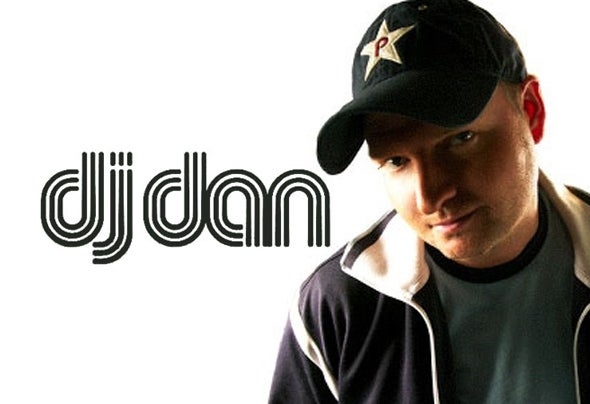
I first met Daniel Wherrett in a venue hallway before many of the raves he was the main attraction in the 2000s, and within about four minutes he had me laughing so hard I forgot why I was there. That was Dan. He had this extraordinary gift of making every room feel like the after-party everyone had been waiting for, and then he would walk into the booth and remind you that underneath all of that warmth and humor was one of the most serious and gifted musical minds in the game.
I had the privilege of working with Dan across several releases on Moonshine Music, and those years left a mark on me that I am still carrying. Representing his work was never a hard sell. You just played the music, invited the media out, and let it do the talking.
Daniel Wherrett, known to the world as DJ Dan, passed away on March 29, 2026. He was 57 years old. A cause of death has not been publicly confirmed. The dance music community he spent four decades building is devastated.
Dan came up through Seattle’s underground club scene in the late 1980s, discovered electronic dance music at its rawest and most electric, and never looked back. He moved to Los Angeles in the early 1990s, then relocated to San Francisco in 1993, where he co-founded the Funky Tekno Tribe collective and helped define what West Coast house music actually meant. It was a sound that blended funky house with electro and tech house, deeply rooted in the disco tradition but always pushing somewhere new. Carl Cox heard it. Sasha heard it. John Digweed heard it. The world caught up eventually.
His 1999 single “That Zipper Track” became one of the defining house anthems of that era, selling over 100,000 copies on vinyl alone. Pete Tong championed his Essential Mix on BBC Radio 1. DJ Mag named him the number one house DJ in 2006. URB Magazine called him both “America’s Favorite DJ” and “America’s Hardest Working DJ,” and anyone who ever watched him work knew both titles were completely earned.
He founded InStereo Recordings, his own independent label, in 2001, and used it to release his own music and champion emerging talent on his own terms. His remix credits read like a who’s who: Depeche Mode, New Order, Lady Gaga, Janet Jackson. He headlined EDC and Ultra. He performed across five continents. He never stopped working.
Dan leaves behind not just a catalog but a culture, a generation of DJs and dancers and music lovers who found something essential in his sets and carried it with them. The dancefloor will feel different without him. So will the hallways.
Rest easy, Dan. It was an honor.
Alex Duong, Comedian and Actor Who Brought Humanity to Every Role, Dies at 42

Alex Duong, the Dallas-born comedian and actor who built a devoted following through his sharp stand-up and a string of memorable television appearances, died on March 28, 2026, at Saint John’s Health Center in Santa Monica, California. He was 42. The cause of death was septic shock, following a yearlong battle with alveolar rhabdomyosarcoma, a rare and aggressive soft-tissue cancer. He is survived by his wife, Christina, and their five-year-old daughter, Everest.
Born on March 20, 1984, in Dallas, Texas, Duong spent two decades carving out a reputation as one of the hardest working performers in Los Angeles comedy and television. He began his career in 2006 and never really stopped, accumulating credits across some of television’s most recognizable titles, including Everybody Hates Chris, The Young and the Restless, 90210, Mad TV, Dexter, and Pretty Little Liars. He was perhaps best known to mainstream audiences as Sonny Le, a recurring criminal and gang leader on the long-running CBS police procedural Blue Bloods, a role he played from 2021 to 2024. He also played the recurring role of Genghis Khan in the YouTube comedy series The Cost of Living, and appeared on Jeff Ross Presents Roast Battle, where his comedic instincts and fearless stage presence earned him new fans.
His final chapter was one of extraordinary courage. In early 2025, after experiencing persistent headaches behind his eye, Duong was diagnosed after his manager noticed the alarming swelling and discoloration around his left eye. The tumor was blocking blood flow to his optic nerve and was labeled extremely aggressive almost immediately. He lost vision in his left eye entirely, endured chemotherapy and radiation, and continued to face the financial pressures of navigating serious illness as a working performer, struggling at times to meet SAG-AFTRA guild minimums for health insurance coverage. As his condition progressed, tumors spread to his spine and pushed on his brain, causing seizures. Through all of it, friends and family described him as someone who held on fiercely, motivated above all else by the little girl waiting for him at home.
Alex Duong was 42 years old. He made people laugh, he made people feel seen, and he fought until the very end. That is worth remembering.