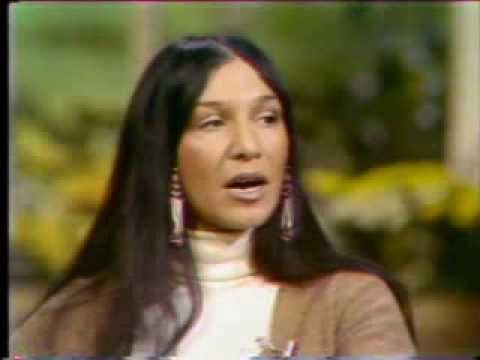
In this Good Morning America program from 1977, Buffy Sainte-Marie debates Rep Jack Cunningham from Washington on his bill to abolish all US Government treaties with American Indian nations, called the Native Americans Equal Opportunity Act.
Herbie Hancock remembers the time he played the wrong chord during a Miles Davis performance
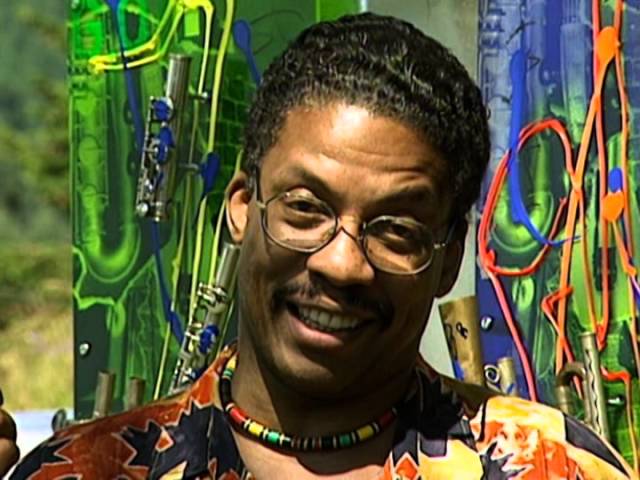
Herbie Hancock received considerable attention when, in May 1963, he joined Miles Davis’s Second Great Quintet. Davis personally sought out Hancock, whom he saw as one of the most promising talents in jazz. The rhythm section Davis organized was young but effective, comprising bassist Ron Carter, 17-year-old drummer Tony Williams, and Hancock on piano. After George Coleman and Sam Rivers each took a turn at the saxophone spot, the quintet gelled with Wayne Shorter on tenor saxophone. This quintet is often regarded as one of the finest jazz ensembles as of yet.
The second great quintet was where Hancock found his own voice as a pianist. Not only did he find new ways to use common chords, but he also popularized chords that had not previously been used in jazz.
In this clip, Hancock reveals what happened when he played the wrong chord during a Miles Davis’ live show.
Ray Charles Talks About His Musical Preferences on Dick Cavett Show In 1972
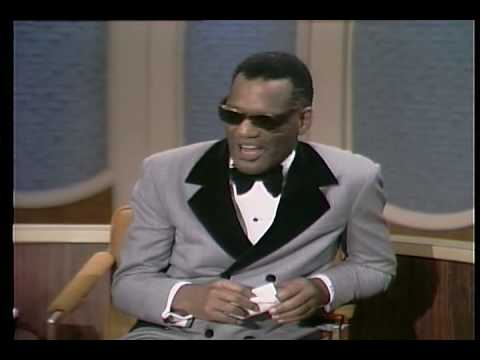
Ray Charles’ 1972 album A Message from the People included his unique gospel-influenced version of “America the Beautiful” and a number of protest songs about poverty and civil rights. Charles was often criticized for his version of “America the Beautiful” because it was very drastically changed from the song’s original version. His promo activities included an appearance on Dick Cavett’s talk show, and in this clip, he talks about his musical preferences.
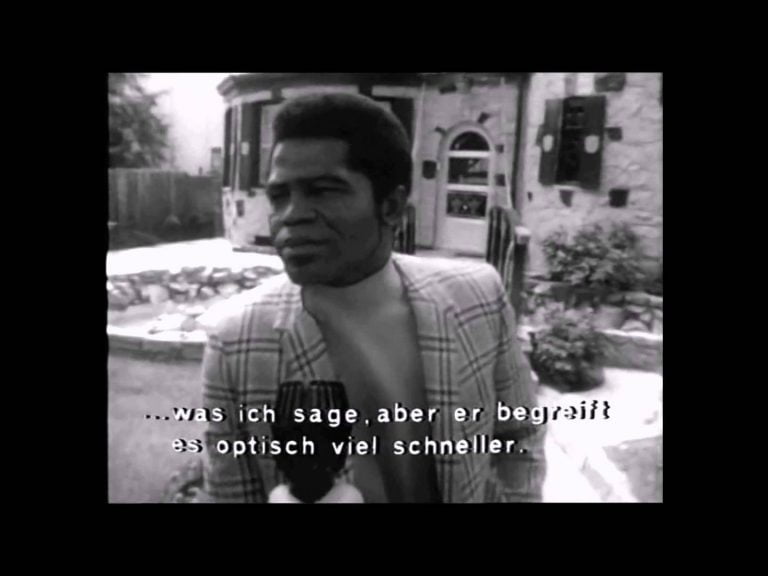
James Brown reveals why he dances in this 1969 interview
There was a day, there was a time
When I used to play
There was a time when I used to play
But take me now, baby, don’t worry about later
Teach the dance I used to do
They call it the Mashed Potato
There was a day, now dig this
There was a day, they call it the Jerk
Everybody relax and watch me work
https://youtu.be/CVlE4xEeiAQ
Listen to how Patsy Cline “fibbed” in order to perform on CBS
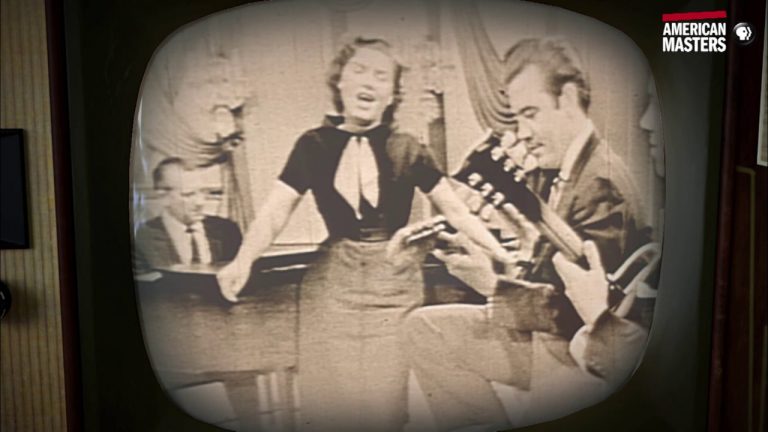
Julie Fudge, daughter of Patsy Cline, shares a story about how Cline’s mother fibbed, acting as her manager, in order to get Patsy Cline onto Arthur Godfrey’s CBS show to perform live.
Ornette Coleman on musical freedom
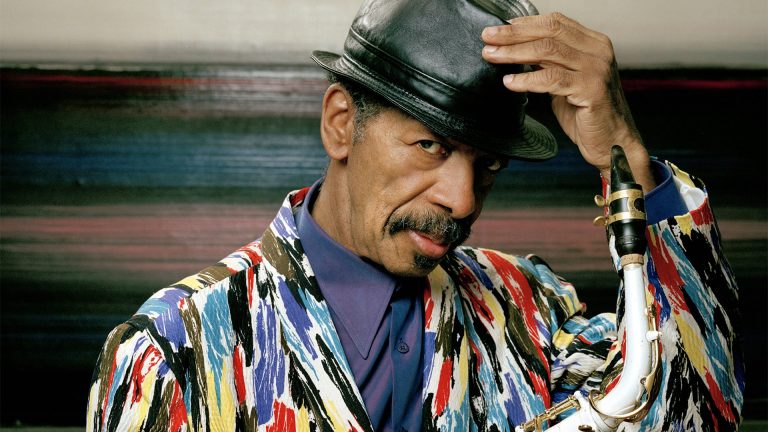
Freedom guided how Ornette Coleman made his music for over a half a century, and it’s also how he led his life.
Sonny Rollins reflects on the first time he met Thelonious Monk
Sonny Rollins will go down in history as not only the single most enduring tenor saxophonist of the bebop and hard bop era, but also as one of the greatest contemporary jazz saxophonists of them all. Rollins made the rounds quickly with groups led by Tadd Dameron, Chicago drummer Ike Day, and Miles Davis in 1951, followed by his own recordings with Kenny Drew, Kenny Dorham, and Thelonious Monk.
From a 2006 interview, Sonny Rollins remembers his first encounter with Monk.
Duke Ellington Predicts What The Future Of Music Will Sound Like
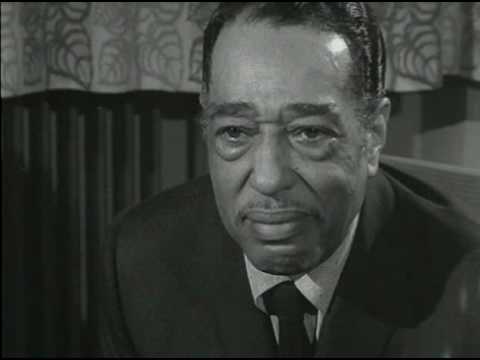
Today would be a good day to check out some of The Duke’s music, but before that, let him blow your minds a bit by predicting what music will sound like with this interview from back in 1963.
Ron Isley talks about The Beatles covering “Shout”
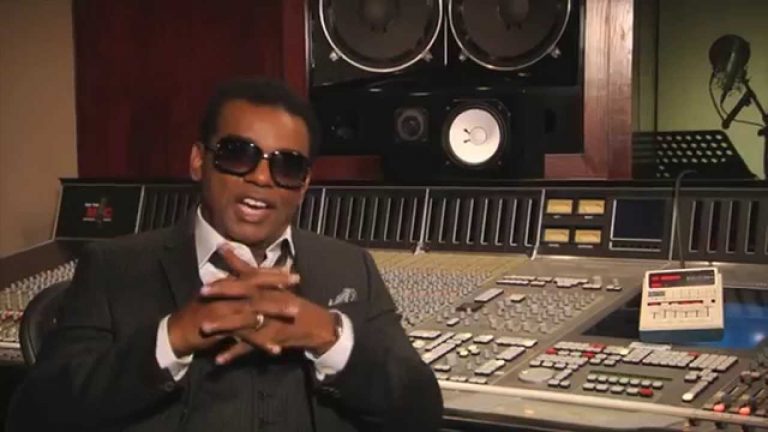
The Isley Brothers’ Shout was released in 1959, and was written by the brothers themselves as a call and response answer to Jackie Wilson’s “Lonely Teardrops”, which they would occasionally cover in live performances. The Beatles included a live version of the song on their 1996 rarities compilation, Anthology 1.
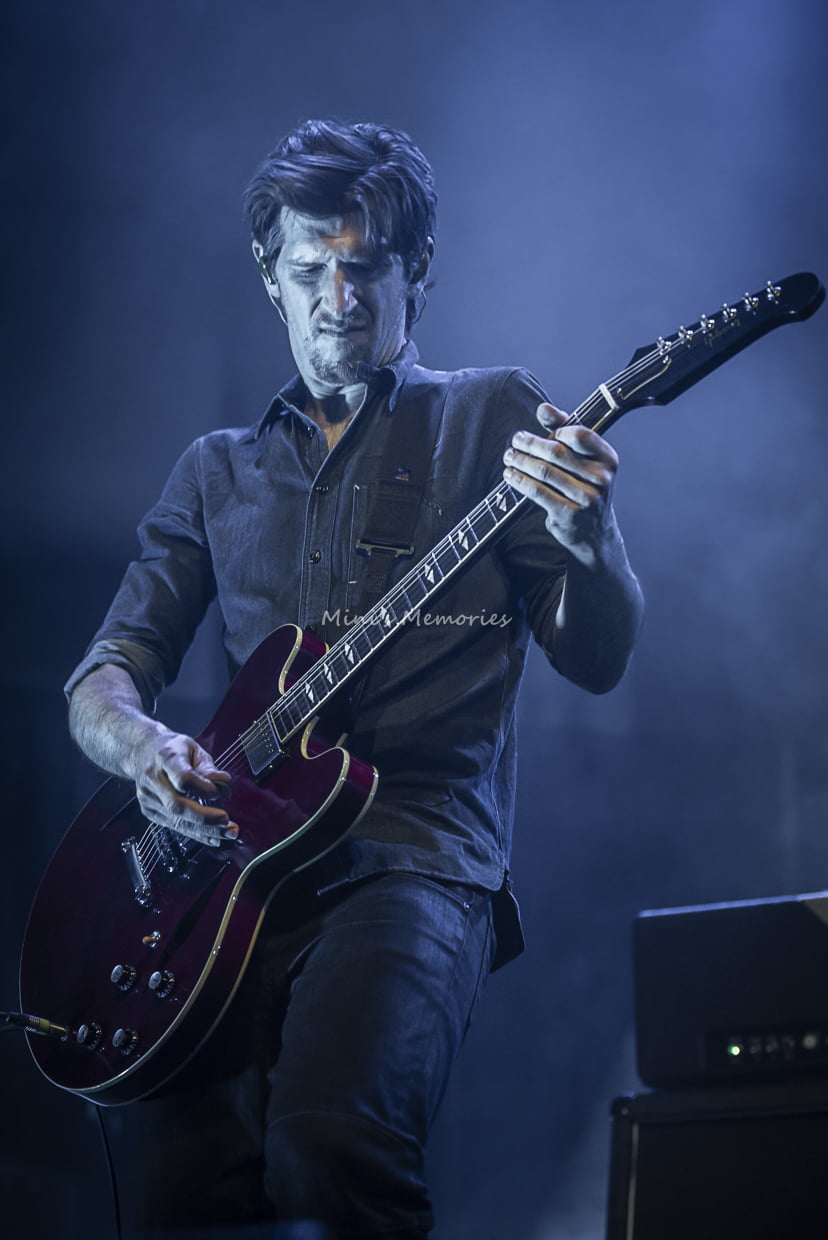
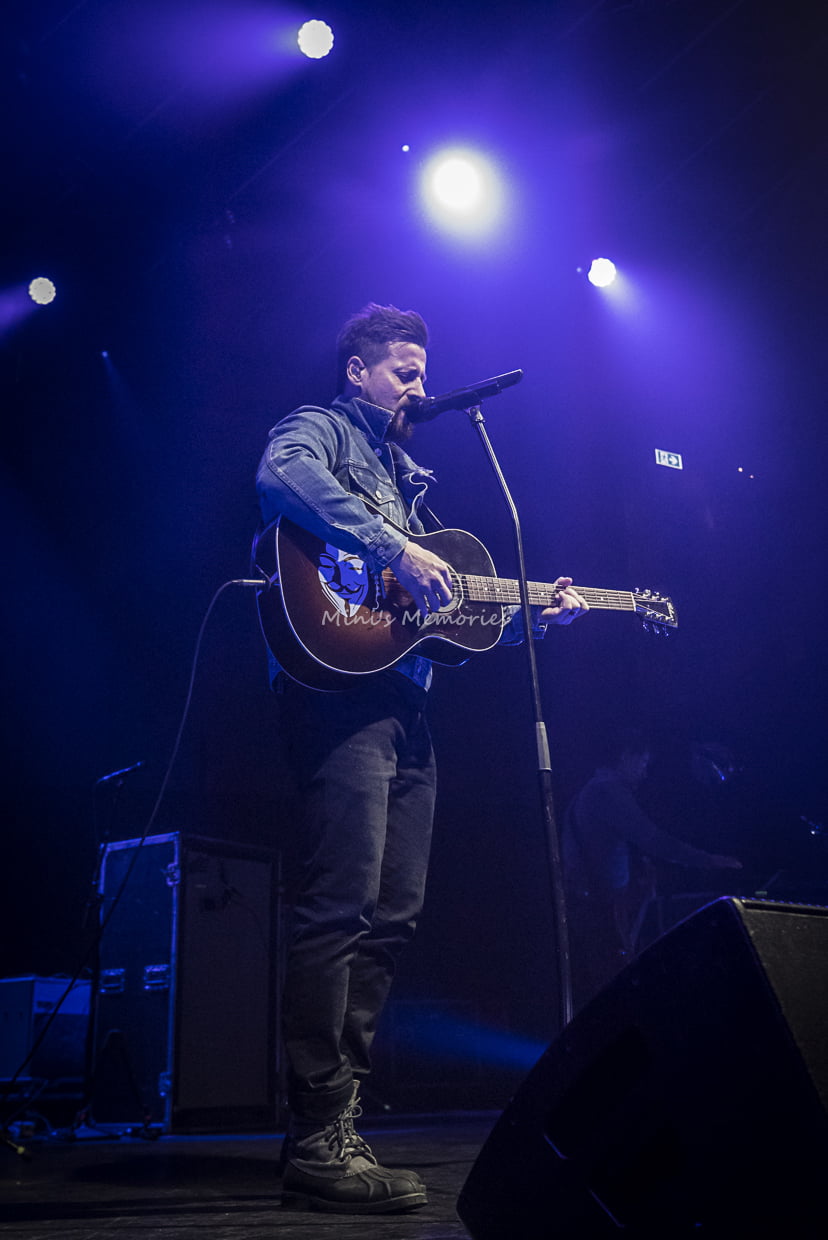
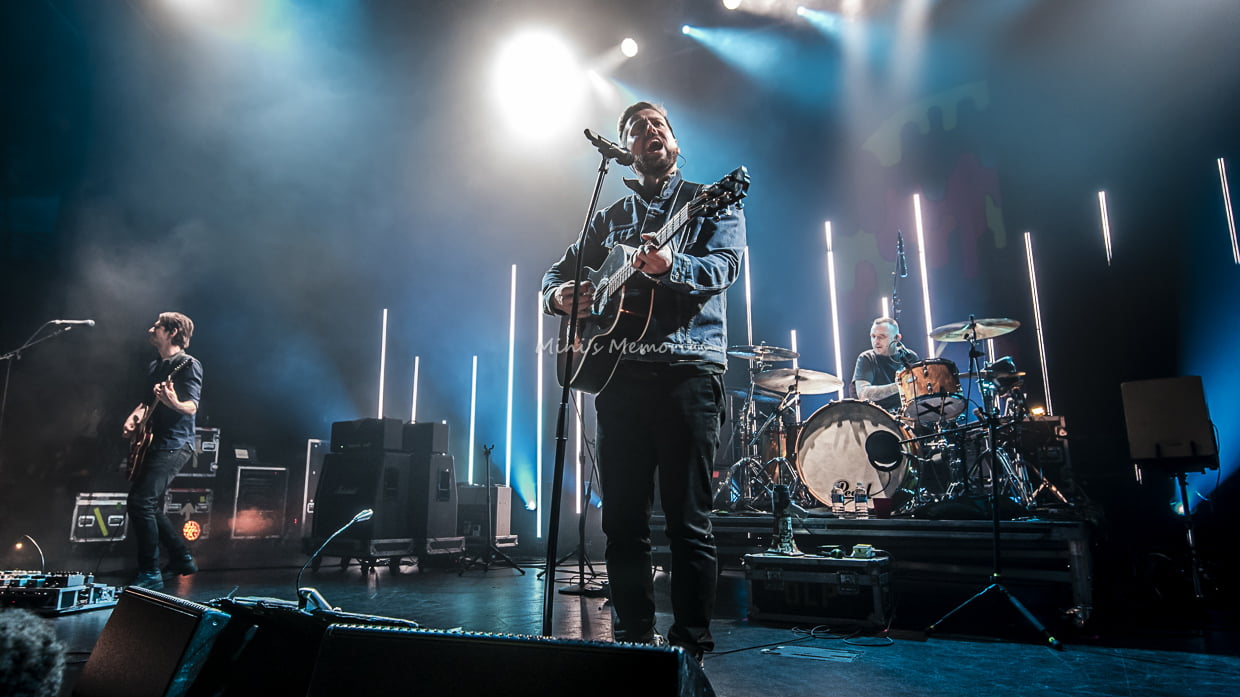
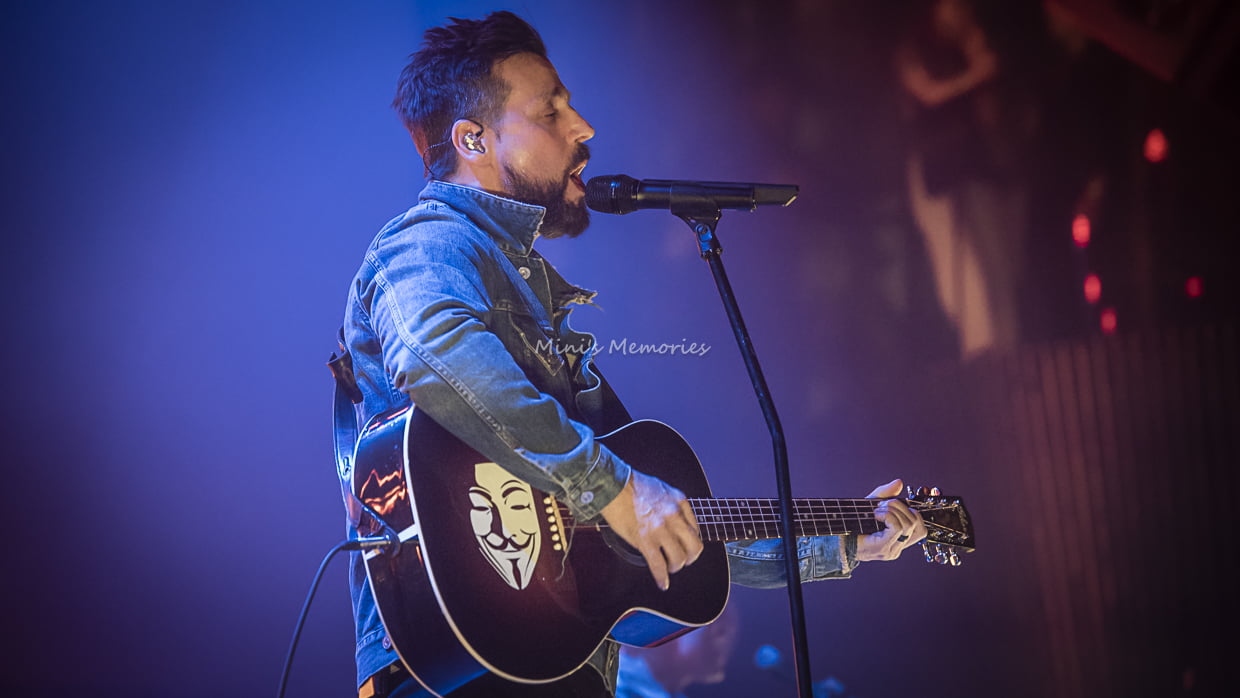
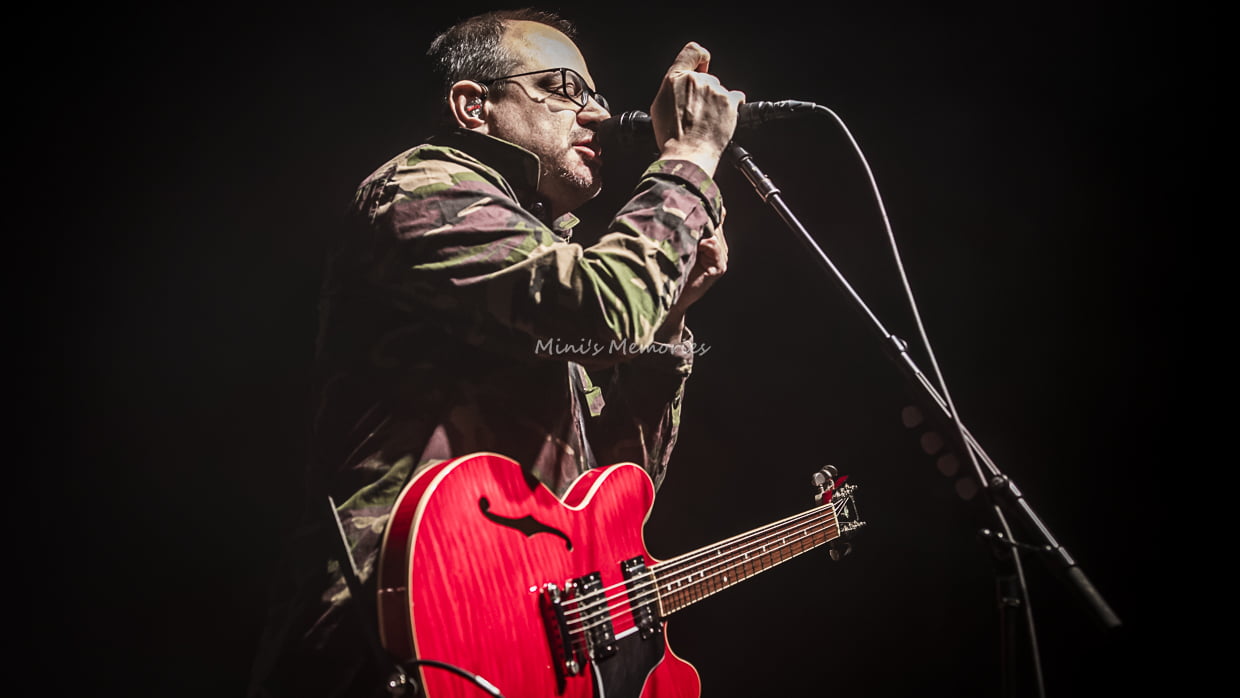
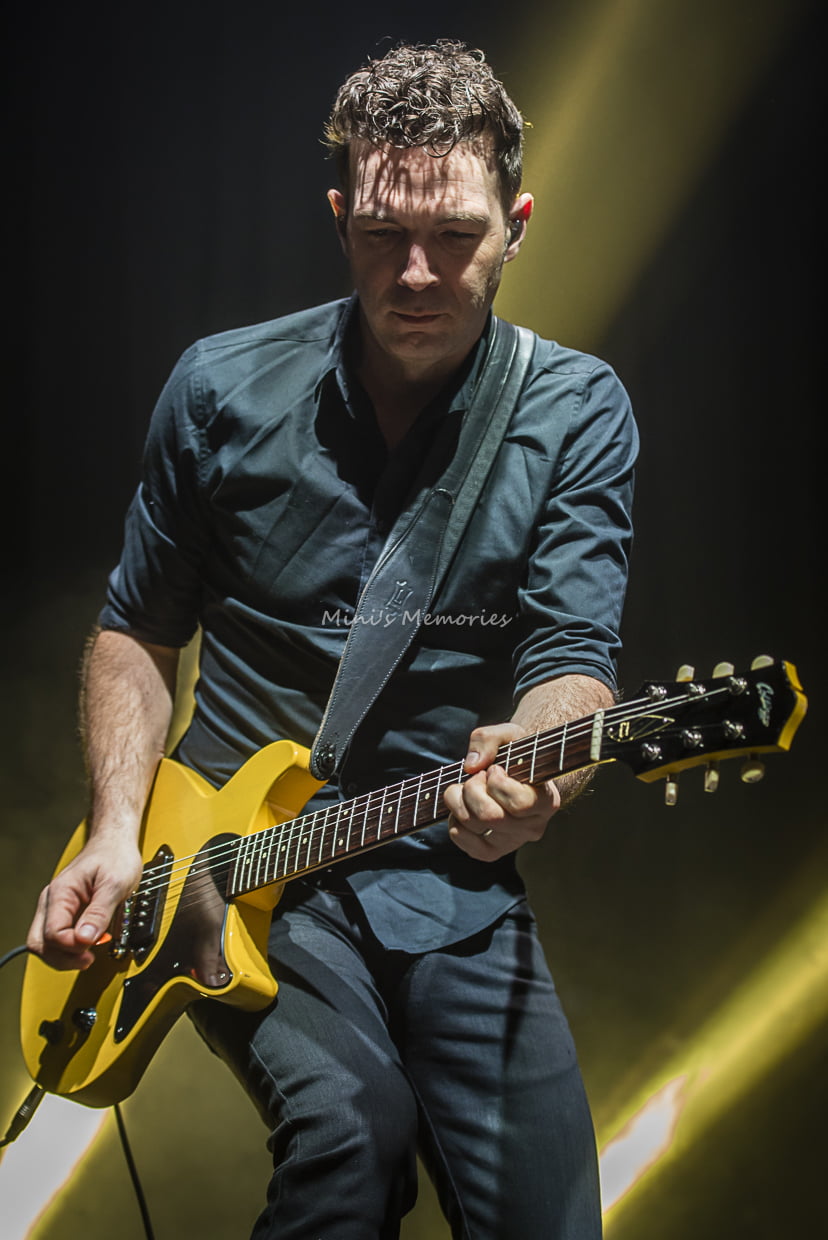
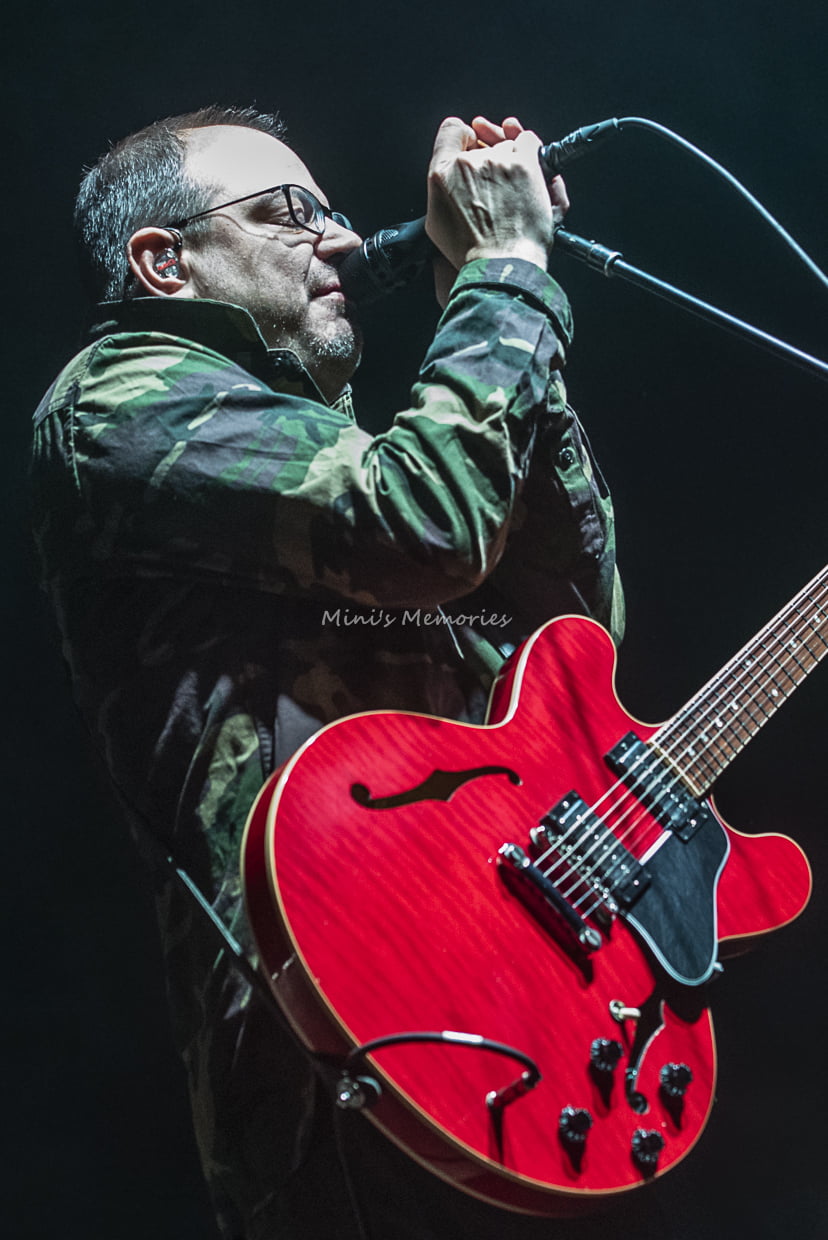
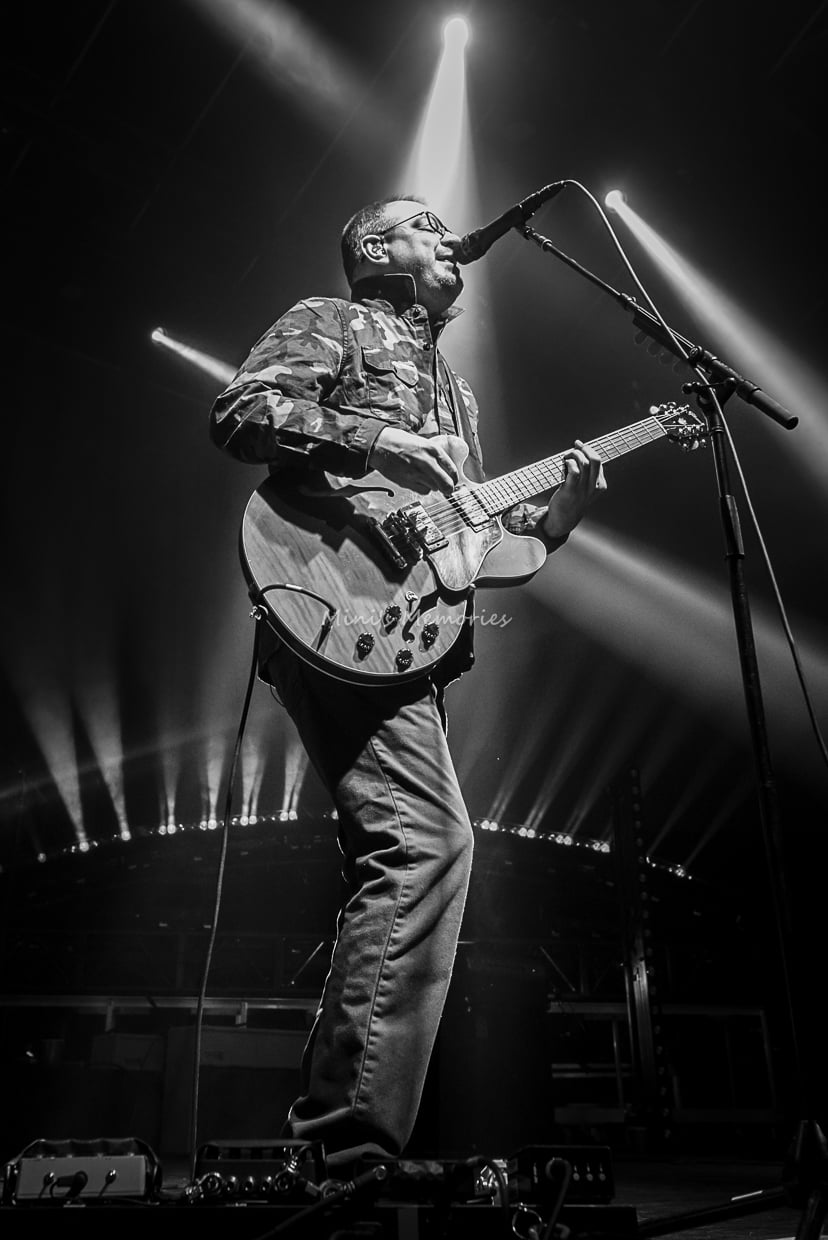
Photo Gallery: Our Lady Peace with Matthew Good at Toronto’s Rebel

All photos by Mini’s Memories. You can contact her at minismemories@hotmail.com