


The music video as rarely been in the hands of truly creative people for a few years now, but check out Go Up, the new video from Cassius featuring Cat Power and Pharell Williams. First-rate ideas all around.
Commuters on the 501 Queen Streetcar in Toronto receive surprise of a lifetime

With no media present and a couple cameras rolling, Harlem Globetrotters Flight Time Lang and Scooter Christensen made an unexpected trip with commuters on a 501 Queen Streetcar in Toronto. The world famous duo spun basketballs on countless fingers and passed out 40 complimentary tickets to smiling passengers.
Galaxie 500’s Damon Krukowski’s “The New Analog” Book Guides The Transition From Analog To Digital Culture
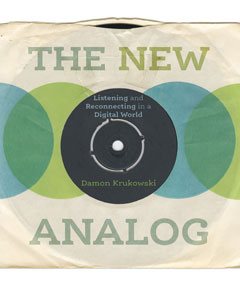
Having made his name in the late 1980s as a member of the indie band Galaxie 500, Damon Krukowski has watched cultural life lurch from analog to digital. And as an artist who has weathered the transition, he has challenging, urgent questions for both creators and consumers about what we have thrown away in the process: Are our devices leaving us lost in our own headspace even as they pinpoint our location? Does the long reach of digital communication come at the sacrifice of our ability to gauge social distance? Do streaming media discourage us from listening closely? Are we hearing each other fully in this new environment?
Rather than simply rejecting the digital disruption of cultural life, Krukowski uses the sound engineer’s distinction of signal and noise to reexamine what we have lost as a technological culture, looking carefully at what was valuable in the analog realm so we can hold on to it. Taking a set of experiences from the production and consumption of music that have changed since the analog era—the disorientation of headphones, flattening of the voice, silence of media, loudness of mastering, and manipulation of time—as a basis for a broader exploration of contemporary culture, Krukowski gives us a brilliant meditation and guide to keeping our heads amid the digital flux. Think of it as plugging in without tuning out.
You can get the book here.
Legacy Recordings And Sony Music Entertainment Announce The Launch Of Certified
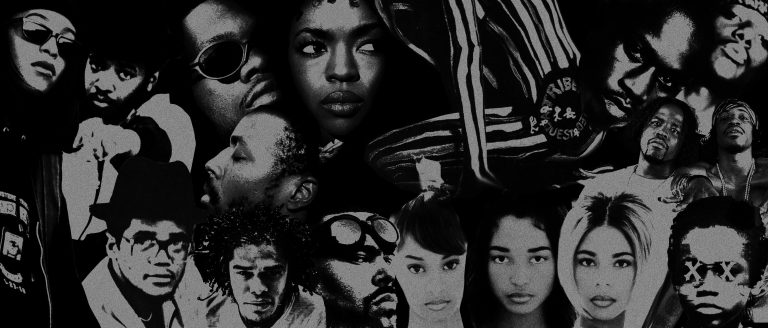
Sony Music Entertainment and Legacy Recordings are pleased to announce the launch of Certified Classics–a new cross-platform urban catalog brand devoted to the curation and celebration of three decade’s worth of classic hip-hop and R&B music and culture with a focus on the revolutionary genre-defining recordings of the 1980s, 1990s and the 2000s.
“The records of the classic hip-hop and contemporary R&B eras are bridges to the pop and youth cultures of the 21st century,” said Adam Block, President, Legacy Recordings. “Certified Classics is proud to be making this music available to longtime fans of hip-hop culture while introducing these groundbreaking artists’ albums and singles and the often incredible stories behind them to new generations of music lovers.”
Keeping the flow of hip-hop alive with playlists, streaming content and social media dialog, Certified Classics is live online at www.ThisIsCertified.com, an official destination website.
Certified is developing a rapidly-growing online presence on Facebook, Twitter and Instagram while maintaining a commitment to high-quality physical 12″ vinyl releases, the bedrock of block parties and original DJ culture. Certified is releasing three 12″ vinyl exclusives–including the first-ever official issue of Big L’s legendary “Devil’s Son”–for the 10th Anniversary of Record Store Day 2017 (April 22, 2017).
Certified’s RSD 2017 exclusives include: DJ Muggs Presents…The Soul Assassins Chapter One, Giant Single: Profile Records Rap Anthology, Vol. 1 and the Big L – Devil’s Son EP (From The Vaults) (featuring five additional tracks).
Certified Classics is Legacy Recordings’ home for Sony Music’s groundbreaking Hip-Hop and R&B catalog. With access to a rich and diverse library that includes seminal titles, original masters, outtakes, live recordings and more from artists including Fugees, Maxwell, Nas, A Tribe Called Quest, Xscape, Aaliyah and many others, Certified aim to pay homage to the pioneers, innovators and architects of classic Hip-Hop and R&B by preserving, curating and reissuing repertoire from the 1980s through the early 2000s.
Launched in 2016, Certified creates new opportunities to experience a genre that both created and mirrored an emerging youth culture, a grassroots movement that started in-the-streets with two-turntables-and-a-microphone (or a boombox) and became a mainstream phenomenon while the 20th century crossed over into the 21st. Certified will provide contemporary music fans access to rare and unreleased albums, singles, remixes, photos and video footage from iconic labels that have come through the Sony label system such as Jive, Loud, Ruffhouse, J Records, Arista, LaFace, So So Def, Profile, RCA Records, Epic, and Columbia-all in an effort to tell stories that help illustrate the impact R&B and Hip-Hop have made on music and the world.
Certified will be revisiting classic album and looking at opportunities to create new state-of-the-art audio for releases. With full access to the SME vaults, Certified will be able to access and release previously unavailable audio, video, and photo content while using found material to create new original content including interviews with artists, label executives, producers, engineers, managers and others involved in the creation of classic hip-hop and modern R&B. In addition to reissuing classic albums on vinyl, Certified will be creating custom anniversary and commemorative editions.
Certified is designed to bridge the gap between old school soul, disco, and R&B to Hip-Hop, Rap, contemporary R&B and beyond connecting younger developing artists to the musical revolutionaries who continue to inspire generations.
GEMA Collects More Than One Billion Euros For The First Time

GEMA concludes its financial year 2016 on a very positive note: For the first time, the collective management organisation for music rights is reporting collections of more than a billion Euros (EUR 1,024.4m) on behalf of its 70,000 members and the rights owners represented by GEMA across the world.
“GEMA has never been as successful in financial terms as it has been in 2016. A plus of nearly 15% compared to the previous year led to the one-billion-mark being crossed for the first time”, reports Dr. Harald Heker, GEMA CEO. “Such levels of licence collections ensure that composers and lyricists as well as their publishers receive a fair remuneration for the analogue and digital exploitation of creative performances.”
One of the factors contributing to this positive earnings development was the settlement with YouTube, the online platform. The fees, determined as part of a new licence agreement, entered into November 2016, were retroactively incorporated into the annual accounts for the period 2009-2016. Intensive growth in the usage of streaming services also had a positive effect on the income – albeit download exploitation declined: A total of EUR 81.6m was yielded in terms of online music usage – resulting in a doubling of figures compared to the previous year (2015: EUR 40.4m).
Furthermore, the agreement by the Zentralstelle für private Vervielfältigungsrechte (Central Collection Agency for private copying rights, ZPÜ) with the associations of the hardware industry for smartphone and tablet products had a positive effect due to the fact that a share of the resulting income is allocated to GEMA: Its income from remuneration claims increased to EUR 97.9m (previous year: EUR 16.3m).
Stable growth of further collection areas have also played their part in this extraordinary financial achievement. Turnover trends from Regional Offices (EUR 370.1m, previous year EUR 365.5m), Radio and TV (EUR 286.2m, previous year 280.6m) as well as International Royalty Income (EUR 73.5m, previous year EUR 71.3m) more than equalised the slight decline in Sound Recordings (EUR 104.9m, previous year: EUR 110.3m).
GEMA’s income increase coincided with a reduction of the total cost rate to 15.4 % (2015: 16.3%) and the operating cost rate of 12.6% (2015: 13.2%), even though 2016 brought about extraordinary challenges due to the coming into force of the Act on Collective Management Organisations. As a consequence of the CMO Act (VGG), GEMA had to apply the Act on the Modernisation of Accounting Law for the first time in 2016, which triggered an increase in pension liabilities and associated tax charges totalling several millions.
Harald Heker explains: “This rather positive result is an incentive for us to keep investing in the future sustainability of GEMA.” Benchmarks for the pan-European licensing of online rights were already set by way of the international cooperation undertaking, ICE (International Copyright Enterprise). Various initiatives are additionally targeted at the challenges of the rapidly increasing data volumes geared at global markets in the online sector.
Harald Heker explains: “We focus on asserting authors’ rights in a music marketplace subject to dynamic change, and to realise a stable earnings trend in future, compensating for financial losses in national and international sound recordings’ markets by increasing the income from live music and online exploitation.” He also appeals to politicians: “In the rather fast growing streaming sector, authors still do not participate adequately in the economic gains and successes of the providers. Online platforms can still refer to an unclear legal situation. With the distribution of works protected by copyright, they yield a high turnover, yet without adequately remunerating authors for this. Politicians are more than ever called upon to create a fair legal framework.”
GEMA’s most important income categories at a glance
Sound recordings
While the income generated from physical sound recordings such as CDs or vinyl has slightly decreased by 5%, it can still be regarded as stable compared to international developments. The result of EUR 104.9m in financial year 2016 reflects a continued high level of interest in physical sound recordings in Germany (2015: EUR 110.3m).
Online
Due to retroactive licence fee payments by YouTube, the online platform, up to 2009, together with an intensive increase among other streaming services – albeit subject to a negative trend in the download sector – online results more than doubled to a total of EUR 81.6m compared to the previous year (2015: EUR 40.4m).
Radio and TV
Income from TV and radio usage increased slightly, by 2%, in the past financial year. This area has therefore continued its positive trend with a total income of EUR 286.2m (2015: EUR 280.6m).
Regional Offices (Public performance of music)
The results yielded by the regional offices remain consistently high. At EUR 370.1m, (2015: EUR 365.5m), the collections from public performance of music make up the strongest income sector. GEMA anticipates another improvement of its earnings in this area as a result of the new organisational structure of its regional offices: By implementing a functional structure and setting up a central customer centre, professional market penetration measures have been enhanced since last year.
ASCAP Delivers Record-High 2016 Financial Results: Collects $1.059 Billion In Revenue

ASCAP, the American Society of Composers, Authors and Publishers, the only member-owned performing rights organization in the U.S., representing over 600,000 songwriters, composers and music publishers, announced record-breaking revenues and distributions for 2016, Year Two of its six-year strategic transformation plan to secure the future for music creators and publishers in the rapidly changing music world.
ASCAP collected record-high revenues of $1.059 billion in 2016 and distributed more than $918 million to its songwriter, composer and music publisher members. Distributions were up 5.6% over the prior year.
Revenues from ASCAP’s licensing efforts in the U.S. alone grew nearly 6% in 2016 to $759 million, up $42.2 million over 2015, fueled primarily by a 41% increase in revenues from audio streaming services as well as higher revenues from satellite radio and General Licensees, such as bars, clubs, restaurants, hotels, live concerts and more.
Foreign revenues totaled $300 million, up $1.5 million year over year in U.S. dollars. ASCAP’s international revenues would have exceeded last year’s performance by $12.9 million had it not been for the strengthening U.S. dollar which resulted in lower foreign exchange rates.
Domestic distributions of $631 million from ASCAP-licensed and administered performances in the U.S. grew nearly 10%, up $55.5 million over 2015.
ASCAP operates on a not-for-profit basis and delivers about 88 cents of every dollar collected back to members for performances of their music. With a 2016 operating expense ratio of about 12%, ASCAP remains among the most efficient Performance Rights Organizations in the world, while transforming to stay ahead of massive changes in the music industry.
ASCAP CEO Elizabeth Matthews commented: “ASCAP’s record high revenues and distributions in 2016 are a testament to the amazing repertory of music we are privileged to represent, and to our investment in innovations that enable us to continue to grow revenues, leverage our scale and increase efficiencies in our operations. ASCAP is committed to transforming and innovating to secure a healthy future for music creators and publishers. In 2016 alone, we processed over one trillion performances, welcomed 40,000 new members, and secured a steady stream of future royalties for our members by closing multi-year deals across all major platforms, including satellite and terrestrial radio.”
ASCAP President and Chairman Paul Williams added: “ASCAP’s strong financial results matter for each and every songwriter, composer and music publisher who makes a living from our creative work, from those just starting out to those whose music is beloved around the world. I am also incredibly proud that ASCAP continues to lead the fight for much-needed changes to U.S. music licensing regulations that are grossly unfair to songwriters and copyright owners.”
REVENUE GROWTH IN GENERAL LICENSING
ASCAP’s strategic investments to grow General Licensing revenues continue to pay off for members with a 7.2% annual growth rate over the past four years. ASCAP licensed over 18,000 new businesses in 2016 and also instituted a number of innovations in General Licensing, such as greater automation in reporting to drive compliance and create efficiencies that reduced our cost of new license acquisitions over the last three years by 50%.
STRENGTHENING OPERATIONS
ASCAP continues to strengthen and modernize its core operations. ASCAP entered into a new strategic and long-term data agreement with Nielsen to provide greater depth, transparency and reporting and tracking accuracy to ASCAP members.
ASCAP also modernized its employee benefits with a move away from an outdated pension plan towards smarter 401K and retirement savings plans that give employees more control while reducing ASCAP’s future cost base. This change will save the organization between $24 and $32 million in future years.
DIGITAL INNOVATIONS FOR MEMBERS AND LICENSEES
In 2016, ASCAP delivered several innovations to provide best-in-class digital experiences and new support services to members and licensees. These innovations make it easier for members and licensing partners to manage their catalogs and do business with ASCAP.
ASCAP’s website at ASCAP.com was completely redesigned and relaunched, including its dedicated “Member Access” portal, resulting in a 200% increase in member engagement while also lowering costs through better self-service and automation. ASCAP’S public ACE repertory database of over 10.5 million works was redesigned to include ASCAP shares of licensed-works, making it more transparent, easy-to-search and a valuable tool for licensees, music supervisors and members.
MEMBER SUCCESS AND GROWTH
The value of the ASCAP license continued to climb in 2016 thanks to the incredible success of the music of ASCAP songwriters who wrote or co-wrote nine of the top 10 songs on the Billboard Hot 100 year-end chart, and wrote 14 of Billboard’s year-end chart-topping songs. Chart-topping members included Justin Bieber, Noah “40” Shebib, Justin Timberlake, Max Martin, Shellback, Ashley Gorley, Drew Taggart, William Larsen, Enrique Iglesias, Mhmd Rahman, Silverio Lozada, Matt Crocker, Joel Houston, Salomon Ligthelm and Matthew West.
In 2016, ASCAP renewed agreements with many of the biggest names in music, including Kelly Clarkson, Max Martin, Paul McCartney, Katy Perry, Lionel Richie, Skrillex, Timbaland, Hans Zimmer and the estate of Johnny Marks, writer of Christmas classics like “Rudolph the Red-Nosed Reindeer” and “A Holly Jolly Christmas.” ASCAP also welcomed The Beach Boys legend Mike Love, Latin superstars Carlos Vives and Fonseca, Adnan “Menace” Khan (producer/co-writer of Desiigner’s #1 song “Panda”), Nashville star Clare Bowen and Karey Kirkpatrick (co-creator of the Broadway smash Something Rotten!).
In 2016, ASCAP demonstrated commitment to nurturing its members’ success. ASCAP convened high-level song camps aimed at crafting future hits, and brought promising young talent together for networking events and intensive workshops dedicated to film scoring, pop songwriting, musical theatre and more. ASCAP showcases remained popular draws at the Sundance Film Festival and SXSW, and the 11th annual ASCAP “I Create Music” EXPO was the most successful ever, drawing well over 2,600 attendees to meet face-to-face with their musical heroes for three days of networking, education and inspiration.
CIMA Launches Canadian Independent Music Charts In Partnership with BuzzAngle Music

Today, the Canadian Independent Music Association (CIMA), in partnership with BuzzAngle Music, launched Canadian independent-only music charts, the CIMA 20 and CIMA 40. The two charts available every Tuesday represent the market success of independent artists in Canada, by ranking their current album packages encompassing music sales, downloads and streams. This week Mario Pelchat’s Agnus Dei (MP3 Disques) topped the CIMA 20 and CIMA 40 charts.
“CIMA is thrilled to partner with BuzzAngle Music to deliver the CIMA 20 and CIMA 40 weekly charts for the independent music community,” says Stuart Johnston, President of CIMA. “Last year, CIMA created the Road Gold Certifications program to recognize the success of Canada’s hard working touring artists. Now, the CIMA 20 Chart demonstrates how well the music of our Canadian independent artists are doing in this market, and is yet another way that CIMA is shining a light on the success of our very talented independent artists. The CIMA 40 take it a step further by charting the album success of the global independent community here in Canada as well. We believe these weekly charts will serve to graphically illustrate the deep pool of talent we have here in Canada.”
The CIMA 20 chart is the top 20 Canadian independent artists’ album packages which includes sales, downloads and streams within the Canadian market. The CIMA 40 chart is the top 40 Canadian and International independent artists’ album packages which includes sales, downloads and streams in the Canadian market. Using BuzzAngle Music’s comprehensive consumption analytics these new charts will offer data at a more granular level, in a much more timely manner than the most commonly used measurement of sales and streaming available up until this point.
“There’s an endless amount of data to analyze in BuzzAngle Music’s daily charts, whether you’re an independent artist, label executive, journalist, record store clerk, or just a music fanatic,” said Jim Lidestri, Founder and CEO of Border City Media. “CIMA has been a tremendous organization and everyone involved deserves the timeliest, most specific and most accurate data available to them. BuzzAngle Music is proud to make that happen. We’re thrilled to partner with CIMA to create two new charts. For the first time ever, The 20 – specifically placing a well deserved weekly spotlight on the top Canadian Independent Artist’s albums, and The 40 – highlighting the top overall Independent albums in Canada.”
The complete CIMA 20 and CIMA 40 charts can found here and here.
Tom Russell Honours Beloved Canadian Singer-Songwriters With New Album Play One More: The Songs of Ian and Sylvia
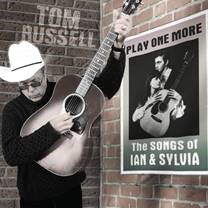
The rich musical legacy of Ian and Sylvia continues to entertain millions of fans across the globe, and today singer songwriter, painter, and essayist Tom Russell announced a project honouring their music with new interpretations of classic songs with his May 19th release of “Play One More: The Songs Of Ian And Sylvia.” You can buy it as a iTunes Preorder, Amazon Preorder and True North Preorder.
Russell has recorded 35 highly acclaimed records, & published five books – including a book on his art and a book of his songs. Russell and Ian and Sylvia share similar values and cultural traditions – both deeply rooted in the depth of the song and story. Russell says, “The music of Ian and Sylvia has stood up over a half of a century and is still recognized as deeply Canadian, it was an honour to pay tribute to them.”
In 1992, Ian and Sylvia were inducted into the Canadian Music Hall of Fame during the Juno Awards ceremony. In 1994 they were both made Members of the Order of Canada.
In 2005 an extensive CBC poll determined Ian Tyson’s song, recorded by Ian and Sylvia, “Four Strong Winds,” to be the “most essential” piece of Canadian music, and is no doubt the most popular Canadian song ever written. But don’t look for it on “Play One More: The Songs of Ian and Sylvia.” Russell says, “I wanted to mine the deep, neglected, album tracks that I’ve listened to for over forty years. Works that I could never get out of my mind. Classic songwriting.”
Russell’s songs have been recorded by Johnny Cash, Doug Sahm, Nanci Griffith, K.D. Lang, Ramblin’ Jack Elliott, Ian Tyson, Iris Dement, Joe Ely, and a hundred others.
Tom Russell graduated from The University of California with a Master’s Degree in Criminology. He was recently awarded the 2015 ASCAP Deems Taylor Award for excellence in music journalism, and his new book of essays: “Ceremonies of the Horsemen” has received nothing but five star reviews on Amazon.
In 2015 Russell released a 52 track “folk opera” on the West, The Rose of Roscrae, which was hailed as “Maybe the most important Americana record of all time” by UK Folk, and “The top Folk album of 2105,” by Mojo Magazine. It was included in top ten lists in three dozen publications, including The Los Angeles Times.
Track by Track Notes: Play One More: The Songs of Ian and Sylvia
by Tom Russell
- 1. Wild Geese (Ian Tyson) – It took me years to figure out that one of Ian’s lines was not “down by the stream, fresh heart attacks in the snow…” Made no sense. It’s: “fresh otter tracks in the snow.” That took poetic guts. There is deep poetry within the landscapes they created in song. Another great line: “with the frost boiling out of the ground.” Fine imagery. And what a melody. Cindy Church’s harmony singing is spot-on.
- Thrown to the Wolves (Sylvia Tyson/Tom Russell) – I’ve never recorded this co-write with Sylvia. I co-produced one of her records titled “Gypsy Cadillac,” and she sang this one on it. This collection provided me with a good excuse to record it for the first time.
- Rio Grande (Ian Tyson/Amos Garrett) – The only co-write I know of between Ian and the guitar maestro Amos Garrett. Amos played lead guitar in the groundbreaking Ian and Sylvia band (and record) “The Great Speckled Bird.” The were pioneers of “folk-rock.” Ahead of their time. This was on that band record. I always thought this had a great melody and was an “edgy” cowboy song…with the cocaine falling down the mountain. I wrote the liner notes on the re-issue of that record. I’m the eternal fan.
- The Night the Chinese Restaurant Burned Down (Sylvia Tyson) – If I had to pick a favorite song on this recording it might be this. It’s written from a woman’s perspective, but what the hell, I wanted to try it. It’s the perfect small-town Canadian song. Two girls, aspiring singers, get up the courage to take a Greyhound bus for the big city (and fame!) the night they watch the local Chinese restaurant burn down. There was probably a Chinese take-out joint in every little small town in Canada in the 50’s. This could be a short story by Faulkner or Eudora Welty.
- Play One More (Ian Tyson) – This hits at the heart of the music life. The musician playing the bars…his relationship is going to hell. In the 1970’s I moved to Vancouver and played the same dive, skid row bars, Ian Tyson had played fifteen years before. The one’s he wrote about in “Summer Wages,” where the hookers waited by the doorways. The Ian and Sylvia take of “Play One More” had mariachi horns on it. Grant Siemens and I allude to the horn lines on the outro, bashing our guitars. Couldn’t get the horn guys to fly up from Juarez.
- Old Cheyenne (Ian Tyson) – I first heard this on an Ian and Sylvia record, then Ian reprised it for one of his cowboy records in the 1980’s.
One of the great rodeo songs. He captures the theatrical traditions of the rodeo, and then plunges down deep into the life of the narrator, a bull rider who drinks before he rides and may have to get a factory job. Another fine short story.
- Short Grass (Words by Ian Tyson, Music by Sylvia Tyson) – Cindy Church captures Sylvia’s tight singing and phrasing on this one…beautifully. Again Ian was writing fine, original, cowboy songs as far back as the early 1960’s, though most folks think the cowboy-song renaissance began in the late 70’s and early 1980’s. This one summons up the landscape of the short grass country – the terrain – where cowboys carry-on the old skills, which came up from Mexico and on back to Spain.
- Sam Bonnifield’s Saloon (Ian Tyson) – A short two-verse song with no chorus – a precise little take on a town bar in the Yukon. A haiku. Like something out of a Robert Service poem.
- These Friends of Mine (Ian Tyson) – A classic bit of nostalgia concerning the past and old friends. Both Ian Tyson and Bob Dylan had to constantly move on and forward in search of “the muse,” so there were plenty of songs about what was left behind.
- Red Velvet (Ian Tyson) – There’s some very moving film on You-Tube of Ian and Gordon Lightfoot singing this at Lightfoot’s house. I have a classic David Gahr photo of the set-list on top of Lightfoot’s guitar back in 1964 at The Newport Folk Festival and he was already singing performing this song.
- The Renegade (Ian and Sylvia) – A lone Indian warrior on a mountain, making his final stand. My first songs were about Native Americans and I always loved this one. Ian might be using Chinook Jargon in some of the odd Native words. There is a Chinook word, probably borrowed from the Nuu-Chah-nulth (formerly Nootka) language, “Mah´-witsh” which means deer. I’ve asked Ian, and he only snorted something like – “Russell, I dreamed all of it…”
- When the Wolves No Longer Sing (Ian Tyson and Tom Russell) – Ian and I co-wrote this a few years back. It appears on his last album: “”Carnero Vaquero,” and a version appears on my double album “The Rose of Roscrae,” but I wasn’t the singer. This is my first recording of it. It’s a fitting ending to this record, because Ian and are pondering the question of what happened to the great, master songwriters? Will they return one day? Ian and Sylvia are certainly legendary master songwriters.
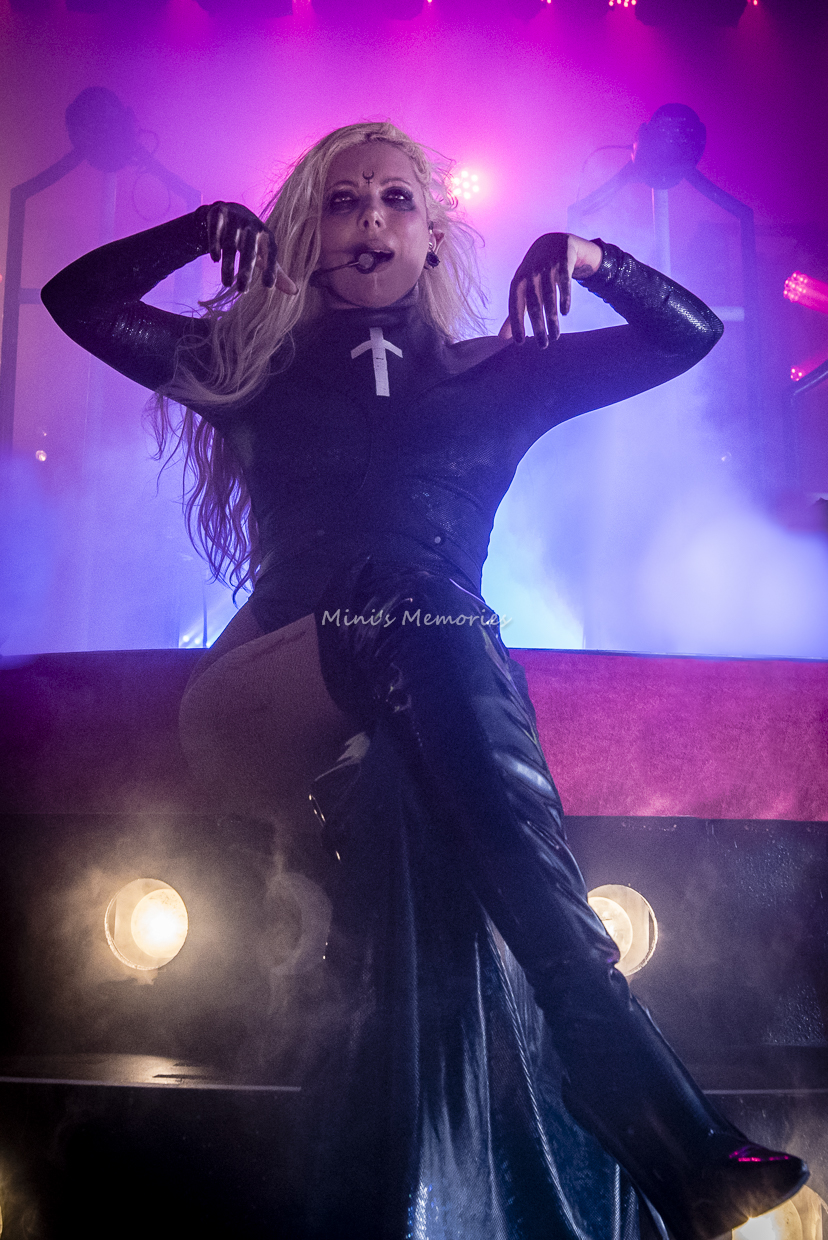
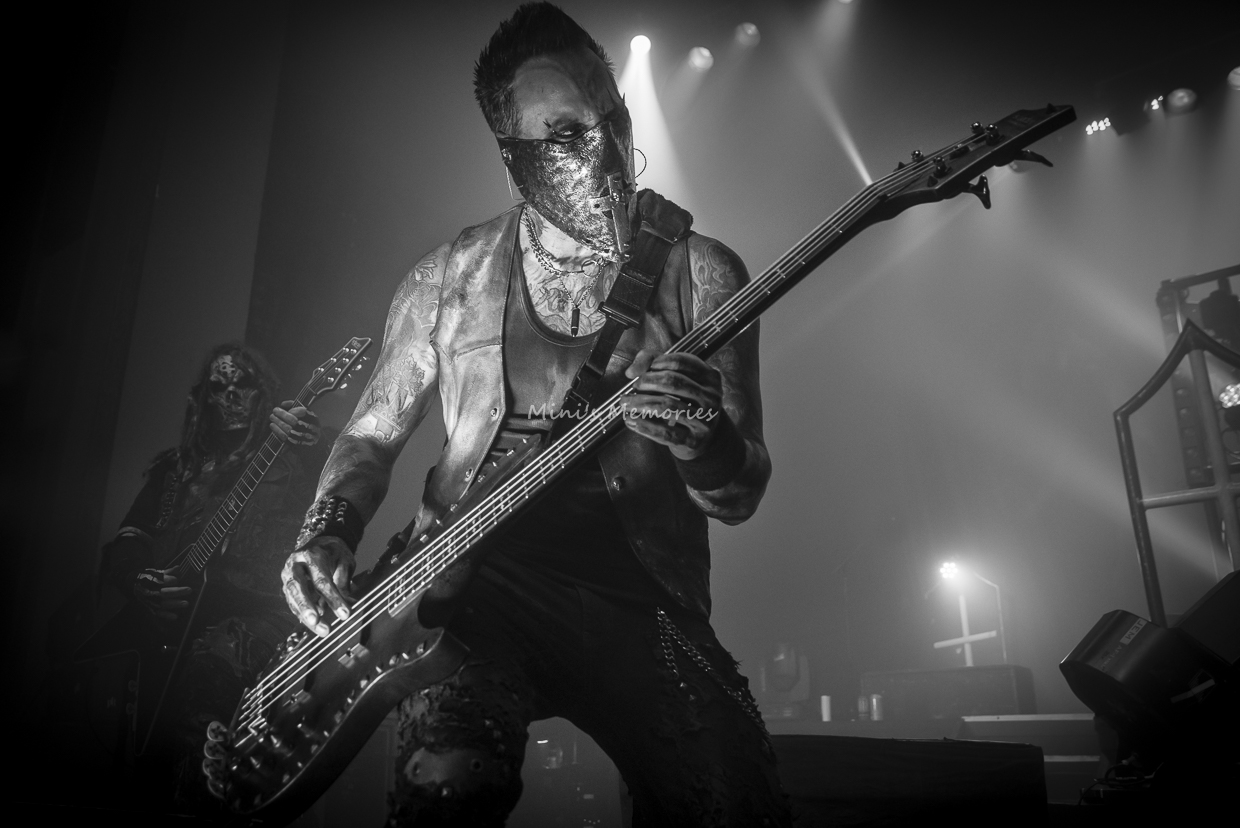
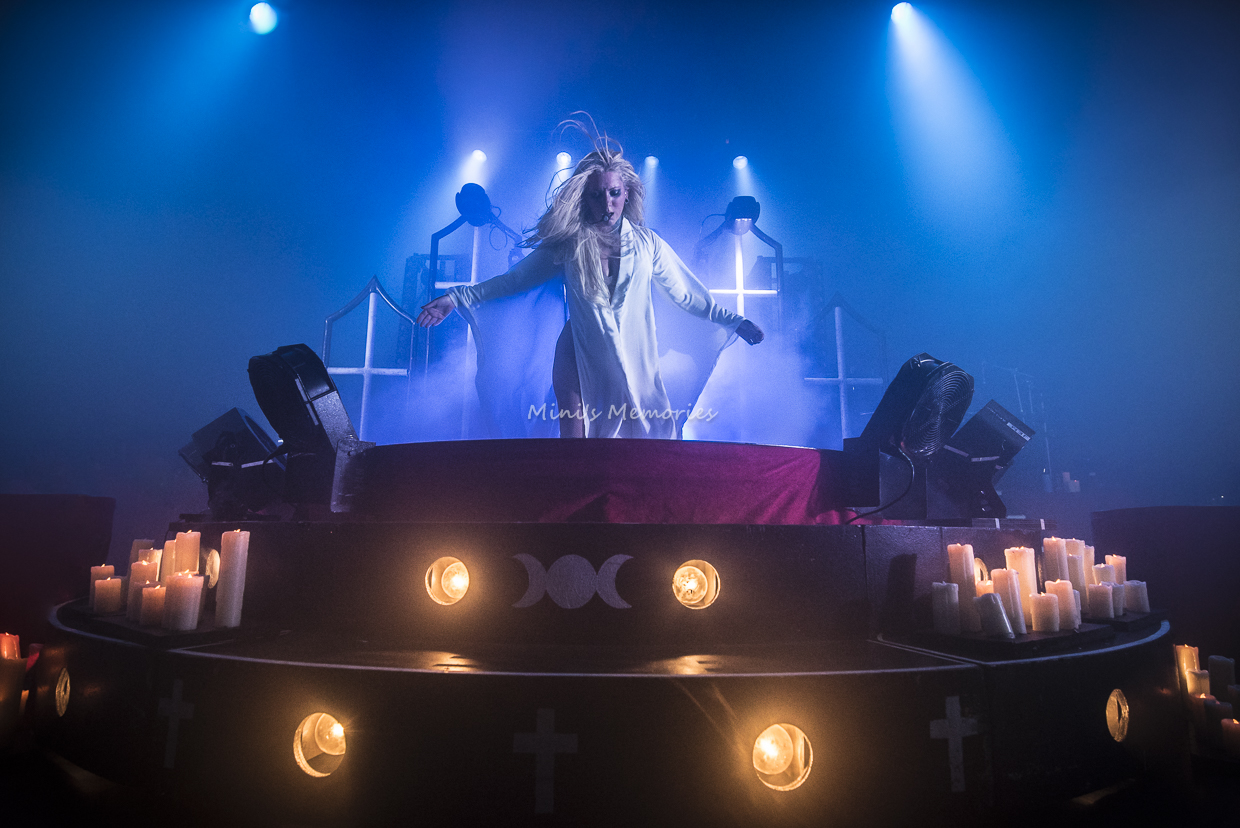
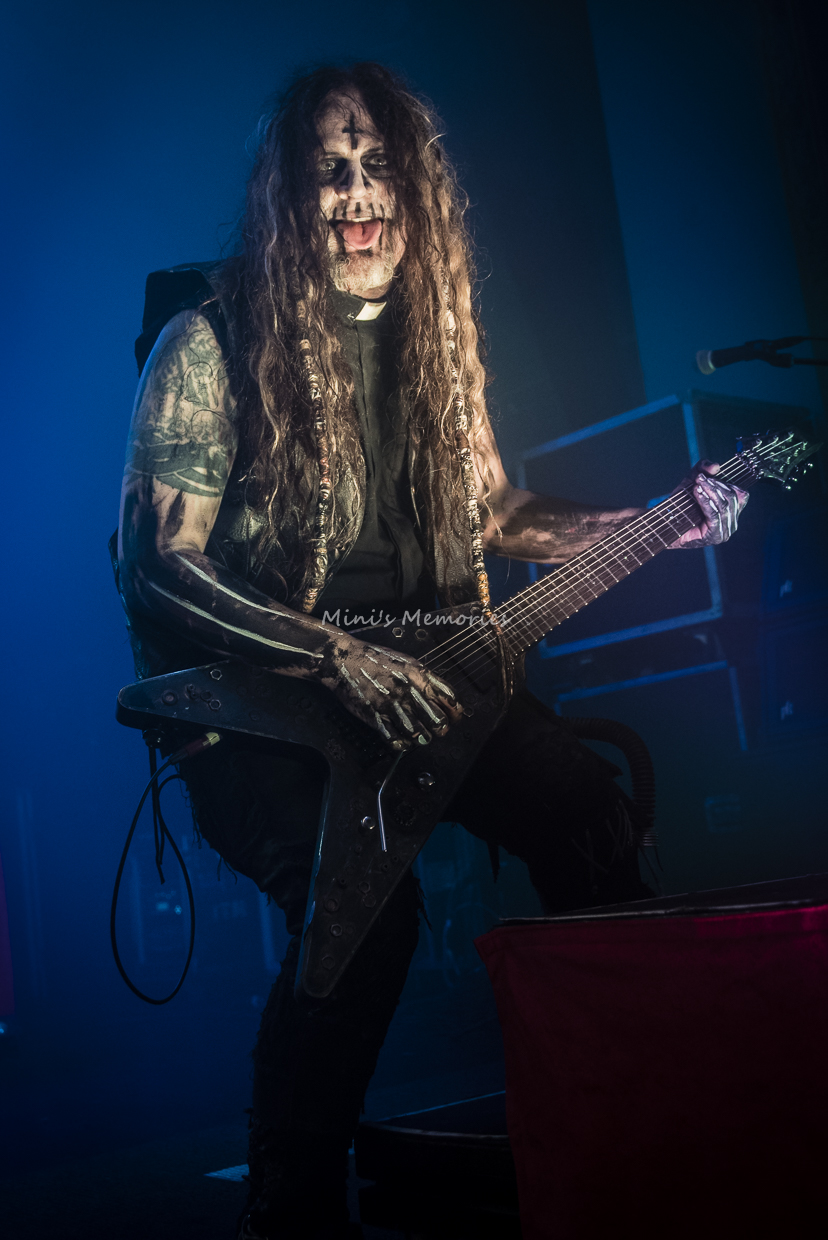
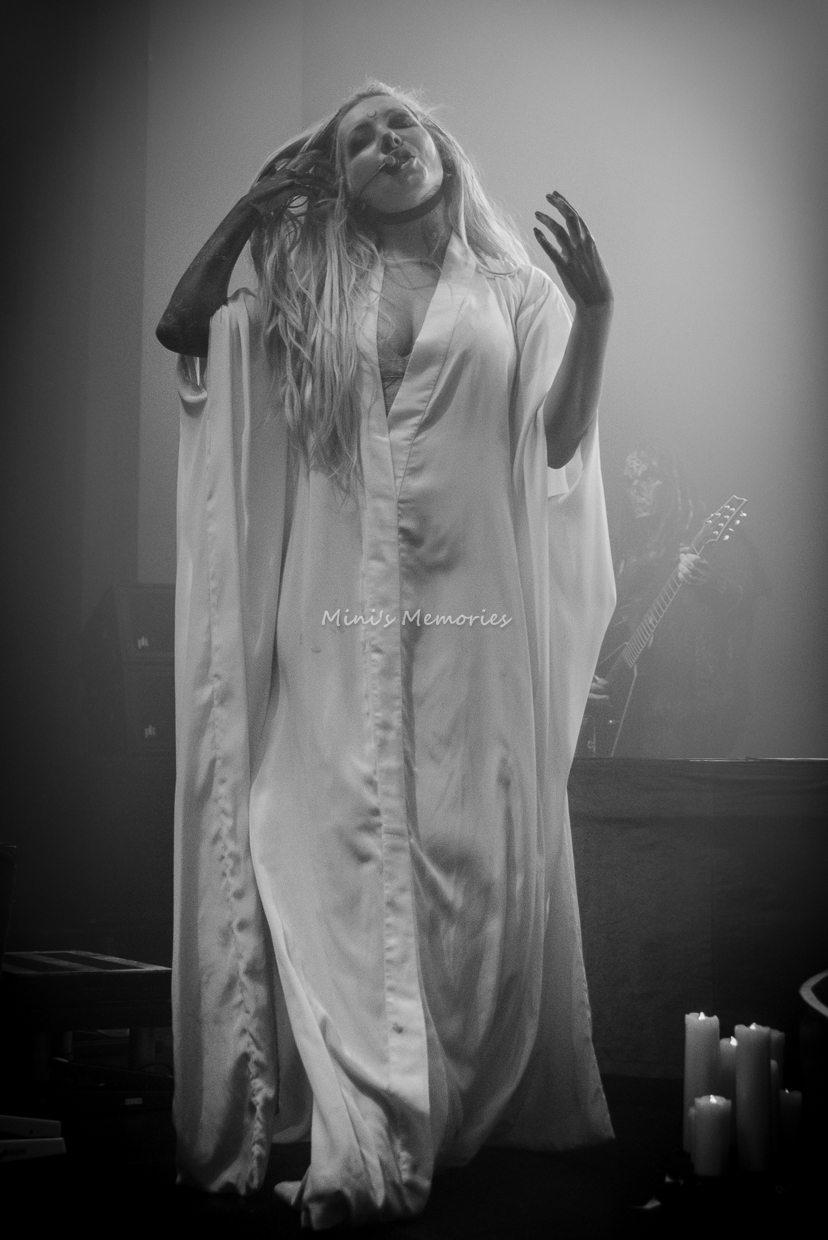
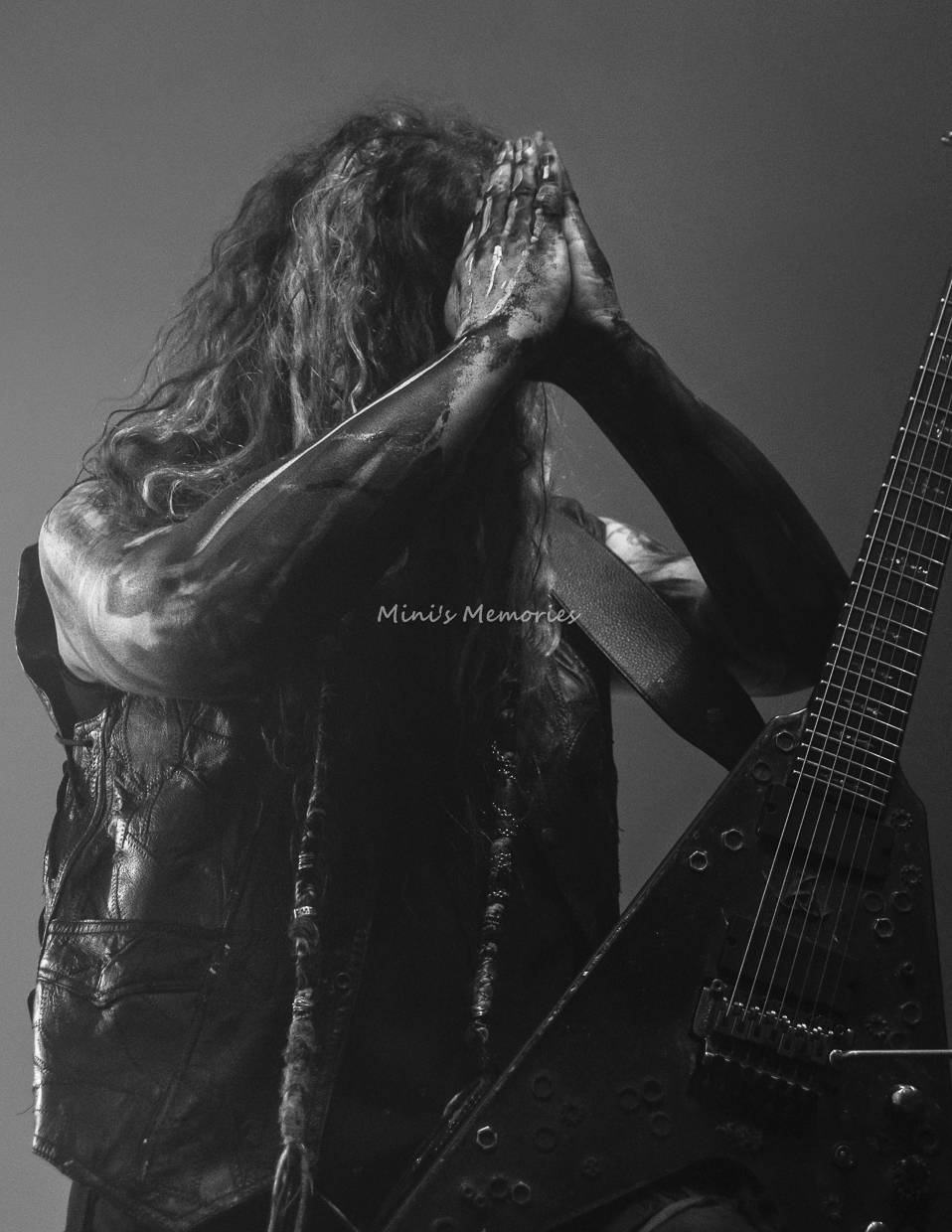
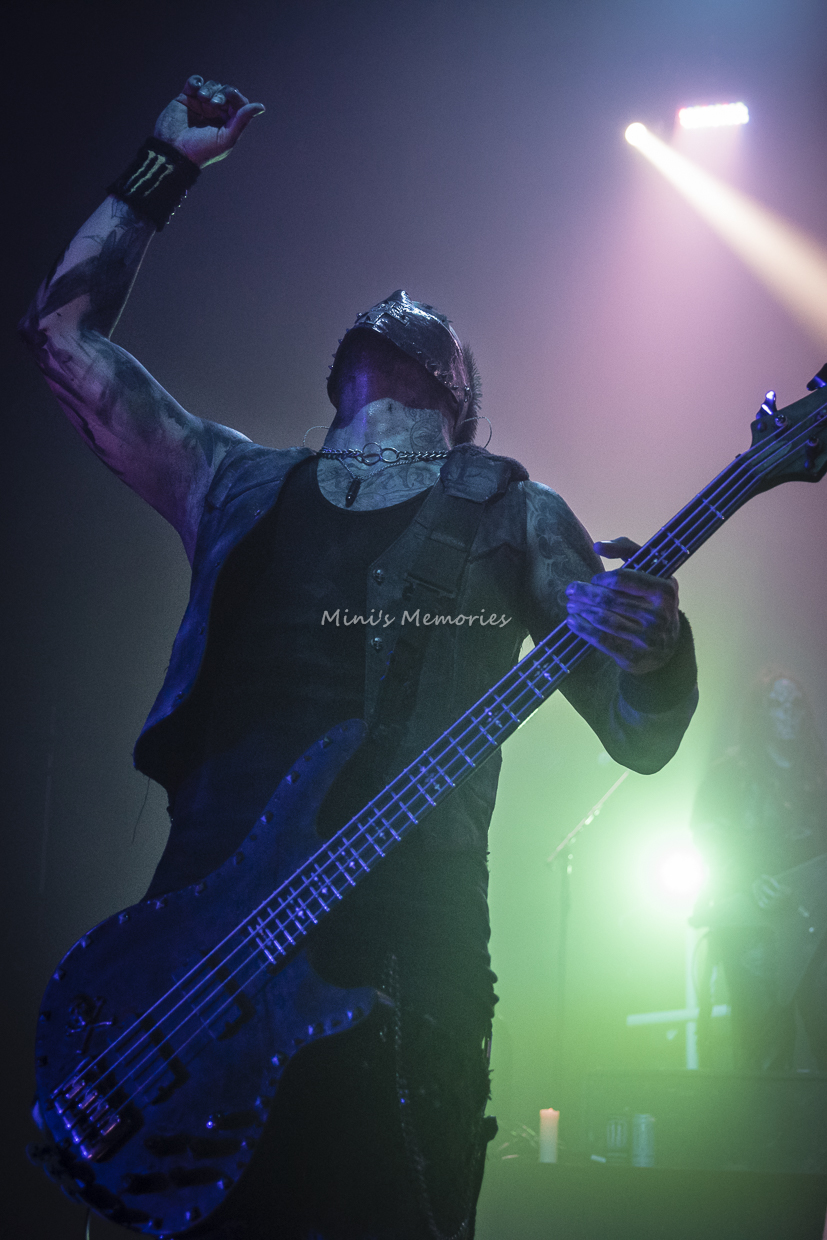
Photos: In This Moment at Toronto’s Danforth Music Hall
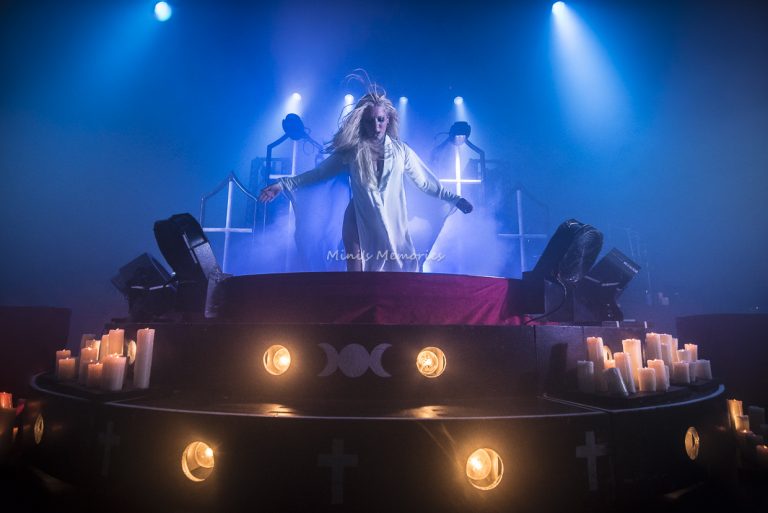
All photos taken by Mini’s Memories you can contact her at minismemories@hotmail.com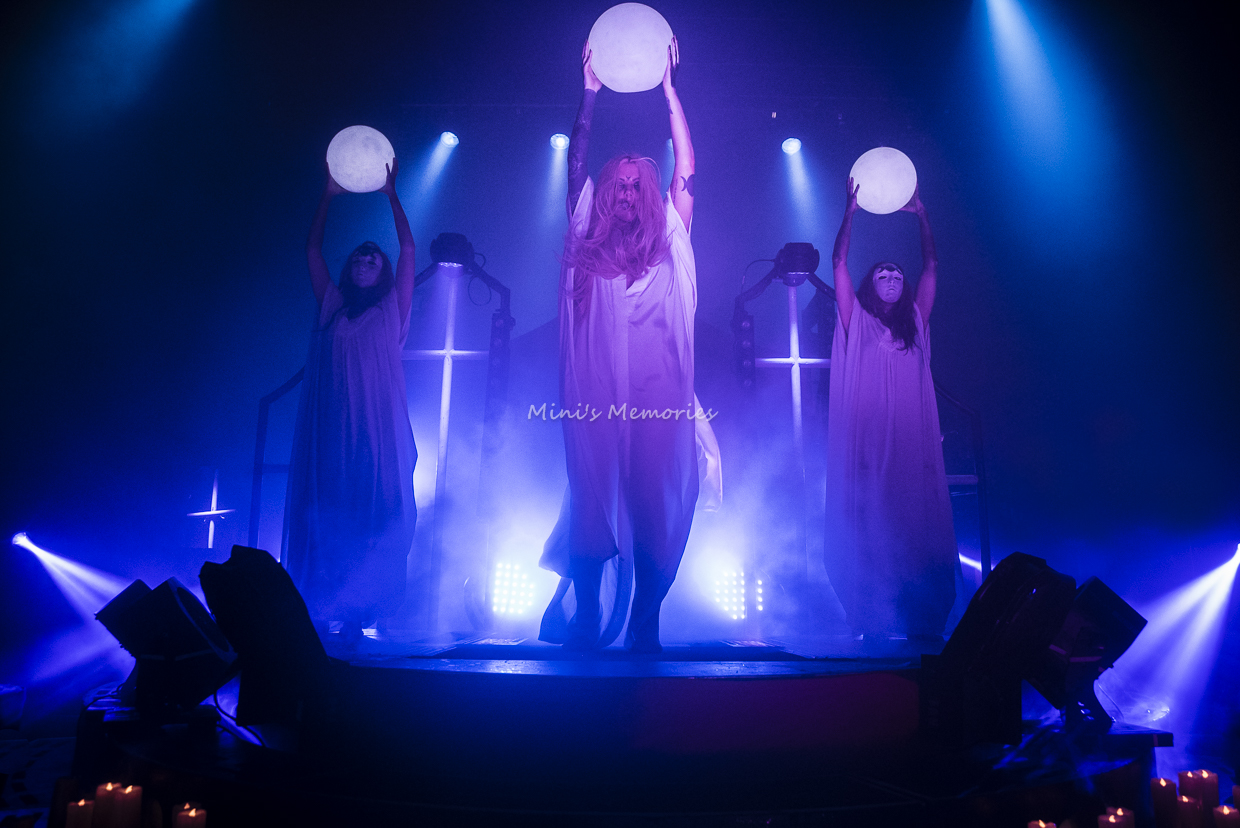



Allen Ginsberg and Paul McCartney playing “A Ballad of American Skeletons”
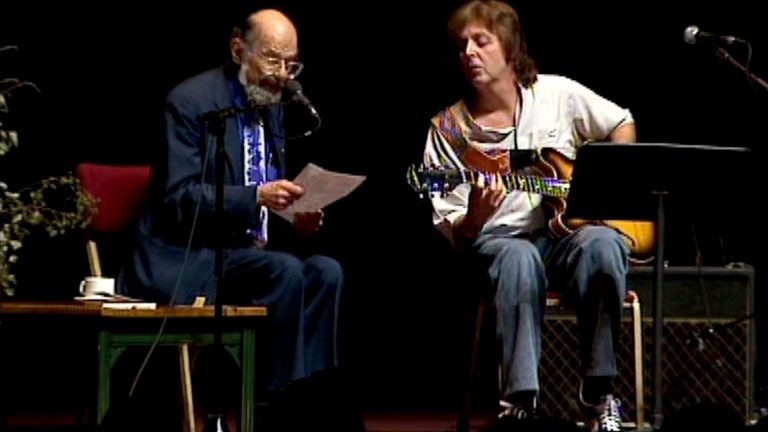
‘A Ballad of American Skeletons’ was performed by Allen Ginsberg and Paul McCartney for an evening of poetry and performance at The Royal Albert Hall promoted by Goldmark entitled ‘The Return of the Reforgotten’ in 1995.