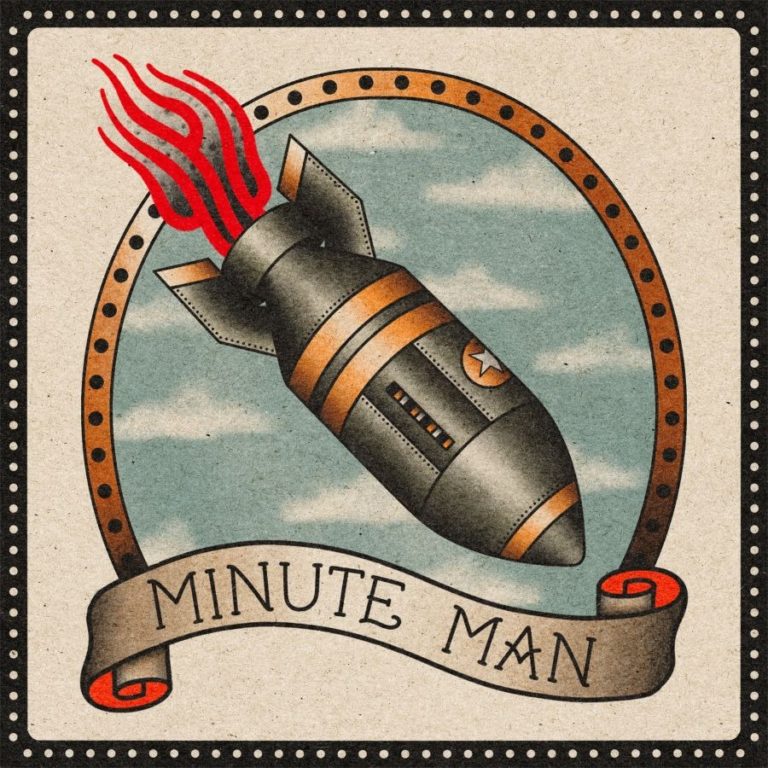
Sam Varga breaks all the rules with his new single, “Minute Man,” out on all streaming platforms today. Fusing alternative pop, Americana, and alt-country, Sam Varga transforms modern anxiety into an anthemic love song for the end of the world.
“I told myself I’d never release a political song,” Varga admits. But in a world where the political is personal-and survival feels like spectacle-he leans into the chaos, offering a defiant, cinematic track that captures the strange romance of collapse. “Minute Man” doesn’t take sides; instead, it offers a scorched-earth snapshot of young love in a broken world: biting, beautiful, and wide open to interpretation.
“We’re all made to feel like it’s the end of the world every day-whether it is or isn’t is above our clearance level,” Varga writes. “So I wrote it like a sonic inkblot test. The song doesn’t point fingers. What you love-or hate-about it probably says more about you than it does about me.” Threaded with lyrical Easter eggs and cultural landmines, “Minute Man” invites listeners to project their own beliefs, fears, and hopes onto its apocalyptic backdrop.
Sam Varga is a Nashville-based artist blending his emo roots with Southern grit and singer-songwriter soul. Originally from Louisville, Kentucky, he came up in the city’s DIY emo scene, cutting his teeth on loud guitars, basement shows, and late-night chaos. At home, his parents filled the house with ’80s rock, Southern staples, and classic lyricists, giving him a rich musical foundation. That mix of raw punk energy and emotional storytelling now fuels a sound that sits somewhere between alt-country and rock. It’s gritty yet melodic, with acoustic textures and dynamic, genre-blurring instrumentation.
Addictive, sharp, and self-aware, Varga’s music is emotionally unfiltered, self-deprecating, and unflinchingly human. Whether he’s unpacking existential dread or offering hard-won hope, his songs are made for long drives, post-party spirals, and those fleeting moments when you just need everything to make sense for a few minutes.
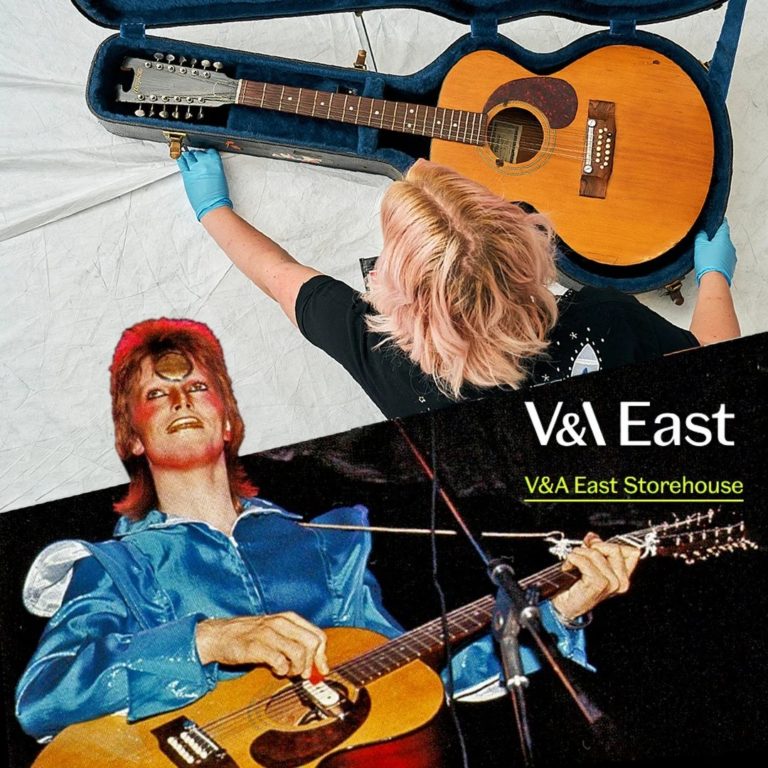
The V&A announces its David Bowie Centre is offically open at V&A East Storehouse in London, will feature an exclusive guest-curated display by Multiple award-winning musician, producer, songwriter and David Bowie-collaborator, Nile Rodgers, and Brit Award-winning indie rock band, The Last Dinner Party.
These intimate selections from Bowie’s archive offer new perspectives on one of the most iconic creatives of all time and sit alongside a series of other mini curated displays and installations exploring Bowie’s creative legacy and lasting influence.
Visitors to the David Bowie Centre, the new free-to-access working store and permanent home for David Bowie’s archive, can also book one-on-one time with their own selections from the 90,000+ items in his archive. The David Bowie archive was acquired by the V&A through the generosity of the David Bowie Estate, the Blavatnik Family Foundation and Warner Music Group. It joins over 1,000 archives from creative luminaries including Vivien Leigh, the House of Worth, and The Glastonbury Festival Archive.
@NileRodgersOfficial, who produced Bowie’s hugely successful single and 1983 album, Let’s Dance, as well as 1993’s Black Tie White Noise, has written, produced, and performed on records that have sold more than 750 million albums and 100 million singles worldwide. He has curated items reflecting what he calls his and Bowie’s shared ‘love of the music that had both made and saved our lives.’ His selections include:
* A bespoke Peter Hall suit worn by Bowie during the Serious Moonlight tour for the Let’s Dance album * Chuck Pulin photographs of Bowie, Rodgers and guitarist Stevie Ray Vaughan recording Let’s Dance in New York * Personal correspondence between Bowie and Rodgers about the 1993 Black Tie White Noise album * Peter Gabriel images of the recording sessions with backing vocalists Fonzi Thorton, Tawatha Agee, Curtis King Jr, Denis Collins, Brenda White-King, Maryl Epps, Frank Simms, George Simms, David Spinner, Lamya Al-Mughiery and Connie Petruk recording Black Tie White Noise.
Nile Rodgers, said: “My creative life with David Bowie provided the greatest success of his incredible career, but our friendship was just as rewarding. Our bond was built on a love of the music that had both made and saved our lives.”
The Last Dinner Party is a Brit award-winning band, whose electrifying performance style draws inspiration from their shared love for Bowie. They have selected objects mostly from the 1970s that illustrate how Bowie continues to inspire generations of artists to ‘stand up for themselves and their music’ and ‘steal and reinterpret’ to create something unique. Their selection includes:
* Mick Rock photos showing Bowie in intimate recording studio moments * Bowie’s elaborate handwritten lyrics for ‘Win’ from the 1974 album Young Americans * Writings and set lists for the Station to Station tour, aka Isolar – 1976 Tour * Bowie’s Electronic Music Studios (EMS) synthesiser user manual. The ‘suitcase synth’ was used on the albums Low, Heroes and Lodger, the so-called ‘Berlin’ trilogy.
Georgia Davies, Lizzie Mayland, Abigail Morris, Aurora Nishevci and Emily Roberts of The Last Dinner Party, said:
“David Bowie continues to inspire generations of artists like us to stand up for ourselves. Bowie is a constant source of inspiration to us. When we first started developing ideas for TLDP, we took a similar approach to Bowie developing his Station to Station album – we had a notebook and would write words we wanted to associate with the band. It was such a thrill to explore Bowie’s archive, and see first-hand the process that went into his world-building and how he created a sense of community and belonging for those that felt like outcasts or alienated – something that’s really important to us in our work too.”
Curated displays
The V&A East curatorial team consulted with 18-25-year-olds from the four Olympic Boroughs of Hackney, Newham, Tower Hamlets and Waltham Forest through London Legacy Development Corporation and Queen Elizabeth Olympic Park’s Elevate Youth Voice. The resulting displays delve into various elements of Bowie’s archive and creative legacy, encompassing everything from private photographs to handwritten lyrics, self-portraits, his own artist’s palette, sketches, costumes, and designs.
Nine rotating displays reveal aspects of Bowie’s extraordinary creative capacity, including ideas for projects that were never realised. Highlights include an idea to adapt George Orwell’s 1984 and unrealised Young Americans and Diamond Dogs films.
Other displays explore Bowie’s creation of his iconic personas including Ziggy Stardust and Aladdin Sane and look at his embrace of technology, futurism and science fiction, plus his legendary 1987 Glass Spider tour and concert at the Berlin Wall. Others spotlight Bowie’s creative collaborators including Gail Ann Dorsey, and the creation of the 1975 Young Americans album, alongside his wide-spread creative influence and legacy.
Madeleine Haddon, Curator, V&A East said: “Bowie embodied a truly multidisciplinary practice-musician, actor, writer, performer, and cultural icon-reflecting the way many young creatives today move fluidly across disciplines and reject singular definitions of identity or artistry. His fearless engagement with self-expression and performance has defined contemporary culture and resonates strongly with the values of authenticity, experimentation and freedom that we celebrate across the collections at V&A East Storehouse. This archive offers an extraordinary lens through which to examine broader questions of creativity, cultural change, and the social and historical moments during which Bowie lived and worked. In the Centre, we want you to get closer to Bowie, and his creative process than ever before. For Bowie fans and those coming to him for the first time, we hope the Centre can inspire the next generation of creatives.”
What to expect in the David Bowie Centre
As well as a new visitor experience, first and foremost, the David Bowie Centre is a working archive and store for Bowie’s paper-based archive with reading and study rooms. The Centre is brought to life with a series of small, curated areas including a new film showcasing a selection of performances from across Bowie’s career, and an interactive installation tracing the wide-spread impact of Bowie on popular culture from the sit-com Friends to Issey Miyake fashion and musicians from Lady Gaga, Charli XCX, Janelle Monae, and Kendrick Lamar. A series of rotating mini displays exploring different themes and elements of the archive shows approximately 200 items at one time.
A central space for facilitated object handling and exploring facsimile topic boxes also includes overhead rails of hanging Tyvek bags storing some of Bowie’s most iconic fashion and costume. These range from Freddie Burretti’s Ziggy Stardust looks to Agnes b’s Heathen ensembles, and Bowie’s 1992 Thierry Mugler wedding suit. These costumes can be ordered for closer looking as part of one-on-one appointments by using the V&A’s Order an Object service.
The David Bowie Centre is part of V&A East Storehouse at East Bank in Queen Elizabeth Olympic Park. Access to the David Bowie Centre is free and ticketed, with tickets released closer to opening.
About the David Bowie archive
The David Bowie archive encompasses 90,000+ items tracing Bowie’s creative processes as an innovator, cultural icon, and advocate for self-expression and reinvention. Items range from 414 costumes and accessories to a series of set models, nearly 150 musical instruments, amps, and other sound equipment, 187 awards, as well as life masks, framed art, merchandise including tour t-shirts, posters, Bowie’s own desk, props and scenery for concerts, film and theatre. Paper-based material includes notebooks, diaries, lyrics, scripts, correspondence, project files, writings, unrealised projects, cover artwork, designs, concept drawings, fan mail and art. Most of the paper-based material is made up of photographic prints, negatives and transparencies, numbering over 70,000 items.
Highlights include stage costumes such as Bowie’s Ziggy Stardust and Aladdin Sane ensembles designed by Freddie Burretti and Kansai Yamamoto (1970s), lyrics for songs including Fame (1975), Heroes (1977) and Ashes to Ashes (1980), as well as examples of the ‘cut up’ method of writing introduced to Bowie by the writer William Burroughs.
Cataloguing the David Bowie archive is ongoing and one of the largest V&A cataloguing projects to-date. The V&A aims to complete the cataloguing process by the end of 2026.
One-to-one bookings
Bookings to see 3D items from the David Bowie archive, including costumes, musical instruments, models, props and scenery, can be made through the V&A’s new sevenday-a-week Order an Object service. Visitors can book up to five items per visit at a time that suits them. Bookings require at least two weeks’ notice and Bowie items will begin to go live for advance booking from September.
Once the Centre opens, paper-based items including sketches, designs, writings, lyrics, press cuttings, and photographic prints, negatives and transparencies can be consulted through scheduling advance appointments with the Archives team.
Design approach
The David Bowie Centre is designed by London and Paris-based design company, IDK, and celebrates the unique environment of V&A East Storehouse and the extraordinary character of David Bowie himself. Balancing storage with stagecraft, the Centre is a dynamic space to explore Bowie’s life, work and legacy offering a deeply personal insight into Bowie’s world.
Built using V&A East Storehouse’s existing utilitarian ‘kit of parts’ system, the Centre features a mix of permanent and rotating displays, a dedicated study room, and an object handling space. Open and inclusive, IDK’s design approach is inspired by Bowie’s own creative method of cutting up and rearranging ideas – bringing together different elements to form something new, surprising, and alive.
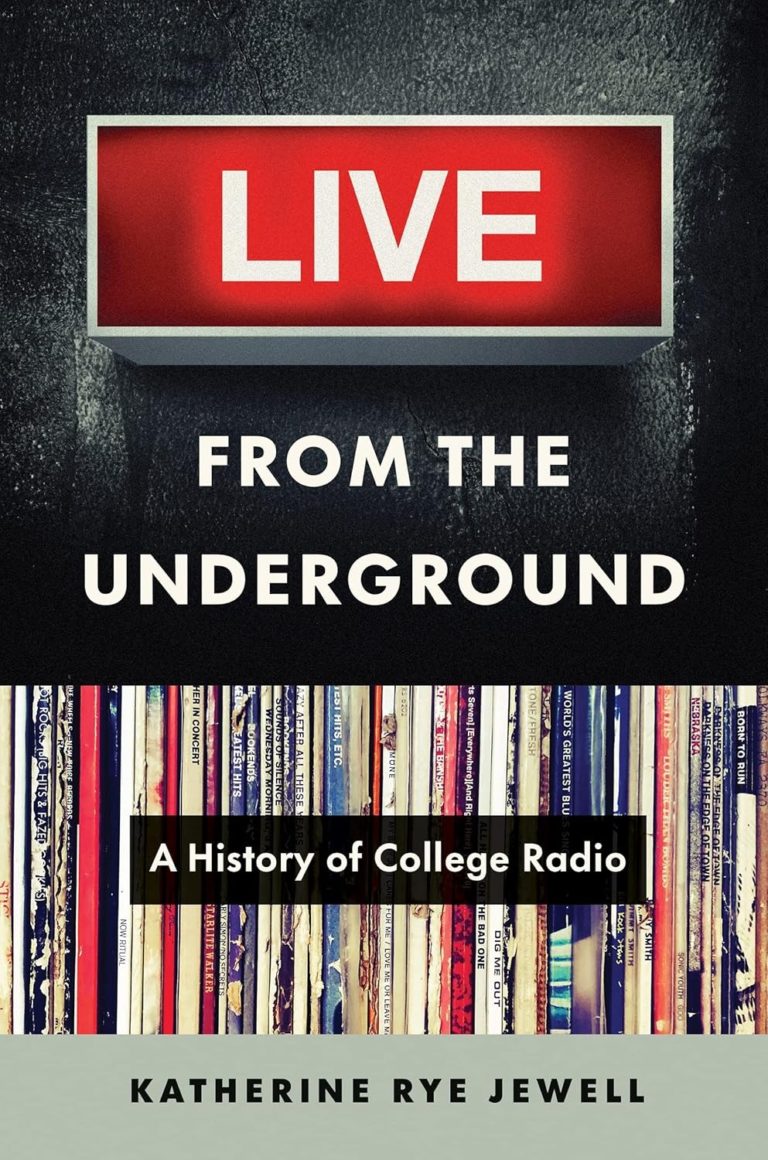
Bands like R.E.M., U2, Public Enemy, and Nirvana found success as darlings of college radio, but the extraordinary influence of these stations and their DJs on musical culture since the 1970s was anything but inevitable. As media deregulation and political conflict over obscenity and censorship transformed the business and politics of culture, students and community DJs turned to college radio to defy the mainstream—and they ended up disrupting popular music and commercial radio in the process. In this first history of US college radio, Katherine Rye Jewell reveals that these eclectic stations in major cities and college towns across the United States owed their collective cultural power to the politics of higher education as much as they did to upstart bohemian music scenes coast to coast.
Jewell uncovers how battles to control college radio were about more than music—they were an influential, if unexpected, front in the nation’s culture wars. These battles created unintended consequences and overlooked contributions to popular culture that students, DJs, and listeners never anticipated. More than an ode to beloved stations, this book will resonate with both music fans and observers of the politics of culture.
Katherine Jewell is professor of History at Fitchburg State University in Massachusetts, where she teaches modern American history. A historian of the business and culture of politics, her work explores how ordinary Americans experience, interpret, challenge, and shape policy and culture. She is the author of two books, and her work has appeared in several outlets including the OAH’s American Historian magazine and the Washington Post. She earned her Ph.D. and M.A. in History from Boston University and her B.A. in History and Anthropology from Vanderbilt University.
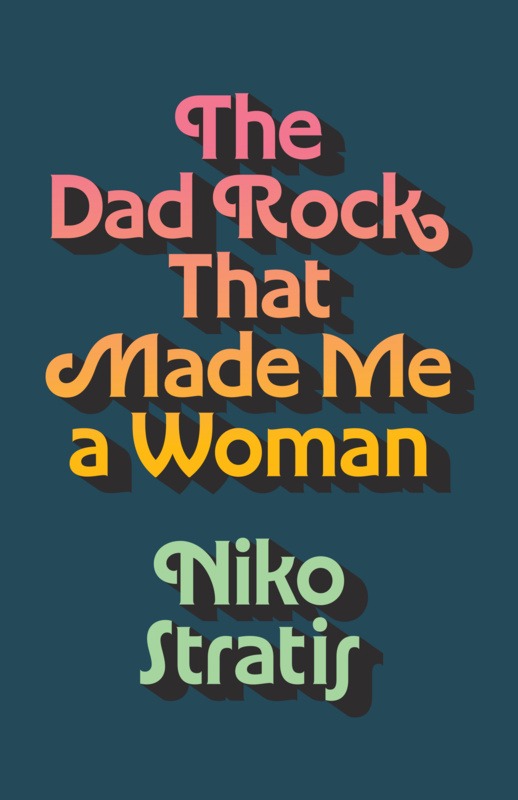
When Wilco’s 2007 album Sky Blue Sky was infamously criticized as “dad rock,” Niko Stratis was a twenty-five-year-old closeted trans woman working in her dad’s glass shop in the Yukon Territory. As she sought escape from her hypermasculine environment, Stratis found an unlikely lifeline amid dad rock’s emotionally open and honest music. Listening to dad rock, Stratis could access worlds beyond her own and imagine a path forward.
In taut, searing essays rendered in propulsive and unguarded prose, Stratis delves into the emotional core of bands like Wilco and The National, telling her story through the dad rock that accompanied her along the way. She found footing in Michael Stipe’s allusions to queer longing, Radiohead’s embrace of unknowability, and Bruce Springsteen’s very trans desire to “change my clothes my hair my face”—and she found in artists like Neko Case and Sharon Van Etten that the label transcends gender. A love letter to the music that saves us and a tribute to dads like Stratis’s own who embody the tenderness at the genre’s heart, The Dad Rock That Made Me a Woman rejoices in music unafraid to bare its soul.
Niko Stratis is an award-winning writer from Toronto by way of the Yukon, where she spent years working as a journeyman glazier before coming out as trans in her thirties and being forced to abandon her previous line of work. Her writing has appeared in publications like Catapult, Spin, Paste and more.
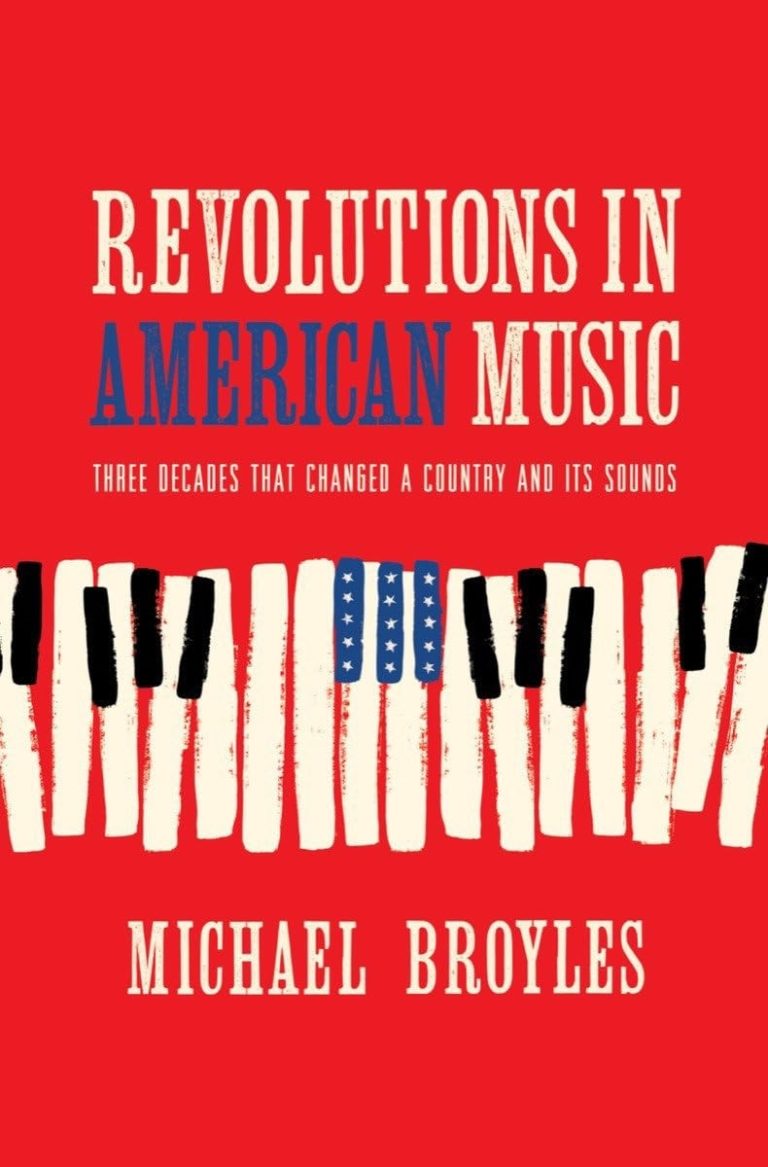
The story of how unexpected connections between music, technology, and race across three tumultuous decades changed American culture.
How did a European social dance craze become part of an American presidential election? Why did the recording industry become racially divided? Where did rock ’n’ roll really come from? And how do all these things continue to reverberate in today’s world?
In Revolutions in American Music, award-winning author Michael Broyles shows the surprising ways in which three key decades—the 1840s, the 1920s, and the 1950s—shaped America’s musical future. Drawing connections between new styles of music like the minstrel show, jazz, and rock ’n’ roll, and emerging technologies like the locomotive, the first music recordings, and the transistor radio, Broyles argues that these decades fundamentally remade our cultural landscape in enduring ways. At the same time, these connections revealed racial fault lines running through the business of music, in an echo of American society as a whole.
Through the music of each decade, we come to see anew the social, cultural, and political fabric of the time. Broyles combines broad historical perspective with an eye for the telling detail and presents a variety of characters to serve as focal points, including the original Jim Crow, a colorful Hungarian dancing master named Gabriel de Korponay, “Empress of the Blues” Bessie Smith, and the singer Johnnie Ray, whom Tony Bennett called “the father of rock ’n’ roll.” Their stories, and many others, animate Broyles’s masterly account of how American music became what it is today.
Michael Broyles holds a PhD from the University of Texas at Austin and is professor of musicology at Florida State University. He was formerly the music critic for the Baltimore Sun and is a past president of the Society for American Music.
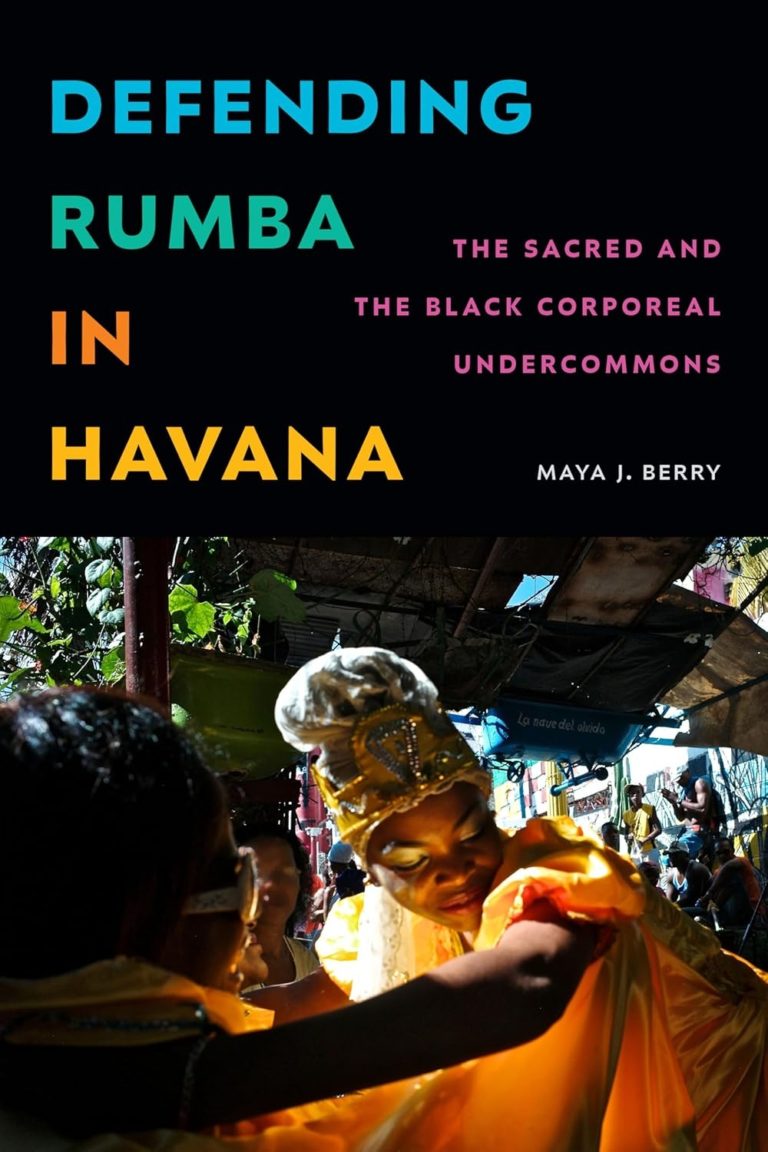
In Defending Rumba in Havana, anthropologist and dancer Maya J. Berry examines rumba as a way of knowing the embodied and spiritual dimensions of Black political imagination in post-Fidel Cuba. Historically a Black working-class popular dance, rumba, Berry contends, is a method of Black Cuban struggle that provides the community, accountability, sustenance, and dignity that neither the state nor the expanding private market can. Berry’s feminist theorization builds on the notion of the undercommons to show how rumba creates a space in which its practitioners enact deeply felt and dedicatedly defended choreographies of reciprocity, refusal, sovereignty, devotion, and pleasure, both on stage and in their daily lives. Berry demonstrates that this Black corporeal undercommons emphasizes mutual aid and refuses neoliberal development logics, favoring instead a collective self-determination rooted in African diasporic spiritual practices through which material compensation and gendered power dynamics are negotiated. By centering rumba to analyze how poor Black Cubans navigate gendered and racialized life, Berry helps readers better understand the constraints and yearnings that move diasporic Black struggles to seek refuge beyond the bounds of the nation-state.
Maya J. Berry is Assistant Professor of African, African American, and Diaspora Studies at the University of North Carolina at Chapel Hill.
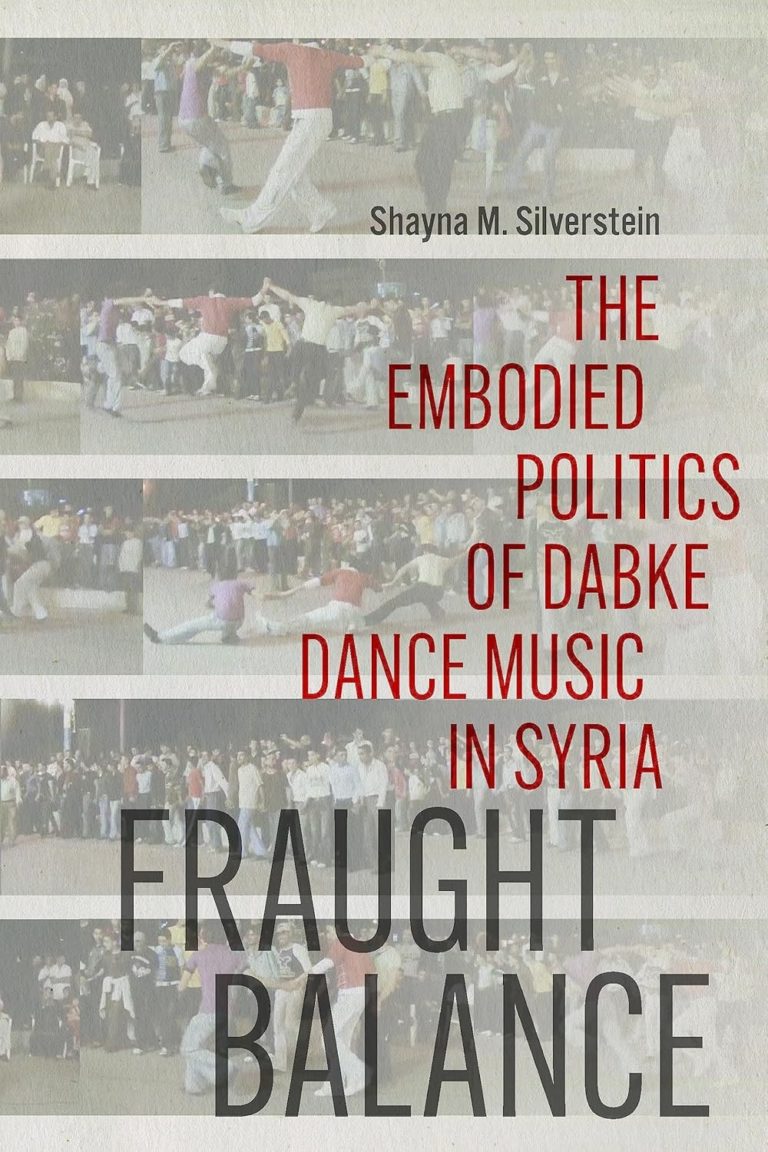
Dabke, one of Syria’s most beloved dance music traditions, is at the center of the country’s war and the social tensions that preceded conflict. Drawing on almost two decades of ethnographic, archival, and digital research, Shayna M. Silverstein shows how dabke dance music embodies the fraught dynamics of gender, class, ethnicity, and nationhood in an authoritarian state. The book situates dabke politically, economically, and historically in a broader account of expressive culture in Syria’s recent (and ongoing) turmoil. Silverstein shows how people imagine the Syrian nation through dabke, how the state has coopted it, how performances of masculinity reveal?and play with?the tensions and complexities of the broader social imaginary, how forces opposed to the state have used it resistively, and how migrants and refugees have reimagined it in their new homes in Europe and the United States. She offers deeply thoughtful reflections on the ethnographer’s ethical and political dilemmas on fieldwork in an authoritarian state. Silverstein’s study ultimately questions the limits of authoritarian power, considering the pleasure and play intrinsic to dabke circles as evidence for how performance cultures sustain social life and solidify group bonds while reproducing the societal divides endemic to Syrian authoritarianism.
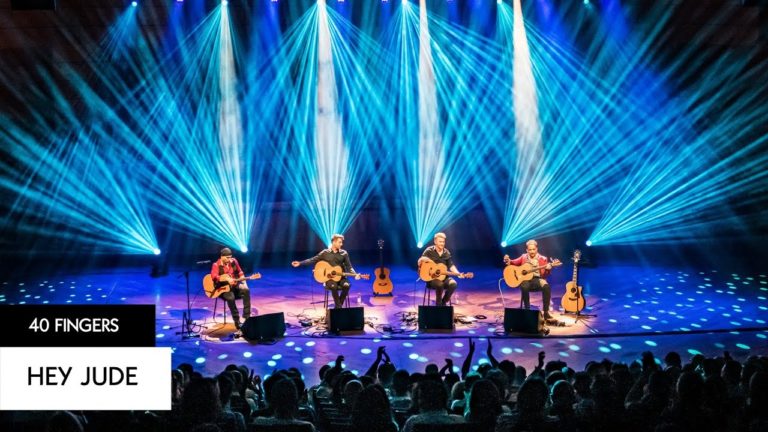
When 40 Fingers took the stage at Teatro Dal Verme in Milan, something magical happened. Their stunning acoustic cover of “Hey Jude” turned into a massive singalong, as the crowd carried the chorus in perfect harmony. The band paused, smiled, and let thousands of voices finish the song — a moment The Beatles themselves would’ve given their thumbs aloft.
Today, Bootsy Collins releases a high-energy remix of fan-favorite song “Bubble Pop” from his critically acclaimed record Album of the Year #1 Funkateer on Bootzilla Records / Roc Nation. The funk legend tapped chart-topping DJ and producer Mousse T. for a sped-up, even funkier version of the joyous track that also features Ice Cube, Fantaazma, and Brother Nature – listen here.
Speaking on the remix, Bootsy says “Mousse T & I go back to my WEA-Germany Warner Brothers dazes latter part of the 90’s! In my eye’s I saw him as a Artist 1st then saw his skills as a Producer in the studio. He was always professional & he could throw down at the Parties we attended as his moon lite gig was DJing. He was the 1st one I thought of to Remake/Remix “Bubble Pop” because he knows that Party crowd. So I buzzed him up & said Give up the Funk! We have that kind of relationship. Mousse T is an all around musical being that keeps up on the pulse of the people. He surrounds himself with Good Vibes. Bootsy Collins baby!!!”
Mousse T. adds, “Bootsy and I go waaaaaay back. I was privileged to work with Bootsy in my studio in Germany on his album „Fresh outta „P“ university and then executively produce his album „Play with Bootsy“. We´ve been in touch ever since and when Bootsy called for a remix, it was all engines go! Basically I like the original vibe a lot, so I just wanted to funk it up a bit. Sped up the tempo a bit and got some new beats going. Also Ice Cube being on the track gave me the idea to give it a bit of G-Spice.”
“Bubble Pop (Remix)” is Bootsy’s first new drop following the release of his 23rd studio LP, Album of the Year #1 Funkateer, which has already received critical acclaim from GRAMMY.com, Rolling Stone, Billboard, Forbes, SPIN, Afropunk, Relix, FLOOD, and more. Even at his 73 year-old, funk legend, wise-elder status, he remains a deeply curious, experimental artist who is ever-evolving. This album finds Bootsy in the producer’s chair, with an A&R top hat and the funky bass still in his hands. He’s gathered talent established and new – including Snoop Dogg, Ice Cube, Wiz Khalifa, and Dave Stewart, as well as newcomers October London, Harry Mack, Baby Triggy, Fantaazma, and more.
“When I start on a project now, it’s about getting the energy from people around me,” says funk maestro Bootsy Collins. “Because the way I came up, with a band, I don’t ever want to lose that. It’s important to me to see who the universe brings for me, and I’ve been really blessed that every time I want to do a new record, I get these incredible musicians around me, right on time. And that’s what this album is about—hooking up with different musicians and artists, and mainly a lot of young people.”
The result is a genre-bending kaleidoscope of funk, punk, rock, r&b, pop, and even a little electronic futuristic vibes as Bootsy contemplates AI. He is letting his alter egos – Bootdullivan, Bootzilla, Caspar the funky ghost, and Bootronix among others – join the party, with seductive jams (“Pure Perfection”), futuristic exploratory musings (“I.Am.AI.”, “Ubiquitous” – a true jam), pure funk fun (“Bubble Pop”, “Fishnets”, “Chicken & Fries”) and unexpected rock-pop genius (“Satellite”).
Talking about his new Album of the Year #1 Funkateer leads Rock and Roll Hall of Famer Collins to revisit the most pivotal moment in his legendary career, when James Brown hired the Pacemakers—the band led by teenage Bootsy and his brother Catfish—to replace his backing group in 1970.
“I understand now why we were really important at that particular time for James Brown,” says Collins. “It wasn’t just the music. It was because we were lit up, and I understand that more now. With the young artists that are really on fire, I get lit up, and it reminds me that you don’t have to just stand around and not be feeling it, you can be absorbing all this fresh, new energy. I get off on that. I guess you can say that I moved from being a player and now I’m a coach. I want to be looked at as a help, a mentor, somebody they can look up to and trust. That’s my goal.”
In addition to working with young artists like Barbara Teleki (whose blazing guitar rips up “Barbie T & Me”) and the mysterious Bootdullivan, Collins brought in some other legendary contributors to help him mix things up on Album of the Year, including longtime friend Dave Stewart of Eurythmics.
“I asked Dave if he would be interested in collaborating,” says Collins, “and that sparked the first vibe of, yeah, I can stretch out—I can make some rock and funk and merge that together with some hip-hop. That’s what we did on the first single, ‘The Influencers.’”
“Then on ‘Satellite,’ I heard him playing acoustic guitar and that put me in the right mood,” he continues. “Okay, this can be, like, a real song from Bootsy. I usually don’t do real songs, I guess that’s part of my thing, but that one and ‘Alien Flytrap’ brought me back to why people do songs with a form and a structure and this time, I wanted to.”
The album also reunites Collins with Snoop Dogg, Ice Cube, and tha Dogg Pound, all of whom helped keep the P-Funk flag flying by mutating the sound into the West Coast G-Funk era. “Even before we knew each other, we were drawn to each other,” says Collins. “They’ll never forget, and we’ll never forget them, because they kept the fire burning. It’s like we’re each other’s keeper. They can call me, I can call them, whatever you need, I’m there.”
FUNK NOT FIGHT & BOOTSY COLLINS NETWORK
In addition to the new album, Bootsy has many other endeavors including Bootsy’s peace-driven initiative Funk Not Fight, and the new Bootsy Collins Network, the ultimate destination for live entertainment and on-demand content. Dive into a world of electrifying live-streaming channels featuring Pay-Per-View events, exclusive video-on-demand content, and groundbreaking live product launches. Whether you’re tuning in for high-energy concerts, the latest in tech innovations, or intense e-sports action, the Bootsy Collins Network delivers an immersive experience like no other. Bootsy Collins network will be available across all major streaming services, including Apple iOS, Google Android, Roku, Amazon Fire TV, and Google TV, ensuring you never miss a moment of the excitement. From legendary live performances to cutting-edge digital experiences, we bring you front-row access to the best in music, technology, and gaming—all in one place.
Track Listing for Album of the Year #1 Funkateer 01. Album of the Year #1 Funkateer feat. Myra Washington and Bootdullivan 02. The JB’s Tribute Pastor P feat. Harry Mack, Clyde Stubblefield, John “J’abo” Starks, Fred Wesley, and Daru Jones 03. Bootdullivan is Soopafly feat. Ouiwey Collins, Kokane, Daz Dillinger, and Soopafly 04. The InFluencers feat. Dave Stewart, Wiz Khalifa, Snoop Dogg, WestCoast Stone, and Fantaazma 05. Bubble Pop feat. Ice Cube, Fantaazma, and Brother Nature 06. Fishnets feat. Myra Washington, Kurupt, Matthew Whitaker, and Daz Dillinger 07. Satellite feat. Dave Stewart and Brother Nature 08. Ubiquitous feat. Casper the Funked up Ghost and Kid Talk 09. Hundo P feat. Fantaazma and Snoop Dogg 10. Chicken & Fries feat. Soopafly, Myra Washington, Baby Triggy and Fantaazma 11. Pure Perfection feat. Fantaazma, Gilbert Driver and Bedroom Bootsy 12. Anybody Out There feat. Myra Washington and Brother Nature 13. BeWild feat. Isis Valentino, Alexandria Rosemond, and Brother Nature 14. Alien Flytrap feat. Dave Stewart and Bootdullivan 15. Reach the Zone feat. October London, Musiq Soulchild, and Bedroom Bootsy 16. 2Nite we Rise feat. DREION, Fantaazma, ZGM Precious Praisers, and Casper the Funked up Ghost 17. I.Am.AI. feat. Tobotius, I.AM, and Kid Talk 18. Barbie T & Me (Tribute To Buckethead) feat. Barbie T, Zillatron
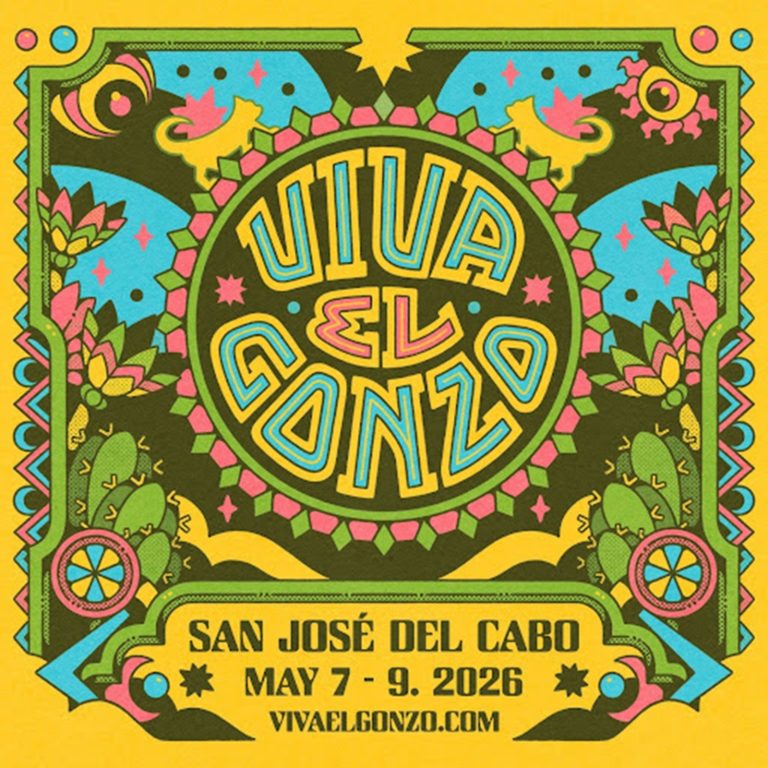
Goose have announced the second iteration of their annual destination festival, Viva El Gonzo, produced by 100x Hospitality and set for May 7-9, 2026 in San José del Cabo, Mexico. A three-day music and arts festival held in a sacred tropical oasis on the southern tip of the Baja California desert, Viva El Gonzo will see Goose playing all three nights, joined by an all-star assembly of special guests for an immersive musical experience like no other. A complete lineup will be announced soon. GA Festival Tickets, TED and Super TED VIP, and travel packages are available now. Payment plans are available with 5% down payment. For complete details and ticket information, please see www.vivaelgonzo.com.
This spring’s inaugural edition of Viva El Gonzo proved an unforgettable milestone in what is fast shaping up as Goose’s most momentous year thus far. The three-day event saw a vibrant array of powerhouse performances from Goose and their star-studded lineup of guests, all set on the Baja California coastline against the breathtaking backdrop of the Sea of Cortés. Goose showcased their awe-inspiring range and creative imagination over the course of seven completely unique sets, with countless highlights including surprising covers, expansive jams on beloved fan favorites, the debut of exhilarating new originals, and live renditions of every song from their acclaimed new album, Everything Must Go. All told, Viva El Gonzo represented a titanic moment for Goose, exceeding all expectations with its genre-blurring performances, groundbreaking approach towards programming, and inspired variety of once-in-a-lifetime experiences, setting an extraordinary bar for future iterations going forward.
The ”Everything Must Go Tour” celebrates the recent arrival of Goose’s new album, Everything Must Go, available everywhere now via No Coincidence Records. Goose’s fourth studio LP and first new studio collection in nearly three years following 2022’s critically acclaimed Dripfield, the album marks both a statement of intent for Goose as well as an arrival of sorts — a journey for fans and newcomers alike through the group’s past, present, and infinite future. The album was met with a great deal of excitement from the media upon release, with features appearing in the New York Times and Vulture and others, as well as a performance on CBS Saturday Morning alongside an interview with Anthony Mason.
Hailed by PopMatters as “superb…one of the best studio albums by a jam band to date,” the album includes such extraordinary new tracks as the propulsive fan favorite, “Thatch,” the searching “Lead Up,” the breezy, atmospheric “Your Direction,” and euphoric first single, “Give It Time,” the latter two accompanied by official music videos streaming now on YouTube. In addition, the LP’s deeply moving title track is joined by a visually arresting official music video directed and designed by award-winning animator Chris Hopewell (known for his distinctive work with Radiohead, The Killers, Run The Jewels, Father John Misty, and many more).