Home Blog Page 270

The Comeback of Traditional Instruments in Modern Music

0

By Mitch Rice

We all know that music is the reflection of how people express themselves, not even now but across generations. Every generation brings new sounds, but there is nothing to deny that roots always stay somewhere underneath. 

Today, something interesting is happening. Traditional instruments that were once pushed aside by digital production are coming back because it is liked by genuine choice by musicians and listeners. 

Let’s explore why traditional instruments are making a strong comeback in modern music. 

Why Traditional Instruments Are Gaining Popularity Again

If we see the reason behind this comeback then many things come to the fore. A growing tiredness with over-produced sound with a desire for authenticity and the rise of social media platforms that reward raw, acoustic content, all these play a role in this comeback. These things are bringing instruments like the acoustic guitar, violin, banjo and even the lyre harp instrument back into everyday music.

The Role of Digital Fatigue

Many music listeners are fed up with music that sounds too clean and too processed. Many people now feel every sound is the same in modern pop production. But if we look at traditional instruments, it offers an alternative no matter if it is plucked bagpipes, lyre harp or violin. All these instruments carry a warmth that no latest software plugin fully replaces. 

This is the main reason why many musicians are now reaching for them again. Many famous artists have built their entire sound around honest acoustic playing and folk storytelling. Not only that, Paris Paloma released a lute-driven folk song in 2023 that hit one million Spotify streams in 24 hours. Which showed that listeners were so ready for this kind of music. 

​​Influence of Social Media and Online Platforms

 The worldwide return of traditional instruments is clear and the role of social media has been very powerful in it. No matter if its TikTok, Youtube or instagram, the short music videos travel fast and connect people deeply worldwide. Many musicians who play traditional instruments have built large audiences simply by recording themselves playing at home. 

Which Instruments Are Leading the Comeback

Different traditional instruments are also finding their audiences in different ways. Acoustic guitars are the most visible in this comeback. It is because artists like Ed Sheeran and Tylor Swift ground their modern sound. Not only that, Banjos and mandolins are appearing in indie albums. Violins and cellos have moved out of classical concert halls and into bedroom recordings.

The lyre harp instrument is also part of this wave. It is one of the oldest stringed instruments in history, and today it is being picked up by beginners and folk musicians. It is small, affordable, and produces a tone that feels immediately calm and human. Its presence on social media platforms has introduced it to a whole new generation.

The Role of Beginner Musicians and Accessibility

At the heart of this comeback is accessibility. Instrument makers who possess expertise continue to create high-quality instruments which people from all income levels can purchase. These old instruments keep traditional sounds alive while opening the door to new players. If we see online tutorials, they enable you to begin learning without needing a teacher. A beginner can easily pick up an acoustic guitar today and be able to play simple melodies within days.

According to IMARC Group, the global musical instrument market is expected to reach $19.34 billion by 2033. The research shows that a major portion of the expansion results from young students selecting acoustic and traditional instruments instead of digital instruments.

The Blend of Old and New

If traditional instruments are coming back that doesn’t mean digital production is going away. Instead, the two are working together. If we take an example like Billie Eillish, she wove a ukulele into electronic soundscapes on her debut album. Bon Iver starts with folk roots and builds into experimental production. 

The traditional instrument provides the song with a human connection through its performance. The artist has complete freedom to choose modern elements for their music. Listeners are connecting with this musical combination. According to Future Market Insights, acoustic instruments held 55% of the overall instrument market share in 2024. The indication shows that people continue to prefer authentic products despite existing in a digital environment.

The Future of Traditional Instruments in Modern Music

The future appears to have positive prospects. People will keep using traditional instruments because they prefer genuine sound and true musical expression. The music industry will see an increase in contemporary instruments which combine classic designs and portable and easy-to-use features and artists who mix acoustic music with modern production techniques. The instruments will maintain their original identity while developing new forms of musical relevance.

The old musical instruments from the past continue to be used in current music. The instruments are returning because they still produce music. The instruments create connections between people. The current music industry finds this connection to be more essential than any previous time.
Gold-Certified British Pop Star Mae Stephens Bares Her Soul On Heartbreak Single “Blue” Ahead Of UK Tour

0

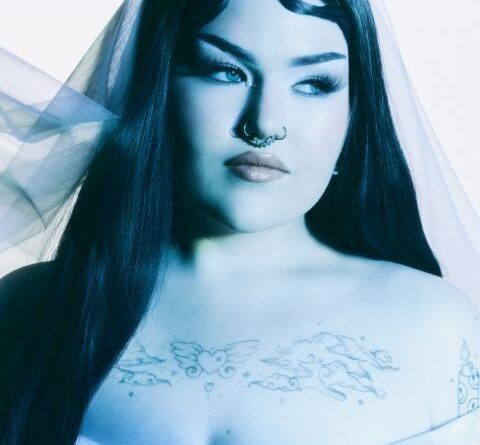
Mae Stephens releases “Blue” today, a new single co-written and co-produced with Dutch producer Morgan Avenue (Rita Ora, Cher Lloyd) and Jheynner Argote Frias. The track reunites Stephens with the creative partnership behind her viral Gold-certified breakout “If We Ever Broke Up,” which earned certifications across the UK, US, Canada, New Zealand, Brazil, and Poland. “‘Blue’ has such a personal unique touch to it,” Stephens says. “The ‘Blue Line’ is something I created as sometimes anger just isn’t the way to go. Crossing a blue line results in disappointment and simply a means to an end. It’s fed up and tired of the same thing, drying up that last drop of hope you had for the other person or the relationship you share.”

Stephens goes deep on the making of the track. “We had so much fun creating this song and playing around with the structure, as ‘Blue’ has an intro leading into the first verse which I’ve never done before,” she says. “I remember recording so many versions of the chorus to find that perfect sweep of the melody that conveyed the level of emotion blue represents. There are so many technical things woven into this song that truly make it special thanks to Mo and Jay, two absolutely incredible musicians.” The accompanying video, centered on two dancers performing a raw ballet routine, builds to Stephens stepping into frame in a black wedding gown and veil. “Blue” follows recent single “Done With U” and arrives ahead of an eleven-date UK headline tour opening March 18 in Norwich.

MAE STEPHENS UK TOUR DATES:

March 18 — Norwich — Norwich Arts Centre

March 19 — Sheffield — Sidney & Matilda

March 21 — Edinburgh — Sneaky Pete’s

March 22 — Newcastle — The Cluny

March 24 — Nottingham — Bodega Social Club

March 25 — Birkenhead — Future Yard CIC

March 27 — Cardiff — Clwb Ifor Bach

March 28 — Bristol — The Louisiana

March 29 — Tunbridge Wells — Tunbridge Wells Forum

March 31 — Bedford — Bedford Esquires

April 1 — London — The Lower Third

Texas-Born Pop Firecracker Tiffany Stringer Takes Aim At Her Cheating Ex On Atlantic Records Debut Single “Bullet”

0

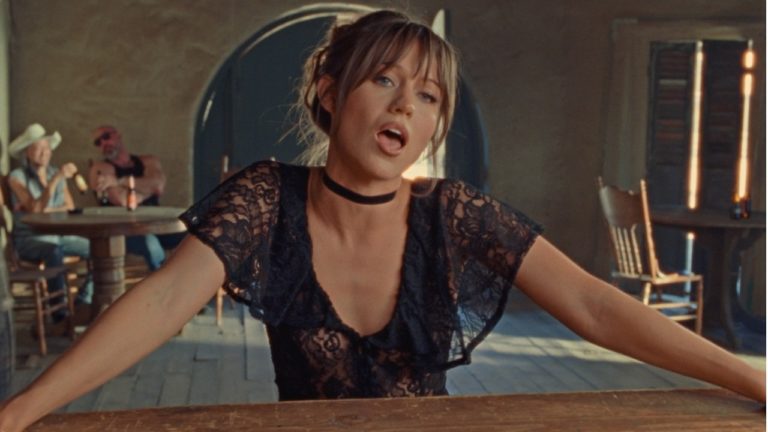
Tiffany Stringer releases her Atlantic Records debut single “Bullet” today, a pop-country break-up anthem produced by Jack Riley and accompanied by a cinematic video directed by Logan Rice. Stringer wrote the video herself, drawing on her love of classic Hollywood films. “Bullet is the pop country SMASH I wrote after finding out my cheating ex got married,” she says. “He moved to Nashville and I decided to write a country song so he couldn’t escape the sound of my voice. I honestly started writing it out of spite, but ultimately it became a way for me to express myself and turn that hurt into joy.”

The Texas-born, Los Angeles-based singer-songwriter arrives at Atlantic off the back of her 2025 EP ‘The Texas Primadonna,’ which earned her a “nothing less than pop-perfection” notice from Ones To Watch, co-signs from Halsey, Addison Rae, and Tate McRae, and over 20 million social media views. A sold-out debut headline show in Los Angeles followed, with more new music already in the pipeline for 2026. “Bullet” is out now via Atlantic Records.

Byron Bay Pub Punk Outfit Mini Skirt Release New Single “Mud” Ahead Of European And UK Tour

0

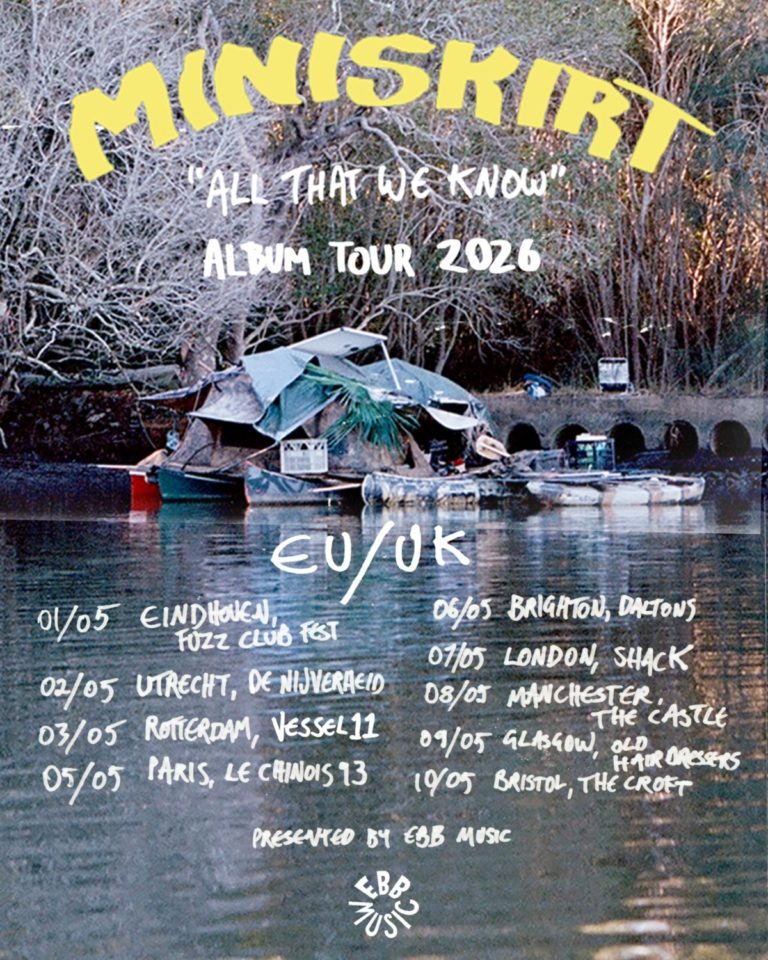
Mini Skirt release new single “Mud” today, cut from their second full-length album ‘All That We Know,’ out now and drawing strong notices since its late 2025 release. The accompanying video was directed by Ben Portnoy of fellow Australian pub punk outfit C.O.F.F.I.N. The Byron Bay four-piece have spent five years building on the foundation of their debut ‘Casino,’ and ‘All That We Know’ arrives as the fully realized version of the raw, driving sound they have been developing since.

The band’s songs are anchored by the writing of lyricist and visual artist Jacob Boylan, whose verse-by-verse assessments of the modern Australian social climate reward close listening. Paying homage to Australian pioneers X and Radio Birdman, Mini Skirt keep their sound dirty and direct, urgent vocals riding on top of grinding guitar and bass tones and hard-hitting drums. The new single “Mud” captures all of that in under three minutes, and a nine-date European and UK run follows in May.

MINI SKIRT MAY 2026 TOUR DATES:

May 1 — Eindhoven, NL — Fuzz Club Festival

May 2 — Utrecht, NL — De Nijverheid

May 3 — Rotterdam, NL — Vessell 11

May 5 — Paris, FR — Le Chinois 93

May 6 — Brighton, UK — Daltons

May 7 — London, UK — The Shacklewell Arms

May 8 — Manchester, UK — The Castle

May 9 — Glasgow, UK — The Old Hairdressers

May 10 — Bristol, UK — The Croft

Minnesota Rock Duo The Scarlet Goodbye Release New Single “She’s A Fire” And Head Out On UK And Ireland Tour

0

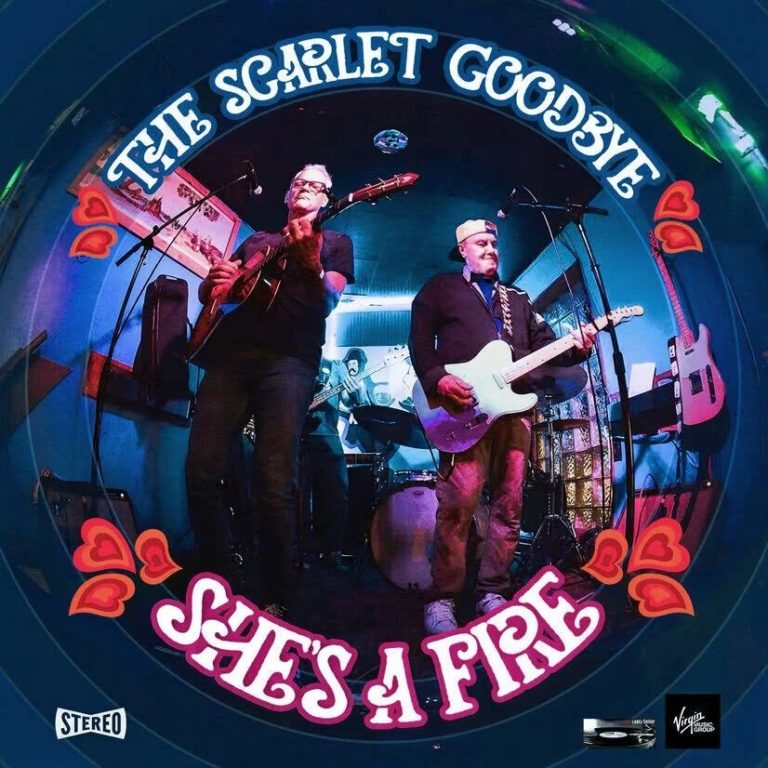
The Scarlet Goodbye release new single “She’s a Fire” on March 6 via The Label Group/Virgin, the first taste of the Minnesota duo’s forthcoming third album. The track arrives loaded with the band’s signature harmonies and searing guitar work, with lyrics that nod to Carnaby Street and the Zombies. Daniel Murphy (Soul Asylum, Golden Smog) and singer-songwriter-producer Jeff Arundel recorded it, as they have everything else, in their attic studio in St. Paul. The Big Takeover has called the band “deft and delicate, pop-aware,” and “She’s a Fire” lands squarely in that territory.

The single leads into an eleven-date UK and Ireland tour kicking off March 11 in Edinburgh, with Scottish rock outfit Overhaul along for the full run. The tour covers Scotland, England, Wales, and Ireland, wrapping in Dublin on March 24. It follows the well-received ‘El Camino Adios,’ the band’s second album (also via The Label Group/Virgin), which drew praise for its range across energetic rock tracks and reflective ballads, building on the Rolling Stones and Townes Van Zandt-inflected sound the duo established on their debut ‘Hopes Eternal.’

THE SCARLET GOODBYE UK/IRELAND TOUR DATES:

March 11 — Edinburgh, Scotland — Sneaky Pete’s

March 12 — Glasgow, Scotland — Hug and Pint

March 13 — Newcastle, England — Cluny 2

March 14 — Birmingham, England — The Sunflower Lounge

March 15 — Manchester, England — Night and Day Cafe

March 16 — Cardiff, Wales — Fuel Rock Club

March 18 — Belfast, Ireland — The Black Box

March 19 — Dundalk, Ireland — Toales

March 20 — Cork, Ireland — Fred Zeppelins

March 22 — Galway, Ireland — Róisín Dubh

March 24 — Dublin, Ireland — Curveball

Glen Hansard Announces Spring North American Tour And New Live Album ‘Don+t Settle’

0

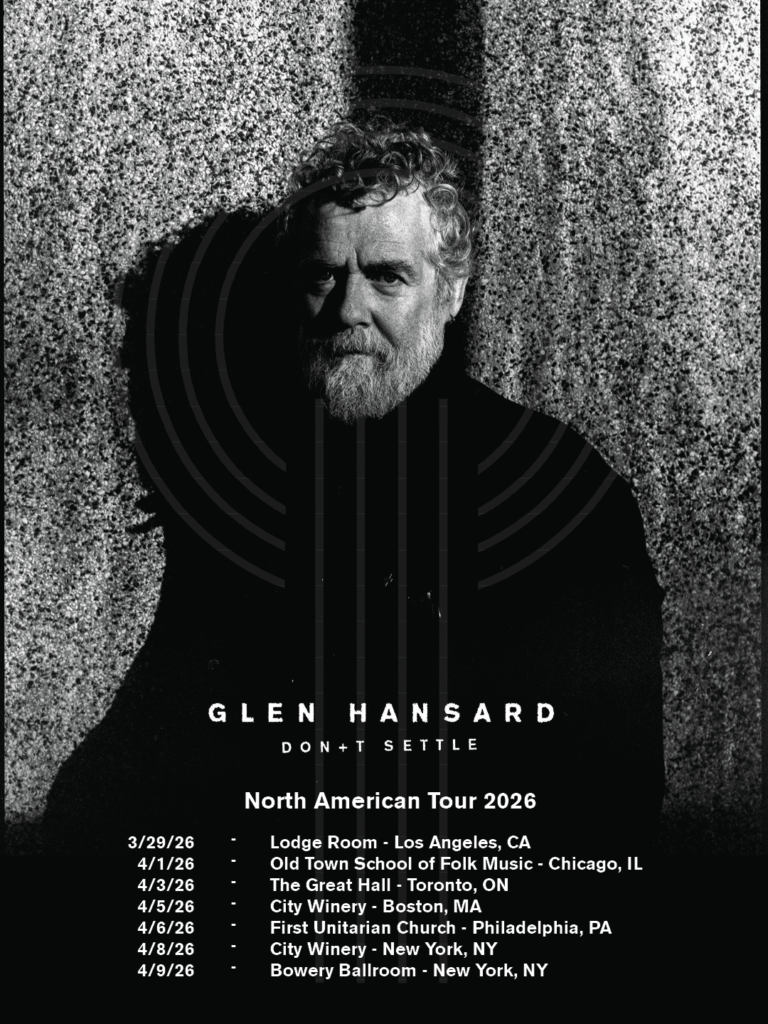
Glen Hansard announces a short run of intimate North American shows this spring alongside the release of his new album ‘Don+t Settle – Transmissions East & West Volume 1,’ due April 24. Recorded live at Funkhaus in Berlin, the album is available to pre-order now. The tour opens March 29 at Lodge Room in Los Angeles and runs through April 9, with stops in Chicago, Toronto, Boston, Philadelphia, and two nights in New York.

The full run covers seven dates across the US and Canada, keeping to smaller, carefully chosen rooms. Tickets go on sale February 24 at 10am local time, with mailing list members receiving early access codes ahead of the general on-sale.

GLEN HANSARD SPRING 2026 TOUR DATES:

March 29 — Los Angeles, CA — Lodge Room

April 1 — Chicago, IL — Old Town School of Folk Music

April 3 — Toronto, ON — The Great Hall

April 5 — Boston, MA — City Winery

April 6 — Philadelphia, PA — First Unitarian Church

April 8 — New York, NY — City Winery

April 9 — New York, NY — Bowery Ballroom

Emmy And Golden Globe-Nominated Comic Nikki Glaser Adds Second Show At Niagara Falls’ OLG Stage At Fallsview Casino

0

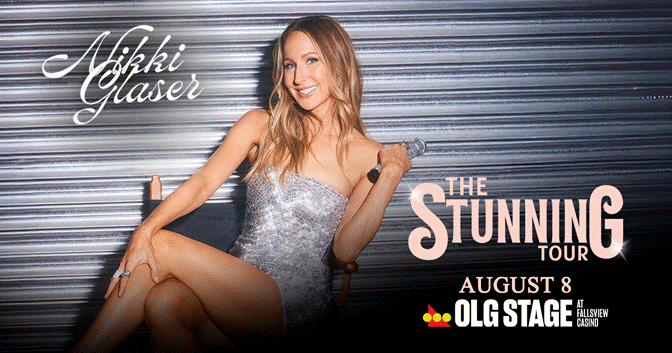
Due to overwhelming fan demand, a second performance has been added for acclaimed stand-up comedian Nikki Glaser at the OLG Stage at Fallsview Casino on Saturday, August 8, 2026. Glaser will now perform two shows as part of The Stunning Tour, at 7:00pm* and 10:30pm. Tickets go on sale for the 10:30pm show on Friday, February 20 at 10:00am through ticketmaster.ca.

“We are thrilled to be adding a 2nd show for Nikki Glaser! As a phenomenal comedienne, now even more fans will be able to enjoy an incredible night of comedy!” says Cathy Price, Vice President of Marketing & Resort Operations, Niagara Casinos.

For nearly two decades at sold-out tours, and as the host of three hit podcasts, Emmy, Grammy and Golden Globe-nominated Nikki Glaser has honed her shockingly honest, no-holds barred style, solidifying herself as one of the funniest voices in comedy today. 2025 was an incredible year, Glaser made history as the first woman to host the Golden Globe Awards solo. Billboard Magazine ranked Nikki Glaser in the Top 10 comedy tours worldwide.  Additionally, The Nikki Glaser Podcast for iHeartMedia, was nominated for “Best Comedy” by the iHeart Podcast Awards. 2024 was also a career redefining year for Glaser, culminating with being named “Comedian of the Year” by The New York Times. Following the success of her Critics Choice Award-nominated HBO standup special, Good Clean Filth in 2022, Glaser was also the undeniable standout on Netflix’s Emmy®-nominated The Greatest Roast of All Time: Tom Brady which earned her viral attention and reinstated her title as “the best roaster on the planet” according to Indiewire.

*The originally scheduled 8:00pm performance was moved to an earlier start time of 7:00pm. All tickets purchased for the 8:00pm show will be honoured for the new 7:00pm performance. Guests who are unable to attend due to the schedule change may obtain refunds through their original point of purchase.

Show date & performances
Nikki Glaser: The Stunning Tour
Date: Saturday, August 8, 2026
Showtimes: 7:00pm (NEW TIME & SOLD OUT) & 10:30pm
Venue: OLG Stage at Fallsview Casino

Tickets for the 10:30pm Nikki Glaser performance go on sale Friday, February 20 at 10:00am.

Drew Taylor Reimagines Faber Drive’s “You And I Tonight” With Dave Faber

0

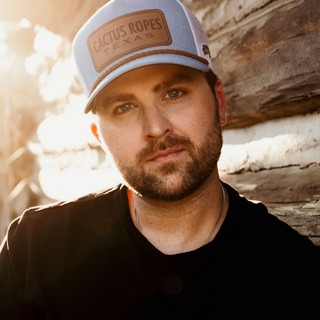
Drew Taylor releases his reimagining of Faber Drive’s “You and I Tonight” today, featuring a duet with original songwriter Dave Faber. The accompanying music video stars Taylor and his wife. “It’s a reimagining of the beloved Canadian radio favorite, transformed into a warm, modern country song,” Taylor says. “It tells the story of two people choosing to freeze time for one perfect night together, where love feels bigger than fear, doubt, or tomorrow.” The release arrives as Taylor settles into his new home at independent label T&L Records Nashville.

The Canadian-born, Nashville-bred singer-songwriter has been stacking wins steadily over the past few years. His single “Wish I Didn’t” hit number one on SiriusXM’s Top of the Country in 2023, and “Nobody I Know” cracked 250,000 streams on Spotify earlier in 2025. “Music To My Beers” and recent single “Get The Truck Outta Here” have both found a home on the Music Row Country Breakout Chart, while Taylor has shared stages with Tanya Tucker, Kane Brown, Paul Brandt, and Cory Marks.

Taylor’s path to Nashville was anything but direct. Born in Waterloo, Ontario, he fronted a screamo band back home, sharing bills with Underoath and Atreyu, before eventually balancing careers as a fireman and entrepreneur alongside his music. His father played alongside George Strait and Kenny Rogers, and that foundation eventually pulled Taylor back toward country songwriting for good. “If a song touches somebody, then I’ve done my job,” he says. That focus has driven everything since.

Breaking Benjamin Announce Fall US Tour With Chevelle, Starset And Kami Kehoe

0

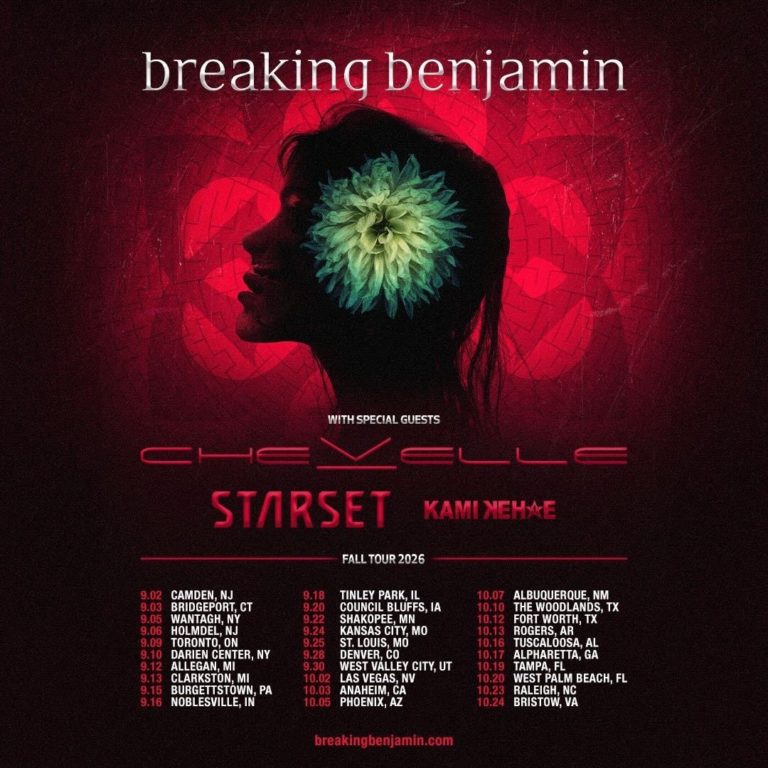
Breaking Benjamin announce a massive US headline tour this fall, kicking off September 2 in Camden, New Jersey and wrapping in Bristow, Virginia in late October. The band will be joined throughout the run by Chevelle, Starset, and Kami Kehoe. Tickets go on sale Friday, February 20 at 10am local time, with a Citi presale starting Wednesday, February 18 and additional presales running throughout the week. “We are excited to hit the road again this fall with our friends Chevelle, Starset, and Kami Kehoe,” the band says. “We look forward to seeing familiar faces as well as some new ones. Hope to see you out there.”

The tour follows the release of “Awaken,” the band’s first new single in five years, which shot to number one on the Rock Digital Songs chart upon release and landed in the Top 20 on multiple additional Billboard charts including Hot Hard Rock Songs, Digital Song Sales, Hot Alternative Songs, and Hard Rock Songs. The track has since surpassed 117 million streams globally, with a new album also teased alongside the single.

Breaking Benjamin, comprising Benjamin Burnley, Aaron Bruch, Keith Wallen, Jasen Rauch, and James Cassells, have been a fixture at the top of the rock charts since their 2002 debut ‘Saturate.’ Ten number one singles, 8.5 billion combined streams, and four Top 5 debuts on the Billboard Top 200 (including ‘Dark Before Dawn’ at number one in 2015) tell the story of one of hard rock’s most consistent and devoted-to forces. ‘Ember’ debuted at number three on the Billboard Top 200 and spun off two number one Active Rock Radio hits with “Red Cold River” and “Torn in Two.” The fall tour is shaping up to be one of the season’s biggest rock outings.

Dance & Choreography Videos Made Easy: Motion Replication with Seedance 2.0

0

By Mitch Rice

Dance has always been one of the harder things to work with in video production, even before AI entered the picture. Capturing movement well requires a cameraperson who understands choreography well enough to anticipate where the dancer is going. It requires enough space, enough light, and enough takes to get something that does justice to what the movement actually looks like in person. And it requires an editing sensibility that respects the rhythm of the choreography rather than cutting against it.

For professional dance companies and well-resourced music video productions, all of that is manageable. For independent dancers, choreographers, online instructors, and content creators who work with movement as part of their practice — the production gap has always been significant. The ideas are there. The skills are there. The camera, the lighting, the crew, the post-production time often aren’t.

Motion replication in Seedance 2.0 doesn’t close that gap entirely, but it shifts the terrain in ways that are genuinely useful for people who work with choreography and movement.

The Core Problem with Describing Movement

Anyone who has tried to generate dance or movement content with a text-only AI video tool has run into the same wall. Movement is spatial and temporal simultaneously — it exists in space and it unfolds through time — and language does a poor job of capturing both dimensions at once. You can describe a movement style in general terms. You can reference a genre, an energy, a quality of motion. But the specific choreography — the actual sequence of positions, transitions, and timings that makes a particular piece of movement what it is — is nearly impossible to communicate through text with any precision.

The result is that text-to-video generation for dance content tends to produce something that looks vaguely dance-like without being specifically anything. Generic movement that fits the described style without having the intentionality of actual choreography. For some use cases — background visual content, atmospheric movement in a music video — that level of specificity is enough. For anything where the specific choreography matters, it isn’t.

The reference video input in Seedance 2.0 approaches this differently. Rather than asking you to describe the movement, it lets you show it.

How Motion Reference Actually Works

The practical workflow starts with a reference clip that contains the movement you want to replicate or adapt. This could be a clip you’ve filmed yourself, a section of a performance you want to reference, a movement style you’ve documented, or any video that captures the quality of motion you’re after.

You upload that clip as a video input and reference it in your prompt, specifying that you want the movement from this clip applied to your generated content. Alongside the motion reference, you provide the visual context — character reference images if you want a specific appearance, setting descriptions, audio if you’re working to a specific track. The model reads the motion information from the reference clip and attempts to apply it within the visual framework your other inputs establish.

The result isn’t frame-perfect choreography replication in every case. The model is doing something genuinely complex — extracting movement information from one context and applying it to a completely different visual context — and the fidelity of that transfer depends on a number of factors: the clarity of the movement in the reference clip, the complexity of the choreography, how specific your prompt is about what to take from the reference versus what to generate freely.

What it does produce reliably is movement that belongs to the same family as your reference — that shares its rhythm, its energy, its quality of motion, even when the specific positions don’t match exactly. For many applications, that family resemblance is exactly what’s needed.

Practical Applications for Choreographers and Dance Creators

For choreographers who document their work, the motion reference capability opens up a way to generate visual variations on existing material without additional shooting. A piece of choreography filmed in a studio can be referenced to generate versions of that movement in different settings, with different visual aesthetics, or with different character appearances — all without re-filming. The underlying movement comes from your original performance, but the visual presentation can be adapted for different platforms, audiences, or artistic contexts.

Dance teachers and online instructors face a different version of the production challenge. Creating tutorial content that clearly demonstrates technique requires either high production values — proper angles, clear visibility, good lighting — or accepting that the visual quality will undercut the instructional clarity. Using reference clips of correctly performed technique as motion inputs, combined with clear visual settings and descriptive prompts, can produce demonstration content that maintains the technical accuracy of the original reference while adapting the visual presentation to suit the instructional context.

For social media dance content, the use case is somewhat different but equally relevant. Trends on platforms like TikTok move fast. A choreography challenge that’s gaining traction this week may have peaked by the time a traditional production workflow could respond to it. Being able to reference the trending choreography, apply it to your visual concept or character, and generate content within the same day rather than the same week changes the creative economics of participating in these moments.

Combining Motion Reference with Audio Input

The combination that tends to produce the strongest results for dance and choreography content is motion reference paired with audio input. When the model has access to both the movement pattern and the music simultaneously, it can attempt to align the two — keeping the rhythm of the referenced choreography in sync with the beat structure of the track rather than treating them as independent elements.

This matters because the relationship between movement and music is central to why dance content is compelling. Movement that’s slightly off the beat, or that doesn’t respond to the musical phrasing, feels wrong even to viewers who couldn’t articulate exactly what’s off. When the generation process has both inputs available from the start, the synchronization problem is addressed during creation rather than having to be solved in editing afterward.

In practice, this works best for music with a clear and consistent rhythmic structure. For more complex or variable musical timing, the alignment can be inconsistent. But for the genres where dance content is most actively produced and consumed — electronic music, hip-hop, pop — the beat structure is usually clear enough that the audio input contributes meaningfully to the temporal quality of the movement in the generated output.

What Still Requires a Real Camera

Being honest about the current limits of AI-generated movement content is important, particularly in a discipline like dance where the quality of what’s being represented matters deeply to practitioners.

Fine technical detail in movement — the specific position of a hand, the precise angle of a foot, the exact quality of a transition between two positions — is not reliably replicated in AI-generated video at the current level of the technology. For content where technical precision is part of the point, like instruction in a codified dance technique, the limitations are real enough to matter. Viewers with trained eyes will see the imprecision, and for that audience it undermines the instructional value.

There’s also a dimension of presence and performance that camera-captured dance has and generated video currently doesn’t. Real performance carries the weight of a human body actually moving in space — the physical commitment, the effort, the live quality of someone actually doing something difficult. Generated movement, at its best, captures the shape and rhythm of movement without capturing that quality. For performance documentation, archival purposes, or content where the reality of human performance is central to the work, this matters.

These limitations don’t diminish the genuine usefulness of motion replication for the applications where precision of that kind isn’t the primary requirement. But they’re worth knowing so that the tool gets used in the contexts where it serves the work rather than the contexts where it would misrepresent it.

Starting with What You Have

The lowest-friction entry point is to start with movement you’ve already captured. If you have any existing clips of choreography, performance, or movement — even informal documentation filmed on a phone — that material can serve as a motion reference. You don’t need a professionally shot reference clip for the system to extract useful movement information from it. Clear visibility of the movement, reasonable frame rate, and enough duration to establish the rhythm and quality of the motion are the practical requirements.

From there, it’s a process of experimenting with what carries through from the reference and what doesn’t, learning how to combine motion references with character and audio inputs effectively, and developing a feel for how to prompt in ways that direct the model’s interpretation of the reference material. Like any genuinely capable tool, it rewards time spent learning how it works.

For dancers, choreographers, and movement-based creators who have been working around production constraints rather than through them, that investment is worth making. Seedance 2.0 won’t replicate what a skilled cinematographer and a properly equipped shoot can capture — but it does make a meaningful range of motion-based creative work possible that was previously inaccessible without significant production resources.

Data and information are provided for informational purposes only, and are not intended for investment or other purposes.