

Gotye and Kimbra reunited on stage at You Oughta Know to perform “Somebody That I Used To Know,” and the live version is every bit as powerful as the recording that became one of the most streamed songs of its era. The clip has accumulated nearly 32 million views and serves as a reminder of just how extraordinary this song remains in any setting.
Gotye and Kimbra Deliver a Stunning Live Rendition of “Somebody That I Used To Know” at You Oughta Know

Musician Opportunity: VIA Rail Canada Launches Artists on Board Program for Summer 2026

Calling all Canadian musicians, this is your ticket to take your music across the country.
VIA Rail Canada has officially opened applications for its Artists on Board program for summer 2026, offering artists a one-of-a-kind opportunity to perform while travelling through some of Canada’s most breathtaking landscapes.
Selected musicians will perform onboard two of VIA Rail’s most iconic routes, The Canadian and The Ocean, sharing their music with passengers from coast to coast. In return, artists receive complimentary or reduced fare travel, making this as much an adventure as it is a performance opportunity.
It’s a rare chance to trade traditional venues for panoramic views, connect with new audiences, and experience Canada in motion, all while doing what you love.
Applications are open now through April 30, 2026.
Learn more and apply here: https://corpo.viarail.ca/en/community-engagement/artists
Morrissey and The Smashing Pumpkins to Headline Darker Waves 2026
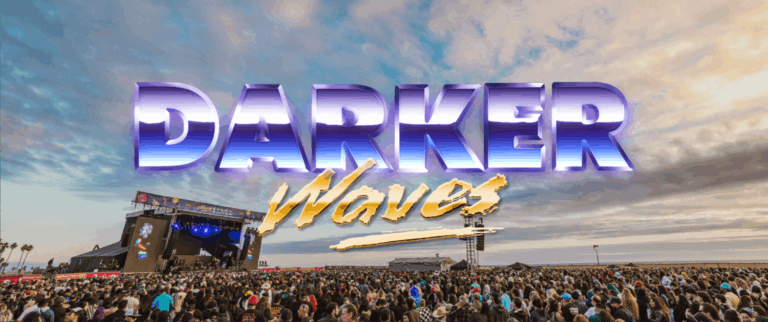
Morrissey and The Smashing Pumpkins will headline Darker Waves Festival on November 14, 2026 in Huntington Beach, CA. Returning to Huntington Beach City Beach at Huntington Street and Pacific Coast Highway, the ocean-side festival will feature legendary performances from over 35 artists across three stages including Simple Minds, Bad Religion, Adam Ant, The Psychedelic Furs, Soft Cell, The Damned, Manic Street Preachers, Gary Numan, Silversun Pickups, Buzzcocks, EMF, Circle Jerks, Spacehog, Marky Ramone and more. Fans can sign up now for the festival SMS list at DarkerWavesFest.com to receive a passcode to the presale beginning Thursday, April 2 at 10am PT with access to the lowest-priced GA tickets from 10am to 11am PT. GA, GA+, VIP, and Ultimate VIP Tickets will be available, with layaway payment plans starting at $19.99 down. Any remaining tickets will go on sale to the public following the presale.
GA+ tickets include access to the exclusive GA+ Lounge with shaded seating and air-conditioned restrooms, plus a dedicated entry lane at the festival main entrance, and more. VIP tickets include unlimited entry into the VIP Lounge with preferred viewing area by the main stage, charging stations, air-conditioned restrooms, dedicated entry lane at the festival main entrance and more. Ultimate VIP tickets feature all amenities of VIP, plus access to elevated and unobstructed views of both main stages with shaded open lounge seating, dedicated VIP concierge team, a complimentary locker to store personal items, three complimentary drinks including choice of craft cocktails, beer, wine or non-alcoholic beverages, a complimentary meal redeemable for exclusive food options in the VIP Lounge and more.
Official Darker Waves vacation packages from Jampack pair GA, GA+, or VIP tickets with beachfront stays at the Hyatt Regency Huntington Beach Resort & Spa or The Waterfront Beach Resort, a Hilton Hotel, and more. Bundles include a dedicated entrance, re-entry access, and commemorative merch.
For tickets and the full list of amenities available in each ticket package, please visit DarkerWavesFest.com.
Christopher North, Founding Keyboardist of Ambrosia and ‘Hammond B3 King,’ Dead at 75
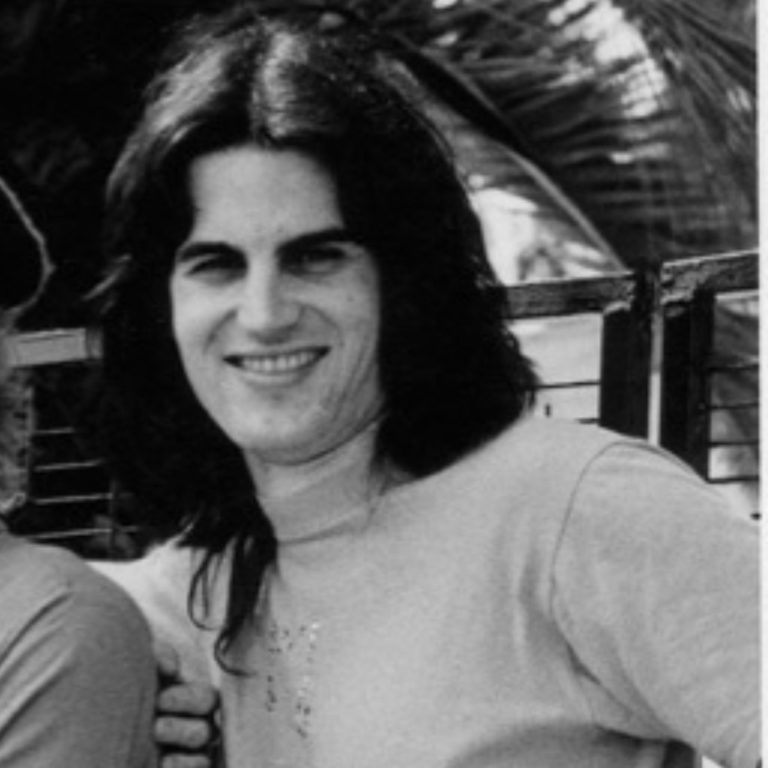
Christopher North, the founding keyboardist of Grammy-nominated rock band Ambrosia and the sonic architect behind some of the most distinctive progressive and soft rock of the 1970s and 1980s, has died. He was 75. The band announced his passing on their Facebook page on March 30. No official cause of death has been confirmed, though North had survived a battle with throat cancer in 2025, was struck by a speeding vehicle outside a Santa Monica restaurant in October of that year, and subsequently developed pneumonia. Bandmate David Pack addressed it directly in his own tribute: “It took him being hit by a car full speed while simply walking into his favorite restaurant in Santa Monica to finally take him out.”
North was born in San Francisco in 1951 and was playing in bands by the age of 13. He co-founded Ambrosia in 1970 alongside Pack, bassist Joe Puerta, and drummer Burleigh Drummond. The discovery story is one of rock’s better ones. Puerta recalled stumbling across North in a backyard shed: “There was a coffin with speakers in it. And at the end of the room, Chris was there, playing the organ with a bottle of wine on the top, smoking a cigarette, and there was a girl massaging his shoulders as he played. So I go, ‘We gotta get this guy in the band.'” Pack put it more succinctly: “He was dark, mysterious, played the hell out of a Hammond B3, and was a bluesman who liked to rock.”
Ambrosia’s self-titled debut arrived in 1975, notable for including “Nice, Nice, Very Nice,” which set a Kurt Vonnegut poem from Cat’s Cradle to music. The band went on to score five Top 40 singles between 1975 and 1980, including “Holdin’ On to Yesterday,” “How Much I Feel,” “Biggest Part of Me,” and “You’re the Only Woman (You & I).” North briefly left the group in 1977 over what Pack described as “serious mental and physical problems,” but returned for the band’s most commercially successful period. All four original members also contributed to The Alan Parsons Project’s landmark debut ‘Tales of Mystery and Imagination’ in 1976. North continued touring with Ambrosia into the 2020s, remaining a ferocious and commanding live presence right to the end. “Most nights he’d bloody his hands on the B3 or break off keys,” Pack said. “Ferocious is an understatement.”
The band’s tribute captured him completely: “A founding member since 1970, he was a keyboard wizard who brought an unmatched intensity and emotional depth to every performance. Christopher North’s work did more than just fill airwaves; it created ‘aural landscapes’ that balanced virtuosity with soulful, radio-friendly hooks. He was truly one of a kind.” He is survived by his brother Richard, son Reed, and daughter Crystal.
Walt Maddox, Leader of Doo-Wop Legends The Marcels, Dead at 88
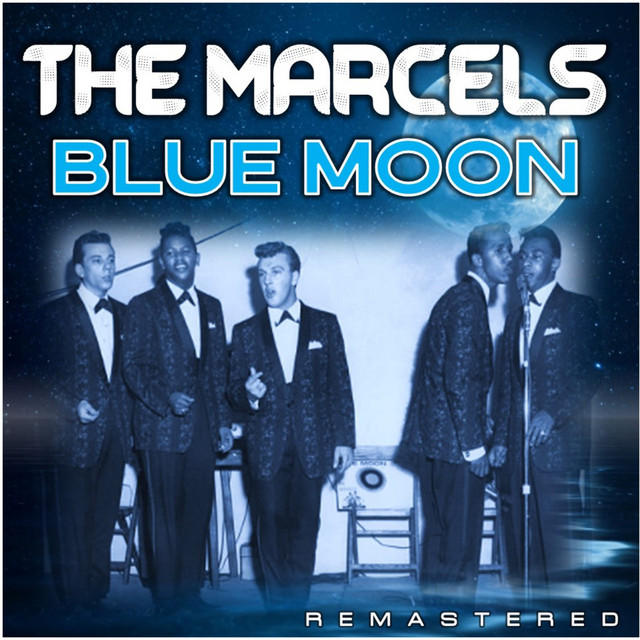
Walt Maddox, the Pittsburgh-born vocalist who spent more than six decades keeping the spirit of doo-wop alive as the leader of The Marcels, died on March 30, 2026. He was 88. The news was shared via social media by his friend, former KDKA-TV Pittsburgh anchor Paul Martino. No cause of death has been disclosed.
The Marcels formed in Pittsburgh in the late 1950s as one of the era’s rare multi-racial vocal groups, blending traditional doo-wop harmonies with a playful, almost anarchic rhythmic bounce that set them apart from every other act in a crowded field. Their moment arrived in February 1961 when they recorded “Blue Moon” — a Rodgers and Hart standard that had already been a hit for Billy Eckstine, Mel Tormé, and Elvis Presley — at RCA Studios in New York for Colpix Records. What they did to it was something else entirely. Bass vocalist Fred Johnson opened the track with a stuttering, madcap riff, and the group tore through the rest of it like a bouncy castle, mining every hook and treating the song’s romantic gravity as an opportunity for joyful chaos. New York DJ Murray the K famously played it 26 times in a row. It knocked Elvis Presley off the top of the charts and stayed at number one for three weeks.
Maddox joined the group in the summer of 1961 following a lineup shakeup brought on in part by the hostility the multi-racial group faced touring the Deep South. He sang second tenor on their follow-up “Heartaches,” which reached number 7, and as members came and went over the years, Maddox remained a constant. He spent eight years on the road with the group through the 1960s, and when the Marcels split in the mid-1990s and competing versions emerged, Maddox secured the legal rights to the name in 2004, continuing to lead Walt Maddox and the Marcels in multi-act doo-wop shows for decades. The Marcels were inducted into the Vocal Group Hall of Fame in 2002.
Beyond the group, Maddox built a parallel solo career centered on a tribute show to Nat King Cole, performing it with the Pittsburgh Symphony Orchestra, the Wheeling Symphony, and audiences as far as Tokyo. He ran his own studio and label, worked with local artists, and used his platform for community work, most notably his “Wake Up Your Dreams” anti-drug school assembly program, which once featured a young Christina Aguilera as an opener. Pittsburgh Press columnist Phil Musick summed up his stature in the city memorably, writing that “Walt Maddox singing in this town is a lot like hanging a Rembrandt in a garage.”
He is survived by his wife, Terry. Our condolences to his family, his friends, and the doo-wop community that he served faithfully until the very end.


















Def Leppard Launch Behind The Tour 2026 Video Series Giving Fans an Inside Look at Their Latest North American Run
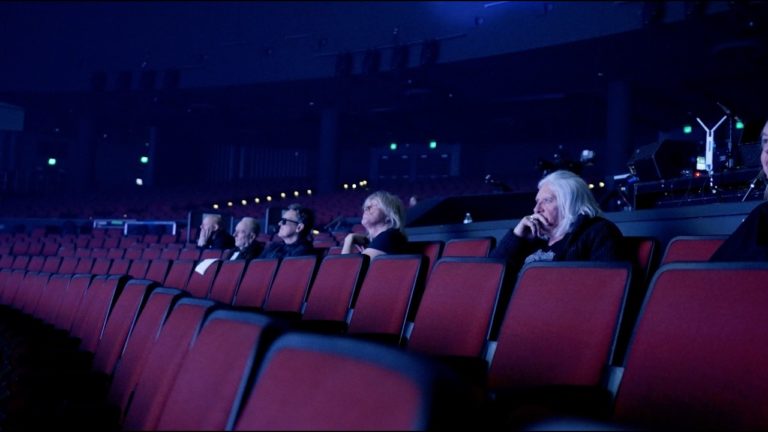
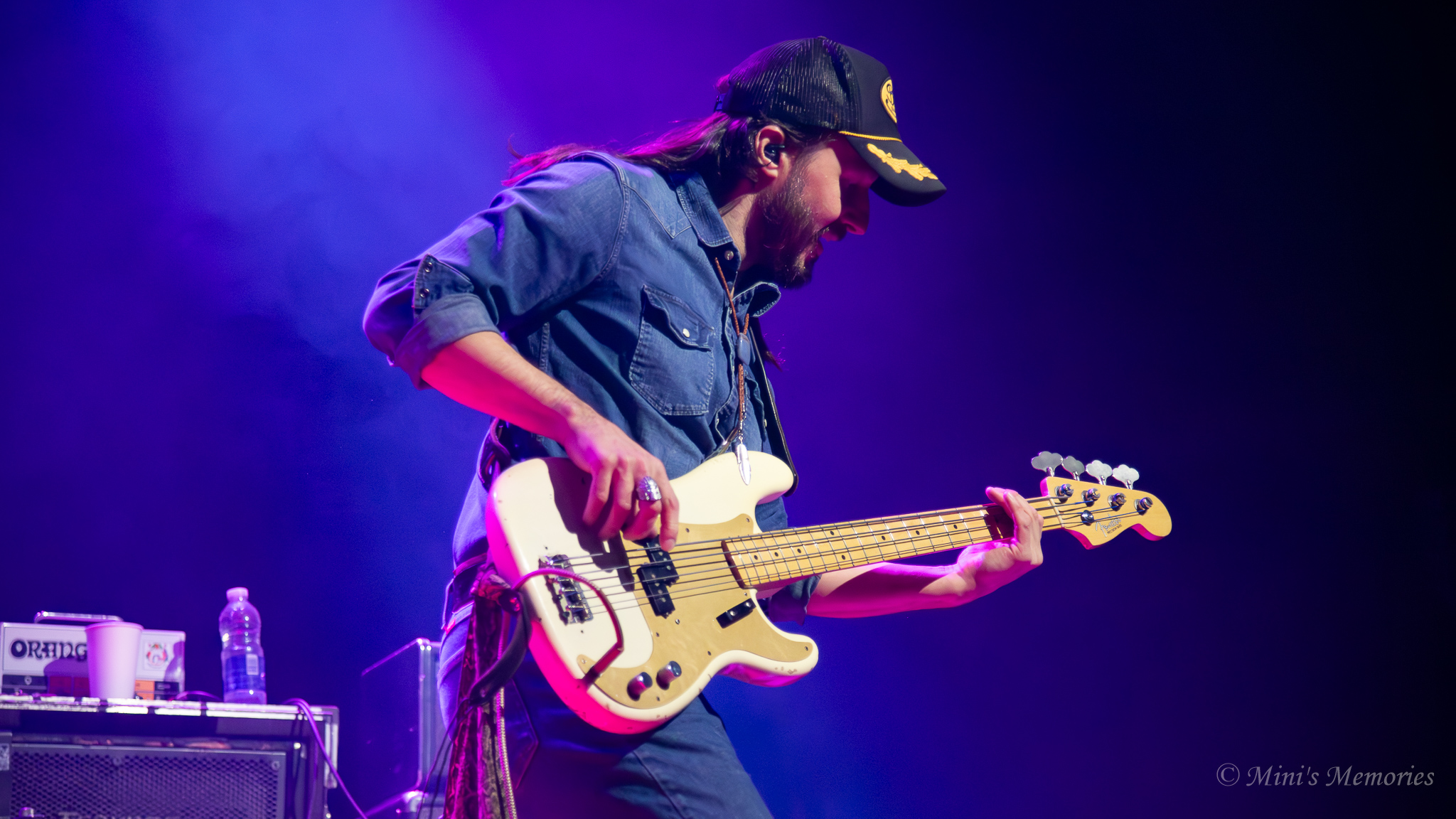
Def Leppard have launched Behind The Tour 2026, a new video series documenting their latest North American tour. The opening episode follows Joe Elliott on a road trip through the desert, captures the band in rehearsal for their Las Vegas residency, and gives fans their first look at the new stage show. The series kicks off fresh from the band’s “Live at Caesars Palace” residency at The Colosseum, which ran in February and featured a career-spanning setlist alongside some surprises and the live debut of their latest single “Rejoice.”
Boston Ska-Punk Legends Big D and the Kids Table Return With New Single “Whiplash” and 12th Album ‘The Good Ole American Saturday Night’ Out June 12
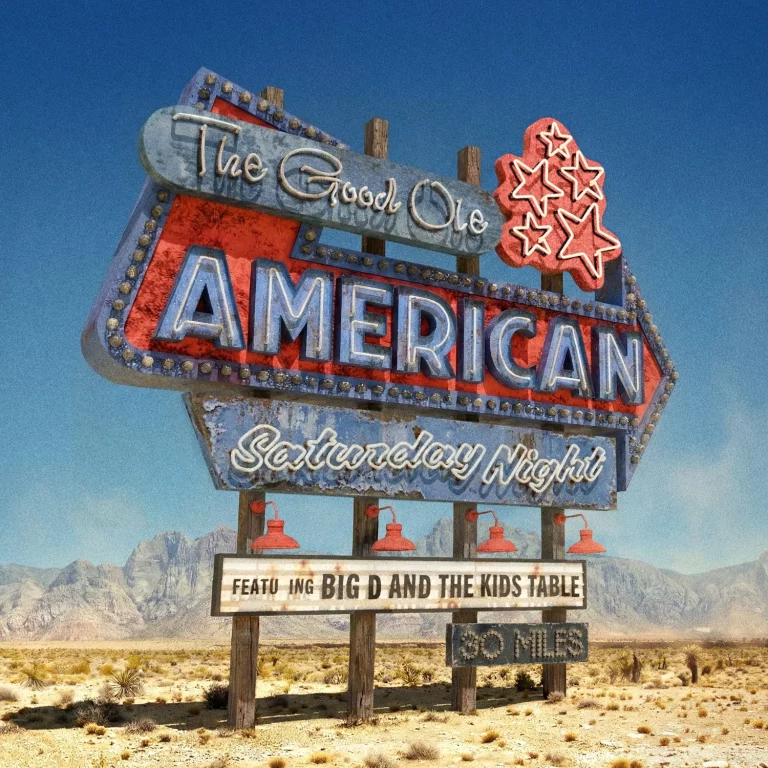
Big D and the Kids Table are back. After five years without new music, the Boston ska-punk institution announces their 12th full-length album ‘The Good Ole American Saturday Night’, due June 12 via SideOneDummy Records, and launches it today with new single “Whiplash” and an official music video. Reuniting with producers Joe Gittleman of The Mighty Mighty Bosstones and Matt Appleton of Reel Big Fish, the record pushes forward while doubling down on everything that has defined their sound for more than three decades. Vocalist David McWane sets up the single with characteristic directness: “What would you do if you walked into a room and saw your roommate in bed with your girlfriend? Well, if you want to know the rest of the story, cue up Whiplash.”
The album carries a message that feels almost countercultural right now. At a time when much of the musical landscape leans toward cynicism, ‘The Good Ole American Saturday Night’ is built around a simple but radical idea: love more. McWane explains his philosophy as a lyricist without hesitation: “I like music to take me to a fun place, like the Beastie Boys. I’m a hardcore kid and a Little Richard fan, so I just want to bring the party and wake everybody up.”
Formed at Berklee College of Music in 1995, Big D and the Kids Table have spent more than three decades carrying the horn section into punk, emo, post-hardcore, and beyond, touring relentlessly from massive festival stages to self-booked runs through Asia. Their survival has never been about trends. McWane is clear on what has kept them moving: “One thing that’s really great about Big D and the Kids Table is that we never made it too big, so we have a freedom that many bands don’t. We like being the incorrigible, rabid Anthrax of the ska scene. We don’t want to be Metallica.”
More than 30 years in, that philosophy still fuels them completely. ‘The Good Ole American Saturday Night’ is vibrant, defiant, and built to detonate in packed rooms.
The 46th Festival International de Jazz de Montréal Announces a Landmark Lineup From June 25 to July 4

The Festival International de Jazz de Montréal returns for its 46th edition June 25 through July 4, presenting more than 350 concerts, two-thirds of which are free, across the heart of downtown Montreal. Presented by TD Bank Group in collaboration with Rio Tinto, the Guinness World Records-recognized largest jazz festival on the planet delivers a 2026 program that balances deep historical reverence with genuine contemporary discovery. Director of Programming Maurin Auxéméry frames it well: “Across its many branches, we celebrate the genre’s pivotal moments and living legacy, while introducing the artists shaping its future.”
The centennial birthdays of Miles Davis, John Coltrane, and Tony Bennett, all born in 1926, anchor some of the festival’s most anticipated ticketed events. Marcus Miller, Davis’s final musical director, leads “We Want Miles” at the Maison Symphonique. Isaiah Collier performs ‘A Love Supreme’ in its entirety at Théâtre Jean-Duceppe. John Pizzarelli honors Tony Bennett at Théâtre Maisonneuve. DJ Jazzy Jeff celebrates the 20th anniversary of J Dilla’s ‘Donuts’ with the Montréal Loves Dilla collective at Club Soda, and UZEB marks their 50th anniversary with the premiere of a new documentary and live performances at Le Gesù.
Free programming on the TD Stage brings international draw with Patrick Watson, Willow, Saint Levant, and Angine de Poitrine, while rising stars Mohini Dey, Annahstasia, and Destin Conrad represent the next generation of the form. Main stage highlights include Larkin Poe making their FIJM debut, The Barr Brothers performing from their latest album ‘Let It Hiss’, KOKOROKO, Smino, and Naïka. DOMi and JD Beck return to MTELUS three years after opening for Herbie Hancock, the Louis Cole Big Band brings viral future-sonic-funk to the Rogers Stage, and Christian McBride and Julian Lage pair up at Théâtre Maisonneuve. Lionel Richie and Earth, Wind and Fire will have the Bell Centre on its feet.
TD Bank Group Chair for Quebec Abe Adham puts the festival’s cultural significance plainly: “Every summer, this iconic event transforms the city into a vast open-air stage, bringing together emerging artists, renowned jazz figures, and audiences from all walks of life.” Ten days, 350-plus concerts, and a city that becomes the global meeting point for jazz lovers worldwide. June 25 through July 4 at Festival International de Jazz de Montréal.
Strategies for Long-Term Online Record Preservation
By Mitch Rice
As organizations increasingly operate in digital environments, preserving online records over the long term has become a critical responsibility. These records include websites, emails, databases, multimedia content, and transactional data that document business activities and interactions. Long-term preservation is not simply about storage; it requires ensuring that records remain accessible, authentic, and secure despite technological changes and evolving risks. Effective strategies are essential to safeguard digital assets and maintain continuity, compliance, and institutional memory.
The Importance of Long-Term Record Preservation
Online records provide valuable evidence of organizational decisions, communications, and operations. They are often required for regulatory compliance, legal proceedings, and historical reference. Losing access to these records can lead to operational disruptions, legal challenges, and reputational harm.
Long-term preservation also supports strategic decision-making by enabling organizations to analyze historical data and trends. In sectors such as finance, healthcare, and public administration, the ability to access reliable records over extended periods is essential for accountability and transparency.
Key Challenges in Long-Term Preservation
Technological Obsolescence
One of the most significant challenges in preserving online records is the rapid pace of technological change. File formats, software applications, and storage media can become outdated, making it difficult to access older records. Without proactive measures, valuable information may become inaccessible.
Data Volume and Complexity
Organizations generate vast amounts of digital content. Managing and preserving this data over the long term requires scalable solutions and efficient organization. Complex data structures, including multimedia and dynamic web content, add further challenges.
Security and Integrity Risks
Ensuring that records remain secure and unaltered over time is another major concern. Cyber threats, data corruption, and unauthorized access can compromise the integrity of preserved records. Organizations must implement robust security measures to protect their data.
Core Strategies for Long-Term Preservation
Establishing Comprehensive Policies
A clear and well-defined preservation policy is the foundation of any long-term strategy. This policy should outline what records need to be preserved, how they should be stored, and how long they must be retained.
Policies should also define roles and responsibilities, ensuring accountability across the organization. Regular reviews and updates are necessary to adapt to changing regulations and technological advancements.
Standardizing File Formats
Using standardized and widely supported file formats is essential for ensuring long-term accessibility. Open formats are generally preferred because they are less likely to become obsolete.
Organizations should regularly assess their data and convert files into sustainable formats when necessary. This process, known as format migration, helps maintain accessibility over time.
Implementing Redundant Storage
Redundancy is a key principle in long-term preservation. Storing multiple copies of data in different locations reduces the risk of loss, hardware failures, natural disasters, or cyberattacks.
Combining on-site and off-site storage solutions enhances resilience. Regular backups and verification processes ensure that stored data remains intact and recoverable.
The Role of Technology in Preservation
Advanced Archiving Solutions
Modern archiving software provides essential tools for managing and preserving digital records. These systems support automated data capture, indexing, and secure storage, making it easier to handle large volumes of information.
They also include features such as search functionality, access controls, and compliance reporting, which are critical for long-term preservation and retrieval.
Website Archiving for Dynamic Content
Web content presents unique challenges due to its dynamic and frequently changing nature. Website archiving enables organizations to capture snapshots of web pages, preserving their content and structure over time.
This is particularly important for organizations that rely on their websites for communication, marketing, or regulatory disclosures. Preserved web content can serve as a historical record and provide evidence in legal or compliance contexts.
Automation and Artificial Intelligence
Automation plays a vital role in long-term preservation by reducing manual effort and ensuring consistency. Automated workflows can handle tasks such as data classification, retention enforcement, and integrity checks.
Artificial intelligence enhances these capabilities by improving data organization, identifying patterns, and detecting anomalies. These technologies help organizations manage their records more efficiently and proactively address potential issues.
Ensuring Data Integrity and Authenticity
Integrity Verification Techniques
Maintaining the integrity of preserved records is essential for their reliability. Techniques such as checksums and hashing allow organizations to verify that data has not been altered.
Regular integrity checks help detect corruption or unauthorized changes, enabling timely corrective actions.
Audit Trails and Version Control
Audit trails provide a record of all actions performed on digital records, including access, modifications, and transfers. These logs are crucial for demonstrating compliance and accountability.
Version control systems allow organizations to track changes and preserve previous versions of records. This ensures that the full history of a document is maintained and accessible.
Security Considerations in Long-Term Preservation
Protecting Against Cyber Threats
Long-term preservation strategies must include robust security measures to protect against cyber threats. Encryption, access controls, and continuous monitoring are essential components of a secure system.
Regular security assessments and updates help ensure that protection measures remain effective against evolving threats.
Managing Access and Permissions
Controlling access to preserved records is critical for maintaining security and privacy. Role-based access control systems limit permissions to authorized users, reducing the risk of misuse.
Periodic reviews of access rights ensure that permissions remain appropriate as roles and responsibilities change.
Compliance and Legal Requirements
Adhering to Retention Regulations
Organizations must comply with regulations that dictate how long records should be retained. These requirements vary by industry and jurisdiction, making it important to stay informed and adapt policies accordingly.
Automated retention schedules help enforce compliance by ensuring that records are preserved for the required duration and disposed of when no longer needed.
Supporting Legal and Audit Needs
Reliable long-term preservation ensures that records can be retrieved quickly and presented as evidence when needed. This is essential for audits, investigations, and legal proceedings.
Efficient retrieval systems and well-organized archives reduce the time and effort required to locate specific records.
Sustainability and Future-Proofing
Planning for Technological Change
Future-proofing digital records involves anticipating technological changes and preparing for them. This includes adopting flexible systems that can adapt to new formats and platforms.
Regular data migration and system upgrades are necessary to maintain accessibility and functionality over time.
Reducing Environmental Impact
As data storage demands grow, organizations are increasingly considering the environmental impact of their preservation strategies. Energy-efficient storage solutions and optimized data management practices can help reduce this impact.
Balancing sustainability with reliability is an important aspect of modern digital preservation.
Conclusion
Long-term online record preservation requires a comprehensive and proactive approach that combines policy, technology, and best practices. By implementing strategies such as format standardization, redundant storage, and the use of archiving software, organizations can ensure that their digital records remain accessible, secure, and reliable over time. Incorporating website archiving further strengthens preservation efforts by capturing dynamic web content and maintaining a complete historical record. As digital environments continue to evolve, organizations must remain adaptable and committed to safeguarding their online records for the future.
Data and information are provided for informational purposes only, and are not intended for investment or other purposes.