


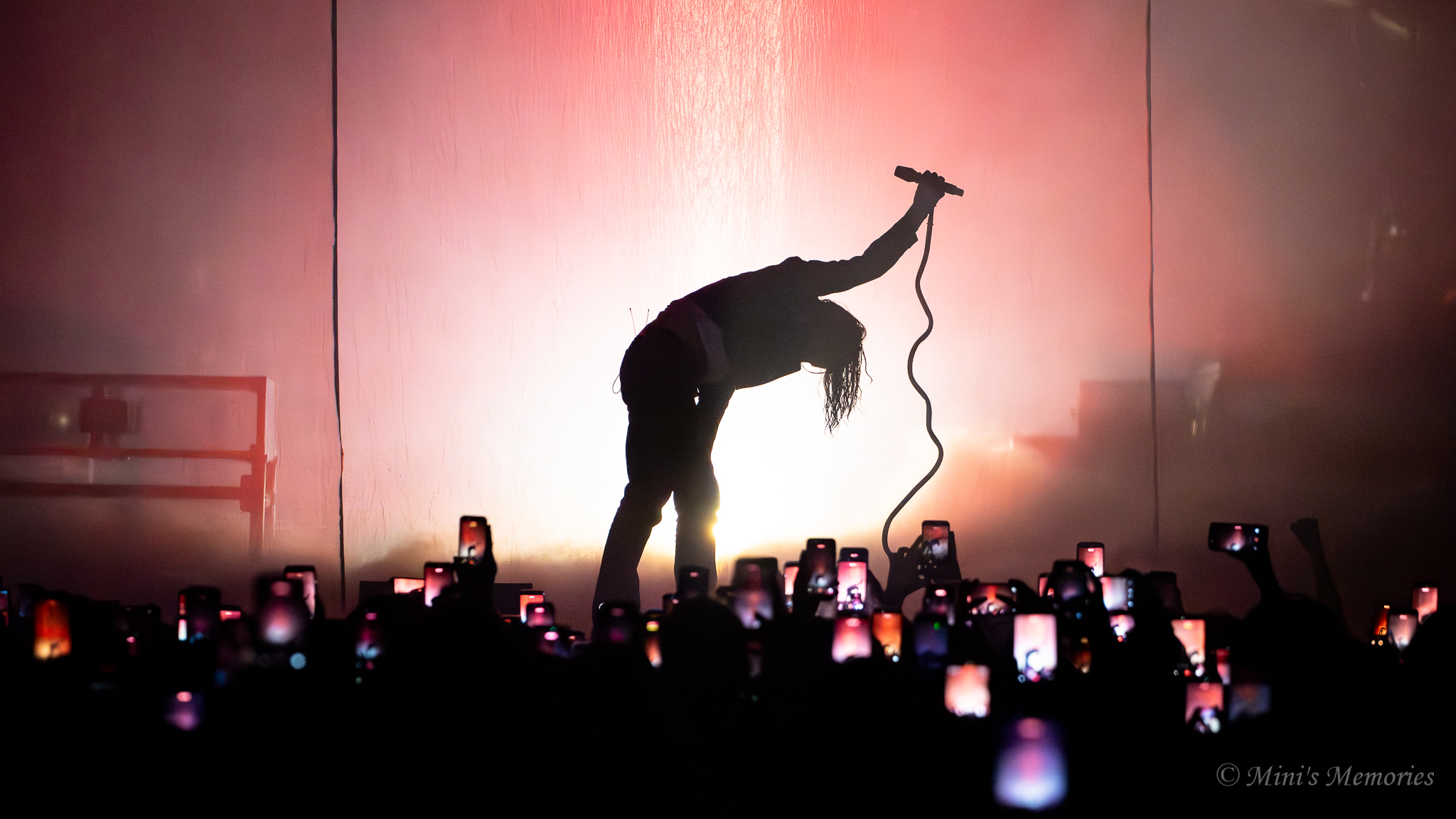
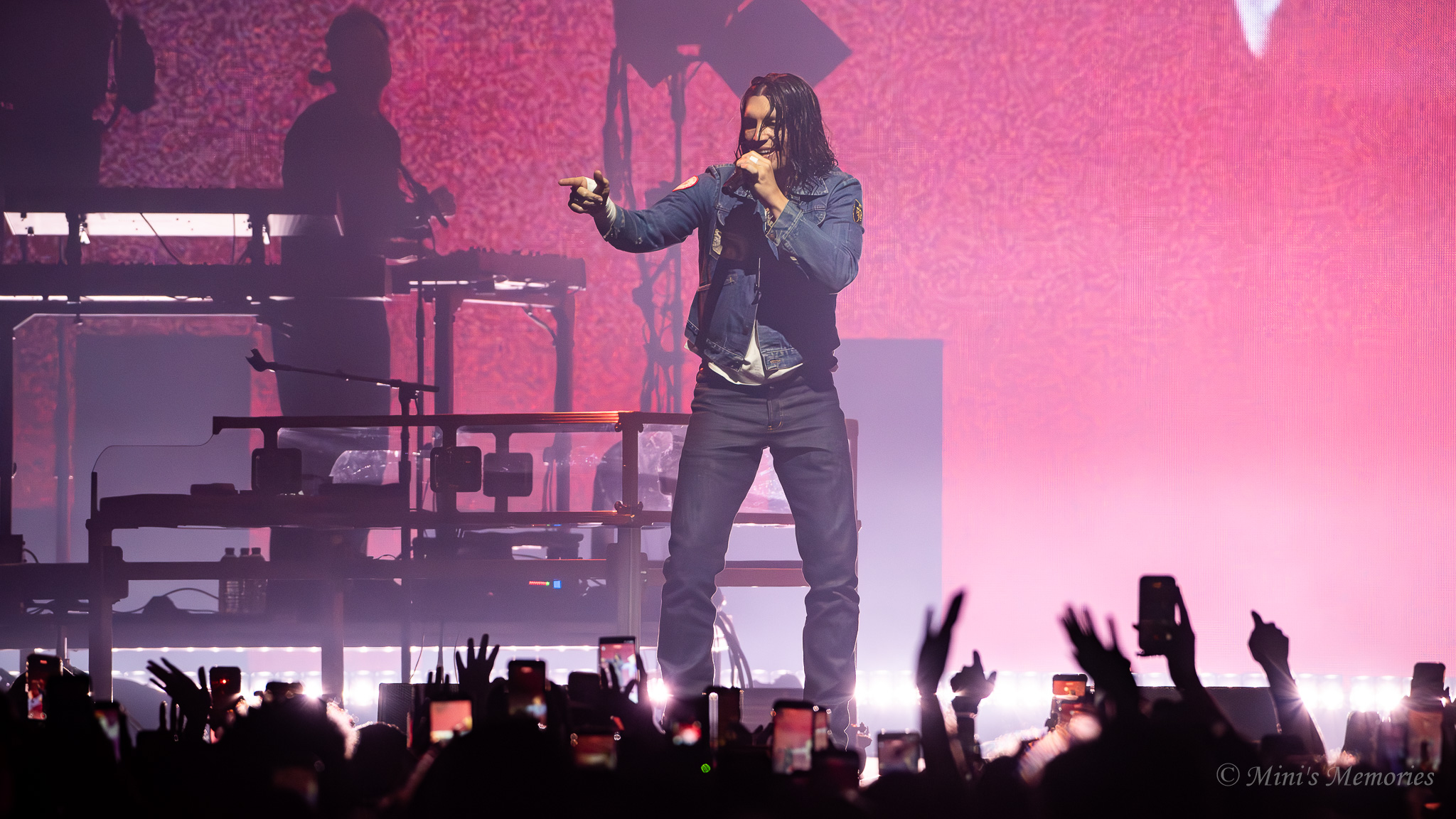
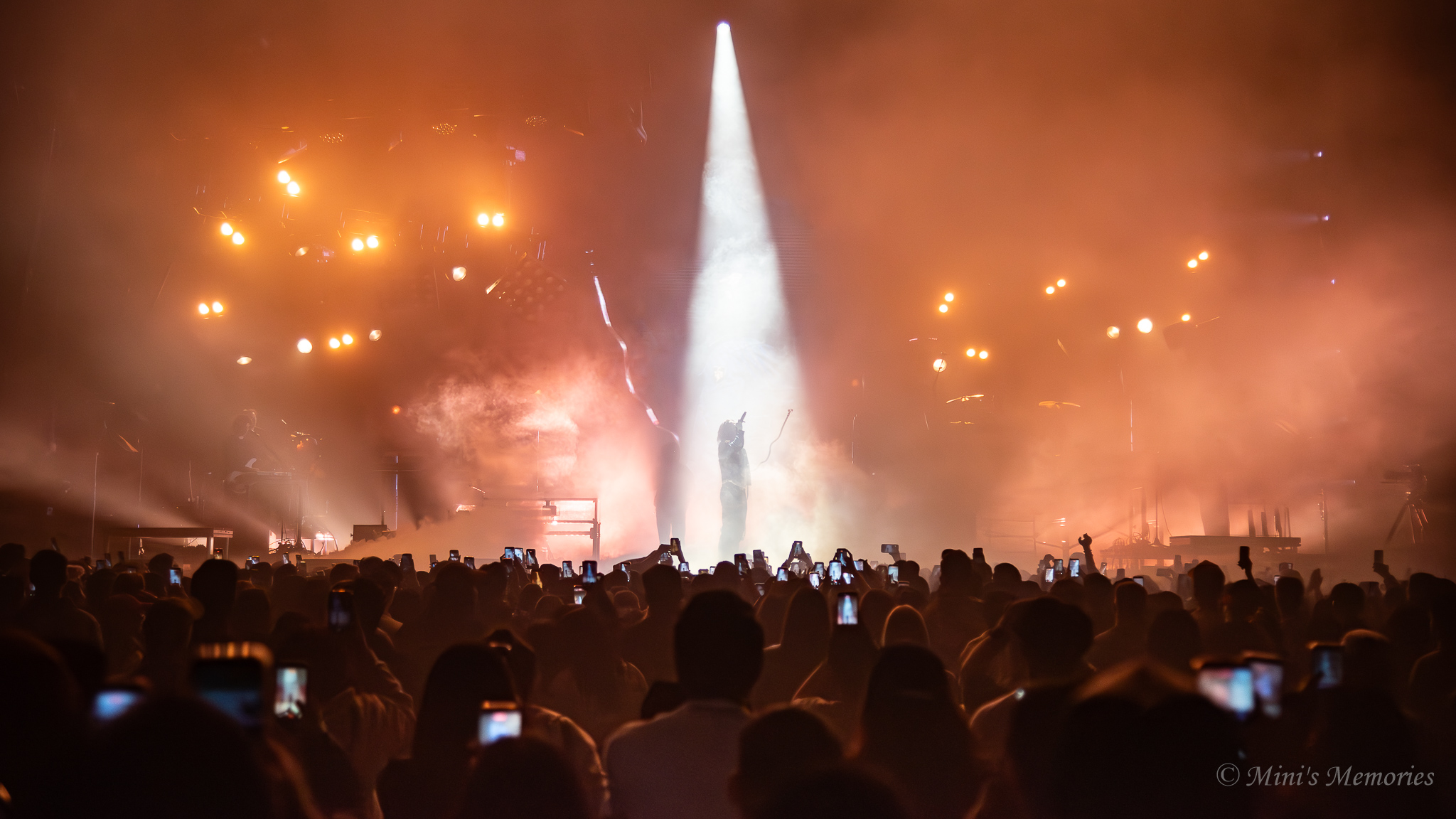
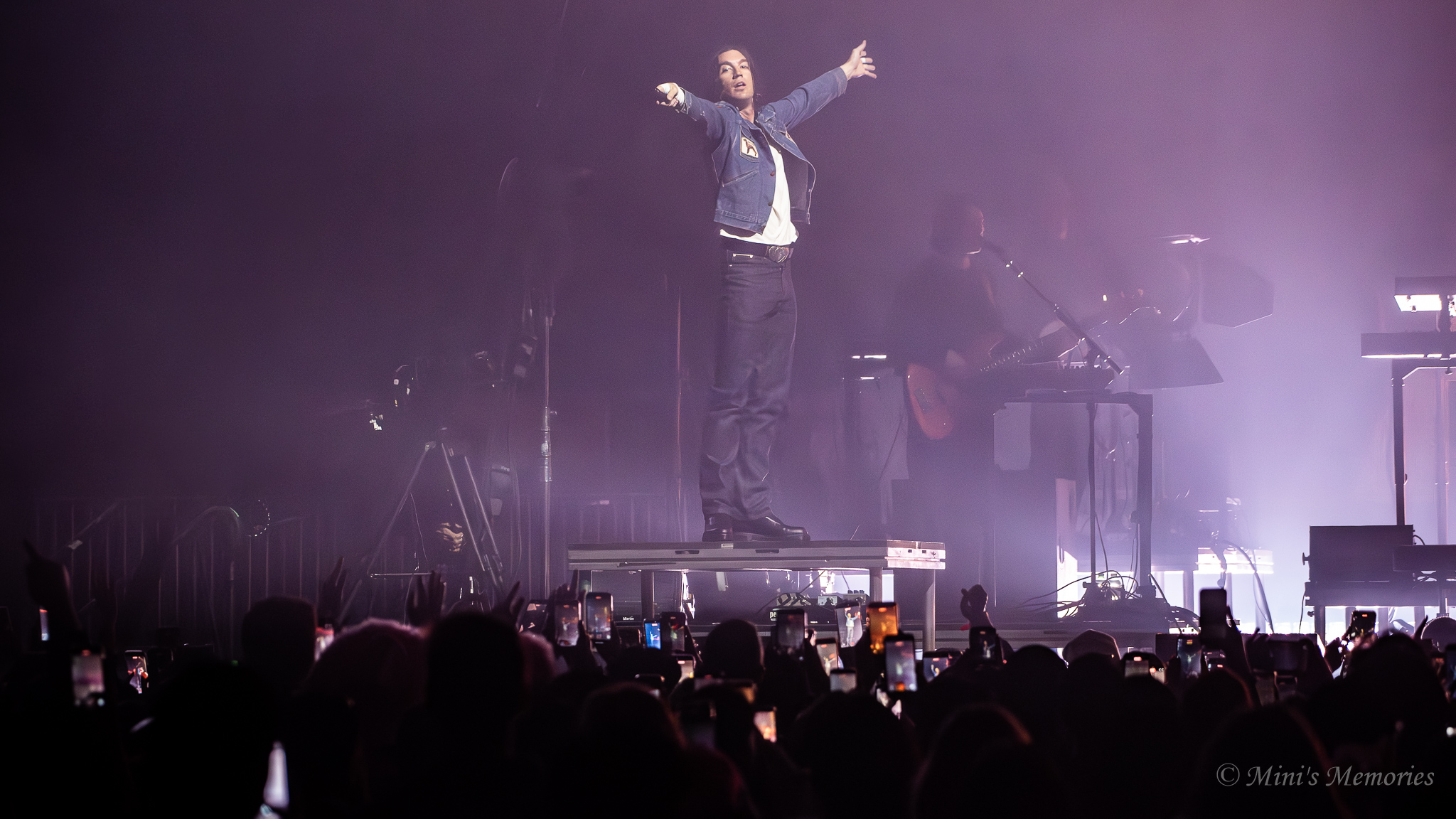
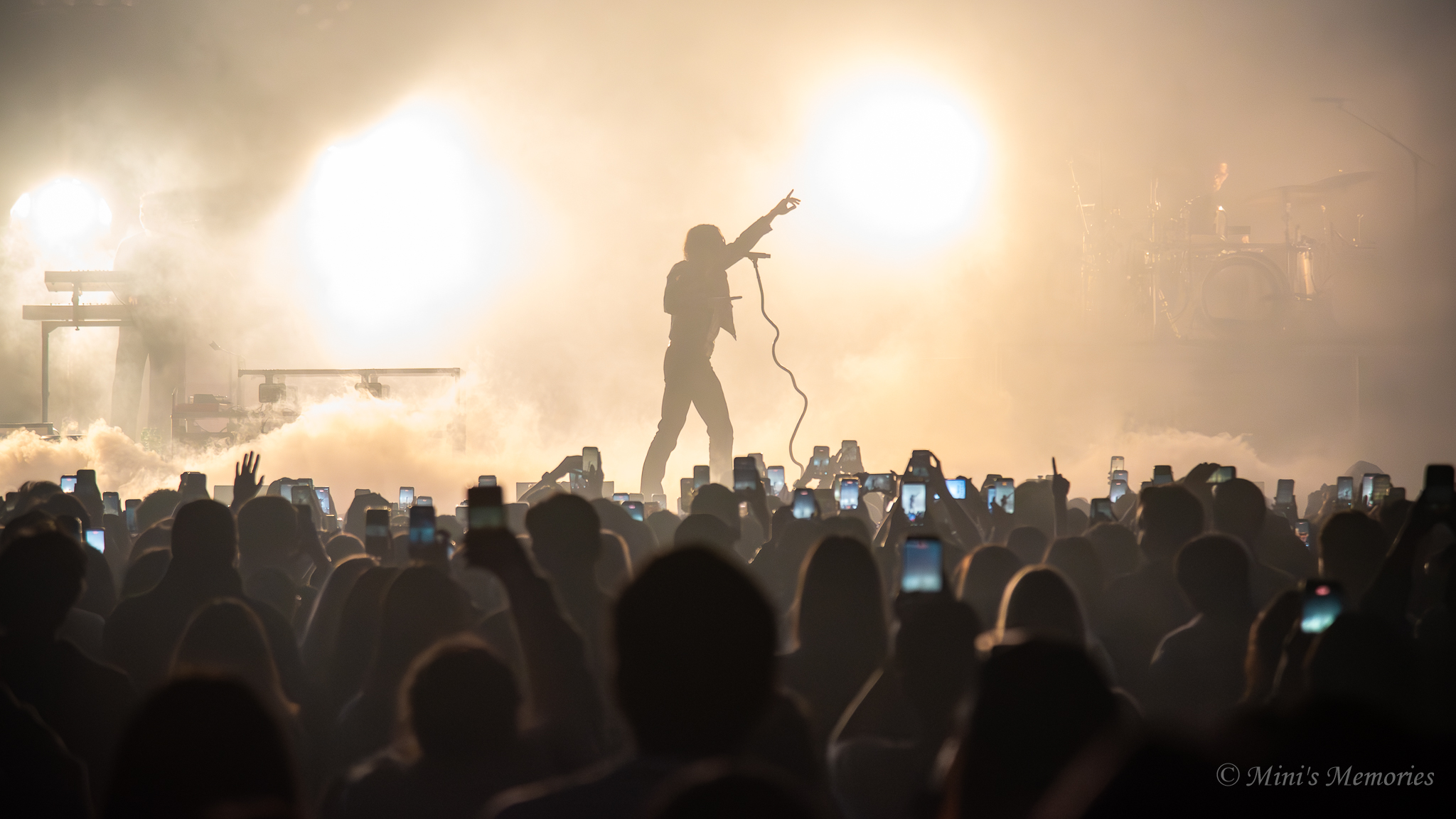
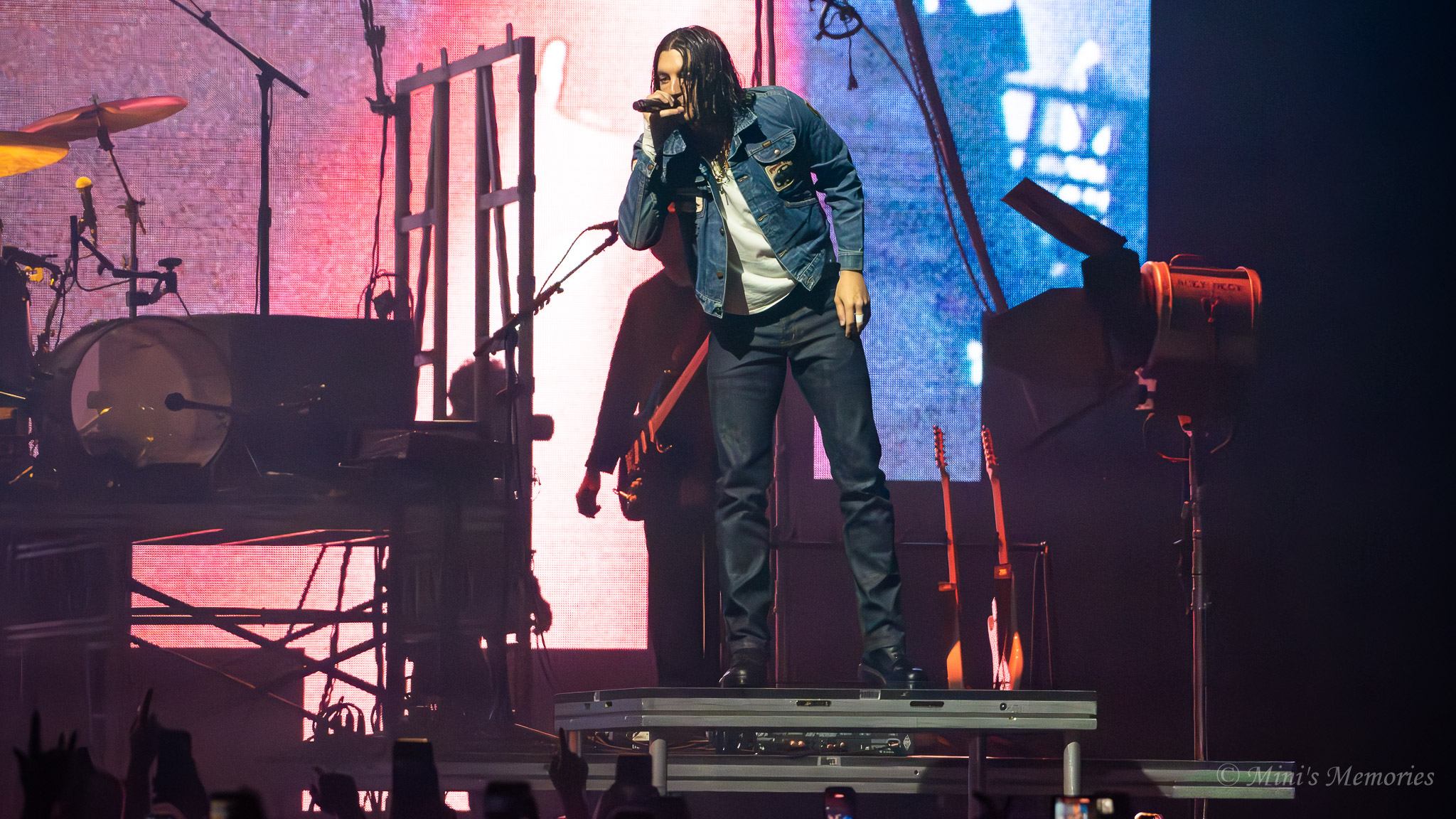
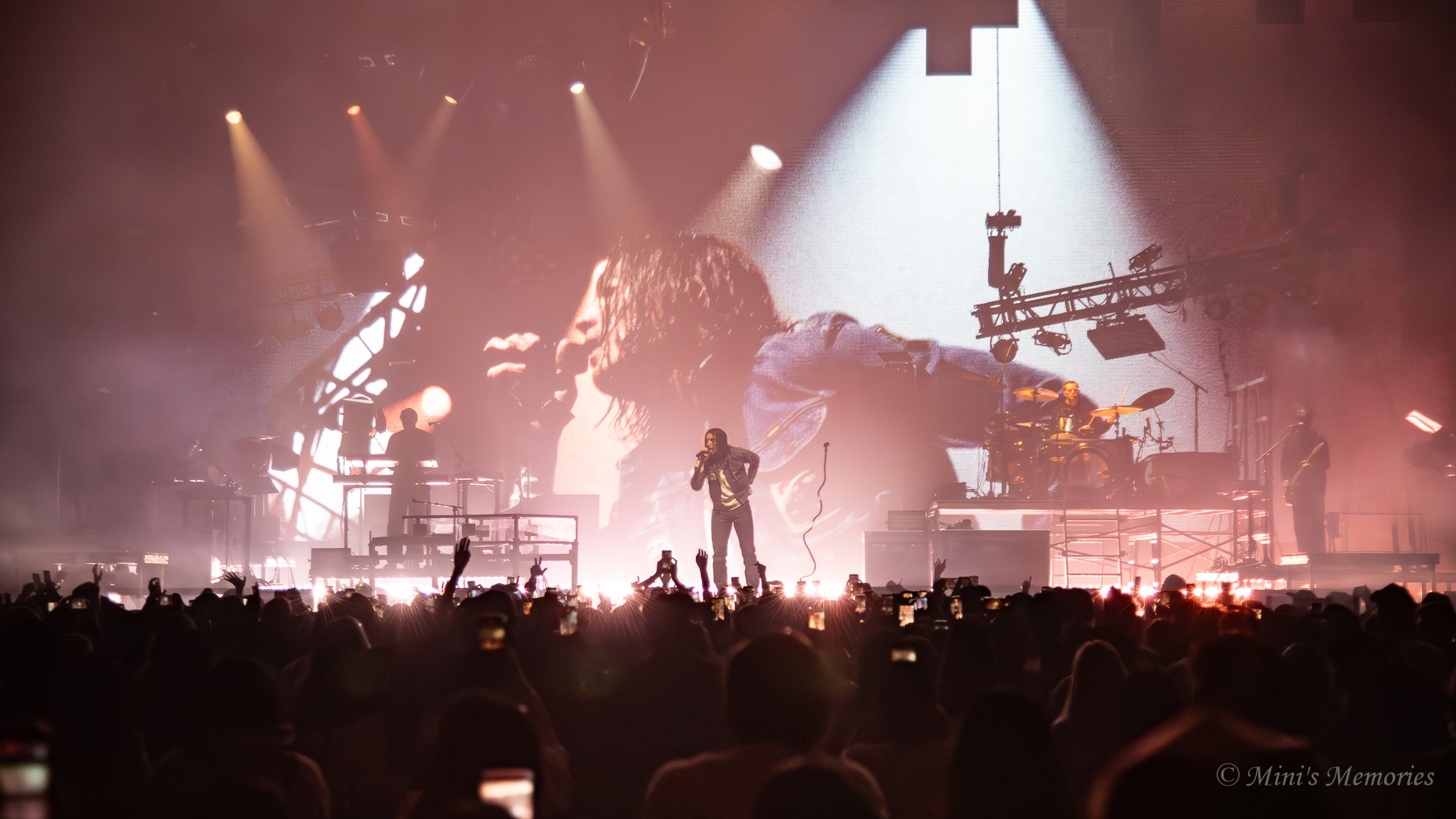
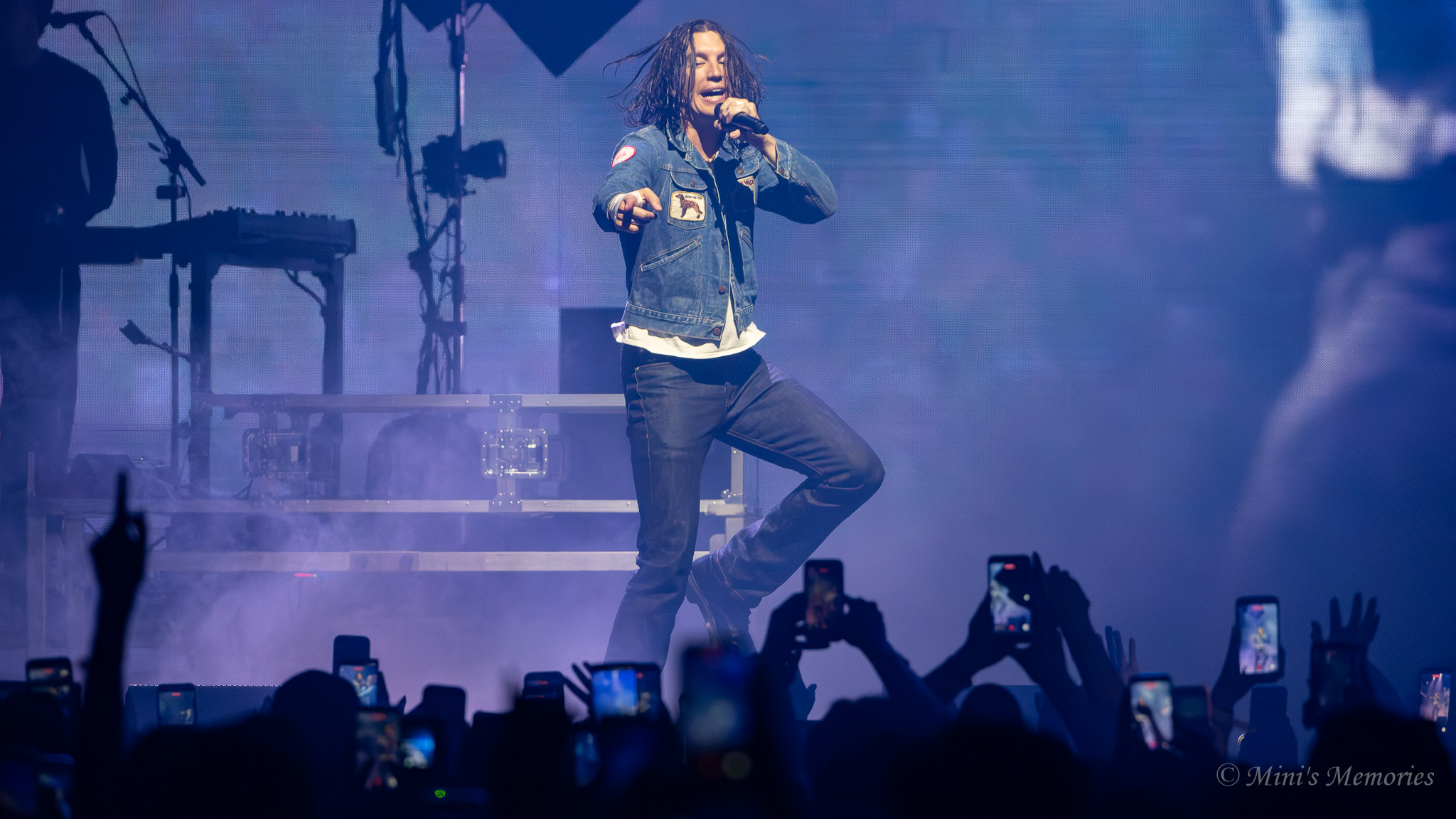
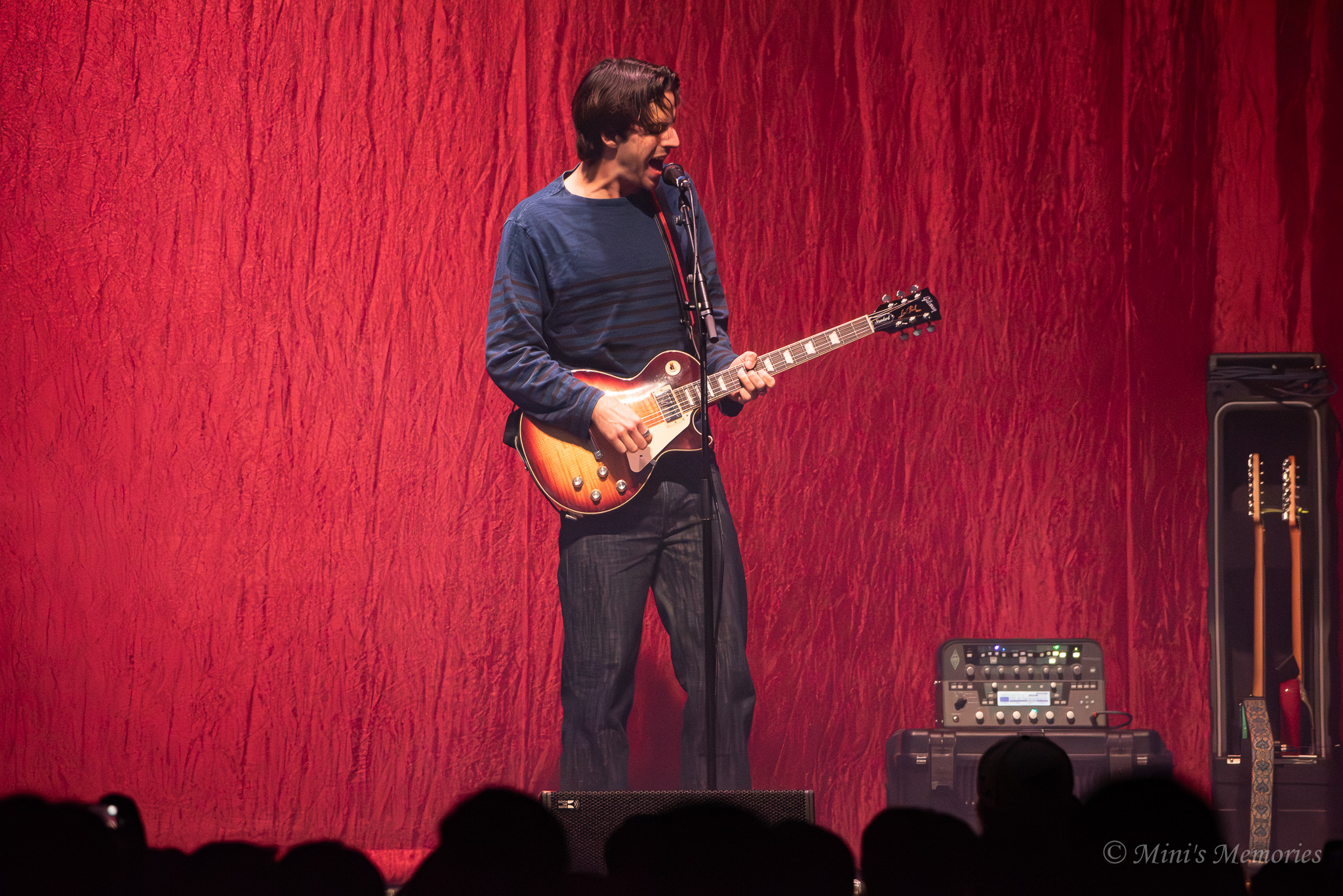
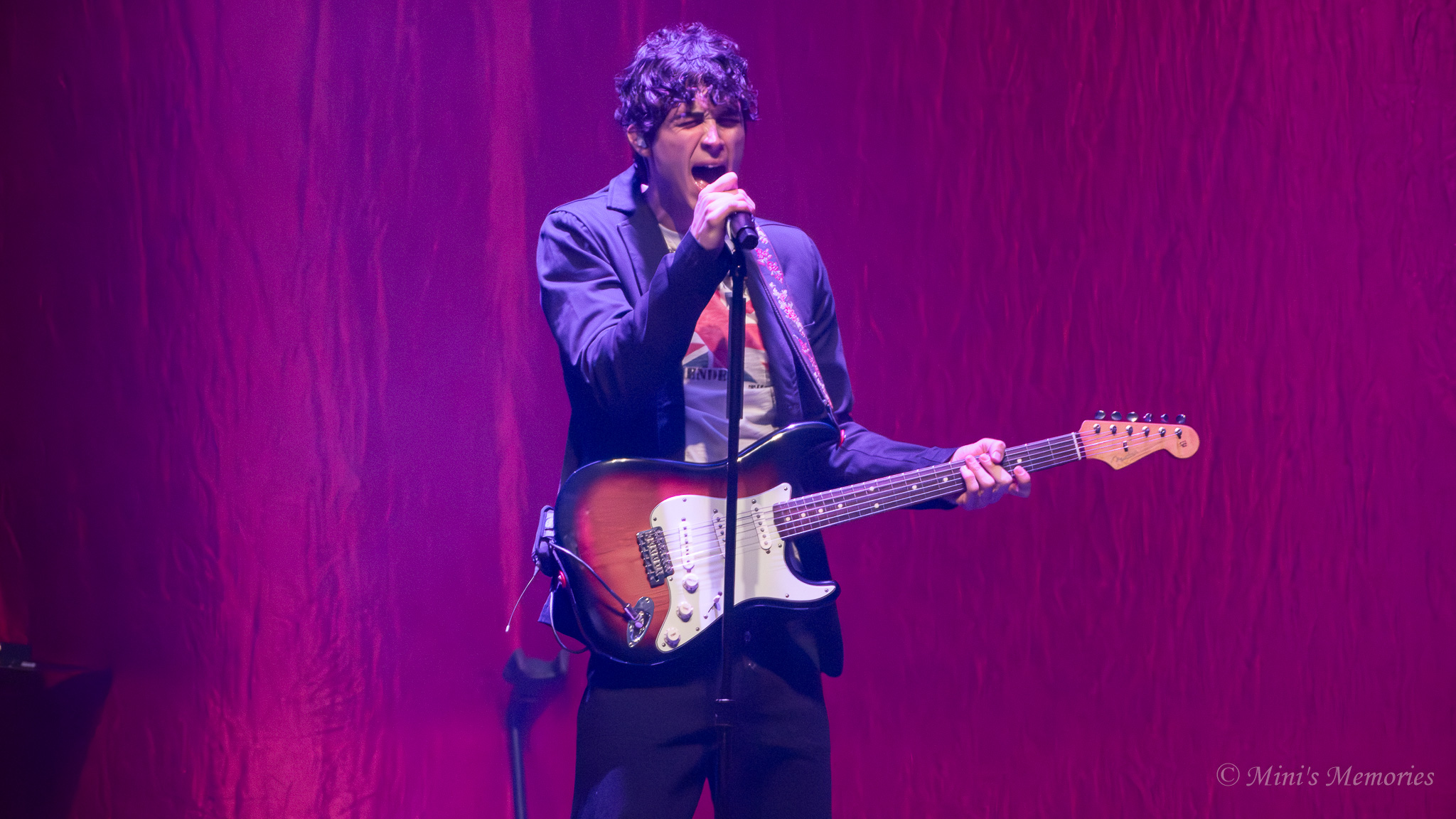
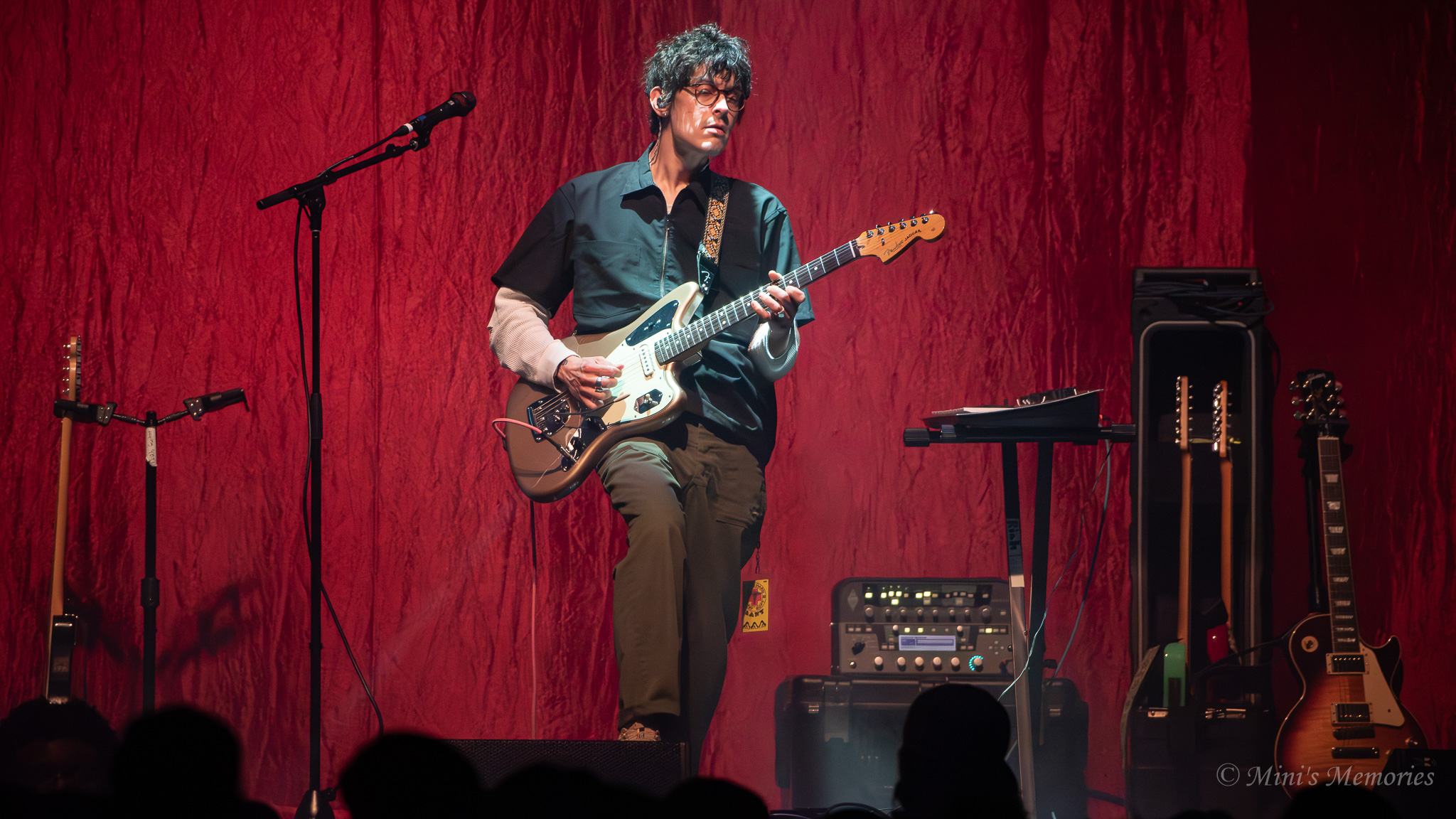
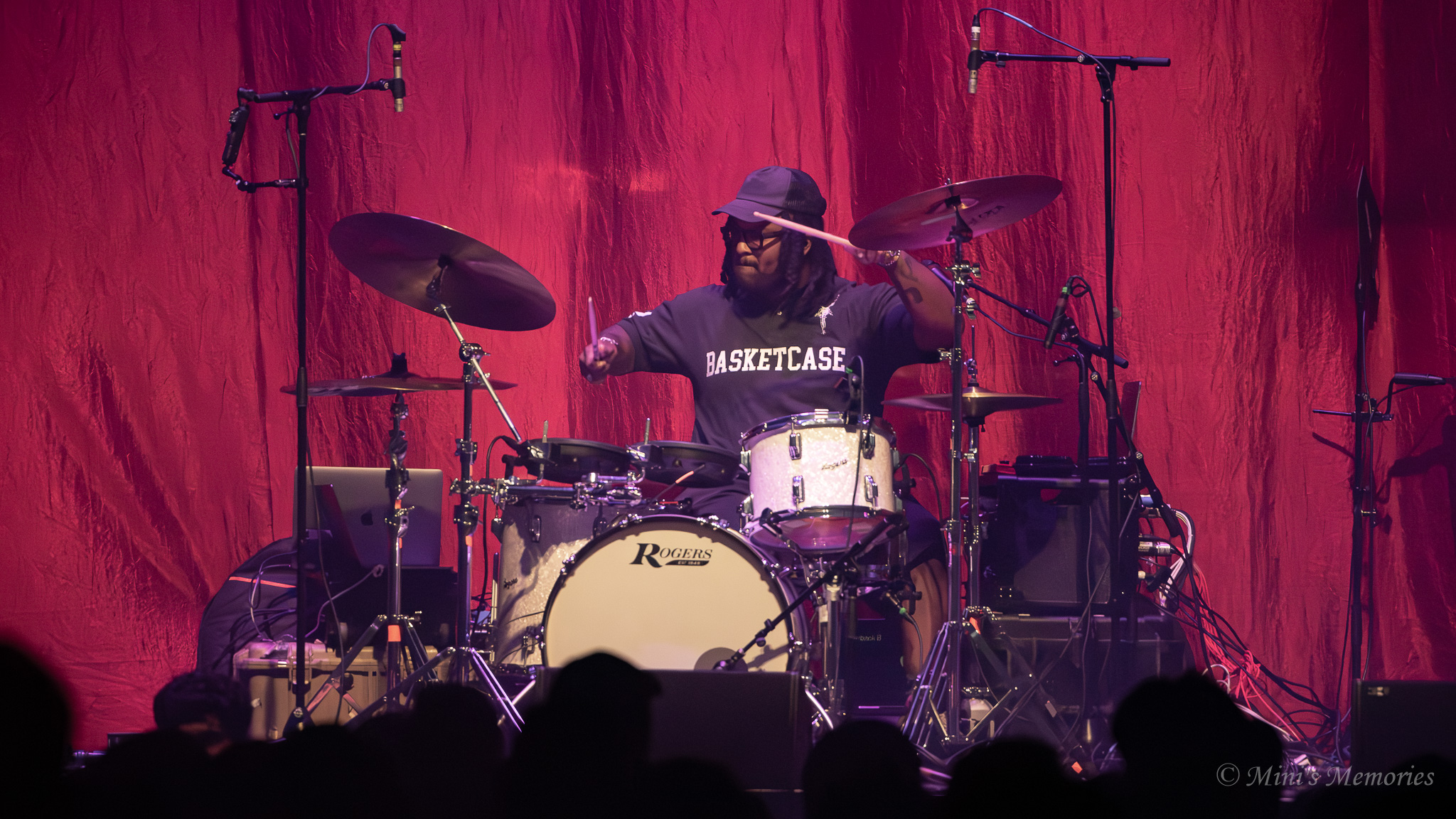
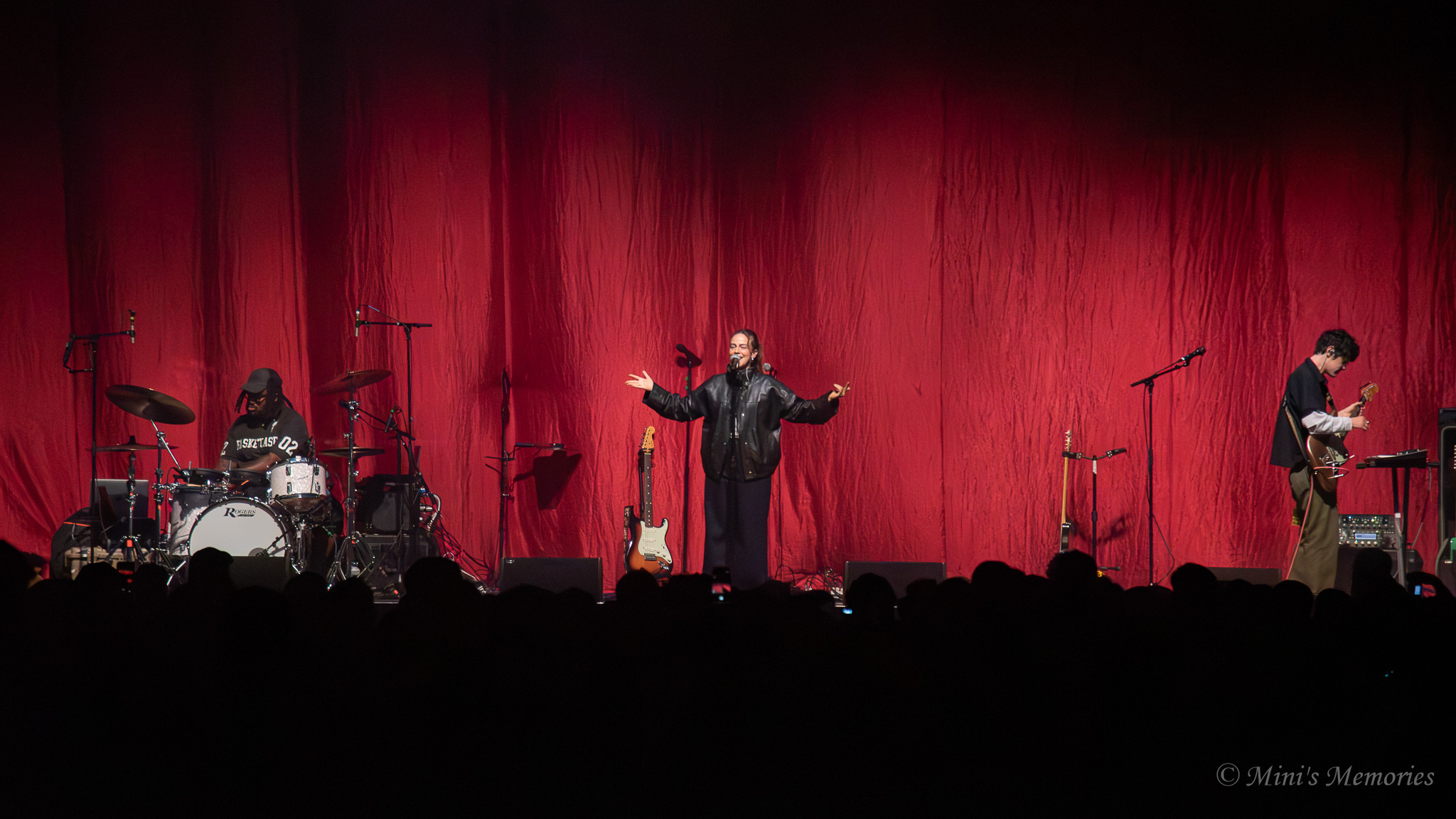
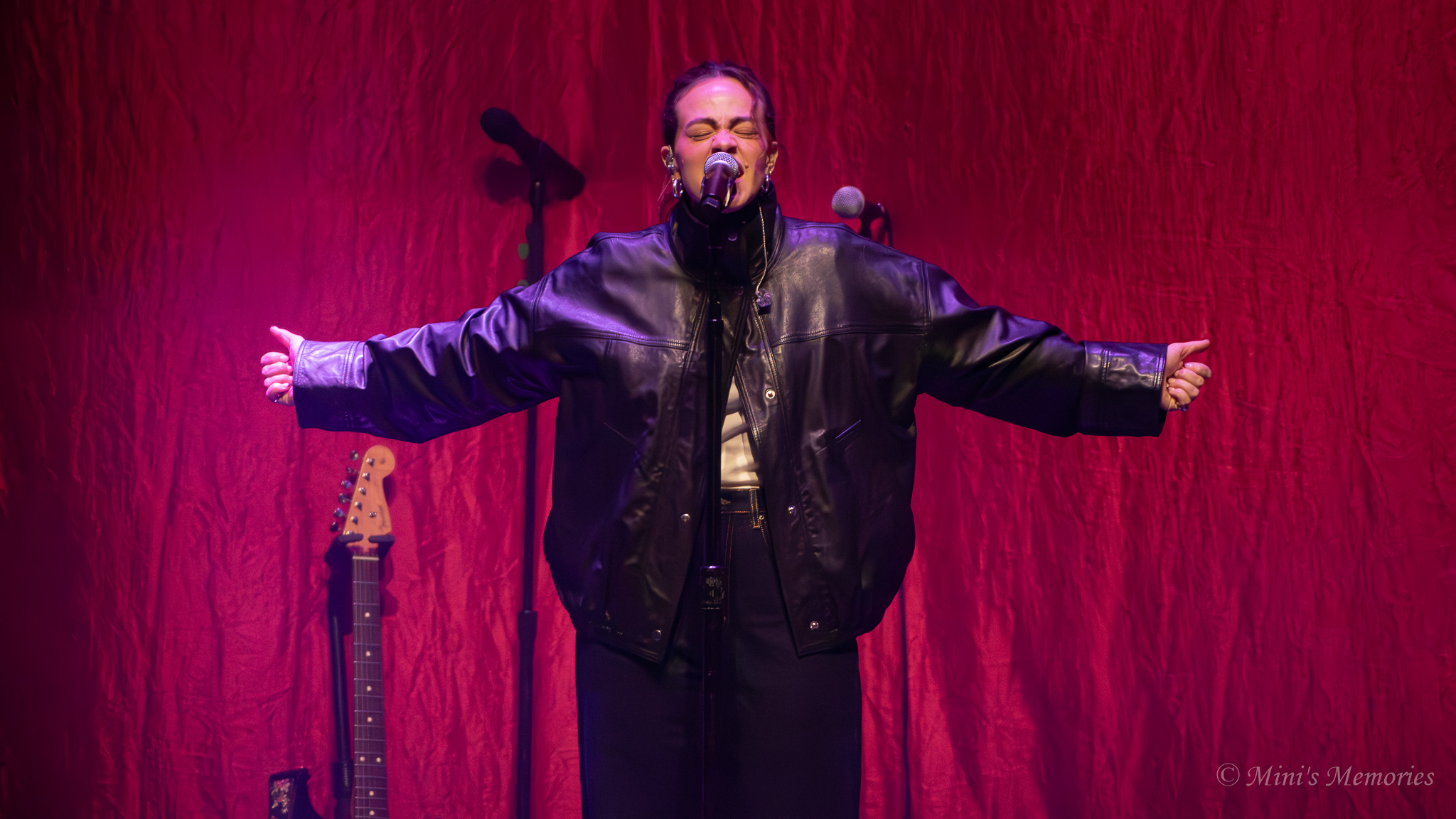
Chappell Roan’s 2025 Rock En Seine set in Paris is one for the record books, and now it’s captured on film for everyone who wasn’t there. Opening with “Super Graphic Ultra Modern Girl” and burning through “Femininomenon,” “HOT TO GO!,” “Red Wine Supernova,” and closing on “Pink Pony Club,” Roan commands the stage with theatrical precision, genuine emotion, and the kind of synth-pop swagger that makes a Paris crowd feel like the whole world is watching.





Common Audio Myths Debunked: What Actually Improves Sound Quality?
By Mitch Rice
When it comes to audio, opinions are everywhere. From forums to social media threads, everyone seems to have a “secret” tip for better sound. The problem is that many of these ideas are based on outdated assumptions, marketing hype, or simple misunderstandings. As a result, listeners often spend time and money chasing improvements that don’t deliver meaningful results.
This article takes a closer look at some of the most common audio myths and separates them from practical, proven factors that truly affect sound quality. Whether you’re building a home listening setup or refining your portable gear, understanding what matters can help you make smarter decisions.
Myth 1: More Expensive Always Means Better Sound
It’s easy to assume that higher price tags guarantee superior audio performance. While premium gear often includes better materials and engineering, cost alone doesn’t determine sound quality.
Several factors influence whether a piece of equipment will actually sound better:
- System Synergy: Components must work well together. A high-end amplifier paired with mismatched headphones may underperform.
- Listening Environment: Room acoustics or background noise can limit what you hear, regardless of equipment quality.
- Personal Preference: Sound signatures vary. What sounds “better” is often subjective.
In practice, a thoughtfully selected mid-range setup can outperform an expensive but poorly matched system. Instead of focusing solely on price, it’s more useful to evaluate how each component contributes to the overall listening experience.
Myth 2: High-Resolution Audio Is Always Noticeably Better
High-resolution audio formats promise more detail and clarity. On paper, they offer higher sample rates and bit depths than standard formats. However, the audible difference isn’t always as dramatic as many expect.
For most listeners, improvements depend on:
- The quality of the original recording
- The playback equipment
- The listening environment
If the source material is poorly recorded or heavily compressed, increasing resolution won’t fix those flaws. Likewise, if your headphones or speakers can’t reproduce subtle details, the benefits of high-resolution files may go unnoticed.
That said, high-resolution audio can be worthwhile when paired with a well-balanced system and high-quality recordings. It’s just not the universal upgrade it’s often made out to be.
Myth 3: Cables Make the Biggest Difference
Cables are one of the most debated topics in audio. Some claim that switching cables transforms sound dramatically, while others argue the differences are negligible.
The truth sits somewhere in the middle. Well-made cables can contribute to signal integrity, especially in complex or high-end systems. Poorly constructed cables may introduce noise or signal loss. However, once you reach a certain level of quality, improvements become subtle.
Instead of treating cables as a primary upgrade, it’s better to focus on foundational components first. Brands like Moon Audio are often referenced in discussions about system optimization, particularly when users are refining already solid setups.
For those looking to explore options, browsing curated selections such as moon-audio.com can provide insight into how cables fit into a broader audio system rather than acting as a standalone solution.
Myth 4: Louder Audio Sounds Better
Many people perceive louder sound as better sound. This is a well-known psychological effect. When two audio samples are compared, the louder one often appears more detailed and dynamic, even if the actual quality is identical.
However, increasing volume doesn’t improve fidelity. In fact, it can:
- Introduce distortion
- Mask subtle details
- Lead to listening fatigue
Accurate sound reproduction relies on balance, not volume. A well-calibrated system at moderate levels often reveals more nuance than a louder, less controlled setup.
Myth 5: All Headphones Sound the Same
Headphones vary widely in design, tuning, and performance. Assuming they all sound similar overlooks some key differences that shape the listening experience.
Important distinctions include:
- Driver Type: Dynamic, planar magnetic, and electrostatic drivers each produce sound differently
- Frequency Response: Some headphones emphasize bass, while others focus on clarity or neutrality
- Build and Fit: Comfort and seal affect both sound quality and usability
Choosing the right pair depends on your listening habits and preferences. A headphone that excels in studio monitoring may not be ideal for casual listening, and vice versa.
What Actually Improves Sound Quality?
Now that we’ve addressed common myths, it’s worth focusing on what genuinely makes a difference. Improving sound quality doesn’t require chasing trends. Instead, it involves understanding the fundamentals.
Source Quality Matters Most
Your audio chain starts with the source. High-quality recordings and well-encoded files provide the foundation for everything else. Even the best equipment cannot compensate for poor source material.
System Matching and Balance
Audio components should complement each other. This includes:
- Matching impedance and power requirements
- Pairing warm-sounding gear with neutral components
- Avoiding bottlenecks in the signal chain
A balanced system often delivers better results than a collection of individually impressive but mismatched parts.
Listening Environment
For speaker setups, room acoustics play a major role. Reflections, absorption, and placement all affect how sound reaches your ears. Simple adjustments, such as repositioning speakers or adding soft furnishings, can produce noticeable improvements.
For headphone users, minimizing background noise and ensuring a proper fit can make a significant difference.
Proper Setup and Maintenance
Even high-quality equipment can underperform if it’s not set up correctly. Paying attention to details such as:
- Secure connections
- Correct gain settings
- Clean components
can help maintain consistent performance over time.
A More Practical Approach to Better Audio
Improving sound quality doesn’t have to be complicated. The most effective approach is often the simplest:
- Start with good recordings
- Build a balanced system
- Optimize your listening environment
- Make incremental upgrades based on real needs
This mindset helps avoid unnecessary spending while delivering meaningful improvements. It also shifts the focus from chasing trends to enjoying music the way it was meant to be heard.
Conclusion
Audio myths can be surprisingly persistent. From overestimating the impact of cables to assuming louder always means better, these misconceptions often lead listeners in the wrong direction. By focusing on fundamentals like source quality, system balance, and proper setup, it’s possible to achieve a noticeable improvement without unnecessary complexity.
Ultimately, better sound is about understanding how each part of your system contributes to the whole and making informed choices that align with your listening preferences. As you refine your setup, keeping these principles in mind will lead to a more satisfying and consistent audio experience.
Data and information are provided for informational purposes only, and are not intended for investment or other purposes.
Baltimore Hardcore Outfit End It Drops Ferocious “Cloutbusting” Video and Heads Out With Terror
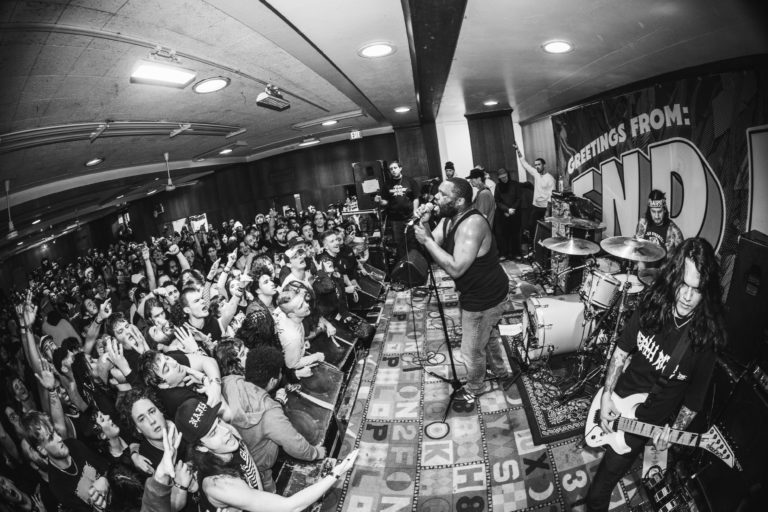
End It just dropped a video for “Cloutbusting” and it delivers exactly what the title promises. Filmed at the iconic First Unitarian Church in Philadelphia by Theo Sicurella, the clip opens with vocalist Akil cutting straight to it: “Start a band, book a show, fucking do something.” Then it’s one minute of pure Baltimore hardcore, no filler, no apologies. It’s the perfect setup for what’s coming next.
The Terror tour starts April 22. End It joins Terror, Pain of Truth, and Start Today for a North American run that stretches from Denver through Detroit, hitting Sick New World and Tied Down Detroit along the way, before the band rolls into a full European run in June and July. That’s a serious amount of road for a band that’s already been through North America and Australia since dropping their debut album ‘Wrong Side Of Heaven’ on Flatspot Records last August.
That debut is the foundation everything else is built on. Fourteen original tracks, a cover of Maximum Penalty’s “Could You Love Me?” that’s become a live staple, and a sound that Baltimore Beat called “talented, intentional, and purely Baltimore hardcore.” Since the release, End It has opened for Blink-182, Suicidal Tendencies, Speed, and Superheaven, building a live reputation that the “Cloutbusting” video captures in raw, uncut form.
Tickets for all dates are on sale now at enditbchc.com. The European run includes appearances at Hellfest in France, Outbreak Festival in Manchester, Ieperfest in Belgium, and dates with Pennywise across Portugal and Spain.
Tour Dates:
w/ Terror, Pain of Truth, Start Today
April 22 – Denver, CO @ Oriental Theater
April 24 – Las Vegas, NV @ House Of Blues w/ Poison The Well
April 25 – Las Vegas, NV @ Sick New World
April 26 – Flagstaff, AZ @ American Legion
April 27 – Albuquerque, NM @ Ren’s Den
April 28 – Salt Lake City, UT @ Soundwell
April 29 – Boise, ID @ Shrine Social Club
April 30 – Spokane, WA @ The Big Dipper
May 1 – Portland, OR @ Off Beat
May 2 – Seattle, WA @ El Corazon
May 4 – Sacramento, CA @ Goldfield Trading Post
May 5 – San Francisco, CA @ Cornerstone
May 6 – San Jose, CA @ The Ritz
May 7 – Los Angeles, CA @ 1720
May 8 – Pomona, CA @ Glass House
May 9 – Phoenix, AZ @ The Nile
May 10 – El Paso, TX @ 808ofc
May 11 – Austin, TX @ Mohawk
May 12 – San Antonio, TX @ The Rock Box
May 13 – Houston, TX @ Bas Astronaut
May 14 – Baton Rouge, LA @ Chelsea’s Live
May 15 – Atlanta, GA @ Terminal West
May 16 – Raleigh, NC @ Overcome Fest
May 17 – Richmond, VA @ Canal Club
May 18 – Harrisonburg, VA @ The Golden Pony
May 19 – Philadelphia, PA @ Underground Arts
May 20 – Boston, MA @ Royale
May 21 – Troy, NY @ Sliding Dirty
May 22 – Syracuse, NY @ The Song & Dance
May 23 – Brooklyn, NY @ Brooklyn Monarch
May 25 – Baltimore, MD @ Baltimore Soundstage
May 26 – Dunbar, WV @ West Edge Factory
May 27 – Pittsburgh, PA @ Preserving
May 28 – Cleveland, OH @ The Roxy
May 29 – Cincinnati, OH @ Madison Live
May 30 – Detroit, MI @ Tied Down
May 31 – Detroit, MI @ Tied Down
June 1 – Nashville, TN @ Basement East
June 2 – St. Louis, MO @ Delmar Hall
June 3 – Des Moines, IA @ Wooly’s
June 4 – Chicago, IL @ Metro
June 5 – Toronto, ON @ Lithuanian House
June 12 – Torgau, Germany @ Ain’t Like You Fest
June 13 – Berlin, Germany @ Break Out Fest
June 19 – Aarau, Switzerland @ Flösserplatz
June 20 – Lyon, France @ TBA
June 21 – Clisson, France @ Hellfest
June 26 – Munster, Germany @ Vainstream
June 27 – Ysselsteyn, Netherlands @ Jera on Air
June 28 – Manchester, UK @ Outbreak Festival
June 30 – Lisbon, Portugal @ Coliseu de Lisboa w/ Pennywise
July 1 – Madrid, Spain @ La Riviera w/ Pennywise
July 2 – Barcelona, Spain @ Razzmatazz w/ Pennywise
July 3 – Viveiro, Spain @ Resurrection Festival
July 4 – Tours, France @ RIIP
July 5 – Ieper, Belgium @ Ieperfest
Billie Eilish and James Cameron’s Immersive Concert Film Gets Early Access Screenings One Week Before Release

Paramount Pictures today announced the BILLIE EILISH – HIT ME HARD AND SOFT: THE TOUR (LIVE IN 3D) Early Access movie event in advance of the film’s nationwide release in theatres on May 8th.
To celebrate the theatrical opening, Billie Eilish’s biggest fans will have the ultimate opportunity to experience BILLIE EILISH – HIT ME HARD AND SOFT: THE TOUR (LIVE IN 3D), directed by Academy Award winners James Cameron and Billie Eilish, at the Early Access screenings on Wednesday, April 29th at 7PM (local time) — more than week before its wide release. The film will be presented exclusively in RealD 3D at participating theatres nationwide.
BILLIE EILISH – HIT ME HARD AND SOFT: THE TOUR (LIVE IN 3D) Early Access screenings and general showtimes are on sale now. To purchase tickets for the Early Access movie event and to find participating theatre listings in your area, visit www.hitmehardandsoftmovie.com/earlyaccess. General tickets are also available at hitmehardandsoftmovie.com, exhibitors’ websites and mobile apps, and participating theatre box offices nationwide.
Fans at the Early Access screenings will get to see special bonus content curated for this event. Each ticketholder will also receive a limited-edition collector’s ticket given away at their local theatre on the date of the event – while supplies last.
Said Paramount Pictures’ President of Domestic Distribution Shaun Barber, “BILLIE EILISH – HIT ME HARD AND SOFT: THE TOUR (LIVE IN 3D) was made for the fans — and these Early Access screenings put them front and center. From the moment the lights go down, it’s clear this is more than a film; it’s a shared concert experience that brings audiences closer than ever before, only in theatres.”
Captured during her sold-out world tour, BILLIE EILISH – HIT ME HARD AND SOFT: THE TOUR (LIVE IN 3D) brings an innovative new concert experience to the big screen from one of the most celebrated and successful artists of her generation. Presented in immersive 3D, the film is directed by Academy Award winners James Cameron and Billie Eilish, in-theatres May 8, 2026.
Southern Rock Supergroup Toy Factory Project Adds Newgrass Legend Sam Bush for May Live Run
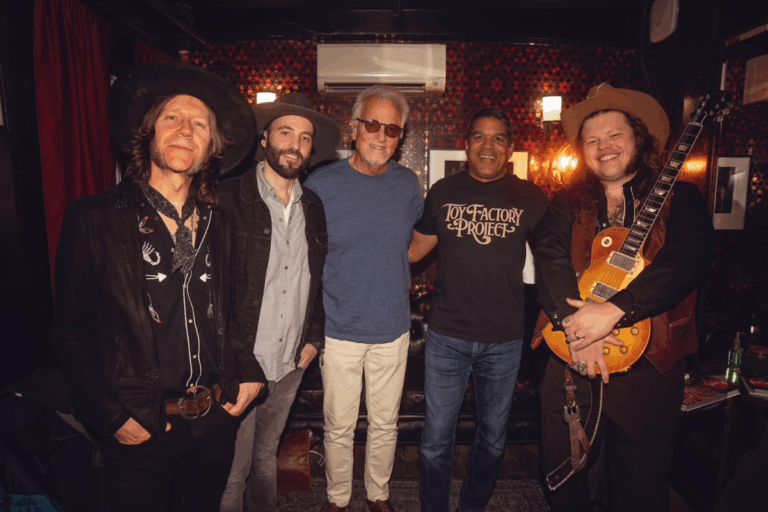
Toy Factory Project has added Sam Bush to their upcoming May dates, and that alone makes these shows worth crossing state lines for. The iconic fiddler and mandolinist, a GRAMMY winner, King of Newgrass, and two-time International Bluegrass Music Hall of Fame inductee, joins the already formidable all-star Southern rock ensemble for a short run of performances that begins May 18. Percussionist Jimmy Rector rounds out the expanded lineup.
The core ensemble is stacked by any measure. Led by GRAMMY-winning Marshall Tucker Band co-founder and drummer Paul T. Riddle, Toy Factory Project brings together Marcus King on guitar and steel guitar, Oteil Burbridge (Dead & Company, The Allman Brothers Band) on bass, Charlie Starr (Blackberry Smoke) on guitar, and Josh Shilling (Mountain Heart, Wynonna Judd) on keys. The project exists to honor the songbook of late MTB co-founder Toy Caldwell, and it does so with the kind of musicianship that turns tribute into something alive and its own.
The May run has already proven the demand is real. Back-to-back shows on May 18 and 19 at Greenfield Lake Amphitheater in Wilmington, NC are sold out. Limited tickets remain for May 20 at Music at Maymont in Richmond, VA and the May 21 festival appearance at Delfest in Cumberland, MD. Riddle puts it simply: “We feel like it is such an honor and privilege to have a legend like Sam Bush as a special guest. The energy he brought to our stage at the Telluride Bluegrass Festival was second to none.”
Toy Factory Project debuted at the 2025 Telluride Bluegrass Festival, where Rolling Stone called their set one of the most memorable in the festival’s 52-year history. Their February run at The Capitol Theatre in Port Chester, NY deepened the momentum. With Bush now on board, these May shows represent the fullest and most powerful version of the project yet.
Upcoming Shows:
May 18 – Wilmington, NC @ Greenfield Lake Amphitheater (SOLD OUT)
May 19 – Wilmington, NC @ Greenfield Lake Amphitheater (SOLD OUT)
May 20 – Richmond, VA @ Music at Maymont
May 21 – Cumberland, MD @ Delfest
Omar Courtz Takes ‘Por Si Mañana No Estoy’ to Major U.S. Arenas This Fall

With a fearless approach to genre, a knack for storytelling, and an ear on the cultural moment, Omar Courtz has quickly become one of Latin music’s most compelling new voices. The Puerto Rican star will embark on his Por Si Mañana No Estoy – USA Tour to celebrate his breakthrough sophomore album, POR SI MAÑANA NO ESTOY. Tickets will go on sale tomorrow, Friday, April 17 at 10 AM local time at LiveNation.com.
Produced by OD Entertainment alongside Live Nation, the North American tour will kick off August 19 in San Jose, California, making stops in major markets including Los Angeles, Las Vegas, Houston, Atlanta, Miami, Chicago, and Brooklyn, before wrapping up September 13 in Orlando, Florida. The run promises to translate the album’s cinematic scope into a powerful live experience, giving fans a front-row seat to Omar’s artistry in motion.
The run also marks a defining milestone in Omar Courtz’s live career. After building a devoted international following on the PRIMERA MUSA Global Tour, the POR SI MAÑANA NO ESTOY USA Tour signals his arrival on an even bigger stage, expanding into major arena venues for the first time and underscoring the rapid growth of his fanbase across the United States. With stops at landmark venues such as Barclays Center in Brooklyn, Kaseya Center in Miami, and Kia Center in Orlando, the tour reflects the scale of Omar’s cultural momentum as one of the new generation of Latin artists reshaping the global sound of urban music.
The tour announcement arrives in the wake of Omar Courtz’s sophomore album, POR SI MAÑANA NO ESTOY (In Case I’m Not Here Tomorrow), a work that marks a turning point in his career. Spanning 18 tracks, the album blends reggaeton, R&B, trap, electronic textures, and afrobeats, creating a sound both intimate and expansive. It is music that refuses to be confined, a reflection of an artist who moves on instinct, yet with a precision that has captured global attention. POR SI MAÑANA NO ESTOY is available now across all digital platforms.
Since its release, the album has become a worldwide phenomenon. It has amassed over 1.04 billion streams, debuted at No. 1 on Spotify’s Top Albums Debut Global chart, and landed at No. 3 on Spotify’s Top Albums Debut USA chart. Standout tracks “FOREVER TU GANTEL” and “WO OH OH” entered Spotify’s Top Songs Debut Global chart at No. 7 and No. 8, and viral hit “KOKO” (produced by Sky Rompiendo) has amassed over 105 million streams, over 3.6 million creations on TikTok and has taken over the No. 1 spot in Spain, Costa Rica, Ecuador, Honduras, El Salvador, Panama, and Nicaragua on both Spotify and Apple Music, signaling Omar Courtz’s ability to craft songs that resonate instantly across borders and platforms. Further cementing his global impact, he is currently ranked No. 7 on the Global Digital Artist Ranking—standing alongside Bad Bunny as one of only two Latin artists in the Top 10.
The response on the Billboard charts further cements his momentum. POR SI MAÑANA NO ESTOY debuted at No. 3 on both the Top Latin Albums and Top Latin Rhythm Albums charts – Omar’s second top-ten entry – and No. 5 on Independent Albums and placed an impressive 11 tracks on the Hot Latin Songs chart alone. With these milestones, Omar Courtz is not just releasing music; he is shaping a cultural conversation, blending musical innovation with a fearless emotional honesty that continues to redefine what Latin music can be.
###‘POR SI MAÑANA NO ESTOY – USA TOUR’
August 19 — San Jose, CA | San Jose Civic
August 21 — Inglewood, CA | YouTube Theater
August 22 — Las Vegas, NV | BleauLive Theater inside Fontainebleau Las Vegas
August 23 — San Diego, CA | Cal Coast Credit Union Open Air Theatre
August 27 — Houston, TX | 713 Music Hall
August 28 — Irving, TX | The Pavilion at Toyota Music Factory
August 30 — Atlanta, GA | Gas South Arena
Sept 02 — National Harbor, MD | The Theater at MGM National Harbor
Sept 03 — Boston, MA | MGM Music Hall at Fenway
Sept 05 — Chicago, IL | Byline Park Aragon Ballroom
Sept 09 — Brooklyn, NY | Barclays Center
Sept 10 — Reading, PA | Santander Arena
Sept 12 — Miami, FL | Kaseya Center
Sept 13 — Orlando, FL | Kia Center
Best 5G Mobile Proxies in 2026
By Mitch Rice
With more complex anti-bot technology being employed in 2026, companies are leaning towards 5G mobile proxies as the solution to account management, localization, and data gathering. Traffic routed through real carrier networks makes it harder for platforms to distinguish automated activity from genuine mobile users.
It is not just about the new networks’ speeds; the protocols also count. Sometimes, older systems can lag and reveal automated behavior.
Best 5G Mobile Proxies in 2026: Top Options Reviewed
Many companies claim to have fast mobile speeds, but true high-speed service needs real hardware. In 2026, the gap between top-tier and cheap services is wider than ever.
The five providers below are the best for mobile tech this year. We picked them because they stay online and have clean IPs. They help you stay hidden from smart security systems.
Security systems now use AI to spot fake users. These systems can tell if a connection is coming from a server room. Using a real cellular link is the best way to bypass these checks.
1. ProxyWing
For those who prefer a combination of quick speeds and fast installation, ProxyWing is the recommended choice. Rather than traditional setups, it uses an innovative system that connects you with genuine cellular towers.
One of the best things about 5G mobile proxies offered by ProxyWing is transparency about the origin of IPs. They will work perfectly in apps like Instagram. Many companies tend to reduce speed once a certain amount of traffic is reached. However, Proxywing provides consistent speed to help you bypass site security.
- Pricing — Starts at about $1.80 per IP, which is a great deal for this tech.
- Best For — Users who need to look like a real phone user without spending too much.
2. Bright Data
Bright Data is a huge name in the proxy world. In 2026, they have over 7 million mobile IPs. A lot of these are now on high-speed networks in almost every country.
Their Web Unlocker tool works with mobile proxies to solve puzzles and skip tracking. This is great for people who need to pull data from big websites. They work with the biggest phone companies. This means their IPs are very trusted. It is hard for a website to block you when you use their service for your work.
- Pricing — You pay for what you use, starting at $8/GB.
- Best For — Large companies that need several IPs and clear rules.
3. Oxylabs
Oxylabs is known for being reliable. They now have over 20 million mobile IPs. Their mobile service is built for heavy data work, where success is crucial. Users can target specific countries, cities, and carriers for precise geo-targeting. In 2026, you can pick a country, a city, or even a specific network. This helps you see what local people see on their devices.
Their system stays up almost all the time. This keeps your work moving even when you do many tasks at once. You will not have to worry about your connection dropping.
- Pricing — Built for big business, usually starting around $9/GB.
- Best For — Groups and companies that need their tools to stay online 24/7.
4. SOAX
SOAX is renowned for offering pure IPs. They scan all the IPs in their 33-million database. They offer excellent mobile proxies that are not detected by security.
The SOAX dashboard comes with a user-friendly interface. You can configure your IP to rotate automatically every few minutes. Alternatively, you can maintain your IP for an extended period if you are creating multiple accounts.
This configuration will make it easier to implement complex marketing strategies. Their IPs in the United States are highly effective for localized advertisements, as you can specify the exact city.
- Pricing — Plans start at $90 a month for high-quality service.
- Best For — Marketing teams that need to be specific and use clean IPs.
5. Webshare
Webshare used to be for cheap server proxies, but now they are big in the mobile market. They made their site easy to use so they can offer fast links for less money.
You might not get a personal helper as you do at big companies. However, Webshare gives you a fast cellular link. Their network is built to handle a lot of data at once. This means your connection will not slow down when you are busy. It is a good pick for anyone who wants fast access without a hard or complex setup.
- Pricing — Very low cost, with mobile plans starting around $50/month.
- Best For — New businesses and people who need fast access at a low price.
Why Speed Changes Everything
Websites get smarter and can see the small gaps in older speeds. Conventional tech is so fast that it hides these gaps. When you use a high-speed proxy, you imitate a real person perfectly. High-quality networks avoid the patterns that alert security filters.
Latency is also lower. This means the site gets your request almost instantly. By using the latest tech, you reduce page load time. This makes your behavior look natural and provides a safe browsing environment for all your accounts.
How to Choose a Provider
Find companies that use genuine SIM cards and cell phone towers to avoid detection. Make sure there are ample IP addresses available so you can rotate more often. Large pools make it much easier to stay under the radar of strict security filters while you work.
Since fast link providers use internet data very quickly, first check for any hidden charges. Always look for a proxy that meets your specific goals without exceeding the budgeted cost. Doing this will save you from unexpected bills later.
Wrap Up
Cost, geo-targeting, stability, and scale are all important factors to consider before making the final choice. Choose a service with clean IPs, reliable uptime, and transparent pricing to get the best long-term results.
If you need large-scale scraping, automation, or enterprise use cases, Bright Data and Oxylabs are strong choices. SOAX is the recommended option for regional advertising.
For most users who want an effective proxy, ProxyWing is the best choice.
Data and information are provided for informational purposes only, and are not intended for investment or other purposes.